Solid Shoulder Bag Suppliers and Manufacturers in China
Compare 19 verified Solid Shoulder Bag suppliers by location, response time, and pricing. Buyers can review product specifications like material and customization options before contacting factories directly to discuss order details and lead times; review the available evidence before requesting comparable quotations from suitable candidates.
Updated
Suppliers List

Hangzhou Boran Tool Bag Co., Ltd.
- Verified by SGS
- Trading Company
- China Zhejiang
- Lead time30 days
- Avg. response≤ 13h
Main productsBag, Tool Bag
Main marketsEurope,Australia

Zhengzhou Yunguang Technology Co., Ltd.
- Verified by TUVRHEINLAND
- Trading Company
- China Henan
- Lead time30 days
- Avg. response≤ 7h
Main marketsDomestic

Jinjiang Jiaxing Supply Management Co., Ltd.
- Verified by TUVRHEINLAND
- Trading Company
- China Fujian
- Lead time30 days
- Avg. response≤ 2h
Main productsEVA Clogs, Flip Flop, Shoe Charms, Shopping Bags, Wristbands, Gifts, Promotional Gifts, Slipper, Sport Cap, Ball
Main marketsNorth America

Shenzhen Lebon Handbags Luggage Co., Ltd
- Verified by SGS
- Combined
- China Guangdong
- Lead time30 days
- Avg. response≤ 3h
Main marketsNorth America

Guangzhou CF Leather Co., Ltd.
- Verified by SGS
- Combined
- China Guangdong
- Lead time30 days
- Avg. response≤ 24h
Main productsBag, Luxury Handbag, Women Handbag, Handbag
Main marketsAfrica,Domestic,Europe
Anhui Three Six Seven Travel Products Co., Ltd.
- Manufacturer, Trading Company
- Lead time旺季: "1 - 10":10,"> 10":"To be negotiated", 淡季: "1 - 10":10,"> 10":"To be negotiated"
- Avg. response≤ 3h
Main productsBackpack, School Bags, Messenger bags, Women Bags, Fanny pack

- Manufacturer, Trading Company
- Zhejiang, China
- Lead time0 days
- Avg. response≤ 3h
Main productsBackpack, School bag, Travel duffel bag, Handbag, Waist bag and makeup bag
Main marketsNorth America(40.00%), Western Europe(35.00%), South America(10.00%), Southeast Asia(10.00%), Eastern Asia(5.00%)
Hebei Beituo New Material Co., Ltd.
- Trading Company
- Hebei Province, China
- Lead time0 days
- Avg. response≤ 2h
Main productsmen's suits,men's jackets,men's pants,Hats,backpacks
Main marketsNorth America(20.00%), Eastern Europe(15.00%), Southern Europe(10.00%), Western Europe(10.00%), Mid East(10.00%), Africa(10.00%), Southeast Asia(10.00%), South America(10.00%), Northern Europe(5.00%)

Shanghai Tuanjue Trading Co., Ltd.
- Trading Company
- China Shanghai
- Lead time0 days
- Avg. response≤ 25h
Main productsLadies' Bag

Qingdao Sanliang Yipin Network Technology Co., Ltd
- Verified by SGS
- Manufacturer/Factory
- China Shandong
- Lead time30 days
- Avg. response≤ 8h
Main productsBag, Plush Toys, Clothes, Pet Accessories, Jewellery
Main marketsSouth America,Eastern Europe,Mid East,North America,Southeast Asia,Eastern Asia,Oceania,Western Europe,Africa
Guangzhou Jingnian Industrial Co., Ltd.
- Verified by SGS Group
- Manufacturer, Trading Company
- Lead time25 days
- Avg. response≤ 3h
Main productsBags for women, Wallet
Main marketsNorth America(20%), South America(20%), Western Europe(20%)
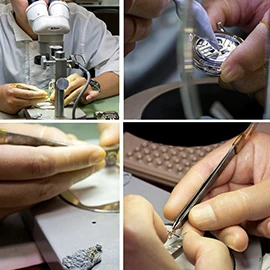
Yiwu Jinhong Arts & Craft Co., Ltd.
- Trading Company
- Zhejiang, China
- Lead time20 days
- Avg. response≤ 5h
Main productsJewelry, Hair Accessories, Bags
Main marketsNorth America(50.00%), Africa(20.00%), South America(10.00%), Southeast Asia(10.00%), Western Europe(5.00%), Northern Europe(5.00%)

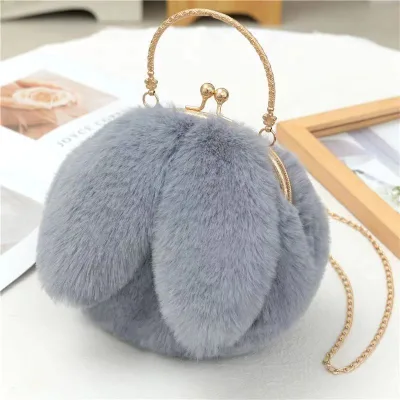
$1.6384 - $2.253
MOQ: 10 pieces
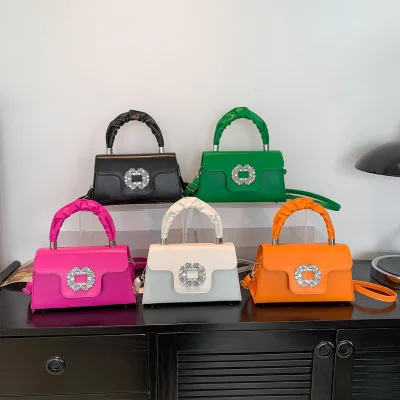
Guangzhou Jinyi Industrial Co., Ltd.
- Verified by SGS Group
- Manufacturer, Trading Company
- Lead time35 days
- Avg. response≤ 7h
Main productsHandbag, Accessories
Main marketsNorth America(70%), Western Europe(20%), Oceania(10%)
Baoding Jiezhen Luggage Manufacturing Co., Ltd.
- Manufacturer, Trading Company
- Hebei, China
- Lead time15 days
- Avg. response≤ 4h
Main productsTravel bags,Backpacks,Messenger Bags,Custom bag,Handbag
Main marketsNorth America(20.00%), Southeast Asia(15.00%), Africa(15.00%), Central America(10.00%), Southern Europe(7.00%), South America(7.00%), Western Europe(6.00%), Oceania(5.00%), Northern Europe(5.00%), Eastern Europe(5.00%), Mid East(5.00%)
Baoding Flybird Trading Co., Ltd
- Trading Company
- Hebei, China
- Lead time40 days
- Avg. response≤ 4h
Main productswomen bags,backpack,travel bags,wallets,waist bag
Main marketsSouth America(30.00%), North America(30.00%), Northern Europe(10.00%), Central America(10.00%), Western Europe(10.00%), Eastern Europe(10.00%)

Hangzhou Initi Imp&Exp Co., Ltd.
- Verified by SGS
- Combined
- China Zhejiang
- Lead time30 days
- Avg. response≤ 7h
Main productsTote Bag, Cotton Bag, Canvas Bag, Drawstring Bag, Garment Bag, Cooler Bag, Cosmetic Bag, Shaker Bottle, Felt Bag, Corduroy Bag
Main marketsSoutheast Asia/ Mideast,East Asia(Japan/ South Korea),Europe,Australia,North America

Shijiazhuang Green Dragon Trading Co., Ltd.
- Verified by TUVRHEINLAND
- Trading Company
- China Hebei
- Lead time15 days
- Avg. response≤ 11h
Main productsFashion Bags, Hand Bags, Shoulder Bag, Backpack, Shopping Bags, Wallet, Shoes, Belt
Main marketsNorth America
Guangzhou Yidai Leather Co., Ltd.
- Verified by Intertek
- Manufacturer, Trading Company
- Lead time45 days
- Avg. response≤ 1h
Main productsHandbag, Crossbody, Backpack, Wallet, Shoulder Bag
Main marketsNorth America(30%), South America(20%), Eastern Europe(20%)
Xiamen Beyond Creative Gifts Co., Ltd.
- Verified by Intertek
- Trading Company
- Lead time15 days
- Avg. response≤ 2h
Main productsPencil Case, School Bag
Main marketsNorth America(35%), Domestic Market(27%), Eastern Europe(10%)



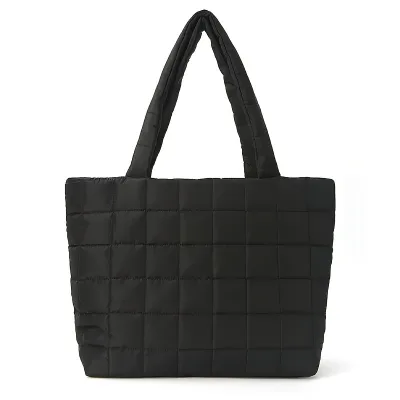
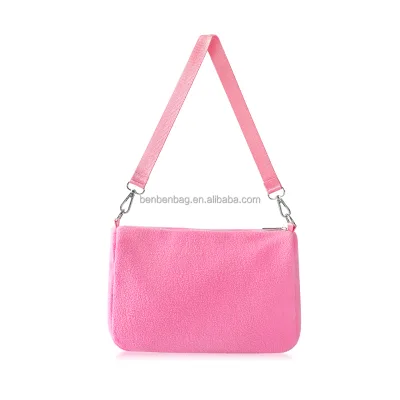
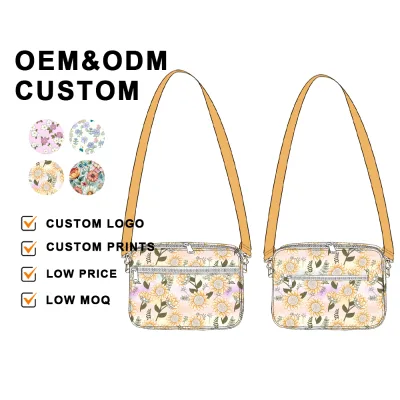
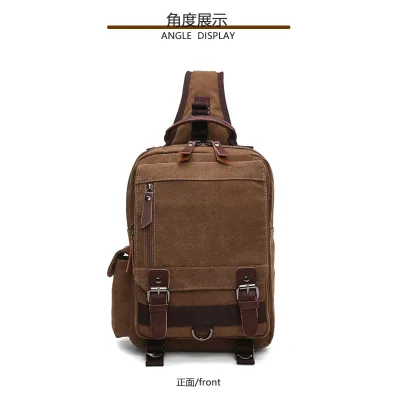
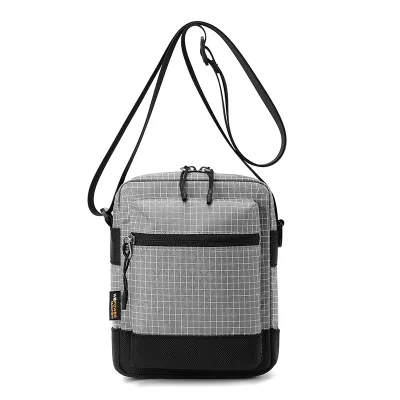


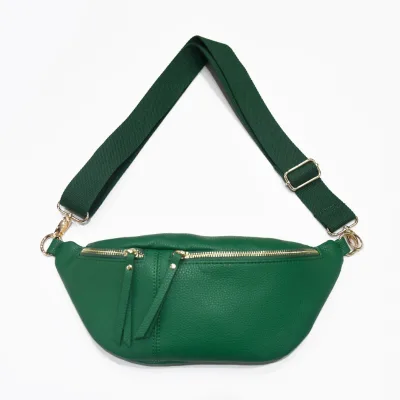
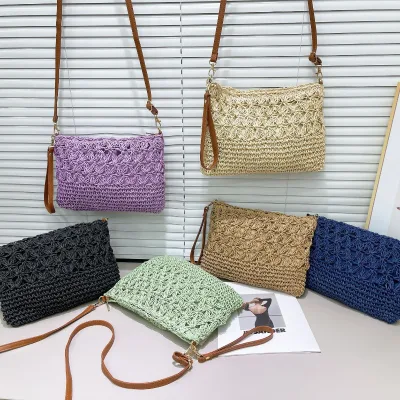
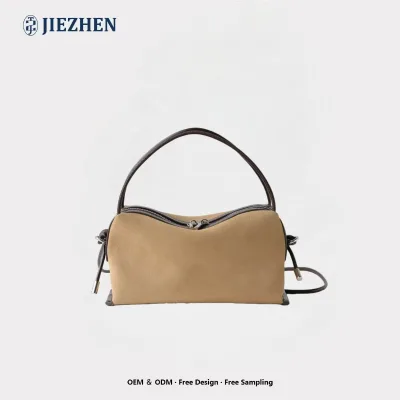
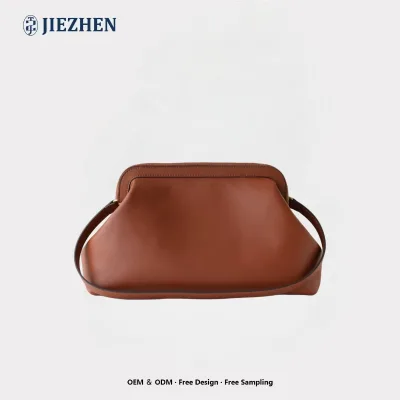
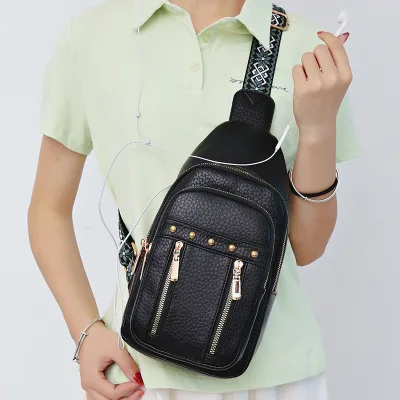
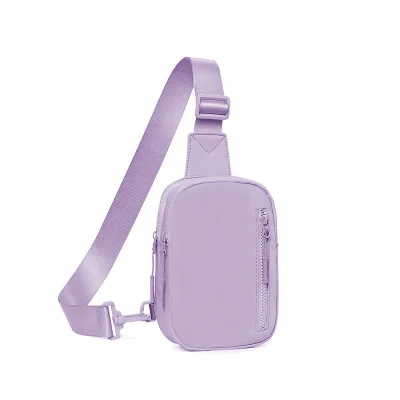


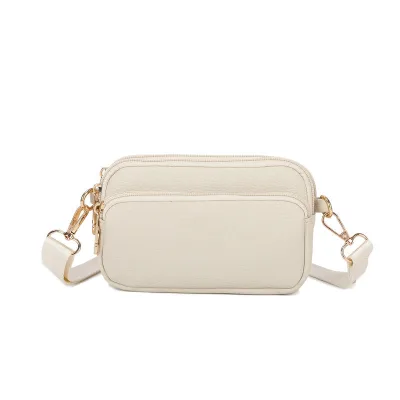
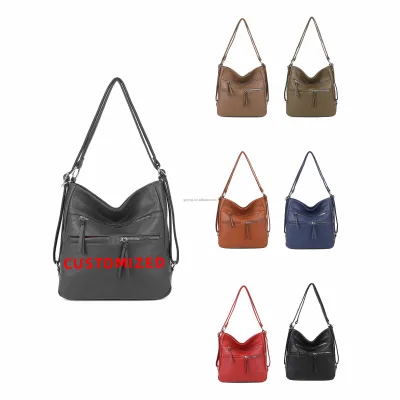
Comprehensive Sourcing Guide
Solid Shoulder Bag Supplier Concentration and Factory Types
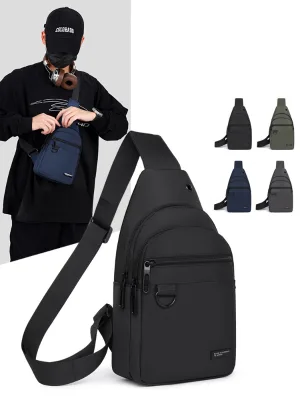
The current supplier landscape for solid shoulder bags reveals a distinct geographic concentration within China, specifically highlighting manufacturing hubs in Zhejiang, Henan, and Fujian provinces. These regions serve as critical nodes for production, with Zhejiang emerging as a primary location for suppliers offering specialized items like shockproof and reinforced shoulder bags. The presence of suppliers in Henan indicates a broader distribution of manufacturing capabilities, while Fujian-based entities often focus on diverse product lines that include canvas and PU options alongside footwear. Buyers must recognize that these locations are not merely administrative labels but represent established industrial clusters where supply chains for materials like nylon, polyester, and canvas are readily accessible. Understanding this geographic spread allows purchasers to align their sourcing strategies with regional strengths, whether they require high-volume production of durable bags or specialized designs with specific material compositions. The concentration in these areas suggests that logistics and raw material procurement are optimized for efficiency, which can directly impact lead times and overall cost structures for international buyers.
Within these geographic clusters, the types of manufacturing entities vary significantly, influencing the nature of the products and services offered. Many suppliers in this sector operate as trading companies, which can provide a broader range of product selections and flexible customization options, such as OEM services and logo printing. For instance, some entities explicitly list ODM and own brand capabilities, indicating a capacity for design innovation and private label development. In contrast, other suppliers may focus on specific product niches, such as EVA clogs or promotional gifts, while still offering shoulder bags as part of a diversified catalog. This diversity in company types means that buyers must carefully assess whether they are engaging with a direct manufacturer or a trading intermediary. Trading companies often excel in customer service and response times, as evidenced by some suppliers reporting response metrics under two hours, whereas direct factories might offer more competitive pricing on standardized items. The distinction between these entity types is crucial for determining the level of control a buyer has over the production process and the flexibility available for customizing product attributes like compartments, handle types, and sizes.
How to Verify Solid Shoulder Bag Suppliers
Verifying the credibility and operational capacity of Solid Shoulder Bag suppliers requires a multi-layered approach that goes beyond surface-level product listings. One of the primary methods for establishing trust is through third-party verification services, which provide an objective assessment of a supplier’s business legitimacy and manufacturing capabilities. In the current market, some suppliers have undergone verification by recognized entities such as SGS and TÜV Rheinland, offering buyers a layer of assurance regarding their operational standards. These certifications are not merely decorative; they often involve rigorous audits of production facilities, quality control processes, and business practices. Buyers should prioritize suppliers who display these verification badges, as they indicate a commitment to transparency and adherence to international business norms. However, it is important to note that not all suppliers may have displayed verification status, and the absence of such a badge does not necessarily imply a lack of quality. In such cases, buyers may need to request additional documentation or conduct their own due diligence to ensure the supplier’s reliability.
Beyond verification badges, assessing a supplier’s responsiveness and communication efficiency is a critical step in the evaluation process. The speed at which a supplier responds to inquiries can be a strong indicator of their operational maturity and customer service quality. Data from current results shows a wide range of response times, with some suppliers responding within hours while others may take significantly longer. A rapid response time, such as those under seven hours, suggests a dedicated sales team and efficient internal processes, which are essential for managing complex orders and resolving issues promptly. Buyers should also examine the completeness of the product information provided, including detailed specifications for materials, dimensions, and customization options. Suppliers that provide comprehensive data, such as specific model numbers, packing details, and origin information, demonstrate a higher level of professionalism and preparedness. This attention to detail in product listings often correlates with a supplier’s ability to manage orders accurately and deliver products that meet the buyer’s specifications.
What to Compare Across Solid Shoulder Bag Suppliers
When evaluating multiple suppliers for solid shoulder bags, buyers must systematically compare key operational metrics to identify the most suitable partner for their specific needs. One of the most critical factors is the minimum order quantity (MOQ), which varies significantly across different suppliers and product lines. For example, some suppliers offer MOQs as low as 100 pieces, making them ideal for small businesses or trial orders, while others require quantities of 500 or even 1000 pieces, which may be more suitable for large-scale retail operations. Understanding these MOQ requirements is essential for aligning inventory strategies with budget constraints and market demand. Additionally, buyers should compare the pricing structures, noting that costs can range from approximately $2.00 to nearly $10.00 per unit depending on the material, design complexity, and customization level. Canvas and PU options often fall on the lower end of the price spectrum, while specialized features like waterproofing or reinforced structures may command higher prices. This price variability allows buyers to find options that fit various budget tiers, but it also necessitates a careful cost-benefit analysis.
Another vital aspect of comparison is the lead time and production capacity, which directly impact the ability to meet market deadlines. Suppliers in this sector typically report lead times around 30 days, but this can vary based on the complexity of the order and the current production load. Buyers should also consider the supplier’s main product focus, as those specializing in bags may offer more consistent quality and expertise compared to general trading companies with diverse catalogs. Furthermore, the availability of customization services, such as logo printing, color options, and design modifications, is a key differentiator. Some suppliers explicitly state that customization is available and offer OEM services, which is crucial for brands looking to create unique products. By comparing these factors—MOQ, price, lead time, main products, and customization capabilities—buyers can create a weighted scoring system to objectively rank suppliers. This structured approach ensures that the final selection is based on a comprehensive assessment of all relevant criteria, rather than relying on a single attribute.
Common Solid Shoulder Bag Sourcing Risks
Sourcing solid shoulder bags from international suppliers involves several inherent risks that buyers must proactively manage to ensure a successful procurement process. One significant risk is the potential discrepancy between the product samples and the final bulk production. While suppliers may provide high-quality samples with specific features like waterproofing or scratch resistance, there is no guarantee that the mass-produced items will maintain the same standards. This risk is particularly relevant when dealing with suppliers who offer extensive customization options, as the complexity of the design can introduce variability in the manufacturing process. Buyers should mitigate this risk by establishing clear quality control protocols and, if possible, conducting third-party inspections before shipment. Additionally, the reliance on specific materials, such as nylon or polyester, means that buyers must verify the quality and durability of these materials, as substandard inputs can lead to product failures and customer dissatisfaction.
Another common risk is the variability in supplier communication and responsiveness, which can lead to delays and misunderstandings. As observed in the current results, response times can vary widely, with some suppliers taking over twelve hours to reply to inquiries. This delay can be problematic for buyers who need quick turnaround times or have urgent order requirements. Furthermore, the lack of standardized communication channels or language barriers can result in errors in order specifications, such as incorrect dimensions or material choices. Buyers should address this risk by establishing clear communication protocols and confirming all details in writing. It is also important to be aware of the potential for hidden costs, such as shipping fees or customs duties, which can impact the final landed cost of the products. By anticipating these risks and implementing robust mitigation strategies, buyers can protect their interests and ensure a smoother sourcing experience.
Solid Shoulder Bag Regional Sourcing and Logistics
The geographic distribution of Solid Shoulder Bag suppliers in China presents both opportunities and challenges for international buyers regarding logistics and supply chain management. Suppliers located in Zhejiang, Henan, and Fujian provinces benefit from established infrastructure and proximity to major ports, which can facilitate efficient export processes. Zhejiang, in particular, is known for its robust manufacturing ecosystem, which can support high-volume production and rapid turnaround times. Buyers sourcing from this region may benefit from shorter transit times to major global markets, reducing the overall lead time from order placement to delivery. However, the concentration of suppliers in specific regions also means that buyers must carefully consider the logistics of consolidating orders from multiple suppliers if they choose to diversify their sourcing base. This consolidation can add complexity to the shipping process but may offer cost savings through volume discounts.
Logistics planning must also account for the specific requirements of the products, such as packaging and handling instructions. Many suppliers use standard packing methods, but some offer customized packaging options, which can impact the volume and weight of the shipment. Buyers should work closely with their suppliers to optimize packaging for efficiency, ensuring that products are protected during transit while minimizing shipping costs. Additionally, the choice of shipping method, whether by sea or air, will depend on the urgency of the order and the budget constraints. Sea freight is generally more cost-effective for large orders, while air freight may be necessary for smaller, time-sensitive shipments. Buyers should also consider the impact of seasonal fluctuations on logistics, as peak seasons can lead to capacity constraints and increased shipping rates. By developing a comprehensive logistics strategy that accounts for these variables, buyers can ensure that their Solid Shoulder Bag orders are delivered on time and within budget.
Solid Shoulder Bag Commercial Terms and Order Planning
Effective order planning for solid shoulder bags requires a thorough understanding of the commercial terms offered by suppliers, including payment conditions, warranty policies, and after-sales support. While specific payment terms are not always detailed in the initial product listings, buyers should negotiate clear agreements that protect their financial interests. It is advisable to use secure payment methods, such as escrow services, which provide a layer of protection by holding funds until the goods are received and verified. This is particularly important when dealing with new suppliers or large orders, as it reduces the risk of fraud or non-delivery. Buyers should also inquire about the supplier’s return and refund policies, as well as their willingness to address quality issues that may arise after delivery. Establishing these terms upfront can prevent disputes and ensure a smooth transaction process.
In addition to payment terms, buyers must plan for the long-term relationship with their suppliers, considering factors such as scalability and consistency. Suppliers with established capabilities in ODM and own brand development may be better positioned to support a buyer’s growth, offering innovative designs and consistent quality over time. Buyers should also consider the supplier’s capacity to handle peak demand, ensuring that they can meet increased order volumes without compromising on quality or lead times. Regular communication and performance reviews can help maintain a strong partnership, allowing for continuous improvement and adaptation to market changes. By focusing on these commercial and strategic aspects, buyers can build a resilient supply chain that supports their business objectives and minimizes operational risks. This holistic approach to order planning ensures that the sourcing of solid shoulder bags is not just a transactional activity but a strategic component of the buyer’s overall business strategy.
FAQs
What is the price range for solid shoulder bags?
Solid shoulder bags are available from $2.00 to $9.99 per unit. Prices vary based on material, such as canvas, nylon, or PU, and customization options. Buyers should check specific product listings for exact pricing tiers and volume discounts.
What is the minimum order quantity for these bags?
Minimum order quantities typically range from 100 to 1000 pieces. Some suppliers accept orders as low as 100 units, while others require 500 or 1000 pieces. Buyers must verify the MOQ for each specific product model before placing an order.
Where are these shoulder bags manufactured?
Manufacturing locations include Zhejiang, Henan, and Fujian provinces in China. Suppliers in these regions offer various materials and customization services. Buyers can filter results by location to prioritize specific manufacturing hubs for their sourcing needs.
How fast do suppliers respond to inquiries?
Response times vary significantly, ranging from approximately 1 hour to over 12 hours. Faster response times, under two hours, are available from some suppliers. Buyers should check the response time metric on each supplier profile to gauge communication speed.
What certifications do these suppliers hold?
Some suppliers hold SGS or TÜV Rheinland verification. System certifications may not be listed for all products. Buyers should verify specific certification details directly with the supplier to ensure compliance with their quality standards.
Can I customize the logo and design?
Customization is widely available for logos, colors, and styles. Many suppliers offer OEM services with customized designs. Buyers should confirm customization options, including logo placement and color choices, with the supplier before finalizing the order.