Water Resistant Portable Backpack Suppliers and Manufacturers
Source Water Resistant Portable Backpack from 30 verified factories in China. Compare lead times, MOQs, certifications, and prices to find the right partner. Request samples to verify quality before placing bulk orders; review the available evidence before requesting comparable quotations from suitable candidates.
Updated
Suppliers List

QUANZHOU DANKIN IMP AND EXP CO., LTD.
- Manufacturer/Factory
- China Fujian
- Lead time45 days
- Avg. response≤ 3h
Main productsBackpack, Cooler Bag, Tool Bag, Laptop Bag, Gun Bag, Travel Bag, Hiking Bag, Tennis Bag, Running Bag, Diaper Bag
Main marketsSouth America,Eastern Europe,Mid East,North America,Southeast Asia,Eastern Asia,Oceania,Western Europe,Africa
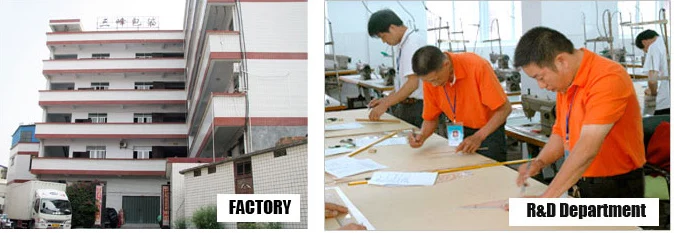
- Manufacturer, Trading Company
- Fujian, China
- Lead time35 days
- Avg. response≤ 5h
Main productsBackpack,Sports Bag,Bike Bag,Outdoor Bag,Bike Bag
Main marketsWestern Europe(50.00%), North America(25.00%), Eastern Europe(5.00%), Southern Europe(4.00%), South America(4.00%), Northern Europe(3.00%), Mid East(2.00%), Central America(2.00%), Oceania(2.00%), Southeast Asia(2.00%), Eastern Asia(1.00%)
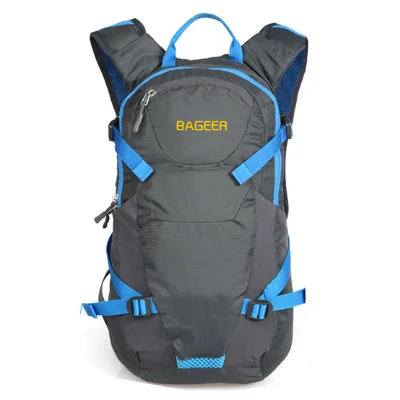
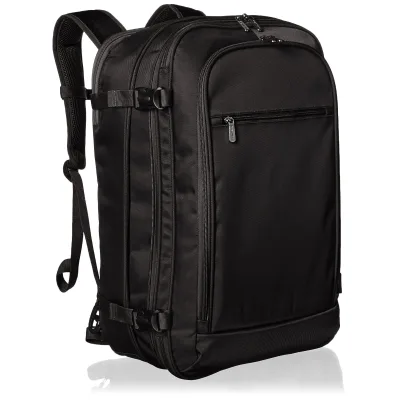
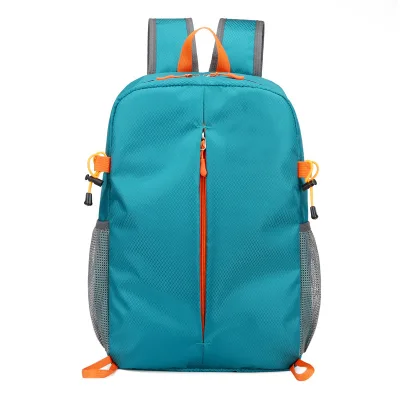
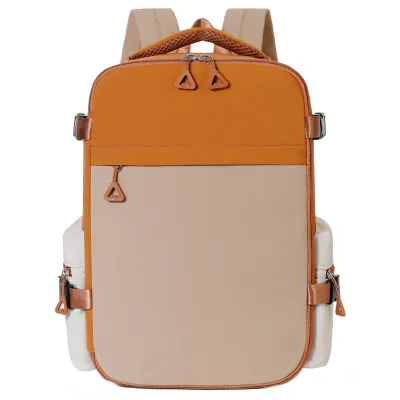
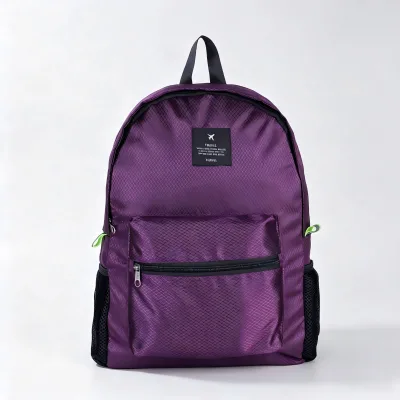
New Design Pocket Fold Lightweight Backpack
$8.90 - $10.00
Anhui Three Six Seven Travel Products Co., Ltd.
- Manufacturer, Trading Company
- Lead time旺季: "1 - 10":7,"> 10":"To be negotiated", 淡季: "1 - 10":7,"> 10":"To be negotiated"
- Avg. response≤ 3h
Main productsBackpack, School Bags, Messenger bags, Women Bags, Fanny pack

Quanzhou Lingyuan Bags Co., Ltd.
- Verified by SGS
- Combined
- China Fujian
- Lead time45 days
- Avg. response≤ 3h
Main productsSchool Bag, Sports Bag, Trolley Bag, Promotional Bag, Ladies Bag, Backpack, Hiking Backpack, Ski Bag, Hockey Bag, Bike Bag
Main marketsEurope,North America
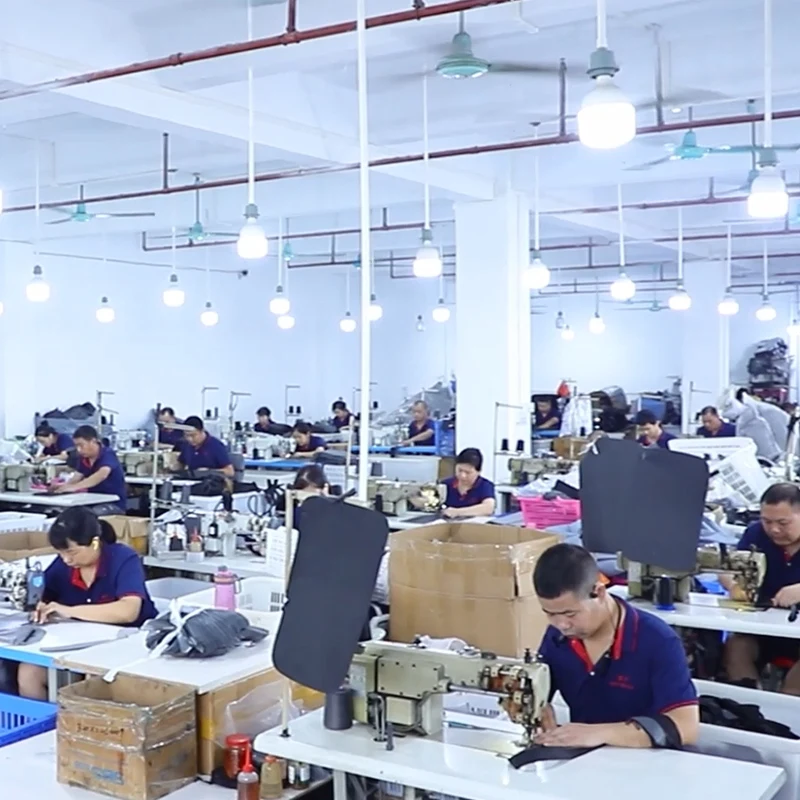
Guangzhou Fenjie Clothing Co., Ltd.
- Manufacturer
- Guangdong, China
- Lead time20 days
- Avg. response≤ 8h
Main productsBackpack,Mommy bag,Duffle bag,camera backpack,Travel backpack
Main marketsNorth America(40.00%), Eastern Europe(30.00%), Western Europe(20.00%), Northern Europe(10.00%)

Changsha Ido Leisure Industry Co., Ltd.
- Verified by SGS
- Manufacturer/Factory
- China Hunan
- Lead time0 days
- Avg. response≤ 4h
Main productsHanging Chair and Hammock Stand, Leisure Table and Chair, Camping Gear Tent, Fishing Supplies, Leisure Chair and Table, Pavilion, Fire Pit, Parasol, Sporting Supplies, Outdoor Furniture
Main marketsNorth America,Western Europe

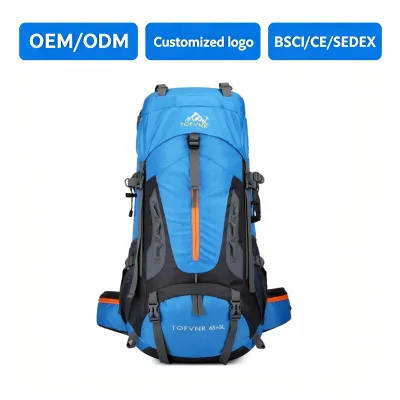
Multi-Functional Outdoor Travel Hiking Waterproof and Wear-Resistant Backpack
$80.00 - $180.00
MOQ: 50 Pieces

a Waterproof and Large-Capacity Backpack Suitable for Outdoor Hiking Trips
$60.00 - $135.00
MOQ: 50 Pieces

LITAI(QUANZHOU)BAGS CORP., LIMITED
- Trading Company,Manufacturer/Factory
- China Fujian
- Lead time45 days
- Avg. response≤ 8h
Main productsMilitary Bags, Military Backpack, Military Vest, Army Backpack, Tactical Backpack, Tactical Holster, Tactical Sling, Army Bags, Medical Bag
Main marketsSouth America,Eastern Europe,Mid East,North America,Eastern Asia,Western Europe,Africa
- Verified by SGS Group
- Manufacturer, Trading Company
- Lead time30 days
- Avg. response≤ 2h
Main productsDry Backpack, Cooler Bag, Hiking Backpack, Tactical Bag, Waterproof Duffel Bag
Main marketsWestern Europe(45%), North America(25%), Northern Europe(15%)
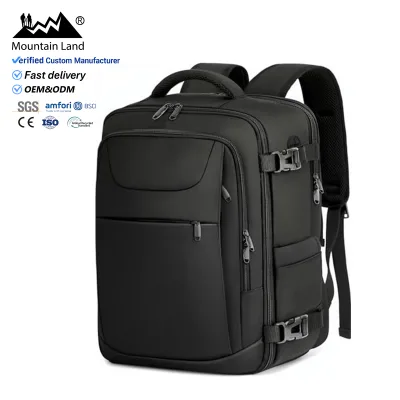
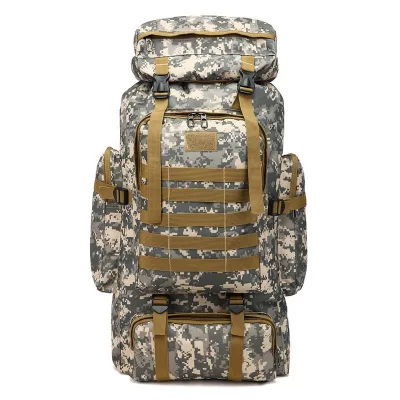
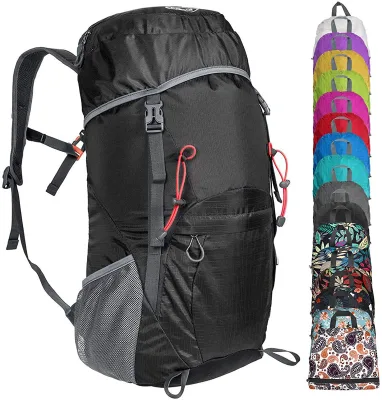
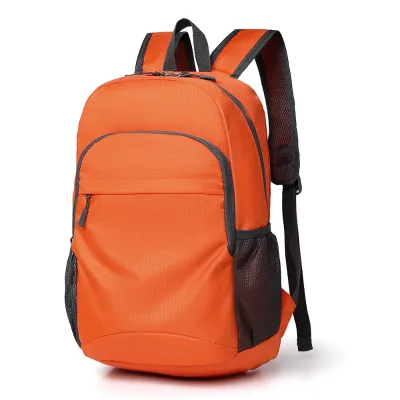
Lightweight Packable Hiking Backpack 40L Travel Camping Daypack Foldable (Black)
$10.50 - $11.00
MOQ: 300

- Verified by SGS
- Trading Company
- China Zhejiang
- Lead time23 days
- Avg. response≤ 3h
Main productsBackpack, School Bag, Storage Bag, Travel Bag, Promotion Gift, Car Decoration, Phone Charm, Car Hanger, Car Ornament, Craft
Main marketsSouth America

Xiamen Minghui Import and Export Co., Ltd.
- Verified by BV
- Manufacturer/Factory
- China Fujian
- Lead time30 days
- Avg. response≤ 11h
Main productsBag, Sport Bag, Duffel Bag, Travel Bag, School Bag, Backpack, Rucksack, Laptop Bag, Cosemtic Bag, Document Bag
Main marketsSouth America,Eastern Europe,Mid East,North America,Southeast Asia,Eastern Asia,Oceania,Western Europe,Africa

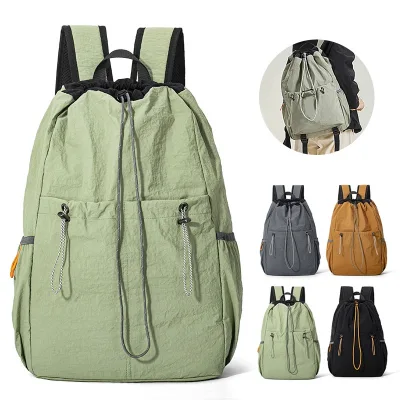
Water Resistant Hiking Backpack Travel Backpacks Lightweight Day Pack for Travel Camping
$6.66 - $7.99
MOQ: 500 Pieces


Jinjiang Jiaxing Supply Management Co., Ltd.
- Verified by TUVRHEINLAND
- Trading Company
- China Fujian
- Lead time30 days
- Avg. response≤ 2h
Main productsEVA Clogs, Flip Flop, Shoe Charms, Shopping Bags, Wristbands, Gifts, Promotional Gifts, Slipper, Sport Cap, Ball
Main marketsNorth America

China Xinxing Shanghai Import and Export Co., Ltd.
- Verified by TUVRHEINLAND
- Trading Company
- China Shanghai
- Lead time15 days
- Avg. response≤ 7h
Main productsAnti-Riot Suit
Main marketsSouth America,Africa,Southeast Asia/ Mideast,Europe


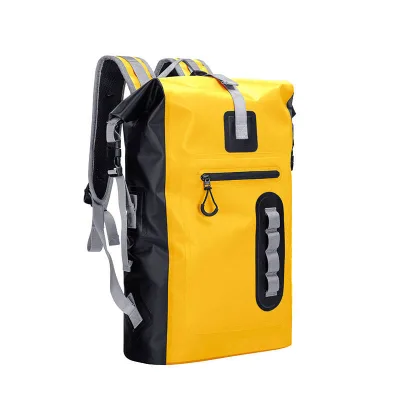
Lightweight 90L Waterproof Backpack for Travel and Outdoor Activities
$70.00 - $72.00
MOQ: 1000 Pieces


WeIVan (Hangzhou) International Import and Export Trading Co., Ltd.
- Verified by SGS
- Trading Company
- China Zhejiang
- Lead time23 days
- Avg. response≤ 3h
Main productsBag, Suitcase, Outdoor Bag, Backpack Bag, Acrylic Products
Main marketsEurope
- Manufacturer, Trading Company
- Fujian, China
- Lead time30 days
- Avg. response≤ 4h
Main productsBackpack,Travel Bag,Cooler Bag,Cosmetic Bag,Tool Bag
Main marketsNorth America(30.00%), Northern Europe(20.00%), Eastern Asia(20.00%), Southern Europe(20.00%), Eastern Europe(10.00%)
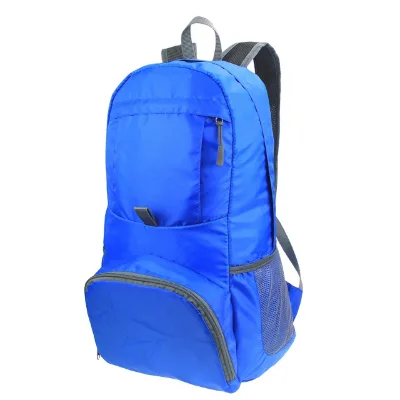
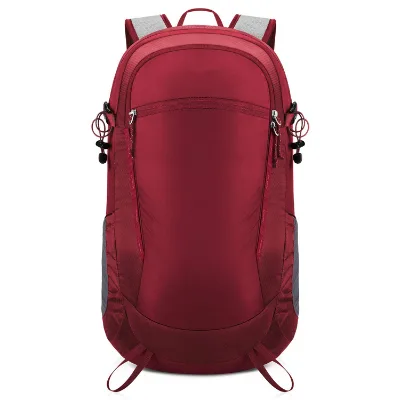
Red High Quality Waterproof Hiking Daypack Backpack for Camping
$10.2089 - $20.4267
Hebei Maxman Luggage Manufacturing Co.,Ltd
- Verified by Intertek
- Manufacturer, Trading Company
- Lead time15 days
- Avg. response≤ 2h
Main productsTravel Bags
Main marketsMid East(40%), North America(20%), Western Europe(20%)

- Verified by BV
- Trading Company
- China Fujian
- Lead time23 days
- Avg. response≤ 3h
Main productsMouth Care and Soap, Field Kitchen Trailer, Camping Tents, Boots and Shoes, Camo Uniform and Clothes, Outdoor Backpacks and Bags, Camouflage Net and Ghillie Suit, Blankets and Sleeping Bags, Canteens and Mess Tins, Tactical Helmet
Main marketsSouth America,Africa,Southeast Asia/ Mideast,East Asia(Japan/ South Korea),Europe,Australia,North America

- Manufacturer/Factory
- China Fujian
- Lead time30 days
- Avg. response≤ 22h
Main productsBag, Polyester Bag, Promotion Gift, School Bag, Outdoor Backpack, Backpack, Rucksack, Laptop Bag, Yoga Bag, Sport Bag
Main marketsSouth America,Eastern Europe,Mid East,North America,Southeast Asia,Eastern Asia,Oceania,Western Europe,Africa

Fuzhou Haomin Imp. & Exp. Co., Ltd.
- Verified by SGS
- Trading Company
- China Fujian
- Lead time30 days
- Avg. response≤ 4h
Main productsBackpacks, Beach Bags, School Bags, Shopping Bags, Canvas Bags, Sports Bags, Cosmetic Bags, Pet Bags, Cotton Bag, Travel Bag
Main marketsEast Asia(Japan/ South Korea),Europe,North America

Fuzhou ADF International CO., LTD.
- Verified by BV
- Trading Company,Manufacturer/Factory
- China Fujian
- Lead time45 days
- Avg. response≤ 5h
Main productsBags, Suitcase, Backpack, Travel Bags, School Bags, Storage Ottoman, Luggage, Cooler Bag, Household Products
Main marketsSouth America,Eastern Europe,Mid East,North America,Southeast Asia,Eastern Asia,Oceania,Western Europe,Africa

Quanzhou Song Hu Bags Co., Ltd.
- Verified by BV
- Combined
- China Fujian
- Lead time30 days
- Avg. response≤ 2h
Main productsTravel Bag, Backpacks, School Bag, Cooler Bag, Bike Bags, Laptop Documents Briefcase, Documents Bag, Sports Bag, Hydration Bag, Mountain Backpacks
Main marketsDomestic

Quan Zhou Xinqi Light Industry Co., Ltd.
- Verified by SGS
- Combined
- China Fujian
- Lead time45 days
- Avg. response≤ 3h
Main productsSports Glove, Glove, Cap, Sports Bag, Backpack, Fitness Products, Working Glove, Tool Bag, Running Glove and Bag, Cycling Bag and Glove
Main marketsSouth America,Europe,North America
Xiamen Beyond Creative Gifts Co., Ltd.
- Verified by Intertek
- Trading Company
- Lead time15 days
- Avg. response≤ 2h
Main productsPencil Case, School Bag
Main marketsNorth America(35%), Domestic Market(27%), Eastern Europe(10%)
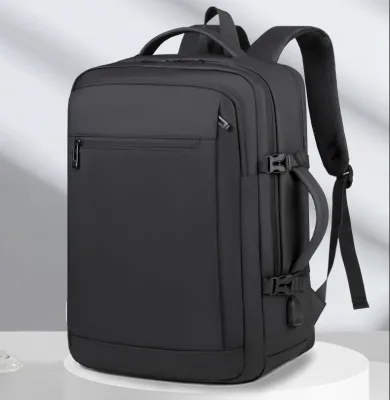
$9.2576 - $11.199
MOQ: 500 pieces
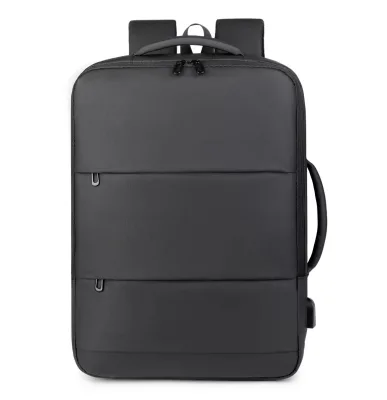
$5.1067 - $6.1852
MOQ: 500 pieces
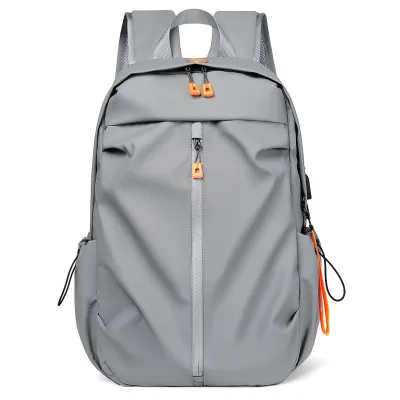
$4.70 - $4.93
MOQ: 5 Minimum
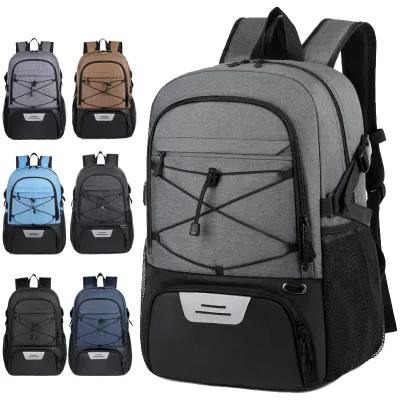
$5.261 - $7.9634
MOQ: 5 pieces
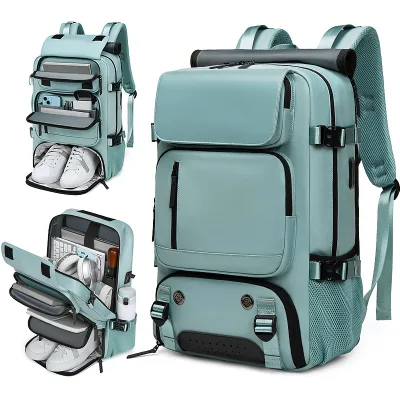
$15.1553 - $18.3505
MOQ: 500 pieces
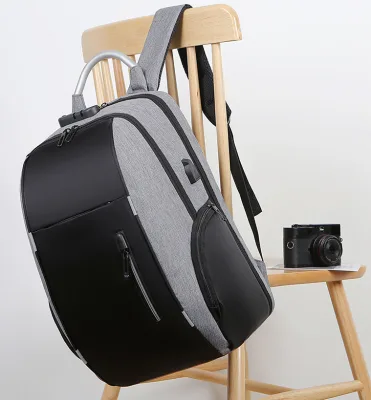
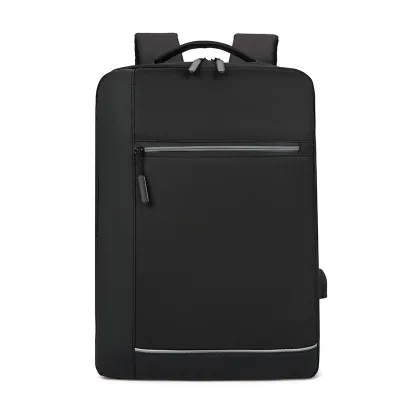
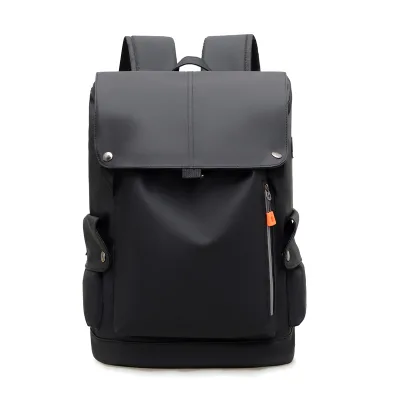
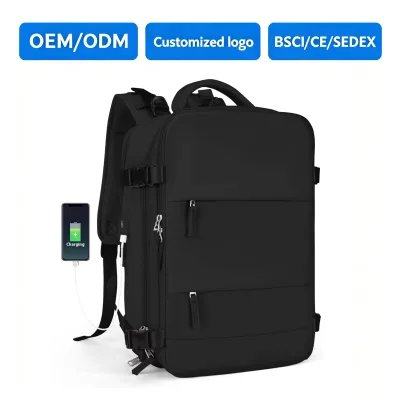
OEM logo New Bag Laptop Usb Charging Anti Theft Men Waterproof Backpack Bag Backpack for Men
$4.9943 - $6.1553
MOQ: 500 Minimum

Wenzhou Guanmin Import and Export Co., Ltd.
- Verified by BV
- Trading Company,Manufacturer/Factory
- China Zhejiang
- Lead time120 days
- Avg. response≤ 6h
Main productsShopping Bag, Cooler Bag, Notebook, Pen, Color Pencil, Lanyard, Beach Ball, Umbrella, Sunshade, Air Freshener
Main marketsSouth America,Eastern Europe,Mid East,North America,Southeast Asia,Eastern Asia,Western Europe
Quanzhou Xiangxing Bags Co., Ltd.
- Manufacturer, Trading Company
- Fujian, China
- Lead time55 days
- Avg. response≤ 4h
Main productsBackpack,Travel Bags,Ski Bags,Diaper Bags,School Bags
Main marketsEastern Europe(15.00%), South America(15.00%), North America(15.00%), Southern Europe(12.00%), Western Europe(10.00%), Central America(10.00%), Northern Europe(10.00%), Eastern Asia(7.00%), Mid East(5.00%), Southeast Asia(1.00%)

Qingdao Sanliang Yipin Network Technology Co., Ltd
- Verified by SGS
- Manufacturer/Factory
- China Shandong
- Lead time30 days
- Avg. response≤ 8h
Main productsBag, Plush Toys, Clothes, Pet Accessories, Jewellery
Main marketsSouth America,Eastern Europe,Mid East,North America,Southeast Asia,Eastern Asia,Oceania,Western Europe,Africa

Changrun Bag & Case Manufacture Co., Ltd.
- Verified by TUVRHEINLAND
- Combined
- China Guangdong
- Lead time23 days
- Avg. response≤ 4h
Main productsBackpack, Travel Bag, Laptop Bag, Trolley Bag, Cosmetic Bags, Handbag, Duffel Bag, Bag, China Backpack, China Travel Bag
Main marketsDomestic


Versatile Waterproof Backpack for Professionals and Outdoor Enthusiasts
$4.99 - $11.89
MOQ: 1000 Pieces


Xiamen Chuanghuasheng Imp.& Exp.Co., Ltd.
- Verified by BV
- Manufacturer/Factory
- China Fujian
- Lead time15 days
- Avg. response≤ 9h
Main productsBackpack, School Bag, Cooler Bag, Duffle Bag, Sporting Bag, Laptop Bag, Mommy Bag, Hydration Backpack, Cosmetic Bag, Promotion Bag
Main marketsSouth America,Eastern Europe,Mid East,North America,Southeast Asia,Eastern Asia,Oceania,Western Europe,Africa


Waterproof Backpack Multifunction Backpack Laptop Backpack with USB Charger
$6.90 - $8.70
MOQ: 1000 Pieces
Xiamen Kanote Industry & Trade Co., Ltd.
- Manufacturer, Trading Company
- Fujian, China
- Lead time15 days
- Avg. response≤ 2h
Main productscooler bags,Drawstring bags,shopping bags,Backpack,food delivery bags
Main marketsEastern Europe(30.00%), North America(20.00%), South America(20.00%)
Xiamen Beichenxi Supply Chain Management Co., Ltd.
- Manufacturer, Trading Company, Distributor/Wholesaler
- Fujian, China
- Lead time20 days
- Avg. response≤ 3h
Main productsHiking Backpacks,Waterproof Bags,Cooler Bags & Lunch Bags,Sports & Duffel Bags,Outdoor Gear Bags
Main marketsNorthern Europe(20.00%), Western Europe(20.00%), North America(20.00%), Southern Europe(10.00%), Mid East(10.00%), Central America(10.00%), Eastern Europe(10.00%)

- Verified by TUVRHEINLAND
- Trading Company,Manufacturer/Factory,Group Corporation
- China Zhejiang
- Lead time23 days
- Avg. response≤ 18h
Main productsLuggage, Shool Bag, Suitcase, Packpack, Trollycase, Kids Bag, Schoolbag, Luggage Set, Children Backpack, Kids Luggage
Main marketsSouth America,Eastern Europe,Mid East,North America,Southeast Asia,Eastern Asia,Oceania,Western Europe,Africa

Comfortable Breathable Hot Selling Outdoor Multi Functional Waterproof Laptop Backpack
$10.13 - $11.58
MOQ: 100 Pieces










Comprehensive Sourcing Guide
Water Resistant Portable Backpack Supplier Concentration and Factory Types
The current supplier landscape for water resistant portable backpacks reveals a distinct concentration of manufacturing activity within specific geographic regions, with China Fujian emerging as a primary hub for production. This location data suggests that buyers seeking these items will likely encounter a dense cluster of factories capable of handling the specific material requirements and assembly processes necessary for durable, lightweight bag construction. The presence of manufacturers in this region indicates a mature supply chain ecosystem where raw materials, such as polyester, are readily accessible, allowing for efficient production cycles. Buyers should recognize that this geographic concentration often correlates with specialized expertise in outdoor gear and travel accessories, meaning that suppliers located here may possess deeper technical knowledge regarding fabric treatments and structural integrity compared to generalist bag makers in other regions.
In terms of business structure, the available results indicate a mix of company types, including both pure manufacturers and entities operating as trading companies. This distinction is critical for buyers to understand, as it directly impacts communication efficiency, pricing transparency, and quality control capabilities. Manufacturer/factory entities typically offer direct access to production lines, which can facilitate more flexible customization options and potentially lower costs for larger orders. Conversely, trading companies may provide a broader portfolio of products and simplified procurement processes, though they might add a layer of margin to the final price. The observed data shows that some suppliers identify as both manufacturers and trading companies, suggesting a hybrid model that combines production capabilities with commercial services. Buyers must carefully evaluate which model best suits their specific needs, whether that be direct factory engagement for OEM/ODM projects or the convenience of a trading partner for mixed-product orders.
How to Verify Water Resistant Portable Backpack Suppliers
Verifying the legitimacy and capability of suppliers requires a systematic approach to checking certifications and operational metrics. The current results highlight several key system certifications, including BSCI, ISO 9000, ISO 9001, and SEDEX. These credentials serve as important indicators of a supplier’s commitment to social responsibility, quality management, and ethical labor practices. Buyers should prioritize suppliers who display these certifications, as they provide a baseline assurance that the factory adheres to internationally recognized standards. However, certification alone is not sufficient; buyers must also verify the validity of these documents through the issuing bodies or request recent audit reports to ensure compliance is current and not merely historical. This due diligence helps mitigate risks associated with labor violations or inconsistent quality control, which are common concerns in the global bag manufacturing industry.
Beyond certifications, assessing response times and production capacity is essential for evaluating supplier reliability. The data shows response times varying, with some suppliers indicating a response time of approximately 2.22, while others may be slower. A quick response time often correlates with a well-organized sales team and efficient internal communication processes, which are crucial for resolving issues during the production phase. Additionally, buyers should inquire about the supplier’s research and development capabilities, as the results indicate that many suppliers offer OEM and ODM services. This suggests that they have the technical infrastructure to handle custom designs and modifications. Buyers should request evidence of past projects or case studies to confirm that the supplier can effectively translate design specifications into physical products, ensuring that the final backpack meets the required functional and aesthetic standards.
What to Compare Across Water Resistant Portable Backpack Suppliers
When comparing suppliers, lead time and minimum order quantity (MOQ) are two of the most critical operational metrics to evaluate. The observed data indicates a standard lead time of around 45 days, with some product listings specifying a range of 45-60 days after receiving the deposit. This timeframe is typical for custom manufacturing but requires careful planning from the buyer to avoid stockouts or missed market windows. Buyers should also note the sample time, which is consistently listed as 7-10 days, allowing for a relatively quick iteration process during the design phase. Regarding MOQ, the results show a baseline of 500 units for certain products, which may be a barrier for smaller buyers or those testing new markets. Comparing these metrics across multiple suppliers allows buyers to identify those who offer more flexible terms or faster turnaround times, which can be a significant competitive advantage in fast-moving consumer goods markets.
Price and customization options are another vital area for comparison. The price range for the observed products varies significantly, from approximately $5.89 to $19.99, depending on the complexity, features, and material quality of the backpack. Buyers should not focus solely on the lowest price but should analyze the value proposition, including the inclusion of features like anti-theft designs, laptop compartments, or waterproof ratings. The results indicate that customization is widely available, with options for logo printing and material selection. Buyers should compare the cost implications of different customization levels, as adding specific features or using premium materials can increase the unit price. Additionally, comparing the payment terms, which are predominantly T/T, can help buyers assess the financial risk and cash flow implications of each supplier. Understanding these variables enables buyers to make informed decisions that balance cost, quality, and operational flexibility.
Common Water Resistant Portable Backpack Sourcing Risks
One of the primary risks in sourcing water resistant portable backpacks is the discrepancy between marketing claims and actual product performance, particularly regarding waterproofing. The observed product attributes show a mix of "Waterproof" and "Not Waterproof" labels, with some items described as "Water Resistant" or featuring rain covers. This inconsistency can lead to customer dissatisfaction if the buyer assumes a higher level of protection than the product actually provides. Buyers must carefully review the technical specifications and material descriptions to understand the exact level of water resistance offered. It is crucial to request physical samples to test the product under real-world conditions, such as exposure to rain or splashes, to verify the claims. Relying solely on product descriptions without physical verification can result in receiving goods that do not meet the expected quality standards, leading to returns and reputational damage.
Another significant risk is the variability in production quality and consistency across different batches. Even with established certifications, the actual output of a factory can vary due to factors such as raw material sourcing, worker skill levels, and quality control processes. The results indicate that many suppliers offer OEM and ODM services, which involves custom manufacturing. This process introduces additional complexity, as the factory must adapt its production lines to meet specific design requirements. Buyers should implement strict quality control measures, including pre-production samples and during-production inspections, to ensure that the final products match the approved samples. Additionally, buyers should be aware of the potential for delays in production, as the lead times can extend beyond the initial estimates due to material shortages or other unforeseen issues. Establishing clear communication channels and regular updates with the supplier can help mitigate these risks and ensure timely delivery.
Water Resistant Portable Backpack Regional Sourcing and Logistics
The geographic concentration of suppliers in China Fujian has direct implications for logistics and shipping costs. Buyers sourcing from this region should consider the proximity to major ports, such as Xiamen, which is explicitly mentioned in the product attributes as a port of loading. This location offers efficient access to global shipping routes, potentially reducing transit times and costs for international buyers. However, buyers must also account for the specific shipping terms, such as FOB Xiamen, which places the responsibility for main carriage and insurance on the buyer once the goods are loaded onto the vessel. Understanding these terms is crucial for accurate cost calculation and risk management. Buyers should work with experienced freight forwarders who can navigate the complexities of international shipping and ensure that the goods are transported safely and efficiently from the factory to the final destination.
In addition to shipping costs, buyers should consider the impact of regional trade policies and tariffs on their overall sourcing strategy. Sourcing from China may involve specific import duties and regulatory requirements depending on the buyer’s home country. Buyers should stay informed about any changes in trade agreements or tariff structures that could affect the cost of importing backpacks. Furthermore, the choice of logistics provider can influence the reliability and speed of delivery. Buyers should evaluate different shipping options, such as sea freight for large orders and air freight for urgent or smaller shipments, to find the best balance between cost and speed. By carefully planning the logistics strategy, buyers can minimize disruptions and ensure that their inventory is replenished in a timely manner, supporting consistent sales and customer satisfaction.
Water Resistant Portable Backpack Commercial Terms and Order Planning
Effective order planning requires a thorough understanding of the commercial terms offered by suppliers, particularly regarding payment structures and deposit requirements. The observed data indicates that T/T (Telegraphic Transfer) is the predominant payment term, with production often commencing after the receipt of a deposit. This arrangement is standard in the industry but requires buyers to manage their cash flow carefully to ensure they have the necessary funds available when the deposit is due. Buyers should negotiate clear payment milestones, such as a balance payment upon completion of production or before shipment, to protect their interests. Additionally, buyers should inquire about the supplier’s policies on sample costs and refunds, as some suppliers may charge for samples but deduct the cost from the final order. Understanding these financial terms helps buyers avoid unexpected expenses and ensures a smooth transaction process.
Beyond payment terms, buyers should also consider the long-term relationship with their suppliers and the potential for volume discounts or improved terms as order quantities increase. The results show a wide range of prices, suggesting that there is room for negotiation, especially for larger orders. Buyers should leverage their purchasing power to secure better pricing or more favorable lead times. Additionally, buyers should establish clear communication protocols for handling changes or issues during the production process, such as design modifications or quality concerns. Building a strong relationship with the supplier can lead to better cooperation and problem-solving, ultimately resulting in a more successful sourcing experience. By carefully planning the commercial aspects of the order, buyers can minimize risks and maximize the value of their investment in water resistant portable backpacks.
FAQs
What is the price range for portable backpacks?
Portable backpacks from these suppliers range from $5.89 to $19.99 per unit. The final cost depends on the specific model, material thickness, and customization requirements. Buyers should request a quote for their exact quantity to get an accurate price.
What is the minimum order quantity for these bags?
The minimum order quantity is typically 500 units. This standard MOQ applies to most polyester backpack models listed. Buyers seeking smaller quantities may need to negotiate directly with the manufacturer or look for stock items with different terms.
How long does production take?
Production lead time is generally 45 to 60 days after receiving the deposit. This timeline applies to standard OEM or ODM orders. Buyers should plan their inventory needs accordingly and confirm the exact schedule with the supplier before placing the order.
Are samples available and how long do they take?
Samples are available and typically take 7 to 10 days to produce. This sample time allows buyers to verify quality and design before committing to a large order. Buyers should confirm sample costs and shipping details with the supplier directly.
What certifications do these manufacturers hold?
Manufacturers in this region often hold BSCI, ISO 9000, ISO 9001, and SEDEX certifications. These credentials indicate adherence to quality management and social responsibility standards. Buyers should request valid certificates to ensure compliance with their specific market regulations.
Can I customize the logo and design?
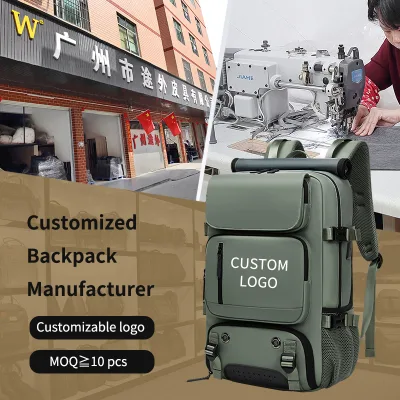
Customization is available for logos, colors, and specific design elements. Most suppliers offer OEM and ODM services to meet unique brand requirements. Buyers should provide detailed artwork and specifications to ensure the final product matches their expectations and brand guidelines.