Solid Rubber Truck Tyre Suppliers and Manufacturers
Source 18 verified suppliers for Solid Rubber Truck Tyre products from China. Compare ISO certifications, lead times, and MOQs to find the right fit. Contact suppliers directly to request quotes and verify specifications; review the available evidence before requesting comparable quotations from suitable candidates.
Updated
Suppliers List

Yantai Wonray Rubber Tire Co., Ltd.
- Verified by BV
- Combined
- China Shandong
- Lead time15 days
- Avg. response≤ 5h
Main productsSolid Tire
Main marketsSoutheast Asia/ Mideast,East Asia(Japan/ South Korea),Europe,Australia,North America


off Road Tyre Price Solid Tires High Quality 7.00-12 Forklift Truck Tire
$122.00 - $132.00
MOQ: 50 pieces

JIANGSU TOPOWER TYRE CO., LTD.
- Verified by BV
- Combined
- China Jiangsu
- Lead time30 days
- Avg. response≤ 4h
Main productsSolid Tire, Solid Tyre, Tyre, Tire, Forklift Tire, Forklift Tyre, Boom Lift Tire, Awp Tyre, Scissor Lift Tire, Scissor Lift Tyre
Main marketsSouth America,Southeast Asia/ Mideast,East Asia(Japan/ South Korea),Domestic,Europe,Australia,North America


Solid Resilient Tire 32X12.1-15 Pneumatic Solid Tire Forklift Solid Rubber Tyre
$298.00 - $385.00
MOQ: 4 Pieces

Industrial Tire 11.00-20 Tires Solid Forklift Truck Tyre Rubber Tire 11.00-20
$454.50 - $545.40
MOQ: 1 Pieces


Solid Rubber Industrial Trailer Wheel Tyre16X5-9 and Trailer Tyres 16X5-9 Trailer Tires
$33.90 - $45.30
MOQ: 1 Pieces

- Verified by CTI
- Trading Company
- China Shandong
- Lead time23 days
- Avg. response≤ 2h
Main productsTires, Tyres, Tyre, Truck Tires, Truck Tyres, Truck Tire, Truck Tyre, Pneus, Neumaticos, Llantas
Main marketsDomestic

Qingdao Atlapex Rubber Co., Ltd
- Manufacturer/Factory
- China Shandong
- Lead time38 days
- Avg. response≤ 9h
Main productsSolid Tires, off Road Tire, Wheel Rim, Industrial Tire, Agricultural Tire, OTR Wheel, Forklift, Tube and Flap, Forklift Tire, Truck Tire
Main marketsSouth America,Eastern Europe,Mid East,North America,Southeast Asia,Eastern Asia,Oceania,Western Europe,Africa


Solid Forklift Truck Tire 10X16.5 Solid Tire Forklift Tyres Rubber Prices for Forklift
$196.00 - $202.00
MOQ: 4 Pieces
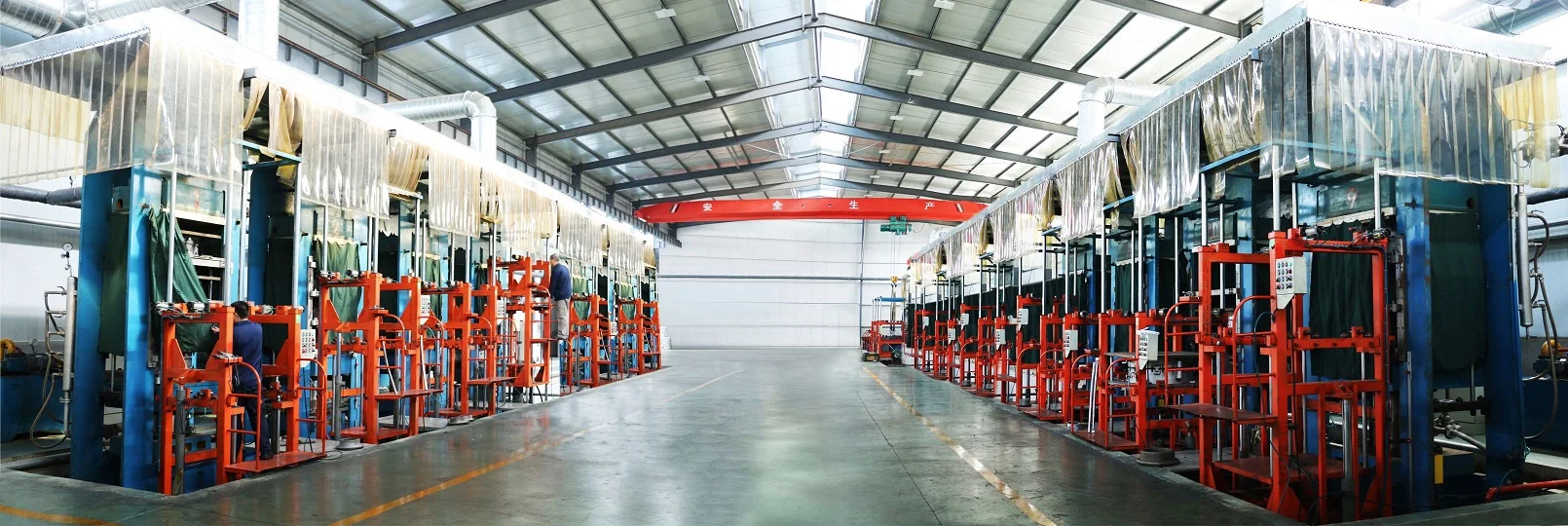
Qingdao Hongtion Tonda International Trading Co., Ltd.
- Trading Company
- Shandong, China
- Lead time15 days
- Avg. response≤ 5h
Main productsSolid Tyre,OTR Tyre,Forklift Tyre,Industrial Tyre,Wheel
Main marketsSoutheast Asia(35.00%), Africa(35.00%), Domestic Market(10.00%), Eastern Asia(10.00%), South America(10.00%)
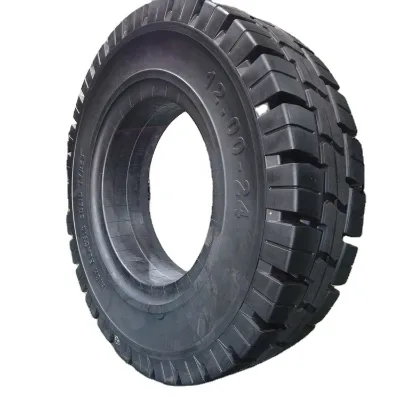
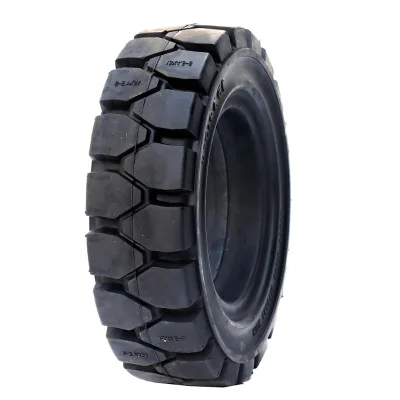
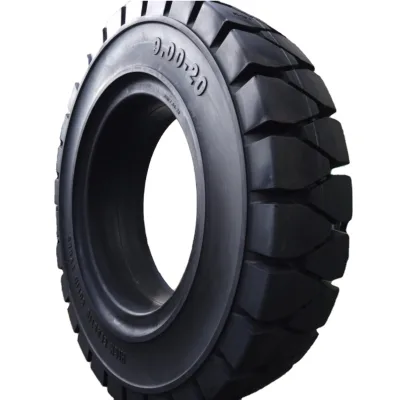
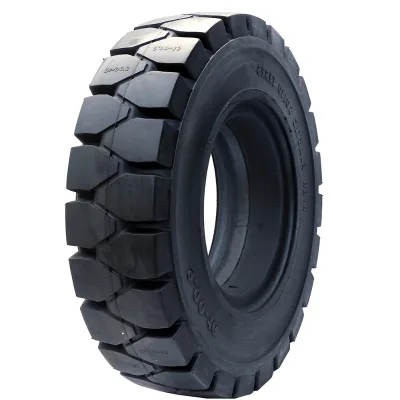
Comfortable New Design Solid Tire 9.00-20 Solid Rubber Tyre with Quality Assurance
$280.00 - $298.00
MOQ: 20 pieces
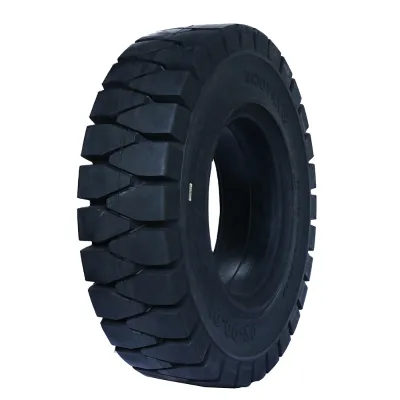
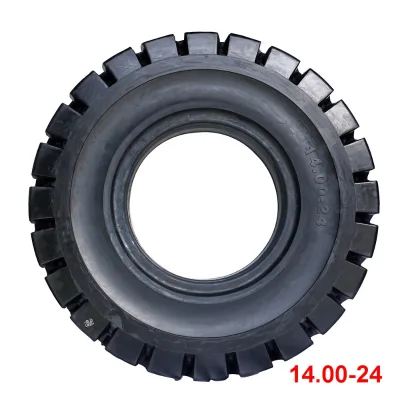
$281.9601 - $296.0584
MOQ: 10 pieces

Qingdao Au-Shine Tyre Co., Ltd.
- Verified by TUVRHEINLAND
- Trading Company
- China Shandong
- Lead time23 days
- Avg. response≤ 17h
Main productsTyre, Truck Tyre, Car Tyre, Forklift Tyre, ATV Tyre, Motorcycle Tyre, Gocart Tire, Bicycle Tire, Solid Tyre, Tractor Tyre
Main marketsEast Asia(Japan/ South Korea)
Jielun (wuhan) International Trade Co., Ltd.
- Manufacturer, Trading Company
- Hubei, China
- Lead time30 days
- Avg. response≤ 2h
Main productsPassenger Car tyre,Truck & Bus tyre,Off--The-Road tire,Agricultural tyre,Forklift tyre
Main marketsSouth America(40.00%), Africa(20.00%), Mid East(20.00%), South Asia(10.00%), North America(10.00%)
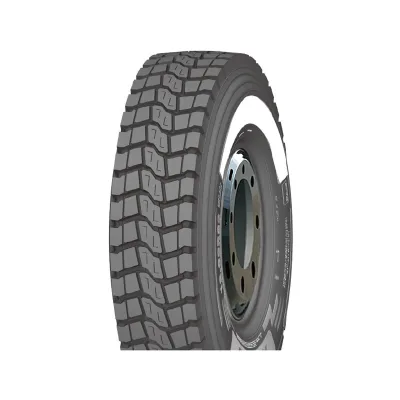
Factory Wholesale Radial Tire 1200R20 Commercial Tyre Solid Wheels Truck Tires
$141.7101
MOQ: 100 Minimum
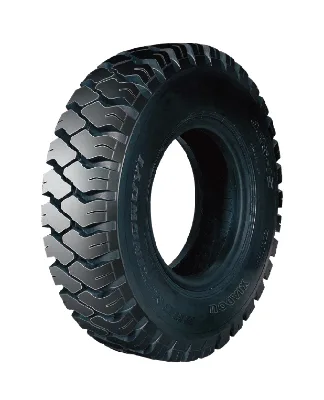
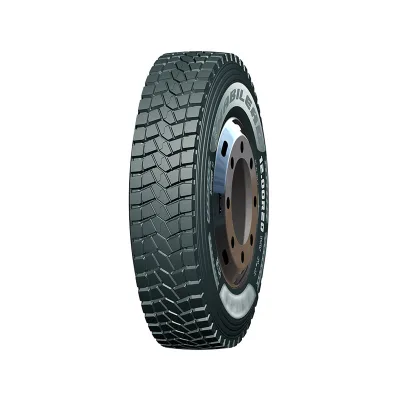
China Tire Factory Mining Truck Trailer Bias Tire 20.5/70-16-20 Mining Dump Truck Tire
$105.0072
MOQ: 100 Minimum
Qingdao Evergreat Industries Co., Ltd.
- Trading Company
- Shandong, China
- Lead time0 days
- Avg. response≤ 3h
Main productstruck butyl inner tube,car butyl inner tube,motorcycle butyl inner tube,off the road tyre,agricultural tyre
Main marketsSouthern Europe(9.09%), Northern Europe(9.09%), Central America(9.09%), Western Europe(9.09%), Eastern Asia(9.09%), Mid East(9.09%), Africa(9.09%), Southeast Asia(9.09%), Eastern Europe(9.09%), South America(9.09%), North America(9.09%)
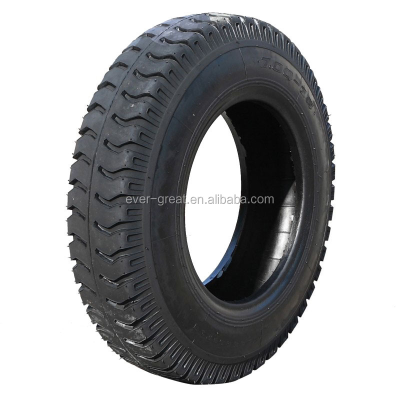
$51.50
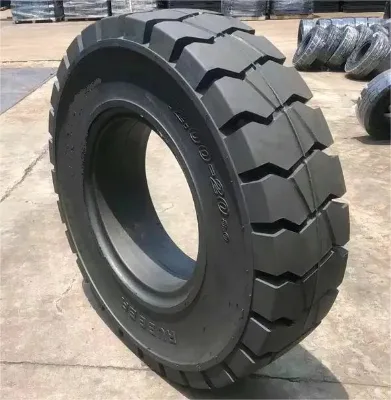
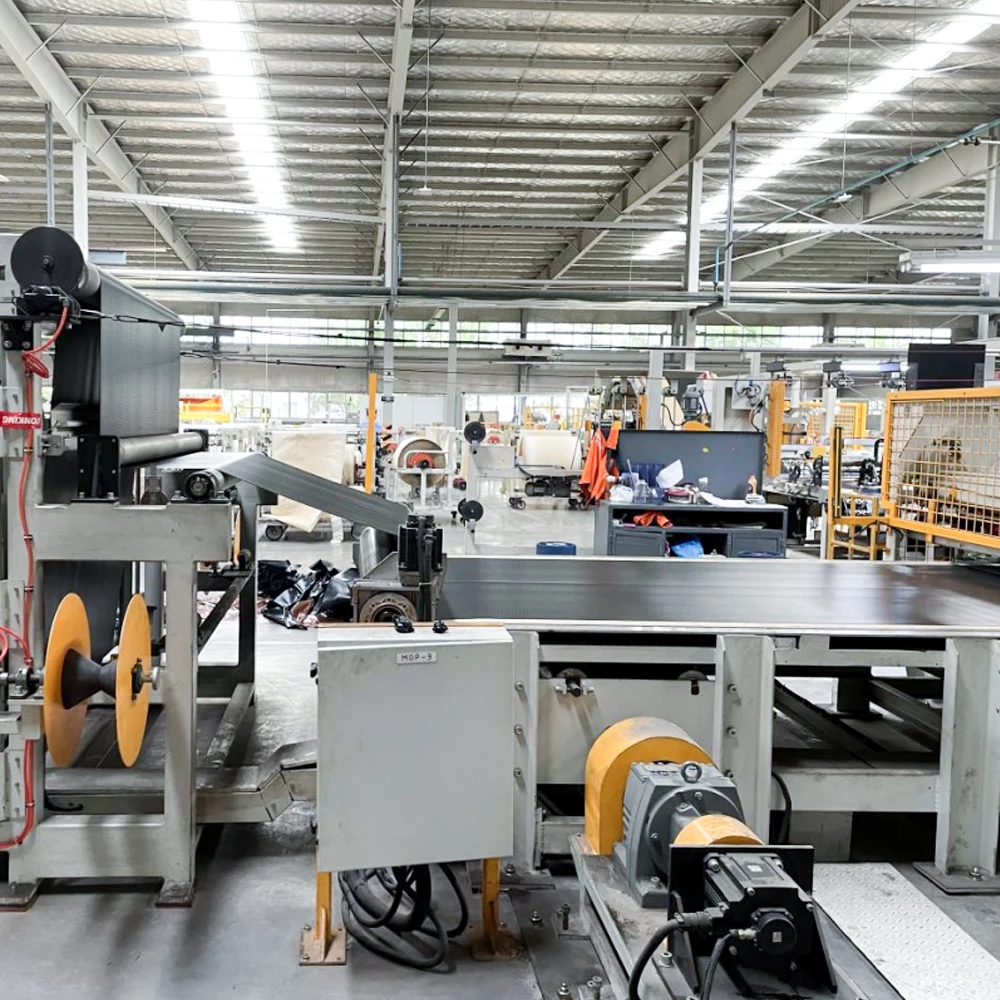
- Trading Company
- Hong Kong S.A.R.
- Lead time7 days
- Avg. response≤ 4h
Main productsTruck Tire, Car Tire, OTR Tire, MCT Tire
Main marketsMid East(30.00%), Africa(20.00%), Southeast Asia(15.00%), North America(10.00%), South America(8.00%), Eastern Europe(5.00%), Eastern Asia(2.00%), Oceania(2.00%), Western Europe(2.00%), Southern Europe(2.00%), Central America(2.00%), South Asia(1.00%), Northern Europe(1.00%)
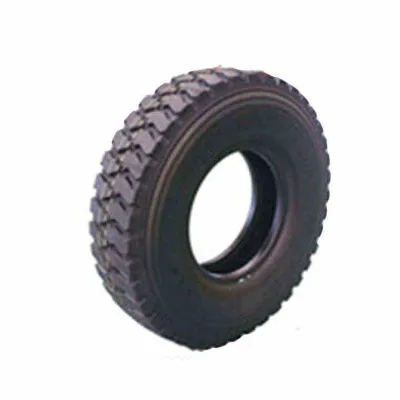
New Rubber Solid Fork 12.00R20-20 High Performance Truck Tyres For Construction And Mining Usage
$143.0879 - $157.6036
MOQ: 230 Minimum
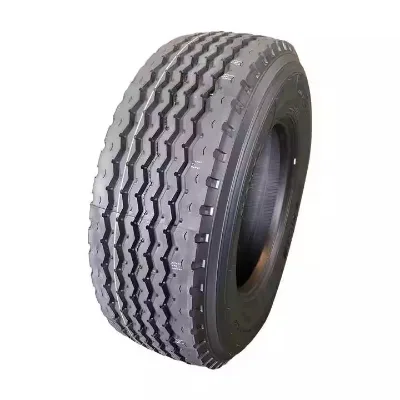
Super Durable Solid Tire Forklift OEM Customized Packing 315/80R22.5 Truck Tires Made in China
$113.9623 - $119.1414
MOQ: 499 pieces
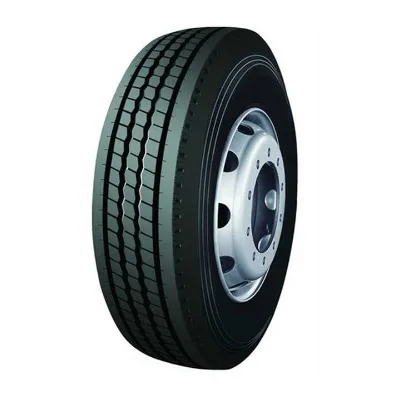
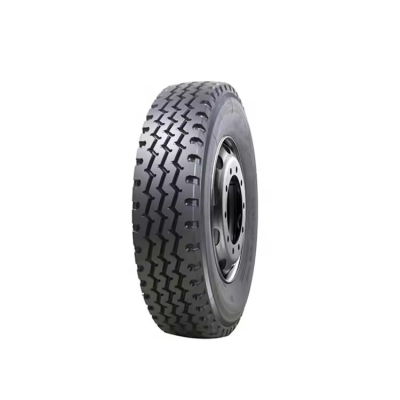
$58.89 - $65.0895
MOQ: 1 pieces
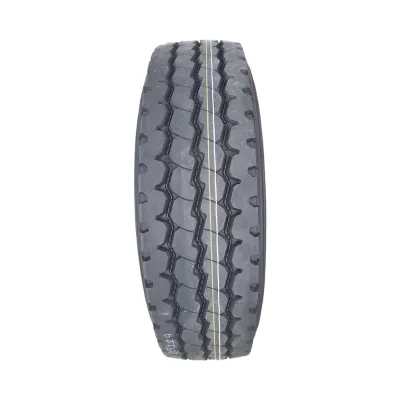
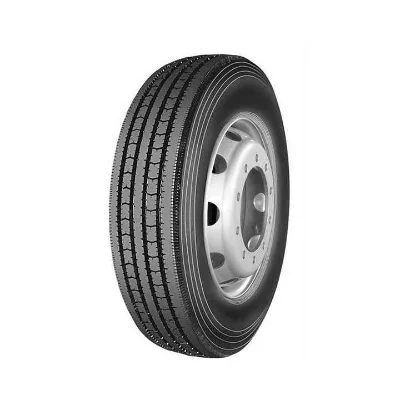
235/75R17.5 Low Maintenance Truck Tire With Self Cleaning Tread For Mud And Debris Removal
$72.2852 - $78.9589
MOQ: 99 Minimum
Hengshui Kangyuan Rubber And Plastic Technology Co., Ltd.
- Verified by SGS Group
- Manufacturer, Trading Company
- Lead time7 days
- Avg. response≤ 3h
Main productsSolid Tires, Forklift Tires, PU Wheels, Rubber Wheels, Nylon Wheels
Main marketsNorth America(50%), Mid East(20%), Western Europe(10%)
Qingdao Marris Rubber Co., Ltd.
- Verified by SGS Group
- Trading Company
- Lead time15 days
- Avg. response≤ 3h
Main productsOff-The-Road Tire, Construction and Industrial Tyre, Agricultural Tyre/Car Tyre, Truck Tyre/Inner Tube, Wheel Rim
Main marketsNorth America(20%), South America(10%), Eastern Europe(10%)
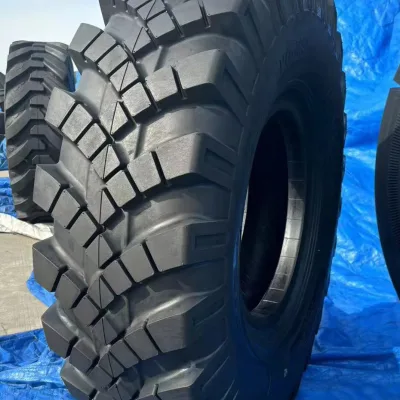
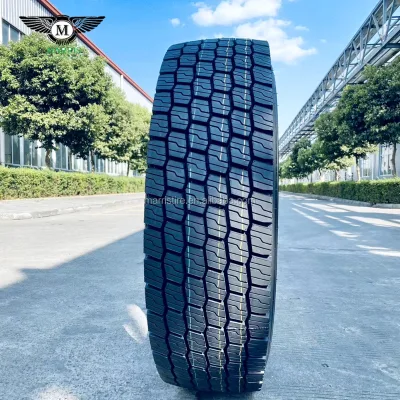
Tires 11R22.5,215/85R16, High-quality Tires of Various Sizes in a Affordable Prices
$92.00 - $98.00
MOQ: 1 units
Qingdao Atera Industrial Co., Ltd.
- Manufacturer, Trading Company
- Shandong, China
- Lead time0 days
- Avg. response≤ 2h
Main productsPCR Tires,TBR Tires,Motorcycle Tires,Bicycle Tires,Tire Studs
Main marketsSouth Asia(10.00%), Southern Europe(10.00%), Central America(10.00%), Eastern Asia(10.00%), Mid East(10.00%), Oceania(10.00%), Africa(10.00%), Southeast Asia(10.00%), Eastern Europe(10.00%), South America(10.00%)
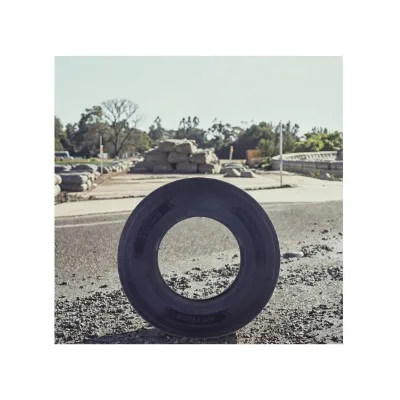
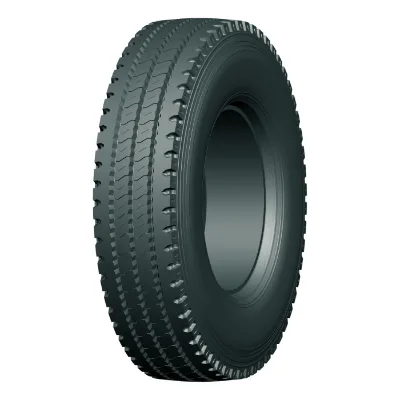
$88.00 - $89.00
MOQ: 100 pieces
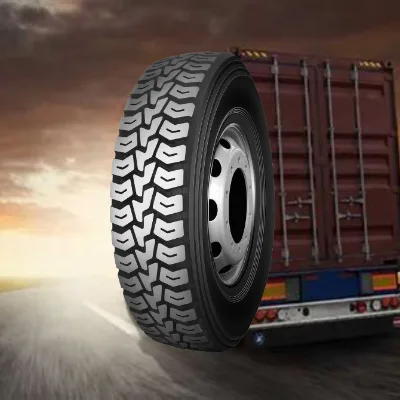
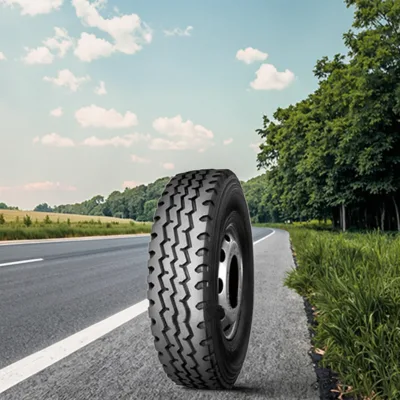
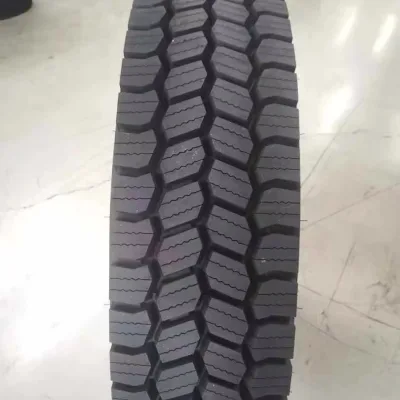
- Verified by TüVRheinland
- Trading Company
- Lead time0 days
Main productsCar Tyre, Truck Tyre, OTR, Motocycle Tyre, ATV
Main marketsAfrica(40%), Southeast Asia(30%), South America(10%)
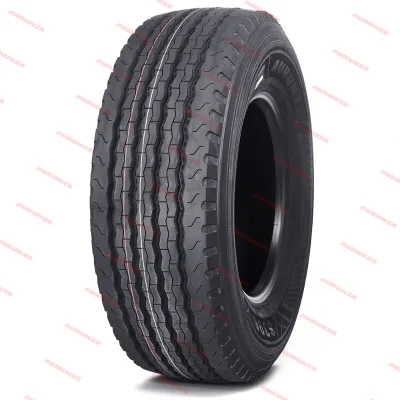
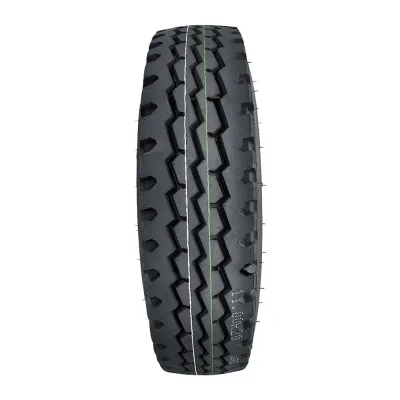
Heavy Duty Tyre 10.00-20 11.00-20 12.00-20 Solid Rubber Truck Tire for Dump Truck
$100.50 - $105.50
MOQ: 1
Qingdao Amberroad Trade Co., Ltd.
- Verified by SGS Group
- Trading Company
- Lead time0 days
Main productsTruck Tire, Car Tire, Off Road Tire, Wheels, Agricultural Tire
Main marketsAfrica(20%), South America(15%), Southeast Asia(15%)
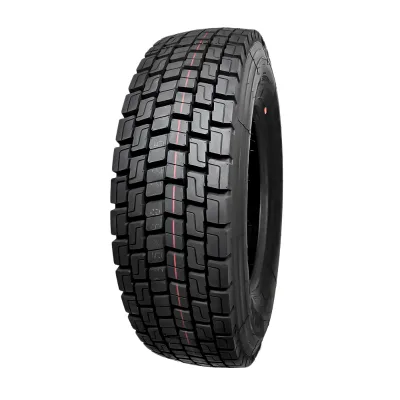
1200x24 Truck Tire Truck Tire Regroving Equipment Chinese Truck Tires for Sale
$138.00 - $142.00
MOQ: 1 pieces
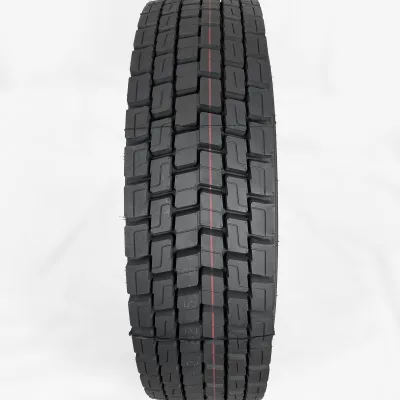
$89.1451 - $97.3432
MOQ: 1 pieces

Weifang Yuelong Rubber Co., Ltd.
- Combined
- China Shandong
- Lead time23 days
- Avg. response≤ 15h
Main productsTire, Tyre, TBR, PCR, Radial Tyre, OTR, Truck Tyre, Car Tyre
Main marketsAfrica,Southeast Asia/ Mideast
- Trading Company
- SHANDONG, China
- Lead time10 days
- Avg. response≤ 4h
Main productsTyre
Main marketsAfrica(25.00%), South America(19.00%), Western Europe(15.00%), North America(11.00%), Southeast Asia(10.00%), Mid East(5.00%), Eastern Europe(3.00%), South Asia(2.00%), Southern Europe(2.00%), Northern Europe(2.00%), Central America(2.00%), Eastern Asia(2.00%), Oceania(2.00%)
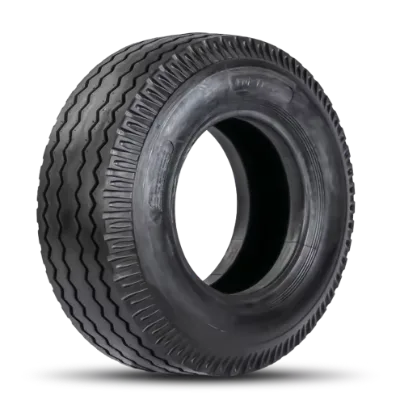
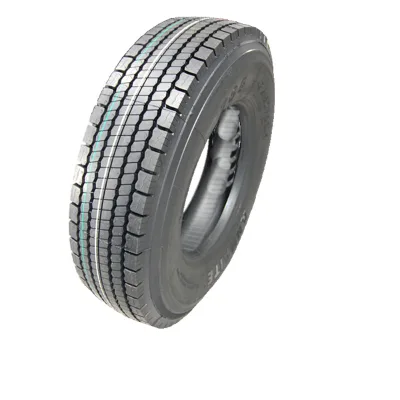
New 315/80/22.5 Bus and Truck Tyres for Heavy Truck Models 315/80r22.5 Specifications
$141.5979
MOQ: 100 Minimum
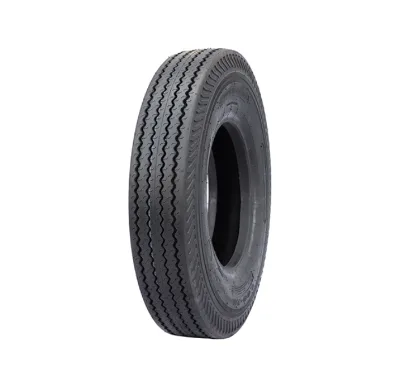
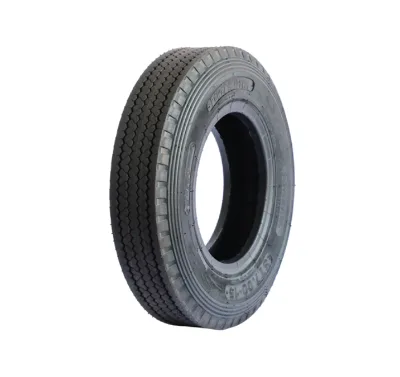
Best Trailer Tires for Highway Towing ST205/70D15 Reliable TBR Tires ST225/90D16
$28.7307
MOQ: 100 Minimum
Hengxin New Energy Tech Co., Ltd.
- Verified by SGS Group
- Trading Company
- Lead time45 days
- Avg. response≤ 3h
Main productsCar Lifts, Scissor lift car, car lifter hydraulic two post, body kit for bmw e60, body kit
Main marketsEastern Europe(20%), Northern Europe(10%), South America(5%)
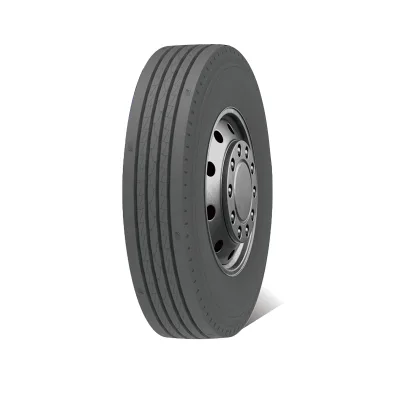
All Kinds of Tire Size 11.00R20 12R22.5 295/80R22.5 Tl Truck Tyres Truck Tires for Long-Distance
$159.00 - $179.00
MOQ: 4 pieces
$142.4282 - $162.9204
MOQ: 4 pieces

- Trading Company,Manufacturer/Factory
- China Shandong
- Lead time15 days
- Avg. response≤ 5h
Main productsTruck Tire, Car Tire, Agriculture Tire, Industrial Tire, Truck Tyre, OTR Tyre, Agriculture Tyre, Industrial Tyre, Car Tyre, OTR Tire
Main marketsSouth America,Eastern Europe,Mid East,North America,Southeast Asia,Eastern Asia,Oceania,Western Europe,Africa




Comprehensive Sourcing Guide
Solid Rubber Truck Tyre Supplier Concentration and Factory Types
Buyers searching for solid rubber truck tyres will encounter a supply base that is heavily concentrated in China, and the supplier results for this category explicitly point to Shandong province as a documented origin. Shandong has a long industrial footprint in tyre and rubber manufacturing, and the listings here confirm it as the stated production location for the products shown, with one product attribute listing "Shandong, China" as the origin. When you filter or shortlist, treat province-level location as a first-pass clustering signal, then drill into whether each company is a factory, a combined manufacturer-and-trader, or a pure reseller. At least one supplier on this page is labelled with a company type of "Combined," which typically means the business both manufactures and trades; that hybrid model can be useful if you need mixed product lines but requires extra diligence on which goods are actually made in-house.
The main product label matters as much as geography. The suppliers in these results list "Solid Tire" as their main product line, which suggests genuine category focus rather than incidental listings. The catalogue entries cover skidsteer applications, forklift solid tyres in sizes such as 7.00-12 and 12.00-20, and industrial truck solid tyres in 9.00-20 and 10.00-20, alongside truck tyre sizes like 315/80R22.5 and 385/65R22.5. Note that many listings are marked as factory sellers with ODM, OEM, and own-brand capabilities, so clarify early whether you need catalogue sizes, customised dimensions, or your own branding before comparing quotes.
How to Verify Solid Rubber Truck Tyre Suppliers
Verification starts with third-party status. On this page, at least one supplier carries a BV verification badge, meaning Bureau Veritas has assessed the company. Verification badges are not a guarantee of quality, but they do confirm that an independent body has checked legal existence and basic operational facts. Ask every shortlisted supplier which verification or audit status applies to them and request the underlying report or certificate number so you can confirm it yourself. Next, reconcile the certifications declared on product listings with actual documents. The products shown declare ISO certification, and specific listings reference ISO9001:2015 quality management, while one listing adds RoHS, CE, and GS marks. Match each claimed mark to a certificate bearing the correct company name and scope, because a certificate held by an affiliated company does not automatically cover the goods you are buying.
Product-level evidence also supports verification. Several listings state "Factory: Yes" and "Manufacturer: Yes," and one specifies that the products are made of natural rubber with video outgoing-inspection provided and a machinery test report available. Ask for these artefacts before ordering: a video inspection of the specific production batch, a test report for load capacity, and photographs of the cured tyre marking showing size and date codes. For solid tyres destined for forklifts or skidsteer loaders, request the rubber compound specification and any warranty terms in writing—one listing declares a three-month warranty, which is short, so confirm what your supplier actually covers before shipment rather than after a failure.
What to Compare Across Solid Rubber Truck Tyre Suppliers
Build a comparison sheet using the attributes actually displayed on supplier profiles, without assuming every supplier shows every field. Useful dimensions here include lead time, MOQ, response speed, verification status, company type, location, and main products. As concrete reference points from the current results: one supplier shows an average response time of roughly four hours, a fifteen-day lead time, and a low MOQ of four pieces on a truck-tyre listing priced per piece in the mid-five-hundreds; another listing shows an MOQ of fifty pieces on a smaller forklift solid tyre priced in the low hundreds. These numbers differ dramatically by size and application, so compare MOQ and price only within the same tyre specification, never across the whole category.
Beyond transactional metrics, compare technical disclosure quality. The stronger listings in this category specify structure (one declares a three-layer design), weight (one lists 230 kg for a 12.00-20 solid tyre, another 50 kg for a 7.00-12), outer diameter, section width, inner-tube configuration, and application fit for specific machinery brands such as Toyota, Linde, and Still for forklift tyres. Suppliers who document these attributes are easier to hold to specification. Also compare customisation capability: multiple listings state "Customization: Available," and one notes colour can be made as customer request with tyre size as customised. Weight customisation openness, ODM/OEM capability, and willingness to provide pre-shipment inspection video together form a practical capability score that matters more than a polished profile.
Common Solid Rubber Truck Tyre Sourcing Risks
The most common risk in this category is specification drift. Solid tyres look similar, but compound formulation, layer structure, and curing quality vary widely between factories. Several listings here declare advantages such as "No Flat, High Loading Capacity" and "High Loading Capacity, Longer Wear Resistance," yet these are marketing claims, not test results. Require a documented load-capacity figure per size—one listing honestly states load capacity is "Different From Very Size," which means you must obtain the per-size rating rather than assuming a uniform value. Another risk is scope mismatch on certifications: a supplier may hold ISO9001:2015 for its management system while the specific tyre carries only an ISO declaration, and additional marks like CE, GS, or RoHS on one listing may not extend across the range.
Commercial risks deserve equal attention. Short warranty windows, such as the three-month warranty declared on one industrial tyre listing, can leave you exposed to premature wear discovered months after installation. Packing is another under-rated risk: listings show nude packing or pallet packing as options, and nude-packed heavy tyres can arrive with surface damage if containers are mixed with other cargo. Finally, beware of suppliers whose main product focus is broad—traders listing solid tyres alongside unrelated categories may simply forward your order, weakening traceability on compound and quality. Confirm who physically manufactures the tyres, request the production batch's date codes, and record the declared origin, which for the suppliers shown is Shandong, China.
Solid Rubber Truck Tyre Regional Sourcing and Logistics
Because the documented origin for the suppliers in these results is Shandong, China, plan logistics around that geography. Shandong sits on China's eastern seaboard with access to major container ports, which matters for a heavy, bulky product: solid truck tyres in this category can weigh 50 kg to 230 kg each, so freight cost per piece is driven by weight and volume, not just unit price. When comparing suppliers, ask each for an FOB quote from their nearest port and a CFR quote to your destination so you can separate product cost from logistics cost. Confirm whether the quoted price includes pallets—several listings offer pallet or nude packing, and pallets add cost but reduce handling damage on heavy solid tyres.
Lead time planning should reflect both production and shipping. One supplier on this page displays a fifteen-day lead time, which is plausible for catalogue sizes, but customised dimensions or colours will typically extend that window; several listings advertise customisation, so confirm the production schedule for your specific size before promising dates to your own customers. For bulk industrial orders, discuss container utilisation: tyre outer diameters in these listings reach 1112 mm, so mixed sizes can be nested to fill containers efficiently, and your supplier should provide a loading plan. Finally, verify export documentation readiness—commercial invoice, packing list, and any certificates your market requires—because solid rubber tyres can attract import-duty classification questions in some jurisdictions.
Solid Rubber Truck Tyre Commercial Terms and Order Planning
Structure commercial terms around the evidence you have gathered. Start with a sample or trial order sized to the displayed MOQ where possible—the low MOQ of four pieces shown on one truck-tyre listing makes pilot orders cheap, while the fifty-piece MOQ on a smaller forklift tyre is still manageable for a first purchase. Agree on payment terms that balance risk: for a first order from an unverified relationship, escrow or a documentary payment method protects both sides; some B2B platforms display escrow availability as a supplier attribute, so check each profile and treat its absence as a signal to negotiate harder on terms. Avoid full prepayment on customised orders, where rework disputes are hardest to resolve.
Order planning should lock the specification into a written contract: exact size (for example 12.00-20 or 385/65R22.5), material, structure, weight, colour, packing format, certification documents to be supplied, and inspection rights, including the video outgoing-inspection several listings already offer. Set acceptance criteria for delivery—date codes, markings, and dimensional tolerances—and state remedies for non-conformance within the declared warranty period. Plan reorders around the fifteen-day lead time benchmark plus shipping, and hold safety stock for sizes your operations cannot idle without. Finally, keep at least two qualified suppliers per critical size, using the comparison sheet you built, so a single factory's capacity or quality problem never halts your fleet or your resale programme.
FAQs
What is the price range for solid rubber truck tyres?
Prices for solid rubber truck tyres typically range from $122 to $575 per unit depending on the specific size and application. Smaller forklift tyres start around $122, while larger heavy-duty truck tyres can cost up to $575. Buyers should verify exact pricing for their required tire dimensions and order quantity to get accurate quotes.
What certifications do these solid tyres have?
Manufacturers generally provide ISO certifications, with many listing ISO9001:2015 as a standard. Some suppliers also offer RoHS, CE, and GS certifications for specific product lines. Buyers should request current certification documents to ensure compliance with their regional safety and quality standards before placing large orders.
What is the minimum order quantity for these tyres?
Minimum order quantities vary significantly by product type. For example, some heavy-duty truck tyres have an MOQ of just 4 units, while smaller forklift tyres may require a minimum of 50 units. Buyers must check the specific MOQ for their desired tire size and model to plan their procurement effectively.
Where are these solid tyres manufactured?
The solid rubber truck tyres are primarily manufactured in Shandong, China. This region is a known hub for tire production, offering various sizes for trucks and industrial vehicles. Buyers can verify the specific factory location and origin details on the product listing to ensure supply chain transparency.
What is the typical lead time for delivery?
The typical lead time for these solid tyres is approximately 15 days. This timeframe allows for production and preparation before shipment. Buyers should confirm the exact lead time with the supplier, as it may vary based on order volume, customization requirements, and current production schedules.
Can these tyres be customized for specific vehicles?
Yes, customization is available for many solid tyre models. Suppliers offer options for custom colors, specific tire sizes, and branding. Some products are explicitly marked as non-customized, so buyers must verify the customization capabilities for their specific vehicle model and requirements before finalizing their purchase.