Source Solid Shoulder Bag for Travel, Work, and Daily Use
Explore 30 listings for the Solid Shoulder Bag, comparing materials like nylon, polyester, and canvas. Buyers can evaluate waterproof options, customization features, and pricing to find the right supplier for their needs; compare the available evidence and request quotations based on your requirements.
Updated
Key considerations
Products List









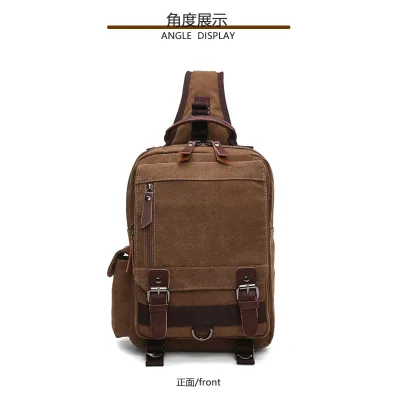
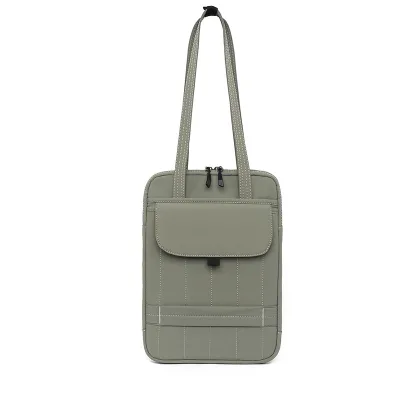
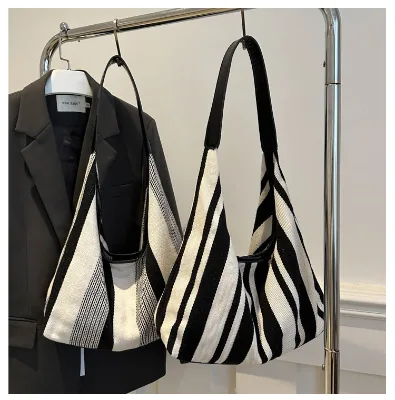

Comprehensive Sourcing Guide
Solid Shoulder Bag Sourcing Guide
Procuring solid shoulder bags requires a disciplined approach to material selection and structural integrity, as these items serve as essential accessories for both casual and professional environments. Buyers must first define the primary use case, whether it involves daily commuting, outdoor activities, or formal business settings, as this dictates the necessary durability and aesthetic finish. The market offers a diverse range of options, from minimalist designs to fashion-forward pieces, each requiring specific verification steps to ensure they meet operational demands. Understanding the core components, such as strap type and compartment layout, is fundamental to selecting a product that balances functionality with style.
The sourcing process begins with identifying suppliers who can consistently deliver on quality and customization requirements. Many manufacturers offer OEM services, allowing buyers to tailor logos, colors, and materials to their brand identity. However, this flexibility comes with the need for rigorous quality control to prevent inconsistencies in production runs. Buyers should prioritize suppliers who demonstrate transparency in their manufacturing processes and provide clear documentation regarding material origins and production standards. Establishing a strong relationship with a reliable supplier ensures that the final product aligns with the brand’s expectations and maintains consistency across large orders.
Product Scope and Observed Listing Signals
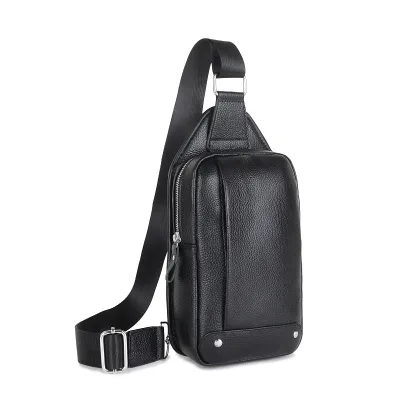
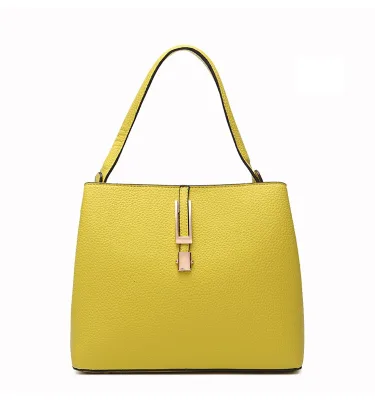
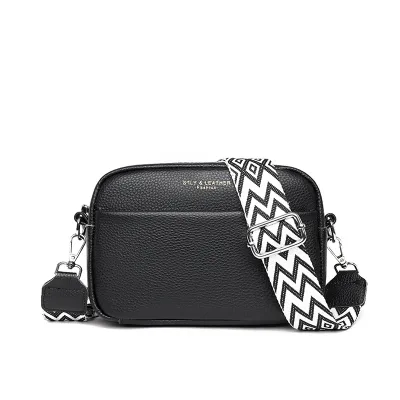
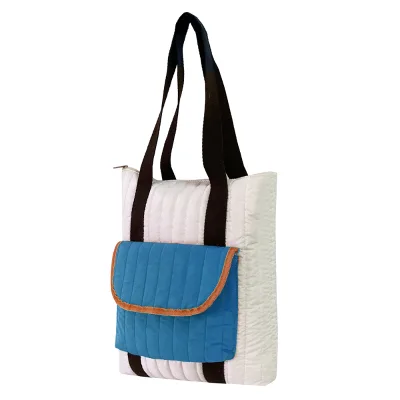
The current market landscape for solid shoulder bags reveals a wide spectrum of materials, including nylon, polyester, canvas, PU, and genuine leather, each offering distinct advantages in terms of durability, weight, and cost. Listings often highlight specific attributes such as waterproof capabilities, single compartments, and minimalist styles, which cater to different consumer preferences. For instance, some products are designed with stone patterns or candy colors to appeal to fashion-conscious buyers, while others focus on practicality with features like shoulder straps and large sizes. These variations indicate that buyers must carefully evaluate product specifications to match their target audience’s needs.
Observed listing signals also emphasize customization options, with many suppliers offering logo customization and various color acceptances. This flexibility allows brands to create unique products that stand out in a crowded market. However, buyers should be cautious of vague descriptions and ensure that all claims are backed by concrete evidence. For example, while some products are labeled as waterproof, others are explicitly non-waterproof, highlighting the importance of verifying material properties. Additionally, the presence of gift box packaging suggests a focus on premium presentation, which can be a key selling point for certain market segments.
Technical Specifications to Verify
Verifying technical specifications is crucial to ensuring that the solid shoulder bags meet the required performance standards. Buyers should focus on key attributes such as material composition, strap type, and compartment structure. For example, products made from genuine leather or canvas may offer different levels of durability and aesthetic appeal compared to those made from PU or synthetic materials. The strap type, whether single or double, also plays a significant role in the bag’s functionality and comfort. Additionally, the size and design, such as horizontal square or large formats, should align with the intended use and user preferences.
Another critical aspect is the product’s standard and origin, which can impact quality and compliance. Many suppliers list their products as originating from China, with specific models like BR-SB087 or D019 indicating distinct design variations. Buyers should verify these details to ensure consistency across orders. Furthermore, the hardness of the material, described as medium soft in some listings, can affect the bag’s shape retention and overall feel. By thoroughly checking these specifications, buyers can avoid potential issues related to product performance and customer satisfaction.
Compliance and Safety Documentation
Compliance and safety documentation are essential components of the sourcing process, ensuring that the solid shoulder bags meet regulatory requirements and industry standards. Buyers should request certificates of conformity, material safety data sheets, and any relevant test reports from suppliers. These documents provide evidence that the products have been tested for durability, chemical safety, and other critical factors. For instance, if the bags are intended for children or specific demographics, additional safety certifications may be required to ensure they are free from harmful substances.
In addition to regulatory compliance, buyers should also consider environmental and ethical standards. Many consumers are increasingly concerned about the sustainability of the products they purchase, making it important to verify that the materials used are sourced responsibly. Suppliers who adhere to recognized environmental standards can provide a competitive advantage in the market. By prioritizing compliance and safety, buyers can mitigate risks associated with product recalls, legal liabilities, and reputational damage, ensuring a more secure and sustainable supply chain.
Cost Drivers and Commercial Terms
Understanding the cost drivers and commercial terms is vital for effective budgeting and negotiation in the sourcing of solid shoulder bags. Factors such as material type, customization level, and order quantity significantly influence the final price. For example, products made from genuine leather or featuring complex designs may command higher prices compared to those made from synthetic materials or with simple designs. Additionally, the MOQ (Minimum Order Quantity) can impact the unit cost, with larger orders often resulting in lower prices per unit. Buyers should carefully evaluate these factors to determine the most cost-effective sourcing strategy.
Commercial terms, including payment methods, lead times, and shipping arrangements, also play a crucial role in the overall cost structure. Buyers should negotiate favorable terms that align with their cash flow and operational needs. For instance, suppliers who offer flexible payment options or shorter lead times can provide greater flexibility and reduce the risk of delays. By understanding the cost drivers and commercial terms, buyers can make informed decisions that optimize their procurement process and maximize value for their business.
Supplier Qualification and Quality Control
Supplier qualification and quality control are critical steps in ensuring the reliability and consistency of Solid Shoulder Bag supplies. Buyers should conduct thorough due diligence to assess suppliers’ capabilities, including their production capacity, quality management systems, and track record. This may involve visiting facilities, reviewing past performance, and checking references from other clients. Suppliers who demonstrate a commitment to quality and continuous improvement are more likely to deliver products that meet the buyer’s expectations.
Quality control measures should be implemented throughout the production process to identify and address any issues early on. This includes pre-production inspections, in-process checks, and final product evaluations. Buyers should establish clear quality standards and communicate them effectively to suppliers. Additionally, implementing a robust inspection protocol, such as AQL (Acceptable Quality Level) sampling, can help ensure that the products meet the required specifications. By prioritizing supplier qualification and quality control, buyers can minimize the risk of defects and ensure a high level of customer satisfaction.
Long-Term Procurement Checks
Long-term procurement checks are essential for maintaining a stable and efficient supply chain for solid shoulder bags. Buyers should regularly review supplier performance, including metrics such as on-time delivery, product quality, and responsiveness to issues. This ongoing evaluation helps identify potential problems early and allows for timely corrective actions. Additionally, buyers should stay informed about market trends and technological advancements that may impact the sourcing process. By staying proactive, buyers can adapt to changes and maintain a competitive edge in the market.
Furthermore, building strong relationships with suppliers is crucial for long-term success. Open communication, mutual trust, and collaboration can lead to better outcomes for both parties. Buyers should engage in regular discussions with suppliers to address any concerns and explore opportunities for improvement. By fostering a collaborative partnership, buyers can ensure a reliable supply of high-quality solid shoulder bags that meet their evolving needs. This approach not only enhances operational efficiency but also contributes to the overall success of the business.
FAQs
What materials are used for solid shoulder bags?
Solid shoulder bags are crafted from various materials including nylon, polyester, canvas, PU, and genuine leather. The inside material is often polyester for durability. Buyers can choose from options like stone patterns or minimalist styles depending on the specific product model and supplier capabilities available in the market.
Can solid shoulder bags be customized with a logo?
Yes, customization is available for solid shoulder bags, including customized logos. Many suppliers offer OEM services to meet specific branding needs. Buyers can request various colors and design elements, ensuring the final product aligns with their brand identity while maintaining the quality and style required for their target audience.
What is the typical MOQ for solid shoulder bags?
The typical MOQ for solid shoulder bags ranges from 10 to 1000 pieces, with some suppliers requiring 500 PCS. Buyers should check specific product listings for exact minimum order quantities. This flexibility allows businesses of different sizes to source suitable inventory without excessive upfront commitment or inventory risk.
Are solid shoulder bags waterproof?
Waterproof features vary by product. Some solid shoulder bags are explicitly labeled as waterproof, while others are non-waterproof. Buyers should verify the specific product attributes, such as the BR-SB087 model, to ensure the bag meets their environmental protection needs. Material choice, like PU or nylon, often influences this trait.
Where are solid shoulder bags typically manufactured?
Solid shoulder bags are typically manufactured in China, with specific origins like Yiwu noted for production. Buyers can source from various factories in these regions. The place of origin often influences lead times and shipping logistics, so verifying the specific supplier location is essential for accurate delivery planning and cost estimation.
What styles are available for solid shoulder bags?
Available styles include minimalist, fashion, antique, and designs with candy colors or crocodile grain. Some bags feature a single compartment with a shoulder strap. Buyers can select from horizontal square designs or other formats. The style options cater to diverse aesthetic preferences, ensuring a match for various fashion trends and consumer demands.