Miyota Automatic Chronograph Watch Suppliers and Manufacturers
Explore 20 verified suppliers offering Miyota Automatic Chronograph Watch options with varying lead times, MOQs, and certifications. Compare response times, locations in China, and product specifications to select the right partner for your needs; review the available evidence before requesting comparable quotations from suitable candidates.
Suppliers List

Jinjiang Jiaxing Import and Export Co., Ltd.
- Verified by CTI
- Manufacturer/Factory
- China Fujian
- Lead time120 days
- Avg. response≤ 1h
Main productsShoes, Slipper, Clothes, Promotion Gifts, Silicone Products, Outdoor Sports Products, Bags, Fashion Accessories, Consumer Electronics
Main marketsSouth America,Eastern Europe,Mid East,North America,Southeast Asia,Eastern Asia,Oceania,Western Europe,Africa
Shenzhen Furitime Electronic Ltd.
- Trading Company
- Guangdong, China
- Lead time50 days
- Avg. response≤ 6h
Main productsWatch,diving watches,automatic watches,slim watches,pilot watches
Main marketsNorth America(30.0%), Northern Europe(15.0%), Western Europe(15.0%), Eastern Europe(12.0%), Mid East(10.0%), Southern Europe(5.0%), Central America(5.0%), South America(5.0%), Oceania(3.0%)
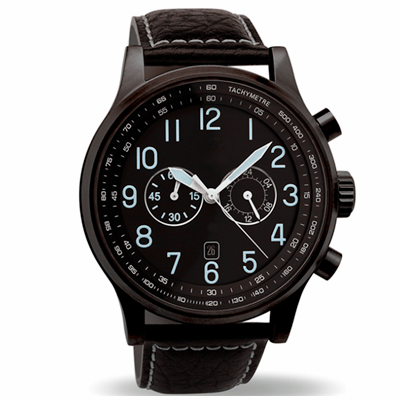
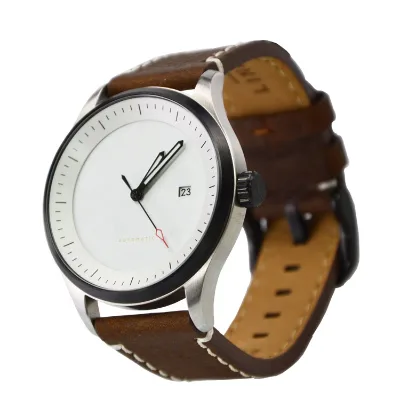
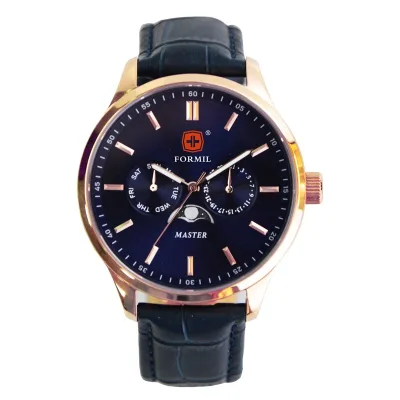
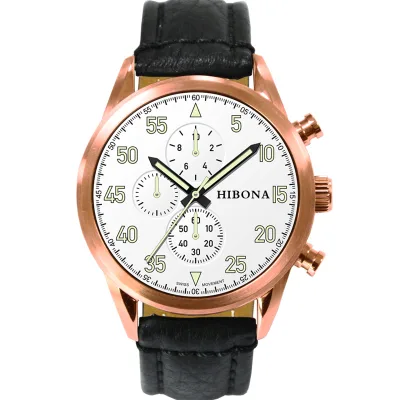
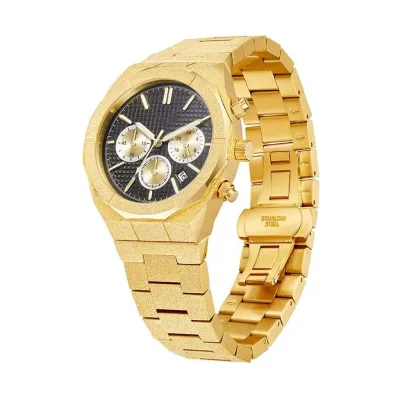
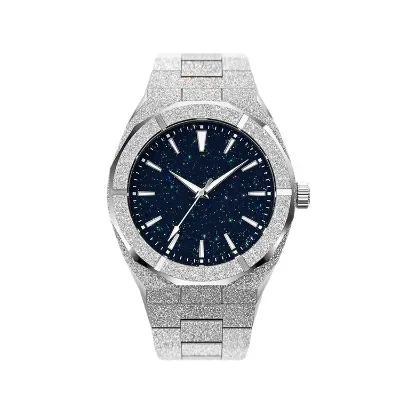
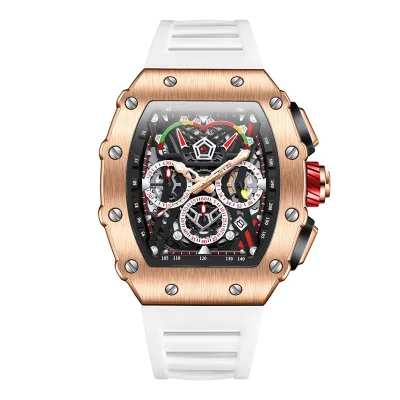
Top Selling Steel Man Watch with Miyota OS21 Chronograph Movt butterfly Buckle Watches
$26.75 - $29.33
Moq: 300
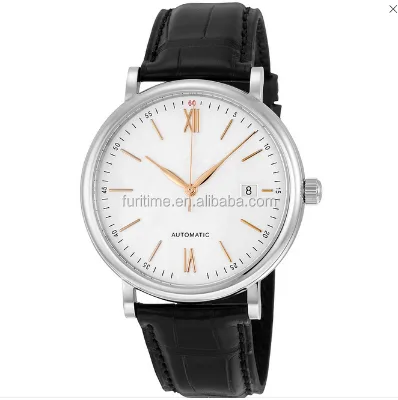
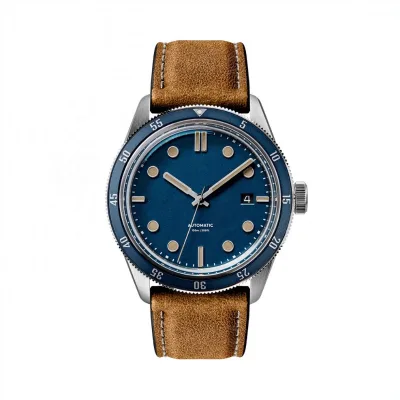
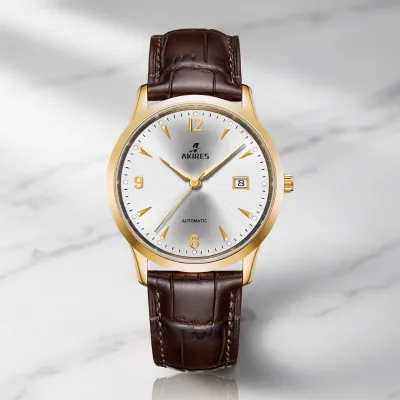
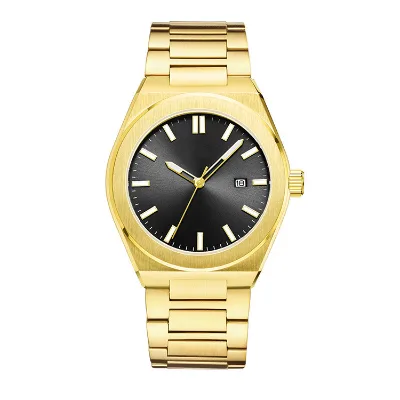
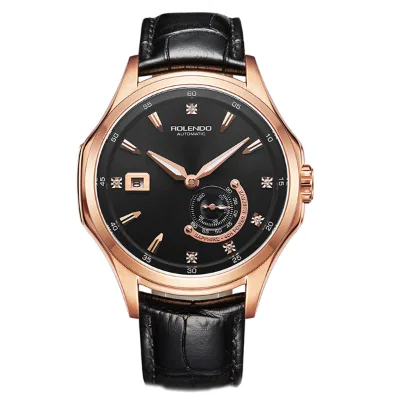
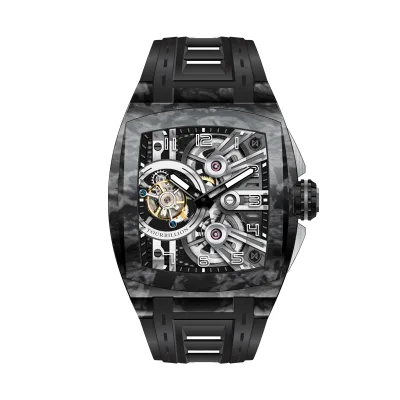
Fancy Sapphire Crystal Automatic Watch with Custom Index Dial for Mens Leather Strap Watch
$46.98 - $49.53
Moq: 300
- Verified by SGS Group
- Manufacturer, Trading Company
- Lead time45 days
- Avg. response≤ 11h
Main productsWatch, Smart Watch, Charms
Main marketsDomestic Market(50%), North America(25%), Eastern Europe(15%)
- Trading Company
- Guangdong, China
- Lead time40 days
- Avg. response≤ 5h
Main productsWatches,Watch Part,automatic watch,men watch,lady watch
Main marketsNorth America(60.0%), Northern Europe(10.0%), Western Europe(10.0%), Mid East(6.0%), Southeast Asia(5.0%), Eastern Europe(3.0%), South America(3.0%), Oceania(3.0%)
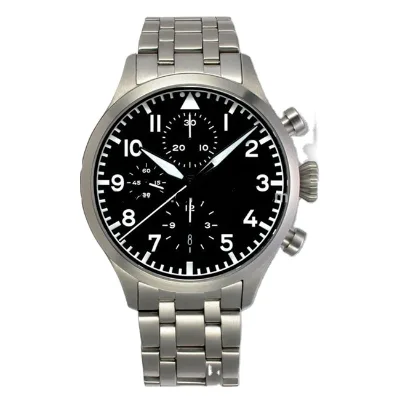
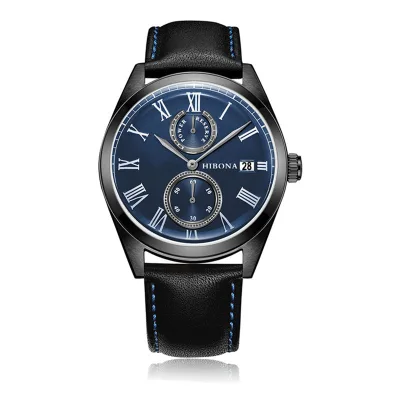
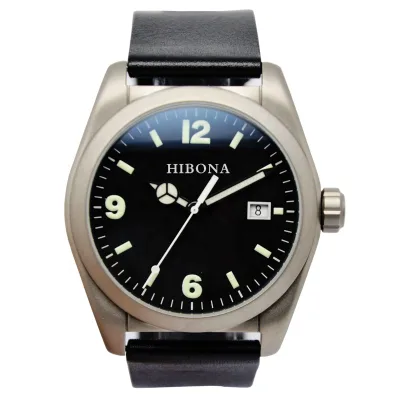
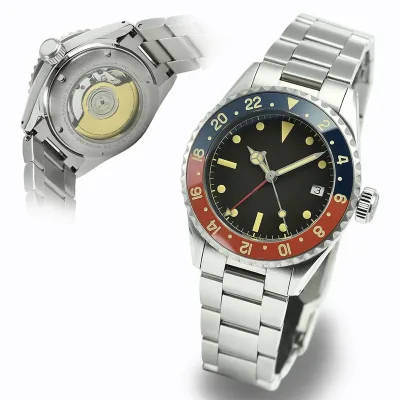
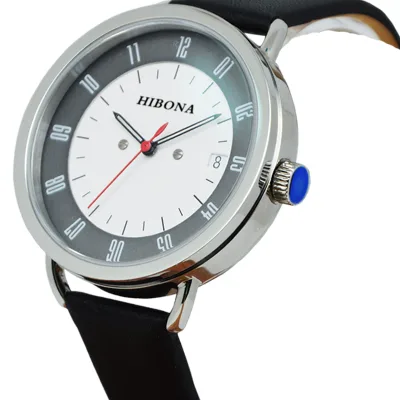
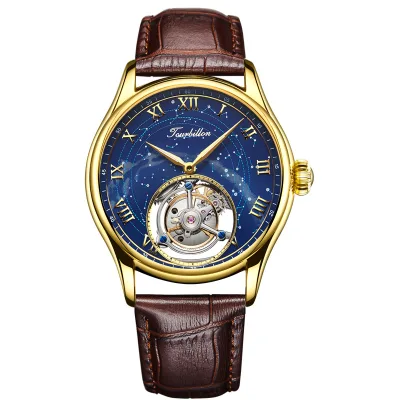
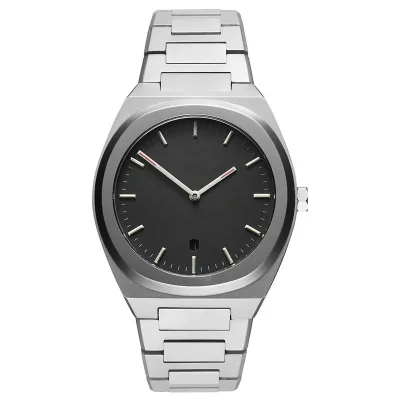
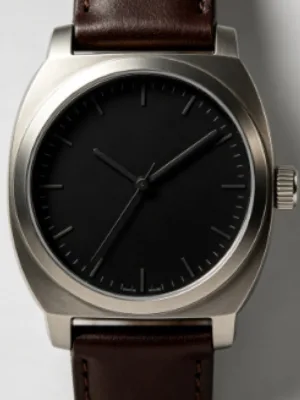
Fashion Slime Automatic Miyota 9015 Movement Transparent Back Cover Men's Watches for Women
$45.80 - $49.80
Moq: 300
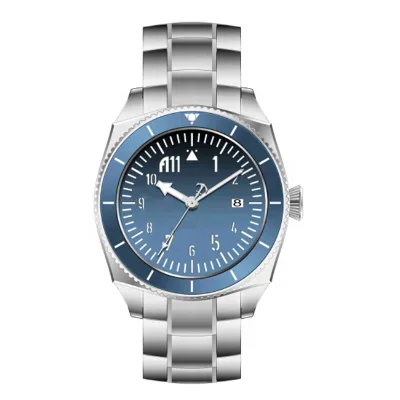
Shenzhen Grace Clock & Watch Co., Ltd.
- Verified by SGS Group
- Manufacturer, Trading Company
- Lead time25 days
- Avg. response≤ 1h
Main productsMechanical Watch, Quartz Watch, Watch Case & Watch Band, Jewelry, Smart Watch
Main marketsDomestic Market(40%), Southeast Asia(18%), North America(12%)
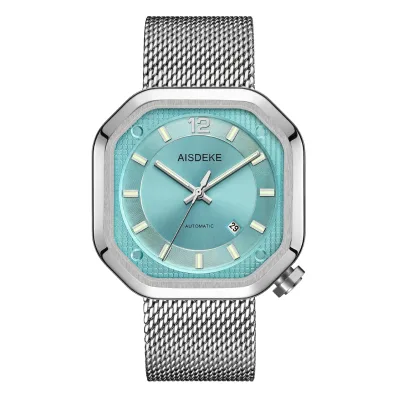
Foshan Aisdeke Jewelry Co., Ltd.
- Verified by Intertek
- Trading Company
- Lead time0 days
- Avg. response≤ 2h
Main productsWatch, Watch Dial
Main marketsNorth America(35%), Western Europe(17%), Southeast Asia(16%)
Shenzhen Jinchenyu Technology Ltd.
- Verified by TüVRheinland
- Manufacturer, Trading Company
- Lead time60 days
- Avg. response≤ 2h
Main productsWatch, Men Watch, Women Watch, Quartz Watch, Mechanical Watch
Main marketsWestern Europe(77%), Eastern Europe(10%), North America(2%)

Quanzhou Fengze District Siquan Technology Co., Ltd.
- Trading Company
- China Fujian
- Lead time0 days
- Avg. response≤ 5h
Main productsAir Sterilizer, Watch, Shoe, Bag
Foshan Jingsha Technology Co., Ltd.
- Manufacturer
- Guangdong, China
- Lead time15 days
- Avg. response≤ 4h
Main productsMechanical watch,mechanical movement,automatic rotor,dial,watch parts
Main marketsNorth America(60.0%), Eastern Europe(40.0%)
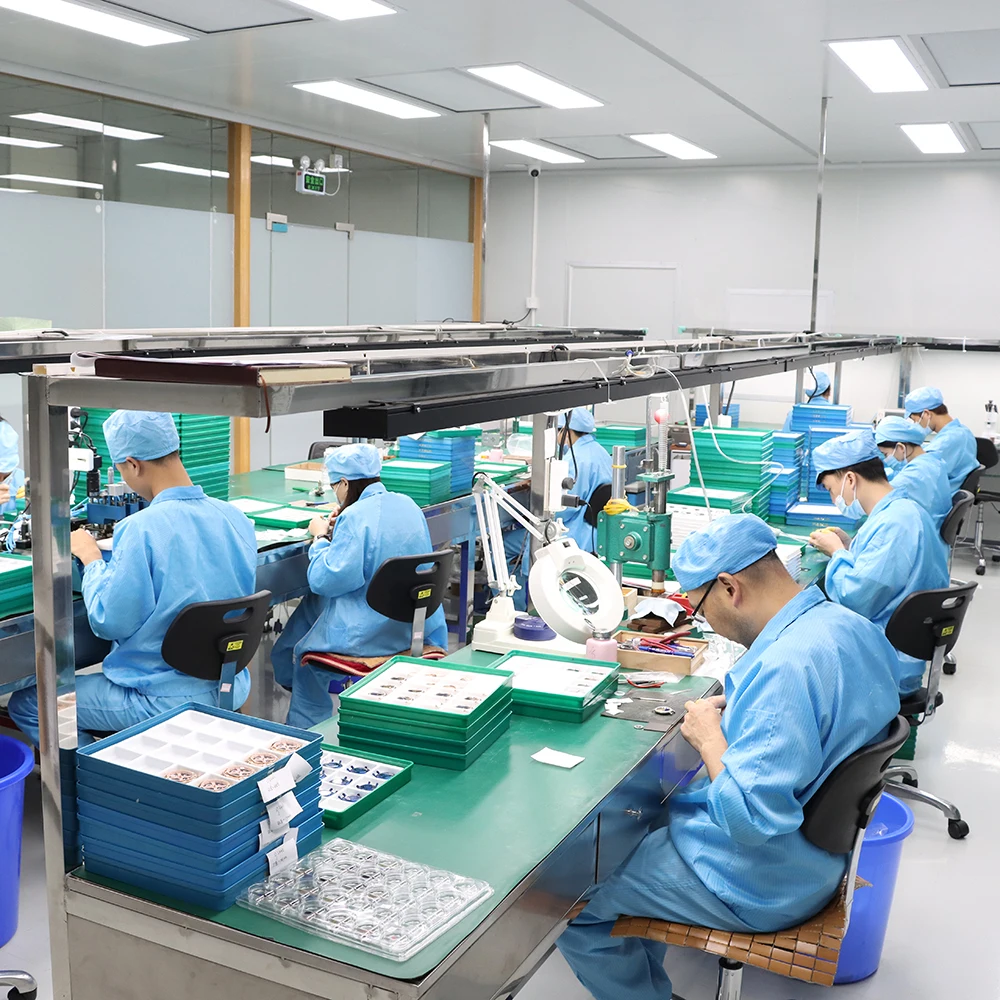
Shenzhen Shijin Watch Co., Ltd.
- Manufacturer, Trading Company
- Guangdong, China
- Lead time20 days
- Avg. response≤ 3h
Main productsWatch, Jewelery
Main marketsWestern Europe(70.0%), North America(20.0%), Southeast Asia(10.0%)
- Verified by SGS Group
- Manufacturer, Trading Company
- Lead time14 days
- Avg. response≤ 5h
Main productsWood Watch
Main marketsNorth America(22%), Eastern Europe(15%), Southeast Asia(15%)
Guangzhou Bonill Watches Co., Ltd.
- Manufacturer, Trading Company, Distributor/Wholesaler
- Guangdong, China
- Lead time30 days
- Avg. response≤ 1h
Main productsLeather watches,Stainless steel watches,Super slim watches,Wooden watches,silicone watches
Main marketsNorthern Europe(15.0%), North America(15.0%), Southern Europe(10.0%), South America(10.0%), Western Europe(10.0%), Eastern Europe(8.0%), Eastern Asia(6.0%), Domestic Market(6.0%), Central America(5.0%), Mid East(5.0%), Africa(3.0%), Southeast Asia(3.0%), Oceania(2.0%), South Asia(2.0%)
Shenzhen Rosdn Intelligent Technology Co., Ltd.
- Manufacturer
- Guangdong, China
- Lead time45 days
- Avg. response≤ 3h
Main productsMechanical Watch,Quartz Watch,Smart Watch
Main marketsNorth America(25.0%), Western Europe(18.0%), Mid East(12.0%), Northern Europe(8.0%), Southeast Asia(7.000000000000001%), Central America(5.0%), South America(5.0%), Eastern Asia(5.0%), Oceania(5.0%), Southern Europe(5.0%), Eastern Europe(3.0%), Africa(2.0%)
Guangzhou Geren Accessories Co., Ltd.
- Verified by TüVRheinland
- Manufacturer, Trading Company
- Lead time25 days
- Avg. response≤ 2h
Main productsQuartz Watchs, Mechanical Watches, Pocket Watchs, Watches Parts, Watches Case And Box
Main marketsNorth America(24%), Western Europe(24%), Oceania(19%)

Shen Zhen Ji Jia Industrial Ltd.
- Trading Company
- Guangdong, China
- Lead time75 days
- Avg. response≤ 6h
Main productsAutomatic Watches,Quartz Watches,Digital Watches,Smart Watches,Wood Watches
Main marketsNorth America(32.0%), Western Europe(15.0%), Eastern Asia(15.0%), Northern Europe(10.0%), Southeast Asia(8.0%), South America(5.0%), Mid East(5.0%)

Foshan City Nanhai District Yanxiang Trading Firm
- Verified by TUVRHEINLAND
- Trading Company
- China Guangdong
- Lead time15 days
- Avg. response≤ 3h
Main productsWatch
Main marketsDomestic,Europe,North America
Shenzhen Gezfeel Watch Co., Ltd.
- Verified by TüVRheinland
- Trading Company
- Lead time21 days
- Avg. response≤ 1h
Main productsStainless Steel Watches, Moissanite Watches, Jade Watches, Tourbillon Watches, Diving Watches
Main marketsNorth America(50%), Southern Europe(20%), Western Europe(15%)
Shenzhen Cocean Timepiece Technology Co., Ltd.
- Verified by Intertek
- Manufacturer, Trading Company
- Lead time50 days
- Avg. response≤ 1h
Main productsWatches, Mechanical Watch, Quartz Watch, Watch Parts
Main marketsNorth America(20%), Eastern Europe(15%), Western Europe(15%)

Jesse Trading Firm of Liwan District, Guangzhou (Individual Business Owner)
- Verified by CTI
- Trading Company
- China Guangdong
- Lead time15 days
- Avg. response≤ 2h
Main productsBags, Bag, Watch
Main marketsSouth America,Europe,North America
Shenzhen Huide Watch Co., Ltd.
- Manufacturer, Trading Company
- Guangdong, China
- Lead time35 days
- Avg. response≤ 12h
Main productsFashion Watches,Classical Watches,Sports Watches,Stainless Steel Watches,OEM Watches
Main marketsWestern Europe(24.0%), North America(20.0%), South Asia(18.0%), Southern Europe(9.0%), South America(8.0%), Southeast Asia(8.0%), Oceania(5.0%), Eastern Europe(3.0%), Mid East(3.0%), Northern Europe(2.0%)
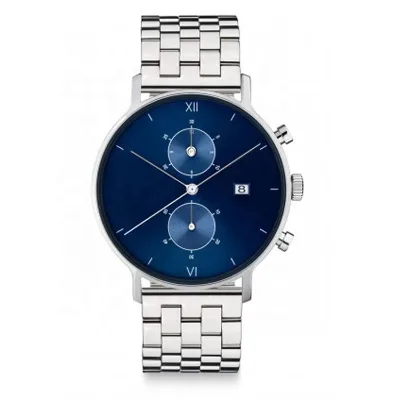
New Classic Casual Quartz Hands Male Wrist Mens Watches
$13.00 - $18.00
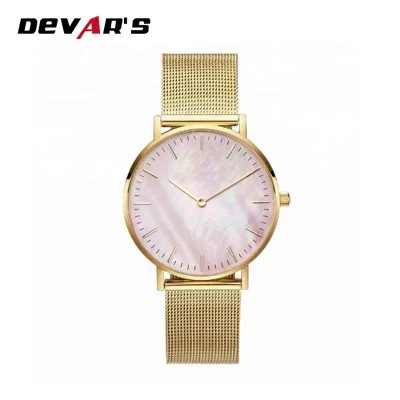
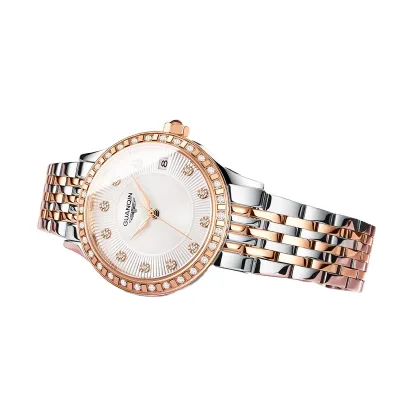
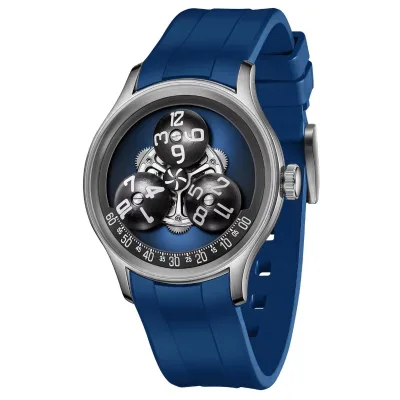
Wholesale Promotional Custom logo Lady Watch with Colorful Mother of Pearl Dial
Contact supplier
Moq: 100


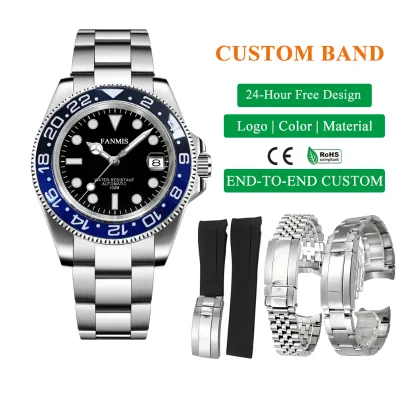
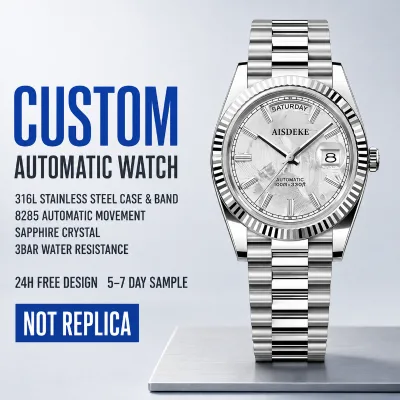
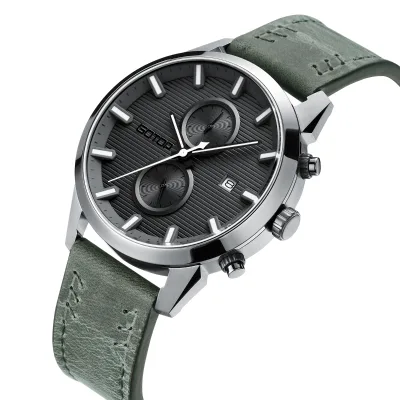
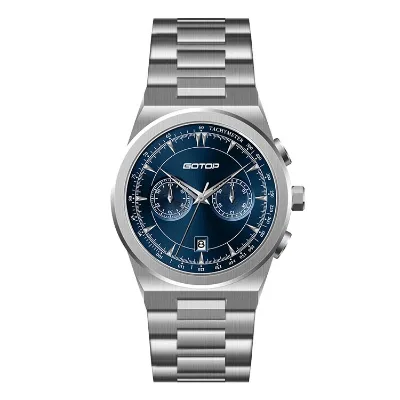


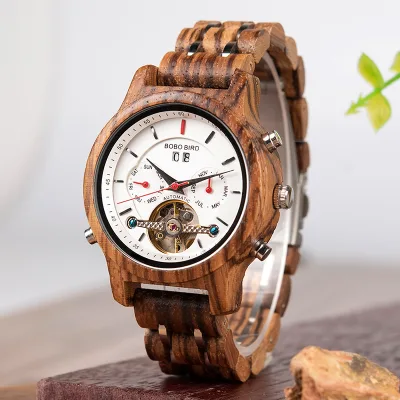
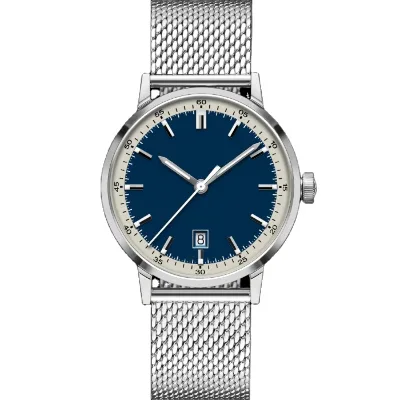
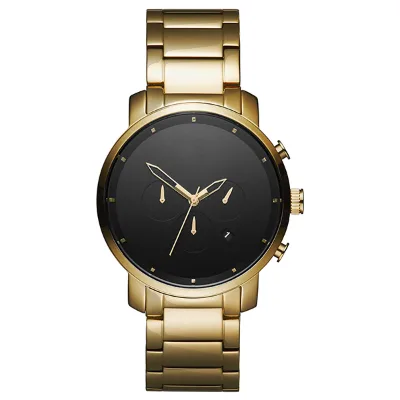
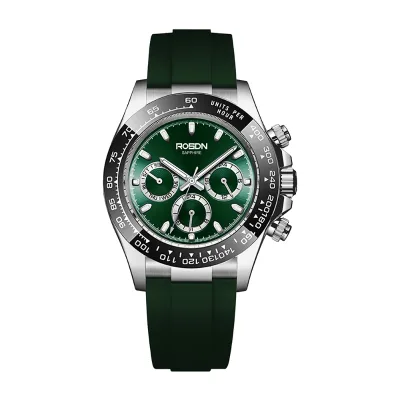
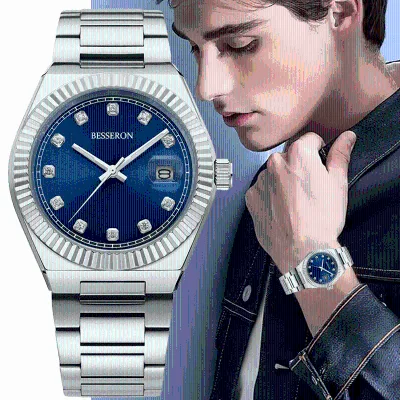
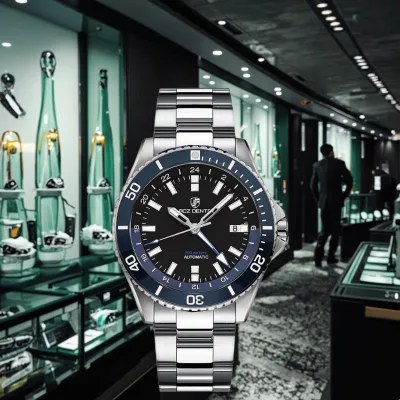
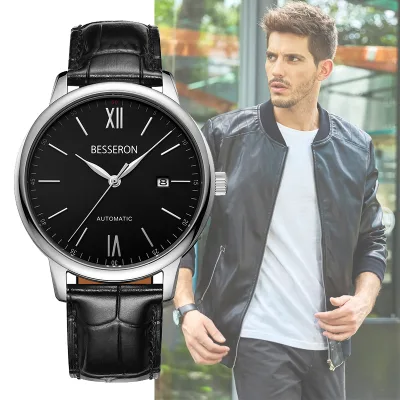
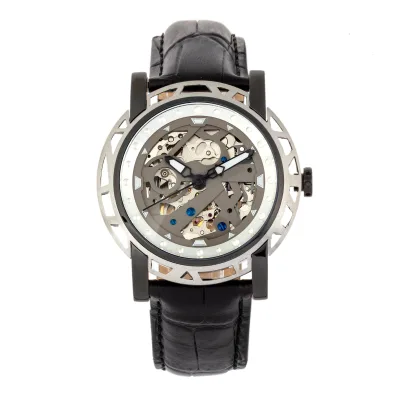




Comprehensive Sourcing Guide
Miyota Automatic Chronograph Watch Supplier Concentration and Factory Types
Current data indicates that manufacturing capabilities for timepieces are concentrated in specific Chinese provinces, with Fujian and Guangdong emerging as primary hubs for this category. Suppliers in these regions often list diverse portfolios including shoes, electronics, and fashion accessories alongside watches, suggesting a flexible manufacturing ecosystem. The presence of both Manufacturer/Factory and Trading Company entity types within the results highlights a mixed supply chain structure where direct production and distribution services coexist. Buyers should note that while some entities operate as factories with OEM and ODM capacities, others function as trading companies that may source from various workshops. This distinction is critical when evaluating the depth of technical expertise available for complex movements like the Miyota automatic chronograph.
When assessing supplier concentration, buyers must verify if the listed location aligns with their specific quality and logistics requirements. The observed data shows suppliers in Guangdong and Fujian, but this does not guarantee that every potential vendor operates from these exact coordinates. Some suppliers may list a general region while operating from a different facility. To identify true manufacturing clusters, buyers should request specific factory addresses and cross-reference them with local industrial zones known for watch assembly. Relying solely on the broad location tag provided in search results can lead to misalignment between expected production capabilities and actual operational sites. Confirming the physical presence of the factory in the stated province ensures that the supplier has the necessary infrastructure for precision watchmaking.
How to Verify Miyota Automatic Chronograph Watch Suppliers
Verification of supplier credentials requires a rigorous check of system certifications and third-party audit reports. The available data points to ISO 9001 certification for some entities, which serves as a baseline for quality management systems. Additionally, verification statuses such as CTI indicate that an external agency has validated certain aspects of the supplier's business operations. Buyers should not assume that all suppliers possess these credentials without explicit confirmation. It is essential to request current copies of these certificates and verify their validity through the issuing bodies. The presence of product-specific certifications like CCC, CE, and RoHS on individual watch models further demonstrates compliance with safety and environmental standards, which is particularly important for electronic components within the watch movement.
Beyond documentation, buyers must assess the responsiveness and operational stability of the supplier. Response times recorded in the data vary significantly, with some suppliers showing a 0.75-hour response window while others take up to six hours. This variance can impact the speed of negotiation and problem resolution during the sourcing process. A fast response time often correlates with a dedicated sales team and efficient internal communication channels. Buyers should also examine the supplier's main product list to ensure that watches are a core competency rather than a peripheral offering. If a supplier lists shoes and electronics as primary products alongside watches, their focus on timepiece manufacturing may be diluted. Confirming that the supplier has a dedicated team for watch production ensures that the buyer receives the necessary technical support for the Miyota automatic chronograph.
What to Compare Across Miyota Automatic Chronograph Watch Suppliers
Comparing suppliers requires a detailed analysis of key operational metrics such as lead time, minimum order quantity, and pricing structures. The observed data reveals a wide range of lead times, with some suppliers offering a 50-day turnaround while others require up to 120 days. This difference can significantly impact inventory planning and time-to-market for the buyer. Similarly, minimum order quantities vary from 100 units to 10,000 units, depending on the specific product model and supplier capacity. Buyers must align these MOQs with their sales forecasts to avoid overstocking or underutilizing production capacity. Pricing also fluctuates based on the model, with some watches listed at approximately $6.80 and others at $30.20 or higher, reflecting differences in movement quality and materials used.
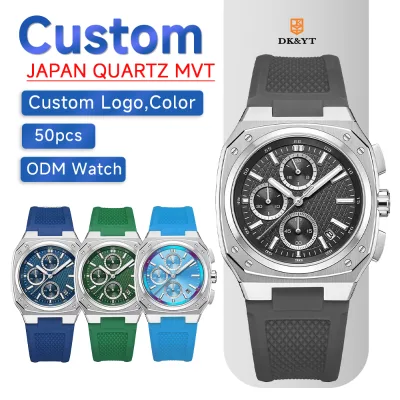
In addition to quantitative metrics, buyers should compare the customization options and product specifications offered by each supplier. The data indicates that customization is available for many models, allowing for logo printing and design modifications. However, the extent of these services varies, with some suppliers offering full OEM and ODM capabilities while others provide limited customization. Buyers should also evaluate the specific attributes of the watches, such as the movement brand, case material, and water resistance depth. For instance, some models feature a Japan chronograph quartz movement, while others utilize automatic mechanical movements. Comparing these technical details ensures that the selected supplier can meet the precise functional requirements of the final product. This thorough comparison helps identify the supplier that offers the best balance of cost, flexibility, and technical performance.
Common Miyota Automatic Chronograph Watch Sourcing Risks
One significant risk in sourcing involves the discrepancy between claimed specifications and actual product delivery. While suppliers may advertise features like "waterproof" or "chronograph" functionality, the actual performance can vary based on manufacturing quality control. The data shows that some products are labeled with specific certifications, but these do not guarantee that every unit produced meets the same standard. Buyers must implement strict quality assurance protocols to verify that the delivered watches match the advertised specifications. This includes conducting pre-shipment inspections and testing the movement accuracy and water resistance of sample units. Without these checks, there is a risk of receiving products that fail to meet customer expectations or regulatory requirements.
Another critical risk is the potential for supply chain disruptions due to varying lead times and production capacities. The observed lead times range from 50 to 120 days, indicating that production schedules can be unpredictable. If a supplier faces capacity constraints or raw material shortages, the delivery timeline may be extended, causing delays in the buyer's product launch. Additionally, the reliance on trading companies rather than direct manufacturers can introduce communication gaps and reduce transparency in the production process. Buyers should mitigate these risks by establishing clear contracts with defined penalties for delays and maintaining regular communication with the production team. It is also advisable to diversify the supplier base to reduce dependency on a single source and ensure continuity of supply.
Miyota Automatic Chronograph Watch Regional Sourcing and Logistics
Regional sourcing decisions are heavily influenced by the location of the manufacturing facilities and the associated logistics costs. The data indicates that suppliers are primarily located in Fujian and Guangdong, which are major manufacturing hubs in China. These regions offer established infrastructure for shipping and handling, but buyers must consider the specific port of dispatch for each supplier. For example, some suppliers may dispatch from Shenzhen, while others might use different ports. The choice of port can affect transit times and shipping costs, particularly for international buyers. Buyers should calculate the total landed cost, including freight, insurance, and customs duties, to determine the most cost-effective sourcing strategy. Understanding the logistics network of each supplier helps in planning the supply chain more efficiently.
Logistics planning also involves managing the packaging and handling of the watches during transit. The data shows that products are often packed in polybags and then placed in strong inner boxes or cartons. This packaging method is designed to protect the watches from damage during shipping, but buyers should verify that the packaging meets their specific requirements. For instance, some buyers may require custom packaging to enhance brand presentation. Additionally, buyers should consider the impact of seasonal factors on shipping, such as peak holiday seasons or weather-related delays. By understanding the logistics capabilities of the supplier, buyers can better anticipate potential delays and plan their inventory levels accordingly. Effective logistics management ensures that the watches arrive on time and in good condition, ready for sale.
Miyota Automatic Chronograph Watch Commercial Terms and Order Planning
Commercial terms and order planning are pivotal for managing the financial and operational aspects of the sourcing process. Buyers must carefully review the payment terms, such as escrow options or deposit requirements, to ensure financial security. The data suggests that some suppliers offer flexible payment structures, but buyers should negotiate terms that align with their cash flow and risk tolerance. Additionally, the minimum order quantity (MOQ) plays a crucial role in order planning, as it dictates the initial investment required. Buyers should assess whether the MOQ is feasible for their market size and sales projections. If the MOQ is too high, buyers may need to negotiate a lower threshold or consider a trial order to test the market response before committing to a larger volume.
Order planning also involves coordinating the production schedule with the buyer's sales calendar. The observed lead times of 50 to 120 days require careful timing to ensure that the products are ready for launch. Buyers should factor in the time needed for quality inspections, shipping, and customs clearance when planning their order timeline. It is also important to consider the potential for customization, which may extend the production schedule. Buyers should communicate their customization requirements clearly and early to avoid delays. By developing a comprehensive order plan that accounts for all these variables, buyers can minimize risks and ensure a smooth supply chain operation. This proactive approach helps in maintaining a competitive edge in the market by delivering products on time and within budget.
FAQs
What is the price range for chronograph watches?
Chronograph watches are available from $6.80 to $30.20 per unit. Prices vary based on movement type and customization options. Buyers should verify specific model costs with suppliers to ensure accurate budgeting for their order volume and requirements.
What are the minimum order quantities for watches?
Minimum order quantities typically range from 100 to 10,000 pieces. Some suppliers accept orders as low as 100 units, while others require 1,000 or 10,000 pieces. Buyers must check individual product listings to confirm the specific MOQ applicable to their chosen model.
Where are these watch suppliers located?
Suppliers are primarily located in China, specifically in Fujian and Guangdong provinces. These regions are known for manufacturing electronics and accessories. Buyers can filter results by these locations to align with logistics preferences and supply chain strategies for their specific sourcing needs.
What certifications do the watches have?
Watches may carry certifications such as ISO 9001, CCC, CE, and RoHS. System certifications like ISO 9001 indicate quality management standards. Product-specific certifications ensure compliance with safety and environmental regulations. Buyers should request valid certificates for each specific product batch.
What is the typical lead time for orders?
Lead times generally range from 50 to 120 days depending on the supplier and order complexity. Some manufacturers offer faster turnaround times for standard items. Buyers should confirm exact production schedules with suppliers to ensure timely delivery for their market launch or inventory requirements.
Can I customize the watch designs?
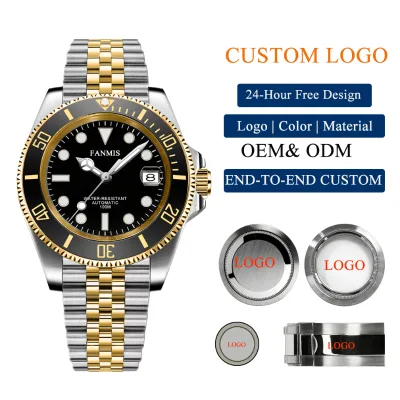
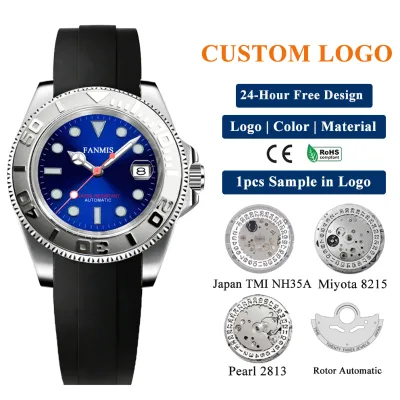
Customization is available for many models, including logo printing and dial design. Suppliers offer OEM and ODM services to tailor products to brand specifications. Buyers should discuss design requirements and minimum order quantities for custom items directly with the manufacturer to ensure feasibility.
What response times can buyers expect?
Supplier response times vary, with some responding within 0.75 hours and others taking up to 6 hours. Faster response times indicate active customer support teams. Buyers should prioritize suppliers with quick response rates to facilitate efficient communication during the sourcing and negotiation process.