Spiral Rotating Jelly Blush Stick Suppliers and Manufacturers
Explore 30 verified suppliers offering Spiral Rotating Jelly Blush Stick options with varying lead times, certifications, and MOQs. Compare response times, sample availability, and product attributes like waterproof features before requesting quotes; review the available evidence before requesting comparable quotations from suitable candidates.
Updated
Suppliers List
Shenzhen Imanson Technology Co., Ltd.
- Verified by TüVRheinland
- Trading Company
- Lead time3 days
- Avg. response≤ 4h
Main productsEyeshadow, Blush, Lipstick, Lipgloss, Makeup Tools
Main marketsNorth America(50%), Eastern Europe(10%), Western Europe(10%)

Shenzhen Fundy Cosmetics Co., Ltd.
- Verified by TUVRHEINLAND
- Manufacturer/Factory
- China Guangdong
- Lead time30 days
- Avg. response≤ 5h
Main productsEyeshadow, Lipgloss, Foundation, Lipstick, Blusher, Highlighter, Makeup, Makeup Tool, OEM/ODM
Main marketsSouth America,Eastern Europe,Mid East,North America,Southeast Asia,Eastern Asia,Oceania,Western Europe,Africa

Factory Price Makeup Custom Long Lasting Waterproof Lip Cheek Jelly Blush Stick
$1.20 - $1.80
MOQ: 100 Pieces


New Arrival Blusher Private Label Lip Tint Stain Cream Jelly Blush Stick
$1.20 - $1.80
MOQ: 100 Pieces

Hot Selling Low MOQ Cheek Blusher Tint Waterproof Milk Blush Jelly Tint Lip Cheek Jelly Blush Stick
$1.10 - $1.80
MOQ: 100 pieces


Guangzhou Rangecolor Cosmetics Co., Ltd.
- Trading Company,Manufacturer/Factory
- China Guangdong
- Lead time38 days
- Avg. response≤ 18h
Main productsEyeshadow, Blush, Lipgloss, Face Powder, Lipstick, Lip Balm, Facial Mask, Lotion, Makeup Remover, Liquid Foundation
Main marketsSouth America,Eastern Europe,Mid East,North America,Eastern Asia,Western Europe,Africa


Bouncy Jelly Texture Longlasting&Mesh Free Stick Multi-Used as Blush, Eyeshadow, Lipstick
$0.60 - $0.90
MOQ: 12000 Pieces

Multi-Purpose Makeup Blush Stick, Beauty Tinted Solid Blush Stick for Cheecks, Lips, Eyes
$0.70 - $1.80
MOQ: 12000 Pieces

Super Beauty Solid Moisture Multi-Use Makeup Blush Stick for Cheecks, Lips, Eyes
$0.70 - $1.80
MOQ: 12000 Pieces

Shenzhen Huazhong Sun May Technology Co., Ltd
- Verified by SGS
- Trading Company,Manufacturer/Factory
- China Guangdong
- Lead time15 days
- Avg. response≤ 5h
Main productsLipstick, Lip Gloss, Cosmetics, Eyeshadow, Blusher, Makeup, Skin Care, Makeup Brush, Perfume, Parfum
Main marketsSouth America,Eastern Europe,Mid East,North America,Southeast Asia,Eastern Asia,Oceania,Western Europe,Africa

Cosmetics Manufacturer Private Label Heart Shaped Blush Cream Stick Vegan Blush Stick
$1.30 - $1.80
MOQ: 50 Pieces

$1.00 - $1.50
MOQ: 100 Pieces

Makeup High Pigment Vegan Blusher Stick with Brush Waterproof Blush Stick
$1.80 - $2.30
MOQ: 50 Pieces

Waterproof Makeup Pink Blusher Cream Blush Contour Highlighter Private Label Blush Stick
$2.00 - $2.80
MOQ: 50 Pieces

Cruelty Free Face Contour Highlight Cheek Stain Blush Stick Makeup Pen with Brush
$1.50 - $2.00
MOQ: 50 Pieces


Guangzhou Yihui Cosmetics Technology Co., Ltd.
- Manufacturer, Trading Company, Distributor/Wholesaler
- Guangdong, China
- Lead time10 days
- Avg. response≤ 6h
Main productsCOSMECEUTICAL,skin care products,Plant essential oils,Sexual intimacy,Pain Wellness Explosion
Main marketsDomestic Market(30.00%), North America(8.00%), Africa(8.00%), South Asia(5.00%), Eastern Europe(5.00%), Southern Europe(5.00%), Northern Europe(5.00%), Central America(5.00%), Western Europe(5.00%), Eastern Asia(5.00%), Mid East(5.00%), Oceania(5.00%), Southeast Asia(5.00%), South America(4.00%)
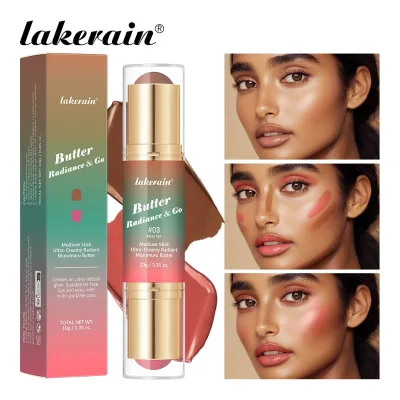
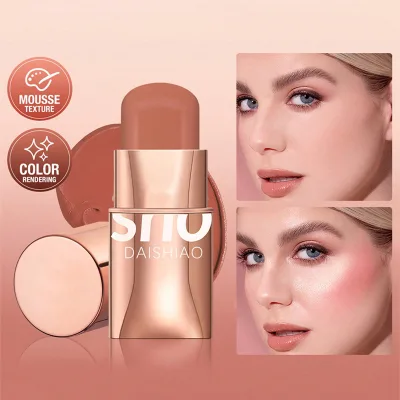
Pearlescent Eyeshadow Blush Stick Matte Rouge Lip and Cheek Dual-use Blush Cream Lipstick Lipstick
$0.9521 - $1.0135
MOQ: 3 pieces
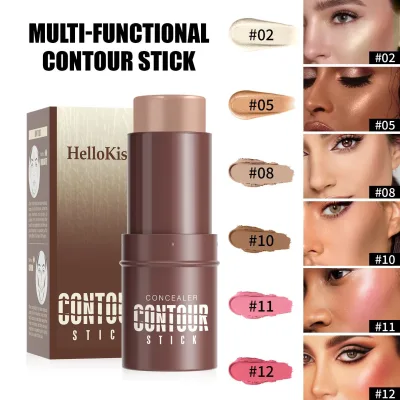
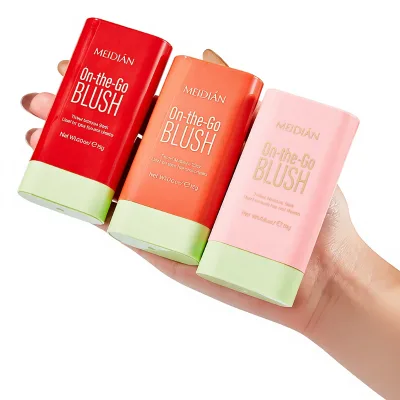
- Verified by SGS Group
- Manufacturer, Trading Company
- Lead time30 days
- Avg. response≤ 2h
Main productsLipstick, Blusher, Mascara, Eye shadow, Anti slip chain for car
Main marketsNorth America(40%), Western Europe(30%), Eastern Europe(20%)
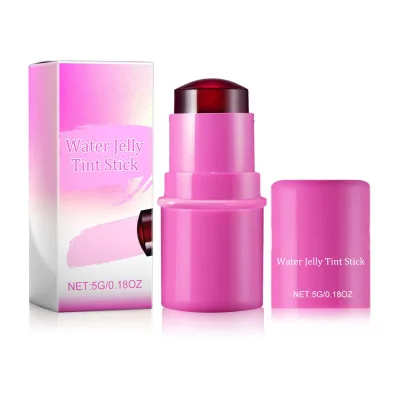
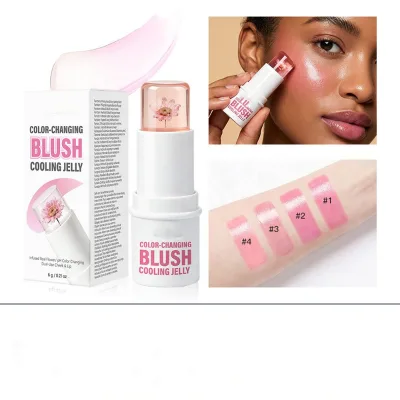
Wholesale Oem 6colors Natural Liquid Air Cushion Highlighting and Blush Multifunctional Beauty Stick
$0.85 - $0.90
MOQ: 3 pieces
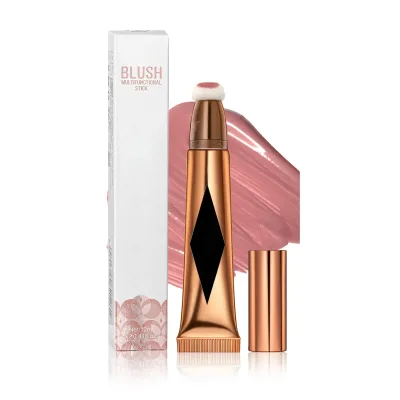
$1.5419 - $1.7575
MOQ: 50 pieces
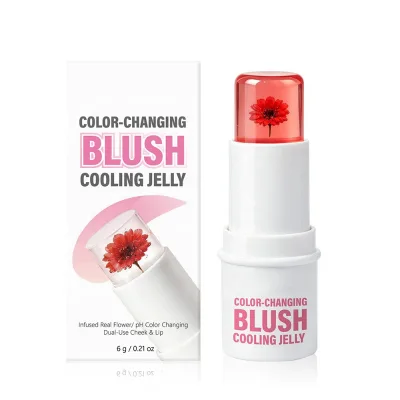
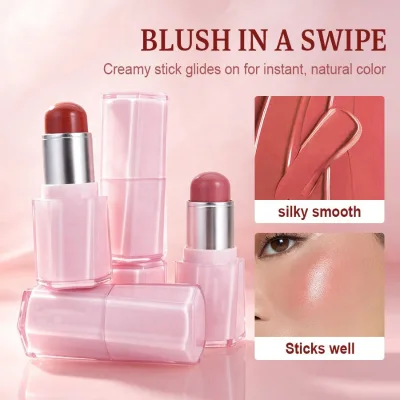

Hangzhou JUKO Beauty Cosmetics Co., Ltd
- Verified by SGS
- Trading Company
- China Zhejiang
- Lead time15 days
- Avg. response≤ 5h
Main productsLipgloss, Eyeshadow, Matte Lipstick, Hair Stick Gel, Hair Wax Stick, Foundation, Lip Plumper, Lip Balm, Mascara, Skin Care
Main marketsSouth America,Africa,Southeast Asia/ Mideast,Europe,Australia,North America
Henan Hexue Industry Co., Ltd.
- Verified by TüVRheinland
- Trading Company
- Lead time0 days
- Avg. response≤ 2h
Main productsLip Gloss Tubes, Cosmetic Packaging, Glass Bottle, Makeup Brush, Makeup Sponge
Main marketsNorth America(39%), South America(15%), Southeast Asia(11%)
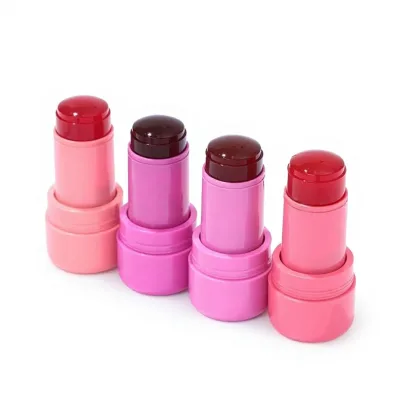

$1.4656 - $1.8338
MOQ: 100 pieces
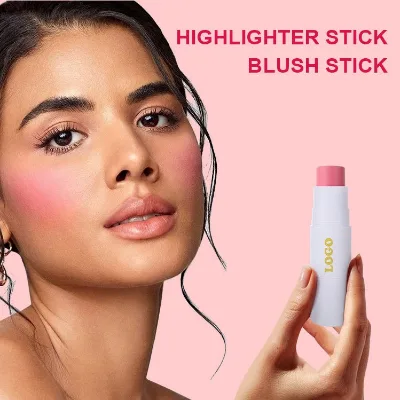
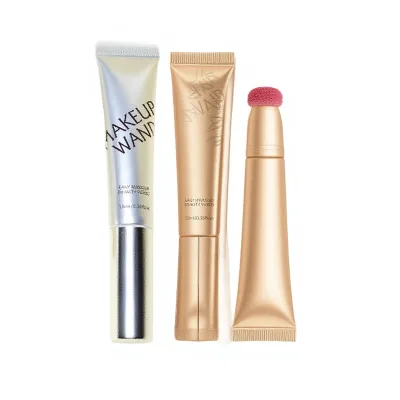

Shantou Una Cosmetics Co., Ltd
- Verified by BV
- Trading Company
- China Guangdong
- Lead time45 days
- Avg. response≤ 16h
Main productsLipsticks, Lip Gloss, Cosmetics, Nail Polish, Makeup, Foundation, Mascara, Eye Shadow, Lip Balm
Main marketsEurope,North America
Xuchang Jinbang Hair Products Co., Ltd.
- Verified by SGS Group
- Manufacturer, Trading Company
- Lead time15 days
- Avg. response≤ 3h
Main productsLip cosmetics, Face cosmetics, Eye cosmetics, False eyelash, Make up & tools
Main marketsNorth America(50%), Western Europe(20%), South America(10%)
Guangzhou Congmei Biotechnology Co., Ltd.
- Verified by TüVRheinland
- Trading Company
- Lead time15 days
- Avg. response≤ 5h
Main productsEye Shadow, Lipgloss, Foundation, Eyelashes, Concealer
Main marketsNorth America(45%), South America(10%), Southeast Asia(10%)
Guangzhou Huapan Cosmetics Co., Ltd.
- Verified by SGS Group
- Trading Company
- Lead time15 days
- Avg. response≤ 3h
Main productsFull Strip Eyelashes & Eyelash Extensions, Eye Shadow & Liquid Foundation, Beauty Personal Care Products, Human Hair & Synthetic Hair Wigs, Nail Painting & Nail Tools
Main marketsNorth America(45%), Western Europe(15%), Oceania(10%)
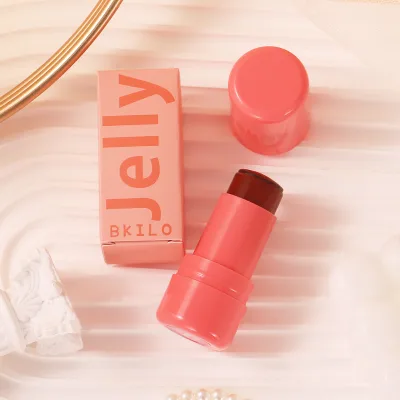
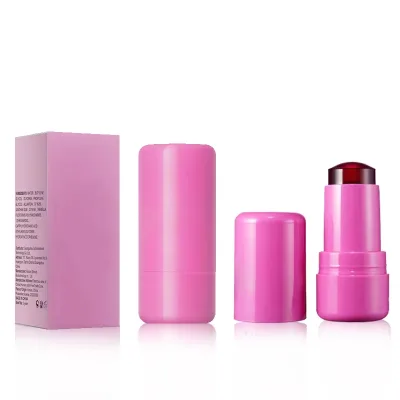
Custom Logo Jelly Stick Blush Tint for Lip and Cheek Aloe Material Cooling Water Jelly Blush Tints
$0.9102 - $1.1272
MOQ: 10 pieces
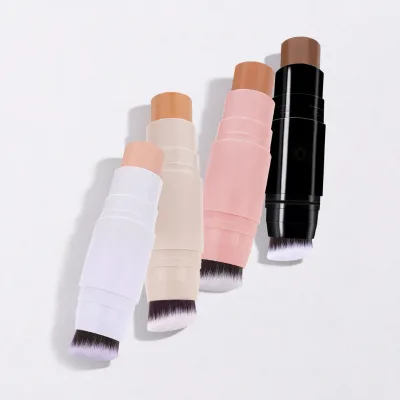
Zhejiang Congrats Beauty Cosmetics Co.,Ltd
- Verified by SGS Group
- Manufacturer, Trading Company
- Lead time15 days
- Avg. response≤ 3h
Main productsLipgloss, Eyeshadow, Blusher, Foundation, Highlighter
Main marketsNorth America(45%), Western Europe(30%), South America(5%)

Jinhua Sanctity Cosmetics Co., Ltd.
- Combined
- China Zhejiang
- Lead time30 days
- Avg. response≤ 15h
Main productsNail Polish Nail Varnish, Nail Polish Remover, Lip Balm Lip Stick, Lip Gloss, Eye Shadow Blush, Face Powder, Foundation, Cosmetics Set, Mascara, Eye Liner
Main marketsSouth America,Europe,North America

$0.65 - $0.70
MOQ: 12000 Pieces


Zhejiang Smile Biological Technology Co., Ltd
- Verified by BV
- Combined
- China Zhejiang
- Lead time23 days
- Avg. response≤ 24h
Main productsLipstick
Main marketsAfrica,Southeast Asia/ Mideast,Europe,Australia,North America
Jiangxi Meichi Cosmetics Co., Ltd.
- Verified by TüVRheinland
- Trading Company
- Lead time7 days
- Avg. response≤ 2h
Main productsEyes Makeup, Brow Makeup, Makeup Brush, Face Makeup, Lash Makeup
Main marketsNorth America(30%), South America(20%), Eastern Europe(10%)
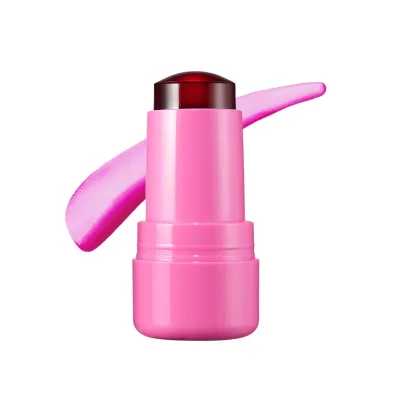
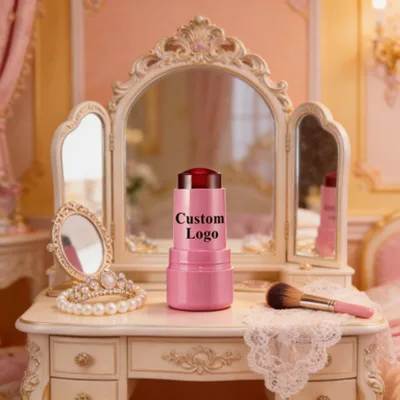
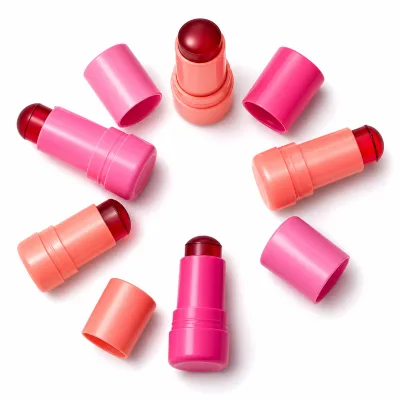
New Style Popular Long Lasting Waterproof Jelly Tint Lip and Cheek Stain Blush Stick
$1.21 - $2.99
MOQ: 50 pieces
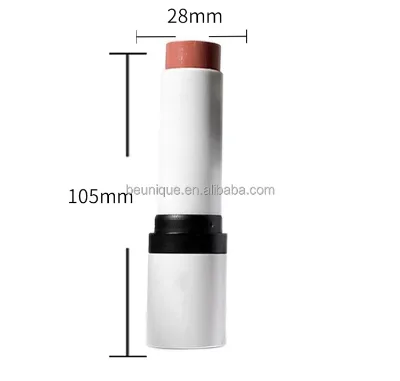
$3.56 - $3.80
MOQ: 50 pieces

Chengdu Yuanlab Biotech Co., Ltd.
- Verified by CTI
- Trading Company
- China Sichuan
- Lead time23 days
- Avg. response≤ 2h
Main productsFacial Mask, Serum, Facial Cleanser, Face Cream, Essential Oil, Shampoo and Bath Products, Eye Makeup, Facial Makeup, Lip Makeup, Lyophilized Powder
Main marketsDomestic,Europe,North America
Shenzhen Hengfengyi Technology Co., Ltd.
- Trading Company
- Guangdong, China
- Lead time3 days
- Avg. response≤ 3h
Main productsHome Use Beauty Machine,Facial Cleansing Brush,Makeup Products,Cosmetic,Lipgloss
Main marketsSouth America(30.00%), North America(30.00%), Eastern Europe(20.00%), Domestic Market(5.00%), Southeast Asia(5.00%), Africa(2.00%), Oceania(1.00%), South Asia(1.00%), Southern Europe(1.00%), Northern Europe(1.00%), Central America(1.00%), Western Europe(1.00%), Eastern Asia(1.00%), Mid East(1.00%)
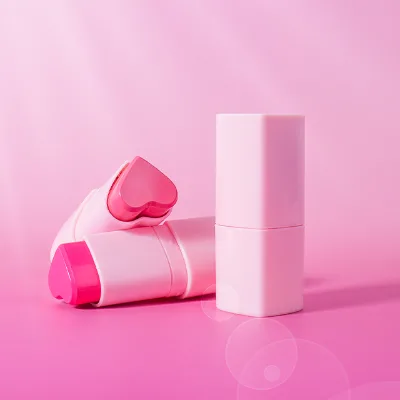
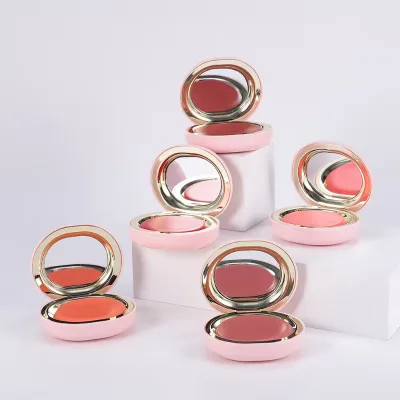
$0.6302 - $2.1003
MOQ: 2 pieces
Shenzhen Baitejia Technology Co., Ltd.
- Verified by TüVRheinland
- Trading Company
- Lead time0 days
- Avg. response≤ 4h
Main productsHair Removal Instrument, Cleaning Instrument, Skin Care Products, Makeup Tools
Main marketsNorth America(25%), Western Europe(16%), South Asia(15%)
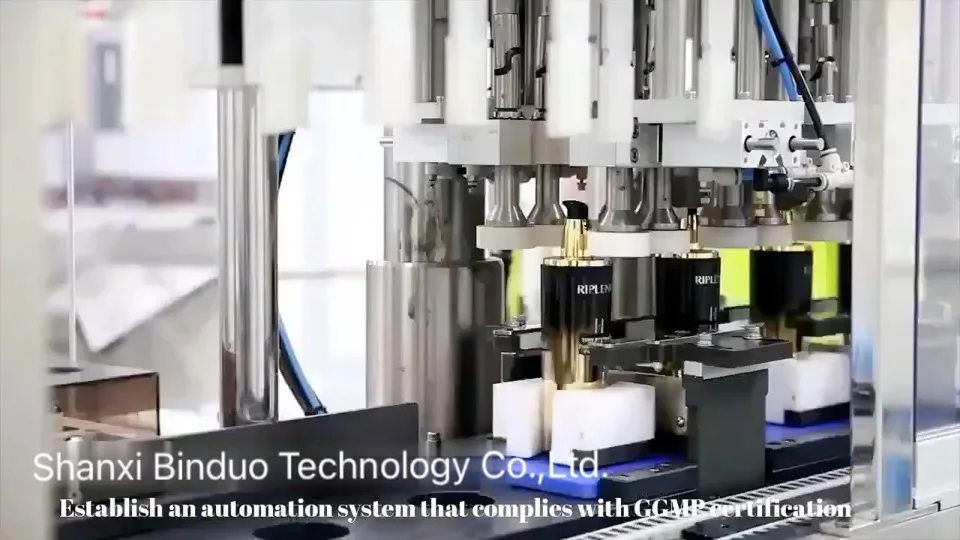
Shanxi Binduo Technology Co., Ltd.
- Trading Company
- Shanxi, China
- Lead time7 days
- Avg. response≤ 7h
Main productsSkin care,cosmetic,health Care,make up tool,Hair Care
Main marketsNorth America(35.00%), Western Europe(12.00%), Southeast Asia(10.00%), Central America(10.00%), Eastern Europe(5.00%), Mid East(5.00%), Northern Europe(5.00%), South America(5.00%), Southern Europe(3.00%), Africa(3.00%), South Asia(2.00%), Eastern Asia(2.00%), Oceania(2.00%), Domestic Market(1.00%)
Guangzhou Baiyun Yanmei Cosmetics Factory
- Verified by SGS Group
- Manufacturer, Trading Company
- Lead time7 days
- Avg. response≤ 3h
Main productsFacial Mask, Facial Cream, Serum, Essential Oil, Body Care
Main marketsNorth America(28%), Southeast Asia(15%), Western Europe(12%)

Zhejiang Yafu Cosmetics Co., Ltd
- Verified by SGS
- Combined
- China Zhejiang
- Lead time30 days
- Avg. response≤ 4h
Main productslipstick
Main marketsEast Asia(Japan/ South Korea),Europe,North America
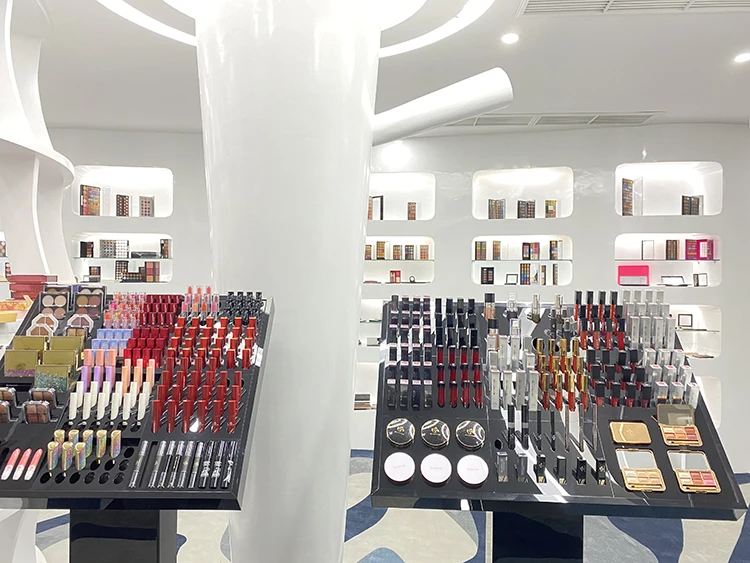
Hangzhou Charm Beauty Technology Co., Ltd.
- Trading Company
- Zhejiang, China
- Lead time15 days
- Avg. response≤ 8h
Main productsLipstick, Eyeshadow, Eyeliner, Eyebrow, Foundation
Main marketsNorth America(60.00%), Western Europe(25.00%), Eastern Asia(10.00%), South America(5.00%)

Hangzhou Ditong Biotechnology Co.,Ltd.
- Verified by BV
- Trading Company
- China Zhejiang
- Lead time15 days
- Avg. response≤ 10h
Main productsCosmetics, Skin Care Product, Makeup, Perfume, Cosmetics OEM, Makeup OEM, Cosmetic Packaging Design, Beauty Supplies Wholesale, Beauty Instrument, Cosmetic Design Packaging
Main marketsDomestic

Ditong OEM ODM Creamy Organic Pink Blush Pen 2 in 1 Multifunction Cheek Blush Stick
$1.20 - $1.65
MOQ: 1000 Pieces

Ditong Private Label Moisturizing Jelly Blush Stick High Pigment Vegan Cheek Blush
$1.20 - $1.65
MOQ: 1000 Pieces

Ditong 4 Colors Pocket Cheek Creamy Organic Pink Blush Stick Waterproof Vegan Blusher
$1.20 - $1.65
MOQ: 1000 Pieces

Jinhua Jinhui Beauty Cosmetics Co.,Ltd
- Manufacturer, Trading Company
- Zhejiang, China
- Lead time0 days
- Avg. response≤ 7h
Main productsLip make up,Eye make up,Face & Body makeup,Nail polish,Hair chalks
Main marketsWestern Europe(20.00%), Eastern Europe(20.00%), South America(20.00%), North America(20.00%), Southern Europe(10.00%), Central America(5.00%), Northern Europe(5.00%)
Shenzhen Jermay Technology Co., Ltd.
- Verified by TüVRheinland
- Trading Company
- Lead time15 days
- Avg. response≤ 3h
Main productsEyeshadow, Lipgloss, Blush, Foundation, Highlighter
Main marketsNorth America(45%), Western Europe(18%), South Asia(18%)

Guangzhou Kanglixin Medical Biotechnology Co, Ltd.
- Verified by BV
- Combined
- China Guangdong
- Lead time30 days
- Avg. response≤ 10h
Main productsSkin Care Products, Body Care, Hair Care Products, Makeup, Men's Care Products, Ferminine Care Products, Serum, Facial Mask, Face Cream, Scrub
Main marketsSouth America,Africa,Southeast Asia/ Mideast,East Asia(Japan/ South Korea),Domestic,Europe,North America

$1.25 - $1.35
MOQ: 1000 pieces

$1.30 - $2.00
MOQ: 100 pieces
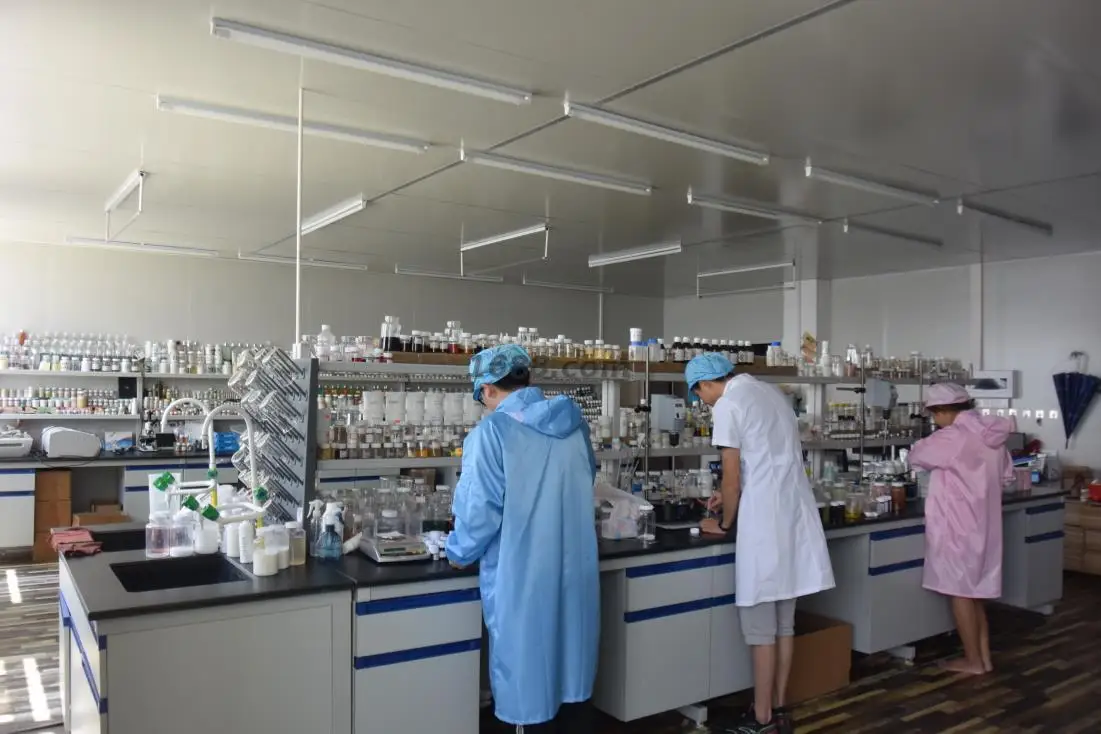
Shantou Bosuya Cosmetic Co., Ltd.
- Trading Company
- Guangdong, China
- Lead time10 days
- Avg. response≤ 3h
Main productsPersonal Care,Perfume Body Mist,Skincare,Makeup,Body Care
Main marketsSouth America(20.00%), Mid East(20.00%), Africa(10.00%), Southeast Asia(10.00%), North America(10.00%), Northern Europe(5.00%), Southern Europe(5.00%), Western Europe(5.00%), Eastern Asia(5.00%), South Asia(5.00%), Central America(3.00%), Domestic Market(1.00%), Eastern Europe(1.00%)
Shenzhen Branpac Technology Co., Ltd.
- Verified by SGS Group
- Trading Company
- Lead time旺季: "1 - 3000":30,"> 3000":"To be negotiated", 淡季: "1 - 3000":30,"> 3000":"To be negotiated"
- Avg. response≤ 3h
Main productsEyeshadow, Lipgloss, Foundation, Lipstick, Loose Powder

Ningbo Topkim Import & Export Co., Ltd.
- Verified by SGS
- Trading Company
- China Zhejiang
- Lead time30 days
- Avg. response≤ 13h
Main productsMake up Cosmetic, Lipstick, Foundation, Eyeshadow Palette, Blush Stick, Cosmetic Packaging, Primer, Lip Gloss, Lip Tint, Mascara
Main marketsSouth America


OEM ODM Blush Stick High-Pigment Long-Lasting Private Label China Cruelty Free
$0.41 - $1.03
MOQ: 12000 Pieces
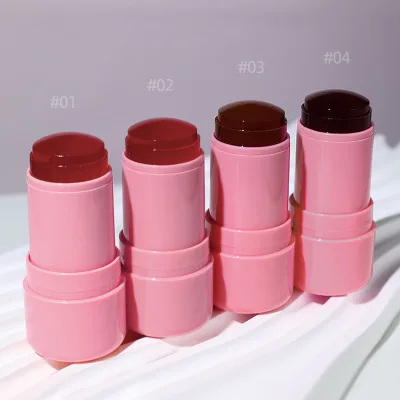


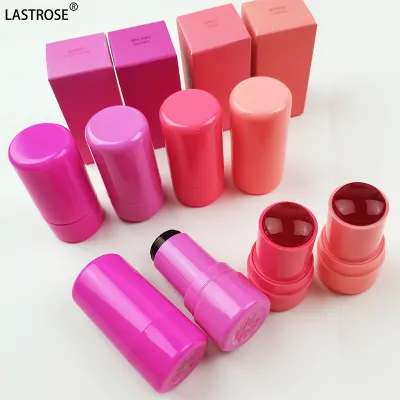
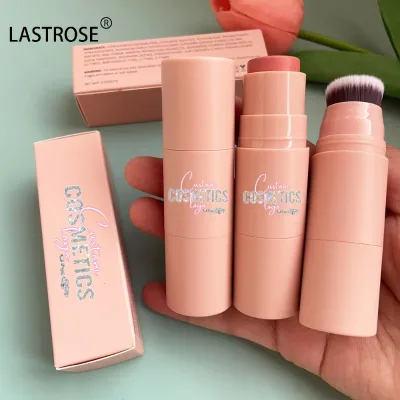
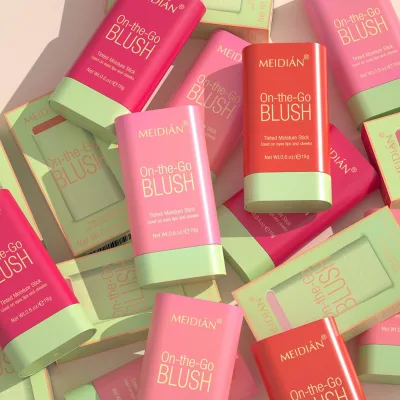




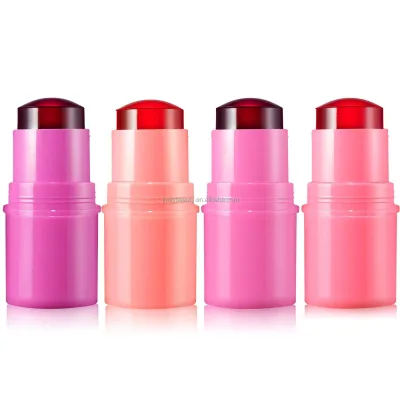
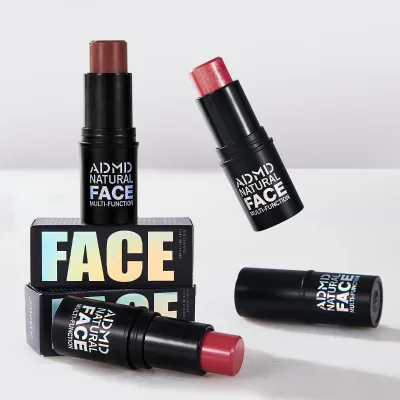
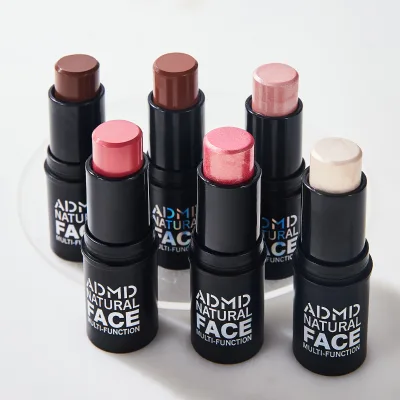
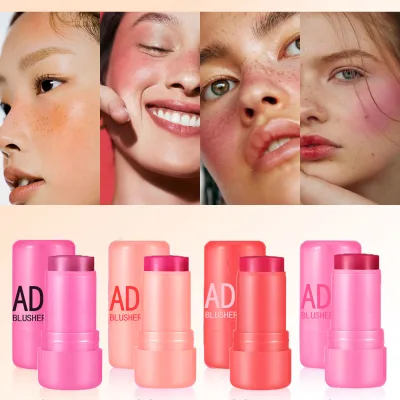
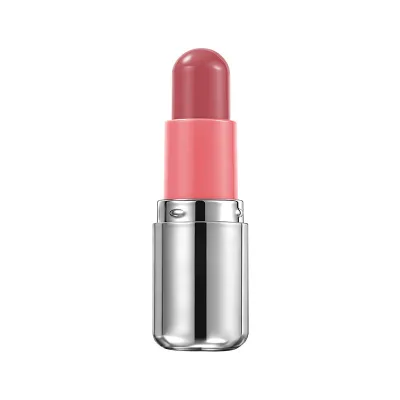
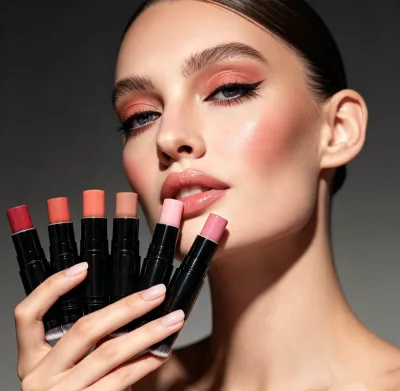
Comprehensive Sourcing Guide
Spiral Rotating Jelly Blush Stick Supplier Concentration and Factory Types
The current supplier landscape for spiral rotating jelly blush sticks reveals a mix of trading companies and manufacturers operating primarily within Guangdong, China. Evidence indicates that some entities function as trading companies, while others are established as manufacturers or factories capable of handling OEM and ODM requests. This distinction is critical because trading companies often aggregate products from various sources, whereas factories possess direct control over the production line and formulation. Buyers must verify the specific company type listed in the supplier profile to understand the supply chain structure. The presence of facilities in Guangdong suggests a concentration of cosmetic manufacturing capabilities in this region, though specific cluster details beyond this province are not confirmed in the current data set.
When evaluating the concentration of suppliers, buyers should look for indicators of production capacity such as sample processing, graphic processing, and customized on-demand capabilities. Some suppliers explicitly list RD capacity for customization, which is a strong signal of a manufacturing base rather than a simple reseller. The main products listed often include eyeshadow, lipgloss, foundation, and various blush types, indicating a broad cosmetic portfolio. However, the specific focus on spiral rotating mechanisms varies, and not every supplier in the region may offer this specific mechanical feature. Buyers should prioritize suppliers who demonstrate the technical ability to produce the rotating mechanism alongside the jelly formulation, ensuring the product meets the functional requirements of the target market.
How to Verify Spiral Rotating Jelly Blush Stick Suppliers
Verification of suppliers for spiral rotating jelly blush sticks requires a rigorous check of third-party certifications and company status. The available data shows that some suppliers hold TüVRheinland verification, which serves as a significant indicator of operational legitimacy. Additionally, system certifications such as REACH, (EC) 1907/2006, and CPNP are present in the profiles of certain vendors, suggesting compliance with European safety standards. Other suppliers display a broader range of certifications including ISO 9001, ISO 14001, GMP, and FDA, which are essential for international distribution. Buyers must confirm that these certifications are current and specifically relevant to the cosmetic category, as generic business certifications do not guarantee product safety or manufacturing quality.
Beyond certifications, buyers should scrutinize the product evidence provided to ensure the specific item matches the search intent. Product attributes such as "Waterproof," "Long-lasting," and "Mineral" ingredients are common, but the mechanical aspect of the spiral rotation must be explicitly confirmed in the product description or specifications. Some listings mention "Private Label" and "Custom Logo" acceptance, which implies a level of customization capability. However, the presence of a "No Logo" option in some product attributes suggests that some suppliers may offer generic stock items. Buyers should request detailed videos or technical drawings of the spiral mechanism to verify that the rotating feature functions as advertised before committing to an order, ensuring the supplier can deliver the exact mechanical design required.
What to Compare Across Spiral Rotating Jelly Blush Stick Suppliers
Comparing suppliers requires a detailed analysis of key operational metrics such as lead time, minimum order quantity (MOQ), and response time. The data indicates a wide variance in lead times, with some suppliers offering a 3-day turnaround while others require up to 30 days. This difference significantly impacts inventory planning and time-to-market strategies. Similarly, MOQs range from as low as 1 piece to 100 pieces or 50 pieces, depending on the specific product and supplier. Buyers must align these thresholds with their budget and sales volume expectations. Response times also vary, with some suppliers showing a response time of 4 days, while others are slightly faster at 4.13 days, which can affect the speed of negotiation and sample approval processes.
Price and customization capabilities are equally critical dimensions for comparison. The observed price range for similar jelly blush products spans from approximately $0.95 to $2.00 per unit, influenced by factors like packaging, ingredient quality, and order volume. Suppliers offering "Accept Small Orders" or "Freight Charges" for samples provide different commercial terms that affect the total cost of acquisition. Additionally, the availability of certifications like MSDS, GMPC, and ISO varies, which can influence the final price point due to compliance costs. Buyers should create a comparison matrix that weighs these factors against the supplier's main product range, ensuring that the chosen partner can scale production while maintaining the specific quality standards required for the spiral rotating mechanism.
Common Spiral Rotating Jelly Blush Stick Sourcing Risks
One significant risk in sourcing spiral rotating jelly blush sticks is the potential mismatch between the claimed mechanical features and the actual product quality. While many suppliers list attributes like "Waterproof" and "Long-lasting," the durability of the rotating mechanism itself is often not tested in standard product descriptions. Buyers face the risk of receiving units where the spiral mechanism jams or breaks after minimal use, leading to high return rates and customer dissatisfaction. The reliance on "Mineral" or "Herbal" ingredients is common, but without specific batch testing results or detailed ingredient lists, the consistency of the formula remains a variable. This uncertainty can lead to regulatory issues if the product does not meet the safety standards of the destination market.
Another risk involves the variability in certification claims and the authenticity of the supplier's manufacturing capabilities. Some suppliers list extensive certifications like ISO 22000 or BS 25999-2, which may not be directly relevant to cosmetic manufacturing, potentially masking a lack of specific industry expertise. The presence of "Private Label" acceptance is a positive sign, but the risk lies in the supplier's ability to maintain brand consistency across large production runs. If a supplier is a trading company rather than a factory, they may lack direct oversight of the production process, increasing the risk of quality deviations. Buyers must verify that the supplier has the specific capacity to handle the unique mechanical assembly required for the spiral design, rather than relying on generic cosmetic production lines.
Spiral Rotating Jelly Blush Stick Regional Sourcing and Logistics
The primary sourcing location identified for these products is Guangdong, China, which is a known hub for cosmetic manufacturing. This region offers a dense network of suppliers capable of producing various makeup tools and face products. However, the specific logistics capabilities and shipping methods vary among suppliers. Some listings indicate shipment options via DHL, EMS, FedEx, and UPS, which are standard for international express delivery. Buyers should verify the specific shipping terms and costs associated with these carriers, as freight charges can significantly impact the final landed cost, especially for small order quantities. The single package size and weight, such as 6.55x2.75x2.75 cm and 26.5g, are useful for calculating shipping volumes, but bulk packaging dimensions may differ.
When planning logistics, buyers must consider the lead time implications of the chosen region. A 3-day lead time from a factory in Guangdong is distinct from a 30-day lead time, which may be required for custom molds or large-scale production runs. The location of the supplier also affects customs clearance and import duties in the buyer's country. While the data confirms the origin as Guangdong, China, buyers should not assume all suppliers in this region have identical logistics networks. It is essential to confirm the supplier's experience with international shipping and their ability to handle documentation for products containing cosmetic ingredients. Understanding the specific logistics chain helps in predicting delivery dates and managing inventory levels effectively.
Spiral Rotating Jelly Blush Stick Commercial Terms and Order Planning
Commercial terms for spiral rotating jelly blush sticks vary significantly based on the supplier's business model and the specific product configuration. Payment methods observed include PayPal, Western Union, and T.T, offering flexibility but also requiring careful risk assessment. The minimum order quantities range from single pieces to 100 or 50 pieces, allowing for different entry strategies. Some suppliers offer samples with freight charges, while others may provide free samples under specific conditions. Buyers must clarify the sample policy and the cost structure for the first production run to avoid unexpected expenses. The price range of $0.95 to $2.00 per unit suggests that volume discounts may be available, but the exact tiered pricing structure needs to be confirmed directly with the supplier.
Order planning must account for the customization requirements and the associated lead times. Suppliers offering OEM and ODM services typically require longer lead times, such as 30 days, to accommodate mold creation and formula adjustments. In contrast, suppliers with ready-made stock may offer faster turnaround times of 3 days. Buyers should plan their inventory cycles based on these lead times to prevent stockouts. Additionally, the acceptance of private labels and custom logos requires clear communication regarding design files and approval processes. The "Accept Small Orders" feature is beneficial for testing the market, but buyers should be aware that unit costs may be higher for smaller quantities. Strategic planning involves balancing the need for customization with the constraints of lead time and budget.
FAQs
What is the minimum order quantity for jelly blush sticks?
The minimum order quantity varies by supplier. One option allows a single piece as the MOQ, ideal for sampling. Another requires 50 pieces, while a third mandates 100 units. Buyers should check specific product listings to confirm the exact threshold before placing an order.
How long does production take for custom orders?
Lead times differ significantly among suppliers. Some offer a rapid three-day turnaround for standard items. Others require thirty days for manufacturing. Buyers needing fast delivery should prioritize suppliers with shorter lead times, while those planning ahead can accommodate longer production schedules for larger batches.
Are private label services available for these products?
Yes, private labeling is widely available. Suppliers accept custom logos through silk screen printing, digital printing, or labeling. Many offer OEM and ODM capabilities, allowing brands to create unique packaging and designs. Buyers can request specific graphic designs to match their brand identity effectively.
What certifications do these blush sticks hold?
Products typically hold MSDS certification for safety. Some suppliers provide broader compliance including ISO, GMP, FDA, and REACH standards. Others may list CPNP or BSCI certifications. Buyers should verify specific documents required for their target market to ensure regulatory compliance for import and sale.
What is the price range for jelly blush sticks?
Prices generally range from $0.95 to $2.00 per unit. Lower costs often apply to bulk orders or simpler designs. Higher prices may reflect premium ingredients or complex customization. Buyers should compare quotes based on quantity and specific feature requirements to find the best value for their budget.
Can I order samples before bulk production?
Samples are generally available for evaluation. Some suppliers provide them freely, while others require the buyer to cover freight charges. Testing samples helps verify color accuracy, texture, and packaging quality. Buyers should confirm sample policies and shipping costs before requesting them to avoid unexpected expenses.