Metal Handicraft Model Aircraft Suppliers and Manufacturers
Explore 11 verified options for Metal Handicraft Model Aircraft from Guangdong factories. Compare response times, lead times, MOQs, and certifications like ISO 9001 to select the right partner. Contact suppliers directly to request quotes for custom designs; review the available evidence before requesting comparable quotations from suitable candidates.
Suppliers List

Shantou Tongde Craft Products Co., Ltd.
- Combined
- China Guangdong
- Lead time45 days
- Avg. response≤ 19h
Main productsPlane Model, Plastic Airplane Model, Metal Aircraft Model, Resin Model Airplane, Fighter Model, Aviation Promotional Gifts, Aviones Collection, Private Jets Model, Passenger Aeroplane Model, Helicopter Model
Main marketsSouth America,Southeast Asia/ Mideast,East Asia(Japan/ South Korea),Domestic,Europe,North America

Shantou Wanchengfeng Craft Co., Ltd.
- Manufacturer/Factory
- China Guangdong
- Lead time30 days
- Avg. response≤ 5h
Main productsPlane Model, Airplane Model, Aircraft Model
Main marketsSouth America,Eastern Europe,Mid East,North America,Southeast Asia,Eastern Asia,Oceania,Western Europe,Africa


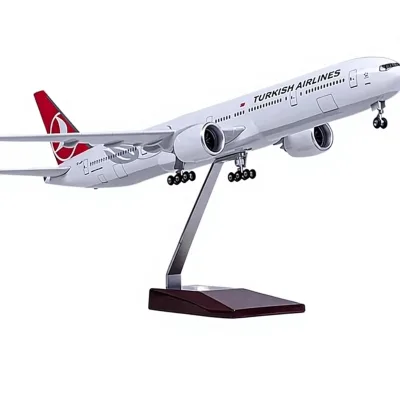
Diecast Plane Model Turkish Airlines B777 1/400 18cm Aircraft Model Airlines Products
$10.00 - $29.80
MOQ: 100 Pieces


LION PROMOTIONAL GIFT CO., LIMITED
- Trading Company,Manufacturer/Factory
- China Zhejiang
- Lead time15 days
- Avg. response≤ 25h
Main productsPromotional Gifts, Giveaways, Advertising Gift, Premium Items, Publicity Material, Freebie Items, Marketing Gifts, Campaign Gifts, Promotional Products, China Gifts Supplier
Main marketsSouth America,Mid East,North America,Southeast Asia,Oceania,Western Europe,Africa

- Verified by SGS
- Combined
- China Guangdong
- Lead time30 days
- Avg. response≤ 5h
Main productsSand Table Model, Industrial Model, Equipment Model
Main marketsDomestic


Polished Customized Static Combat Aircraft Model Perfect for Office Decor
$1500.00 - $3500.00
MOQ: 1 Pieces

Lightweight Low-Altitude Aircraft Model for Affordable Aviation Solutions
$2888.00 - $3888.00
MOQ: 1 Pieces
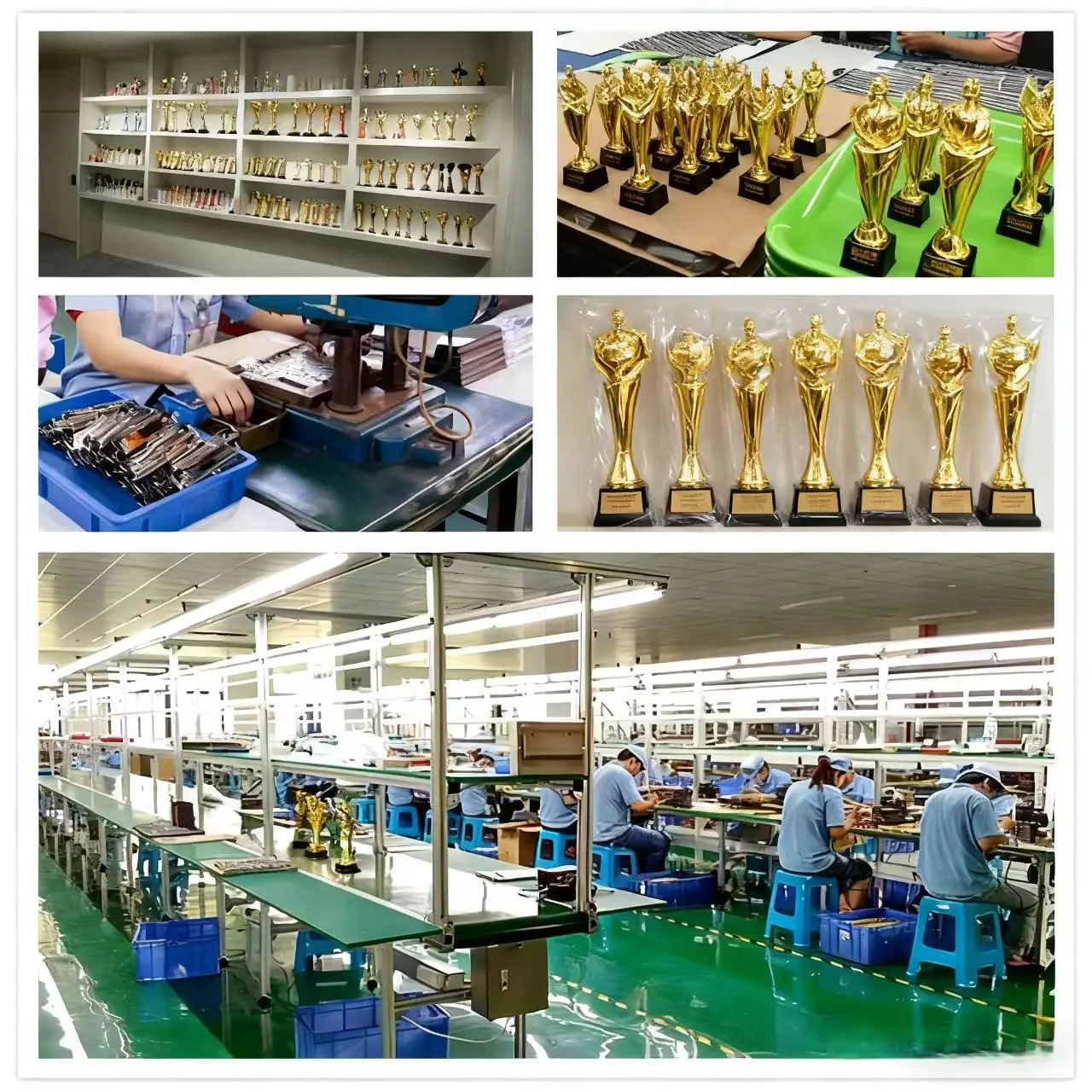
- Trading Company
- Jiangxi, China
- Lead time30 days
- Avg. response≤ 4h
Main productstrophy,Airplane model,Resin craft
Main marketsNorth America(45.00%), South America(20.00%), Western Europe(10.00%), Northern Europe(8.00%), Oceania(7.00%), Mid East(5.00%), Eastern Europe(5.00%)
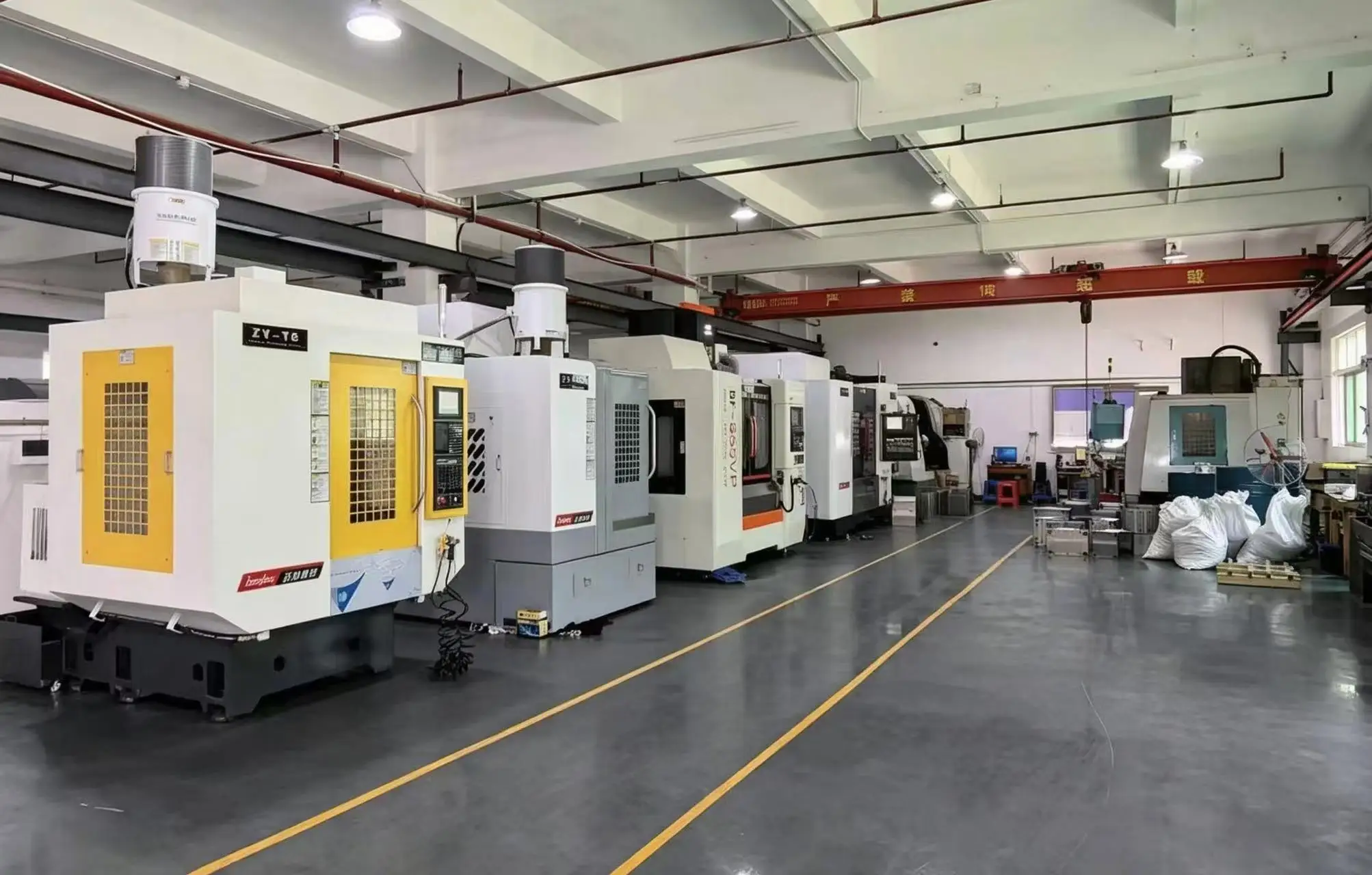
Shenzhen Idea Animation Co., Ltd
- Manufacturer, Trading Company
- Guangdong, China
- Lead time30 days
- Avg. response≤ 10h
Main productstoys,models,figures,gifts,crafts
Main marketsWestern Europe(20.00%), Eastern Asia(20.00%), Oceania(20.00%), Southeast Asia(20.00%), North America(20.00%)
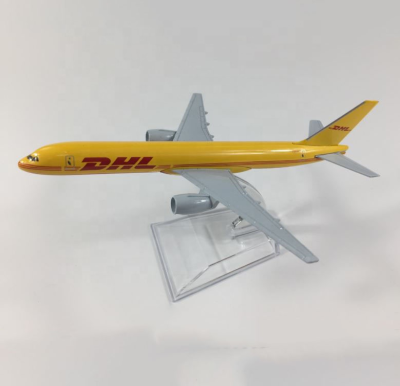
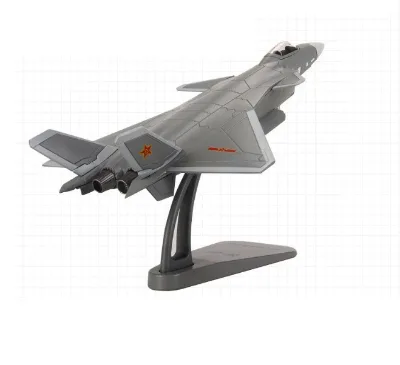
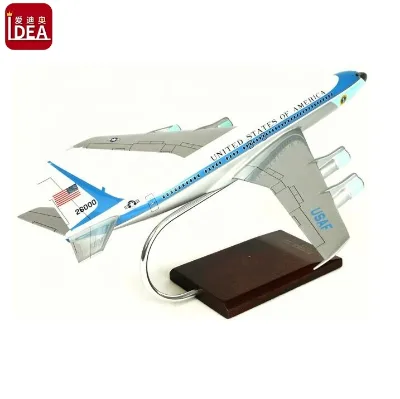
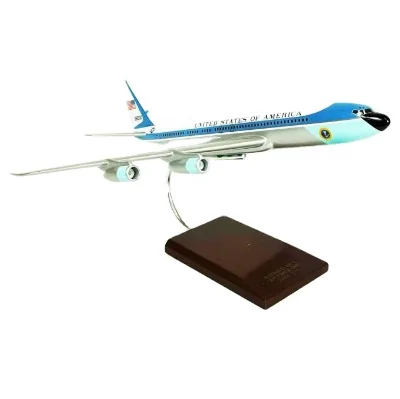
Wholesale China Factory Model Aeroplane Toy Plane Kite Model Craft Collection
$139.00 - $199.00
MOQ: 500
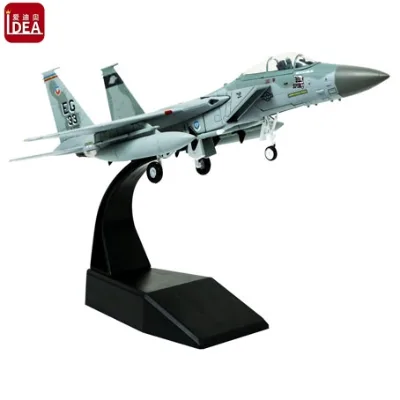
Existing Models Aircraft Model Diecast Plane Model for Commemorate Collection or Gift
$5.60 - $6.00
MOQ: 1000
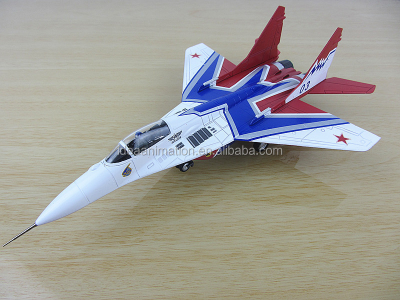
Nanning Aisy Import And Export Co., Ltd.
- Verified by SGS Group
- Trading Company
- Lead time20 days
- Avg. response≤ 4h
Main productsResin Crafts, Metal Crafts, Fiberglass Sculpture, Artificial Flower, Wedding Decoration
Main marketsNorth America(50%), Western Europe(15%), Southeast Asia(10%)
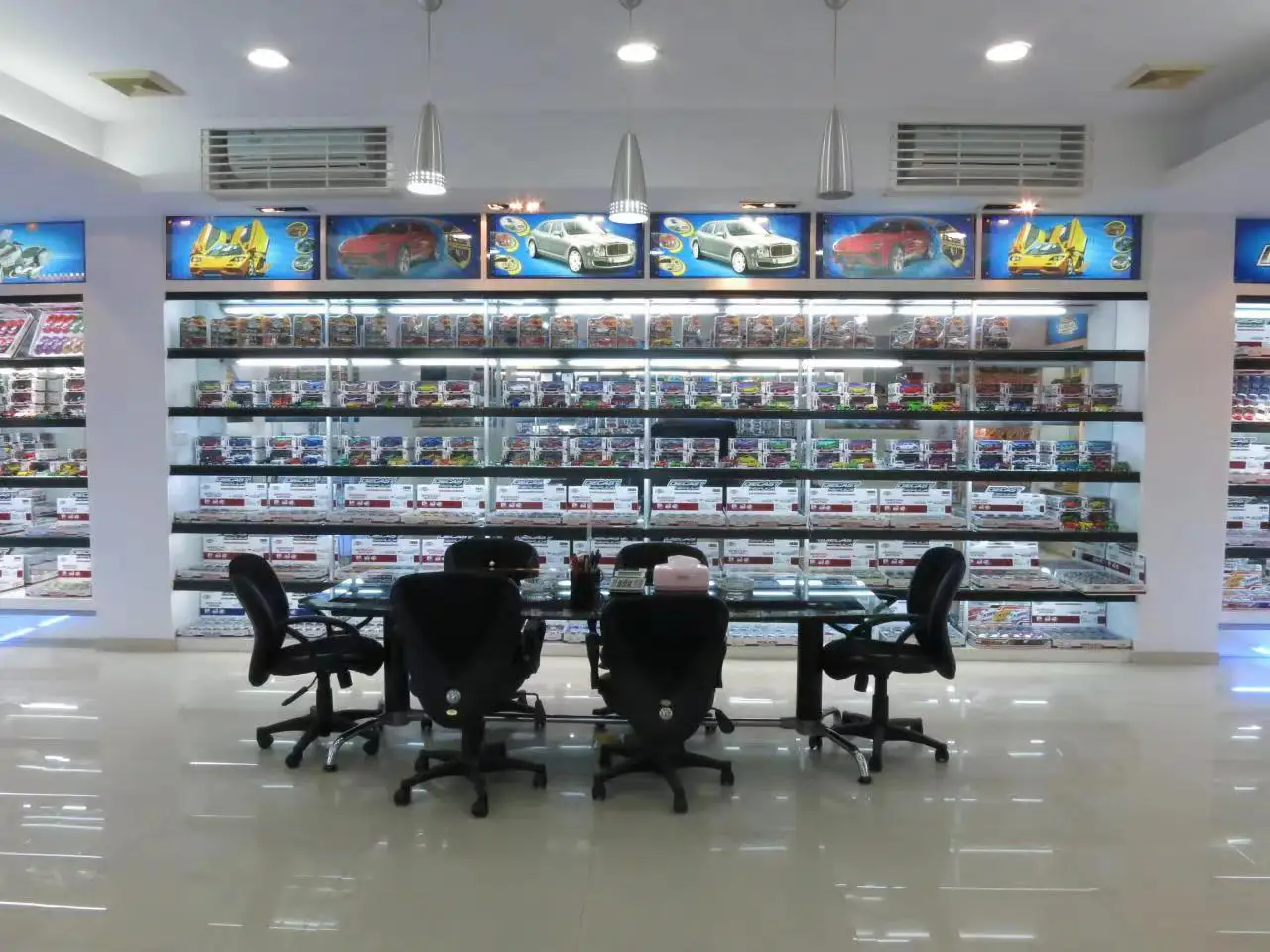
Jilin Province Zhengfeng Trading Co., Ltd.
- Trading Company
- Jilin, China
- Lead time30 days
- Avg. response≤ 10h
Main productsDiecast toys,Model car,Anime action figure,Gifts and crafts,RC toy
Main marketsSouth America(35.00%), North America(35.00%), Southern Europe(5.00%), Northern Europe(5.00%), Western Europe(5.00%), Eastern Asia(5.00%), Southeast Asia(5.00%), Eastern Europe(5.00%)
Xuzhou Juyutang Information Technology Co., Ltd.
- Trading Company
- Jiangsu Province, China
- Lead time7 days
- Avg. response≤ 3h
Main productsaircraft model,Metal model,RC model,scenario model
Main marketsMid East(33.00%), Southeast Asia(13.00%), North America(12.00%), South America(11.00%), Northern Europe(8.00%), Eastern Europe(8.00%), Western Europe(5.00%), Domestic Market(5.00%), South Asia(3.00%), Africa(2.00%)
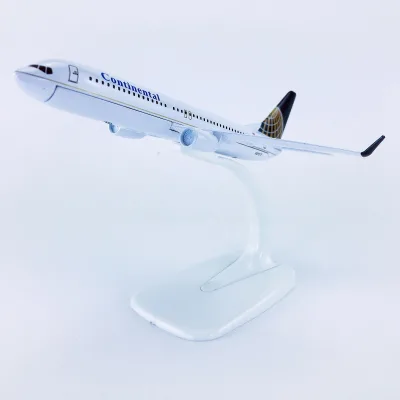
16cm 1/400 Modern Design Continental Airlines B737-800 Simulation Aircraft Alloy Metal Flight Style
$3.90 - $5.12
MOQ: 2 pieces
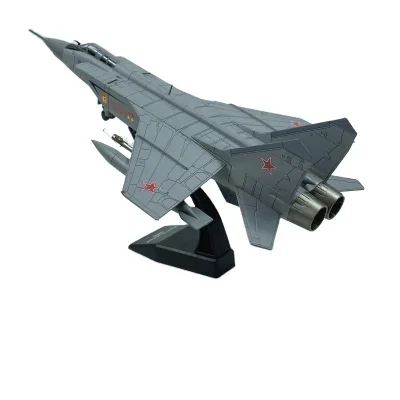
Hot Selling 1/72 Scale Modern Design Metal MiG-31 Supersonic Fighter Aircraft Model Collection
$49.90 - $66.90
MOQ: 1 pieces
$71.98 - $193.32
MOQ: 1 Minimum

Jingjiang Trust Trading Co., Ltd.
- Trading Company
- China Jiangsu
- Lead time30 days
- Avg. response≤ 9h
Main productsWinch, Ancor Chain, Life Boat, Ship Models, Ladder, Window, Heating Treatment Fixtures, Bathroom Cabin Unit, Propeller & Shaft, Galvanized Steel Plank
Main marketsSouth America,Africa,Others(foreignTradeCapacity.exportBusinessCapacityMarketOther),Southeast Asia/ Mideast,East Asia(Japan/ South Korea),Domestic,Europe,Australia,North America


The Model of Aircraft for Sale
MOQ: 1 Pieces

MOQ: 10 Pieces

The Supply Model of The Helicopter
MOQ: 1 Pieces

MOQ: 1 Pieces

"Hornet" Airplane Model for Sale
MOQ: 1 Pieces

Huzhou Tengfon Intelligent Equipment Co., Ltd.
- Combined
- China Zhejiang
- Lead time30 days
- Avg. response≤ 2h
Main productsConveyer, Roller, Belt Conveyor, Roller Conveyor, Chain Conveyor, Elevator, Flexible Roller Conveyor, Telescopic Belt Conveyor, Rgv
Main marketsDomestic




Comprehensive Sourcing Guide
Metal Handicraft Model Aircraft Supplier Concentration and Factory Types
Current data indicates a specific concentration of suppliers located in China Guangdong, which serves as a primary hub for this category. This region hosts a mix of combined company types and manufacturer factories, suggesting a mature ecosystem where production capabilities range from pure manufacturing to integrated trading and design services. Buyers observing this geographic clustering should recognize that Guangdong often aggregates the supply chain for die-cast and resin components, facilitating faster prototyping and assembly for complex metal models. The presence of both combined entities and dedicated factories implies that a buyer might encounter a single vendor offering full-service ODM and OEM capabilities, or a specialized factory focusing strictly on the casting and finishing processes.
When evaluating the factory types within this cluster, it is essential to distinguish between entities that merely trade finished goods and those that control the production line. The available facts show suppliers listing ODM and OEM capacities, which confirms that many facilities in this region possess the machinery and design teams to customize models like the Boeing 737 or Airbus A350. However, not all suppliers in the search results display identical company types; some are labeled as manufacturers while others are combined entities. Buyers must verify the specific operational model of each potential partner to ensure they are dealing with a facility that can meet their volume requirements and customization needs without relying on third-party subcontractors that might compromise quality control or lead times.
How to Verify Metal Handicraft Model Aircraft Suppliers
Verification begins with scrutinizing the system certifications listed in supplier profiles, as these documents provide objective evidence of quality management systems. While some suppliers in the current results display certifications such as ISO 14001 and ISO 9001, others show a status of NIL, indicating a lack of formalized management system accreditation. Buyers should prioritize suppliers with active ISO certifications, as these standards often correlate with consistent production processes and environmental compliance, which are critical for metal handicrafts involving surface treatments and painting. It is also necessary to check for product-specific certifications like SGS or EN71, which validate that the models meet safety standards for toys or decorative items, particularly when the products are intended for children or public display.
Beyond certifications, buyers must validate the responsiveness and operational reliability of the supplier through direct communication metrics. The data reveals significant variance in response times, with some suppliers averaging under five hours while others take nearly nineteen hours to reply. A rapid response time often indicates a dedicated sales team and efficient internal communication channels, which are vital for resolving technical queries regarding scale, material, or logo printing. Buyers should test these response times by sending specific inquiries about customization options and request proof of the claimed capabilities, such as photos of the production line or samples of previous work. Do not assume that a supplier with a fast response time has the capacity to handle large orders; always cross-reference their stated lead times and minimum order quantities against your specific project requirements before proceeding.
What to Compare Across Metal Handicraft Model Aircraft Suppliers
Comparing suppliers requires a detailed analysis of their product attributes, specifically focusing on material composition, scale accuracy, and customization availability. The current results show a range of materials including alloy, metal, and resin, with scales varying from 1/100 to 1/700 depending on the model type. Buyers must ensure that the material specified matches their durability and aesthetic requirements, as metal models often offer superior weight and finish compared to resin alternatives. Additionally, the availability of customization features such as logo printing, livery changes, and specific packaging options should be a primary comparison point. Some suppliers offer color boxes with PVC inner packaging, while others use simple packing bags, which directly impacts the perceived value and protection of the finished product during shipping.
Lead times and minimum order quantities (MOQ) are equally critical dimensions for comparison, as they dictate the feasibility of the order within the buyer's timeline and budget. The observed lead times in the dataset are substantial, with one supplier indicating a 45-day production window, which is typical for custom metal die-cast models requiring multiple stages of casting, polishing, and painting. Buyers should compare these lead times against their own delivery deadlines and consider the impact of seasonal demand on production schedules. Furthermore, MOQs vary significantly, with some suppliers requiring 1000 pieces while others accept orders as low as 500 units. Evaluating these thresholds helps buyers determine the most cost-effective supplier for their specific volume, balancing the unit price against the total investment required to meet the minimum order threshold.
Common Metal Handicraft Model Aircraft Sourcing Risks
One significant risk in sourcing metal handicraft models is the discrepancy between the claimed product specifications and the actual delivered goods, particularly regarding scale and finish quality. The product evidence shows various scales, such as 1/300 or 1/400, but without physical inspection or third-party verification, buyers cannot guarantee that the final product matches the advertised dimensions. This risk is compounded by the potential for inconsistent surface treatments, where printing quality or paint adhesion may vary between batches. Buyers should mitigate this by requesting pre-production samples that are identical to the final order specifications, ensuring that the logo printing, color accuracy, and structural integrity meet their expectations before committing to a large production run.
Another critical risk involves the reliability of the supply chain regarding lead times and the potential for hidden costs. While some suppliers list a lead time of 45 days, this duration may not account for delays in raw material procurement or unexpected production bottlenecks common in the metal casting industry. Additionally, the absence of escrow protection or clear payment terms in some supplier profiles can expose buyers to financial risk if the supplier fails to deliver. Buyers must verify the payment security measures offered by each supplier and ensure that contracts include clear penalties for late delivery or non-conforming products. It is also important to confirm that the supplier has the capacity to handle the order volume without compromising quality, as overextended factories may struggle to maintain the high standards required for detailed metal models.
Metal Handicraft Model Aircraft Regional Sourcing and Logistics
Sourcing from the identified region of China Guangdong offers logistical advantages due to the concentration of manufacturing facilities and established export infrastructure. This location is well-connected to major ports, facilitating the efficient shipment of heavy metal models which require careful packaging to prevent damage during transit. The proximity of suppliers to logistics hubs can reduce inland transportation costs and lead times, allowing for faster delivery to international markets. However, buyers must account for the specific packaging requirements of metal models, which often necessitate sturdy color boxes with foam or PVC inner linings to protect the delicate parts and finishes. Understanding the packaging standards of the supplier is crucial, as inadequate packaging can lead to significant losses during shipping, especially for models with intricate details or large scales.
Logistics planning also involves considering the impact of regional trade policies and shipping costs on the final landed cost of the products. While the supplier location is known, buyers should verify the specific shipping terms and Incoterms offered by each supplier to understand who bears the risk and cost of freight. The variance in product weights, driven by the use of metal versus resin, can significantly affect shipping expenses, making it essential to calculate the total cost of ownership rather than just the unit price. Buyers should also be aware of potential customs duties and import regulations in their destination country, which may vary based on the material composition and classification of the model aircraft. Engaging with a freight forwarder experienced in handling metal crafts can help navigate these complexities and ensure a smooth delivery process.
Metal Handicraft Model Aircraft Commercial Terms and Order Planning
Commercial terms for metal handicraft models often revolve around pricing structures that reflect the complexity of the manufacturing process and the volume of the order. The current data shows unit prices ranging from approximately 7.72 to 10.46, but these figures are highly dependent on the specific model, scale, and customization level. Buyers should expect that prices may fluctuate based on the cost of raw materials like alloy or metal, as well as the labor intensity required for hand-made or machine-processed finishing. It is vital to negotiate clear pricing tiers that account for volume discounts, ensuring that the cost per unit decreases as the order quantity increases beyond the minimum order threshold. Additionally, buyers must clarify whether the quoted price includes packaging, branding, and any necessary certifications, as these can add significant value and cost to the final product.
Order planning must align with the supplier's production capacity and the buyer's inventory requirements to avoid stockouts or overstocking. Given the lead times observed, such as the 45-day window, buyers should initiate orders well in advance of their sales seasons or promotional events to ensure timely delivery. It is also important to establish a clear communication protocol for order updates, including milestones for material sourcing, production completion, and quality inspection. Buyers should consider placing trial orders to test the supplier's reliability and quality consistency before committing to large-scale production. By carefully planning the order timeline and maintaining open communication with the supplier, buyers can mitigate risks and ensure a successful sourcing experience for their Metal Handicraft Model Aircraft needs.
FAQs
What is the typical lead time for metal aircraft models?
The typical lead time for these metal aircraft models is 45 days. This duration applies to standard orders from suppliers located in China Guangdong. Buyers should confirm specific timelines based on order volume and customization requirements before placing a purchase.
What are the minimum order quantities for these models?
Minimum order quantities generally start at 1000 pieces for most metal aircraft models. Some specific items like the Air India A350-900 model may have a lower MOQ of 500 pieces. Buyers must verify the exact quantity required for each specific product variant.
Are these metal models available with custom logos?
Yes, customization is available for many metal aircraft models including logo printing. Products like the Boeing 737-800 model support custom designs and surface treatments. Buyers should specify their branding needs clearly to ensure the supplier can meet the customization requirements.
What is the price range for these metal models?
Prices for these metal models range from approximately 7.72 to 20.00 per unit. Specific items like the Openskies B757-200 model are priced at 7.72, while the Air India A350-900 model ranges up to 20.00. Costs vary based on scale, material, and packaging options.
How quickly do suppliers typically respond to inquiries?
Supplier response times vary, with some averaging around 4.36 hours and others taking approximately 18.07 hours. Faster response times are often associated with manufacturers holding ISO certifications. Buyers should expect different reply speeds depending on the specific supplier selected.
What certifications do the suppliers hold?
Some suppliers hold ISO 14001 and ISO 9001 system certifications. Product-specific certifications like SGS or EN71 are also available for certain models. Other suppliers may not list system certifications, so buyers should verify the specific credentials for each vendor before proceeding.
Where are these metal aircraft models manufactured?
These metal aircraft models are manufactured in China, specifically in the Guangdong region. Some product origins are listed as Shantou. Buyers should confirm the exact production location to understand shipping logistics and potential tariffs associated with importing these items.