Square Blade Iron Spade Suppliers and Manufacturers
Source Square Blade Iron Spade from 24 verified suppliers in China. Compare pricing, MOQ, lead times, and certifications like GS and FSC. Review product specs and request quotes directly; review the available evidence before requesting comparable quotations from suitable candidates.
Updated
Suppliers List
Tianjin Jinyuan International Ltd
- Verified by TüVRheinland
- Trading Company
- Tianjin, China
- Lead time0 days
- Avg. response≤ 1h
Main productsAgricultural Tools, Gardening Tools, Shovels, Rakes, Lawn mower
Main marketsNorth America(30%), Eastern Europe(30%), Western Europe(20%)
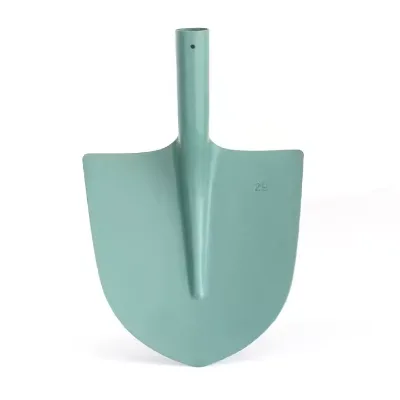
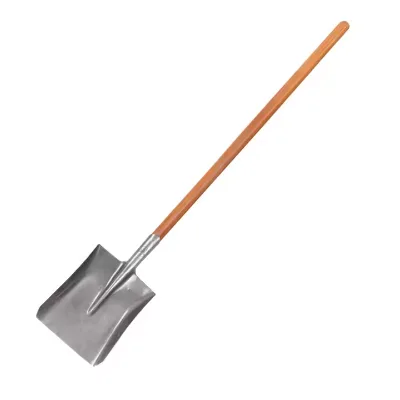
$1.6478 - $1.8545
MOQ: 10 pieces
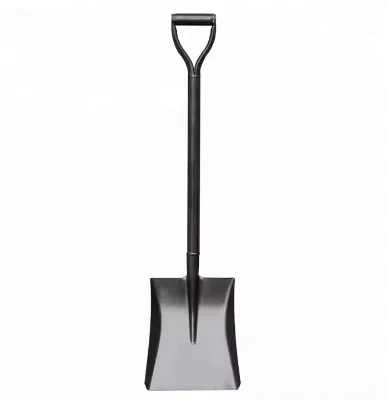
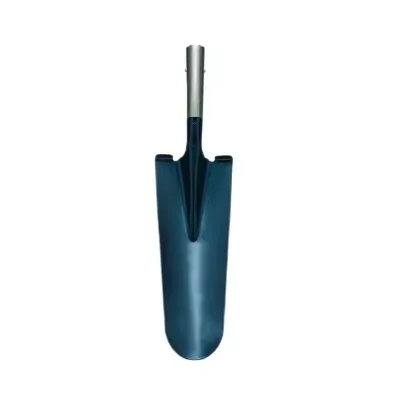
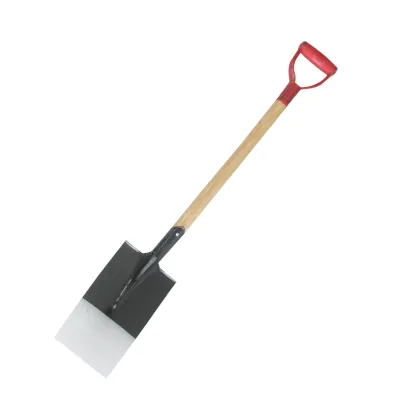
Steel Spade Steel Shovel Hand Spade Steel Iron Shovel with Metal Handle S501
$1.4306 - $1.7497
MOQ: 600 pieces
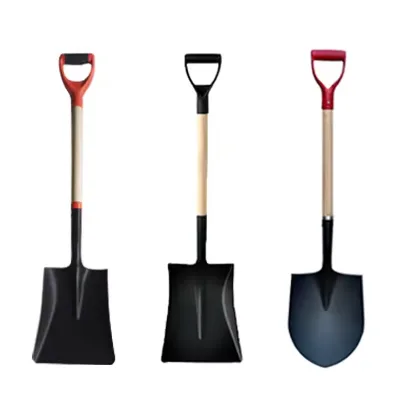
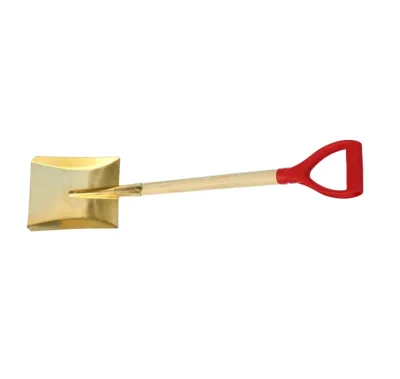
$2.2275 - $2.2889
MOQ: 500 sets

Tangshan Las Import & Export Co., Ltd.
- Trading Company,Manufacturer/Factory
- China Hebei
- Lead time45 days
- Avg. response≤ 18h
Main productsHandle Shovel, Pick, Hoe, Fork, Axe and Hammer, Shovel Head, Nails, Sickle, Wire Mesh, Machete
Main marketsSouth America,Mid East,Southeast Asia,Eastern Asia,Africa
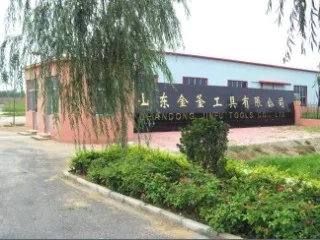
Shandong Jinfu Tools Co., Ltd.
- Manufacturer, Trading Company
- Shandong, China
- Lead time40 days
- Avg. response≤ 8h
Main productsHand tools,Firefighting tools,Machine Knives
Main marketsSouth Asia(7.69%), Southern Europe(7.69%), Northern Europe(7.69%), Central America(7.69%), Western Europe(7.69%), Eastern Asia(7.69%), Mid East(7.69%), Oceania(7.69%), Africa(7.69%), Southeast Asia(7.69%), Eastern Europe(7.69%), South America(7.69%), North America(7.69%)
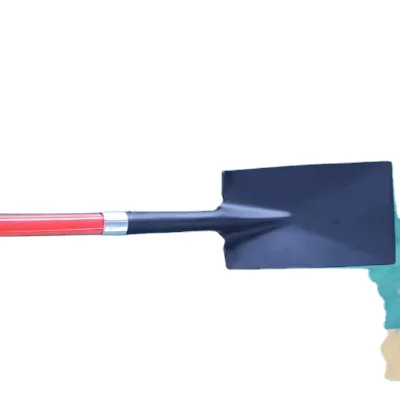
$7.00 - $8.00
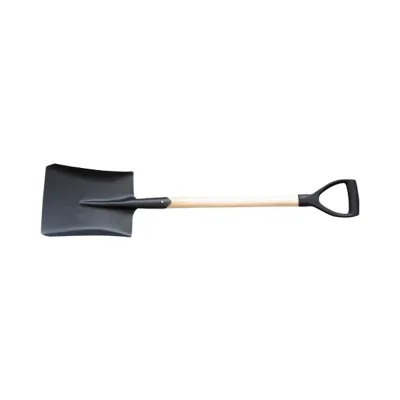
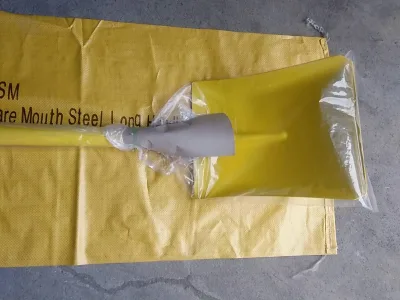
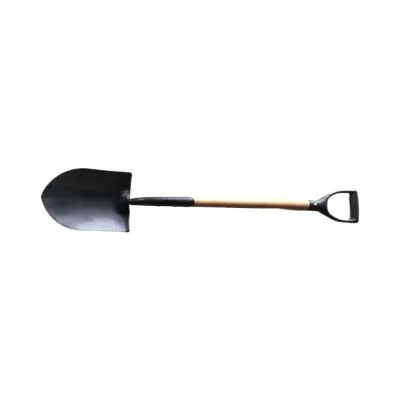
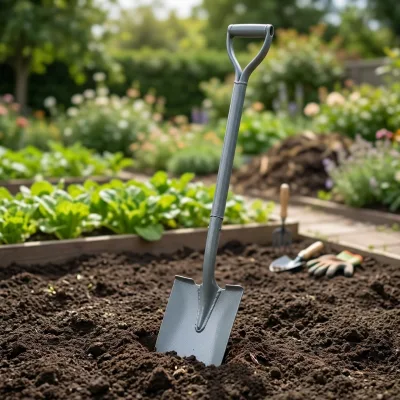
Shangqiu Dinglian International Trade Co., Ltd.
- Verified by Intertek
- Trading Company
- Lead time0 days
- Avg. response≤ 2h
Main productsPneumatic Tools, Measuring And Gauging Tools, Power Tools, Hand Tools, Personal Protective Equipment
Main marketsAfrica(20%), South America(15%), Mid East(13%)
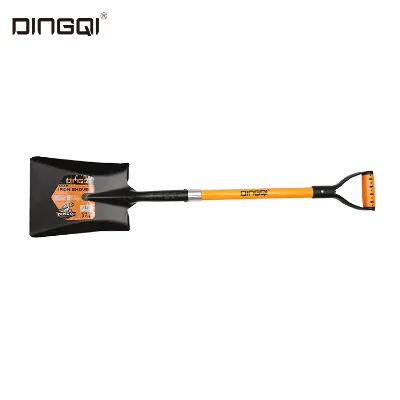
High Quality Garden Spade Tool Garden Square Head Snow Spade Shovel for Home Garden
$3.0424 - $3.3705
MOQ: 6 pieces
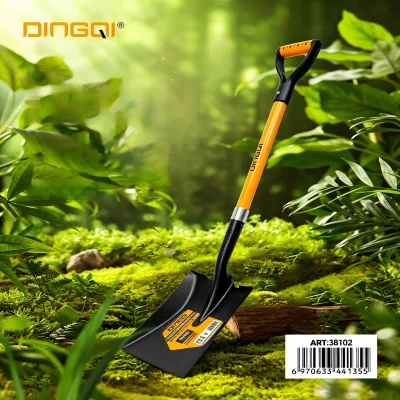
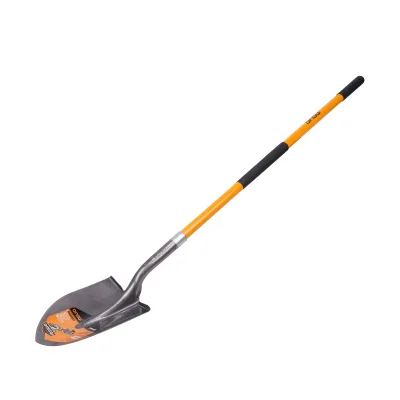
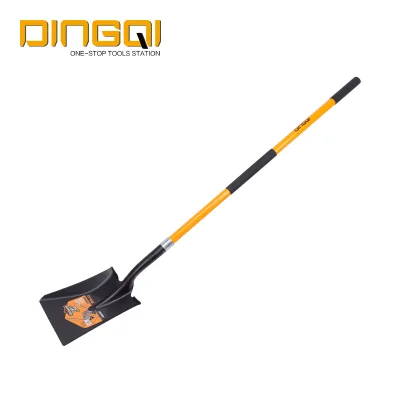
Sell Shovels Different Types of Function Uses of Shovels for Agriculture Spade
$3.8424 - $4.2513
MOQ: 6 pieces

Hebei Sinotools Industrial Co., Ltd.
- Verified by CTI
- Trading Company
- China Hebei
- Lead time30 days
- Avg. response≤ 2h
Main productsScrewdriver, Plier, Wrench, Hammer, Tape Measure, Pruning Shear, Knife, Tool Set
Main marketsEurope

Agricultural Farming Tools Good Quality Square Point Shovel Spade with Steel Handle
$2.50 - $2.70
MOQ: 1000 Pieces


Huamaoji Construction Machinery Trading (beijing) Co., Ltd.
- Trading Company
- Beijing, China
- Lead time10 days
- Avg. response≤ 8h
Main productsshovel,Machete,Undercarriage Part,Rubber track,Diesel Engine Assy
Main marketsAfrica(30.00%), Eastern Asia(20.00%), Domestic Market(10.00%), Southeast Asia(7.00%), Oceania(6.00%), South America(5.00%), Mid East(5.00%), South Asia(5.00%), Eastern Europe(2.00%), North America(2.00%), Southern Europe(2.00%), Northern Europe(2.00%), Central America(2.00%), Western Europe(2.00%)
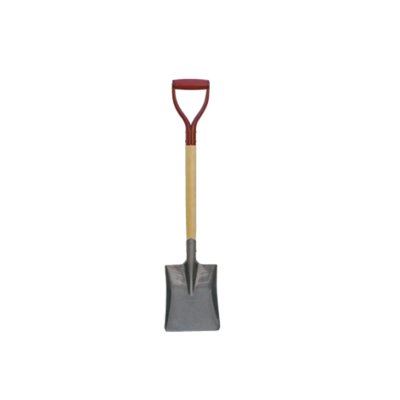
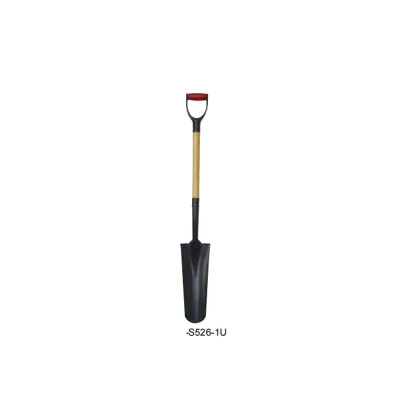
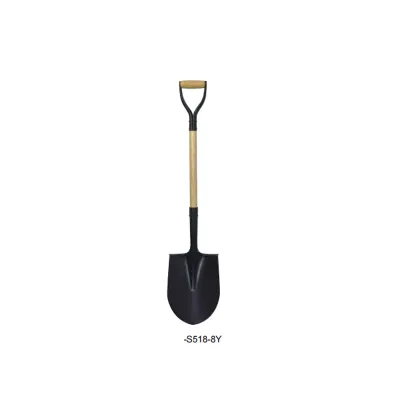
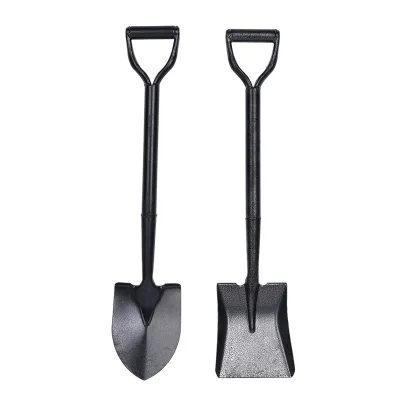
Spade Shovels for Digging Gardening Planting Trenching Metal Shovel with Y Handel
$11.50 - $12.00
MOQ: 500
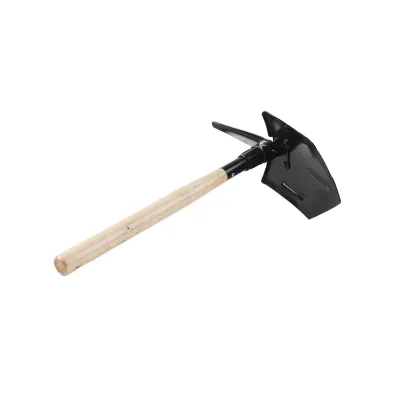
Shovel Spade Garden Tools Folding Shovel Foldable Multi Shovel Agriculture Garden Outdoor
$4.50 - $5.00
MOQ: 1 pieces
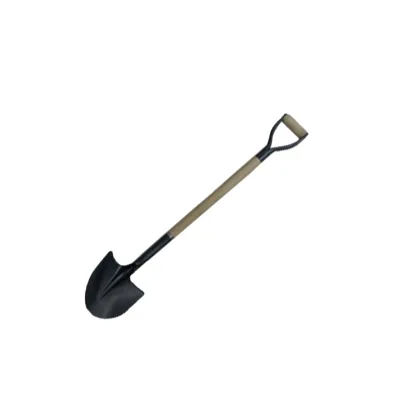
$3.00 - $4.00
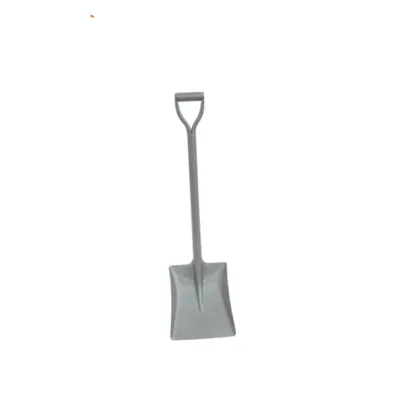
MOQ: 1000 pieces
Exact Commerce Qingdao Co., Ltd.
- Manufacturer, Trading Company
- Shandong, China
- Lead time45 days
- Avg. response≤ 20h
Main productsLawn & Garden Tools
Main marketsNorth America(100.00%)

Tianjin Perfect Machinery Co. Ltd.
- Verified by CTI
- Trading Company
- China Tianjin
- Lead time30 days
- Avg. response≤ 2h
Main productsHoe, Shovel, Pickaxe, Matchet
Main marketsSoutheast Asia/ Mideast
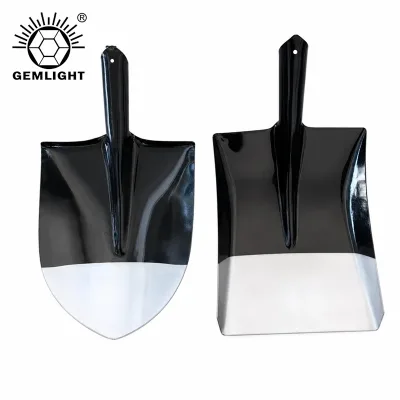
Dingzhou Gemlight Cutting Tools Co., Ltd.
- Verified by SGS Group
- Manufacturer, Trading Company
- Lead time30 days
- Avg. response≤ 2h
Main productsHoe, Forks, Sickles, Shovels, Pickaxe
Main marketsAfrica(29%), South America(25%), Domestic Market(20%)

TANGSHAN MIRACLE IMPORT AND EXPORT CO., LTD.
- Verified by SGS
- Combined
- China Hebei
- Lead time15 days
- Avg. response≤ 10h
Main productsShovel, Hoe, Pickaxe, Machete, Fork, Rake, Farming Tools, Garden Tools
Main marketsOthers(foreignTradeCapacity.exportBusinessCapacityMarketOther)

All Steel Spade Shovel with Y-Grip 105cm Steel Handle Square Point Blade
$2.09 - $2.19
MOQ: 2400 Pieces

Spain Type Agricultural Tools Carbon Steel Garden Shovel Square Spade with Wood Handle
$1.00 - $4.00
MOQ: 3000 Pieces

Carbon Steel Square Pointed Shovel Spade with Long Straight Wooden Handle
$1.75 - $1.77
MOQ: 2400 Pieces

Steel Square Shovel with D-GRP Long Fiberglass Handle Carbon Steel Spade
$4.84 - $4.94
MOQ: 2400 Pieces


Factory Wholesale Heavy Duty One Piece Metal Shovel Gardening Tools Shovel Spade
$1.98 - $2.19
MOQ: 3000 Pieces

Tianjin.Goldensun Import & Export Co., Ltd.
- Verified by TUVRHEINLAND
- Trading Company
- China Tianjin
- Lead time15 days
- Avg. response≤ 6h
Main productsGalvanized Steel Pipe, Steel Pipe, Steel Tube, Cold Bend Steel Profile, Iron Nails, Iron Wire, Roofing Sheet, Galvanized Coil, PPGI Coil, Hot Steel Plate
Main marketsSouth America,Africa,Others(foreignTradeCapacity.exportBusinessCapacityMarketOther),Southeast Asia/ Mideast
Hangzhou Osiya Imp. & Exp. Co., Ltd.
- Trading Company
- Zhejiang, China
- Lead time7 days
- Avg. response≤ 3h
Main productsGarden Hand Tools,Bonsai Tools,Kid Garden Tools,Handsaws,Shears&Pruners
Main marketsNorth America(45.00%), Western Europe(35.00%), Eastern Europe(10.00%), Northern Europe(5.00%), Mid East(5.00%)
Hebei Tianyou International Trade Co., Ltd.
- Trading Company
- Hebei, China
- Lead time25 days
- Avg. response≤ 1h
Main productsHoe,Shovel,Pickaxe,Farming tool,Garden tool
Main marketsAfrica(50.00%), Southeast Asia(20.00%), South America(10.00%), South Asia(5.00%), Central America(5.00%), Mid East(5.00%), North America(5.00%)
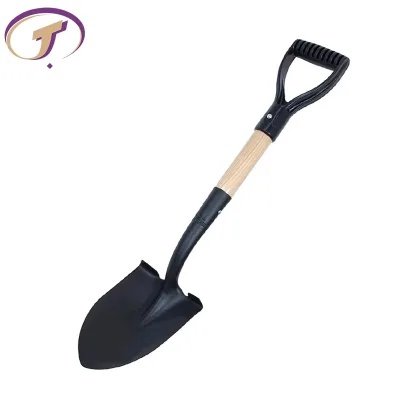
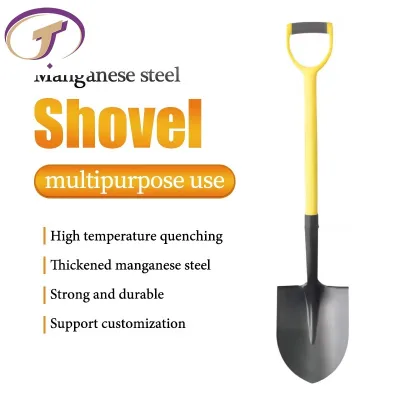
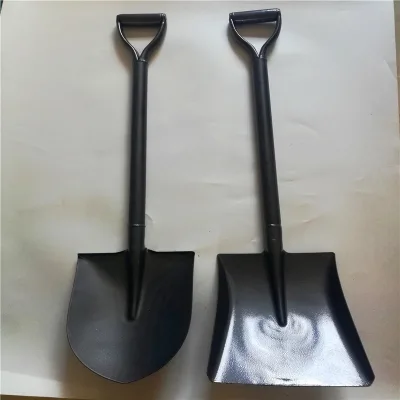
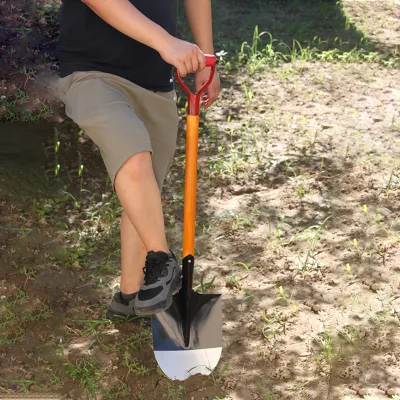
$1.0861 - $1.3033
MOQ: 1200 pieces
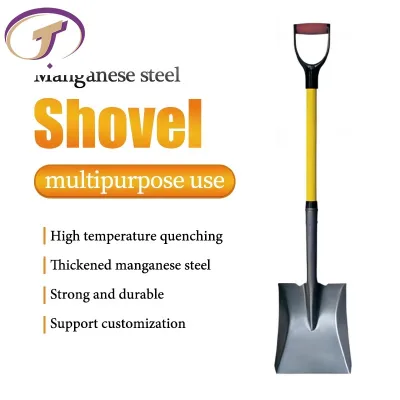

Dingzhou Gemlight Cutting Tools Co., Ltd.
- Verified by SGS
- Combined
- China Hebei
- Lead time30 days
- Avg. response≤ 2h
Main productsShovel, Hoe, Sickle, Pickaxe, Farm Fork, Rake, Hand Tools, Wheelbarrows, Farm Tools
Main marketsAfrica,Southeast Asia/ Mideast,Domestic
Yiwu Lijin Hardware Tools Co., Ltd.
- Trading Company
- Zhejiang, China
- Lead time15 days
- Avg. response≤ 6h
Main productsHammer,valve,pvc tape,screwdriver,measure
Main marketsNorth America(20.00%), South America(15.00%), South Asia(10.00%), Southern Europe(10.00%), Western Europe(10.00%), Mid East(10.00%), Domestic Market(10.00%), Eastern Europe(10.00%), Africa(5.00%)
Ningbo Gamry Import & Export Co., Ltd.
- Trading Company
- Zhejiang, China
- Lead time30 days
- Avg. response≤ 9h
Main productsGarden,thermometer,Pet items,Stationary
Main marketsNorth America(20.00%), Eastern Europe(15.00%), Northern Europe(10.00%), Western Europe(10.00%), Southern Europe(10.00%), South America(10.00%), Central America(6.00%), Oceania(5.00%), Mid East(4.00%), Southeast Asia(4.00%), Domestic Market(3.00%), Eastern Asia(2.00%), South Asia(1.00%)
- Trading Company
- Lead time旺季: "1 - 1224":60,"> 1224":"To be negotiated", 淡季: "1 - 1224":60,"> 1224":"To be negotiated"
- Avg. response≤ 10h
Main productsGarden items,advertisement furniture,DIY HANDTOOL,AUTO ACCESSORIES,Household

Hebei Forward Measuring Tools Co., Ltd.
- Manufacturer, Trading Company
- Hebei, China
- Lead time3 days
- Avg. response≤ 6h
Main productsHAND TOOL,PRECISION GAUGE,HAND ALARM,PLATE MEASURING TOOL,Environmental protection accessories
Main marketsMid East(15.00%), Eastern Europe(13.00%), Africa(12.00%), South Asia(10.00%), North America(7.00%), Western Europe(5.00%), South America(5.00%), Domestic Market(5.00%), Eastern Asia(3.00%), Southeast Asia(2.00%), Northern Europe(2.00%), Southern Europe(1.00%)
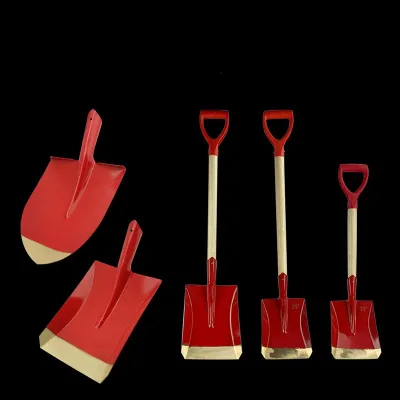
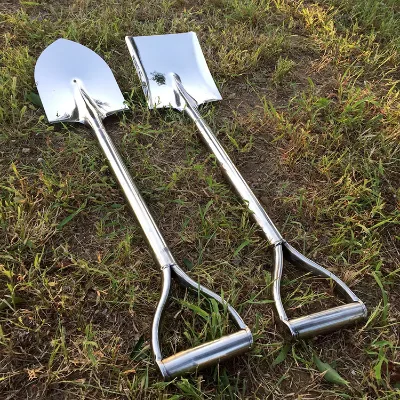
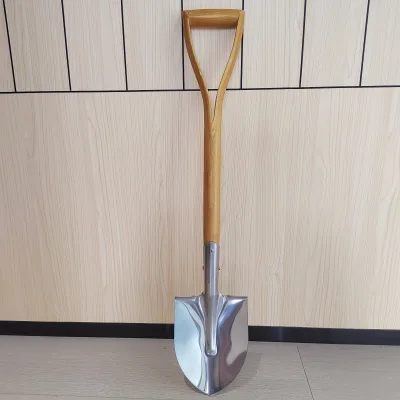
Stainless Steel Welding square Shovel Point Round Spade Agricultural Tools Landscape
$14.90 - $15.00
MOQ: 10 Minimum

Shandong Yifa Casting & Forging Co., Ltd.
- Verified by SGS
- Manufacturer/Factory
- China Shandong
- Lead time45 days
- Avg. response≤ 8h
Main productsRigging Hardware, Shackle G209 G210 G2130 G2150, Load Binder L140 L150 EU. Safety Type, Wire Rope Clip DIN741 DIN1142 JIS Type, Hook G70 G80 Grab Hook Slip Hook Rtj Hook, Power Line Fittings Turnbuckle Wire Rope, Carabiner& Belt Hook Quick Links, Chain En818-2 G100 Alloy Lifting&Lashing DIN766, Stainless Steel Items&Swivel&Thimble&Block, Construction Accessories Links Eyebolt&Nut
Main marketsSouth America,Eastern Europe,Mid East,North America,Southeast Asia,Eastern Asia,Oceania,Western Europe,Africa


Garden Tool Hot Cake Rake Spade Shovel 3 Pieces Garden Tool and Equipment
$0.90 - $2.50
MOQ: 500 Pieces


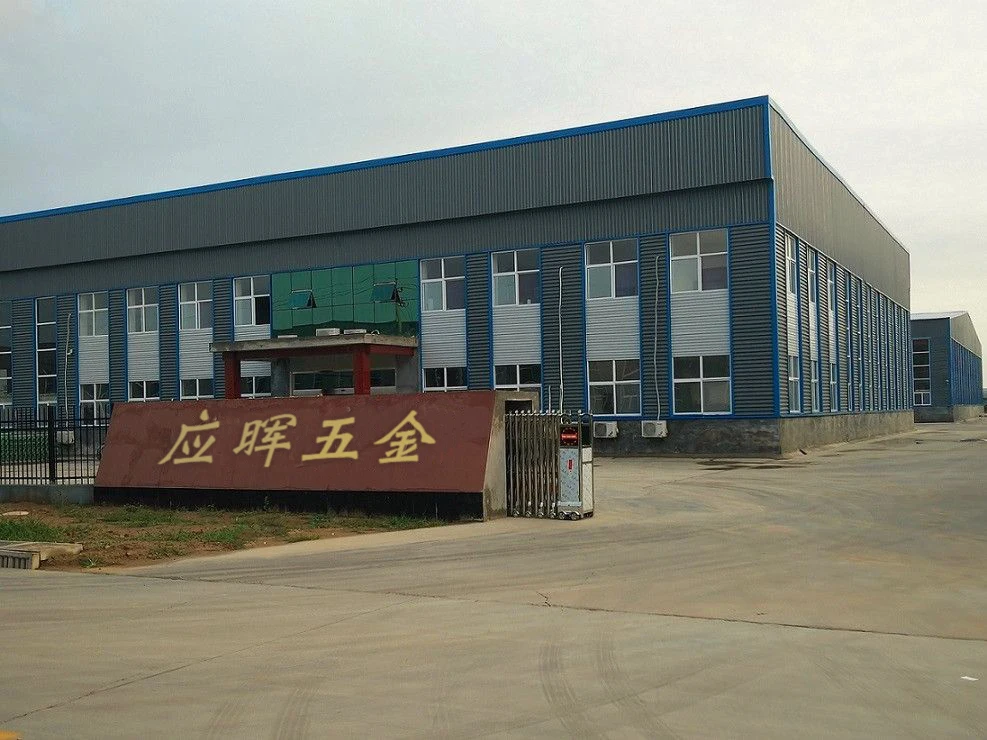
Linyi City Yinghui Hardware Tools Co., Ltd.
- Trading Company
- Shandong, China
- Lead time31 days
- Avg. response≤ 4h
Main productsHardware tools,Agricultural use Tools,Cleaning Tools
Main marketsSouth Asia(30.00%), Central America(30.00%), Mid East(30.00%), Southeast Asia(30.00%), North America(30.00%)

- Verified by SGS
- Trading Company,Manufacturer/Factory
- China Jiangsu
- Lead time45 days
- Avg. response≤ 8h
Main productsTrowel, Pliers, Tool Set, Socket Set, Adjustable Wrench, Knife, Hand Saw, Safety Googles, Hammer, Shear
Main marketsSouth America,Eastern Europe,North America,Western Europe,Africa

Huisheng Metal Products Luannan Co., Ltd.
- Verified by SGS
- Trading Company
- China Hebei
- Lead time30 days
- Avg. response≤ 5h
Main productsShovels, Pickaxes, Machete, Garden Hoes, Metal Wire Mesh, Steel Axe, Steel Files, Tape Measure, Steel Frame, Induction Heating Furnace
Main marketsAfrica,Others(foreignTradeCapacity.exportBusinessCapacityMarketOther),Southeast Asia/ Mideast

Tangshan Renhe Hardware Tools Co., Ltd.
- Verified by SGS
- Combined
- China Hebei
- Lead time45 days
- Avg. response≤ 4h
Main productsShovel, Hoe, Fork, Pickaxe, Rake, Garden Tool, Snow Shovel, Plastic Shovel, Hand Tools, Agricultural Tool
Main marketsSouth America,Africa,Others(foreignTradeCapacity.exportBusinessCapacityMarketOther),Southeast Asia/ Mideast,East Asia(Japan/ South Korea),Europe,North America

Zhangzhou Green-Lake Import & Export Co., Ltd.
- Verified by TUVRHEINLAND
- Trading Company
- China Fujian
- Lead time15 days
- Avg. response≤ 16h
Main productsCanned Food
Main marketsSouth America,Eastern Europe,Mid East,North America,Southeast Asia,Eastern Asia,Oceania,Western Europe,Africa








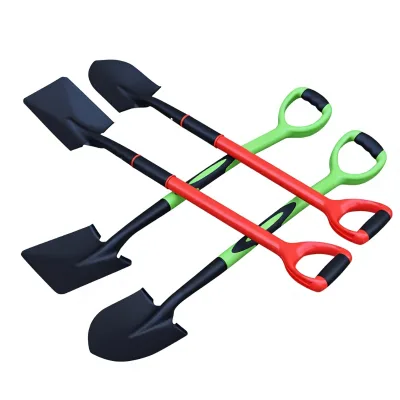


Comprehensive Sourcing Guide
Square Blade Iron Spade Supplier Concentration and Factory Types
The current supplier landscape for square blade iron spades reveals a distinct concentration of manufacturing and trading entities within specific Chinese industrial hubs. Data indicates that a significant portion of available suppliers are located in Tianjin, China, which serves as a primary node for this category of agricultural and gardening tools. This geographic clustering suggests that buyers seeking these specific items will likely encounter a dense network of vendors in this region, facilitating easier comparison and potentially streamlined logistics for bulk orders. The presence of suppliers in Tianjin highlights the area's role in the export of hardware and garden implements, where established supply chains support the production of durable metal tools. Additionally, some product origins are listed as Hebei, China, indicating that the manufacturing base may extend into neighboring provinces known for heavy industry and metalworking. This regional focus allows buyers to target their sourcing efforts toward suppliers with proven proximity to raw material sources and established export infrastructure, reducing the uncertainty often associated with sourcing from less defined geographic areas.
Beyond location, the types of companies offering square blade iron spades vary, with trading companies being a prominent entity type in the current results. These trading companies often act as intermediaries, aggregating products from various factories to offer a broader catalog to international buyers. This structure can be advantageous for buyers who need to consolidate orders from multiple product lines, such as combining shovels with rakes or lawn mowers, as trading companies frequently specialize in diverse tool assortments. However, it is crucial for buyers to distinguish between pure trading entities and those with direct manufacturing capabilities, as this distinction impacts pricing flexibility and customization options. The availability of OEM and ODM support across many listings suggests that even trading companies may have strong ties to factories that can accommodate custom branding and design requests. Understanding this dynamic helps buyers navigate the supplier base more effectively, ensuring they select partners who align with their specific needs for volume, customization, and direct communication.
How to Verify Square Blade Iron Spade Suppliers
Verifying the credibility of Square Blade Iron Spade suppliers requires a careful examination of their certification and verification status to ensure reliability and quality standards. In the current market, some suppliers display third-party verification from recognized entities such as TüVRheinland, which provides an additional layer of trust regarding their business operations and product claims. Buyers should prioritize suppliers who have undergone such rigorous verification processes, as this indicates a commitment to transparency and adherence to international business practices. Additionally, system certifications like GS and FSC are present in the supplier data, signaling compliance with specific safety and environmental standards. These certifications are particularly relevant for buyers in markets with strict regulatory requirements, as they demonstrate that the supplier’s products and processes meet established benchmarks. By focusing on suppliers with visible verification badges and relevant certifications, buyers can mitigate the risk of engaging with unverified entities that may lack the necessary infrastructure or ethical standards to support long-term partnerships.
Beyond certifications, buyers should assess the responsiveness and operational readiness of potential suppliers to gauge their reliability. The response time metric is a critical indicator of a supplier’s ability to communicate effectively and address inquiries promptly, with some suppliers demonstrating a response time of 1, which suggests high availability and engagement. A quick response time often correlates with better customer service and a more proactive approach to order management, which is essential for maintaining smooth supply chain operations. Buyers should also look for evidence of robust customization capabilities, such as support for OEM, ODM, and OBM services, which indicate that the supplier can adapt to specific brand and design requirements. Furthermore, examining the supplier’s main products and catalog depth can provide insights into their expertise and focus; suppliers specializing in agricultural and gardening tools are likely to have deeper knowledge of square blade iron spades than generalist traders. Combining these verification steps with a review of product-specific details ensures a comprehensive assessment of supplier suitability.
What to Compare Across Square Blade Iron Spade Suppliers
When evaluating Square Blade Iron Spade suppliers, buyers must meticulously compare key commercial and operational metrics to identify the most suitable partner for their needs. One of the primary factors is the minimum order quantity (MOQ), which varies significantly across different suppliers and product listings. For instance, some suppliers may require an MOQ of 1000 units, while others might offer lower thresholds such as 10 or 600 units, depending on the specific product configuration. This variation allows buyers with different volume requirements to find flexible options, whether they are testing the market with smaller orders or committing to large-scale procurement. Additionally, price ranges are a critical comparison point, with costs fluctuating based on material quality, handle type, and customization level. Buyers should analyze the price per unit against the specified MOQ to determine the true cost efficiency of each offer, ensuring that the selected supplier aligns with their budget constraints without compromising on quality.
Another essential aspect of comparison is the lead time and warranty terms provided by suppliers, which directly impact inventory planning and customer satisfaction. While some data points indicate a lead time of 0, which may suggest immediate availability or a placeholder value, buyers should clarify actual production and shipping timelines to avoid delays. Warranty periods also vary, with some suppliers offering 1 year of coverage and others providing up to 3 years, reflecting differences in product durability and confidence in manufacturing quality. Buyers should also compare the specific product attributes, such as blade width, handle material, and application type, to ensure the spades meet their functional requirements. For example, some spades are designed for snow removal and construction, while others are optimized for gardening and farming. By systematically comparing these dimensions, buyers can make informed decisions that balance cost, quality, and operational efficiency, ultimately selecting a supplier that best supports their business objectives.
Common Square Blade Iron Spade Sourcing Risks
Sourcing square blade iron spades from international suppliers involves several potential risks that buyers must proactively manage to ensure a successful procurement process. One significant risk is the variability in product specifications, as different suppliers may offer spades with varying blade dimensions, handle materials, and steel grades. For example, while some products feature carbon steel blades with metal handles, others may use manganese steel or wood handles, each with distinct durability and cost implications. Buyers who do not clearly define their technical requirements may receive products that do not meet their operational needs, leading to dissatisfaction and potential returns. Additionally, the customization options, such as logo printing and color customization, introduce complexity that can result in errors if not meticulously documented and verified before production. Miscommunication regarding these details can lead to delays and additional costs, highlighting the importance of precise specification sheets and regular communication with the supplier.
Another common risk is the reliability of lead times and shipping logistics, which can be affected by various external factors such as production bottlenecks or port congestion. While some suppliers may advertise short lead times, actual delivery may take longer due to unforeseen circumstances, impacting the buyer’s inventory levels and sales cycles. Furthermore, the lack of standardized quality control measures across different suppliers can result in inconsistent product quality, with some batches potentially containing defects or deviations from the agreed-upon standards. Buyers should be cautious of suppliers who do not provide clear evidence of quality assurance processes or third-party testing results. To mitigate these risks, buyers should establish clear contractual terms regarding quality standards, delivery schedules, and penalties for non-compliance. Engaging with suppliers who have verified credentials and positive track records can also reduce the likelihood of encountering these common sourcing challenges, ensuring a more stable and predictable supply chain.
Square Blade Iron Spade Regional Sourcing and Logistics
The regional concentration of Square Blade Iron Spade suppliers in China, particularly in Tianjin and Hebei, offers distinct logistical advantages for international buyers. Tianjin’s status as a major port city facilitates efficient export operations, reducing transit times and shipping costs for goods destined for global markets. Buyers sourcing from this region can benefit from established logistics networks that are optimized for handling heavy industrial and agricultural products, ensuring that shipments are processed smoothly and delivered on schedule. Additionally, the proximity of manufacturing facilities in Hebei to Tianjin’s port infrastructure creates a streamlined supply chain, minimizing the need for complex inland transportation and reducing the risk of damage during transit. This geographic synergy allows buyers to negotiate more favorable freight terms and gain better visibility into the shipping process, enhancing overall supply chain efficiency.
However, buyers must also consider the implications of regional sourcing on customs clearance and import regulations in their home countries. Different regions may have varying export documentation requirements, and buyers should ensure that their suppliers are familiar with the specific compliance standards of their target markets. For instance, suppliers with GS certification may already meet certain European safety standards, simplifying the customs clearance process for buyers in those regions. Additionally, buyers should evaluate the supplier’s experience with international shipping to ensure they can handle the necessary paperwork and coordinate effectively with freight forwarders. By leveraging the logistical advantages of sourcing from established industrial hubs in China, buyers can optimize their supply chain while maintaining compliance with international trade regulations. This strategic approach not only reduces costs but also enhances the reliability and speed of product delivery, supporting the buyer’s business operations.
Square Blade Iron Spade Commercial Terms and Order Planning
Effective order planning for square blade iron spades requires a thorough understanding of the commercial terms offered by suppliers, including pricing structures, payment conditions, and customization policies. Buyers should carefully review the price ranges and MOQs to determine the most cost-effective order quantity, balancing inventory holding costs with the benefits of bulk purchasing. For suppliers with lower MOQs, buyers may find it easier to test new products or manage cash flow, while those with higher MOQs may offer better unit prices for large-scale operations. Additionally, buyers should clarify the terms for customization, such as logo printing and color options, to ensure that these services are included in the quoted price or to understand any additional costs involved. Clear communication regarding these commercial terms helps prevent unexpected expenses and ensures that the final product aligns with the buyer’s brand and marketing strategies.
Furthermore, buyers should establish a robust order planning process that accounts for lead times, production schedules, and potential delays. By maintaining open communication with suppliers and requesting regular updates on production progress, buyers can better anticipate delivery dates and adjust their inventory levels accordingly. It is also advisable to include contingency plans for potential disruptions, such as raw material shortages or logistical bottlenecks, to minimize the impact on business operations. Buyers should also consider the warranty terms provided by suppliers, as longer warranty periods can indicate higher product quality and provide additional protection against defects. By integrating these commercial considerations into their order planning, buyers can create a more resilient and efficient supply chain, ensuring that they meet customer demand while maintaining profitability and product quality.
FAQs
What is the minimum order quantity for square blade iron spades?
The minimum order quantity varies by product, ranging from 10 units to 1000 units depending on the specific model selected. Buyers should verify the exact MOQ for their chosen item before placing an order to ensure it meets their procurement needs.
Which certifications do these agricultural tools hold?
Selected suppliers for these tools hold GS and FSC system certifications. Additionally, some suppliers are verified by TüVRheinland. Buyers should confirm specific certification documents for the exact products they intend to purchase to ensure compliance with their standards.
What is the typical response time for supplier inquiries?
The observed response time for supplier inquiries is one day. This indicates a relatively quick turnaround for initial communications. Buyers should still expect variations based on specific supplier workloads and time zone differences when contacting potential vendors.
Are customized colors and logos available for these shovels?
Yes, customized colors and logos are available for many Square Blade Iron Spade models. Suppliers offer OEM and ODM support, allowing buyers to request specific branding and color options. Buyers must specify these requirements clearly during the inquiry process.
What materials are used for the shovel blades and handles?
Blades are commonly made from carbon steel, manganese steel, or stainless steel. Handle materials vary, with options including wood, metal, or hardwood grips. Buyers should check specific product attributes to confirm the exact material composition for their desired shovel type.
What is the price range for these square blade shovels?
Prices for these shovels range from approximately 1.43 to 3.60 per unit depending on the model and specifications. The final cost is influenced by factors such as material grade, handle type, and order quantity. Buyers should request a quote for accurate pricing.
Where are these agricultural tools manufactured?
These tools are manufactured in locations such as Tianjin and Hebei in China. The place of origin is a key attribute listed for each product. Buyers should verify the specific origin for the item they select to understand shipping logistics and potential tariffs.
What warranty periods are offered for these shovels?
Warranty periods for these shovels typically range from one year to three years depending on the specific product model. Some items offer a three-year warranty while others provide one year. Buyers must check the warranty details for the exact shovel they intend to buy.