Gravity Feed Industrial Spray Gun Suppliers and Manufacturers
Explore 31 verified options for Gravity Feed Industrial Spray Gun from China Shandong and Jiangsu. Compare response times, lead times, certifications like ISOCE and CTI, and pricing to find the right factory. Contact suppliers directly to request quotes; review the available evidence before requesting comparable quotations from suitable candidates.
Updated
Suppliers List

Shandong Xinchen Pneumatic Tools Co., Ltd
- Verified by SGS
- Trading Company
- China Shandong
- Lead time15 days
- Avg. response≤ 2h
Main productsSpray Gun, Nail Gun, Air Impact Wrench, Air Sander, Air Hose, Air Compressor, Air Rivet Gun, Electric Blower, Electric Shear, Foam Gun
Main marketsSouth America,Others(foreignTradeCapacity.exportBusinessCapacityMarketOther),Southeast Asia/ Mideast,Domestic

W71g High Atomization Gravity Feed Spray Gun Industrial Painting Application
$3.50 - $5.00
MOQ: 2 Pieces


F75G High Pressure Gravity Feed Air Spray Gun For Automotive Painting Furniture Coating
$3.00 - $3.60
MOQ: 2 Pieces

Qidong Junyang Electromechanical Technology Co., Ltd
- Verified by CTI
- Combined
- China Jiangsu
- Lead time23 days
- Avg. response≤ 4h
Main productsPower Tools, Laser Level, Garden Tools, Electric Tools, Hand Tools, Electric Wrench, Electric Saw, Electric Hammer, Electric Drill, Chainsaw
Main marketsDomestic

Yuyao Goldsen International Trade Co., Ltd.
- Verified by TUVRHEINLAND
- Manufacturer/Factory
- China Zhejiang
- Lead time30 days
- Avg. response≤ 5h
Main productsPower Tools, Electric Cordless Impact Drill, Angle Grinder, Rotary Hammer Drill Demlition Breaker, High Pressure Washer Cleaner, Airless Paint Sprayer Spray Gun Machine, Spray Tan Tanning Machine, Hot Air Heat Gun, Chainsaw Sharpener Grinder Machine, Wood Working Tools Miter Saw
Main marketsSouth America,Eastern Europe,Mid East,North America,Southeast Asia,Eastern Asia,Oceania,Western Europe,Africa

120cc 0.8mm Gravity Feed Aluminium Alloy HVLP Industrial Air Assisted Spray Gun
$2.88 - $3.00
MOQ: 2000 Pieces

Industrial Pneumatic 600cc 1.4mm Aluminium Gravity Feed Air Spray Gun H827 Economy
$4.61 - $4.80
MOQ: 2000 Pieces

High Efficiency 600cc Plastic Cup Air Spray Gun Gravity Feed for Painting
$4.75 - $4.95
MOQ: 2000 Pieces


Versatile Efficient 600cc 1.4mm Gravity Feed Air Spray Gun for Precision Painting
$4.75 - $4.95
MOQ: 2000 Pieces

Versatile 600ml 1.4mm Gravity Feed Air Spray Gun for Car Painting Projects
$6.20 - $6.40
MOQ: 2000 Pieces

Ningbo Cloudtop Tools Co., Ltd.
- Trading Company,Manufacturer/Factory
- China Zhejiang
- Lead time30 days
- Avg. response≤ 9h
Main productsSpray Gun, Pneumatic Tool, Air Tool, Air Impact Wrench, Air Riveter, Air Sander, Air Nailer, Air Filter, Air Screwdriver, Air Ratchet Wrench
Main marketsSouth America,Eastern Europe,Mid East,North America,Southeast Asia,Eastern Asia,Oceania,Western Europe,Africa
Ningbo Haosheng Pneumatic Machinery Co., Ltd.
- Verified by SGS Group
- Manufacturer, Trading Company
- Lead time30 days
- Avg. response≤ 4h
Main productsSpray Booth Kit/Beauty Airbrush/Cordless Airbrush, Mini Air Compressor Kit/Air Compressor Kit
Main marketsDomestic Market(29%), North America(18%), Northern Europe(15%)
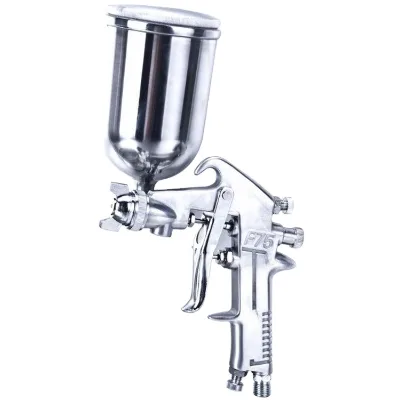
Hseng HS-75G Gravity Feed Spray Gun for Model Painting
$10.00 - $15.00
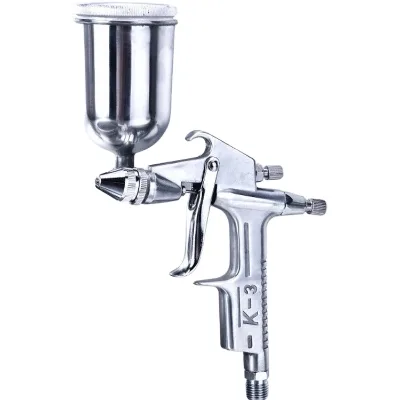
HS-S2 3.5 Bar Gravity Feed HVLP Spray Gun for DIY and Industrial Body & Model Painting
$7.00 - $15.00
MOQ: 20 pieces

Dongguan Karlux Precision Machinery Science and Technology Co., Ltd.
- Manufacturer/Factory
- China Guangdong
- Lead time15 days
- Avg. response≤ 3h
Main productsAir Tool, Air Sander, Air Spray Gun, Air Riveter, Air Wrench, Air Screwdriver, Abrasives, Sanding Pad, Electric Sander, Air Grinder
Main marketsSouth America,Eastern Europe,Mid East,North America,Southeast Asia,Eastern Asia,Oceania,Western Europe,Africa


Gravity Feed Type Air Spray Guns Paint Sprayer Pneumatic HVLP Paint Spray Gun
$60.00 - $130.00
MOQ: 1 Pieces


- Trading Company
- Zhejiang, China
- Lead time30 days
- Avg. response≤ 3h
Main productsspray gun,electric spray gun,air blow dust gun,air inflating gun,air hopper gun
Main marketsAfrica(30.00%), Domestic Market(10.00%), Southeast Asia(10.00%), Eastern Europe(10.00%), Oceania(10.00%), North America(5.00%), Southern Europe(5.00%), Western Europe(5.00%), Eastern Asia(5.00%), Mid East(5.00%), South America(5.00%)
Kunshan Xinborui Hardware Mechanical And Electrical Co., Ltd.
- Verified by TüVRheinland
- Trading Company
- Lead time0 days
- Avg. response≤ 2h
Main productsSandpaper, Sanding Discs, Cutting Discs, Pneumatic Grinders, Pneumatic Screw Drivers
Main marketsDomestic Market(40%), North America(15%), Africa(5%)

NING BO CTG IMP.&EXP. CO., LTD.
- Trading Company
- Zhejiang, China
- Lead time60 days
- Avg. response≤ 6h
Main productsAuto accessories & parts,auto tools,hand tools,air tools,power tools
Main marketsSouth America(40.00%), North America(20.00%), South Asia(10.00%), Eastern Europe(5.00%), Southern Europe(5.00%), Northern Europe(5.00%), Central America(5.00%), Western Europe(5.00%), Africa(5.00%)
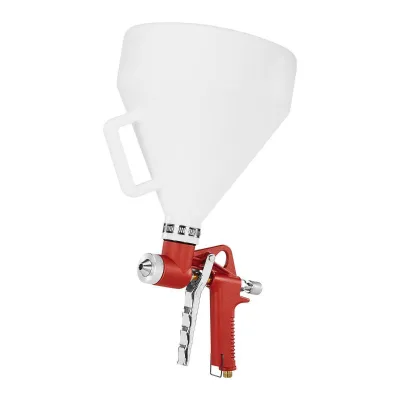
1-1/2 Gallon Gravity-Feed Texture Air Spray Gun for Home Improvement Projects
$7.00 - $8.00
MOQ: 100 sets
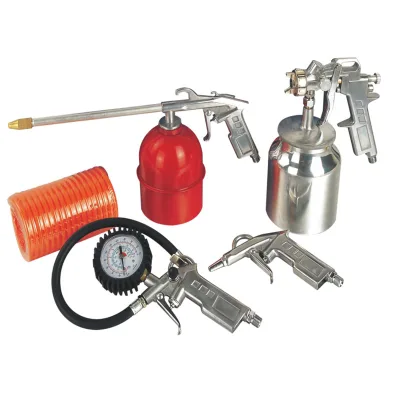
$9.2861 - $10.3182
MOQ: 100 pieces
Guangzhou Jinghe Plastic Products Co., Ltd.
- Verified by SGS Group
- Trading Company
- Lead time0 days
- Avg. response≤ 2h
Main productsMasking Tape, Masking Film, Masking Paper, Automotive Masking Tape
Main marketsNorth America(50%), South America(20%), Mid East(20%)

- Verified by SGS
- Trading Company,Manufacturer/Factory
- China Jiangsu
- Lead time45 days
- Avg. response≤ 8h
Main productsTrowel, Pliers, Tool Set, Socket Set, Adjustable Wrench, Knife, Hand Saw, Safety Googles, Hammer, Shear
Main marketsSouth America,Eastern Europe,North America,Western Europe,Africa
Guanpin Hengye (Xiamen) Pneumatic Technology Co., Ltd.
- Other
- Fujian, China
- Lead time0 days
- Avg. response≤ 3h
Main productsPneumatic spray gun
Main marketsNorth America(20.00%), South America(20.00%), Eastern Europe(20.00%), Southeast Asia(20.00%), Africa(20.00%)

Ningbo Ruituo Industry And Trade Co., Ltd.
- Trading Company
- Zhejiang, China
- Lead time0 days
- Avg. response≤ 2h
Main productsAIR TOOLS,SPRAY GUN,IMPACT WRENCH,QUICK COUPLER
Main marketsWestern Europe(15.00%), South America(15.00%), North America(15.00%), South Asia(10.00%), Southern Europe(10.00%), Northern Europe(10.00%), Domestic Market(5.00%), Eastern Asia(5.00%), Eastern Europe(5.00%), Africa(5.00%), Southeast Asia(5.00%)
Dongguan Yaoshun Spray Technology Co., Ltd.
- Verified by SGS Group
- Trading Company
- Lead time1 days
- Avg. response≤ 2h
Main productsSpray Nozzle, Spray Gun, Fog Machine, Humidifier, Water Pump
Main marketsNorth America(30%), Southeast Asia(15%), Mid East(15%)
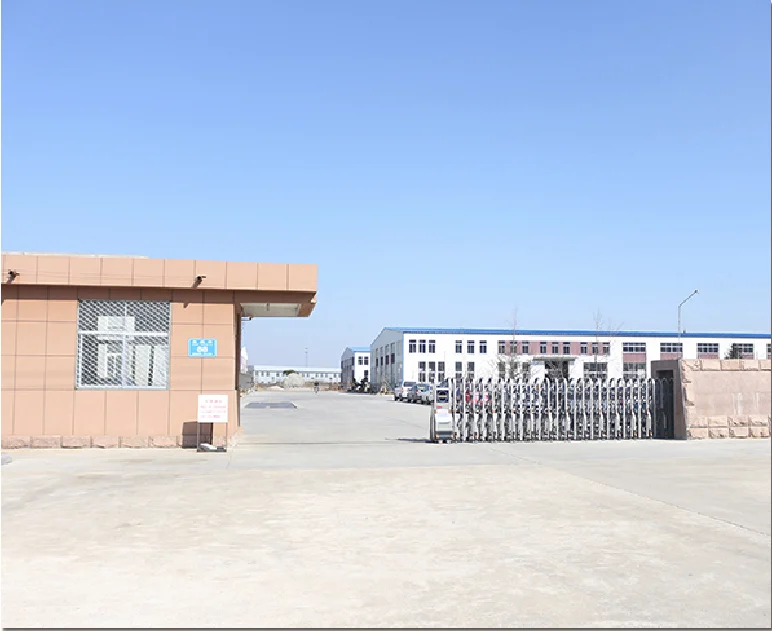
Jinan Dashuai Auto Products Co., Ltd.
- Trading Company
- Shandong, China
- Lead time3 days
- Avg. response≤ 2h
Main productsSand Paper,Paint Gun,Auto Shaping Machine
Main marketsNorthern Europe(30.00%), North America(30.00%), Southeast Asia(20.00%), Oceania(20.00%)
Dongguan Yahong Automation Equipment Co., Ltd.
- Verified by Intertek
- Manufacturer, Trading Company
- Lead time7 days
- Avg. response≤ 1h
Main productsSheet Metal Processing, Glue Dispensing Machine, Pressure Tank, Dispensing Valve, Wood Router
Main marketsDomestic Market(52%), Mid East(25%), Southeast Asia(23%)
Jinan Baishituo Trading Co., Ltd.
- Trading Company
- Shandong, China
- Lead time0 days
- Avg. response≤ 2h

Shanghai Hongli International Trading Co., Ltd.
- Trading Company
- Shanghai, China
- Lead time10 days
- Avg. response≤ 1h
Main productsHand tool,Power tool,Garden tool,Tool set,Pneumatic tool
Main marketsNorth America(40.00%), Mid East(15.00%), South America(15.00%), Eastern Europe(5.00%), Oceania(5.00%), Western Europe(5.00%), Southeast Asia(5.00%), Africa(4.00%), South Asia(3.00%), Eastern Asia(3.00%)
Hefei Jieweier Trading Co., Ltd
- Verified by SGS Group
- Trading Company
- Lead time8 days
- Avg. response≤ 2h
Main productsAirless Paint Sprayer, Paint Spray Gun, Sprayer Accessories, Electric Spray Gun, Leaf Lawn Bag

Hangzhou Feifu Import and Export Co., Ltd.
- Verified by BV
- Combined
- China Zhejiang
- Lead time15 days
- Avg. response≤ 2h
Main productsPowder Coating Machine, Powder Coating Gun, Metal Surface Finishing Machine, Powder Coating Booth, Powder Spray Booth, Industrial Powder Coating Oven, Powder Curing Oven, Sand Blasting Machine, Gas /LPG Fired Powder Coating Oven, Powder Coating Equipment
Main marketsNorth America
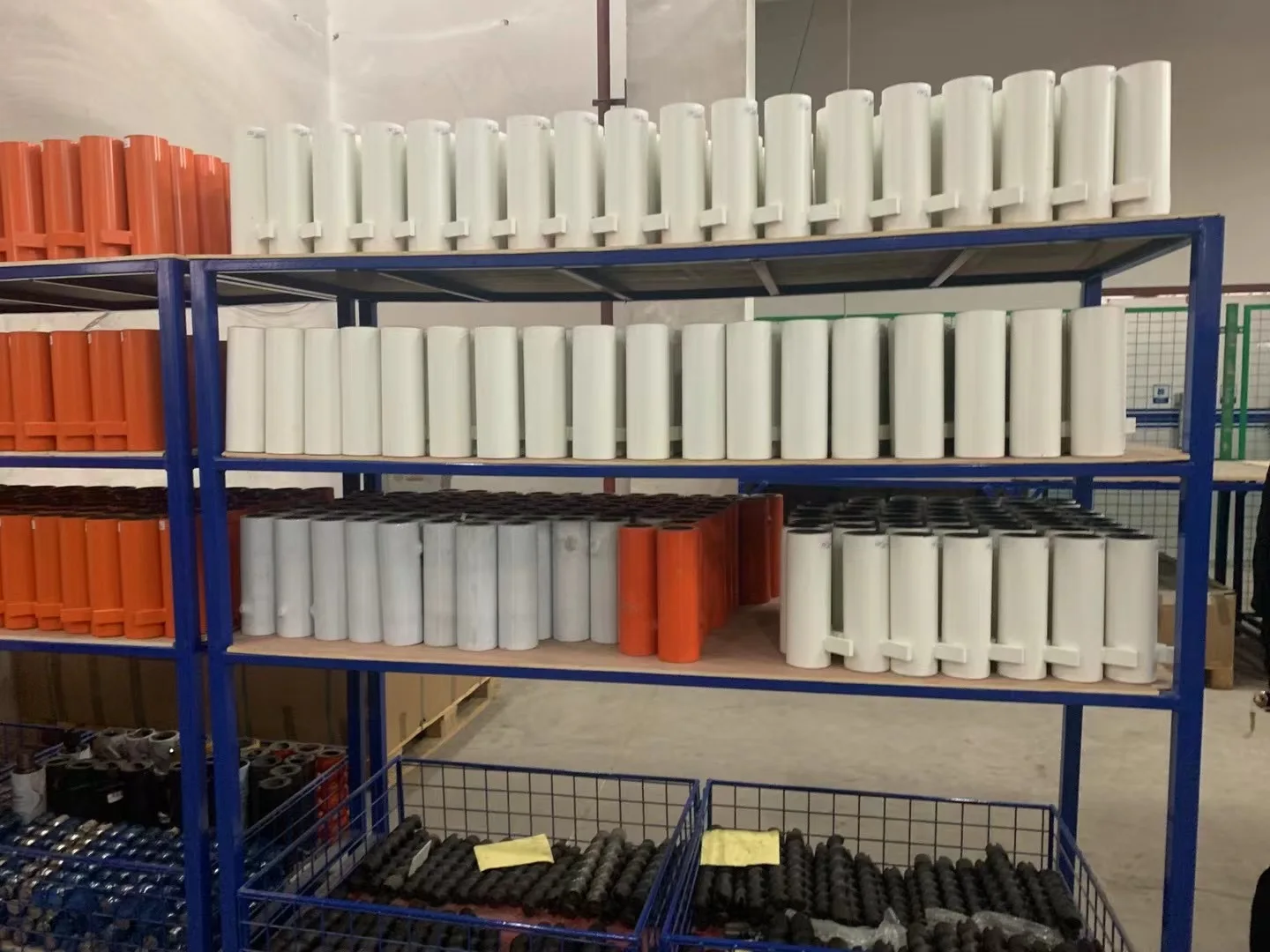
Yongkang Maitaibao Tools Co., Ltd.
- Manufacturer, Trading Company
- Zhejiang, China
- Lead time25 days
- Avg. response≤ 2h
Main productsSpraying machine accessories,stator and rotor,sprayer stator rotor,screw pump stator rotor
Main marketsSoutheast Asia(30.00%)
Ningbo Leihuojian Machinery Co., Ltd.
- Trading Company
- Zhejiang, China
- Lead time30 days
- Avg. response≤ 8h
Main productspneumatic joint,air duct hose,an air gun,Hydraulic quick couplings,Pneumatic Tool Accessories
Main marketsEastern Europe(20.00%), South America(20.00%), Mid East(20.00%), Northern Europe(10.00%), Central America(10.00%), North America(10.00%), Southeast Asia(10.00%)
Shenyang Painter Trading Co., Ltd.
- Trading Company
- Liaoning, China
- Lead time15 days
- Avg. response≤ 1h
Main productssand paper,spray gun,polishing pad,Automotive Paint,grinder
Main marketsSoutheast Asia(15.00%), Mid East(10.00%), Africa(10.00%), North America(10.00%), Eastern Europe(10.00%), South America(10.00%), Domestic Market(5.00%), South Asia(5.00%), Southern Europe(5.00%), Northern Europe(5.00%), Central America(5.00%), Western Europe(5.00%), Eastern Asia(5.00%)

Shanghai Shuode Building Materials CO., LTD.
- Verified by CTI
- Trading Company
- China Shanghai
- Lead time15 days
- Avg. response≤ 4h
Main productsPolyurethane Foam, PU Foam, Silicone Sealant, Liquid Nail
Main marketsAfrica,Southeast Asia/ Mideast,East Asia(Japan/ South Korea),Europe
- Verified by SGS Group
- Manufacturer, Trading Company
- Lead time45 days
- Avg. response≤ 6h
Main productsSandblaster, Air filter, Air regulator, Tire inflator, Air blow gun
Main marketsNorth America(65%), Oceania(5%), Mid East(5%)
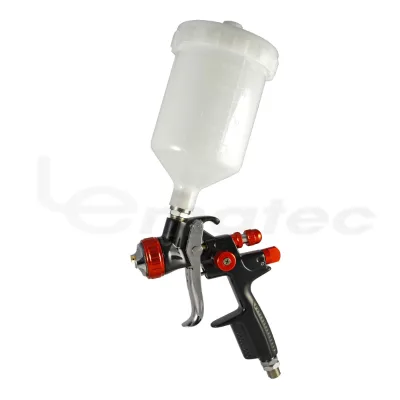
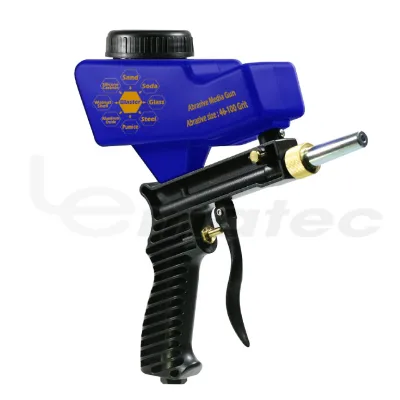
Portable Nozzle Pneumatic Speed Gravity Feed Sandblasting Gun Air Sandblast Sand Media Gun
$10.0561 - $11.2874
MOQ: 1 pieces

Shanghai Medigrade Industry Co., Ltd.
- Verified by SGS
- Trading Company
- China Shanghai
- Lead time30 days
- Avg. response≤ 4h
Main productsLabeling Machine, Filling Machine, Packing Machine, Capping Machine
Main marketsSoutheast Asia/ Mideast,Domestic

Wet Granulator Spray Gun Dry Granulator Spray Gun Top Spray Guns/Bottom Spray Guns
$100.00 - $3000.00
MOQ: 1 Set

Fluidized Bed High-Efficiency Coating Spray Gun Centrifugal Pelleting Spray Gun
$100.00 - $3000.00
MOQ: 1 Set
Dongguan Fengyun Spray Technology Development Co., Ltd.
- Manufacturer, Trading Company
- Guangdong, China
- Lead time1 days
- Avg. response≤ 2h
Main productsSpray Nozzle series,Fog machine System,Air Knife,Spray Gun,machine series
Main marketsDomestic Market(20.00%), Eastern Europe(15.00%), Southern Europe(12.00%), Western Europe(10.00%), Northern Europe(8.00%), South America(6.00%), South Asia(6.00%), Eastern Asia(5.00%), North America(4.00%), Central America(4.00%), Southeast Asia(4.00%), Mid East(3.00%), Oceania(2.00%), Africa(1.00%)

Jinan Junda Industrial Technology Co., Ltd.
- Verified by BV
- Trading Company,Manufacturer/Factory
- China Shandong
- Lead time15 days
- Avg. response≤ 2h
Main productsForged Steel Ball, Cast Steel Ball, Steel Grit, Bearing Steel Grit, Steel Shot, Stainless Steel Shot, Garnet Sand, Chrome Steel Ball, Stainless Steel Ball, Sandblasting Machine
Main marketsSouth America,Eastern Europe,Mid East,North America,Southeast Asia,Eastern Asia,Oceania,Western Europe,Africa

Hipex Industrial Products Co., Ltd. Hunan
- Trading Company
- China Hunan
- Lead time23 days
- Avg. response≤ 25h
Main productsTools, Hand Tools, Architectural Hardware & Tools, Hardware & Tools, Decorating Tools
Main marketsSouth America,Others(foreignTradeCapacity.exportBusinessCapacityMarketOther),Europe

Suzhou Yuncheng Ex/Im Co., Ltd.
- Trading Company,Manufacturer/Factory,Group Corporation
- China Jiangsu
- Lead time23 days
- Avg. response≤ 25h
Main productsTct Saw Blade, Diamond Saw Blade, Glue Gun, Empty Aluminium Tube, Aluminium Collapsible Tube, Foam Gun, Caulking Gun, Pasty Liquid Filling Machine, Filling and Screw-Cap Machine, Filling and Sealing Machine
Main marketsSouth America,Eastern Europe,Mid East,North America,Southeast Asia,Eastern Asia,Oceania,Western Europe,Africa

Yongsun Machinery Group Liaocheng Co., Ltd.
- Verified by SGS
- Trading Company,Manufacturer/Factory
- China Shandong
- Lead time38 days
- Avg. response≤ 22h
Main productsBrush Cutter, Mist Duster, Sprayer, Engine, Chain Saw, Water Pump, Power Sprayer, Trimmer, Blower, Lawn Mowers
Main marketsSouth America,Eastern Europe,Mid East,North America,Southeast Asia,Eastern Asia,Oceania,Western Europe,Africa


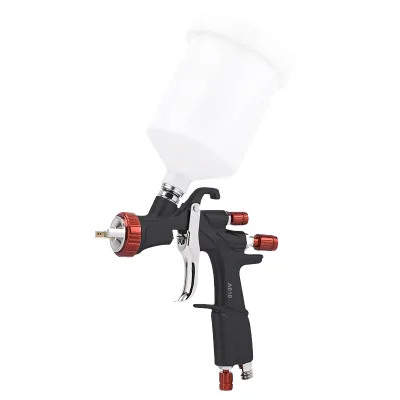
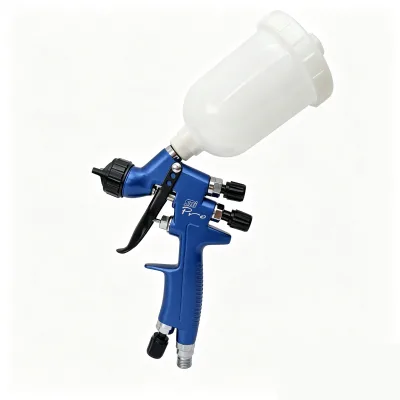
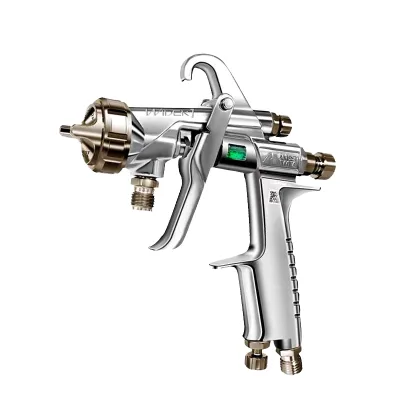
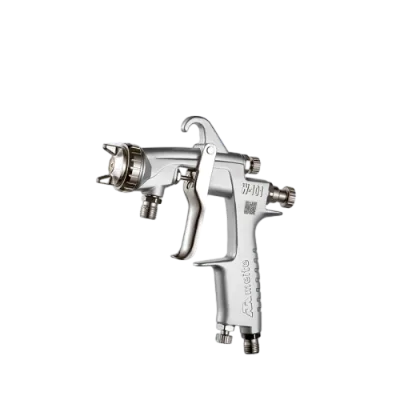
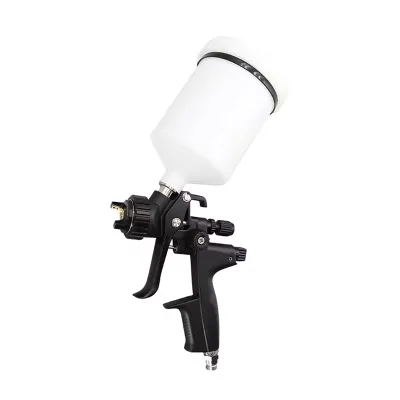
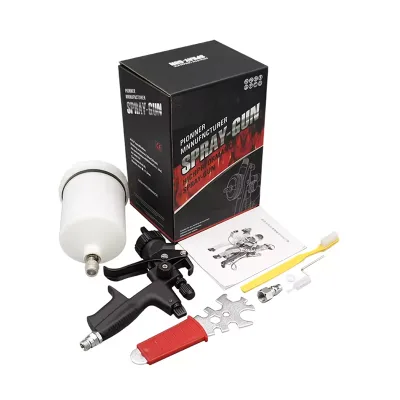


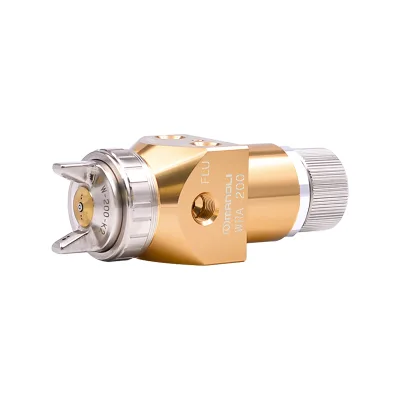
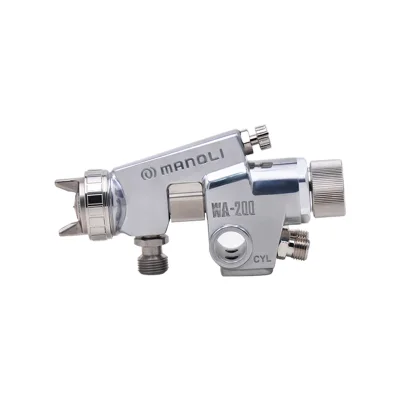
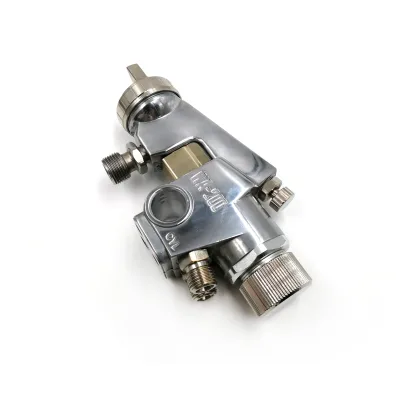
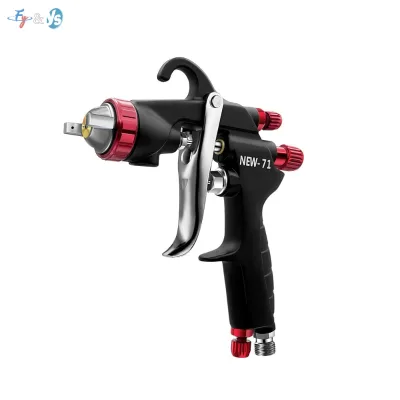
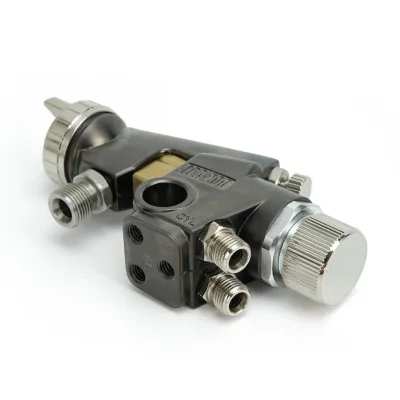
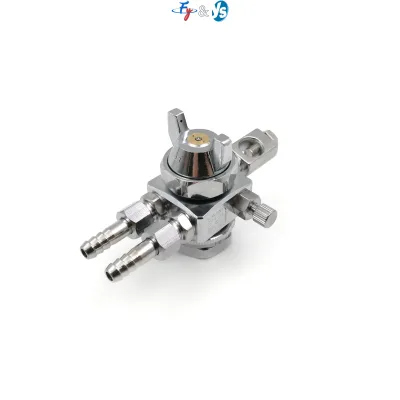
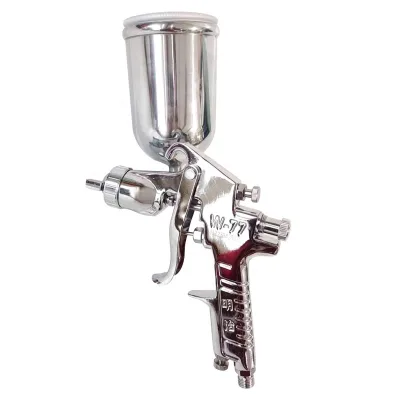
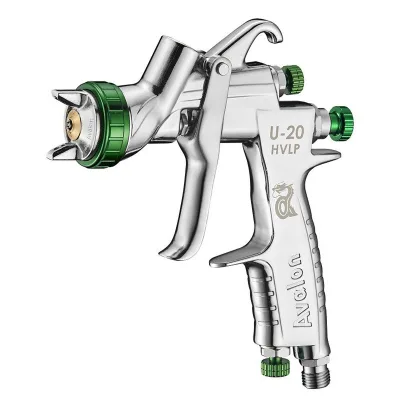
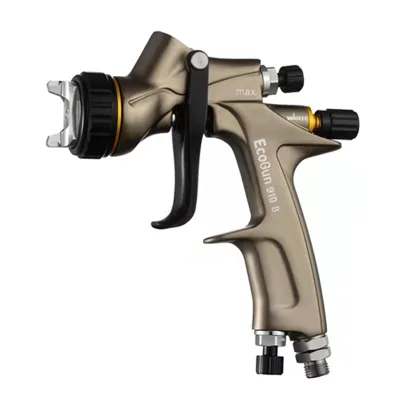
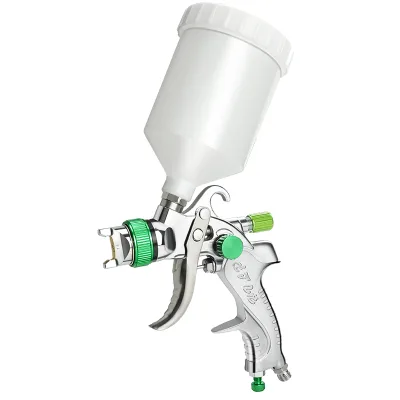
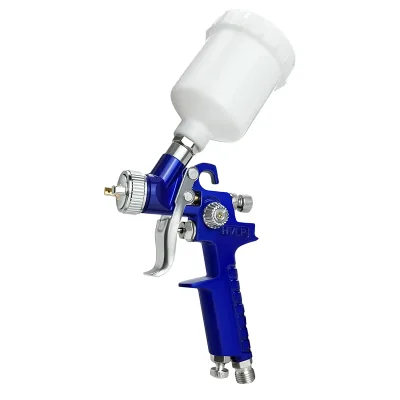


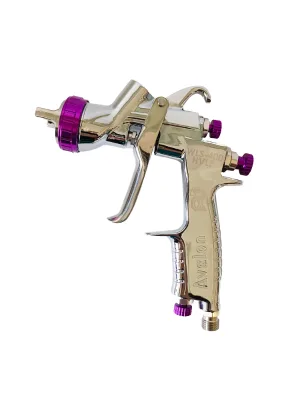
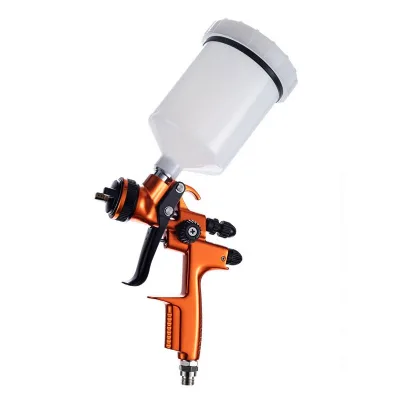




Comprehensive Sourcing Guide
Gravity Feed Industrial Spray Gun Supplier Concentration and Factory Types
The current supplier landscape for gravity feed industrial spray guns reveals a distinct geographic concentration in China, with Shandong emerging as a primary manufacturing hub. This region hosts a significant number of trading companies that specialize in pneumatic tools, including spray guns, nail guns, and air compressors. These entities often operate as intermediaries, connecting buyers with local factories that possess the necessary OEM and ODM capabilities. The presence of SGS verification among these suppliers indicates a baseline level of quality assurance and operational transparency, which is crucial for international buyers seeking reliable partners. The trading company model allows for a broader product range, enabling buyers to source complementary items like air hoses and impact wrenches from the same source, thereby simplifying supply chain management.
In contrast, other regions such as Jiangsu present a different supplier profile, characterized by combined company types that may include both manufacturing and trading operations. These suppliers often focus on electric tools and power equipment, suggesting a diversification into battery-operated or electric spray guns alongside traditional pneumatic models. The verification status here is marked by CTI, offering a different layer of quality control compared to SGS. Buyers should note that while Shandong suppliers emphasize pneumatic solutions, Jiangsu-based entities might offer electric alternatives with varying power sources and voltage specifications. This regional distinction helps buyers align their sourcing strategy with their specific technical requirements, whether they prioritize high-volume pneumatic systems or portable electric sprayers for diverse industrial applications.
How to Verify Gravity Feed Industrial Spray Gun Suppliers
Verifying suppliers requires a close examination of their certification status and product-specific attributes to ensure compliance with industrial standards. Many gravity feed spray gun listings display ISOCE certification, which serves as a critical indicator of manufacturing quality and consistency. Buyers should cross-reference this certification with the supplier’s verification badge, such as SGS or CTI, to confirm that the claims are backed by third-party audits. Additionally, product attributes like trigger type, spray pattern adjustability, and material composition (e.g., plastic, aluminum) must be scrutinized to match the intended application, whether it be automotive painting, furniture finishing, or industrial coating. The presence of customization options, such as OEM support, further validates a supplier’s capability to meet specific brand or technical requirements.
Beyond certifications, buyers must assess the supplier’s response time and lead time as indicators of operational efficiency and reliability. A response time of approximately 1.14 hours suggests a highly responsive sales team, which is vital for resolving technical queries or negotiating custom specifications quickly. Conversely, lead times can vary significantly, with some suppliers offering 15-day turnaround times while others may require up to 23 days. This variance often correlates with the supplier’s location and production capacity. Buyers should also verify the condition of the products, ensuring they are listed as new, and check for detailed packing information, such as box or carton packing, to estimate shipping costs and handling requirements. These factors collectively determine the supplier’s readiness to fulfill orders efficiently.
What to Compare Across Gravity Feed Industrial Spray Gun Suppliers
When evaluating multiple suppliers, buyers should compare key commercial and logistical metrics to identify the most suitable partner for their needs. Price ranges for gravity feed spray guns vary considerably, with some models priced between $3.00 and $5.80, while electric alternatives may cost between $9.80 and $11.00. These price differences often reflect the complexity of the mechanism, material quality, and included features such as cup capacity or fluid output rates. Minimum order quantities (MOQ) also differ, with some suppliers requiring as few as two units, making them ideal for small-scale procurement or sampling, while others may have higher thresholds. Buyers should align these MOQs with their inventory requirements to avoid overstocking or supply shortages.
Another critical comparison point is the supplier’s main product focus and verification status. Suppliers specializing in pneumatic tools may offer a more extensive range of compatible accessories, such as air compressors and hoses, whereas those focusing on electric tools might provide integrated battery systems. The verification badges, whether SGS or CTI, should be weighed against the supplier’s response speed and lead time to gauge overall reliability. For instance, a supplier with a 15-day lead time and SGS verification might be preferable for urgent orders, while a supplier with a 23-day lead time and CTI verification might offer better pricing for bulk purchases. By systematically comparing these attributes, buyers can make informed decisions that balance cost, quality, and delivery speed.
Common Gravity Feed Industrial Spray Gun Sourcing Risks
One significant risk in sourcing gravity feed industrial spray guns is the potential mismatch between advertised specifications and actual product performance. Buyers must be cautious of vague product descriptions that lack detailed technical data, such as fluid output rates, nozzle bore sizes, or air inlet specifications. For example, while some listings specify a fluid output of 200 ml/min, others may only provide general terms like "high atomization" without quantifiable metrics. This ambiguity can lead to procurement of equipment that does not meet the required application standards, resulting in project delays or quality issues. Buyers should insist on detailed product attributes and request samples to verify performance before committing to large orders.
Another risk involves the reliability of supplier claims regarding customization and certification. While many suppliers advertise OEM/ODM capabilities and ISOCE certification, buyers must verify these claims through direct communication and third-party audits. Inconsistent response times or vague answers to technical queries can indicate a lack of expertise or transparency. Additionally, the variation in lead times, ranging from 15 to 23 days, may impact production schedules if not properly managed. Buyers should establish clear communication channels and set realistic expectations regarding delivery timelines. Failure to do so can result in supply chain disruptions, increased costs, and compromised project outcomes. Proactive risk mitigation through thorough due diligence is essential.
Gravity Feed Industrial Spray Gun Regional Sourcing and Logistics
Sourcing gravity feed industrial spray guns from China involves navigating regional logistics and supply chain dynamics that can impact delivery efficiency and cost. Suppliers located in Shandong, a major manufacturing hub, often benefit from established infrastructure for pneumatic tool production and export. This concentration allows for economies of scale, potentially reducing unit costs and improving availability of complementary products. However, buyers must consider the logistical implications of shipping from this region, including transit times and customs clearance procedures. Understanding the local supply chain ecosystem can help buyers anticipate potential delays and plan their inventory accordingly.
In contrast, suppliers in Jiangsu may offer different logistical advantages, particularly for buyers seeking electric or combined tool solutions. The region’s focus on power tools and electric equipment suggests a specialized supply chain that may offer faster access to battery-operated spray guns and related accessories. Buyers should evaluate the shipping options available from each region, considering factors such as freight costs, insurance, and tracking capabilities. Additionally, the supplier’s packing methods, whether box or carton packing, can affect the efficiency of loading and unloading, influencing overall logistics costs. By aligning regional sourcing strategies with logistical capabilities, buyers can optimize their supply chain for efficiency and cost-effectiveness.
Gravity Feed Industrial Spray Gun Commercial Terms and Order Planning
Effective order planning for gravity feed industrial spray guns requires a thorough understanding of commercial terms, including pricing structures, payment conditions, and delivery schedules. Buyers should negotiate clear agreements on price ranges, which can vary from $3.00 to $11.00 depending on the product type and specifications. Establishing fixed pricing for bulk orders can mitigate the risk of cost fluctuations and ensure budget predictability. Additionally, buyers should clarify the minimum order quantities and any associated discounts for larger volumes. This information is crucial for optimizing inventory levels and minimizing holding costs while maintaining adequate stock to meet demand.
Delivery schedules and lead times are equally important components of commercial terms. Suppliers with lead times of 15 to 23 days require careful planning to align with production schedules and customer delivery expectations. Buyers should incorporate buffer times into their planning to account for potential delays in manufacturing or shipping. Furthermore, understanding the supplier’s response time, which can range from 1.14 to 3.21 hours, helps in managing communication and resolving issues promptly. By integrating these commercial terms into a comprehensive order plan, buyers can enhance supply chain resilience and ensure timely delivery of gravity feed industrial spray guns to their end customers.
FAQs
What is the price range for gravity feed industrial spray guns?
Gravity feed industrial spray guns typically range from $3.00 to $11.00 per unit. Prices vary based on specifications such as fluid output, cup capacity, and material composition. Buyers can find options starting at $3.00 for basic models up to $11.00 for specialized electric or high-capacity pneumatic versions.
What is the minimum order quantity for these spray guns?
The minimum order quantity is generally two units. This low MOQ allows buyers to test product quality before committing to larger orders. It is ideal for small workshops or initial procurement trials. Always confirm specific supplier requirements as policies may vary slightly between manufacturers.
How long does production and delivery take?
Standard lead times range from 15 to 23 days. This duration covers manufacturing, quality control, and packaging preparation. Faster response times are available from some suppliers, ensuring quicker communication. Buyers should verify exact delivery schedules with their chosen supplier to align with project timelines.
Are OEM and customization services available?
Yes, OEM and ODM customization services are widely available. Suppliers offer customized branding, packaging, and specific technical adjustments. Buyers can request tailored spray patterns, cup capacities, or trigger types. This flexibility supports unique industrial requirements and brand identity integration for professional painting applications.
What certifications do these spray guns hold?
Many industrial spray guns carry ISOCE certification. This indicates compliance with specific quality and safety standards for manufacturing. Buyers should verify certification details directly with suppliers. Additional product-specific certifications may apply depending on the model and intended industrial application, ensuring reliable performance in professional settings.
Where are these spray guns manufactured?
These spray guns are primarily manufactured in China, specifically in Shandong and Jiangsu provinces. These regions are known for robust tool manufacturing capabilities. Buyers can source from verified suppliers in these locations. Origin details are crucial for logistics planning and understanding supply chain dynamics for industrial equipment procurement.