Closed Impeller Centrifugal Sand Pump Suppliers and Manufacturers
Source 29 verified suppliers for Closed Impeller Centrifugal Sand Pump. Compare ISO 9001 certified manufacturers in China Shandong and Shaanxi. Review lead times, MOQs, and pricing to select the right partner; review the available evidence before requesting comparable quotations from suitable candidates.
Updated
Suppliers List

Shandong Yacheng Petroleum Technology Co., Ltd.
- Verified by BV
- Trading Company
- China Shandong
- Lead time23 days
- Avg. response≤ 3h
Main productsWellhead Tools, Cementing Tools, Downhole Tools, Top Drive Spares, Rig Spares, Mud Pump& Spares
Main marketsSouth America,Africa,Southeast Asia/ Mideast,East Asia(Japan/ South Korea),Europe,North America

Xi'an Boban Oil Tools Co., Ltd.
- Manufacturer/Factory
- China Shaanxi
- Lead time0 days
- Avg. response≤ 4h
Main productsSolid Control System, Downhole Drilling Tools, Rig Component, Tubular Handling Tools, Steel Wire Rope, Well Control Equipment, Fishing Tools, Mud Pump, Power Tong, Solids Control Equipment
Main marketsSouth America,Eastern Europe,Mid East,North America,Southeast Asia,Eastern Asia,Oceania,Western Europe,Africa

Shandong Beyond Petroleum Equipment Co., Ltd.
- Verified by SGS
- Trading Company
- China Shandong
- Lead time45 days
- Avg. response≤ 6h
Main productsMud Pump, Oil Drilling Rig, Workover Rig, Drilling Equipment Parts, Mud Pump Parts, Wellhead Handling Tools, Solid Control, Hydraulic Power Tongs, Bop
Main marketsOthers(foreignTradeCapacity.exportBusinessCapacityMarketOther)

- Verified by TUVRHEINLAND
- Trading Company
- China Beijing
- Lead time30 days
- Avg. response≤ 2h
Main productsCentrifugal Pump, Slurry Pump, Water Pump, Multistage Pump, Submersible Pump, Stainless Steel Pump, Sand Pump, Split Casing Pump, Fire Pump, End Suction Pump
Main marketsAfrica,Southeast Asia/ Mideast,Domestic,Europe,North America


$199.00 - $1999.00
MOQ: 1 Pieces

- Verified by SGS Group
- Manufacturer, Trading Company
- Lead time25 days
- Avg. response≤ 1h
Main productsSlurry Pump, Split Case Pump, Multistage Pump, End Suction Pump, Diesel Water Pump
Main marketsSouth Asia(100%)
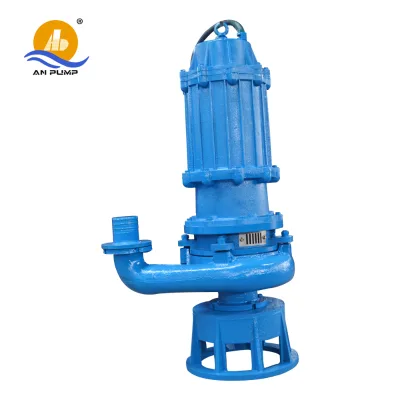
Suspended Centrifugal Pump Low Noise Slurry Pump Vertical Pond Submerged Sand Mud Slurry Pump
$1748.5435 - $1828.2566
MOQ: 1 sets
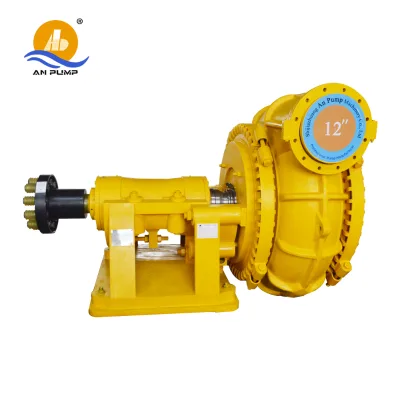
Trash Water Dry Sand Pumping Machine Sand Pump for Wet Sand Suction
$2434.00 - $2689.00
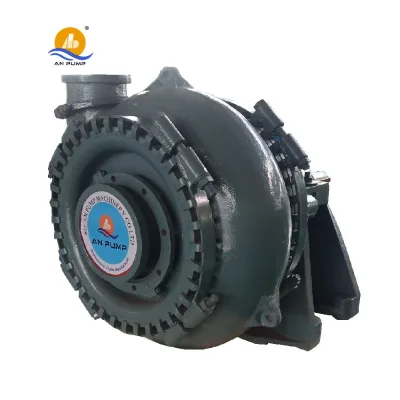
Shijiazhuang An Pump Machinery Co., Ltd.
- Verified by TüVRheinland
- Manufacturer, Trading Company
- Lead time7 days
- Avg. response≤ 2h
Main productsSlurry Pump, Sand Gravel Pump, Submersible Sewage Pump, Diesel Water Pump, Water Pump
Main marketsSoutheast Asia(25%), North America(15%), South America(15%)
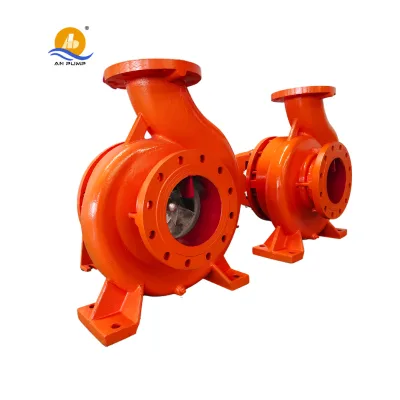
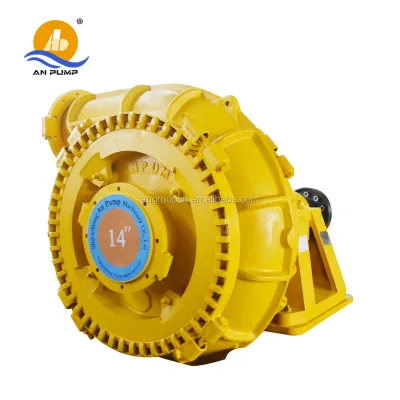
Centrifugal Pump Dredging Booster Pump for Marine Pumping Sand From Sea and River
$1290.7397
MOQ: 1 Minimum
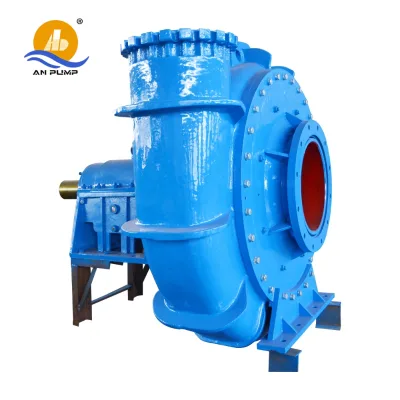
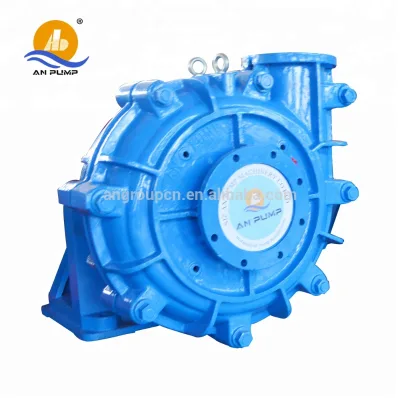

Shijiazhuang Sunbo Pump Co., Ltd.
- Verified by SGS
- Combined
- China Hebei
- Lead time15 days
- Avg. response≤ 9h
Main productsSlurry Pump, Centrifugal Pump, Sump Pump, Gravel Sand Pump, OEM Pump Parts, Heavy Duty Slurry Pump, Mineral Processing Pump, Horizontal Slurry Pump, Vertical Pump, High Pressure Slurry Pump
Main marketsSouth America,Europe,North America
Hebei Tengwei Pump Industry Co., Ltd
- Manufacturer
- Hebei, China
- Lead time7 days
- Avg. response≤ 3h
Main productssubmersible pump,pipeline pump,slurry pump,Clean water pump,Agricultural irrigation pump
Main marketsMid East(8.00%), Eastern Asia(8.00%), Central America(7.00%), Western Europe(7.00%), Eastern Europe(6.00%), Oceania(6.00%), Africa(6.00%), Northern Europe(5.00%), Southeast Asia(5.00%), South America(5.00%), Southern Europe(5.00%), South Asia(4.00%), Domestic Market(3.00%), North America(2.00%)
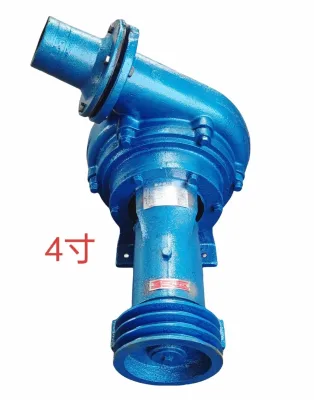
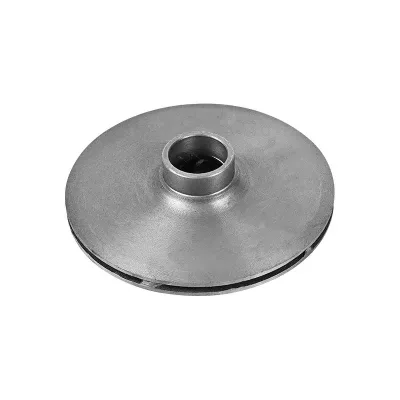
Centrifugal pump Water Pump Impeller
$30.00 - $35.00
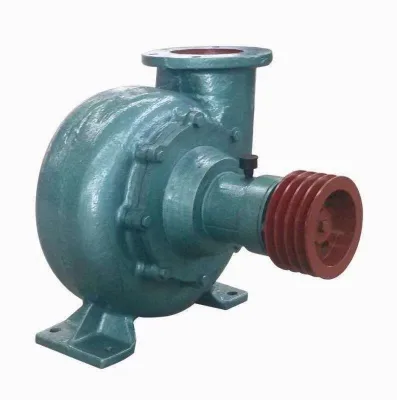
$450.00 - $530.00
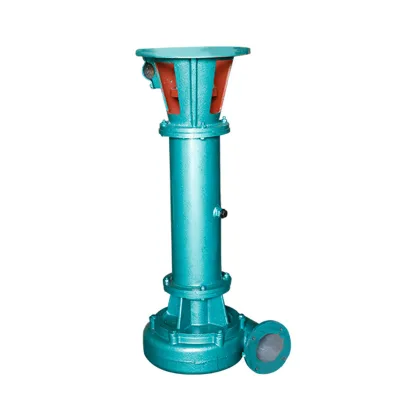
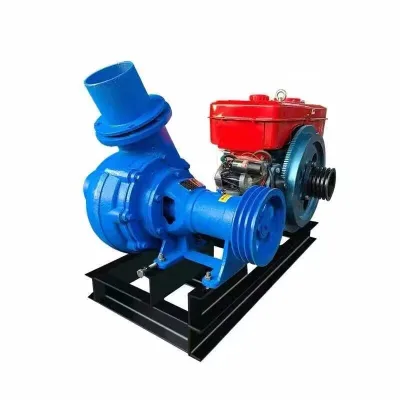
Hebei Zidong Pump Industry Co., Ltd.
- Manufacturer, Trading Company
- Hebei, China
- Lead time15 days
- Avg. response≤ 5h
Main productsslurry pump,dredging pump,sand pump,spare parts,mining pump
Main marketsSouthern Europe(8.33%), Northern Europe(8.33%), Central America(8.33%), Western Europe(8.33%), Eastern Asia(8.33%), Mid East(8.33%), Oceania(8.33%), Africa(8.33%), Southeast Asia(8.33%), Eastern Europe(8.33%), South America(8.33%), North America(8.33%)

Shijiazhuang Boda Industrial Pump Co., Ltd.
- Verified by BV
- Combined
- China Hebei
- Lead time30 days
- Avg. response≤ 10h
Main productsSlurry Pumps, Sewage Pumps, Submersible Pumps, Froth Pump, Dredging Pumps, Water Pumps, Fgd Pumps, Slurry Pump Parts, Chemical Pumps, Split Case Pump
Main marketsSouth America,Africa,Others(foreignTradeCapacity.exportBusinessCapacityMarketOther),Southeast Asia/ Mideast,Europe,North America
Depump Technology Shijiazhuang Co., Ltd.
- Verified by TüVRheinland
- Manufacturer, Trading Company
- Lead time30 days
- Avg. response≤ 1h
Main productsSlurry Pump, Submersible Pump, Chemical Pump, Water Pump, Sewage Pump
Main marketsSoutheast Asia(25%), Africa(14%), Oceania(10%)
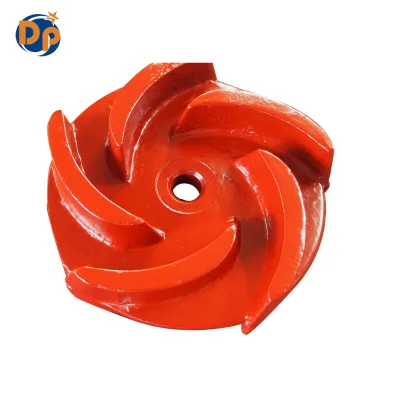
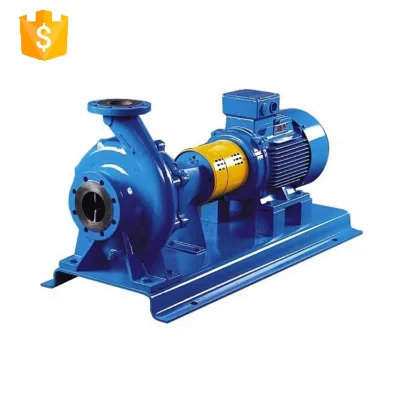
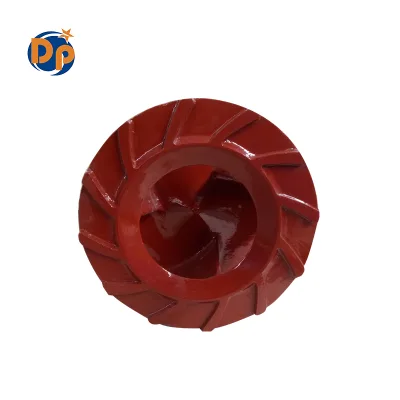
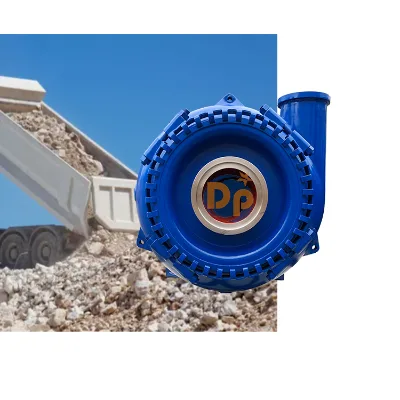
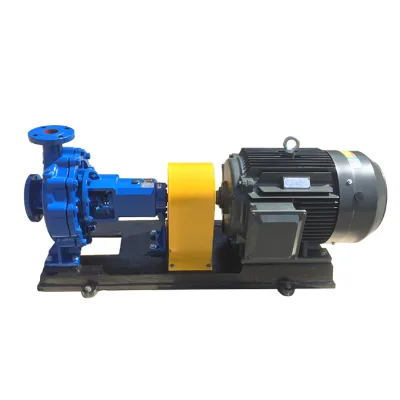
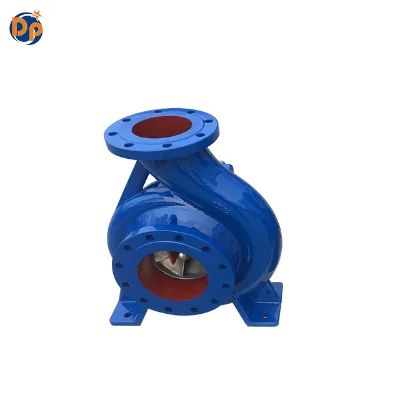
Abrasive Resistance Mining Dewatering Pump Centrifugal Gravel Dry Sand Pump
$1700.00 - $1750.00
- Verified by SGS Group
- Trading Company
- Lead time10 days
- Avg. response≤ 5h
Main productsAscorbic Acid, Citric Acid, Creatine, Saccharin Sodium, Monosodium Glutamate, Sodium Lauryl Ether Sulphate, Melamine, Xanthan Gum, Polyvinyl Chloride, Phosphoric Acid
Main marketsSouth Asia(60%), Eastern Europe(40%)
Taian Fine Environmental Protection Machinery Co., Ltd
- Trading Company
- Shandong, China
- Lead time15 days
- Avg. response≤ 10h
Main productsDredger,Sand pump,Pipeline,Mining Equipement,Water Pump
Main marketsAfrica(65.00%), Southeast Asia(20.00%), South Asia(5.00%), Western Europe(5.00%), Eastern Asia(5.00%)
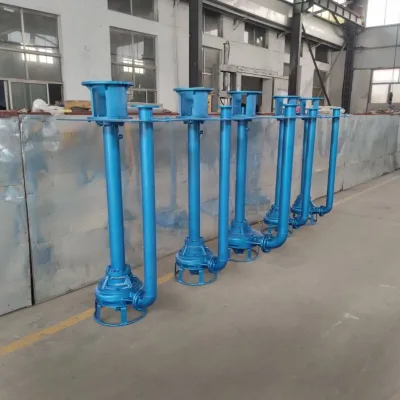
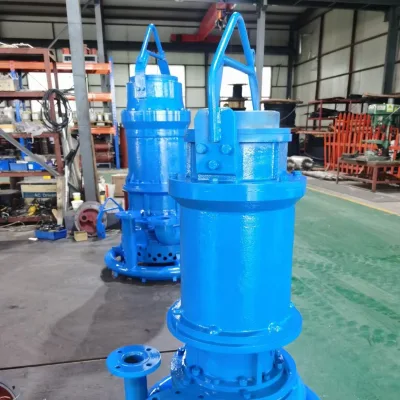
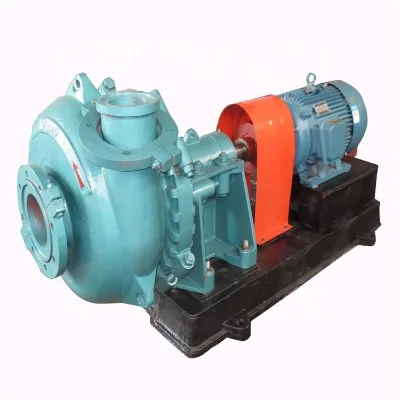
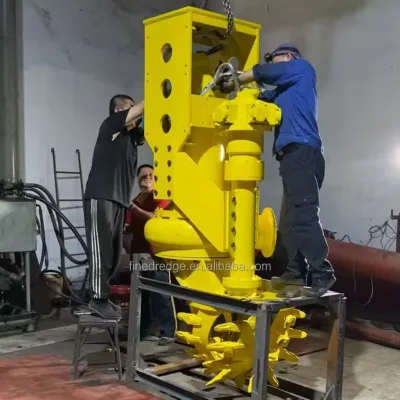
Centrifugal/submersible Slurry Pumping Tsurumi Vertical Submersible Sand Pump
$3065.4922
MOQ: 1 Minimum
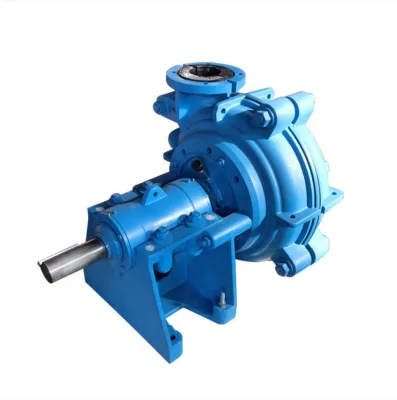
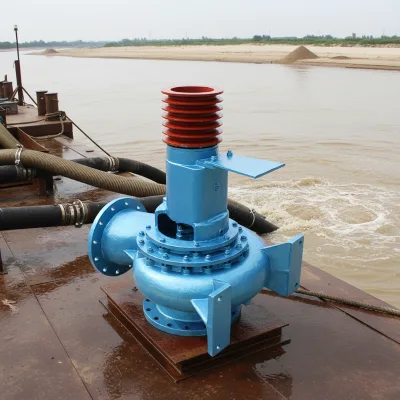
Coal Washing Industry Power Industry Centrifugal Slurry Pump Sand Mining Slurry Pump
$2049.234
MOQ: 1 Minimum

- Verified by TUVRHEINLAND
- Combined
- China Zhejiang
- Lead time23 days
- Avg. response≤ 5h
Main productsSanitary Valve, Rotary Lobe Pump, Diaphragm Valve, Sanitary Butterfly Valve, Twin Pump, Mix Proof Pump, Flow Control Valve
Main marketsEurope,Australia


Stainless Steel Close Impeller Centrifugal Pump for Sanitary Industry
$385.00 - $4350.00
MOQ: 1 Pieces

Stainless Steel Close Impeller Centrifugal Pump with Self Priming Function
$999.00 - $13889.00
MOQ: 1 Pieces

- Verified by TUVRHEINLAND
- Trading Company
- China Shandong
- Lead time30 days
- Avg. response≤ 4h
Main productsSlurry Pump, Dredge Pump, Submersible Pump, Jet Suction Dredger, Cutter Suction Dredger, Gravel Pump
Main marketsSouth America,Southeast Asia/ Mideast,Europe

Centrifugal Impeller Sand Dredge Pump Diesel Engine Sand Dredge Pump for Gravel
$9500.00
MOQ: 1 Pieces


Hebei Yongquan Motor Pump Manufacturing Co., Ltd.
- Verified by TüVRheinland
- Manufacturer, Trading Company
- Lead time30 days
- Avg. response≤ 5h
Main productsSlurry Pump, Diesel Pump, Pipeline Pump, Centrifugal Pump, Submersible Pump
Main marketsSoutheast Asia(18%), Eastern Asia(17%), Africa(16%)
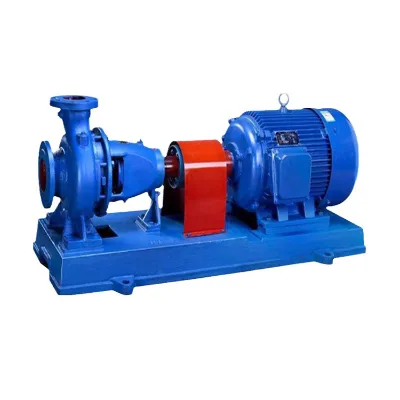
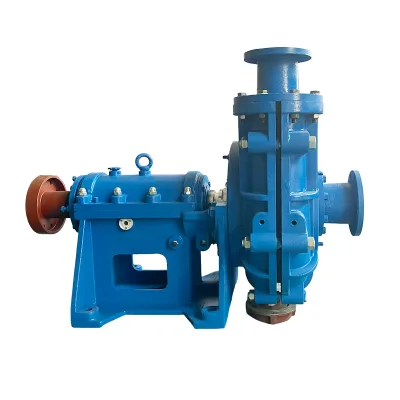
Hot Sale Driven Sand High Head Slurry Pump Closed Impeller Mining Slurry Pump
$700.00 - $1100.00
MOQ: 1 sets
Jiangsu Feixiang Electromechanical Manufacturing Co., Ltd.
- Manufacturer, Trading Company
- Jiangsu, China
- Lead time30 days
- Avg. response≤ 5h
Main productschemical pump,water pump,centrifugal pump,mechanical equipment,mechanical equipment
Main marketsMid East(30.00%), Southeast Asia(30.00%), Eastern Europe(30.00%)
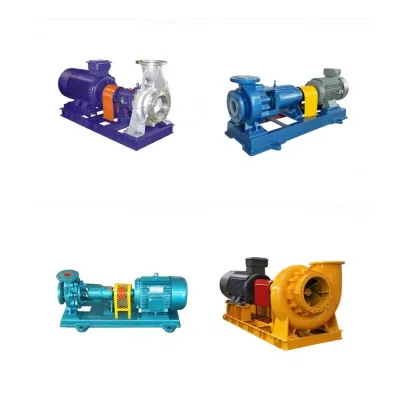
Heavy Duty Sand Mining Slurry Pump Pump Centrifugal Without Electric Motor Centrifuagl Water Pump
$300.00 - $800.00
MOQ: 1 sets
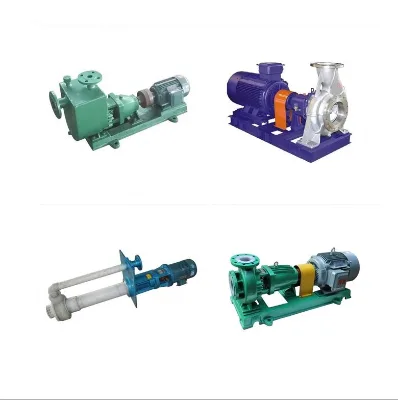
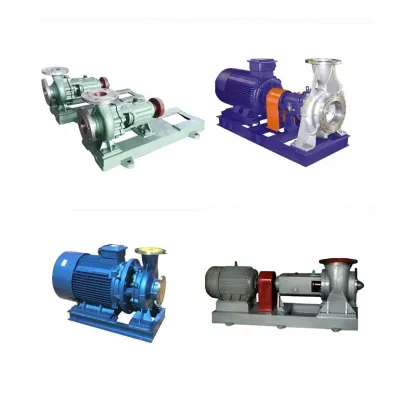
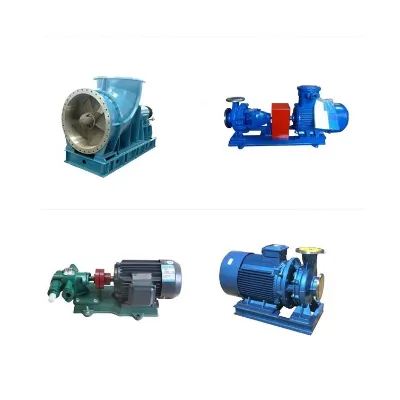
Dry Sand Transfer Pump Centrifugal Slurry Pump Dredging Suction Pump for Removing Gravel
$310.1444 - $827.0518
MOQ: 1 sets
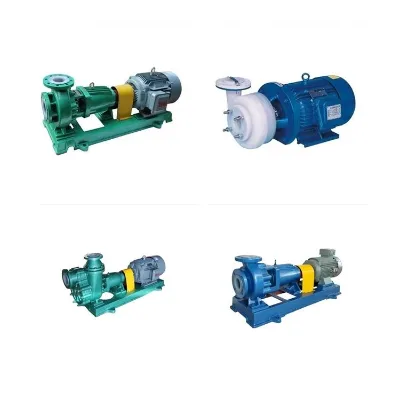
Industrial Centrifugal Water Pump Circulating Centrifugal Pump for Seawater
$1850.00 - $1950.00
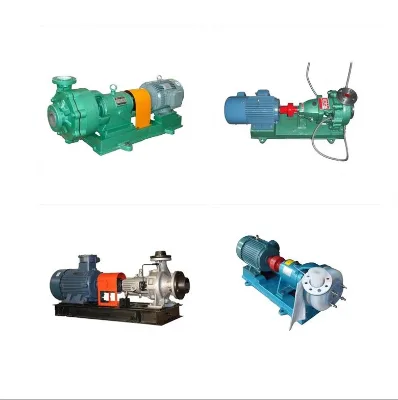

Shijiazhuang Naipu Pump Co., Ltd.
- Verified by SGS
- Manufacturer/Factory
- China Hebei
- Lead time23 days
- Avg. response≤ 6h
Main productsSlurry Pump, Slurry Pump Parts, OEM Pumps, Sand Pump, Froth Pump, Dredging Pump, Submersible Slurry Pump, Water Pump, Sewage Pump, Cast Parts
Main marketsSouth America,Eastern Europe,Mid East,North America,Southeast Asia,Eastern Asia,Oceania,Western Europe,Africa

Beloni (Jiangsu) Pump Manufacturing Co., Ltd.
- Verified by SGS
- Combined
- China Jiangsu
- Lead time15 days
- Avg. response≤ 2h
Main productsChemical Pumps, Axial Flow Pump, Centrifugal Pump, Self-Priming Pump, High Pressure Oil Pump, Diesel Pump, Slurry Pump, Bb Seires Chemical Pump, Vertical Pipeline Pump, Submersible Pump
Main marketsDomestic


Closed Impeller Centrifugal Axial Flow Pump for Oil Transfer Operations
$500.00 - $50000.00
MOQ: 1 pcs


High Pressure Submersible Centrifugal Pump for Sand Slurry Applications
$500.00 - $50000.00
MOQ: 1 pcs

Circulating Low Pressure Submersible High Prosess Centrifugal Sand Chemical Pump with Good Service
$500.00 - $50000.00
MOQ: 1 pcs
- Verified by TüVRheinland
- Trading Company
- Lead time25 days
- Avg. response≤ 8h
Main productsSand Dredger, Sand Pump, Slurry Pump, Dredging Equipment, Dredge Pump
Main marketsSoutheast Asia(35%), Africa(25%), South Asia(10%)

Shandong E-Touch Shipping Engineering Co., Ltd.
- Verified by SGS
- Trading Company
- China Shandong
- Lead time30 days
- Avg. response≤ 1h
Main productsDredger, Dredge Pump, Sand Pump, Cutter Suction Dredger, Dredging Pipe, Pipe Floater, Dredging Hose, Self Floating Hose, Crane, HDPE Pipe
Main marketsSouth America,Africa,Southeast Asia/ Mideast,Europe,Australia,North America
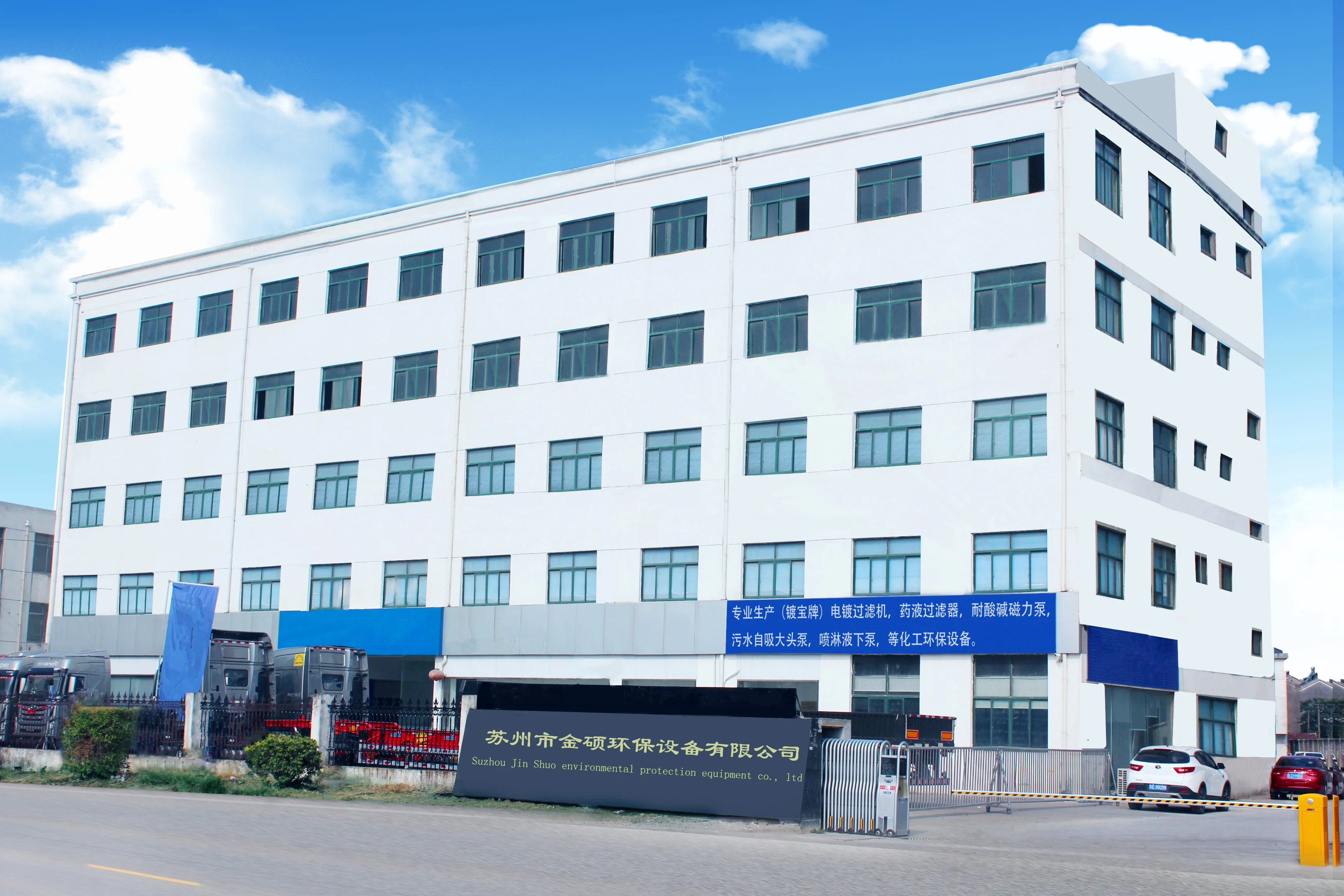
Jinshuo Environmental Protection Equipment Co., Ltd.
- Manufacturer
- Jiangsu, China
- Lead time7 days
- Avg. response≤ 10h
Main productsMagnetic Pump,Self-Priming Pump,Vertical Pump,Diaphragm Pump,Chemical Filter
Main marketsDomestic Market(75.00%), Southeast Asia(8.00%), Mid East(3.00%), North America(3.00%), South America(2.00%), Eastern Europe(2.00%), South Asia(2.00%), Oceania(1.00%), Africa(1.00%), Southern Europe(1.00%), Northern Europe(1.00%), Western Europe(1.00%)

Shandong Rongye Machinery Co., Ltd.
- Verified by TUVRHEINLAND
- Trading Company
- China Shandong
- Lead time0 days
- Avg. response≤ 2h
Main productsOilfield Drill Equipment, Tools Drill Rig Mud Pump Supplier, Spares for Drill Rig, Spares for Mud Pump, Solid Control System, Spares for Solid Control System, Pumping Unit, Drill Rig, Mud Pump

Shijiazhuang Longteng Machinery Co., Ltd.
- Verified by BV
- Manufacturer/Factory
- China Hebei
- Lead time0 days
- Avg. response≤ 3h
Main productsSlurry Pump and Parts, A05 Pump Parts, Gravel Pump, Mining Pump, OEM Slurry Pump
Main marketsSouth America,North America,Southeast Asia,Oceania,Africa

High Head Slurry/Solid/Sand Pump with Closed Impeller for Mining Slurry Pumping
$2000.00 - $9000.00
MOQ: 1 SET


- Manufacturer, Trading Company
- Hebei, China
- Lead time30 days
- Avg. response≤ 2h
Main productsPump
Main marketsDomestic Market(100.00%)
Denor Import And Export (hubei) Co., Ltd.
- Verified by TüVRheinland
- Manufacturer, Trading Company
- Lead time15 days
- Avg. response≤ 2h
Main productsSewage Lift Station, Submersible Sewage Pump, Axial Flow Pump, Sewage Grinder, Stainless Steel Mixing Tank
Main marketsNorth America(40%), Southeast Asia(30%), Eastern Europe(20%)
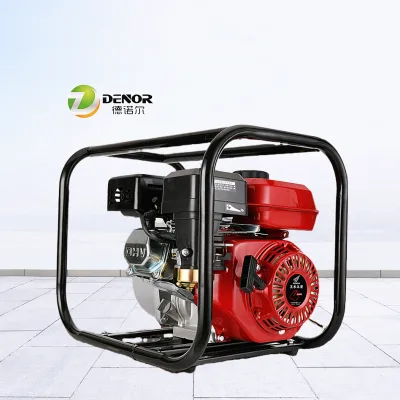
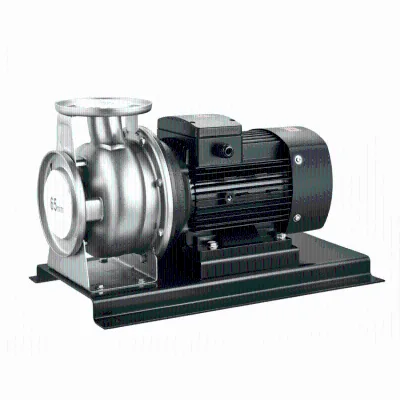
High Performance Submersible Centrifugal Pump for Mining Sewage Sand & Mud for Drinking Water Pump
$365.8775 - $397.2396
MOQ: 1 pieces

Shaanxi Xixian New Area Zhongcheng Machinery Manufacturing Co., Ltd.
- Verified by BV
- Manufacturer/Factory
- China Shaanxi
- Lead time15 days
- Avg. response≤ 4h
Main productsShale Shaker, Centrifuge, Agitator, Sand Pump, Desilter, Mud Cleaner, Petroleum Equipment, Desander, Drilling Waste Management, Solid Control System
Main marketsSouth America,Eastern Europe,Mid East,North America,Southeast Asia,Eastern Asia,Oceania,Western Europe,Africa

Oilfield Drilling Solid Control Equipment Sand Pumps Centrifugal Pump
$2500.00 - $5000.00
MOQ: 1 Pieces

Oilfield Centrifugal Pump with Abrasion-Resistant Design for Sand Handling
$2500.00 - $5000.00
MOQ: 1 Pieces

Wear Resistant Centrifugal Sand Pump for Oilfield Solid Control System Service
$2500.00 - $5000.00
MOQ: 1 Pieces

Centrifugal Pump Mud Sand Pump Solids Control Petroleum Equipment Shearing Pump
$2500.00 - $5000.00
MOQ: 1 Pieces
Hebei Dehuike Pump Industry Co., Ltd.
- Verified by SGS Group
- Manufacturer, Trading Company
- Lead time15 days
- Avg. response≤ 1h
Main productsExcavator Sand Pump, Submersible Sand Pump, Irrigation Pump, Slurry Pump, Sewage Pump
Main marketsAfrica(20%), South America(20%), North America(20%)
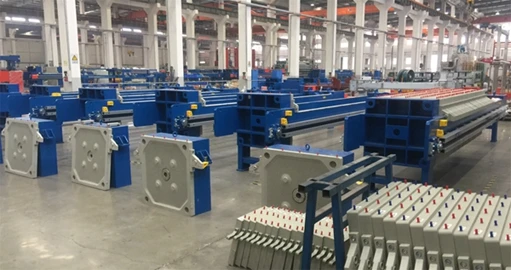
Hangzhou Chayo Environmental & Technology Co., Ltd.
- Trading Company
- Zhejiang, China
- Lead time30 days
- Avg. response≤ 4h
Main productsfilter press,filter plate,pipe fitting,pumps,valves
Main marketsDomestic Market(15.00%), North America(10.00%), Western Europe(10.00%), Mid East(10.00%), South Asia(10.00%), Southern Europe(10.00%), Eastern Europe(10.00%), South America(10.00%), Central America(5.00%), Africa(5.00%), Southeast Asia(5.00%)










Comprehensive Sourcing Guide
Closed Impeller Centrifugal Sand Pump Supplier Concentration and Factory Types
The current supplier landscape for closed impeller centrifugal sand pumps reveals a distinct split between trading companies and direct manufacturers, each offering different value propositions for procurement teams. Data indicates that suppliers are primarily located in China, with specific manufacturing hubs identified in Shandong and Shaanxi provinces. In Shandong, the available results highlight trading companies that facilitate access to wellhead tools, cementing tools, and downhole equipment, suggesting a robust ecosystem for oilfield hardware distribution. These entities often serve as intermediaries, aggregating products from various factories to provide a broader catalog to international buyers. Conversely, suppliers in Shaanxi are explicitly categorized as manufacturers or factories, indicating a direct production capability for solid control systems, drilling tools, and mud pumps. This geographic concentration allows buyers to target specific regions based on whether they prioritize supply chain breadth through traders or direct factory engagement for customized manufacturing. Understanding this dichotomy is crucial for sourcing strategies, as the operational model of the supplier directly impacts pricing structures, communication efficiency, and the ability to handle complex engineering requests.
Factory types vary significantly in their technical capabilities and service offerings, which must be evaluated against specific project requirements. Manufacturer-suppliers in the current results demonstrate capabilities in OEM and ODM services, allowing for substantial customization of pump models such as the BBSB12J and SB series. These factories often possess specific system certifications, including ISO 14001, ISO 9001, and HSE standards, which are critical for compliance in rigorous oilfield and mining environments. The presence of specialized main products like steel wire rope, well control equipment, and fishing tools alongside sand pumps suggests that these manufacturers offer integrated solutions rather than isolated components. Trading companies, while lacking direct manufacturing labels, may still provide verified products with certifications like ISO 9001 and CE, ensuring quality standards are met even if the supply chain involves multiple layers. Buyers must assess whether the need for direct factory interaction outweighs the potential convenience and consolidated logistics offered by trading entities, particularly when dealing with high-volume orders or complex technical specifications that require immediate engineering support.
How to Verify Closed Impeller Centrifugal Sand Pump Suppliers
Verification of supplier credentials is a critical step in mitigating risk when sourcing industrial pumps, and third-party audit reports provide tangible evidence of operational legitimacy. The current data shows that some suppliers hold BV (Bureau Veritas) verification, while others possess SGS verification, indicating independent assessment of their business practices and product quality. These verifications serve as a baseline for trust, confirming that the entity exists and operates within defined parameters. Beyond basic business registration, buyers should scrutinize system certifications such as ISO 9001, which is frequently cited across product listings for sand pumps. This certification ensures that the supplier maintains a consistent quality management system, which is essential for producing durable equipment like centrifugal sand pumps that operate under demanding conditions. Additionally, the presence of ISO 14001 and HSE certifications among manufacturer-suppliers highlights a commitment to environmental management and health and safety standards, which are increasingly important for global compliance and corporate social responsibility requirements. Buyers must request and validate these certificates directly, ensuring they are current and applicable to the specific products being ordered.
Product-specific attributes and technical documentation further validate a supplier’s capability to deliver the required equipment. Detailed product properties, such as material composition (e.g., stainless steel, alloy steel, cast steel), power sources, and operating pressures, provide insight into the engineering rigor applied to the pumps. For instance, specifications indicating vacuum or atmospheric pressure operation, along with electric power sources, help buyers assess suitability for their specific application. The availability of customization options, as noted in several product listings, suggests that the supplier has the flexibility to adapt designs to unique client needs. Buyers should verify that the stated certifications and material grades match the physical products received, potentially through pre-shipment inspections or third-party testing. Furthermore, response times, such as those recorded at 2.57 or 3.11 hours, can indicate the responsiveness of the technical and sales teams, which is vital for resolving queries quickly. A supplier’s ability to provide detailed technical data, including flow rates, lift heights, and motor power, demonstrates a higher level of professionalism and technical competence compared to those offering minimal product information.
What to Compare Across Closed Impeller Centrifugal Sand Pump Suppliers
When evaluating multiple suppliers, comparing lead times and production capacities is essential for aligning procurement with project schedules. The current results show a wide variance in lead times, ranging from zero days for some manufacturer-suppliers to 45 days for others, and 23 days for trading companies. This disparity likely reflects differences in inventory levels, production complexity, and order volume. Suppliers with shorter lead times may maintain stock of standard models, such as the SM or SB series, while those with longer lead times might be producing to order or handling larger, more complex configurations. Buyers must assess whether the quoted lead time includes manufacturing, testing, and packaging, or if it represents only the production phase. Additionally, the minimum order quantity (MOQ) varies significantly, with some suppliers requiring as few as one unit, while others mandate orders of twenty units or more. This variation impacts the total cost of ownership, especially for smaller projects or spare parts procurement, where high MOQs can lead to excess inventory and tied-up capital.
Price and customization options are other critical dimensions for comparison, directly influencing the budget and technical fit of the procurement. Price ranges for sand pumps in the current data span from $400 to $30,000, reflecting differences in material quality, power output, and brand positioning. For example, basic models may start at lower price points, while high-efficiency closed impeller pumps with specific features like diesel engines or custom sizes command higher prices. Buyers should compare not just the unit price but also the total cost, including shipping, tariffs, and potential customization fees. The availability of customization, such as adjustable sizes, colors, or specific motor powers, adds value but may increase costs and lead times. Suppliers offering OEM/ODM services provide greater flexibility for unique requirements, whereas those with fixed models offer faster delivery and potentially lower prices. It is crucial to request detailed quotations that break down these costs to ensure a fair comparison. Additionally, comparing the scope of main products offered can reveal a supplier’s expertise; those specializing in comprehensive solid control systems may offer better integration support than those selling isolated pumps.
Common Closed Impeller Centrifugal Sand Pump Sourcing Risks
One significant risk in sourcing sand pumps is the discrepancy between advertised specifications and actual product performance, particularly regarding material durability and operational efficiency. Listings may claim certifications like ISO 9001 or CE, but without rigorous verification, there is a risk that the materials used, such as cast steel or alloy steel, do not meet the stated standards for wear resistance or pressure handling. For instance, a pump advertised with a high flow rate of 320 M3/H and a lift of 40m might underperform in real-world conditions if the manufacturing process, such as casting or forging, is substandard. Buyers face the risk of equipment failure in critical applications like oilfield drilling or mining, leading to costly downtime and safety hazards. This risk is exacerbated when dealing with trading companies that may not have direct oversight of the manufacturing process, potentially leading to inconsistencies in quality control. To mitigate this, buyers must insist on detailed technical datasheets and, if possible, conduct factory audits or third-party inspections to verify that the physical products match the advertised specifications.
Another risk involves logistical and communication challenges, particularly when dealing with suppliers in different regions or with varying response capabilities. The current data shows response times ranging from approximately 2.5 to 5 hours, which can impact the speed of issue resolution and order processing. Delays in communication can lead to misunderstandings regarding technical requirements, shipping details, or payment terms, resulting in errors that are costly to rectify. Additionally, lead time variability, from immediate availability to 45 days, can disrupt project timelines if not accurately accounted for in the procurement plan. Buyers may also encounter risks related to packaging and shipping, as improper packing, such as using inadequate wooden cases or pallets, can lead to damage during transit. The risk of receiving products that do not fit the required dimensions or specifications is heightened when customization is involved, as errors in the manufacturing process can result in non-conforming goods. To address these risks, buyers should establish clear communication protocols, request detailed shipping and packaging specifications, and include penalty clauses for delays or non-compliance in their contracts.
Closed Impeller Centrifugal Sand Pump Regional Sourcing and Logistics
Sourcing from China offers access to a mature industrial ecosystem for sand pumps, with key manufacturing clusters in Shandong and Shaanxi provinces providing distinct advantages. Shandong suppliers, often operating as trading companies, benefit from established logistics networks and a wide variety of available products, including wellhead tools and rig spares. This region’s focus on trading facilitates easier access to a diverse range of suppliers, potentially simplifying the procurement process for buyers seeking multiple components from a single source. However, the trading model may introduce additional layers in the supply chain, potentially affecting lead times and price transparency. In contrast, Shaanxi-based manufacturers offer direct access to production facilities, which can result in better control over quality and customization. These manufacturers often specialize in solid control systems and downhole tools, leveraging local expertise in oilfield equipment production. Buyers must consider the logistical implications of sourcing from these regions, including transportation costs, customs clearance procedures, and the reliability of local shipping partners.
Logistics planning must account for the specific requirements of heavy industrial equipment, such as centrifugal sand pumps, which often require specialized packaging and handling. The current data indicates various packing methods, including plywood boxes, wooden cases, and pallets, each with different implications for shipping safety and cost. Buyers should ensure that the supplier’s packaging standards meet international shipping requirements to prevent damage during transit. Additionally, the weight and dimensions of the pumps, such as those weighing 196 kg with specific dimensions, must be considered when calculating freight costs and selecting appropriate shipping modes. Sea freight is typically the most cost-effective option for large orders, while air freight may be necessary for urgent spare parts. Buyers should also be aware of potential tariffs and import duties in their destination countries, which can significantly impact the total landed cost. Establishing a clear understanding of Incoterms, such as FOB or CIF, is crucial for defining responsibilities for shipping and insurance. Collaborating with experienced freight forwarders who specialize in industrial equipment can help streamline the logistics process and mitigate risks associated with international shipping.
Closed Impeller Centrifugal Sand Pump Commercial Terms and Order Planning
Commercial terms and order planning are pivotal for ensuring a smooth procurement process and managing financial risks. The current data reveals a wide range of prices, from $400 to $30,000, which necessitates careful budgeting and cost analysis. Buyers should request detailed quotations that include all costs, such as manufacturing, packaging, shipping, and insurance, to avoid unexpected expenses. Payment terms, such as letters of credit or escrow services, can provide security for both parties, ensuring that funds are released only upon satisfactory delivery and inspection of the goods. It is essential to negotiate clear terms regarding warranties, after-sales support, and return policies, particularly for customized products. Suppliers offering 7*24-hour service, as indicated in some listings, provide an added layer of support for troubleshooting and maintenance, which can be valuable for minimizing downtime in critical operations. Buyers should also consider the total cost of ownership, including energy consumption and maintenance requirements, when evaluating the economic viability of
FAQs
What is the price range for centrifugal sand pumps?
Prices typically range from $400 to $30,000 depending on specifications. Basic models start around $400, while heavy-duty units with higher flow rates or specialized materials can reach up to $30,000. Buyers should verify exact costs based on material choices like stainless steel or cast iron.
What certifications are available for these pumps?
Many suppliers offer ISO 9001 certification, with some providing additional CE marks. These certifications ensure quality management systems are in place. Buyers should request valid certificates to confirm compliance with international standards before placing orders for drilling or mining applications.
What is the typical lead time for delivery?
Lead times vary significantly, ranging from zero days for stock items to 45 days for custom manufacturing. Most suppliers indicate a standard production window of around 23 days. Buyers should confirm specific timelines with the supplier to align with project schedules.
What is the minimum order quantity required?
MOQs generally range from one set to twenty units. Some suppliers accept single-unit orders for testing, while others require a minimum of twenty for standard models. Buyers should check specific product listings to determine the applicable MOQ for their procurement needs.
Where are these pumps manufactured?
Manufacturing locations are primarily in China, specifically in Shandong and Shaanxi provinces. These regions host both trading companies and direct manufacturers. Buyers can verify origin details to assess logistics costs and supply chain reliability for international shipments.
What materials are used in construction?
Common materials include stainless steel, alloy steel, and cast steel. The choice depends on the application, such as oilfield drilling or mining. Buyers should select materials based on corrosion resistance and durability requirements for their specific operational environment.