Rechargeable Lithium Battery Chain Saw Suppliers and Manufacturers
Source 30 verified suppliers for rechargeable lithium battery chain saws. Compare key dimensions including ISO and CE certifications, lead times from 15 to 45 days, and pricing ranges. Contact suppliers directly to request quotes and verify OEM capabilities; review the available evidence before requesting comparable quotations from suitable candidates.
Updated
Suppliers List

NINGBO AUTOOL IMPORT AND EXPORT CO., LTD.
- Verified by BV
- Trading Company,Manufacturer/Factory
- China Zhejiang
- Lead time45 days
- Avg. response≤ 7h
Main productsCordless Impact Wrench, Hydraulic Jack, Tool Cabinet
Main marketsEastern Europe,Mid East,Southeast Asia,Eastern Asia,Western Europe


4 Inch Rechargeable Lithium Battery Cordless Chain Saw Brushless Cordless Chainsaw
$22.00 - $28.50
MOQ: 500 Pieces

Taizhou Kesiwo Garden Tools Co., Ltd.
- Verified by SGS
- Trading Company,Manufacturer/Factory
- China Zhejiang
- Lead time23 days
- Avg. response≤ 11h
Main productsPower Sprayer, Water Pump, Brush Cutter, Seeder, Multi-Function Weeder, Tiller, Garden Tools, Saw, Earth Augur, Lithium Battery Scissors
Main marketsSouth America,Eastern Europe,Mid East,North America,Southeast Asia,Eastern Asia,Oceania,Western Europe,Africa

High Power Electric Chain Saw Lithium Chainsaw Rechargeable Chainsaw Lithium Battery Logging Saw
$43.00 - $50.00
MOQ: 1 Pieces


High Quality and Efficiency 20V Garden Cordless Rechargeable Lithium Battery Chain Saw
$45.00 - $50.00
MOQ: 2 Pieces


Tianchang Renlong Machinery Co.,Ltd
- Verified by TUVRHEINLAND
- Combined
- China Anhui
- Lead time15 days
- Avg. response≤ 5h
Main productsChainsaw, Brush Cutter, Go-Karting, Hedge Trimmer, Water Pump, Earth Auger, Tiller, Garden Tools, Garden Tools Spare Parts
Main marketsAfrica


21V Lithium Chainsaw with Strong Power Electric Saw Used for Building Tree Branches
$20.50 - $23.50
MOQ: 50 PCS

Zhejiang Thrive Trading Co., Ltd.
- Trading Company
- Zhejiang, China
- Lead time35 days
- Avg. response≤ 3h
Main productsGarden Tools,Power Tools,Magnetic Materials,Garden Machines,Spare Parts
Main marketsSouth America(35.00%), South Asia(10.00%), Southeast Asia(10.00%), Eastern Europe(10.00%), Oceania(5.00%), Southern Europe(5.00%), Northern Europe(5.00%), Central America(5.00%), Western Europe(5.00%), Eastern Asia(5.00%), Mid East(5.00%)
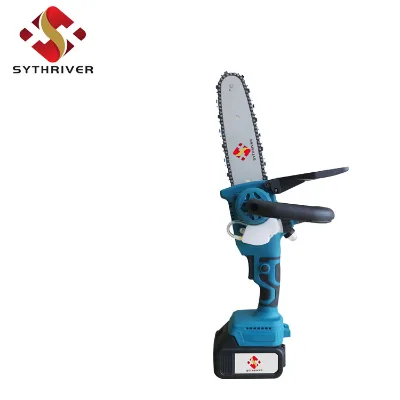
Pocket Rechargeable Portable Battery Operated Tree Chain Saw
$36.90 - $49.00
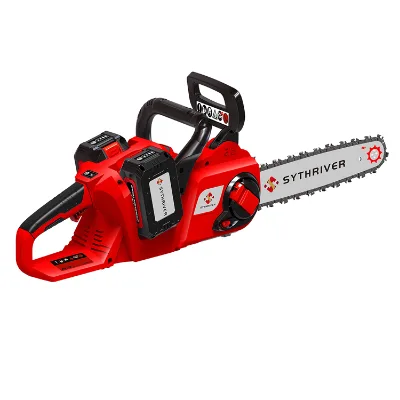
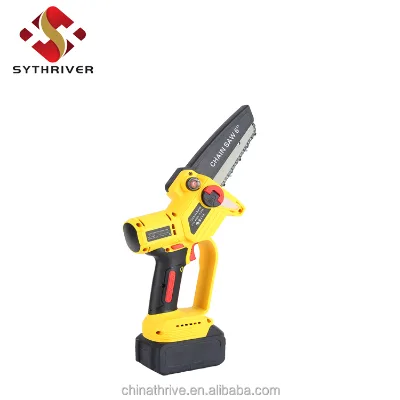
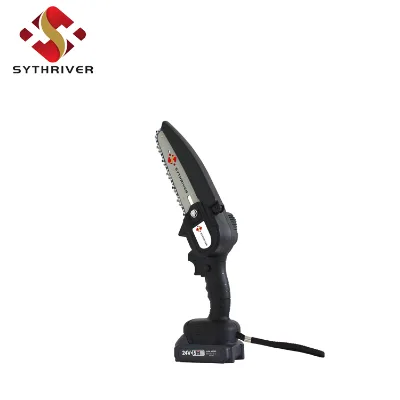
Battery Power 6 Inch Chain Saw Garden Tools
$19.90 - $30.00

Fuzhou Teamax Power Technology Co., Ltd.
- Verified by CTI
- Trading Company,Manufacturer/Factory
- China Fujian
- Lead time45 days
- Avg. response≤ 16h
Main productsChain Saw, Brush Cutter, Lawn Mower, Earth Auger, Power Sprayer, Mist Duster, Mini Tiller, Vacuum & Blower, Hedge Trimmer, Gasoline Water Pump
Main marketsSouth America,Mid East,Southeast Asia,Oceania,Africa

Lithium Battery Chain Saw Cordless Chain Saw Cordless Electric Chainsaw Li-ion Battery Chain Saw
$29.00 - $32.00
MOQ: 100 Pieces

TM-CS442li Cordless Chain Saw Power Tools Cutting Tool Battery Chainsaw Electrical Rechargeable Saw
$30.00 - $50.00
MOQ: 200 Pieces

Lithium Battery Chain Saw Cordless Li-ion Battery Chain Saw TM-CS402li-4"/6"
$29.00 - $32.00
MOQ: 100 Pieces

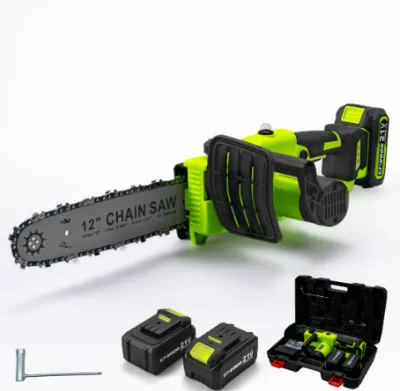
12" Lithium Battery Chain Saw 21V Cordless Brushless Chainsaw Wood Cutting
$36.00 - $49.00
MOQ: 100 Pieces

16" Lithium Battery Chain Saw 42V Powerful Cordless Brushless Chainsaw
$36.00 - $49.00
MOQ: 100 Pieces

16" Lithium Battery Chain Saw 42V Cordless Brushless Chainsaw Garden Wood Cutting
$36.00 - $49.00
MOQ: 100 Pieces
Yongkang Jiemeida Industry & Trade Co., Ltd.
- Verified by SGS Group
- Manufacturer, Trading Company
- Lead time20 days
- Avg. response≤ 4h
Main productsChain Saw, Trimmer Head, Trimmer Line, Chain, Brush Cutter
Main marketsEastern Europe(50%), North America(30%), Southeast Asia(10%)

Yongkang Qingwei Industry & Trade Co., Ltd.
- Manufacturer, Trading Company
- Zhejiang, China
- Lead time15 days
- Avg. response≤ 23h
Main productselectric tools,electric saw,chainsaw,electric drill,electric grinder
Main marketsDomestic Market(20.00%), Mid East(20.00%), Northern Europe(10.00%), Central America(10.00%), Western Europe(10.00%), Eastern Asia(10.00%), Southern Europe(10.00%), South America(5.00%), North America(5.00%)
Shanghai Maxin Industry Co., Ltd.
- Trading Company
- Shanghai, China
- Lead time45 days
- Avg. response≤ 7h
Main productsElectric Drill,Impact Drill,Marble Cutter,Angle Grinder,Cut-off Machine
Main marketsSouth Asia(30.00%), Southeast Asia(20.00%), Mid East(20.00%), Eastern Europe(10.00%), Eastern Asia(10.00%), South America(5.00%), Africa(5.00%)
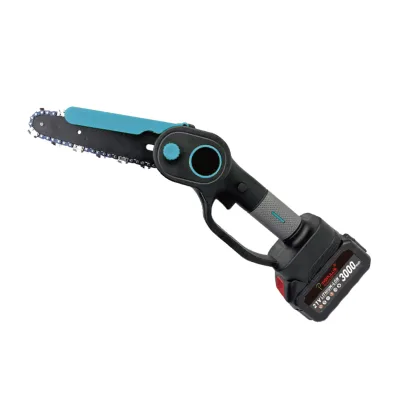
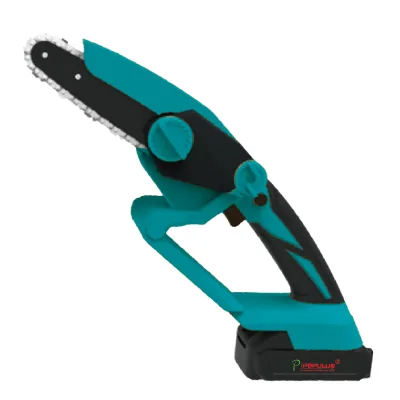
Portable Cordless Mini 21V Rechargeable 6inch Chain Saw Power Mini Lithium Battery Chainsaw
$10.6276 - $19.5856
MOQ: 10 pieces

Shanghai Maxin Industry Co., Ltd.
- Trading Company
- China Shanghai
- Lead time23 days
- Avg. response≤ 11h
Main productsElectric Drill, Electric Tool, Impact Drill, Angle Grinder, Rotary Hammer, Demolition Hammer, Cutting Machine, Air Tools, Garden Tools, High Pressure Washing
Main marketsSouth America,Africa,Southeast Asia/ Mideast,East Asia(Japan/ South Korea),Domestic,Europe,Australia,North America
Hangzhou Dingjun Import And Export Co., Ltd.
- Verified by SGS Group
- Trading Company
- Lead time12 days
- Avg. response≤ 1h
Main productsSpray Machine, Spray Gun, Power Tools, Polishing Machine, Garden Tools
Main marketsNorth America(30%), Eastern Europe(10%), Western Europe(10%)
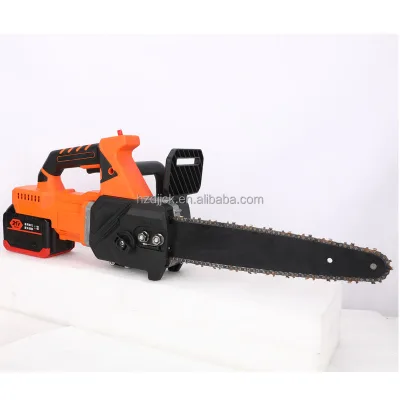
$35.8397 - $36.8629
MOQ: 1 pieces
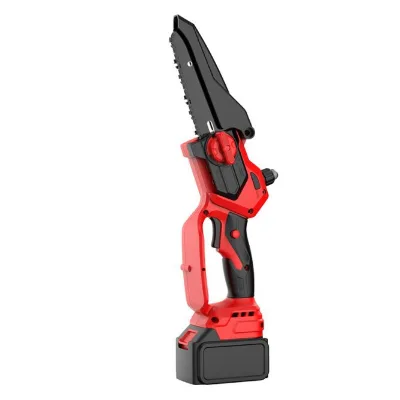
$23.6981 - $26.7889
MOQ: 1 pieces

Zhejiang Oliver Gear Manuafacturing Co.ltd
- Manufacturer, Trading Company
- Zhejiang, China
- Lead time15 days
- Avg. response≤ 3h
Main productsRotary Hammer, Demolition Hammer, Electric Rrill, Cordless Wrench, Cordless Angle Grinder
Main marketsDomestic Market(43.00%), South America(19.00%), North America(13.00%), South Asia(6.00%), Central America(5.00%), Eastern Europe(4.00%), Africa(3.00%), Mid East(3.00%), Western Europe(2.00%), Southeast Asia(2.00%)
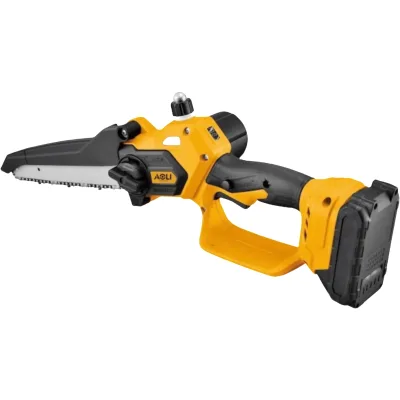
High Quality Chainsawcordless Battery Chain Saws Sustainable and Stable Lithium Chainsaw
$21.5933 - $30.1683
MOQ: 1 sets
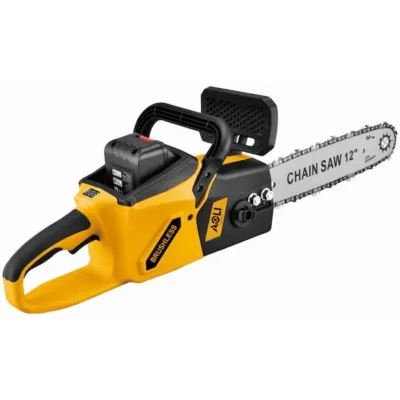
High Quality Garden Brushless Saw Power Tools Machine Price Cordless Electric Chain Saw
$31.5327 - $43.9016
MOQ: 1 sets
Fuzhou Hongtianjin Trading Co., Ltd.
- Verified by TüVRheinland
- Trading Company
- Lead time15 days
- Avg. response≤ 2h
Main productsLithium Electric Wrench, Lithium Hand Drill, Lithium Laser Level, Lithium Hair Dryer, Lithium Electric Screwdriver
Main marketsWestern Europe(45%), North America(35%), Mid East(20%)

- Verified by SGS
- Combined
- China Jiangsu
- Lead time30 days
- Avg. response≤ 4h
Main productsPower Drill, Cordless Tools, Cordless Chainsaw, Battery Tools, Lithium Battery Tool, Cordless Drill, Cordless Impact Drill, Cordless Impact Wrench, Cordless Angle Grinder, Cordless Blower
Main marketsEast Asia(Japan/ South Korea)

Lithium Battery 20V Saw Hand-Held Chain Saw Rechargeable Outdoor Logging Electric Chainsaw
$17.50 - $22.75
MOQ: 1 Pieces

$17.50 - $22.75
MOQ: 1 Pieces

Wosai Mini Lithium 4/6 Inch Cordless Electric Portable Battery Saw Chainsaw
$17.50 - $22.75
MOQ: 1 Pieces

Electric Cordless 20V Mini Portable Cheap Prices China Lithium Chainsaw Chain Saw for Wood Sawmill
$17.50 - $22.75
MOQ: 1 Pieces
Xi 'an Linya Cement Sales Co., Ltd.
- Trading Company
- Shaanxi Province, China
- Lead time10 days
- Avg. response≤ 4h
Main productslawn mowers
Main marketsNorth America(80.00%), South America(15.00%), Eastern Europe(5.00%)

Zhejiang O O Power Machinery Co., Ltd.
- Verified by SGS
- Combined
- China Zhejiang
- Lead time30 days
- Avg. response≤ 3h
Main productsChain Saw, Brush Cutter, Hedge Trimmer, Lawn Mower, High Pressure Washer, Earth Auger, Chainsaw, Grass Trimmer, Gasoline Chain Saw, Pressure Washer
Main marketsSouth America,Southeast Asia/ Mideast,Europe,North America

21V Portable Battery Cordless Chain Saw Electric Lithium Mini Chainsaw
$24.00 - $27.00
MOQ: 100 Pieces

42V Portable Battery Cordless Chain Saw Electric Lithium Mini Chainsaw
$47.00 - $53.00
MOQ: 100 Pieces

Small Electric Battery Chainsaws Operated Cordless Saws Powerful Lithium Chain Saw
$29.00 - $39.00
MOQ: 300 Pieces

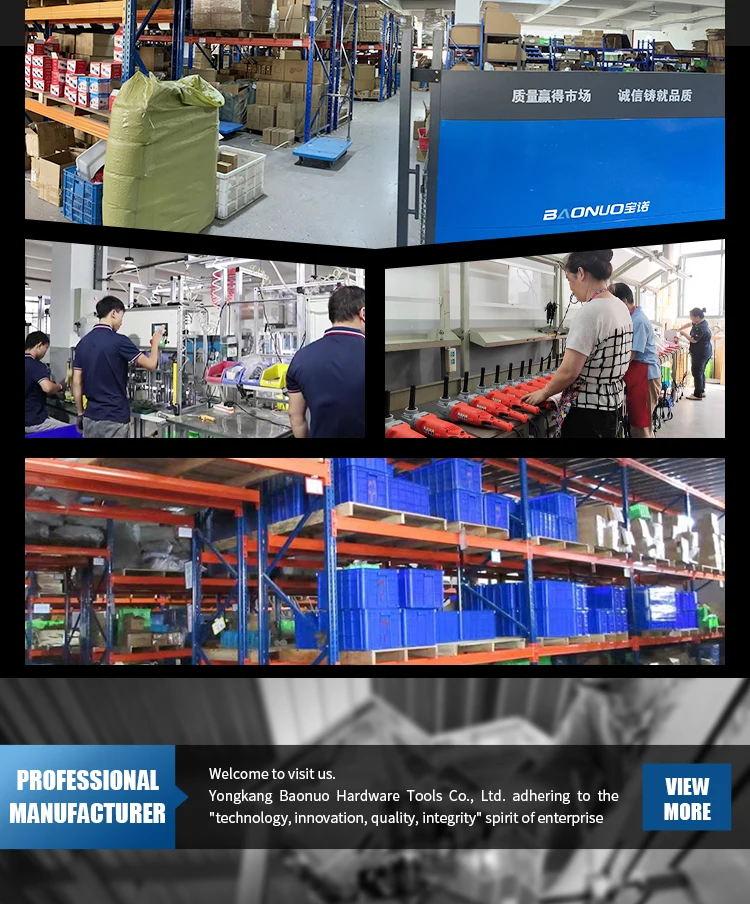
Yongkang Baonuo Tools Co., Ltd.
- Manufacturer, Trading Company
- Zhejiang, China
- Lead time30 days
- Avg. response≤ 6h
Main productscar polisher,polisher,Nail gun,electric scissors,angle grinder
Main marketsNorth America(50.00%), Southeast Asia(10.00%), Central America(10.00%), Eastern Europe(5.00%), South America(5.00%), Western Europe(5.00%), Northern Europe(5.00%), Southern Europe(5.00%), Domestic Market(5.00%)

Qidong Junyang Electromechanical Technology Co., Ltd
- Verified by CTI
- Combined
- China Jiangsu
- Lead time23 days
- Avg. response≤ 4h
Main productsPower Tools, Laser Level, Garden Tools, Electric Tools, Hand Tools, Electric Wrench, Electric Saw, Electric Hammer, Electric Drill, Chainsaw
Main marketsDomestic
Ningbo Easy Trade Corporational Limited
- Verified by SGS Group
- Trading Company
- Lead time0 days
- Avg. response≤ 2h
Main productsPower Tools, Welding Tools, Garden Tools
Main marketsAfrica(64%), South America(11%), Western Europe(7%)
Yongkang Okedi Trading Co., Ltd.
- Trading Company
- Lead time旺季: "1 - 1000":32,"1001 - 3000":45,"> 3000":"To be negotiated", 淡季: "1 - 1000":32,"1001 - 3000":45,"> 3000":"To be negotiated"
- Avg. response≤ 4h
Main productsCar Washer, Power Tools, Power Saws, Lawn Mowers
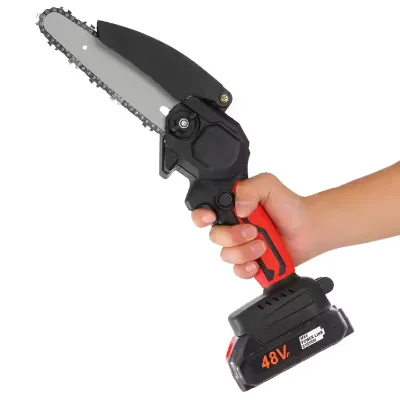
$13.5134 - $14.3197
MOQ: 500 pieces
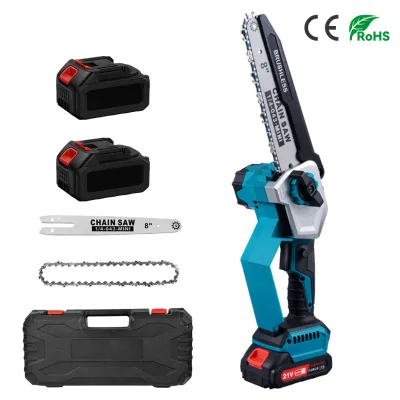
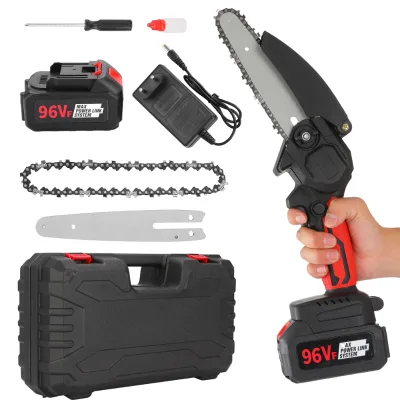
$12.8925 - $13.8545
MOQ: 500 pieces
Yongkang Leeyu Import And Export Co., Ltd.
- Manufacturer, Trading Company
- Zhejiang, China
- Lead time25 days
- Avg. response≤ 10h
Main productsGasoline Chainsaw,Brush Cutter,Garden tools sapre parts,Power tools,Garden tools spare parts
Main marketsEastern Europe(25.00%), South America(20.00%), Western Europe(18.00%), Mid East(10.00%), Africa(5.00%), South Asia(3.00%), Eastern Asia(2.00%), Southern Europe(2.00%), Domestic Market(1.00%), Oceania(1.00%), Southeast Asia(1.00%), Northern Europe(1.00%), Central America(1.00%), North America(1.00%)
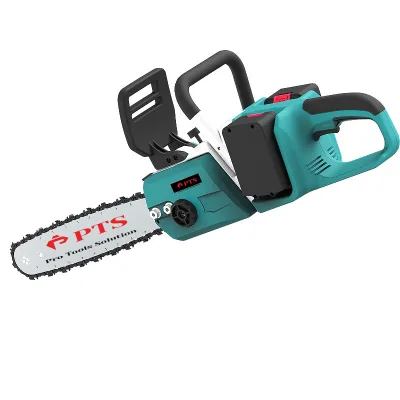
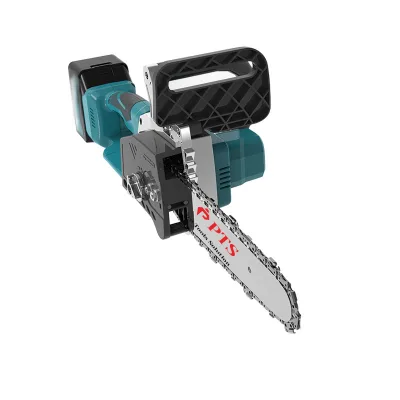
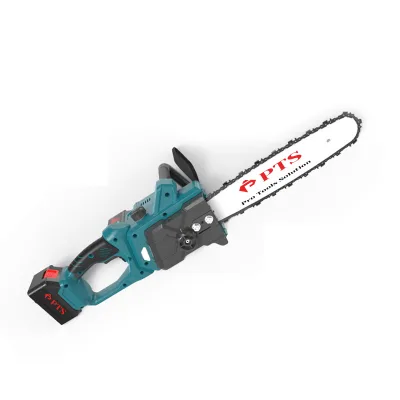
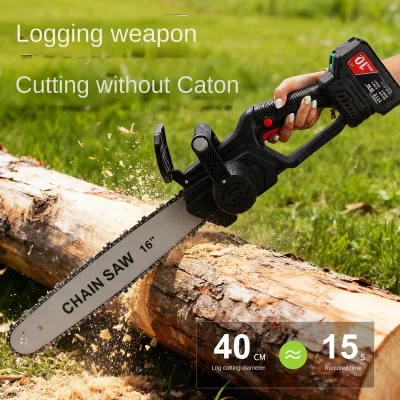
Industrial Lithium Battery Powered Chainsaw for Wood Cutting
$30.00 - $32.00
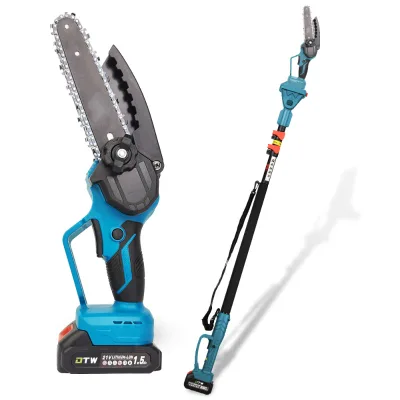
- Verified by Intertek
- Trading Company
- Lead time45 days
- Avg. response≤ 3h
Main productsTile Cutter, Tile Suction Cup, Tile Laying Tools, Electric Hammer, Electric Breaker
Main marketsWestern Europe(50%), Mid East(20%), Southern Europe(20%)
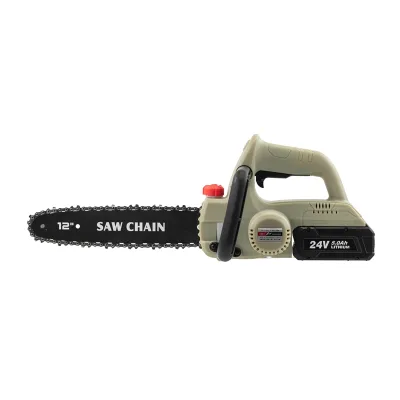
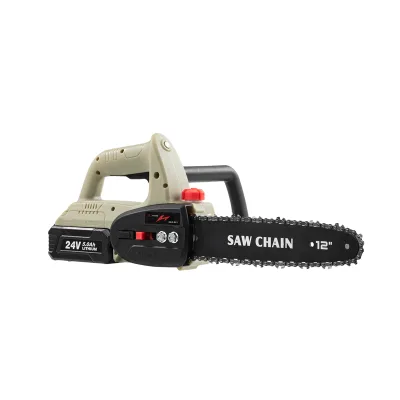
Cheap Price Electric Chain Saw Non-Slip Grip Lithium Battery Powered Chain Saw Wood Cutting Machine
$72.59 - $75.62
MOQ: 10 pieces
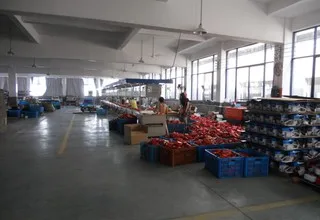
Yongkang Langyuan Industry & Trade Co., Ltd.
- Manufacturer
- Zhejiang, China
- Lead time15 days
- Avg. response≤ 22h
Main productschainsaw,brush cutter,hedge trimmer,lawn mower
Main marketsAfrica(15.00%), Northern Europe(12.00%), Western Europe(12.00%), North America(10.00%), Southern Europe(10.00%), Southeast Asia(5.00%), Eastern Europe(5.00%), Central America(5.00%), South America(5.00%), Eastern Asia(5.00%), Domestic Market(5.00%), Oceania(5.00%), Mid East(3.00%), South Asia(3.00%)

YONGKANG UNITED MECHANIC CO., LTD.
- Trading Company
- China Zhejiang
- Lead time15 days
- Avg. response≤ 17h
Main productsBrush Cutter, Chainsaw, Earth Auger, Multi Tool, Power Sprayer, Water Pump, Brush Cutter Spare Parts, Mini Tiller, Chainsaw Spare Parts, Lithium Products
Main marketsSouth America,Africa,Southeast Asia/ Mideast,East Asia(Japan/ South Korea),Europe,Australia
Yongkang Leisu Electric Tool Factory
- Manufacturer, Trading Company
- Zhejiang, China
- Lead time0 days
- Avg. response≤ 2h
Main productselectric drill,sander,electric hammer,angle grinders,Garden tools
Main marketsEastern Europe(10.00%), South America(10.00%), Eastern Asia(10.00%), Central America(9.00%), North America(8.00%), Southern Europe(5.00%), Northern Europe(5.00%), Western Europe(5.00%)
Yiwu Baishun Import And Export Co., Ltd.
- Verified by SGS Group
- Trading Company
- Lead time15 days
Main productsHand Tools, Power Tools
Main marketsMid East(30%), North America(10%), Eastern Europe(10%)

Zhejiang Youwe Electrical Appliances Co., Ltd.
- Verified by SGS
- Combined
- China Zhejiang
- Lead time30 days
- Avg. response≤ 2h
Main productsCordless Drill, Cordless Hammer Screwdriver, Electric Drill, Power Tools, Lithium Cordless Drill, Li-ion Electric Power Tools
Main marketsSoutheast Asia/ Mideast,East Asia(Japan/ South Korea),Europe

Single Handle Saws Lithium Battery Chainsaw with 6-Inch Chain for Cutting
$25.00 - $30.00
MOQ: 1000 Pieces

21V Cordless Chainsaw 12 Inch Lithium Battery Electric Saw for Garden Tree
$45.00 - $50.00
MOQ: 1000 Pieces


GREENWORKS MACHINERY SOLUTIONS LTD
- Verified by SGS
- Trading Company
- China Jiangxi
- Lead time15 days
- Avg. response≤ 1h
Main productsBrush Cutter, Electric Chainsaw, Grass Mower, Earth Auger, Tiller Cultivator, Construction Machine, Garden Machine, Forestry Machine, Chainsaw, Agriculture Machine
Main marketsSouth America,Eastern Europe,Mid East,North America,Southeast Asia,Eastern Asia,Oceania,Western Europe,Africa


Portable Rechargeable Cordless Lithium Electric Chainsaw for Home Tree Felling & Pruning
$30.00 - $40.00
MOQ: 10 Pieces

Jinhua Jusen Garden Machinery Co., Ltd.
- Verified by TUVRHEINLAND
- Manufacturer/Factory,Group Corporation
- China Zhejiang
- Lead time23 days
- Avg. response≤ 16h
Main productsChain Saw, Brush Cutter, Earth Auger, Gasoline Water Pump, Electric Chain Saw, Lithium Electric Lawn Mower, Lithium Chain Saw, Car Washer
Main marketsSouth America,Eastern Europe,Mid East,North America,Southeast Asia,Eastern Asia,Oceania,Western Europe,Africa


Lithium Battery Brushless Electric Chain Saw Cordless with CE Certified
$41.68 - $43.68
MOQ: 25 Pieces

Hot Sale Light Weight Lithium Ion Chain Saw Efficient and Portable Cutting Tool Good Quality
$16.80 - $18.30
MOQ: 25 Pieces


Ningbo Yinzhou Guoten Industrial Co., Ltd.
- Verified by SGS
- Trading Company
- China Zhejiang
- Lead time45 days
- Avg. response≤ 13h
Main productsElectric Tools, Garden Tools, Hand Tools, Power Tools, Air Tools
Main marketsSouth America,Southeast Asia/ Mideast,Europe

New Model 6 Inch Professional Handheld Portable Cordless Rechargeable Electric Chain Saw
$14.12 - $18.50
MOQ: 5 Pieces

Chain Saw Wood Cutting Machine Rechargeable Self-Lubricating 12-Inch Chainsaw
$70.99 - $85.99
MOQ: 1 Pieces


Nantong Perfect Trade Company Limited
- Verified by SGS
- Trading Company,Manufacturer/Factory
- China Jiangsu
- Lead time23 days
- Avg. response≤ 6h
Main productsLaser Level, Laser Distance Meter, Airless Paint Sprayer, Power Tools, Power Tools and Spare Parts, Cordless Chainsaw, Cordless Wrench, Cordless Rotary Hammer, Cordless Drill
Main marketsSouth America,Eastern Europe,Mid East,North America,Southeast Asia,Eastern Asia,Oceania,Western Europe,Africa

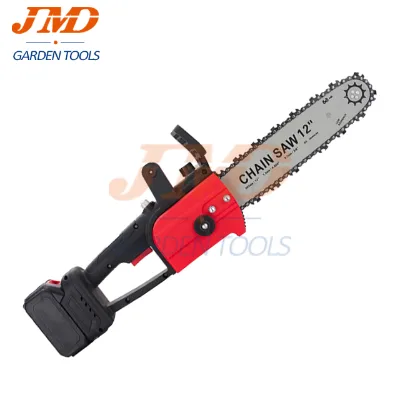
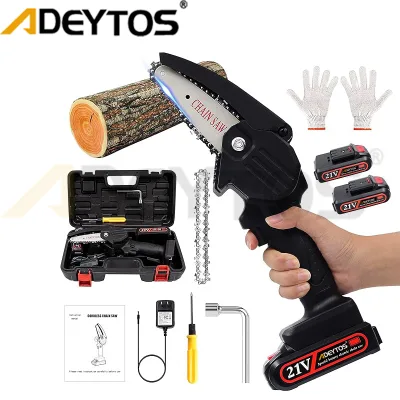
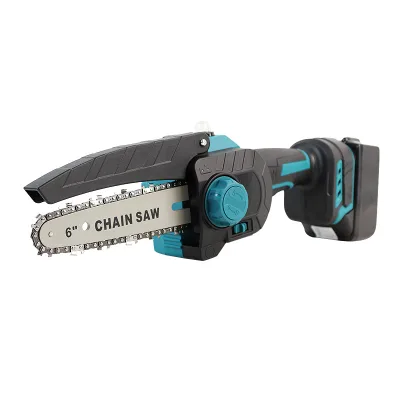
6 Inch Battery Powered Chainsaw, Handheld Portable Electric Chain Saws for Wood Cutting
$16.00 - $18.00
MOQ: 500 Pieces




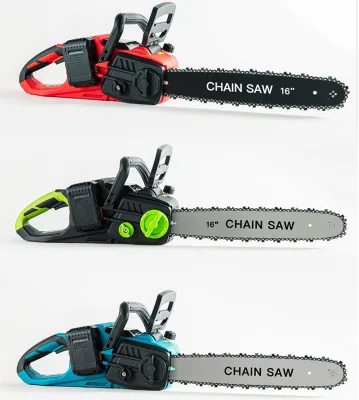
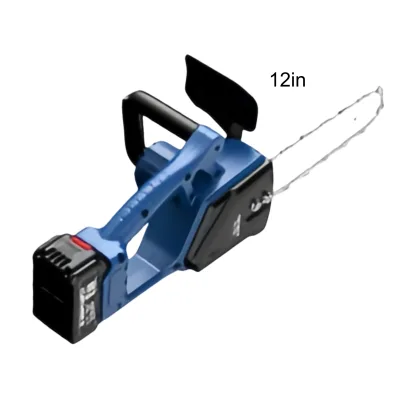
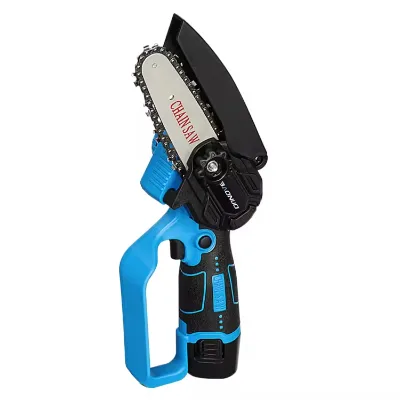
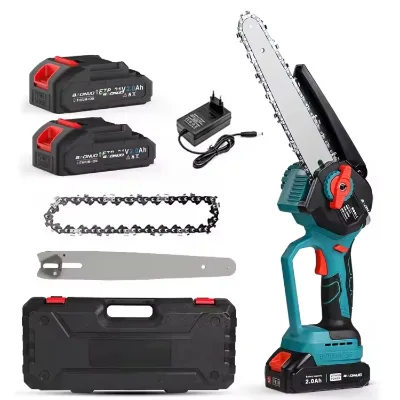




Comprehensive Sourcing Guide
Rechargeable Lithium Battery Chain Saw Supplier Concentration and Factory Types
Sourcing results for the Rechargeable Lithium Battery Chain Saw category show a concentration of suppliers in eastern China, with listing evidence pointing to Zhejiang province and to Anhui province specifically. Zhejiang appears repeatedly in this category, including product origins recorded in Taizhou, Zhejiang, which is consistent with the province's broader role in garden and power tool manufacturing. Anhui suppliers also appear with combined manufacturing and trading profiles. When your search results do not display clear regional data, identify clusters yourself by filtering for province or city fields on supplier profiles, checking the recorded place of origin on individual product listings, and comparing where verified suppliers with multiple chain saw listings are registered rather than relying on assumptions about where such tools are made.
Supplier types in this category vary meaningfully. Some listings come from trading companies working alongside factories, others from manufacturer/factory operations, and some from combined entities that handle both production and export. Main product ranges differ as well: some suppliers focus on cordless impact wrenches, hydraulic jacks and tool cabinets and list a chain saw as one item, while others carry broad garden equipment lines such as brush cutters, water pumps, tillers, earth augers and hedge trimmers, with chain saws as a natural extension. Suppliers with wider garden tool lines often have deeper category experience. Examine whether the chain saw sits at the center of a supplier's catalog or at its edge.
How to Verify Rechargeable Lithium Battery Chain Saw Suppliers
Verification should start with third-party assessment status, which many listings display directly. In the observed results, suppliers carry verification labels from recognized inspection bodies such as BV, SGS and TUV Rheinland, and some show system certifications including ISO 9001 or an ISO9001:2015 certificate. These labels indicate that an external body has audited or assessed the company, but they do not certify the chain saw products themselves, so treat them as a screening layer. Confirm the certificate scope and validity independently, and check whether the displayed certification covers the manufacturing entity you would actually contract with rather than an affiliated name.
Beyond displayed badges, verify the supplier's product evidence against the listing. The category results show detailed specification records for rechargeable lithium battery chain saws, including model numbers such as CYLJ04, CYLJ05 and LH-EC06 series entries, declared standards like ISO and CE/ISO combinations, battery capacities of 2.0Ah and 4.0Ah, 21V platforms, guide bar lengths from 100mm to 22 inches, and packing formats such as color box, BMC, plastic box or case. A supplier whose listings contain consistent, complete technical attributes is easier to audit than one with sparse data. Request business licenses, ask for factory photos or audit reports, and confirm that OEM, ODM or own-brand capability claims match what the profile states before committing to samples or payments.
What to Compare Across Rechargeable Lithium Battery Chain Saw Suppliers
Build a comparison sheet from the attributes suppliers actually display, since not every profile shows every field. Lead time is one of the most differentiating numbers: observed listings in this category range from roughly 15 days to 45 days, a gap that materially affects seasonal stocking for garden tools. Response time is another practical metric, with observed averages ranging from under five hours to nearly eleven hours; a supplier that answers slowly during the quotation stage will usually be slower during production issues. Compare main products to judge specialization, and note company type, since trading companies, factories and combined entities involve different accountability structures.
Price and MOQ comparisons reveal positioning. Listed rechargeable chain saw prices in the observed results span from under twenty dollars to about seventy dollars per unit, and MOQs range from single units or small trial quantities up to 500 pieces, so match MOQ to your test-order strategy. Compare battery configuration (2.0Ah versus 4.0Ah), guide bar sizes, brushless versus standard motors, customization availability, packing formats and declared standards such as CE and ISO. Also weigh verification status, location, and whether the supplier advertises OEM, ODM or own-brand capacity. Where an attribute is missing, mark it as unknown and request it, rather than assuming all suppliers offer the same terms.
Common Rechargeable Lithium Battery Chain Saw Sourcing Risks
The most common risk in this category is treating certification labels as product proof. Listings may display CE or ISO declarations and supplier profiles may show ISO 9001 system certification, yet battery cells, chargers and chain brake mechanisms are the components most likely to fail compliance testing in destination markets. Another frequent issue is specification drift between the listing and the shipped goods, particularly for attributes that are easy to alter, such as battery capacity, guide bar length or motor type. Because observed listings show batteries ranging from 2.0Ah to 4.0Ah on similar-looking tools, confirm exactly which configuration your order covers in the contract.
Trading-company intermediation creates a second risk layer: the verified entity on the platform may differ from the factory actually producing the saws, complicating quality accountability. Low MOQ entries, including listings advertising single-unit minimums, can signal trading stock rather than direct production capacity. Long lead times, with observed examples reaching 45 days, can jeopardize a spring or summer selling season if sampling and negotiation run over. Customization is widely advertised across these listings, but customization scope, tooling cost and approval timelines are rarely stated. Mitigate by writing model numbers, battery ratings, packing formats and standards into the purchase contract, and by inspecting pre-shipment samples against the agreed specification sheet.
Rechargeable Lithium Battery Chain Saw Regional Sourcing and Logistics
The regional evidence in this category points to two provinces. Zhejiang suppliers appear most frequently, with at least one product origin recorded in Taizhou, Zhejiang, a city associated with garden and power tool production. Anhui suppliers also appear, with combined company types and garden equipment product lines. If your search results show no location data, reconstruct geography yourself by reading the province or city fields on supplier profiles and the prod_origin attributes on individual listings, then group shortlisted suppliers by region to plan any factory visits. Co-located suppliers make combined audits and comparative sampling significantly cheaper.
Logistics planning should reflect the battery, which classifies these products as dangerous goods for air freight because of lithium cells, so sea freight is the default for volume orders. Lead times observed in this category run from about 15 days to 45 days, and you should confirm which supplier can align production with your inbound calendar rather than accepting the first quoted number. Packing formats listed include color box, BMC, plastic box and case, all packed into cartons, so check carton dimensions, gross weight and container loading calculations during quotation. Suppliers in eastern China generally ship through major nearby ports, but confirm the loading port and whether the supplier handles export documentation, since trading companies and factories differ in who manages booking and customs paperwork.
Rechargeable Lithium Battery Chain Saw Commercial Terms and Order Planning
Commercial terms vary widely enough that you should negotiate rather than assume. Observed listings show unit price ranges from roughly 17.9 to 70 US dollars depending on model, battery capacity and bar size, with MOQs from as low as one or two units up to 500 pieces. This spread suggests a market where small trial orders are feasible at higher unit prices, and where volume commitments unlock better rates. Confirm what the quoted price includes: battery and charger inclusion, packaging format such as color box versus BMC, and customization charges. Escrow availability is sometimes displayed as a supplier attribute, so check whether your shortlisted suppliers support it and use it where possible for early orders.
Plan orders around the lead time spread and the seasonal nature of chain saw demand. With observed lead times from 15 to 45 days, a supplier at the slow end requires ordering well ahead of spring stocking, especially if custom colors, branding or packaging add approval cycles. Structure a first order to validate the exact model, such as a specified 21V brushless unit with a stated battery capacity and guide bar length, before scaling. Negotiate payment terms that keep retention until post-inspection, agree on rework or replacement procedures for defective units, and define spare parts availability for chains, bars and batteries. Document everything in the contract so that listing descriptions and actual deliverables cannot diverge.
FAQs
What is the price range for rechargeable lithium battery chain saws?
Prices typically range from $17.90 to $70.00 per unit depending on specifications. Budget options start around $17.90 for basic models, while high-power logging saws can reach $70.00. Buyers should verify exact pricing based on battery capacity and guide bar size.
What are the minimum order quantities for these tools?
Minimum order quantities vary significantly by supplier and model. Some manufacturers accept orders as low as one unit for sampling, while others require 50 or 500 pieces. Buyers must check specific product listings to confirm the MOQ applicable to their desired configuration and customization needs.
How long does production and shipping take?
Lead times generally range from 15 to 45 days depending on the supplier and order volume. Faster turnaround options exist with lead times around 15 days, while standard production may take up to 45 days. Buyers should confirm delivery schedules directly with suppliers before placing orders.
Are these chain saws certified for international markets?
Many models carry ISO 9001, CE, and ISO certifications. Suppliers often provide standard compliance documentation for electric tools. Buyers should request specific certification copies for their target market to ensure regulatory compliance and verify that the products meet local safety and performance standards.
What battery capacities are available for these saws?
Common battery capacities include 2.0ah and 4.0ah lithium-ion options. Higher capacity batteries support longer runtime for heavy-duty tasks. Buyers should select the appropriate capacity based on their intended usage frequency and power requirements to ensure optimal performance and efficiency during operation.
Can suppliers customize the color and packaging?
Customization is widely available for color, packaging, and branding. Suppliers offer options like color boxes, BMC, or plastic cases with customer-specific colors. Buyers can request tailored packaging solutions to match their brand identity, ensuring the final product presentation aligns with their market requirements and expectations.