Store Display Jewelry Stand Suppliers and Manufacturers in China
Compare 29 verified suppliers offering Store Display Jewelry Stand options with varying lead times, MOQs, and certifications. Review response times and product attributes like material and customization before contacting vendors for quotes; review the available evidence before requesting comparable quotations from suitable candidates.
Updated
Suppliers List

Adidea (Xiamen) Industry And Trade Co., Ltd.
- Trading Company
- China Fujian
- Lead time30 days
- Avg. response≤ 17h
Main productsMetal Display Shelf, Display Stand, Metal Display Rack, MDF Display Showcase, Solid Wood Display Stand, Acrylic Display Stand, Supermarket Display Shelves, Wine Beverage Food Display Rack, Garment Bag Shoe Jewelry Display Stand, Tile Stone Granite Quartz Mosaic Display Stand
Main marketsSoutheast Asia/ Mideast,Europe,North America


Customized Jewelry Display Stand Earrings Necklaces Rings Store Display Stand Jewelry Storage
$10.00 - $20.00
MOQ: 200 Pieces

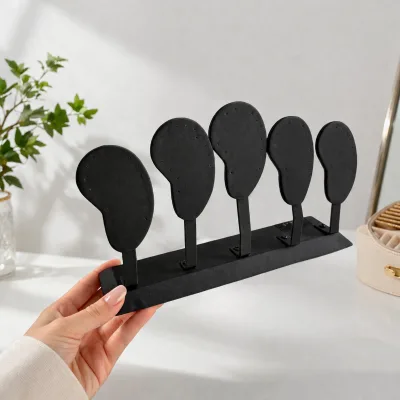
Earring Display Stands for Selling Earring Rack Display Holder Stand Jewelry
$25.00 - $35.00
MOQ: 100 Pieces

Display Rack Retail Displaying Shelves Wooden Cupcake Stand Earring Display Stand Jewelry
$20.00 - $50.00
MOQ: 100 Pieces

Henan Dongying Workshop Crafts Co., Ltd.
- Verified by SGS Group
- Manufacturer, Trading Company
- Lead time0 days
- Avg. response≤ 3h
Main productsJewelry Display, Jewelry Boxes, Jewelry Tray, Jewelry Rack
Main marketsWestern Europe(30%), South America(22%), North America(21%)

Dongguan Xinfuying Decoration Display Technology Co., Ltd.
- Verified by CTI
- Combined
- China Guangdong
- Lead time30 days
- Avg. response≤ 4h
Main productsbuilding decoration materials
Main marketsEast Asia(Japan/ South Korea),Domestic,Europe,Australia,North America

- Trading Company,Manufacturer/Factory
- China Fujian
- Lead time30 days
- Avg. response≤ 6h
Main productsDisplay Rack, Shop Fitting, Store Fixture, Furniture, Wood Millwork, Gondola Shelving, Metal Rack
Main marketsEastern Europe,North America

Customize Jewelry Display Showcase Store Wrist Watch Display Rack Shop Fixture Jewelry Diamond Stand
$55.80 - $75.30
MOQ: 50 Pieces

$99.60 - $129.70
MOQ: 20 Pieces

Boutique Watch Display Showcase Cabinet Display Jewelry Rack Classical Wood Jewelry Display Stand
$99.60 - $129.70
MOQ: 20 Pieces

Wrist Watch Display Showcase Cabinet Display Jewelry Rack Classical Wood Jewelry Display Stand
$99.60 - $129.70
MOQ: 20 Pieces

Classical Style Jewelry Ring Display Rack Jewelry Shop Fixture Wood Stand Display Showcase Cabinet
$109.50 - $168.70
MOQ: 20 Pieces

$126.50 - $185.30
MOQ: 20 Pieces

- Verified by BV
- Manufacturer/Factory
- China Zhejiang
- Lead time15 days
- Avg. response≤ 2h
Main productsJewelry Bag, Jewelry Card, Box, Promotion Gifts
Main marketsSouth America,Eastern Europe,Mid East,North America,Southeast Asia,Eastern Asia,Oceania,Western Europe,Africa

Foshan Longyi Packaging Co., Ltd.
- Trading Company
- Guangdong, China
- Lead time0 days
- Avg. response≤ 2h
Main productsJewelry display stand,Jewelry box,Paper bag,Packaging box,Watch box
Main marketsNorth America(20.00%), Eastern Asia(10.00%), Eastern Europe(10.00%), South America(10.00%), Domestic Market(5.00%), South Asia(5.00%), Southern Europe(5.00%), Northern Europe(5.00%), Central America(5.00%), Western Europe(5.00%), Southeast Asia(5.00%), Mid East(5.00%), Oceania(5.00%), Africa(5.00%)
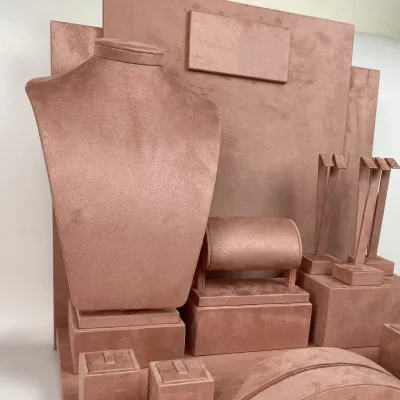
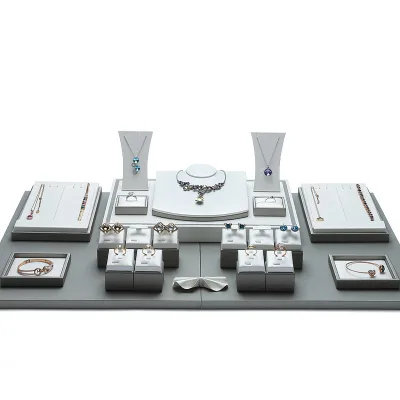
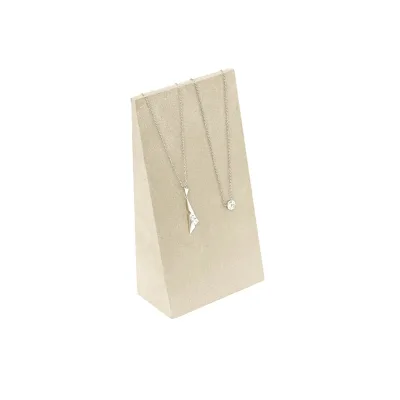
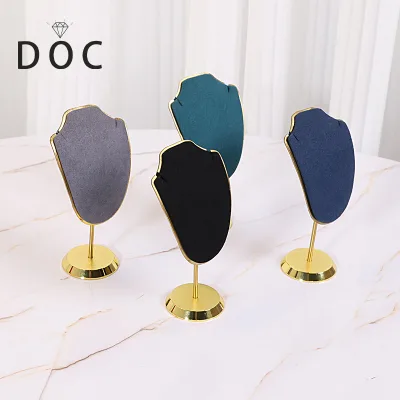
Custom high end velvet standing necklace display stand necklace rack display rack for store counter
$7.90 - $9.50
MOQ: 30 pieces
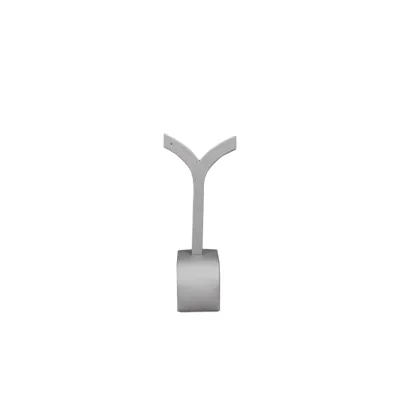
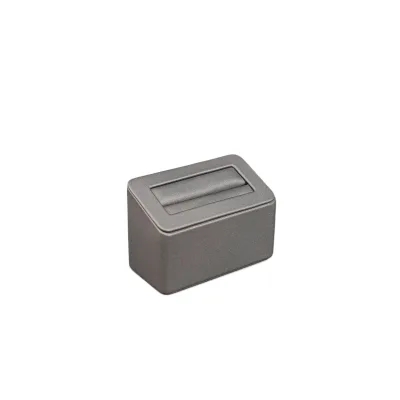
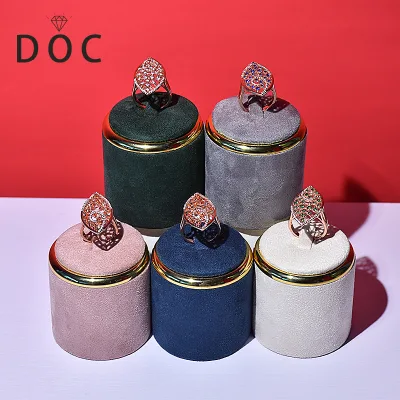
High Quality Ring Display Stand Multi-color Fashion Ring Holder for Jewelry Store Window Display
$4.0053 - $4.3126
MOQ: 50 pieces

Yiwu Leson Packing Share Co., Ltd.
- Manufacturer, Trading Company
- Zhejiang, China
- Lead time45 days
- Avg. response≤ 18h
Main productsJewelry Box, Watch Box, Custom Packaging Box, Gift Box, Paper Bag
Main marketsWestern Europe(42.00%), Northern Europe(36.00%), Eastern Europe(12.00%), Domestic Market(6.00%), Southern Europe(4.00%)

Ningbo Paiaopai Display Co., Ltd
- Verified by TUVRHEINLAND
- Combined
- China Zhejiang
- Lead time30 days
- Avg. response≤ 2h
Main productsMakeup Cosmetic Display Organizer Beauty, Jewelry Display Stand for Necklace Breclet Tray, Counter Display for Retial Store Sunglass, Buffet Display for Cake Dessert Party Stand, Funko Pop Acrylic Box Pokemon Etb Booster Pack, Acrylic Sign Label Price Tag Display Holder Fram, Juice Wine Display Racking Shelf Showcase, Acrylic Floor Display Pop up Display Side Table, House Decoration Display Stand Desktop Vase, Store Display Rack Supermarket Metal Acrylic PVC
Main marketsDomestic,North America


Modern Acrylic Jewelry Display Stand with Storage Drawer for Retail Use
$12.88 - $14.88
MOQ: 100 Pieces

Jieyang Jiedong Quxi Dingcheng Department Store Business Department
- Trading Company
- Guangdong, China
- Lead time28 days
- Avg. response≤ 1h
Main productsJewelry Display,Jewelry Box,Jewelry Bag,Watch display,Glasses display
Main marketsNorth America(35.00%), Domestic Market(20.00%), Southeast Asia(6.00%), Oceania(6.00%), Northern Europe(5.00%), Eastern Europe(5.00%), Africa(5.00%), Western Europe(4.00%), Mid East(4.00%), South America(3.00%), Southern Europe(3.00%), Central America(2.00%), Eastern Asia(1.00%), South Asia(1.00%)
Foshan Hua Li Bao Jewelry Package Co., Ltd.
- Verified by Intertek
- Manufacturer, Trading Company
- Lead time13 days
- Avg. response≤ 2h
Main productsJewelry Box, Jewelry Display Set, Jewelry Tray, Necklace Display Stand, Watch Display Stand
Main marketsNorth America(40%), Western Europe(20%), South America(10%)
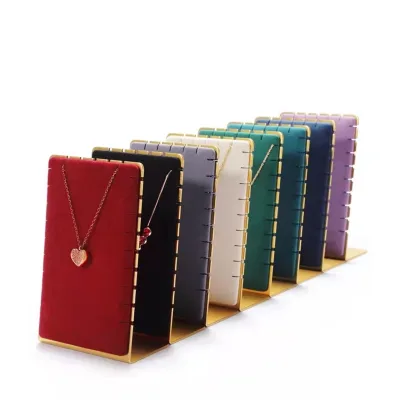
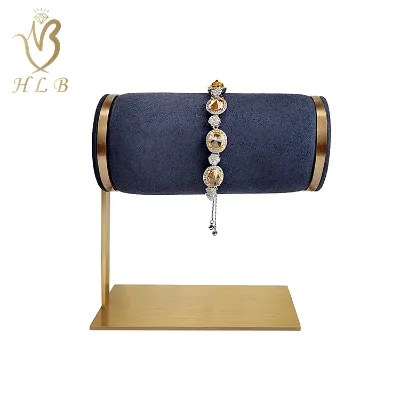
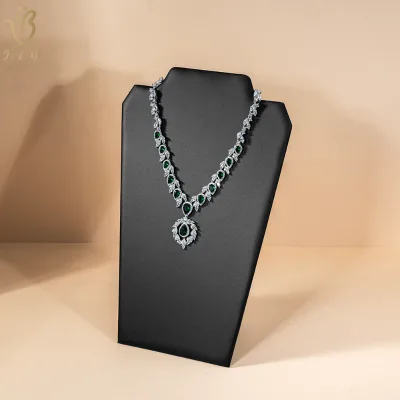
Wholesale Necklace Holder Jewelry Store Fixtures Retail Display Metal Stand Necklace Display Velvet
$7.2567 - $9.3358
MOQ: 10 pieces
Hong Kong Shero Interior Decoration Limited
- Trading Company
- Hong Kong S.A.R.
- Lead time15 days
- Avg. response≤ 2h
Main productsShowcase, Jewelry Showcase, Store Fixture, Display Cabinet, Kiosk
Main marketsNorth America(40.00%), South America(15.00%), Eastern Europe(10.00%), Mid East(10.00%), Africa(5.00%), Southeast Asia(5.00%), Northern Europe(4.00%), Eastern Asia(3.00%), Oceania(2.00%), Central America(2.00%), South Asia(1.00%), Western Europe(1.00%), Southern Europe(1.00%), Domestic Market(1.00%)
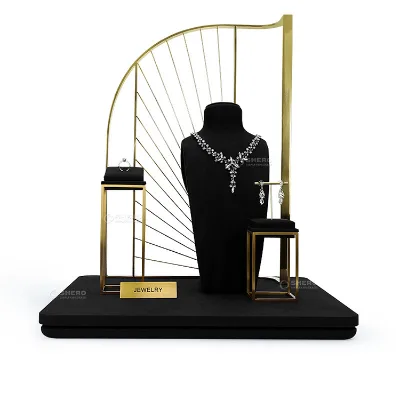
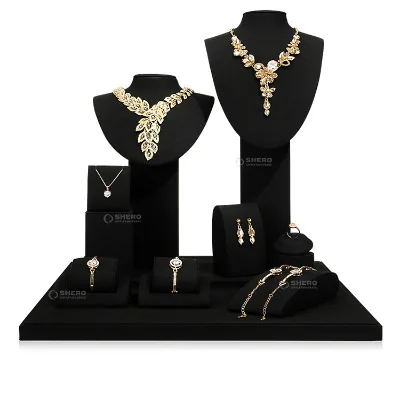
$191.914 - $217.8482
MOQ: 5 sets
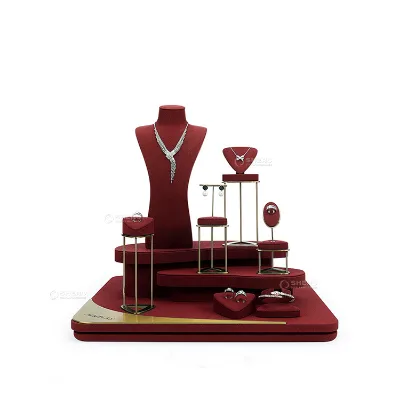
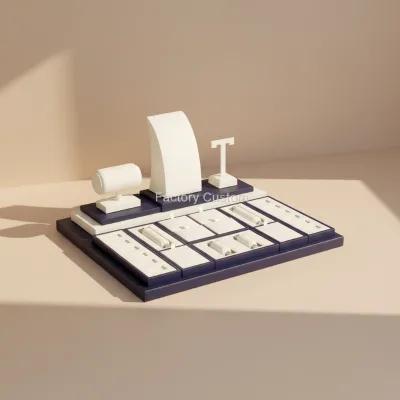
Customized Jewelry Stand Display Set Display Stand for Jewelry Gold Jewelry Stand
$185.00 - $210.00
MOQ: 5 sets

- Manufacturer/Factory
- China Guangdong
- Lead time23 days
- Avg. response≤ 9h
Main productsJewelry Box, Perfume Box, Watch Box, Paper Bag, Pouch, Jewelry Display&Tray, Gift Box, Cosmetic Box, Paper Packaging, Printing
Main marketsSouth America,Eastern Europe,Mid East,North America,Southeast Asia,Eastern Asia,Oceania,Western Europe,Africa

$0.20 - $20.00
MOQ: 30 Pieces

Noble and Retro Jewelry Display Stand Design Earring Display Stand Jewelry Stand for Shop
$0.20 - $20.00
MOQ: 30 Pieces

$0.20 - $20.00
MOQ: 30 Pieces

Jinhua Weito Paper Products Co., Ltd.
- Verified by Intertek
- Manufacturer, Trading Company
- Lead time0 days
- Avg. response≤ 4h
Main productsJewelry Packaging Box, Jewelry Display, Jewelry Display Props
Main marketsDomestic Market(35%), North America(12%), Southeast Asia(9%)
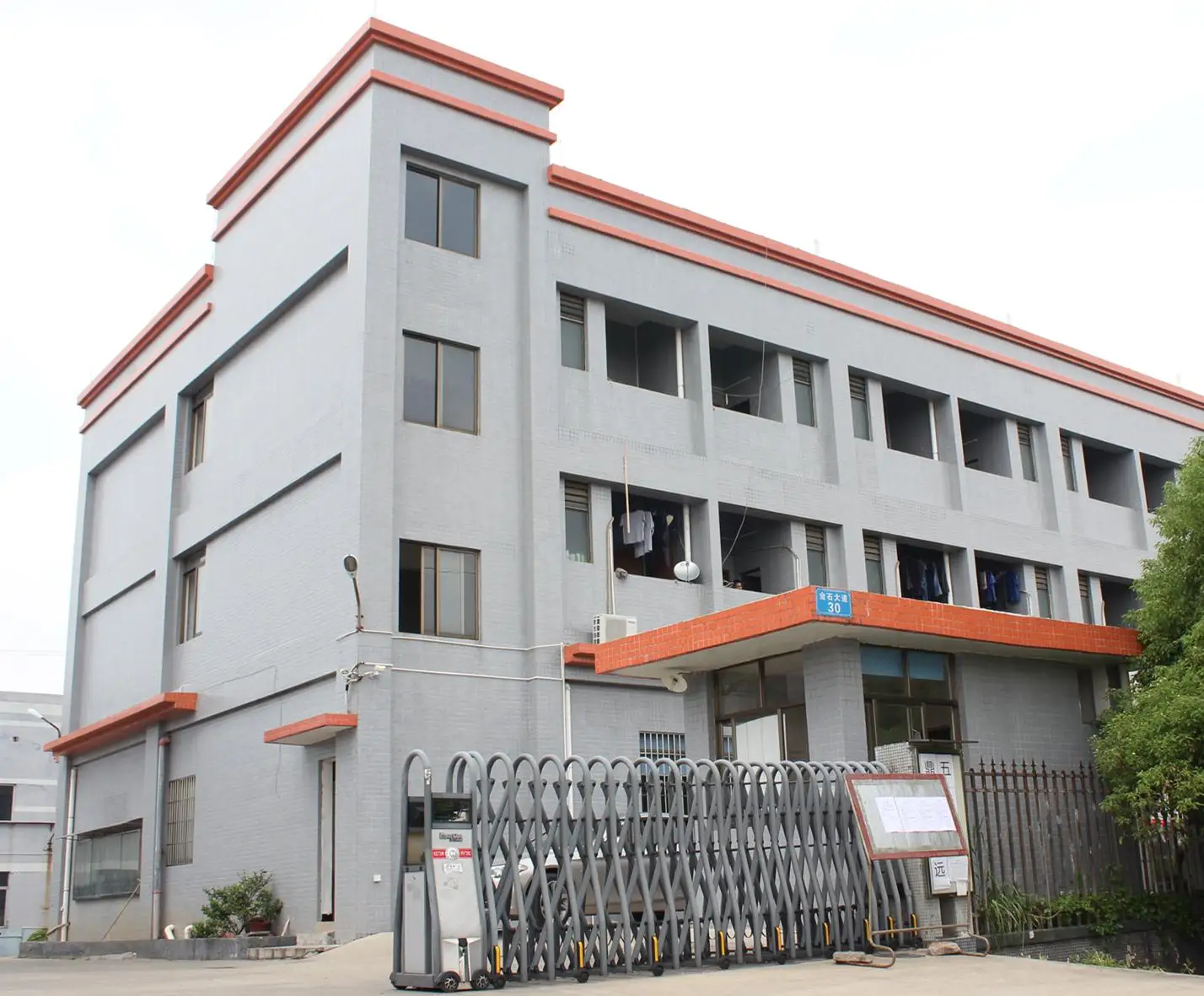
GUANGZHOU BEAUTIFUL HARDWARE MANUFACTURE LIMITED
- Manufacturer, Trading Company
- Guangdong, China
- Lead time25 days
- Avg. response≤ 3h
Main productsStore design,display rack,shopping basket,garment rack,display hook
Main marketsWestern Europe(26.20%), Oceania(11.90%), Domestic Market(10.70%), South America(9.25%), Eastern Asia(8.00%), Southern Europe(7.40%), Mid East(7.00%), North America(5.80%), Northern Europe(4.70%), Central America(4.00%), Eastern Europe(3.50%), Southeast Asia(0.79%), Africa(0.53%), South Asia(0.23%)
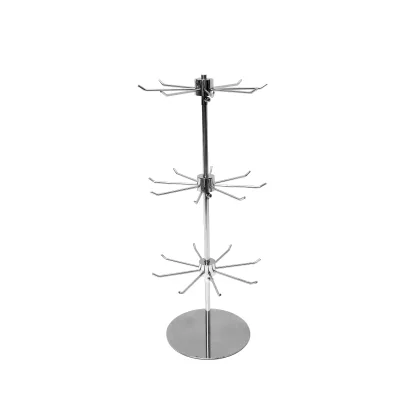
Stainless Steel High Quality Jewelry Rotating Stand 3-Tier Spinning Display Stand for Store Display
$13.3456 - $17.4843
MOQ: 60 Minimum
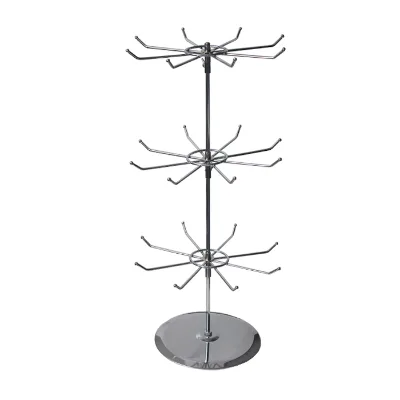
Rotating Fashion Jewelry Display Stand
$5.10 - $5.30

Kunshan Caamatech Displays Co., Ltd.
- Verified by TUVRHEINLAND
- Combined
- China Jiangsu
- Lead time15 days
- Avg. response≤ 4h
Main productsOptical Shop Display, Cosmetic Display, Sign, Window Display, Interactive Display, Paper Display, Wood Display, Metal Display, Acrylic Display
Main marketsSoutheast Asia/ Mideast,Europe,Australia,North America

Haifeng Juexin Packaging Co., Ltd.
- Manufacturer, Trading Company
- Guangdong Province, China
- Lead time5 days
- Avg. response≤ 1h
Main productsPaper Box,Plastic Box,Velvet Box,Paper Bag,Gift Box
Main marketsMid East(22.00%), South America(16.00%), Southeast Asia(15.00%), North America(14.00%), Eastern Asia(8.00%), Central America(5.00%), Northern Europe(4.00%), Oceania(3.00%), South Asia(3.00%), Southern Europe(3.00%), Western Europe(2.00%), Africa(2.00%), Eastern Europe(2.00%), Domestic Market(1.00%)
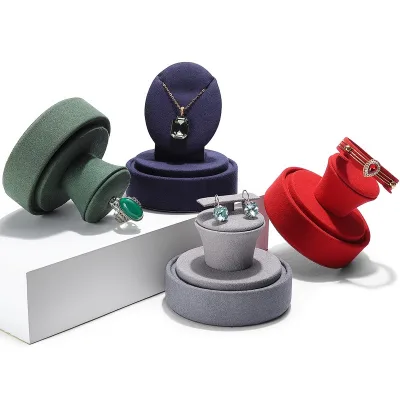
$4.6214 - $5.0321
MOQ: 2 Minimum
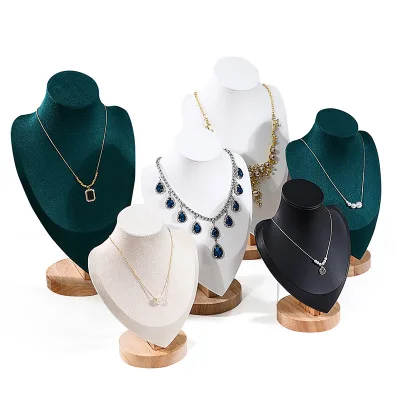
$2.8856 - $4.3276
MOQ: 2 Minimum

Suzhou Sigmetal Business Equipment Co., Ltd.
- Verified by SGS
- Trading Company
- China Jiangsu
- Lead time30 days
- Avg. response≤ 5h
Main productsDisplay Rack, Gondola Shelving, Store Fixtures, Shop Fitting, Checkout Counter, Shopping Trolley, Display Hook, Shopping Basket, Furniture Accessories, Supermarket Supporting Facilities
Main marketsEurope,Australia
Xianju Yijia Arts & Crafts Co., Ltd.
- Verified by SGS Group
- Manufacturer, Trading Company
- Lead time60 days
- Avg. response≤ 11h
Main productsJewelry Display, Crystal products, Storage Boxes, Furniture, Jewelry Box
Main marketsNorth America(47%), South America(13%), Eastern Europe(10%)

Guangzhou Lome Display Products Co. , Ltd
- Manufacturer/Factory
- China Guangdong
- Lead time23 days
- Avg. response≤ 2h
Main productsShowcase, Cabinet, Cosmetics Display Cabinet, Display Case, Jewelry Display Case, Watch Showcase, Makeup Showcase, Supermarket Rack, Interior Design, Jewelry Showcase
Main marketsSouth America,Eastern Europe,Mid East,North America,Southeast Asia,Eastern Asia,Oceania,Western Europe,Africa

Jewelry Display Rack Jewellery Shop Counter Design Watch Display Showcase
$1098.00 - $2999.00
MOQ: 1 Pieces

Boutique Jewelry Store Counter Design Jewelry Display Showcase Furniture
$582.00 - $985.00
MOQ: 2 Pieces


Luxury Retail Jewelry Store Design Interior Design Customize Display Showcase
$685.00 - $1025.00
MOQ: 2 Pieces
Shenzhen Baoxinran Jeweylr Packaging Co., Ltd.
- Manufacturer
- Guangdong Province, China
- Lead time30 days
- Avg. response≤ 4h
Main productsJewelry Eyewea,Watches & Accessories,Jewelry Packaging & Display,Jewelry Packaging,jewelry gift
Main marketsDomestic Market(20.00%), Southeast Asia(15.00%), Oceania(9.00%), Mid East(8.00%), Western Europe(8.00%), Southern Europe(8.00%), Eastern Europe(6.00%), South America(6.00%), Eastern Asia(5.00%), Northern Europe(5.00%), North America(5.00%), South Asia(3.00%), Central America(2.00%)

$4.3921 - $4.4131
MOQ: 10 pieces
Chongqing Cancan Technology Co., Ltd.
- Trading Company
- Chongqing, China
- Lead time10 days
- Avg. response≤ 6h
Main productsJewelry box,Jewelry bag,Watch box,Eyeglass case,Gift box/bag
Main marketsNorth America(50.00%), Southeast Asia(20.00%), Mid East(10.00%), South Asia(5.00%), Western Europe(5.00%), Eastern Asia(5.00%), Northern Europe(3.00%), Eastern Europe(2.00%)
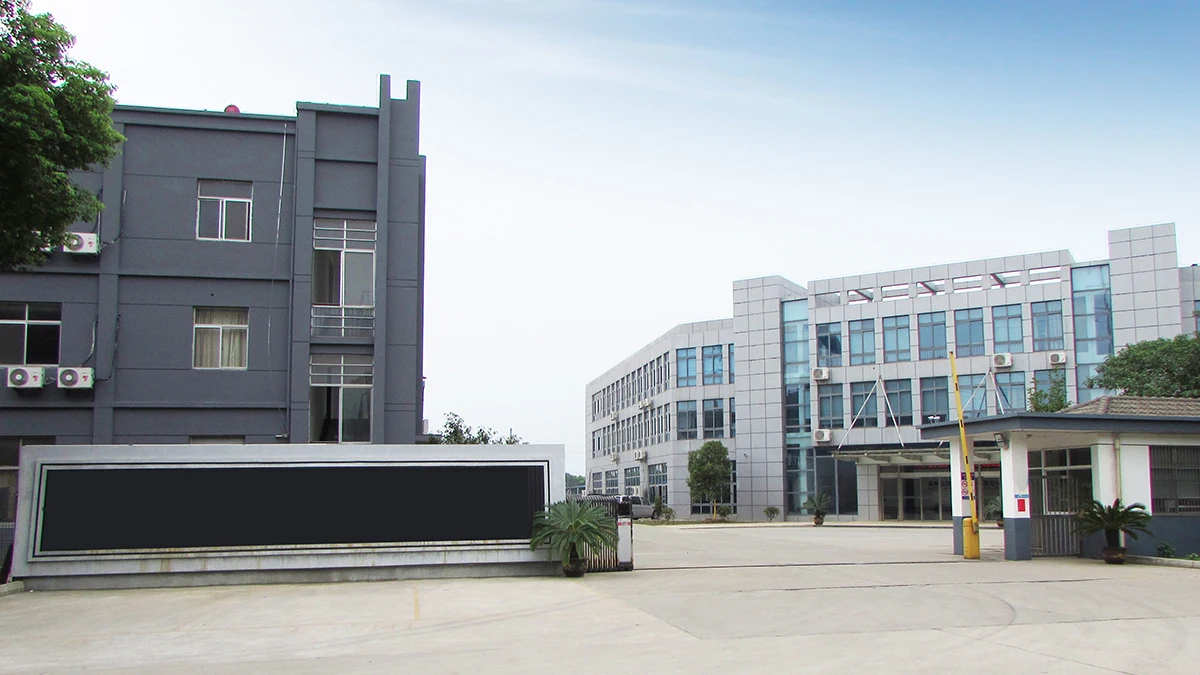
Shenzhen Aochen Trading Co., Ltd.
- Manufacturer, Trading Company, Distributor/Wholesaler
- Guangdong, China
- Lead time0 days
- Avg. response≤ 4h
Main productsJudaica Lucite,Match Cloche,Acrylic Box,Acrylic Display Case,Acrylic Trays
Main marketsSouth America(22.00%), North America(18.00%), Eastern Europe(12.00%), Oceania(11.00%), Western Europe(6.00%), Domestic Market(5.00%), South Asia(5.00%), Mid East(5.00%), Northern Europe(5.00%), Southeast Asia(3.00%), Africa(2.00%), Eastern Asia(2.00%), Southern Europe(2.00%), Central America(2.00%)
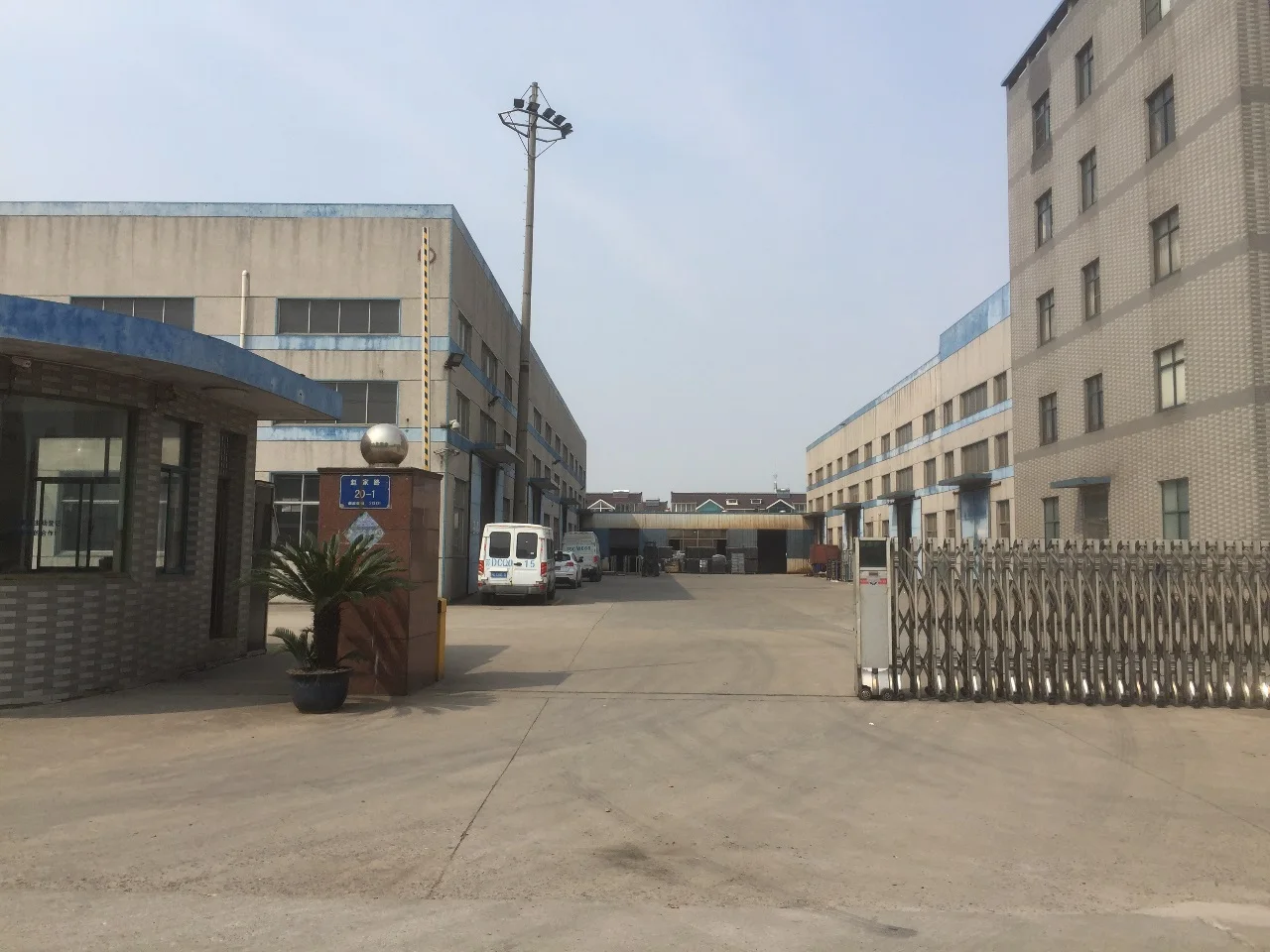
Ido Display Fixtures (changzhou) Co., Ltd.
- Trading Company
- Jiangsu, China
- Lead time15 days
- Avg. response≤ 2h
Main productsdisplay fixture,display rack,storage shelf,home decoration,shop fitting
Main marketsNorth America(41.00%), Western Europe(19.00%), Oceania(8.00%), South America(6.50%), Eastern Europe(6.00%), Africa(5.00%), Northern Europe(4.00%), South Asia(3.00%), Southeast Asia(3.00%), Eastern Asia(3.00%), Southern Europe(1.00%), Central America(0.50%)

Gondo Displays (Xiamen) Industry & Trade Co., Ltd.
- Verified by TUVRHEINLAND
- Trading Company
- China Fujian
- Lead time23 days
- Avg. response≤ 3h
Main productsAcrylic Display, Wood Display, Metal Display, Display Stand, Store Fixture, Jewelry Display, Cosmetic Display, Clothes Rack, Supermarket Rack, Furniture
Main marketsEurope,Australia,North America

Custom High End Design Luxurious Jewelry Watch Necklace Rings Store Retail Promotion Display Stand
$29.99 - $39.99
MOQ: 100 Pieces


Store Retail Coutertop Turntable Earring Jewelry Rotating Acrylic Display Stands
$29.99 - $39.99
MOQ: 100 Pieces


Custom Exhibition Supermarket Storage Double Sided Laminate Jewellery Display Stand
$99.99 - $199.99
MOQ: 100 Pieces

Shenzhen Hongda Rong Technology Co., Ltd.
- Manufacturer, Trading Company
- Guangdong, China
- Lead time20 days
- Avg. response≤ 4h
Main productsAcrylic display case,acrylic display,acrylic rack,acrylic case,acrylic showcase
Main marketsSoutheast Asia(30.00%), Northern Europe(30.00%), North America(20.00%), Eastern Asia(20.00%)

Shenzhen Tianlang Advertising Media Co., Ltd.
- Verified by BV
- Combined
- China Guangdong
- Lead time15 days
- Avg. response≤ 7h
Main productsSeg Light Box, Exhibition Light Box, Exhibition Standing, Folding Light Box, Folding Cloth Frame Booth
Main marketsSouth America,Africa,Southeast Asia/ Mideast,East Asia(Japan/ South Korea),Europe,Australia,North America

Guangzhou Ouyee Industrial Co., Ltd
- Verified by SGS
- Combined
- China Guangdong
- Lead time30 days
- Avg. response≤ 1h
Main marketsSouth America,Africa,Southeast Asia/ Mideast,Domestic,Europe,Australia,North America

Elegant Jewellery Showroom Designs Piercing Jewelry Pegboard Jewelry Display Stand
$180.00 - $280.00
MOQ: 5 Sets

Modern Glass Display Compact Wide Modular Spacious Jewelry Display Stand
$180.00 - $280.00
MOQ: 5 Sets
Shenzhen HaiweiXun Technology Co., Ltd.
- Verified by Intertek
- Manufacturer, Trading Company
- Guangdong, China
- Lead time0 days
- Avg. response≤ 1h
Main productsAcrylic Box, Acrylic Display Stand, Acrylic Storage Box, Acrylic Advertising Sign, Acrylic LED-illuminated Display Product
Main marketsNorth America(25%), Eastern Europe(10%), Western Europe(10%)

- Trading Company,Manufacturer/Factory
- China Guangdong
- Lead time23 days
- Avg. response≤ 2h
Main productsAcrylic Display Stand, Acrylic Box, Acrylic Photo Frame, Acrylic Tray, Acrylic Makeup Organizer, Acrylic Menu Holder, Acrylic Award, Acrylic Case, Plexiglass Display, Plexiglass Shelf
Main marketsSouth America,Eastern Europe,Mid East,North America,Southeast Asia,Eastern Asia,Oceania,Western Europe,Africa

Vertical Acrylic Anklet and Jewelry Bracelets Retail Display Stand for Store
$2.02 - $3.98
MOQ: 100 Pieces


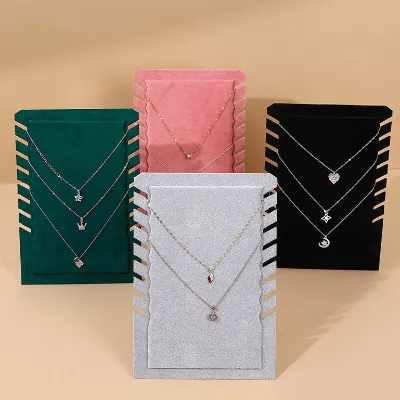
Custom Jewelry Set Display Stand Acrylic Necklace Rack for Jewellery Store
$1.23 - $2.11
MOQ: 100 Pieces


Classical Acrylic Jewelry Display Stand White Plastic Jade Displays with Lace
$1.55 - $2.24
MOQ: 50 Pieces





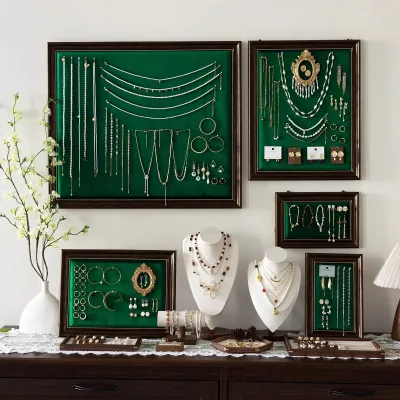
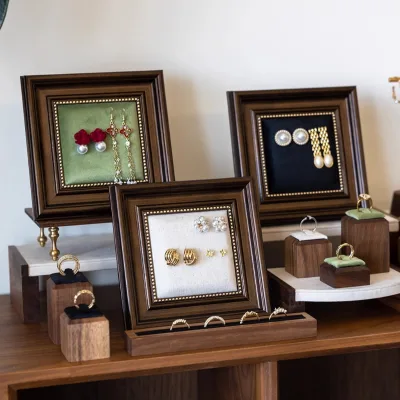
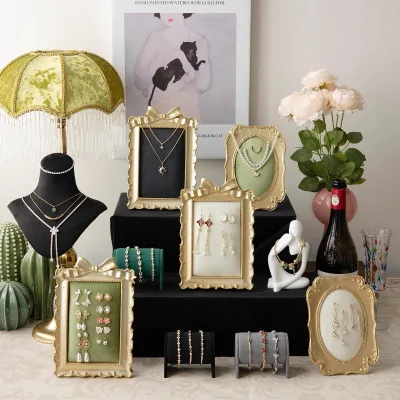
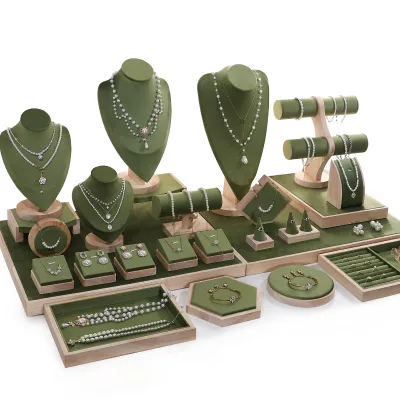


Comprehensive Sourcing Guide
Store Display Jewelry Stand Supplier Concentration and Factory Types
The current supplier landscape for store display jewelry stands reveals a distinct concentration of manufacturing and trading entities within specific industrial regions in China. Data indicates that a significant portion of these suppliers are located in Fujian Province, with Xiamen emerging as a notable hub for production. This geographic clustering suggests a mature supply chain ecosystem where raw materials, specialized labor, and logistics infrastructure are readily available. Buyers evaluating potential partners should recognize that this regional density often correlates with competitive pricing and established production capabilities. The presence of suppliers in this area implies that sourcing from Fujian may offer advantages in terms of supply chain efficiency and reduced transit times for finished goods. However, it is crucial to verify the specific factory location rather than relying solely on the general regional data provided in search results.
Supplier types in this category vary between pure manufacturers and trading companies, with many entities operating as hybrid models that combine both functions. Some suppliers are identified as trading companies, which may offer a broader range of product categories such as metal display shelves, acrylic stands, and wooden racks alongside jewelry-specific items. Others are listed as manufacturers or trading companies, indicating they have in-house production capabilities for custom designs. This distinction is vital for buyers who prioritize direct factory communication versus the flexibility of a trading partner who can source from multiple factories. The main products listed often include a diverse array of display solutions, ranging from organic glass showcases to composite material stands. Understanding whether a supplier is primarily a manufacturer or a trader helps buyers assess their ability to handle custom orders, manage quality control, and provide technical support during the production process.
How to Verify Store Display Jewelry Stand Suppliers
Verifying the legitimacy and capability of Store Display Jewelry Stand suppliers requires a multi-layered approach that goes beyond surface-level profile information. Buyers should prioritize suppliers who have undergone third-party verification processes, such as those conducted by SGS Group, which can provide an additional layer of trust regarding business operations and product quality. It is essential to check for specific system certifications that align with international standards, such as RoHS, which indicates compliance with restrictions on hazardous substances. These certifications are not merely decorative; they serve as critical indicators of a supplier’s commitment to regulatory compliance and environmental responsibility. Buyers must request valid certification documents and verify their authenticity through the issuing bodies to ensure that the claims made in the supplier profile are accurate and up-to-date.
Response time and lead time are also key metrics for assessing supplier reliability and operational efficiency. A supplier with a rapid response time, such as those recorded at three days or less, demonstrates a high level of engagement and readiness to handle inquiries promptly. This responsiveness is particularly important during the initial negotiation phase and when addressing urgent order modifications. Conversely, lead times can vary significantly, with some suppliers indicating a standard thirty-day production window while others may have different capacities. Buyers should clarify whether the stated lead time includes material procurement, production, and quality control steps. Additionally, verifying the supplier’s ability to offer design services, such as providing design and drawing artwork, can indicate their technical proficiency. Buyers should ask for case studies or previous project examples to confirm that the supplier can execute complex custom designs effectively.
What to Compare Across Store Display Jewelry Stand Suppliers
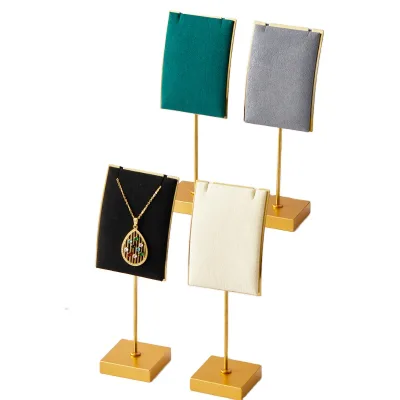
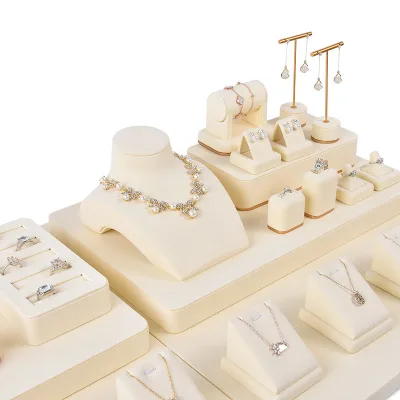
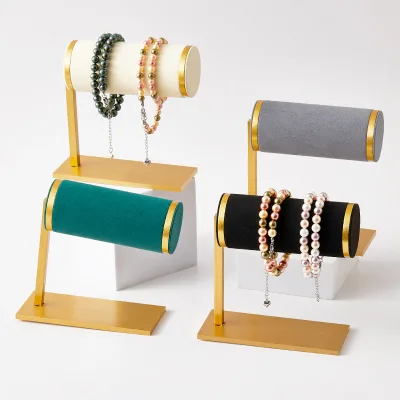
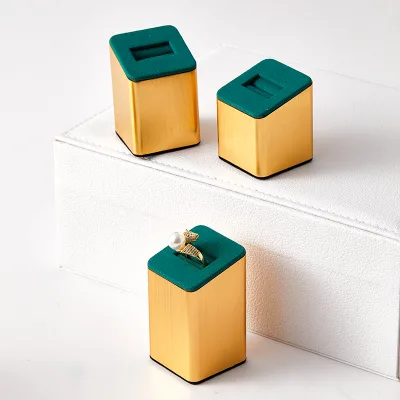
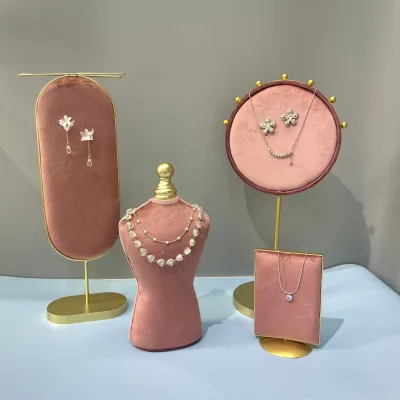
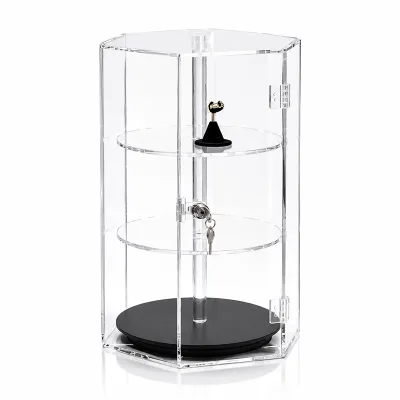
When comparing suppliers, buyers must evaluate a range of product attributes that directly impact the final utility and aesthetic of the display stands. Material composition is a primary differentiator, with options ranging from organic glass and composite materials to wood and metal constructions. Each material offers distinct advantages in terms of durability, visual appeal, and cost. For instance, organic glass displays may offer a premium, transparent look suitable for luxury jewelry, while composite materials might provide a more cost-effective and versatile solution. Buyers should also consider the build method, such as connect or truss systems, which affects the assembly process and structural integrity of the final product. The style of the display, whether floor-type or countertop, must align with the specific retail environment and customer flow of the buyer’s store.
Customization capabilities and minimum order quantities (MOQ) are critical factors in supplier selection. Some suppliers offer extensive customization options, including customized sizes, colors, and logos, which are essential for brands seeking a unique identity. The availability of OEM and ODM services allows buyers to tailor products to their specific requirements. However, these customization options often come with higher MOQs, which can range from small batches of five units for certain items to larger orders of two hundred units for standard displays. Buyers must balance their desire for customization with their inventory capacity and budget constraints. Additionally, comparing price ranges is necessary, as costs can vary from as low as ten dollars to over one hundred fifty dollars per unit depending on the complexity and materials used. Understanding the total cost of ownership, including shipping and potential tariffs, is essential for accurate budgeting.
Common Store Display Jewelry Stand Sourcing Risks
One of the primary risks in sourcing store display jewelry stands is the potential discrepancy between sample quality and mass production output. Suppliers may provide high-quality samples that do not reflect the consistency of the final batch, leading to customer dissatisfaction and brand damage. This risk is particularly prevalent when dealing with suppliers who rely heavily on subcontractors or have inconsistent quality control processes. Buyers must implement rigorous quality assurance protocols, including pre-shipment inspections and third-party testing, to mitigate this risk. It is also important to verify the supplier’s ability to maintain consistency in materials and finishes, especially when dealing with natural materials like wood or composite materials that can vary in texture and color.
Another significant risk is the lack of transparency in supply chain practices, which can lead to delays and unexpected costs. Suppliers may not disclose the true origin of raw materials or the actual production location, making it difficult for buyers to assess ethical and environmental compliance. This opacity can also complicate logistics planning, as transit times may be longer than anticipated due to hidden bottlenecks. Buyers should require detailed production schedules and regular updates from suppliers to monitor progress. Additionally, the risk of intellectual property infringement is a concern, especially when working with suppliers who offer custom design services. Buyers must ensure that their designs are protected and that the supplier does not share them with competitors. Clear contractual agreements and non-disclosure agreements are essential to safeguard proprietary information and maintain competitive advantage.
Store Display Jewelry Stand Regional Sourcing and Logistics
Sourcing store display jewelry stands from regional hubs like Fujian Province offers logistical advantages due to the area’s well-developed infrastructure and proximity to major shipping ports. This geographic concentration facilitates efficient transportation of goods, reducing transit times and associated costs. Buyers should leverage this regional advantage by coordinating with suppliers who have experience in exporting to their target markets. Understanding the specific logistics requirements of the destination country, including packaging standards and documentation needs, is crucial for smooth customs clearance. Suppliers in this region are often familiar with international shipping protocols, which can streamline the export process and reduce the likelihood of delays at borders.
However, buyers must also consider the environmental impact and sustainability of their sourcing decisions. Many suppliers in this region are increasingly adopting eco-friendly practices, such as using recycled materials and offering fireproof features in their products. Buyers should inquire about the supplier’s sustainability initiatives and request evidence of their environmental compliance. This includes verifying certifications like SGS and ISO9001, which indicate adherence to quality and environmental management standards. Additionally, buyers should assess the supplier’s packaging methods, such as the use of bubble bags, foam pads, and five-layer master cartons, to ensure that products are protected during transit while minimizing waste. By prioritizing suppliers with strong sustainability credentials, buyers can enhance their brand image and meet the growing consumer demand for environmentally responsible products.
Store Display Jewelry Stand Commercial Terms and Order Planning
Effective order planning for store display jewelry stands requires a clear understanding of commercial terms, including payment structures, delivery schedules, and after-sales support. Buyers should negotiate favorable payment terms that align with their cash flow needs, such as partial upfront payments and balance upon shipment. It is also important to clarify the responsibilities for shipping and insurance, ensuring that risks are appropriately allocated between the buyer and the supplier. Suppliers with established track records may offer more flexible terms, but buyers must verify these claims through independent references or past performance data. Understanding the lead time variations and how they impact inventory management is essential for maintaining stock levels and meeting customer demand.
After-sales support and warranty policies are critical components of the commercial agreement, particularly for custom-made display stands. Buyers should ensure that the supplier provides adequate support for any defects or issues that arise post-delivery. This includes clear guidelines for returns, replacements, and repairs. Suppliers who offer design and drawing artwork services should also provide technical support during the assembly and installation phases. Buyers must document all agreed-upon terms in a comprehensive contract to avoid misunderstandings and disputes. Regular communication with the supplier throughout the production process can help identify and resolve potential issues early, ensuring a smooth transaction. By prioritizing transparent commercial terms and robust order planning, buyers can build long-term, reliable partnerships with their suppliers.
FAQs
What is the price range for jewelry display stands?
Prices for jewelry display stands typically range from $10 to $155 per unit. The cost varies significantly based on material, such as organic glass or composite materials, and customization options like logos or specific sizes. Buyers should expect higher prices for luxury glass showcases and lower costs for basic wooden or metal racks.
What is the minimum order quantity for these products?
Minimum order quantities vary by product type. Some items require a minimum of 200 units, while others accept orders as low as 5 pieces. Buyers seeking small batches should look for suppliers offering low MOQs, whereas bulk purchasers can utilize suppliers with higher volume requirements to potentially negotiate better pricing tiers.
How long does production take for custom orders?
Standard lead times are approximately 30 days for production. However, some suppliers offer immediate availability with zero lead time for stock items. Custom orders involving specific designs or materials may require additional time, so buyers should confirm production schedules directly with suppliers to ensure timely delivery for their retail needs.
Are these display stands customizable for branding?
Yes, customization is widely available. Suppliers offer options for customized logos, colors, and sizes. Many providers also offer design services, including drawing artwork and design proposals. Buyers can request specific materials like organic glass or composite wood to match their store aesthetic while incorporating their brand identity into the display units.
What certifications do the suppliers hold?
Suppliers hold various certifications including SGS, ISO9001, and RoHS. These certifications indicate compliance with quality management and environmental standards. Buyers should verify specific certification documents for their target markets, as requirements may vary. The presence of these certifications suggests a commitment to product safety and manufacturing quality standards.
Where are these jewelry displays manufactured?
These products are primarily manufactured in China, specifically in the Fujian province. Key production hubs include Xiamen. Buyers sourcing from this region benefit from established supply chains for materials like wood, metal, and acrylic. The location supports efficient logistics for international shipping, though buyers should confirm exact factory locations for quality audits.
What materials are used for jewelry display stands?
Common materials include organic glass, composite materials, wood, and metal. Some stands feature fireproof or recycled features. Buyers can choose between floor-type or countertop styles based on their retail space. Material selection impacts durability and aesthetic appeal, with glass offering a premium look and wood providing a warm, natural feel.