Super High Shoe Heel Suppliers and Manufacturers
Source Super High Shoe Heel components from 27 verified suppliers in China. Compare key dimensions including lead times, MOQs, and response speeds to identify the right partner for your production needs. Review detailed product specifications and pricing to streamline your sourcing workflow.
Updated
Suppliers List

Foshan Nanhai Yahang Shoes Co., Ltd.
- Verified by SGS
- Combined
- China Guangdong
- Lead time23 days
- Avg. response≤ 4h
Main productsShoe Soles, Shoe Lasts, Shoe Heels, Shoe Lace, Shoe Upper, Shoe Buckle, Shoe Eyelets, Complete Shoes
Main marketsSoutheast Asia/ Mideast
Luoyang Huifa Footwear Co., Ltd.
- Verified by Intertek
- Trading Company
- Lead time30 days
- Avg. response≤ 2h
Main productsShoe Parts & Accessories, PU PVC Injection Shoe, Cemented Shoe, Slipper, Fly-knit Shoe Upper
Main marketsSouthern Europe(35%), South Asia(30%), Africa(10%)
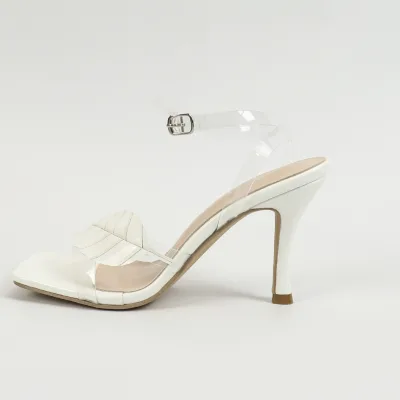
High Heels with Square Head Stiletto Heel and Open Toe for a Versatile Simple Style
$6.88 - $8.92
MOQ: 2 pairs

Sichuan Jinyou Shoes Co., Ltd.
- Verified by CTI
- Combined
- China Sichuan
- Lead time60 days
- Avg. response≤ 5h
Main productsHeels, Boots, Sandals, Flats
Main marketsAfrica,Others(foreignTradeCapacity.exportBusinessCapacityMarketOther),Europe,Australia,North America

Trendy Ladies Square Toe High Heels Ankle Buckle Strap Sandals Heels Women Stiletto Shoes Plus Size
$17.00 - $22.00
MOQ: 30 Pairs


High Heel Pumps Heels Pointed Toe Shoes Buckle Ankle Strap Shiny Silver Transparent Partyshoes
$18.00 - $25.00
MOQ: 20 Pairs


Yuanyang Jiayun Department Store Co., Ltd.
- Trading Company
- Henan, China
- Lead time0 days
- Avg. response≤ 3h
Main productsWomen clothes,Bag,Shoes,Human hair,Eyelashes
Main marketsNorth America(70.00%), Africa(10.00%), Southeast Asia(5.00%)
Jian 'ou City Diaolin E-Commerce Firm
- Trading Company
- Fujian, China
- Lead time15 days
- Avg. response≤ 10h
Main productsshoes,clothing
Main marketsNorth America(70.00%), Africa(10.00%), Southeast Asia(10.00%), South America(10.00%)
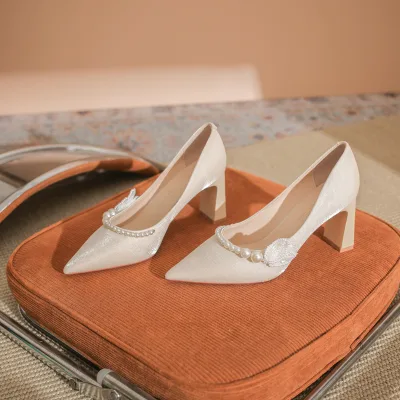
$12.5634 - $17.2743
MOQ: 2 pieces
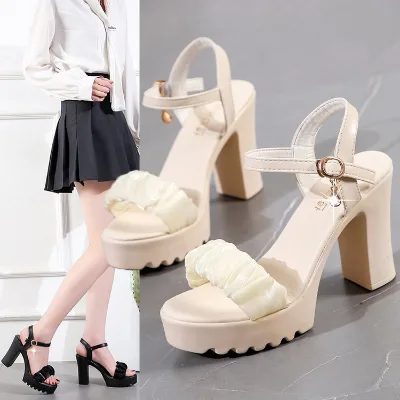
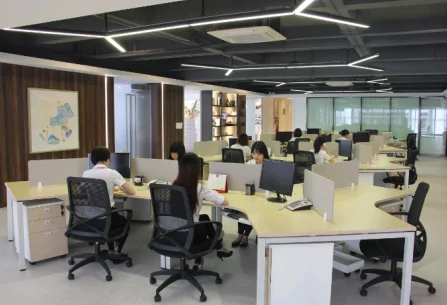
Hefei Yaohai Zeyo Garment&accessory Firm
- Trading Company
- Anhui, China
- Lead time4 days
- Avg. response≤ 3h
Main productsShoes,Sandals,Slippers,Boots,Garments
Main marketsEastern Europe(15.00%), Central America(10.00%), Northern Europe(10.00%), Mid East(10.00%), South America(10.00%), North America(9.00%), Africa(8.00%), South Asia(8.00%), Southern Europe(5.00%), Western Europe(5.00%), Eastern Asia(3.00%), Southeast Asia(3.00%), Domestic Market(2.00%), Oceania(2.00%)
Guangzhou Xinernuo Trading Co., Ltd.
- Verified by Intertek
- Trading Company
- Lead time10 days
- Avg. response≤ 6h
Main productsWomen's High Heels, Women's Boots, Women's Casual Shoes, Sandals, Men's Leather Shoes
Main marketsAfrica(30%), North America(20%), Eastern Europe(20%)
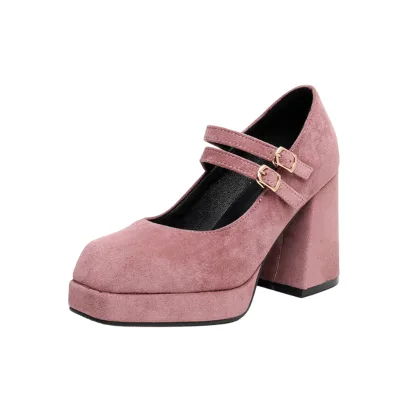
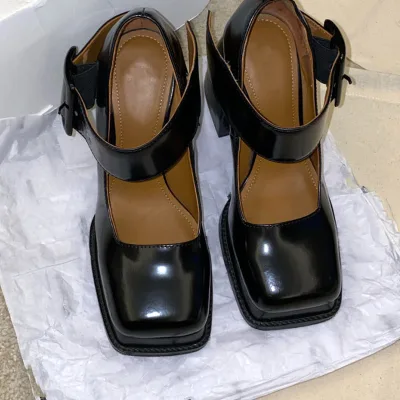
Ladies' Suede Square Toe Double Buckle High Heels Waterproof Large Size Mary Jane Shoes
$13.0421 - $15.9414
MOQ: 100 pairs
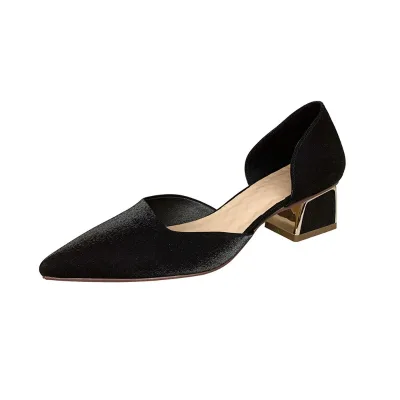
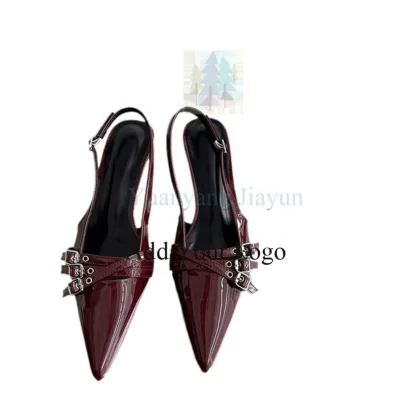
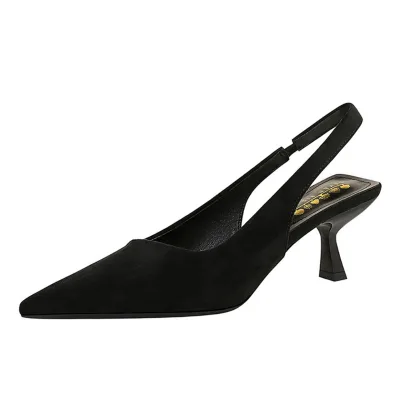
High Quality New Pointed Toe Heels Slip-on Mid Heel Official Shoes for Women
$11.8738 - $14.4544
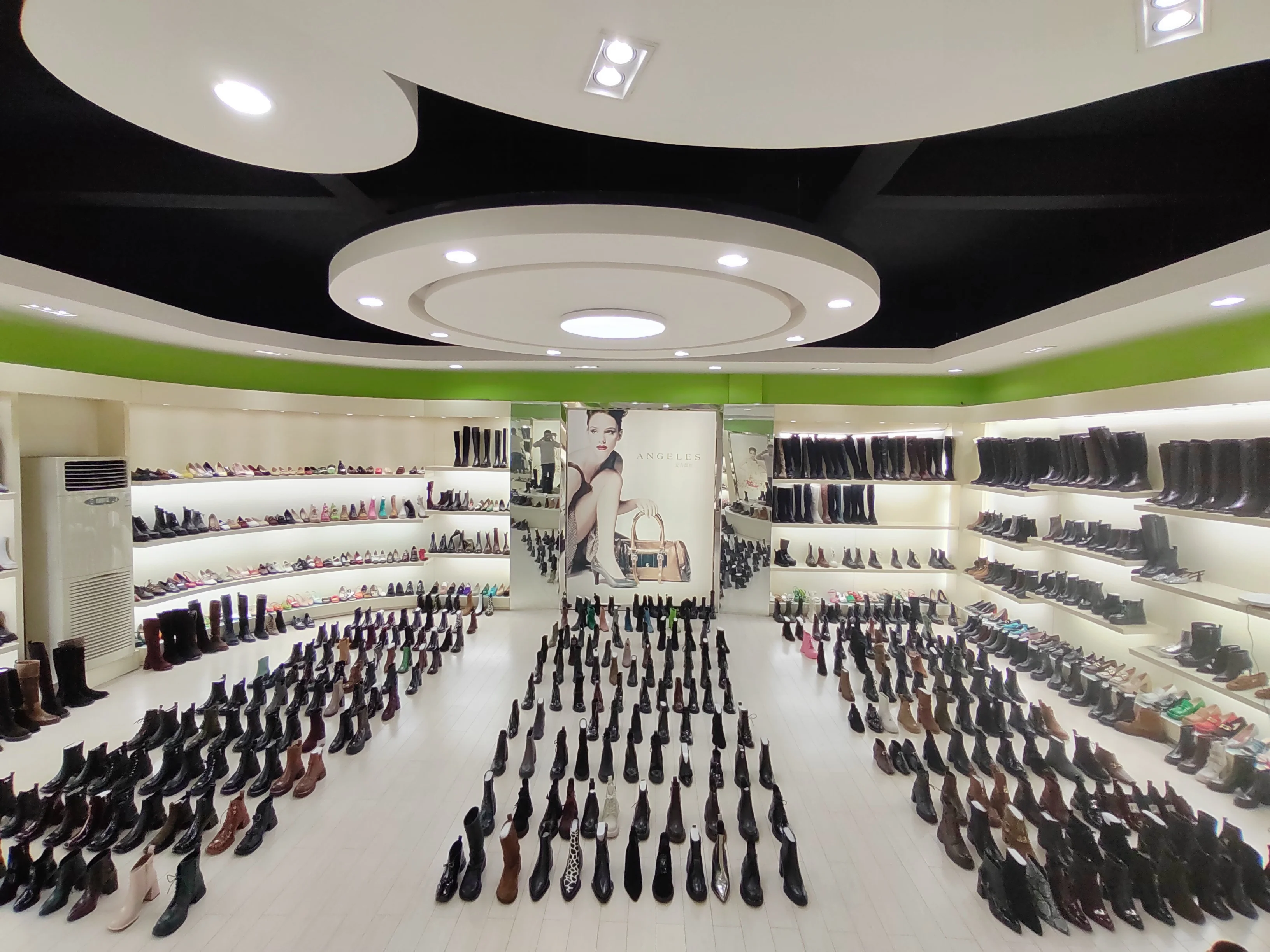
Sichuan Aimaylen Technology Co., Ltd.
- Trading Company
- Sichuan, China
- Lead time7 days
- Avg. response≤ 4h
Main productsWomen shoes,customize shoes,genuine leather shoes,pu shoes,heels
Main marketsWestern Europe(30.00%), North America(30.00%), Mid East(10.00%), Eastern Europe(10.00%), Southern Europe(5.00%), Northern Europe(5.00%), South America(5.00%), Oceania(5.00%)
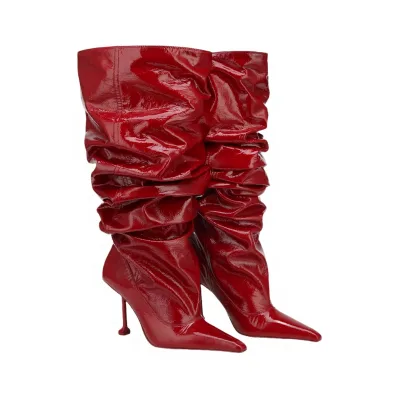
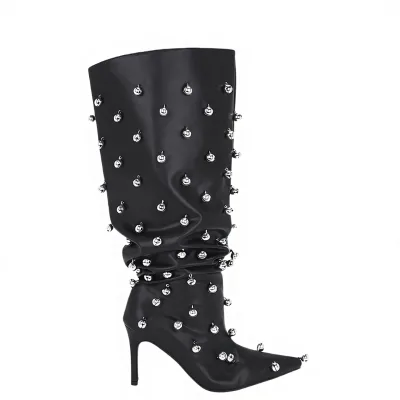
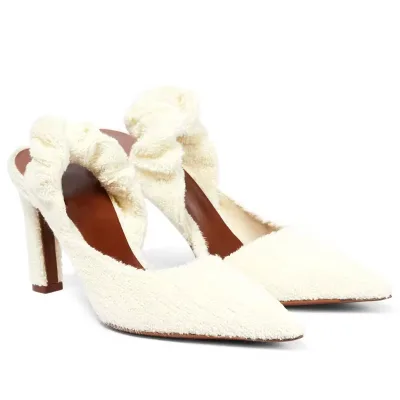
$17.00 - $23.00
MOQ: 30 pairs
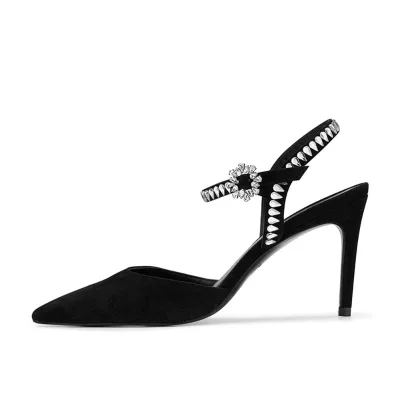
$20.00 - $25.00
MOQ: 30 pairs
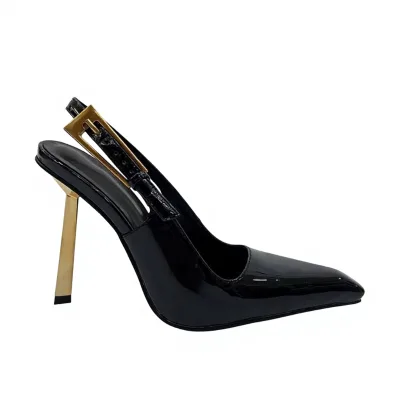
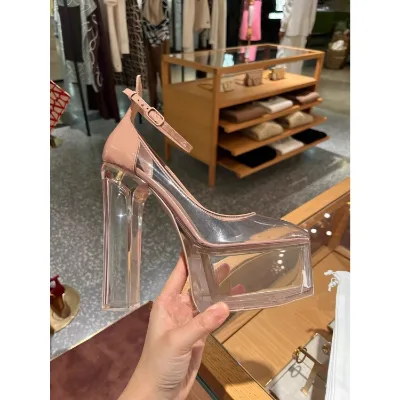
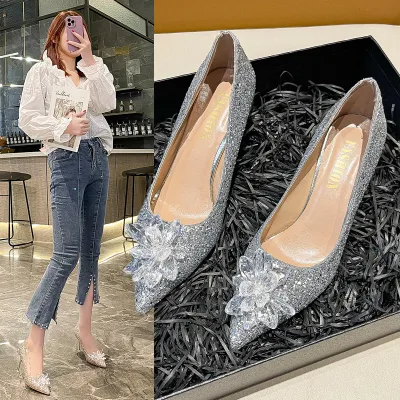
New Fashion Crystal Transparent Heels Buckle Strap Square High Heels Large Size Pumps Shoes Woman
$20.99 - $35.75
MOQ: 2 pairs

Shijiazhuang Dongcang Trading Co., Ltd.
- Verified by SGS
- Trading Company,Manufacturer/Factory
- China Hebei
- Lead time15 days
- Avg. response≤ 10h
Main productsHandbag, Shoulder Bag, Shoes, Clothes, Jewelry, Swimwear, Sunglasses
Main marketsSouth America,Eastern Europe,Mid East,North America,Southeast Asia,Eastern Asia,Oceania,Western Europe,Africa
Chengdu Wen Zhong Xiang Hao International Trade Co.,ltd
- Trading Company
- Sichuan, China
- Lead time30 days
- Avg. response≤ 3h
Main productsshoes,bags,clothes
Main marketsNorth America(30.00%), Southern Europe(20.00%), Western Europe(20.00%), Eastern Europe(20.00%), Domestic Market(1.00%), Southeast Asia(1.00%), South Asia(1.00%), Northern Europe(1.00%), Central America(1.00%), Eastern Asia(1.00%), Mid East(1.00%), South America(1.00%), Oceania(1.00%), Africa(1.00%)
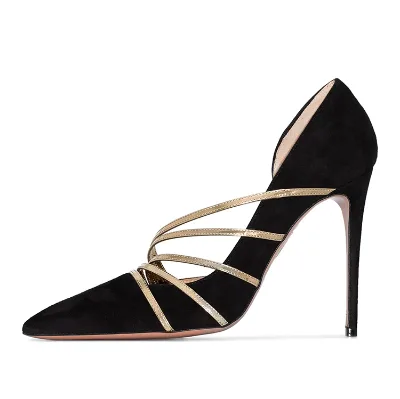
$9.99 - $19.99
MOQ: 30 pairs
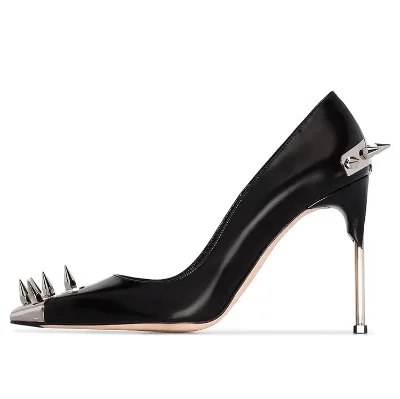
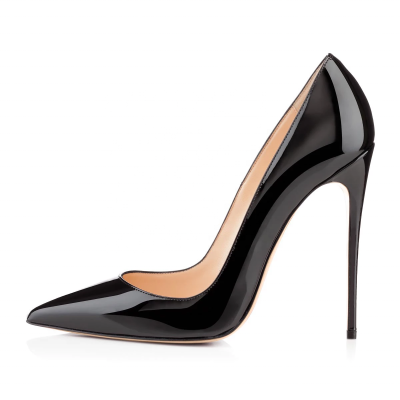
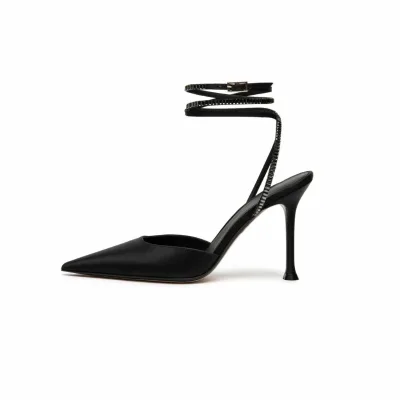
2024 China Wholesales Women High Heels Satin Fabric Crystal Shoes Heels
$13.274 - $24.515
MOQ: 30 pairs
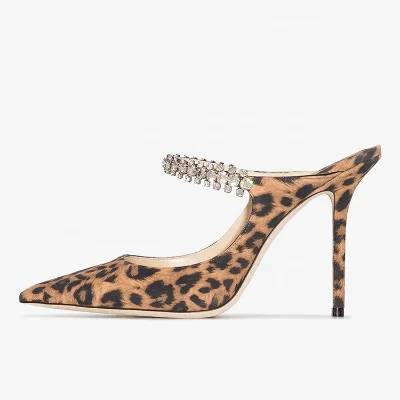

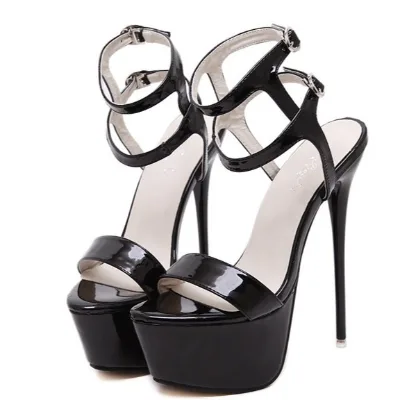
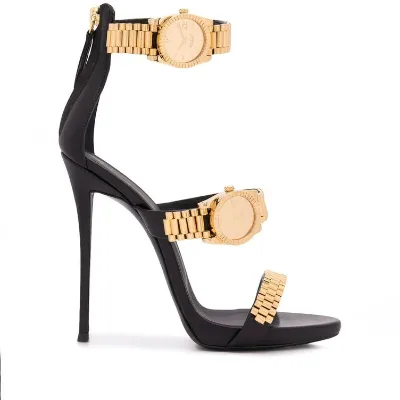
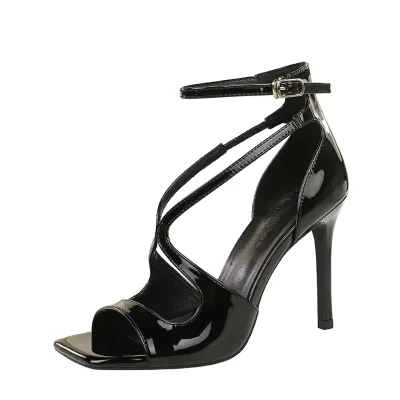
Women High Heel Shoes Platform Sandal Open Shoes Black Patent Sandal Heels
$12.99 - $23.99
MOQ: 30 pairs

Shenzhen Fashion Industrial Co., Ltd.
- Trading Company,Manufacturer/Factory
- China Guangdong
- Lead time38 days
- Avg. response≤ 5h
Main productsShoes, Sneaker Shoes, Sports Shoes, Women Shoe, Casual Shoes, Ladies Shoes, Fashion Shoes, Slippers, Sandals, Boots
Main marketsSouth America,Eastern Europe,Mid East,North America,Southeast Asia,Eastern Asia,Oceania,Western Europe,Africa


Ladies Shoe Female High Heels Wholesale Custom Women Shoes High Heel for Party or Wedding
$10.18 - $10.69
MOQ: 150 Pairs


Hot Sale Comfortable High Heels Ladies Shoe Dress Shoes for Party or Formal Occassion
$8.30 - $9.23
MOQ: 100 Pairs

Yiwu Zhongbu International Trade Co., Ltd.
- Verified by SGS Group
- Manufacturer, Trading Company
- Zhejiang, China
- Lead time30 days
- Avg. response≤ 3h
Main productsProfessional Chef Shoes / Clogs, Medical Nursing Shoes / Surgical Clogs, Industrial Safety Clogs with Composite Toe, ESD Anti-Static Work Footwear , Functional Leisure Footwear
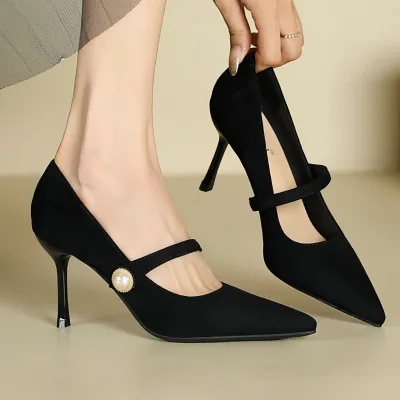
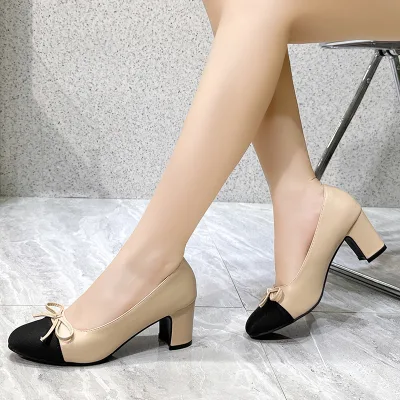
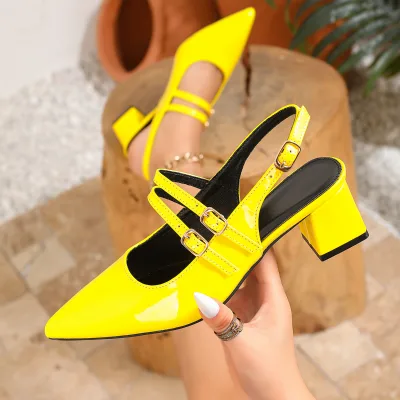
$12.2283 - $15.2068
MOQ: 1 units
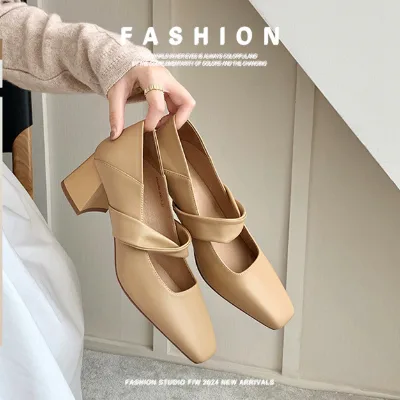
$14.85 - $17.25
MOQ: 2 units
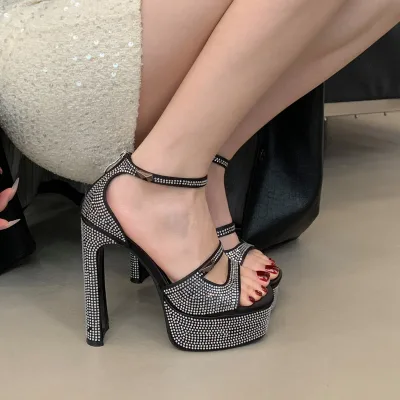
$19.6829 - $22.1947
MOQ: 2 units

Chengdu Jofit Commerce Co., Ltd.
- Trading Company
- Sichuan, China
- Lead time5 days
- Avg. response≤ 4h
Main productswomen shoes,kids shoes,clothes,watches,sneakers
Main marketsNorth America(25.00%), Eastern Europe(20.00%), Africa(10.00%), South America(10.00%), Northern Europe(8.00%), Southeast Asia(5.00%), Central America(4.00%), Mid East(4.00%), Southern Europe(3.00%), Oceania(3.00%), Eastern Asia(3.00%), Western Europe(3.00%), Domestic Market(1.00%), South Asia(1.00%)
Yiwu Dajie Import And Export Co., Ltd.
- Trading Company
- Zhejiang, China
- Lead time0 days
- Avg. response≤ 2h
Main productswomen clothes,men clothes,children clothes,dress,shoes
Main marketsNorth America(30.00%), Southeast Asia(20.00%), Central America(10.00%), Mid East(10.00%), South Asia(10.00%), Africa(3.00%), Northern Europe(3.00%), Eastern Asia(3.00%), South America(3.00%), Domestic Market(3.00%), Western Europe(2.00%), Oceania(1.00%), Eastern Europe(1.00%), Southern Europe(1.00%)

Guangzhou Shengchengman Trading Co., Ltd.
- Verified by CTI
- Trading Company,Manufacturer/Factory
- China Guangdong
- Lead time45 days
- Avg. response≤ 3h
Main productsWomen Shoe, High Heels, Sandals, Slippers, Flat Shoes, Boots, Sports Shoes, Baby Shoes, Party Shoes, Brand Shoes
Main marketsSouth America,Mid East,North America,Western Europe,Africa


Customized High Quality Pressure Drill Fashion Crystal High Heels, Women Shoes
$9.66 - $10.27
MOQ: 120 Pairs

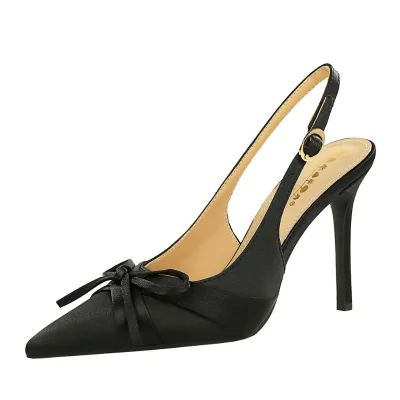
New Fashion Spring Pointed Toe High Heel Cloth Upper Bow Design High Heels
$8.06 - $8.66
MOQ: 120 Pairs


Guangdong Dashu Shoes Co., Ltd.
- Trading Company
- Guangdong, China
- Lead time7 days
- Avg. response≤ 5h
Main productsCasual Shoes,High-heeled shoes,Flat Shoes,Professional shoes
Main marketsAfrica(30.00%), Domestic Market(20.00%), North America(18.50%), Southeast Asia(8.00%), Mid East(5.00%), Eastern Asia(5.00%), South Asia(5.00%), Central America(3.00%), Northern Europe(2.00%), South America(1.00%), Western Europe(1.00%), Eastern Europe(0.50%), Oceania(0.50%), Southern Europe(0.50%)

Guangzhou Baibini Import And Export Trade Co., Ltd.
- Trading Company
- Guangdong, China
- Lead time25 days
- Avg. response≤ 4h
Main productslady shoes,lady slippers,lady heels,lady boots,lady sports
Main marketsMid East(100.00%)

Ladies High Heel Shoes Woman High Heels Ladies Trending Pumps Ladies Heels Wholesale
$12.31 - $15.09
MOQ: 36 pairs
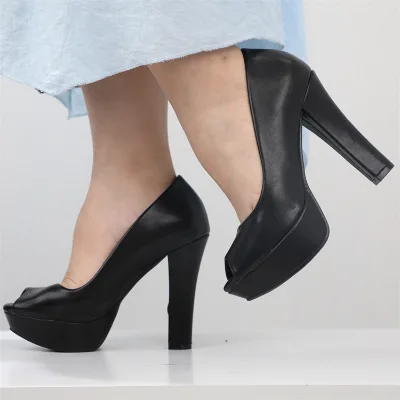
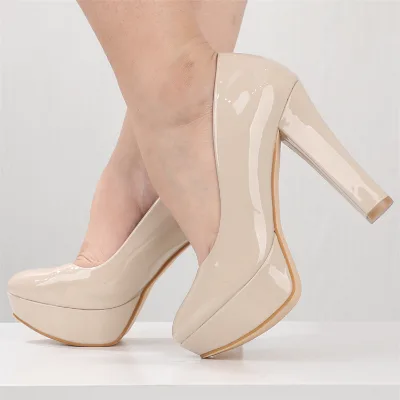
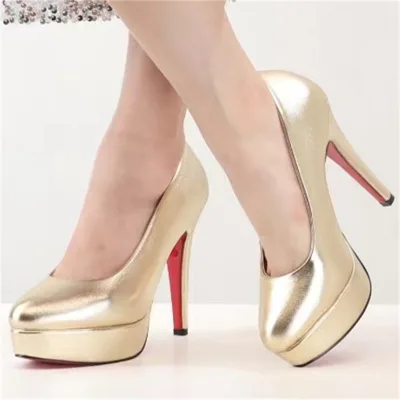
Ladies Heels Platform Heels High Quality Women Platforms Shoes High Platform Heels
$11.66 - $14.44
MOQ: 36 pairs
Guangzhou Babala Technology Co., Ltd.
- Manufacturer, Trading Company
- Guangdong, China
- Lead time0 days
- Avg. response≤ 2h
Main productswomen's shoes,men's shoes,Sandals,Pumps,Casual shoes
Main marketsNorth America(30.00%), Eastern Europe(20.00%), South America(20.00%), Western Europe(5.00%), Mid East(5.00%), Southern Europe(5.00%), Northern Europe(5.00%), Southeast Asia(5.00%), Eastern Asia(3.00%), Oceania(1.00%), Africa(1.00%)

CHENGDU COFIDA LEATHER PRODUCTS CO., LTD.
- Verified by SGS
- Trading Company,Manufacturer/Factory,Group Corporation
- China Sichuan
- Lead time23 days
- Avg. response≤ 2h
Main productsLeather Shoes and Boots, Party Dress Shoes, Faux Leather Shoes and Boots, OEM Customized Shoes and Boots, Party Wedding Dress Shoes, Evening Clutch Bags, Unisex Shoes, Unisex Polo and Tshirts
Main marketsSouth America,Eastern Europe,North America,Southeast Asia,Eastern Asia,Oceania,Western Europe,Africa

- Manufacturer, Trading Company
- Zhejiang, China
- Lead time15 days
- Avg. response≤ 2h
Main productsshoes,Kids shoes,slippers
Main marketsEastern Europe(30.00%), Domestic Market(15.00%), North America(10.00%), Southeast Asia(5.00%), South Asia(5.00%), Southern Europe(5.00%), Northern Europe(5.00%), Western Europe(5.00%), Eastern Asia(5.00%), Mid East(5.00%)
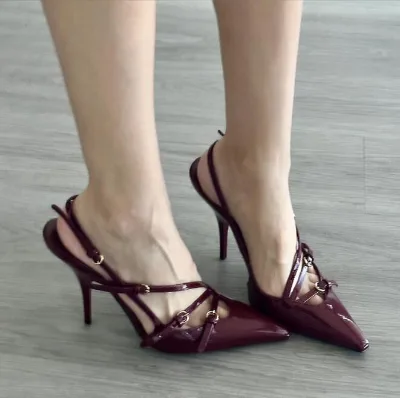
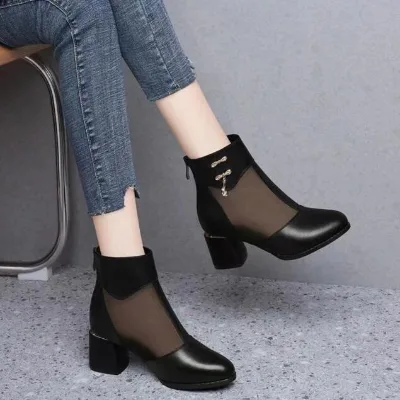
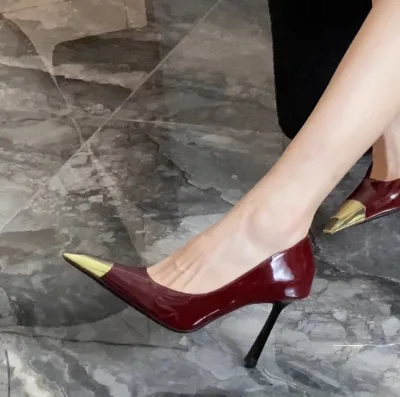
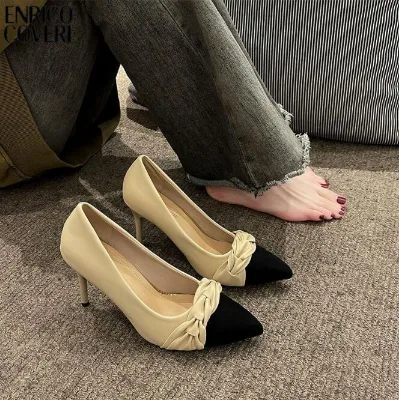
Elegant Fashion Pointed High Heels Metal Toe Royal Sister Style Elegant Women's Shoes
$1.65 - $7.65
MOQ: 2 pieces
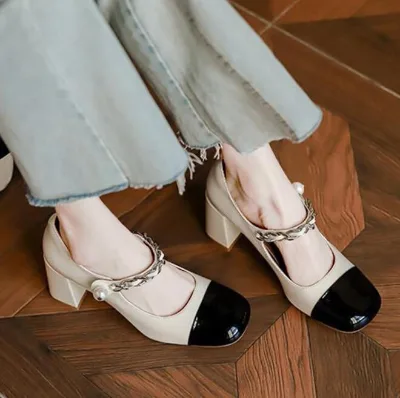
Customized Exquisite Fashion Color Matching Fine Heels Temperament High Heels Bridal Shoes
$1.35 - $6.50
MOQ: 2 pieces
- Trading Company
- Taiwan, China
- Lead time90 days
- Avg. response≤ 6h
Main productshigh heels,loafers,wedding shoes,sandals,boots
Main marketsNorth America(50.00%), Southeast Asia(10.00%), Eastern Asia(10.00%), Western Europe(10.00%), Northern Europe(10.00%), Southern Europe(10.00%)
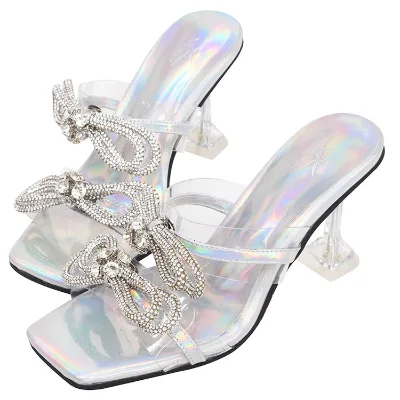
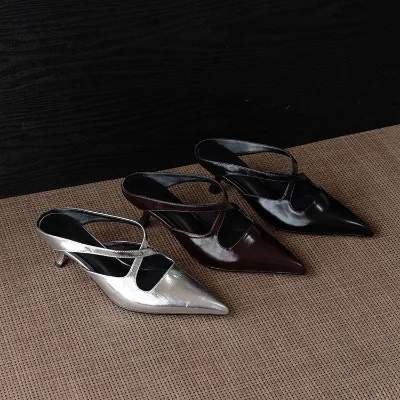
Silver High Heels for Summer Party
$46.00 - $66.00
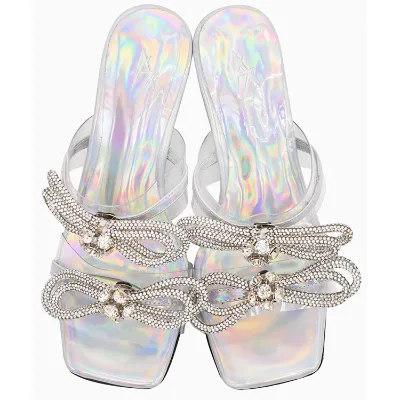
Minimalist Silver Crystal Heel
$46.00 - $66.00
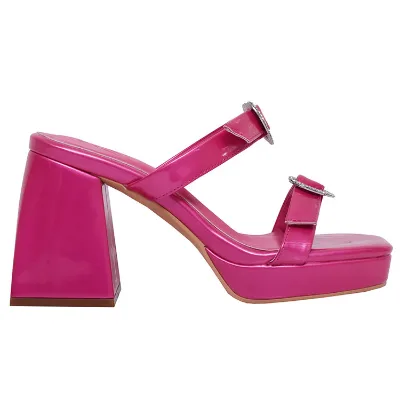
Casual Yet Chic Pink Slide Heels for Summer
$55.00 - $79.00

Wuxi Glolinker Technology Co., Ltd.
- Verified by CTI
- Trading Company
- China Jiangsu
- Lead time15 days
- Avg. response≤ 16h
Main productsClothing Fabrics, Pillows, Blankets, Duvet Cover, Fabric, Bed Sheets, Satin Fabric, Pillowcase, Embroidery Fabric, Sequin Fabric
Main marketsDomestic
Foshan Xingshidai Trading Co., Ltd.
- Manufacturer, Trading Company
- Guangdong, China
- Lead time0 days
- Avg. response≤ 3h
Main productsWomen's Shoes,Women's high heels for wedding,Women's flat slippers,Plus size Dance High Heels,Women's Boots
Main marketsNorth America(18.00%), Central America(12.00%), Mid East(11.00%), South America(10.00%), Eastern Europe(9.00%), Southeast Asia(8.00%), Africa(6.00%), Northern Europe(6.00%), Western Europe(5.00%), South Asia(4.00%), Oceania(3.00%), Southern Europe(3.00%), Domestic Market(3.00%), Eastern Asia(2.00%)

Quanzhou Kunhao Investment Co., Ltd
- Trading Company
- China Fujian
- Lead time0 days
- Avg. response≤ 5h
Main productsSports Shoe High Heel, Tatical Boots/Police Boots, Waterproof Hiking Shoes / Trekking & Hiking Shoe, Protective Shoes/Work Boots / Safety Shoes, Walking Hiking Outdoor Sandals/Flip Flops, Athletic Shoes, Preliminary Material Preparation for Production, Shoemaking Machine, Used Machines for Shoes and Clothing in Stock


2021 High Heel Sports Shoe/Ladies Fashion and Comfortable/Women Sport Shoes
$9.25 - $9.80
MOQ: 1200 Pairs
Dongguan Kaimoo Shoes Technology Co., Ltd.
- Manufacturer, Trading Company
- Guangdong, China
- Lead time30 days
- Avg. response≤ 3h
Main productsWomen Shoe,Women boots,Causal Shoe,Sandals,High Heel Shoes
Main marketsNorth America(45.00%), Western Europe(20.00%), Eastern Europe(12.00%), South America(10.00%), Oceania(10.00%), Northern Europe(3.00%)
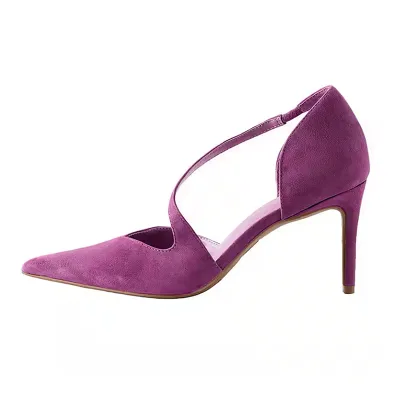
$27.62 - $35.62
MOQ: 2 pairs
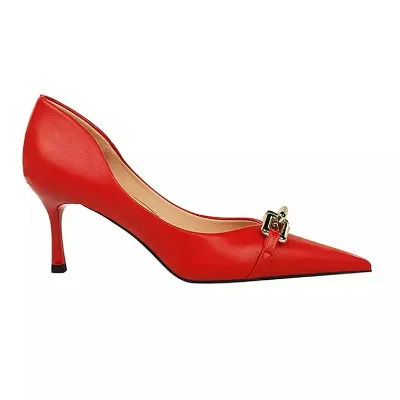
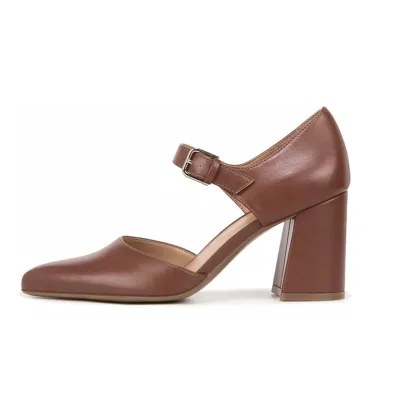
- Verified by SGS Group
- Manufacturer, Trading Company
- Lead time30 days
- Avg. response≤ 4h
Main productsSlipper
Main marketsDomestic Market(50%), North America(10%), Western Europe(10%)

Cangnan Hongtu Trading Co., Ltd.
- Verified by CTI
- Trading Company,Manufacturer/Factory
- China Zhejiang
- Lead time45 days
- Avg. response≤ 4h
Main productsMen Shoe, Women Shoes, Children Shoes, School Shoes
Main marketsSouth America,Eastern Europe,Mid East,North America,Southeast Asia,Eastern Asia,Oceania,Western Europe,Africa

New Women Heels for Ladies High Platform High Heels Thick Heeled Womens Sandals Shoes
Negotiable
MOQ: 300 Pairs


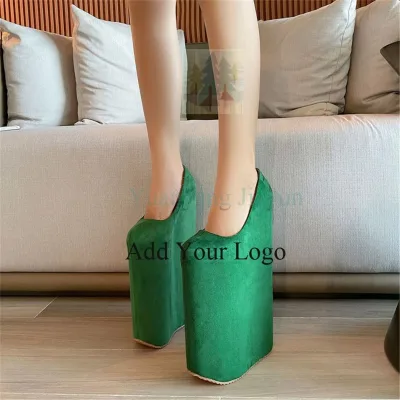


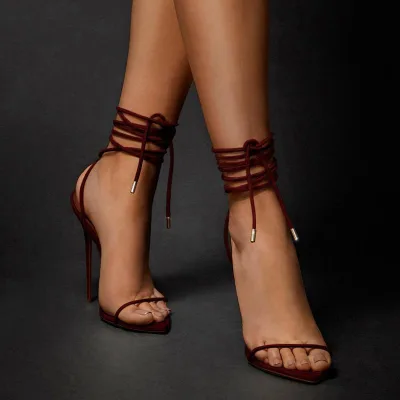
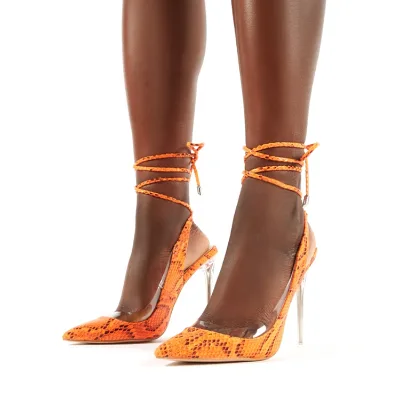
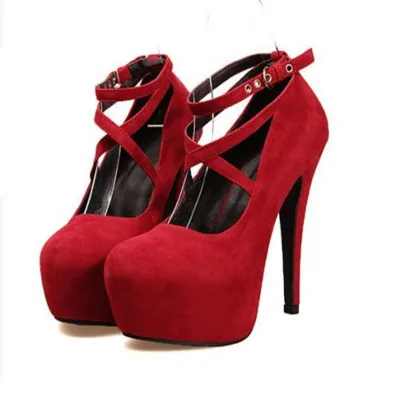
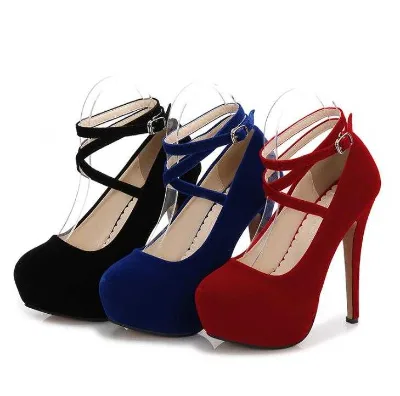
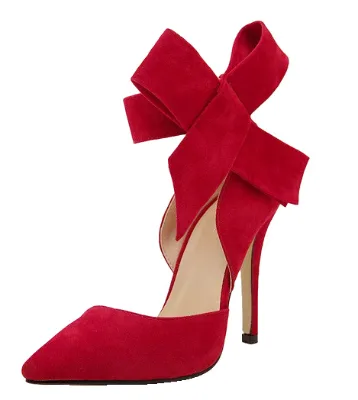
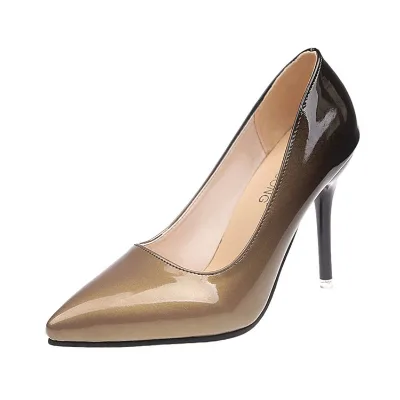
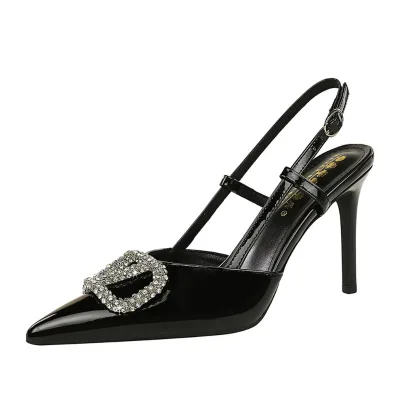
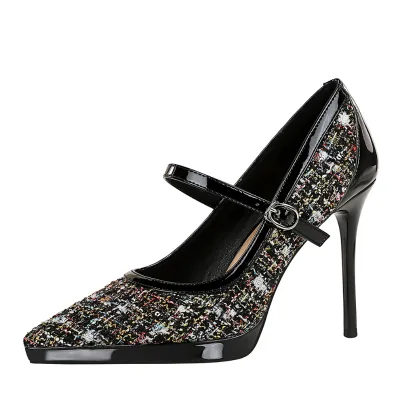


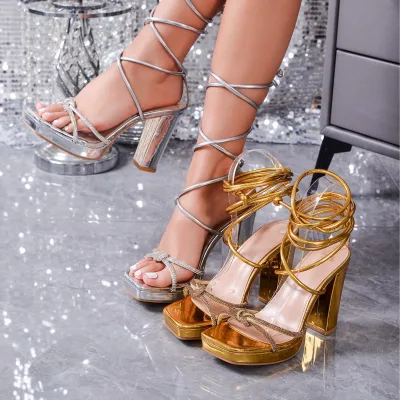
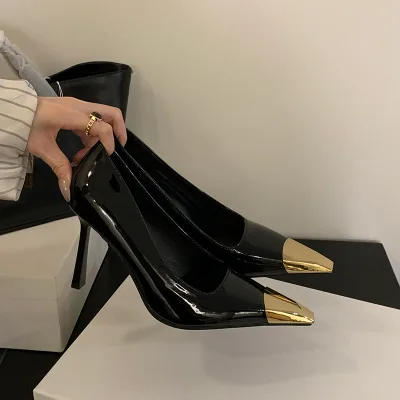
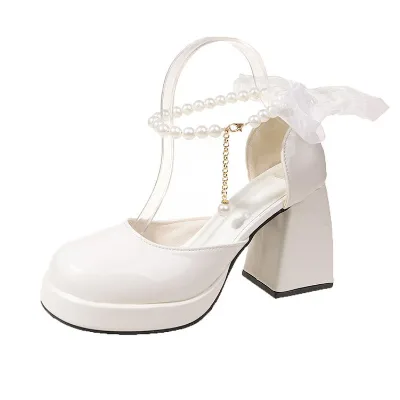
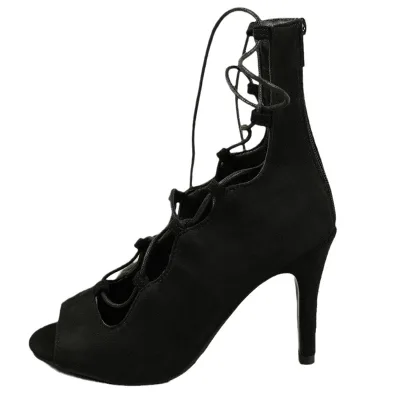
Comprehensive Sourcing Guide
Super High Shoe Heel Supplier Concentration and Factory Types
The current supplier landscape for super high shoe heels reveals a distinct geographic and structural diversity that buyers must navigate carefully. Evidence indicates that manufacturing operations are concentrated in specific regions, with one notable cluster located in China Guangdong. This area is associated with suppliers who identify as combined entities, suggesting they may handle both manufacturing and trading functions under one roof. These combined suppliers often list main products that include shoe soles, shoe lasts, shoe heels, and complete shoes, indicating a vertical integration capability that can streamline the sourcing process for complex footwear components. The presence of such integrated facilities allows for greater control over the production of specialized items like ABS high heels, which are frequently cited in product listings for their durability and design flexibility.
In contrast to the combined factory model, other suppliers in the results operate strictly as trading companies. These entities are typically located in different regions, such as China Sichuan, and focus on aggregating products from various sources rather than direct manufacturing. Their main products often include finished goods like heels, boots, sandals, and flats, alongside specific accessories like PU PVC injection shoes and fly-knit shoe uppers. This distinction is critical for buyers because trading companies may offer a broader variety of styles and faster access to existing inventory, whereas combined factories might provide more customization options and direct oversight of the production line. Understanding whether a supplier is a manufacturer, a trader, or a hybrid entity helps buyers determine the appropriate communication channel and negotiation strategy for their specific order requirements.
How to Verify Super High Shoe Heel Suppliers
Verification is a critical step in mitigating risk when sourcing super high shoe heels, as the structural integrity of these products directly impacts safety and wearability. Buyers should prioritize suppliers who have undergone third-party verification processes, as this provides an external layer of trust regarding their business legitimacy and operational capabilities. In the current results, several suppliers display verification badges from recognized agencies such as SGS, Intertek, and CTI. These certifications indicate that the suppliers have met specific standards for business audits or product quality checks, although the exact scope of these verifications should be confirmed with the supplier. For instance, a supplier verified by SGS may have had their business license and factory conditions inspected, while another verified by Intertek might have undergone product testing protocols.
Beyond verification badges, buyers should assess the responsiveness and transparency of the supplier’s communication channels. Response time is a key indicator of operational efficiency and customer service quality. Data from the current results shows response times varying between suppliers, with some achieving an average response time of 2 hours, while others may take closer to 4 hours. A faster response time often correlates with a more agile supply chain and better customer support, which is essential when resolving issues related to custom designs or urgent orders. Additionally, buyers should look for suppliers who provide detailed product attributes, such as material composition, heel height specifications, and customization options. Suppliers who clearly list attributes like "Customization: Available" or "OEM ODM: Welcomed" demonstrate a willingness to collaborate on bespoke designs, which is often necessary for super high heel products that require specific aesthetic or functional adjustments.
What to Compare Across Super High Shoe Heel Suppliers
When evaluating multiple suppliers for super high shoe heels, buyers must compare a range of commercial and operational metrics to identify the best fit for their business needs. One of the most significant factors is the Minimum Order Quantity (MOQ), which can vary substantially depending on the supplier’s production model and inventory status. Some suppliers offer an MOQ of 500 pairs per color, which is typical for custom manufacturing runs involving materials like ABS or PU. In contrast, other suppliers, particularly trading companies, may offer much lower MOQs, such as 2 pairs, catering to buyers who need samples or small batch tests. This disparity allows buyers to choose between suppliers based on their volume requirements, with lower MOQs being ideal for market testing and higher MOQs offering better unit economics for large-scale production.
Lead time and pricing are also critical comparison points that directly impact inventory management and profit margins. Lead times for super high shoe heels can range from 23 to 30 days, depending on the complexity of the design and the supplier’s current workload. Suppliers with shorter lead times may be preferable for buyers with tight deadlines or seasonal product launches. Pricing, meanwhile, varies based on materials, customization levels, and order volume. For example, basic ABS heels may start at a lower price point, while more intricate designs with specific features like slip resistance or heat resistance may command higher prices. Buyers should also compare the range of main products offered, as suppliers with a broader portfolio may provide better bundling opportunities or consistent quality across different footwear categories.
Common Super High Shoe Heel Sourcing Risks
Sourcing super high shoe heels involves specific risks related to product quality, structural integrity, and supplier reliability. One major risk is the inconsistency in material quality, particularly for heels made from ABS or other synthetic materials. While some suppliers advertise "High Quality" and "Good Quality and Safety" features, buyers must verify these claims through sample testing. The structural stability of a super high heel is paramount, as failures can lead to product returns and reputational damage. Buyers should request detailed product specifications, including heel height, material thickness, and reinforcement methods, to ensure the product meets their safety standards. Additionally, features like slip resistance and heat resistance should be validated through independent testing, as these attributes are critical for consumer safety and satisfaction.
Another significant risk is the potential for miscommunication regarding customization and design specifications. Suppliers who offer OEM and ODM services may have varying levels of expertise in translating buyer designs into manufacturable products. Misunderstandings in dimensions, colors, or packaging can lead to costly errors and delays. Buyers should ensure that all customization details are clearly documented in the purchase agreement, including specific model numbers, packing requirements, and quality standards. Furthermore, buyers should be cautious of suppliers who do not provide clear information about their production capacity or lead times. Inconsistent lead times can disrupt supply chains, especially for seasonal products, so buyers should prioritize suppliers with a track record of reliable delivery and transparent communication.
Super High Shoe Heel Regional Sourcing and Logistics
The geographic location of suppliers plays a crucial role in determining logistics costs, lead times, and overall supply chain efficiency. Current results indicate that suppliers are located in different regions of China, such as Guangdong and Sichuan, each offering distinct advantages for sourcing super high shoe heels. Guangdong is a major manufacturing hub known for its extensive supply chain networks and experienced labor force, making it a common location for combined suppliers who produce a wide range of shoe components and finished goods. Sourcing from this region may offer benefits in terms of material availability and production speed, but buyers should also consider the potential for higher competition and pricing pressure.
In contrast, suppliers located in Sichuan may offer different logistical advantages, particularly for buyers targeting specific markets or seeking alternative sourcing options. Trading companies in this region may have established relationships with multiple manufacturers, allowing them to offer a diverse range of products and flexible order quantities. Buyers should evaluate the proximity of the supplier to major ports or logistics hubs, as this can impact shipping costs and transit times. Additionally, buyers should consider the supplier’s experience with international shipping and their ability to handle customs documentation and compliance requirements. Understanding the regional strengths and logistical capabilities of each supplier helps buyers make informed decisions that align with their overall supply chain strategy.
Super High Shoe Heel Commercial Terms and Order Planning
Effective order planning for super high shoe heels requires careful attention to commercial terms, including payment conditions, sample policies, and after-sales support. Many suppliers offer sample availability, with lead times for samples ranging from 5 to 7 working days. This is a valuable feature for buyers who need to verify product quality and design before committing to large orders. Buyers should inquire about sample costs and whether these costs are deductible from the final order value. Additionally, suppliers may offer different payment terms, such as partial upfront payments or full payment upon shipment, which can impact cash flow and risk management. Buyers should negotiate terms that balance their financial needs with the supplier’s requirements.
Packaging and labeling are also important commercial considerations that can affect product presentation and compliance with local regulations. Suppliers often provide various packaging options, such as carton, plastic bag, or sack packing, and buyers should specify their preferences to ensure the products arrive in optimal condition. Clear labeling requirements, including country of origin and product specifications, should be agreed upon in advance to avoid customs issues. Furthermore, buyers should discuss warranty and return policies for defective products, as this provides a safety net in case of quality issues. By carefully planning these commercial terms, buyers can minimize risks and ensure a smooth procurement process for super high shoe heels.
FAQs
What is the typical lead time for super high shoe heels?
Manufacturers in China typically require 23 to 30 days for production. This duration covers material sourcing, molding, and quality checks. Buyers should confirm exact timelines with suppliers before placing bulk orders to ensure timely delivery for seasonal collections.
What is the minimum order quantity for custom heels?
Most suppliers require a minimum order of 500 pairs per color. This standard applies to ABS and PU materials. Some trading companies may accept lower quantities for ready-made items, but customization usually demands higher volumes to justify setup costs.
Are super high heels available with OEM or ODM services?
Yes, many factories welcome OEM and ODM requests. Buyers can customize shapes, colors, and packaging. Suppliers in Guangdong and Sichuan offer design support. Confirm specific capabilities and sample availability directly with the manufacturer to ensure your brand requirements are met.
What materials are used for super high shoe heels?
Common materials include ABS, PU, and rubber. ABS is used for durable, lightweight heels. PU is often used for uppers and linings. Rubber provides slip-resistant outsoles. These materials ensure safety and fashion appeal for women's sandals and pumps.
How much do super high heels cost per pair?
Prices range from $1.00 to $11.81 per pair. Basic ABS heels start around $1.00 to $3.00. Finished women's sandals with ultra-high heels cost $9.00 to $11.81. Costs vary based on material quality, design complexity, and order volume.
Where are Super High Shoe Heel manufacturers located?
Major manufacturing hubs are located in China, specifically in Guangdong and Sichuan provinces. Guangdong suppliers often specialize in ABS heels and complete shoes. Sichuan factories focus on heels, boots, and sandals. These regions offer established supply chains for footwear components.
What certifications do heel suppliers have?
Suppliers may hold SGS or Intertek verification. Some have CTI verification. System certifications like ISO are not always listed. Buyers should request specific test reports for safety and quality standards to ensure compliance with international market requirements before finalizing purchases.