Supermarket Display Shelves Suppliers and Manufacturers
Compare 23 verified suppliers offering Supermarket Display Shelves with varying lead times, response speeds, and locations in China. Review product specs like material and dimensions, then request quotes to finalize your sourcing decision; review the available evidence before requesting comparable quotations from suitable candidates.
Updated
Suppliers List
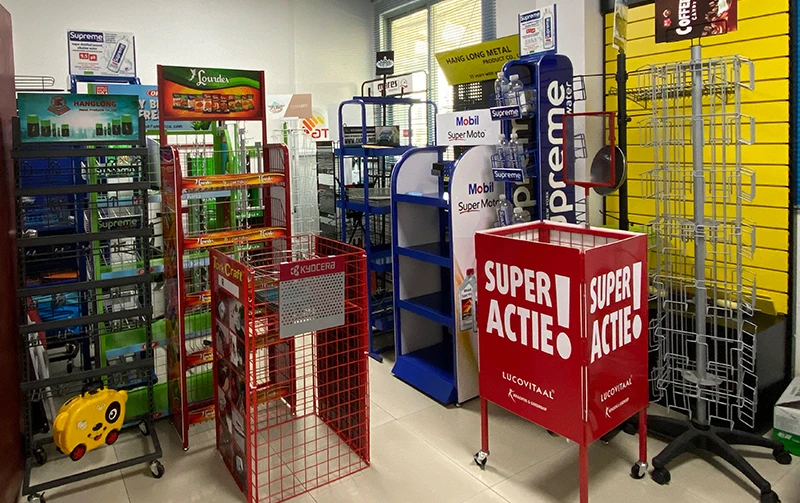
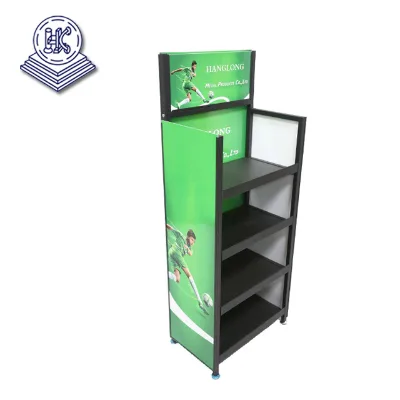
Foshan City Nanhai Hang Long Metal Products Co., Ltd.
- Manufacturer, Trading Company
- Guangdong, China
- Lead time30 days
- Avg. response≤ 4h
Main productsMetal tools display,metal lubricant display,metal rotating display,metal wire display,metal tube display
Main marketsNorth America(30.00%), Western Europe(20.00%), Mid East(5.00%), Oceania(5.00%), Southern Europe(5.00%), Southeast Asia(5.00%), Eastern Europe(5.00%), South Asia(4.00%), Domestic Market(4.00%), Northern Europe(4.00%), Central America(4.00%), South America(4.00%), Eastern Asia(4.00%), Africa(1.00%)

Changshu Xunxun Merchants Super Equipment Co., Ltd.
- Trading Company,Manufacturer/Factory
- China Jiangsu
- Lead time23 days
- Avg. response≤ 1h
Main productsSupermarket Shelves, Warehouse Racks, Hardware Racks
Main marketsSouth America,Eastern Europe,North America,Southeast Asia


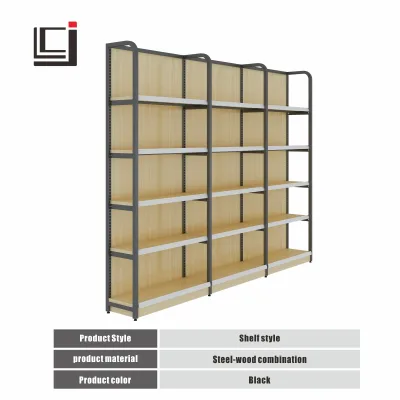
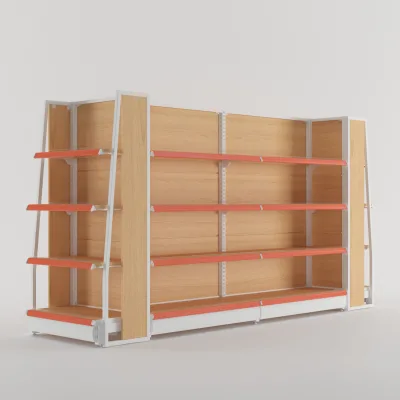
Grocery Store Display Racks Shelves for Retail Store Wood Supermarket Display Shelf
$45.00 - $50.00
MOQ: 10 Pieces


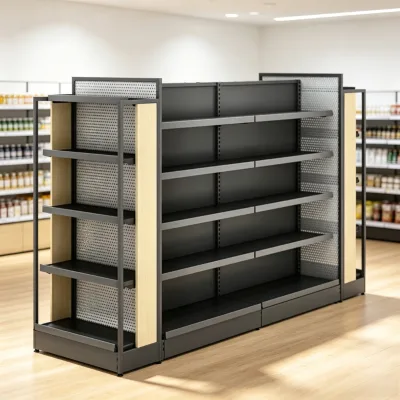
Supermarket Racks Gondola Shelving Store Shelves Display Shelf for Sale
$45.00 - $50.00
MOQ: 10 Pieces

- Verified by TUVRHEINLAND
- Combined
- China Jiangsu
- Lead time15 days
- Avg. response≤ 2h
Main productsSupermarket Shelf, Storage Rack, Shopping Trolley Cart, Wire Shelf, Checkout Counter, Shoppping Basket, Gondola Shelf, Tego Shelf
Main marketsDomestic


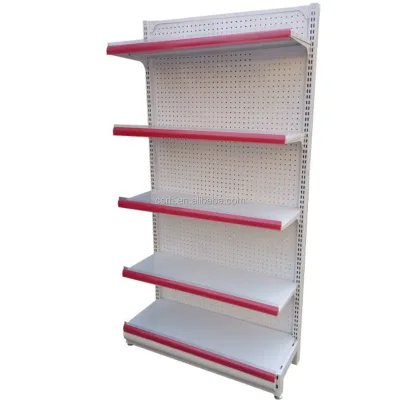
Store Display Shelves Steel Single Side Supermarket Shelves Against The Wall
$1.00 - $65.00
MOQ: 50 Pieces

Adidea (Xiamen) Industry And Trade Co., Ltd.
- Trading Company
- China Fujian
- Lead time30 days
- Avg. response≤ 17h
Main productsMetal Display Shelf, Display Stand, Metal Display Rack, MDF Display Showcase, Solid Wood Display Stand, Acrylic Display Stand, Supermarket Display Shelves, Wine Beverage Food Display Rack, Garment Bag Shoe Jewelry Display Stand, Tile Stone Granite Quartz Mosaic Display Stand
Main marketsSoutheast Asia/ Mideast,Europe,North America


$50.00 - $70.00
MOQ: 100 Pieces

Retail Stores Shelf Systems Heavy Metal Display Stands Store Shelves Supermarket Shelves
$50.00 - $60.00
MOQ: 100 Pieces

Supermarket Shelf Metal Convenience Store Shelves Retail Shelves Metal Store Display Rack
$30.00 - $40.00
MOQ: 100 Pieces

Shopping Metal Rack Supermarket Display Retail Shelf Retail Store Supermarket Shelf
$40.00 - $45.00
MOQ: 100 Pieces

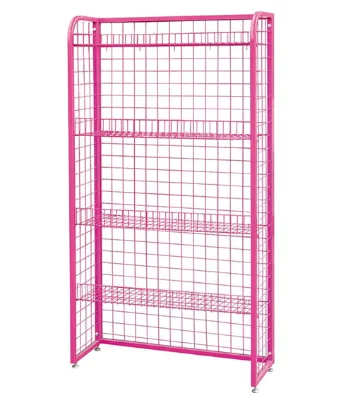
Retail Store Display Stands Supermarket Hanging Baskets Supermarket Shelves Metal Shelves
$40.00 - $65.00
MOQ: 100 Pieces
Changshu Hongda Business Equipment Co., Ltd.
- Verified by Intertek
- Manufacturer, Trading Company
- Lead time20 days
- Avg. response≤ 11h
Main productsSupermarket Shelf, Storage Rack, Checkout Counter, Wooden Display Shelf
Main marketsDomestic Market(62%), South America(5%), Eastern Europe(5%)
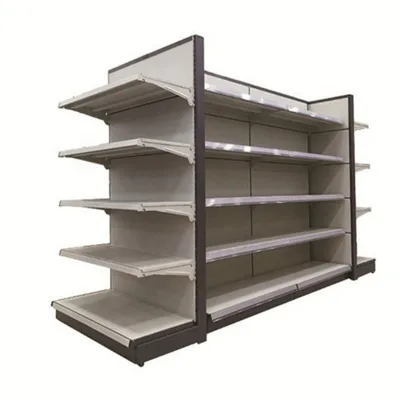
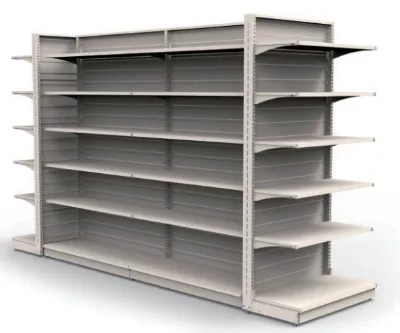
Customizable High Quality Shelving for Supermarket Warehouse Store Commercial Display
$80.00 - $120.00
MOQ: 10
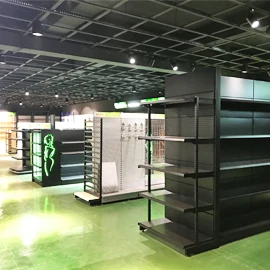
Changshu Yiyang Commercial Equipment Co., Ltd.
- Manufacturer, Trading Company
- Jiangsu, China
- Lead time10 days
- Avg. response≤ 4h
Main productsSupermarket Shelves, Display Shelves, Tooling Racks, Shelves, Storage Racks
Main marketsWestern Europe(20.00%), North America(15.00%), Oceania(15.00%), Southern Europe(10.00%), Northern Europe(10.00%), Eastern Europe(10.00%), Domestic Market(10.00%), South America(5.00%), Eastern Asia(5.00%)
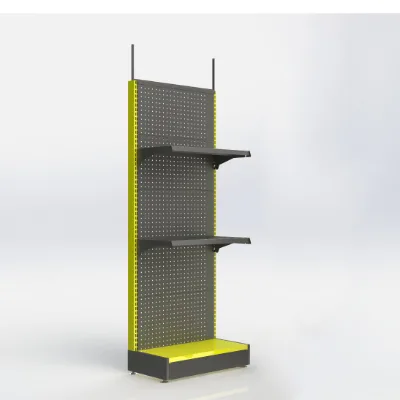
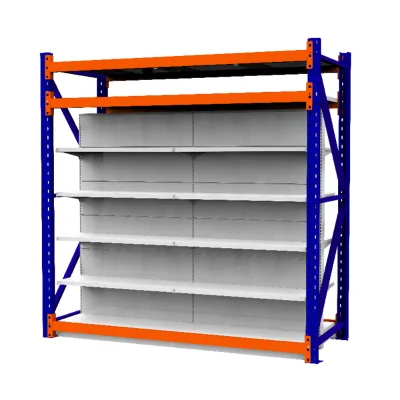
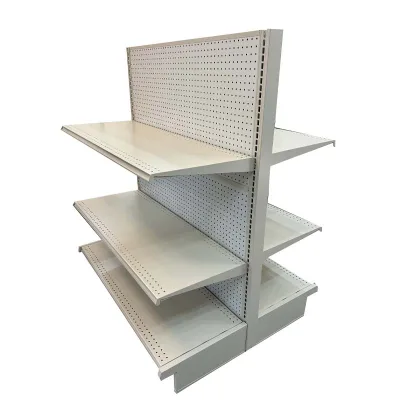
Wholesale Supermarket Shelves with Warehouse Racks
$35.00 - $46.00
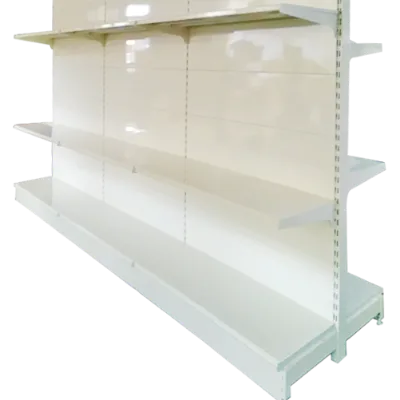
$83.5516 - $88.1204
MOQ: 50 sets
Suzhou Jiacheng Business Equipment Co., Ltd.
- Manufacturer, Trading Company
- Jiangsu, China
- Lead time30 days
- Avg. response≤ 3h
Main productsSupermarket Shelving,Warehouse Racking,Heavy Duty Racking
Main marketsDomestic Market(36.00%), Western Europe(33.00%), North America(18.00%), Oceania(9.00%), Southeast Asia(4.00%)

Suzhou Highbright Enterprise Limited
- Combined
- China Jiangsu
- Lead time30 days
- Avg. response≤ 5h
Main productsShopping Trolley, Shopping Cart, Gondola Shelf, Display Shelf, Shop Fittings, Store Fixtures, Roll Container, Shopping Basket, Checkout Counter, Swing Gate
Main marketsSouth America,Africa,Southeast Asia/ Mideast,East Asia(Japan/ South Korea),Europe,Australia,North America
Foshan Nanhai Tiegulong Shelf Manufacture Co., Ltd.
- Verified by SGS Group
- Manufacturer, Trading Company
- Lead time10 days
- Avg. response≤ 2h
Main productsSupermarket Shelves, Convenience Store Shelves, Drug Store Shelves, Cultural and Sports Store Shelves, Supermarket Equipment
Main marketsDomestic Market(42%), Southeast Asia(18%), Mid East(10%)
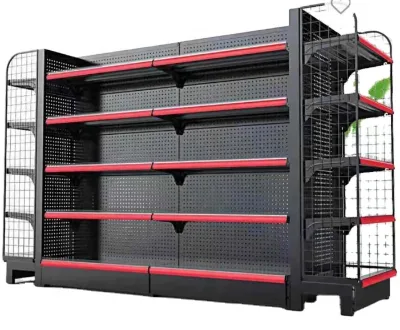
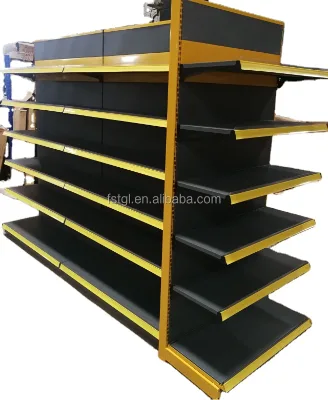
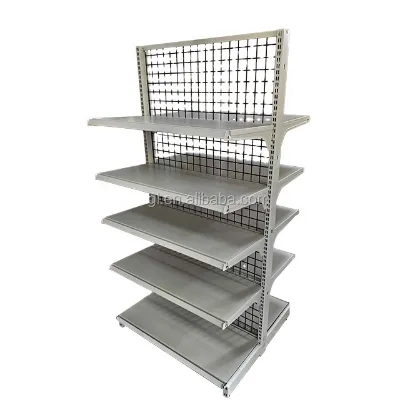
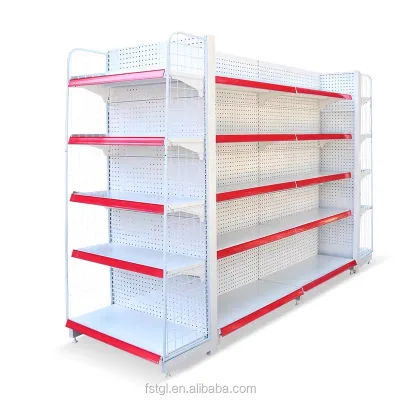
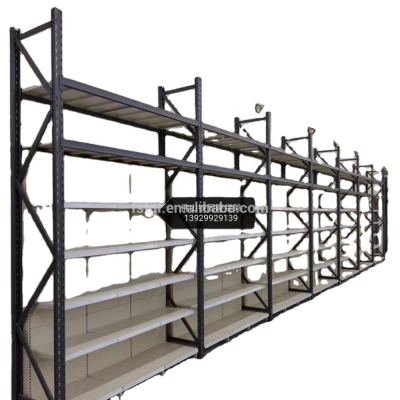
Factory Price Retail Store Shelves with Supermarket Equipment for Hypermarket
$220.00 - $225.00
MOQ: 5
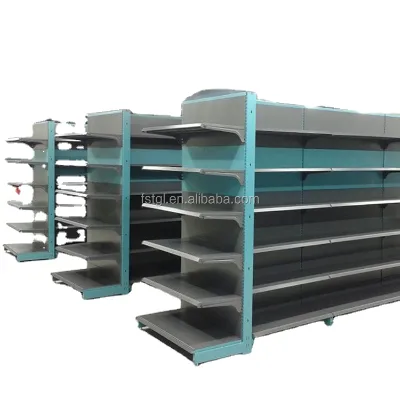
$160.1767 - $164.2832
MOQ: 5 sets
Guangzhou Jiangxin Hardware Products Co., Ltd.
- Trading Company
- Guangdong Province, China
- Lead time10 days
- Avg. response≤ 1h
Main productsMetal Display Stand, Metal Bracket, Metal Display Cabinet, Advertising Light Box, Table Leg
Main marketsNorth America(40.00%), Domestic Market(30.00%), Southeast Asia(15.00%), Oceania(10.00%), Southern Europe(5.00%)
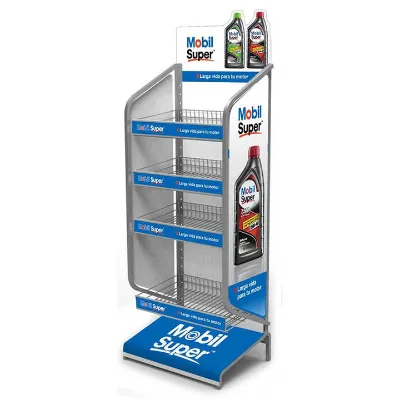
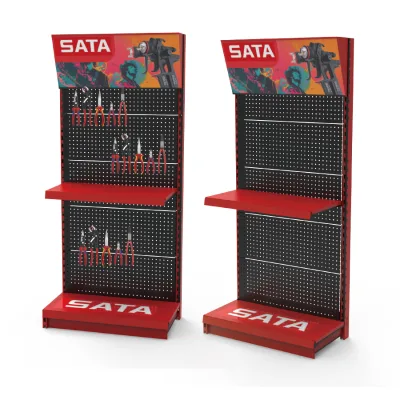
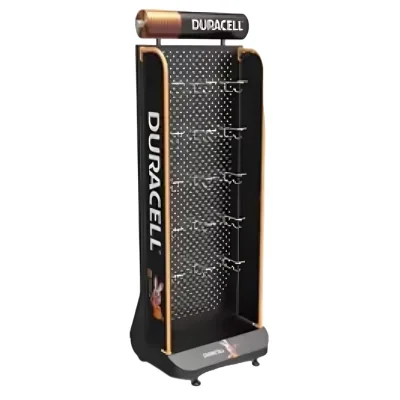
$67.6282 - $73.7752
MOQ: 50 Minimum
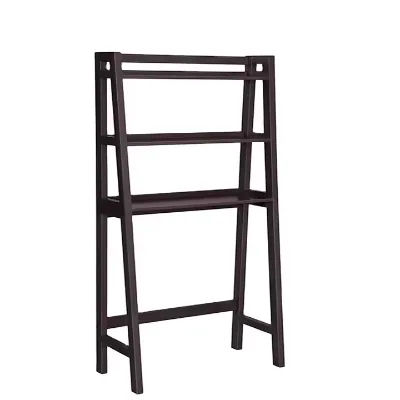
$20.00 - $25.00
MOQ: 20 pieces

Liaocheng Jiahe Warehousing Equipment Co., Ltd
- Verified by TUVRHEINLAND
- Combined
- China Shandong
- Lead time15 days
- Avg. response≤ 5h
Main productsCantilever Racks, Supermarket Shelves, Flat Panel Racks
Main marketsDomestic


Durable Metal Display Shelves for Supermarkets and Retail Environments Display Shelf
$30.00 - $50.00
MOQ: 10 Sets

Supermarket Shelving Shelf Warehouse Shelving Warehouse Shelving Shelf Storage Rack
$28.00 - $50.00
MOQ: 10 Sets

Foshan Jiayoucheng Display Supplies Co., Ltd.
- Manufacturer
- Guangdong, China
- Lead time30 days
- Avg. response≤ 6h
Main productsSupermarket shelves,Mother and baby shop shelves,Stationery store shelves,Beauty shop shelves,Checkout counter tobacco and wine cabinet
Main marketsNorth America(5.00%), Mid East(2.00%), Southeast Asia(1.00%)

Jiangsu Qifei Intelligent Storage Equipment Co., Ltd.
- Verified by SGS
- Combined
- China Anhui
- Lead time30 days
- Avg. response≤ 3h
Main productsRack, Sheft, Container, Platform, Cage, Racking, Storaging, Warehousing, Pallet, Mezzanine
Main marketsDomestic

Wholesale Hot Sale Grocery Store Retail Display Stand Rack Supermarket Shelves
$50.00 - $500.00
MOQ: 1 Pieces


Superior Quality Retail Store Panel Display Grocery Shelf for Supermarket
$15.00 - $16.00
MOQ: 10 Pieces
Changzhou Rising Refrigeration Technology Co., Ltd.
- Verified by TüVRheinland
- Trading Company
- Lead time20 days
- Avg. response≤ 2h
Main productsPU Sandwich Panel, Cold Room Door, Air Cooler, Refrigeration Condensing Unit, Cold Room
Main marketsNorth America(60%), Southeast Asia(15%), South America(6%)
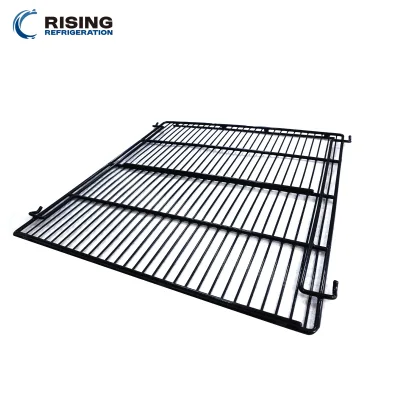
$51.7646 - $103.5292
MOQ: 1 Minimum
Guangzhou Heda Shelves Co., Ltd.
- Verified by SGS Group
- Manufacturer, Trading Company
- Lead time15 days
- Avg. response≤ 3h
Main productsSupermarket Shelves, Mezzanine Racking, Shuttle Racking, Pallet Racking, Display Racks
Main marketsSouth America(15%), Southeast Asia(15%), Africa(15%)
Suzhou Highbright Enterprise Limited
- Manufacturer, Trading Company
- Lead time旺季: "1 - 100":35,"> 100":"To be negotiated", 淡季: "1 - 100":35,"> 100":"To be negotiated"
- Avg. response≤ 2h
Main productsSupermarket Shelf, Shopping Cart, Roll Container, Display Hook, Plastic Crate
Guangzhou Guanzhu Showcase Co., Ltd.
- Verified by SGS Group
- Trading Company
- Lead time20 days
- Avg. response≤ 3h
Main productsShop Design, Display Racks, Showcase, Display Cabinet, Shop Fitting
Main marketsNorth America(62%), Oceania(16%), South Asia(10%)
$203.7672 - $613.348
MOQ: 5 Minimum
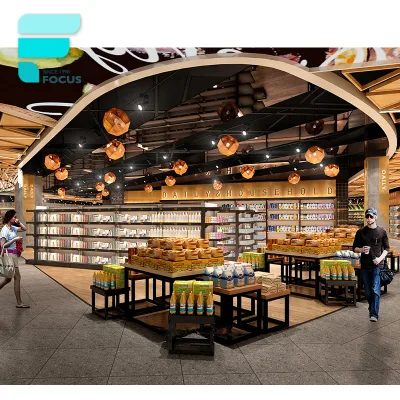

Jiangsu Leqiya Commercial Equipment Co., Ltd.
- Verified by CTI
- Combined
- China Jiangsu
- Lead time23 days
- Avg. response≤ 2h
Main productsWarehouse Rack, Supermarket Shelf, Pallet Rack, Heavy Duty Rack, Steel Rack, Racks, Iron Rack
Main marketsDomestic


Supermarket Gondola Shelving Wholesale Supermarket Shelves for Retail Store Rack Shelving
$40.00 - $100.00
MOQ: 100 Sets


Changshu Jinsheng Metal Products Factory
- Verified by TUVRHEINLAND
- Trading Company,Manufacturer/Factory
- China Jiangsu
- Lead time23 days
- Avg. response≤ 19h
Main productsShopping Cart, Shopping Trolley, Warehouse Rack, Supermarket Shelf, Wire Shelf, Display Shelf, Pallet Rack, Storage Rack, Shop Fittings, Airport Luggage Trolley
Main marketsSouth America,Eastern Europe,Mid East,North America,Southeast Asia,Eastern Asia,Oceania,Western Europe,Africa


Versatile Display Supermarket Shelf for Supermarkets Shops and Warehouses
$48.00 - $92.00
MOQ: 20 Sets

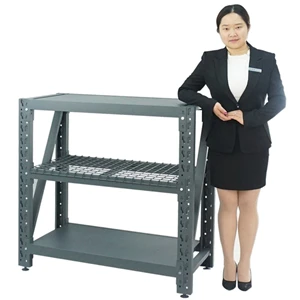
Changshu Ruhao Metal International Co., Ltd.
- Trading Company
- Jiangsu, China
- Lead time15 days
- Avg. response≤ 1h
Main productsSupermarket Shelf,Shopping Cart,Shopping Trolley,Warehouse Rack,Shopping Basket
Main marketsNorth America(25.00%), Domestic Market(15.00%), Western Europe(15.00%), Oceania(12.00%), South America(10.00%), Eastern Europe(5.00%), Northern Europe(5.00%), Mid East(3.00%), Africa(3.00%), Southern Europe(3.00%), Central America(1.00%), South Asia(1.00%), Eastern Asia(1.00%), Southeast Asia(1.00%)
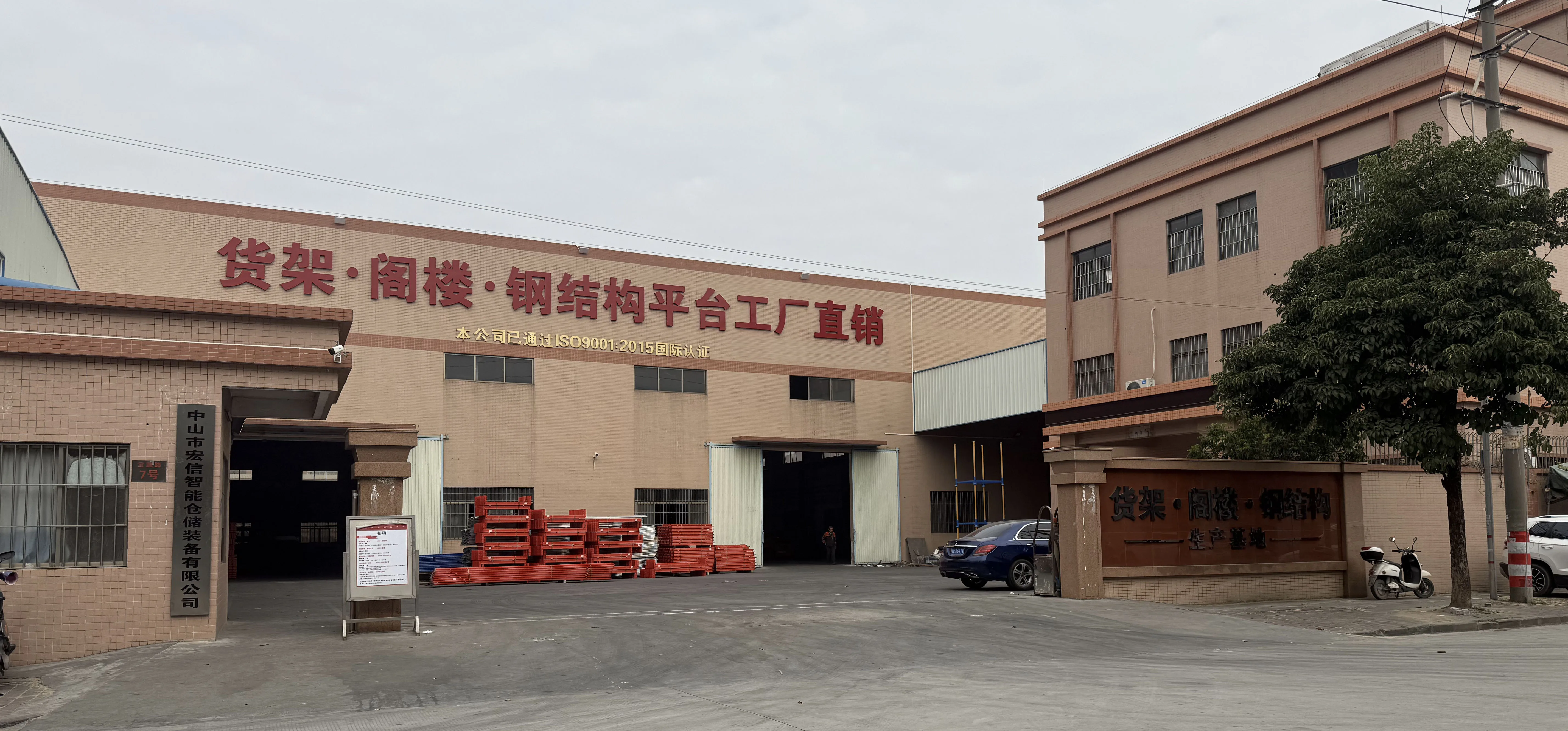
Zhongshan Hongxin Intelligent Storage Equipment Co., Ltd.
- Manufacturer, Trading Company
- Guangdong, China
- Lead time0 days
- Avg. response≤ 1h
Main productsSteel Structure Platform,Loft Racking,Heavy Duty Racking,Medium Racking,Large beam attic platform
Main marketsMid East(30.00%), Southeast Asia(20.00%)
Guangxi Nanning Jianzhian Integrated Housing Co., Ltd.
- Verified by Intertek
- Trading Company
- Lead time5 days
- Avg. response≤ 2h
Main productsContainer Houses, Portable Toilet, Sandwich Panel, Guard House, Storage Shelves
Main marketsSoutheast Asia(45%), Oceania(30%), South America(25%)
- Verified by TüVRheinland
- Manufacturer, Trading Company
- Lead time15 days
- Avg. response≤ 4h
Main productsRetail Equipment, Commercial Equipment, Supermarket Shelf, Fruit & Vegetable Display Rack, Shopping Trolleys & Cart
Main marketsDomestic Market(65%), North America(10%), Western Europe(10%)
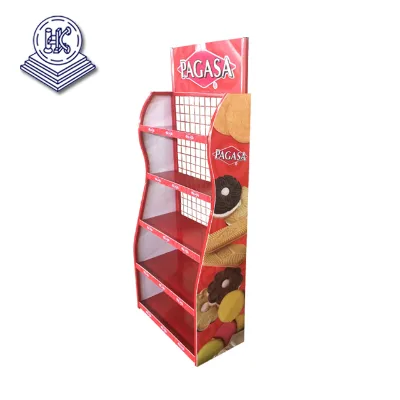


Comprehensive Sourcing Guide
Supermarket Display Shelves Supplier Concentration and Factory Types
The manufacturing landscape for Supermarket Display Shelves is characterized by a distinct geographic concentration in Guangdong, China, where a significant portion of suppliers operate. This region serves as a primary hub for the production of metal tools, lubricant displays, and various rotating or wire display units. Suppliers in this area often identify as either manufacturers or trading companies, offering a mix of direct factory output and sourced inventory. The presence of established industrial clusters in Guangdong suggests a mature supply chain for metal fabrication, powder coating, and assembly processes essential for retail shelving. Buyers evaluating options in this region should note that the density of suppliers allows for competitive pricing and rapid iteration on design prototypes. However, the mix of company types means that some entities may act as intermediaries rather than direct producers, which can impact communication efficiency and cost structures. Understanding whether a supplier is a pure manufacturer or a hybrid entity is crucial for determining the level of control over production schedules and quality assurance protocols.
In contrast to the Guangdong cluster, other sourcing regions such as Jiangsu and Fujian present different operational profiles. Suppliers located in China Jiangsu often specialize in supermarket shelves, warehouse racks, and hardware racks, with many identifying as trading companies or manufacturer/factory hybrids. This region demonstrates a strong capability for OEM and ODM services, indicating a flexibility in customizing shelf designs to meet specific retail branding needs. Meanwhile, suppliers in China Fujian tend to focus on a broader array of display solutions, including metal racks, MDF showcases, and specialized stands for wine, beverage, and food products. These suppliers are frequently categorized as trading companies, which may offer a wider variety of product types but potentially longer response times compared to dedicated factories. The diversity in company types across these regions highlights the importance of verifying the actual production capabilities of each supplier. Buyers must distinguish between entities that own their production lines and those that aggregate products from multiple sources to ensure consistency in material quality and structural integrity.
How to Verify Supermarket Display Shelves Suppliers
Verification of supplier credentials is a critical step in mitigating risk when sourcing Supermarket Display Shelves. One key indicator of reliability is the presence of third-party verification badges, such as TÜV Rheinland certification, which signals that a supplier has undergone rigorous audits of their business operations and product quality standards. Buyers should prioritize suppliers who display such verifications, as these provide an external validation of the company’s legitimacy and operational maturity. Additionally, the response time of a supplier can serve as a proxy for their organizational efficiency and customer service commitment. Suppliers with response times under two hours, such as those recorded at 0.88 or 1.52 hours, typically demonstrate a more agile and responsive team capable of addressing urgent inquiries or complex customization requests. In contrast, suppliers with significantly longer response times, such as 16.70 hours, may indicate a less dedicated support structure or a higher volume of inquiries that could delay project timelines. Evaluating these metrics helps buyers gauge the potential for smooth communication throughout the procurement process.
Beyond response metrics, buyers should scrutinize the specific product attributes and customization options offered by potential suppliers. Detailed product listings that specify materials, such as steel or metal, and structural features like double-sided or single-sided configurations provide insight into the supplier’s technical expertise. For instance, suppliers offering heavy-weight or middle-weight shelves with specific dimensions, such as 7003501700mm or 6003501700mm, demonstrate a capacity for producing standardized yet robust retail fixtures. Buyers should also look for evidence of customization capabilities, including the availability of custom logos, colors, and surface finishes like powder coating. Suppliers that explicitly state "Customization: Available" and offer options for single or double-sided designs are better positioned to meet unique retail requirements. Furthermore, verifying the origin of the products, whether from Guangdong, Changshu, or other specific locations, ensures alignment with logistical preferences. By cross-referencing these detailed product specifications with the supplier’s stated company type and verification status, buyers can build a comprehensive profile of each potential partner’s reliability and capability.
What to Compare Across Supermarket Display Shelves Suppliers
When evaluating multiple suppliers, comparing lead times is essential for aligning procurement schedules with retail launch dates. Suppliers in the Guangdong region may offer lead times around 30 days, while those in Jiangsu might provide faster turnaround times of approximately 23 days. Some highly verified suppliers in the same region could even achieve lead times as short as 15 days, which is advantageous for urgent restocking or rapid market entry. These variations in production speed directly impact inventory management and cash flow, making it a critical factor in supplier selection. Buyers should also consider the minimum order quantity (MOQ) requirements, which can range significantly across different suppliers. For example, some suppliers may require an MOQ of 50 units, while others might accept orders as low as 10 units. Lower MOQs are particularly beneficial for testing new designs or for smaller retail chains with limited storage capacity. Understanding these thresholds helps buyers determine the financial commitment required and the flexibility available for order adjustments.
Price and customization options are another vital dimension for comparison. The price range for Supermarket Display Shelves can vary widely, with some products starting as low as $1.00 per unit and reaching up to $78.00, depending on materials, size, and complexity. Other suppliers may offer prices in the $10 to $30 range for standard metal shelves, while premium steel or wood-steel combinations might cost between $45 and $50. Buyers should analyze these price points in conjunction with the specified materials and weight capacities to assess value for money. Additionally, the availability of OEM and ODM services indicates a supplier’s ability to tailor products to specific brand identities. Suppliers that offer custom logos, colors, and structural modifications provide greater flexibility for branding purposes. Comparing these factors across suppliers allows buyers to identify the best balance between cost, speed, and customization. It is also important to note the main products offered by each supplier, as those specializing in supermarket shelves may have deeper expertise and more refined production processes than generalist display manufacturers.
Common Supermarket Display Shelves Sourcing Risks
One significant risk in sourcing Supermarket Display Shelves is the potential mismatch between advertised capabilities and actual production capacity. Suppliers identified as trading companies may not have direct control over manufacturing processes, leading to inconsistencies in quality or delays if their upstream factories face issues. This risk is compounded when suppliers do not clearly disclose their company type or verification status. Buyers must be cautious of suppliers with vague product descriptions or those that lack detailed specifications regarding materials and dimensions. For instance, a supplier listing "metal" as a material without specifying the gauge or type of steel may deliver products that do not meet the required durability standards for heavy retail loads. Additionally, the risk of receiving products with incorrect dimensions, such as shelves that do not fit standard store layouts, is heightened when customization options are not clearly defined. Buyers should insist on detailed technical drawings and material certificates to mitigate these risks and ensure that the final products align with their operational needs.
Another common risk is the variability in response times and communication efficiency, which can hinder the resolution of issues during production or shipping. Suppliers with slow response times, such as those taking over 16 hours to reply, may struggle to address urgent queries or resolve defects promptly. This delay can lead to extended lead times and increased logistical costs. Furthermore, the lack of standardized packaging or safe packing methods can result in damage during transit, especially for fragile components or powder-coated surfaces. Buyers should verify that suppliers use appropriate packing methods, such as carton and foam, to protect the shelves during shipping. Additionally, the risk of non-compliance with safety or quality standards is present if suppliers do not hold relevant certifications or undergo regular audits. Buyers should prioritize suppliers with verified credentials and clear quality control processes to minimize the likelihood of receiving substandard products. By proactively identifying and addressing these risks, buyers can establish more reliable and resilient supply chains for their retail display needs.
Supermarket Display Shelves Regional Sourcing and Logistics
Sourcing from different regions in China offers distinct logistical advantages and challenges for buyers of Supermarket Display Shelves. Suppliers located in Guangdong benefit from a well-developed infrastructure for metal fabrication and export, making them a convenient choice for buyers seeking a wide variety of display products. The concentration of manufacturers in this region facilitates easier coordination for factory audits and sample approvals. However, buyers should be aware that shipping from Guangdong may involve different port options and transit times compared to other regions. Suppliers in Jiangsu, particularly those in Changshu, offer an alternative sourcing base with a focus on supermarket shelves and warehouse racks. This region’s proximity to major shipping hubs can provide efficient logistics for exports to Europe and North America. Buyers should evaluate the specific location of each supplier to determine the most cost-effective shipping routes and transit times. Understanding the geographic distribution of suppliers helps in optimizing logistics costs and ensuring timely delivery of large orders.
The choice of region also impacts the availability of specialized products and customization options. Suppliers in Fujian, for example, may offer a broader range of display solutions, including MDF showcases and specialized stands for specific retail categories. This diversity can be advantageous for buyers looking for unique or niche display products. However, the trading company nature of many Fujian-based suppliers may require additional verification to ensure product quality and consistency. Buyers should consider the total landed cost, including shipping, duties, and handling fees, when comparing suppliers from different regions. Additionally, the lead times associated with each region can vary based on local production capacities and logistical efficiencies. By carefully assessing the regional strengths and logistical implications of each supplier, buyers can make informed decisions that align with their supply chain strategies. This approach ensures that the sourcing process is not only cost-effective but also reliable and aligned with the specific needs of their retail operations.
Supermarket Display Shelves Commercial Terms and Order Planning
Effective order planning for Supermarket Display Shelves requires a thorough understanding of the commercial terms offered by suppliers. Buyers should pay close attention to the payment terms, delivery conditions, and warranty policies to ensure a smooth transaction process. Suppliers with clear and standardized commercial terms are generally more reliable and easier to work with. For instance, suppliers that offer flexible payment options or escrow services can provide an additional layer of security for buyers. Additionally, understanding the lead times and MOQ requirements is crucial for accurate inventory planning. Buyers should align their order quantities with their sales forecasts and storage capacities to avoid overstocking or stockouts. Suppliers with lower MOQs and shorter lead times offer greater flexibility for adjusting orders based on market demand. By carefully reviewing these commercial terms, buyers can establish a robust procurement strategy that minimizes financial risk and maximizes operational efficiency.
Communication and documentation are also key components of successful order planning. Buyers should ensure that all product specifications, customization requirements, and delivery schedules are clearly documented in the purchase order. Suppliers that provide detailed product descriptions, including materials, dimensions, and colors, facilitate accurate order fulfillment. Buyers should also verify the packing methods and shipping instructions to prevent damage during transit. Suppliers that use safe packing methods, such as carton and foam, help protect the shelves during shipping. Additionally, buyers should establish clear channels for communication to address any issues that may arise during production or delivery. Suppliers with responsive customer service teams can resolve problems quickly and efficiently. By focusing on these commercial and logistical details, buyers can build strong relationships with their suppliers and ensure the successful delivery of high-quality Supermarket Display Shelves. This proactive approach to order planning helps mitigate risks and enhances the overall sourcing experience.
FAQs
What is the typical lead time for Supermarket Display Shelves?
Manufacturers generally require 15 to 30 days to produce and ship orders. This timeframe depends on the specific order volume and customization requirements. Buyers should confirm the exact schedule with the supplier before placing the order to ensure timely delivery for store openings.
What materials are commonly used for these display units?
Most units are constructed from steel or metal with powder-coated finishes. Some designs incorporate wood or MDF for aesthetic appeal. The material choice affects durability and weight capacity. Steel frames provide heavy-duty support for retail environments, while metal offers stable structures for various applications.
What is the minimum order quantity for these shelves?
Minimum order quantities typically range from 10 to 50 units per item. Some suppliers accept lower MOQs for standard models, while custom designs may require higher volumes. Buyers should verify the specific MOQ with the supplier to align with their initial inventory needs and budget constraints.
Are customization options available for retail display shelves?
Yes, many suppliers offer customization for colors, sizes, and logos. Buyers can select from white, black, grey, or custom colors. Custom logos and specific dimensions are often available. This flexibility allows retailers to match their brand identity and store layout requirements precisely for a cohesive visual presentation.
Where are these display shelves primarily manufactured?
Production is concentrated in regions like Guangdong, Jiangsu, and Fujian in China. These areas have established manufacturing hubs for commercial equipment. Buyers can source from manufacturers or trading companies located in these provinces. The location often influences shipping costs and lead times for international orders.
What is the price range for Supermarket Display Shelves?
Prices vary significantly based on material, size, and customization. Basic metal units may start around $1 to $10 per unit, while complex steel or wooden structures can cost up to $78. Buyers should request detailed quotes to understand the total cost including shipping and any customization fees.