Multi-Color Contemporary Wine Glass Suppliers and Manufacturers
Explore 19 verified suppliers offering Multi-Color Contemporary Wine Glass with varying lead times, certifications, and MOQs. Compare dimensions, response times, and customization options to find the right partner. Contact suppliers directly to request samples and pricing details; review the available evidence before requesting comparable quotations from suitable candidates.
Suppliers List

Wuhan Xinhuahang Household Goods Co., Ltd.
- Verified by BV
- Combined
- China Hubei
- Lead time15 days
- Avg. response≤ 4h
Main productsWine Glasses, Beer Glass, Drinking Glass, Decanter, Shot Glass, Coffee Glass, Cocktail Glass, Champagne Glass, Wine Accessories
Main marketsEurope,Australia,North America


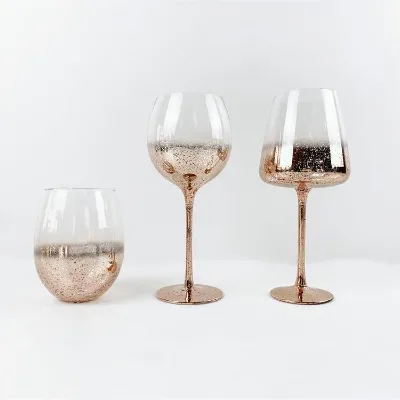
Customized Version Contemporary Design Colored Glassware Drinking Tasting Aroma Wine Glass
$0.55 - $0.85
MOQ: 480 Pieces


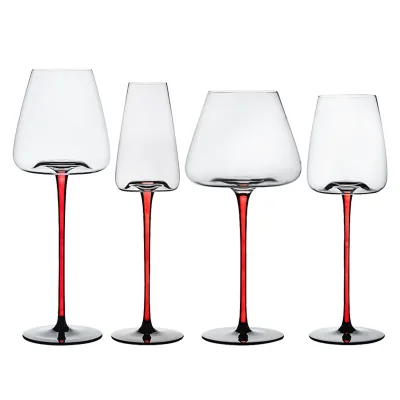
Green Colored Wine Glass Set Red Wine Glasses White Wine Glass Diamond Shape Glass
$1.42 - $1.83
MOQ: 480 Pieces

High Quality Creative Clear Red Wine Glass Cup Custom Color Wine Glasses with Logo
$0.68 - $1.22
MOQ: 480 Pieces
Hebei Better Refined Gift And Craft Co., Ltd.
- Verified by SGS Group
- Trading Company
- Lead time20 days
- Avg. response≤ 6h
Main productsGlassware
Main marketsNorth America(30%), Oceania(25%), Western Europe(20%)

- Verified by TUVRHEINLAND
- Trading Company
- China Hunan
- Lead time45 days
- Avg. response≤ 1h
Main productsCeramic Mug, Vacuum Flask, Dinner Set, Cup, Mug, Thermal Bottle, Ceramic Dinner Set, Glass Jar, Glass Cup, Wine Cup
Main marketsSoutheast Asia/ Mideast


Contemporary Design Embossed Glass Wine Bottle with Glass Cup Set Elegant Wine Accessories
$3.70 - $5.90
MOQ: 100 Sets

Jinjiang Jiaxing Supply Management Co., Ltd.
- Verified by TUVRHEINLAND
- Trading Company
- China Fujian
- Lead time30 days
- Avg. response≤ 1h
Main productsEVA Clogs, Flip Flop, Shoe Charms, Shopping Bags, Wristbands, Gifts, Promotional Gifts, Slipper, Sport Cap, Ball
Main marketsNorth America
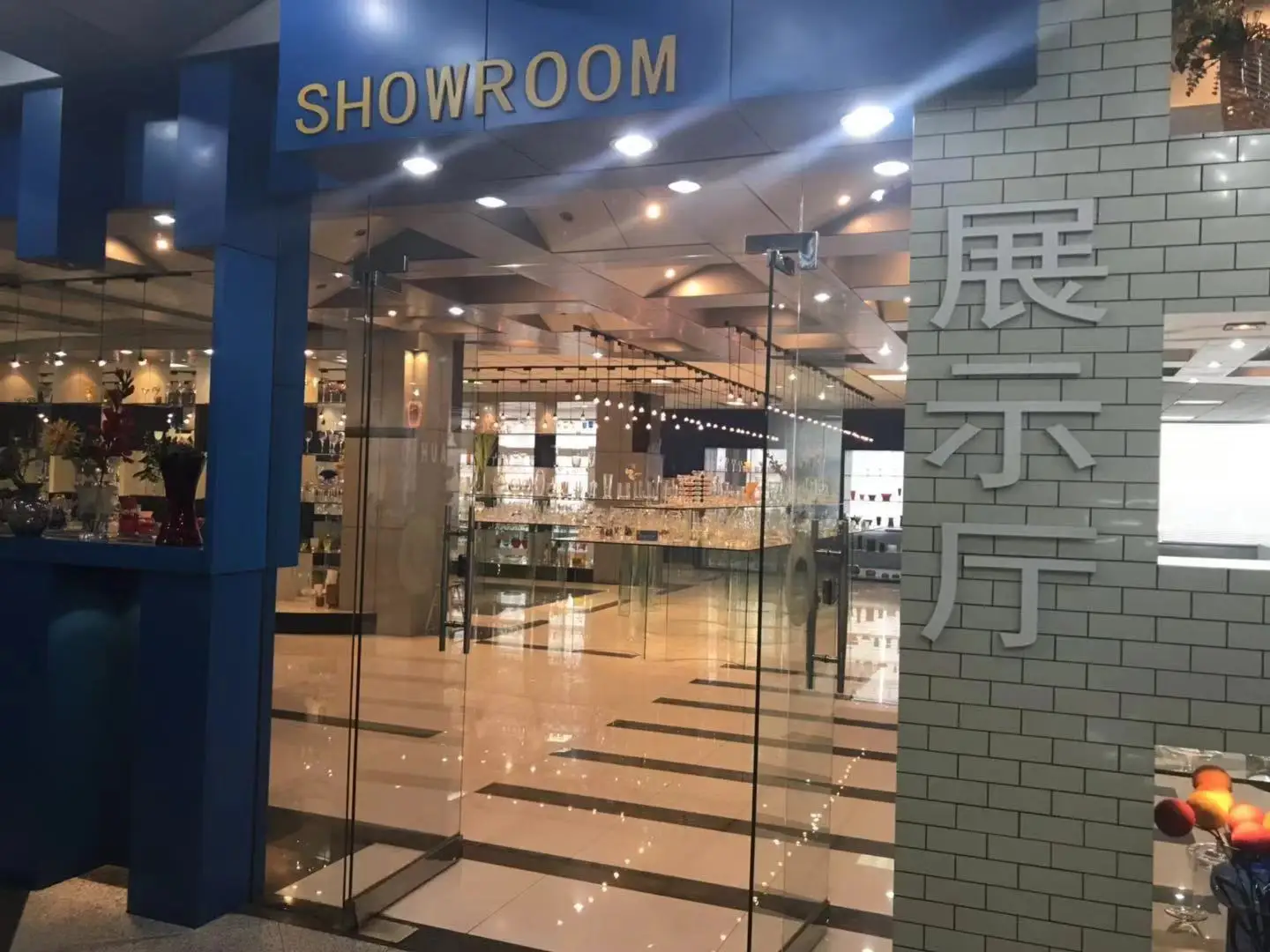
Changsha Aikeyi Homeware Co., Ltd.
- Trading Company
- Hunan, China
- Lead time25 days
- Avg. response≤ 2h
Main productsCustomized Glassware,Glass Tableware,Wine Glass,Glass Bottle,Glass Jar
Main marketsNorth America(33.00%), Oceania(15.00%), South America(12.00%), Western Europe(9.00%), Mid East(8.00%), Central America(4.00%), Northern Europe(4.00%), Africa(3.00%), Eastern Europe(3.00%), Southern Europe(3.00%), South Asia(2.00%), Southeast Asia(2.00%), Eastern Asia(2.00%)
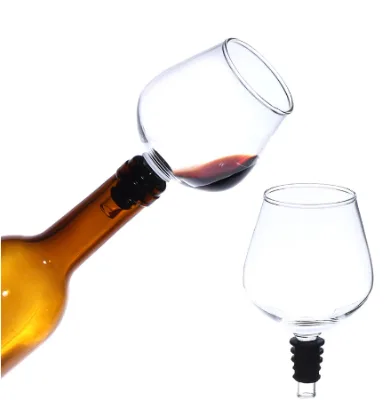
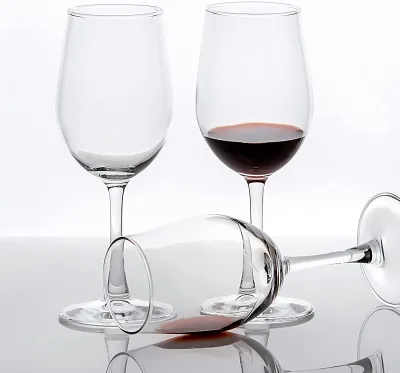
Hot selling wine glasses elegant style durable and dishwasher safe all-purpose wine glasses
$0.31 - $1.59
MOQ: 30 pieces
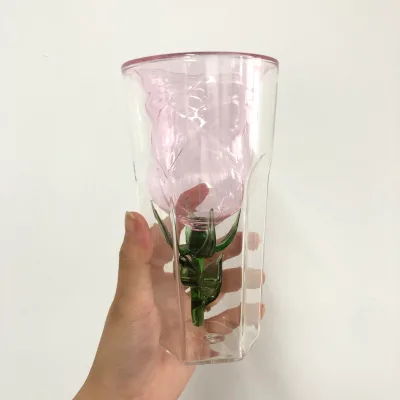
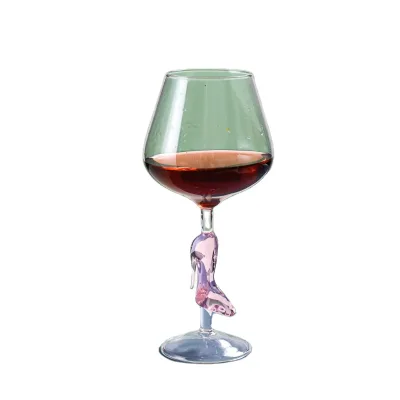
$3.69 - $4.99
MOQ: 1500 pieces
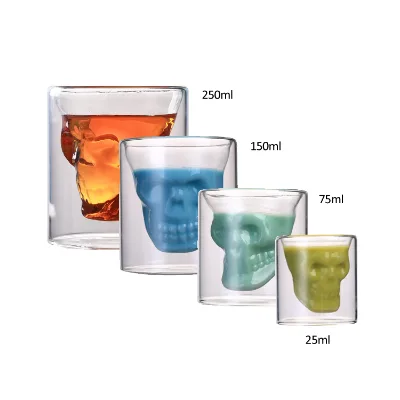
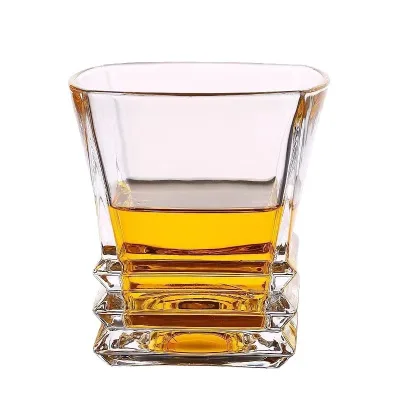
top seller Creative Wholesale special shaped glass cup crystal wine glass whisky glass
$1.12 - $1.83
MOQ: 50 pieces

Jinjiang Jiaxing Import and Export Co., Ltd.
- Verified by CTI
- Manufacturer/Factory
- China Fujian
- Lead time120 days
- Avg. response≤ 1h
Main productsShoes, Slipper, Clothes, Promotion Gifts, Silicone Products, Outdoor Sports Products, Bags, Fashion Accessories, Consumer Electronics
Main marketsSouth America,Eastern Europe,Mid East,North America,Southeast Asia,Eastern Asia,Oceania,Western Europe,Africa
Qixian Xin Sen Glass Products Co., Ltd.
- Verified by Intertek
- Manufacturer, Trading Company
- Lead time35 days
- Avg. response≤ 2h
Main productsDrinking Glassware, Glass Jar, Glass Plate, Glass Vase
Main marketsNorth America(40%), Oceania(20%), Northern Europe(20%)
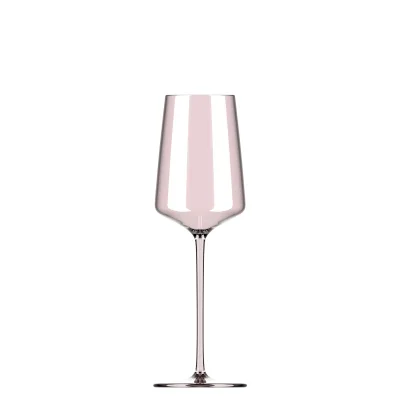
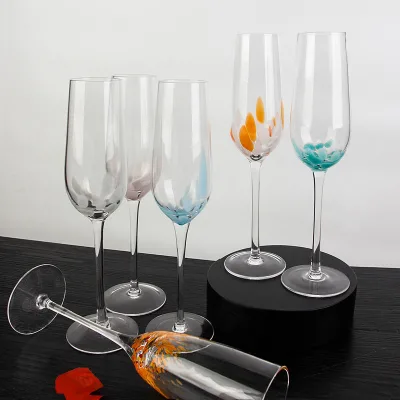
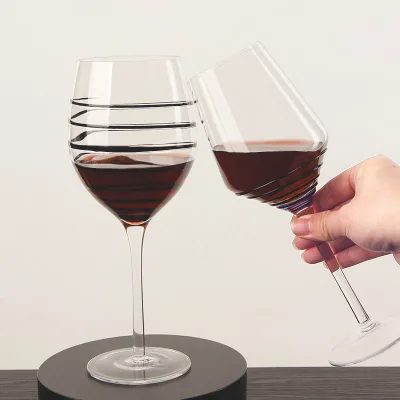
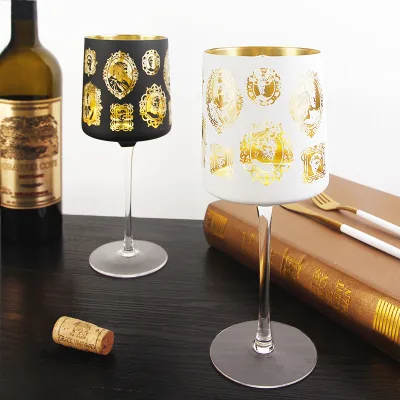
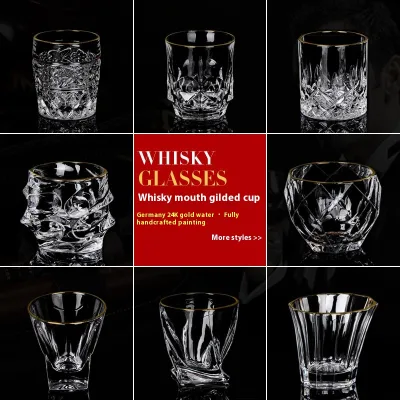
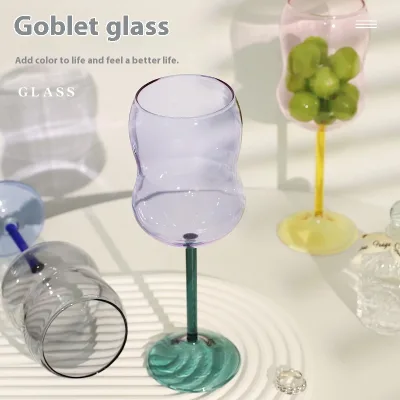
Elegant Black Hand-blown Glass Wine Glass, Luxurious Design, Black Wire Wrapped Around the Cup,
$4.46 - $5.59
MOQ: 100 pieces

Longyan Zhanling Industry and Trade Co., Ltd.
- Manufacturer/Factory
- China Fujian
- Lead time150 days
- Avg. response≤ 3h
Main productsStainless Steel Cup, Customized Cup, Stainless Steel Cup & Mug, Double Wall Stainless Steel Cup, Customized Stainless Steel Cup, Water Bottle, Tumbler, Stainless Steel Water Bottle, Stainless Steel Bottle, Whiskey Glass
Main marketsSouth America,Eastern Europe,Mid East,North America,Southeast Asia,Eastern Asia,Oceania,Western Europe,Africa
Foshan Shige Technology Co., Ltd.
- Manufacturer, Trading Company, Distributor/Wholesaler
- Guangdong, China
- Lead time10 days
- Avg. response≤ 7h
Main productsToilet product,Household product,Kitchen product,Garden supplies,Outdoor Products
Main marketsEastern Europe(35.00%), Central America(27.00%), Western Europe(25.00%), North America(13.00%)

Foshan Ron Hospitality Supplies Co., Ltd.
- Verified by BV
- Manufacturer/Factory,Group Corporation
- China Guangdong
- Lead time45 days
- Avg. response≤ 3h
Main productsRestaurant Furniture, Restaurant Booth, Restaurant Chair, Restaurant Table, Bar Stools, Wedding Chairs, Flatware Sets, Dinnerware Sets, Garden Chairs, Disposable Dinnerware & Tableware
Main marketsSouth America,Eastern Europe,Mid East,North America,Southeast Asia,Eastern Asia,Oceania,Western Europe,Africa
Shanxi Liangpin Glassware Co., Ltd.
- Manufacturer
- Shanxi, China
- Lead time7 days
- Avg. response≤ 1h
Main productsglass cup,tea set,Water cup,Decanter,Dining plate
Main marketsSouthern Europe(10.00%), Northern Europe(10.00%), Western Europe(10.00%), Eastern Europe(10.00%), South America(10.00%), North America(10.00%), Domestic Market(5.00%), South Asia(5.00%), Central America(5.00%), Oceania(5.00%), Africa(5.00%), Southeast Asia(5.00%), Eastern Asia(5.00%), Mid East(5.00%)

Rollin Porcelain Industrial Co., Ltd.
- Verified by BV
- Manufacturer/Factory
- China Guangdong
- Lead time45 days
- Avg. response≤ 7h
Main productsPorcelain Dinnerware, Tableware, Dinner Set, Dinner Plate, Hotel and Restaurant Tableware, Bone China, Cutlery, Glassware, Ceramic Plate, Porcelain
Main marketsEastern Europe,Mid East,North America,Southeast Asia,Eastern Asia,Oceania,Western Europe

Weifang Easylife Ware Co., Ltd.
- Trading Company
- China Shandong
- Lead time0 days
- Avg. response≤ 4h
Main productsGlass Cup, Coffee Cup, Coffee Mug, Coffee Pot, Tea Cup, Teapot, Whiskey Glass Cup, Decanter, Cocktail Glass Cup, Wine Glass Cup


Graceful Glass of Wine Aesthetic Drinking Glassware Wine Glass for Wedding Feast Wine Cooler Display
$0.89 - $1.95
MOQ: 500 Pieces

European Style Glass Creative Household High Borosilicate Glass Wine Cup
$1.49 - $1.96
MOQ: 500 Pieces

Elegant Wine Glass Modern Design Wholesale for Wedding and Restaurant Use
$1.49 - $1.96
MOQ: 500 Pieces
Guangzhou Tianfu Glass Products Co., Ltd.
- Verified by SGS Group
- Trading Company
- Lead time0 days
- Avg. response≤ 3h
Main productsGlass, Red Wine Glass, Beer Glass, Cocktail Glass, Champagne Glass
Main marketsNorth America(30%), Southeast Asia(20%), Western Europe(10%)
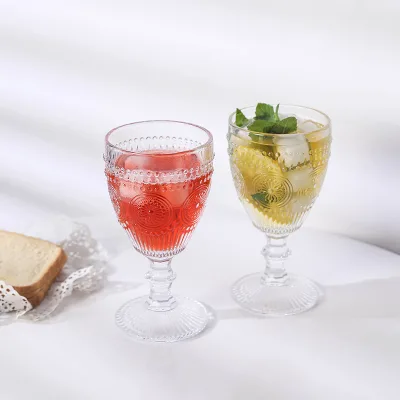
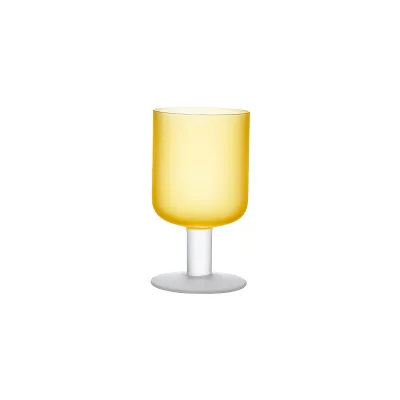
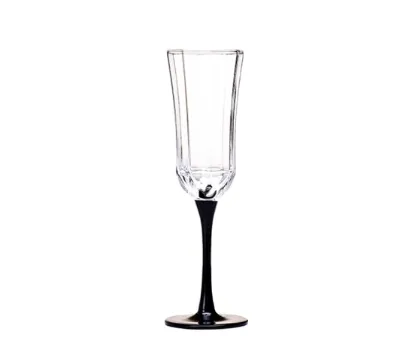
French style creative red wine glass sweet cocktail glass frosted champagne glass
$1.18 - $1.65
MOQ: 300 pieces

Yancheng Xinboyuan Glass Co., Ltd.
- Verified by BV
- Trading Company,Manufacturer/Factory
- China Jiangsu
- Lead time23 days
- Avg. response≤ 11h
Main productsGlass Table Lamp, Glass Perfume Bottles, Glass Lampshade, Glass Labware, Glass Bottles & Jars, Glass Candlesticks, Borosilicate Mug & Cups, Glass Vases & Terrariums, Glass Beakers, Glass Reagent Bottles
Main marketsEastern Europe,Mid East,North America,Western Europe

Creative Diamond Long-Handled Glass Wine Glass, a Tall Wine Glass for Parties
$3.50 - $4.80
MOQ: 200 Pieces


New Design of Light Luxury Style High-Footed Wine Glass with Diamond Handle, High-Quality Glass Cup
$3.08 - $4.88
MOQ: 500 Pieces


Light Luxury and Exquisite Tall Wine Glass, Red Wine Glass, Wedding Glass
$3.58 - $5.18
MOQ: 300 Pieces

Qixian Kewantong Glassware Co., Ltd.
- Verified by Intertek
- Manufacturer, Trading Company
- Lead time30 days
- Avg. response≤ 5h
Main productsWine Glasses, Decanter, Whiskey Glasses, Champagne Glasses, Glass Plate
Main marketsDomestic Market(45%), North America(15%), Mid East(10%)
Taiyuan Jarvi Glassware Co., Ltd.
- Trading Company
- Shanxi, China
- Lead time0 days
- Avg. response≤ 5h
Main productswine glasses,glass plates,glass vases,glass candle holders,glass decanters
Main marketsNorth America(65.00%), Northern Europe(20.00%), Mid East(10.00%), South Asia(2.00%), Africa(2.00%), Domestic Market(1.00%)

- Verified by SGS
- Trading Company
- China Yunnan
- Lead time15 days
- Avg. response≤ 5h
Main marketsSoutheast Asia/ Mideast

Hebei Xingchen Glass Technology Co., Ltd.
- Verified by CTI
- Combined
- China Hebei
- Lead time30 days
- Avg. response≤ 10h
Main productsGlass Cup, French Press, Coffee Pot, Glass Jar, Teapot, Syphon Coffee Maker, Glass Cooking Pot, Glass Pitcher, Glass Straw, Glass Teacup
Main marketsSouth America,Africa,Others(foreignTradeCapacity.exportBusinessCapacityMarketOther),Southeast Asia/ Mideast,East Asia(Japan/ South Korea),Europe,Australia,North America




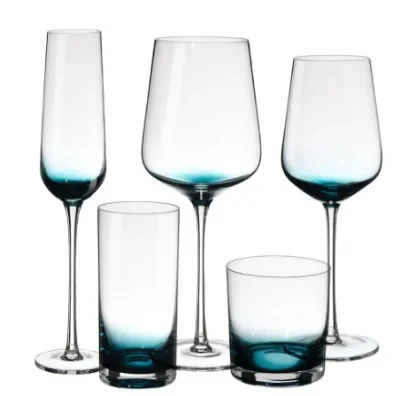
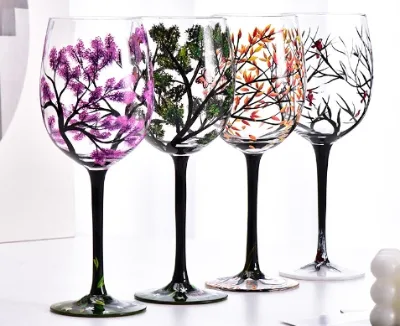
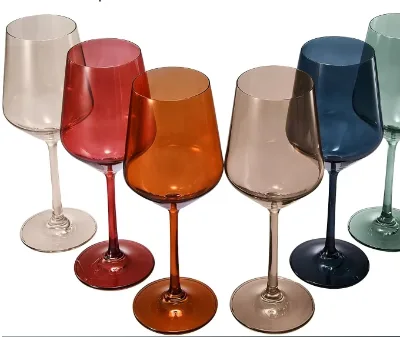
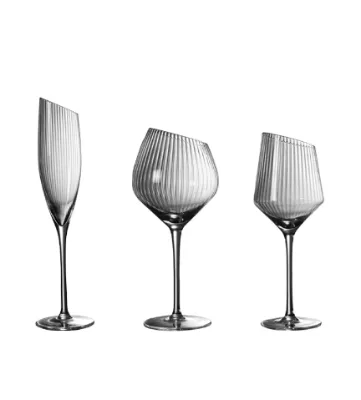


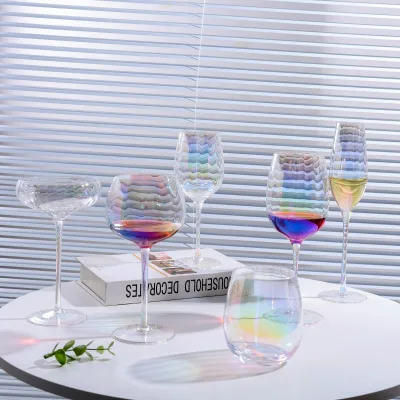
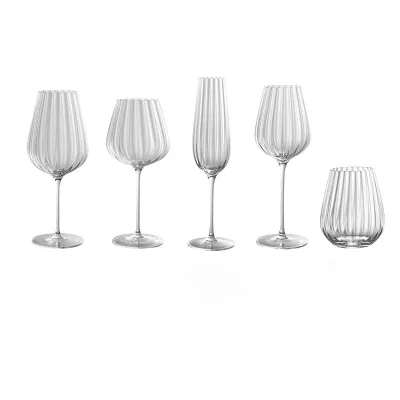
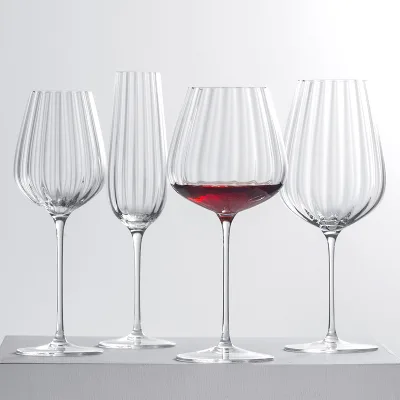
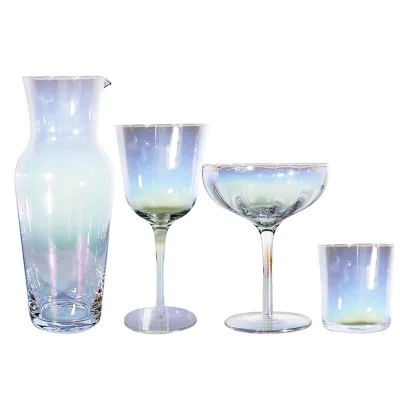


Comprehensive Sourcing Guide
Multi-Color Contemporary Wine Glass Supplier Concentration and Factory Types
The current supplier landscape for Multi-Color Contemporary Wine Glass reveals a concentration of manufacturing activity primarily within China, with specific clusters identified in Hubei and Hebei provinces. These regions host a mix of combined entities and trading companies that facilitate the production of diverse glassware, including goblets, tumblers, and specialized tasting sets. While some suppliers operate as combined entities capable of both manufacturing and trading, others function strictly as trading companies, offering light customization and sample processing services. This structural diversity means buyers must distinguish between direct factory capabilities and intermediary trading operations to ensure accurate communication regarding production timelines and quality control.
Factory types vary significantly in their capacity to handle complex customization requests. Some facilities offer ODM and OEM services with their own brands, allowing for deep integration of custom logos via laser, spray, or decal methods. Others focus on graphic processing and customized on-demand services, which may limit the scope of physical product modification. The presence of combined company types suggests a hybrid model where internal production lines support external trading activities, potentially streamlining the supply chain. However, the absence of specific establishment years in the data requires buyers to verify the operational history of each potential partner to gauge long-term stability and reliability in the market.
How to Verify Multi-Color Contemporary Wine Glass Suppliers
Verification of suppliers for Multi-Color Contemporary Wine Glass relies heavily on third-party audit reports and specific certification markers rather than self-declared claims. Current data indicates that some suppliers hold BV verification status, while others are verified by SGS Group, providing a baseline of trust regarding their business legitimacy. Additionally, product-level certifications such as LFGB, FDA, CE/EU, and ROHS are frequently listed, ensuring that the glassware meets international safety standards for food contact. Buyers should prioritize suppliers who explicitly display these certifications in their product attributes, as they serve as concrete evidence of compliance with regulatory requirements in major export markets.
Beyond basic verification, the depth of system certifications and specific product attributes offers further insight into supplier reliability. Some listings include system certifications like (EC) 1935/2004, which is critical for materials intended for food and beverage contact in the European Union. The presence of ISO certification on certain product lines further validates the manufacturer's adherence to quality management systems. However, not all suppliers display these credentials; some show "NIL" for system certification, necessitating a direct request for documentation before proceeding. Buyers must treat the absence of visible verification badges as a signal to request proof of status rather than assuming compliance, ensuring that the final product meets all necessary safety and quality benchmarks.
What to Compare Across Multi-Color Contemporary Wine Glass Suppliers
When evaluating suppliers, the most critical dimensions for comparison include lead times, minimum order quantities, and response speeds, as these directly impact project planning and inventory management. Lead times in the current dataset range from 15 to 20 working days, with some suppliers offering delivery within 15 working days for specific orders. Minimum order quantities vary drastically, with some suppliers requiring as few as 24 pieces for customized goblets, while others mandate 480 pieces or even 1000 units for luxury collections. Response times also differ, with some suppliers averaging under four hours and others taking up to six hours, influencing the speed of negotiation and sample approval processes.
Price structures and material specifications provide another layer of comparison essential for budgeting and product selection. Unit prices for Multi-Color Contemporary Wine Glass range from approximately $0.55 to $2.91, depending on the complexity of the design, color customization, and packaging requirements. Material attributes such as soda lime glass and features like being lead-free or eco-friendly are key differentiators that affect both cost and end-user safety. Buyers should also compare packaging standards, which vary from standard carton boxes to wooden boxes, and shipping methods including sea, air, and train transport. These factors collectively determine the total landed cost and the feasibility of meeting specific market demands for volume and variety.
Common Multi-Color Contemporary Wine Glass Sourcing Risks
One significant risk in sourcing Multi-Color Contemporary Wine Glass involves the variability of minimum order quantities and the potential for inventory stagnation. Suppliers with high MOQs, such as 1000 pieces for luxury styles, may force buyers to commit to large volumes that exceed immediate market demand, leading to increased holding costs. Conversely, suppliers with very low MOQs, like 24 pieces, might lack the economies of scale necessary to offer competitive pricing or consistent quality control. This disparity requires buyers to carefully align their order volumes with their sales forecasts to avoid overstocking or under-supplying the market, ensuring that the chosen supplier can scale production effectively as demand fluctuates.
Another critical risk relates to the consistency of customization capabilities and the reliability of sample provision. While many suppliers offer free samples and customization options like laser logos or colored finishes, the actual execution of these requests can vary. Some listings indicate "Customization: Available," yet the specific methods, such as spray, decal, or painted logos, may not be suitable for all product types or durability requirements. Furthermore, the absence of standardized establishment years in the data makes it difficult to assess the long-term track record of a supplier in handling complex custom orders. Buyers must verify the specific customization processes and sample turnaround times, which range from 3 to 7 days, to ensure that the final product matches the intended design and quality expectations.
Multi-Color Contemporary Wine Glass Regional Sourcing and Logistics
Regional sourcing for Multi-Color Contemporary Wine Glass is heavily influenced by the geographic concentration of manufacturers in China, particularly in Hubei and Hebei provinces. These regions serve as primary hubs for glassware production, offering access to a dense network of raw material suppliers and specialized manufacturing facilities. The proximity of these clusters to major shipping ports facilitates efficient logistics, with suppliers offering various shipping methods including sea, air, and train transport. Buyers should consider the specific origin of the product, as items from Hubei may have different logistical advantages compared to those from Hebei, affecting transit times and shipping costs.
Logistics planning must also account for the specific packaging standards and dimensions provided by each supplier, which directly impact freight calculations. Product standards vary, with some cartons measuring 50x40x50cm and others 60x50x45cm, containing different quantities per carton, such as 48 pieces or 17kg per unit. These variations require precise calculation of container loading to maximize space utilization and minimize shipping expenses. Additionally, the delivery timelines, often cited as within 15 working days, must be integrated into the overall supply chain schedule to ensure timely arrival at the destination. Buyers should verify the specific packing details and shipping routes for each supplier to optimize the logistics strategy and mitigate potential delays in the supply chain.
Multi-Color Contemporary Wine Glass Commercial Terms and Order Planning
Commercial terms for Multi-Color Contemporary Wine Glass orders are defined by a range of pricing structures, payment conditions, and customization agreements that must be clearly understood before commitment. Unit prices fluctuate based on order volume and design complexity, with ranges observed from $0.55 to $2.91 per piece. Buyers should negotiate based on the specific product attributes, such as the inclusion of free samples or the availability of ODM/OEM services, which can influence the final cost. The presence of certifications like LFGB and FDA often commands a premium, reflecting the higher quality and safety standards of the product, while basic glassware may be priced lower.
Order planning requires a strategic approach to managing lead times, sample approvals, and production schedules to ensure timely delivery. With lead times ranging from 15 to 20 days and sample times between 3 to 7 days, buyers must factor in these durations when setting production deadlines. The availability of customization options, including logo application and color variations, adds complexity to the planning process, requiring clear communication of specifications to avoid errors. Additionally, the varying MOQs necessitate a flexible ordering strategy, allowing buyers to start with smaller batches for testing and scale up as market demand grows. Careful coordination of these commercial terms ensures a smooth procurement process and minimizes the risk of delays or quality issues.
FAQs
What is the minimum order quantity for multi color contemporary wine glasses?
The minimum order quantity varies by supplier and product style. Some suppliers require a minimum of 24 pieces for customized colored goblets, while others set the threshold at 480 pieces for standard cylindrical shapes. Buyers should verify the specific MOQ for their chosen design and color options before placing an order.
What certifications are available for these glassware products?
Suppliers offer various food safety certifications including LFGB, FDA, CE/EU, and ROHS. Some products also carry EEC and CIQ certifications. These certifications ensure the glassware meets international safety standards for contact with food and beverages, providing assurance for restaurant and hotel procurement.
How long does production and delivery typically take?
Production lead times generally range from 15 to 20 working days. Sample preparation usually takes 3 to 7 days. Delivery methods include sea, air, or train freight. Buyers should confirm exact timelines with suppliers, as lead times may vary based on order volume and customization requirements.
What is the price range for these wine glasses?
Unit prices typically range from $0.55 to $2.91 depending on the product type and customization level. Basic colored drinking glasses start around $0.55, while premium whiskey sets or complex contemporary designs can cost up to $2.91. Prices are influenced by material quality, certification, and order quantity.
Can I get free samples before placing a bulk order?
Many suppliers provide free samples to help buyers evaluate quality and design. Sample preparation usually takes 3 to 7 days. While the sample itself may be free, buyers should confirm if shipping costs are covered. This allows for thorough assessment of the glassware before committing to larger production runs.
What customization options are available for logo and branding?
Suppliers offer various logo customization methods including laser engraving, spray painting, decals, and printed designs. Customization is widely available for both shape and color. Buyers can request specific branding to match their establishment's aesthetic, ensuring the glassware aligns with their unique identity and marketing needs.