T Square Ruler Suppliers and Manufacturers
Source 20 verified T Square Ruler suppliers from China Hebei, Zhejiang, and Shanghai. Compare lead times, MOQs, certifications, and response rates to identify suitable partners. Review product specs and request quotes directly; review the available evidence before requesting comparable quotations from suitable candidates.
Suppliers List

Cangzhou Huawei Machinery Manufacturing Co., Ltd.
- Combined
- China Hebei
- Lead time60 days
- Avg. response≤ 6h
Main productsCast Iron Welding Tables, 3D Welding Table, Granite Measuring Tools, Cast Iron Surface Plate, Cast Iron Boxes, Levelling Ruler and Angle Square
Main marketsSouth America,Southeast Asia/ Mideast,North America

- Trading Company
- China Zhejiang
- Lead time30 days
- Avg. response≤ 4h
Main productsHandtools, Hammer, Pliers, Wrench, Ruler, Saw Blade, Cutting Disc, Screwdriver, Tools Set, Power Tools
Main marketsSouth America,Africa,Southeast Asia/ Mideast,East Asia(Japan/ South Korea),Europe
Orientools Industrial Co., Ltd.
- Verified by TUVRHEINLAND
- Trading Company,Manufacturer/Factory
- China Shanghai
- Lead time45 days
- Avg. response≤ 4h
Main productsFolding Ruler, Carpenter Pencil, Plastic Digital Vernier Caliper, Bubble Level Vial, Square Ruler, Stainless Steel Ruler, Height Gauge, Indicator
Main marketsSouth America,Eastern Europe,North America,Southeast Asia,Eastern Asia,Western Europe

- Verified by TUVRHEINLAND
- Trading Company
- China Sichuan
- Lead time23 days
- Avg. response≤ 10h
Main productsHandtools, Cutting Tools, Drill, Power Tools
Main marketsSouth America,Africa,Southeast Asia/ Mideast,East Asia(Japan/ South Korea),Europe,Australia,North America
Ningbo Kelsun Int'l Trade Co., Ltd
- Verified by SGS Group
- Trading Company
- Lead time30 days
- Avg. response≤ 13h
Main productsEducational Apparatus, Laboratory Equipment, Stationery & Sports Equipment, Educational Toys
Main marketsSoutheast Asia(15%), Mid East(15%), North America(10%)

Jinjiang Jiayi Supply Chain Management Co., Ltd.
- Verified by BV
- Trading Company
- China Fujian
- Lead time30 days
- Avg. response≤ 1h
Main productsGift, Shoe, Garment, Machine
Main marketsDomestic

Wenzhou Meters Int'l Trade Co., Ltd.
- Trading Company,Manufacturer/Factory
- China Zhejiang
- Lead time23 days
- Avg. response≤ 18h
Main productsHose Clamp, Utility Knife, Safety Products, Cutting Tools, Strike Tools, Fastening Tools, Safety Helmet, Hammer, Warming Tape, Plastic Injection
Main marketsSouth America,Eastern Europe,Mid East,North America,Southeast Asia,Eastern Asia,Oceania,Western Europe,Africa
Hebei Sinotools Industrial Co., Ltd.
- Verified by CTI
- Trading Company
- China Hebei
- Lead time30 days
- Avg. response≤ 5h
Main productsScrewdriver, Plier, Wrench, Hammer, Tape Measure, Pruning Shear, Knife, Tool Set
Main marketsEurope

- Combined
- China Zhejiang
- Lead time30 days
- Avg. response≤ 4h
Main productsScreeding Level, Concrete Bullfloat, Spirit Level, Aluminium Level, Torpedo Level, Mini Level, Digital Level, Bubble Level, Angle Ruler, Vernier Caliper
Main marketsSouth America,Africa,Southeast Asia/ Mideast,East Asia(Japan/ South Korea),Domestic,Europe,Australia,North America


More Popular Aluminium Level Ruler
MOQ: 3000 Pieces

Ningbo Rainma Stationery Co., Limited.
- Verified by TUVRHEINLAND
- Trading Company,Manufacturer/Factory,Other
- China Zhejiang
- Lead time23 days
- Avg. response≤ 8h
Main productsPaper Notebook and Note Pad, School Stationery, Art Pigments, Ball Pen, Paint Canvas and Canvas Board, Office Stationery, Promotion Gift Stationery, Eraser and Ruler, Marker & Highlighter, Cutter Knife
Main marketsSouth America,Eastern Europe,Mid East,North America,Southeast Asia,Eastern Asia,Oceania,Western Europe,Africa

- Verified by TUVRHEINLAND
- Manufacturer/Factory
- China Zhejiang
- Lead time23 days
- Avg. response≤ 3h
Main productsHand Tool, Measuring Tools, Tool Set, Building Tools
Main marketsMid East,North America

Shenzhen Pride Instrument Inc.
- Verified by SGS
- Trading Company,Manufacturer/Factory
- China Guangdong
- Lead time0 days
- Avg. response≤ 25h
Main productsHardness Testers Rocwell Testers Durometers, Measuring Tools Micrometers Dial Gauges, Force Gauges Torque Gauges Torque Wrenches, Metallographic Equipments Cutting Machines, Non Destructive Testing Coating Thickness Gauges, Optical Instruments Video Measuring Machines, Material Testing Machines Impact Testing Machine, Paint Testing Equipments DIN Cups Grind Gauges, Electronic Instruments Tachometers Refractometer, Hardwares Tools
Main marketsSouth America,Eastern Europe,Mid East,North America,Southeast Asia,Eastern Asia,Oceania,Western Europe,Africa

Kales Tool Industry & Trade Co., Ltd.
- Verified by SGS
- Trading Company
- China Zhejiang
- Lead time30 days
- Avg. response≤ 9h
Main productsMeasuring Tools, Garden Tools, Handware Tools, Diamond Tools, Spirit Levels, Hand Tools
Main marketsSouth America,Southeast Asia/ Mideast,Europe
- Trading Company
- Taiwan, China
- Lead time45 days
- Avg. response≤ 5h
Main productsHardware,Hand Tools,Tiling Tools,Plumbing Tools,Garden Tools
Main marketsWestern Europe(50.00%), North America(20.00%), Domestic Market(10.00%), Eastern Europe(10.00%), Mid East(5.00%), Africa(5.00%)

Ningbo Becol Stationery & Gifts Co., Ltd.
- Verified by BV
- Trading Company
- China Zhejiang
- Lead time23 days
- Avg. response≤ 7h
Main productsPromotion Pen, Ball Pen, Marker Pen, Highlighter, Gel Pen, Cutter Knife, File Folder, Stapler, Scissor, Stamp
Main marketsSouth America,Africa,Southeast Asia/ Mideast,East Asia(Japan/ South Korea),Europe,Australia,North America


6 Inches Straight Wooden Ruler with 2 Sides Customized Printing Scale Ruler
$0.50 - $1.00
MOQ: 10000 Pieces

TAIZHOU HARSOUL IMP. & EXP. CO., LTD.
- Trading Company
- China Zhejiang
- Lead time30 days
- Avg. response≤ 14h
Main productsPromotion Gifts, Promotional Bag, Promotional Jewelry, Promotional Toys, Promotional Stationery, Promotional Plastic Goods
Main marketsOthers(foreignTradeCapacity.exportBusinessCapacityMarketOther),Europe,North America
Hunan Feicheng E-Commerce Company Limited
- Trading Company
- Hunan, China
- Lead time10 days
- Avg. response≤ 2h
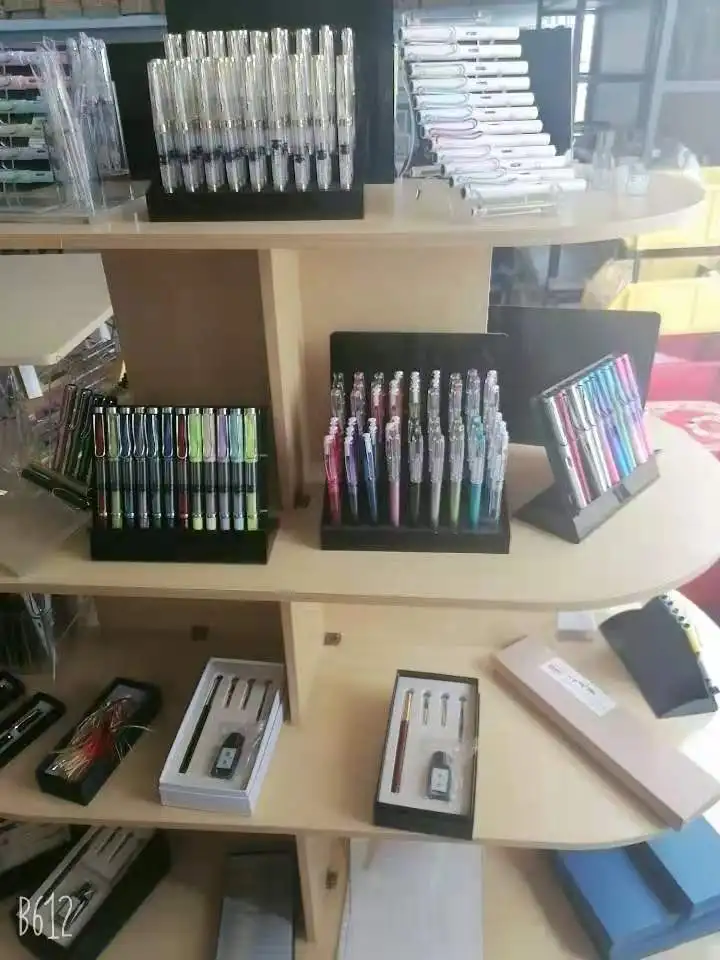
Main productsstationery,office products,gift craft,painting,pen
Main marketsNorth America(50.00%), Eastern Europe(30.00%), Oceania(20.00%)

DONGGUAN HUI TAI TONG TECHNOLOGY CO., LIMITED
- Manufacturer/Factory
- China Guangdong
- Lead time23 days
- Avg. response≤ 2h
Main productsPlastic Toy, Children Toy, Educational Toy, Action Figure, PVC Figure, Promotional Gift, Sport Figure
Main marketsNorth America,Eastern Asia,Western Europe

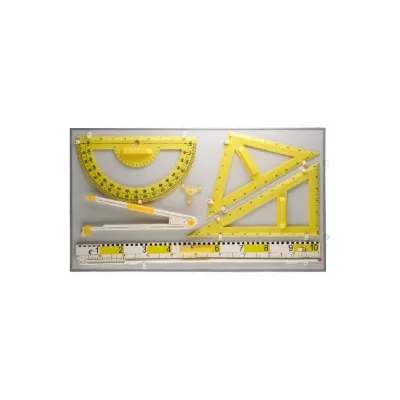
Plastic Template Ruler Drawing Ruler Design Ruler Stationery School Student Ruler
$0.29 - $0.99
MOQ: 3000 Sets

Geometry Ruler, Template Ruler, Teaching Ruler, Student Ruler, School Ruler Drawing Tools
$0.29 - $0.99
MOQ: 3000 Sets


Putian Lung Kin Electronic Co., Ltd.
- Verified by SGS
- Manufacturer/Factory
- China Fujian
- Lead time23 days
- Avg. response≤ 3h
Main productsClock, Digital Clock, Timer, Calculator, LCD Modules, Stopwatch, Electronic Toys, Electronic Watches
Main marketsSouth America,Eastern Europe,Mid East,North America,Southeast Asia,Eastern Asia,Oceania,Western Europe,Africa

- Verified by BV
- Trading Company
- China Zhejiang
- Lead time30 days
- Avg. response≤ 8h
Main productsTextile, Zipper, Lace, Elastic, Ribbon, Thread, Tape, Fabric, Interlining, Button
Main marketsSouth America,Africa,Europe








Comprehensive Sourcing Guide
T Square Ruler Supplier Concentration and Factory Types
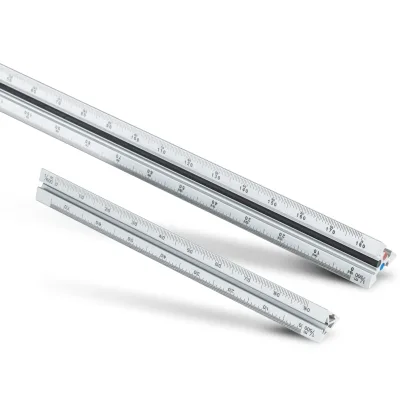
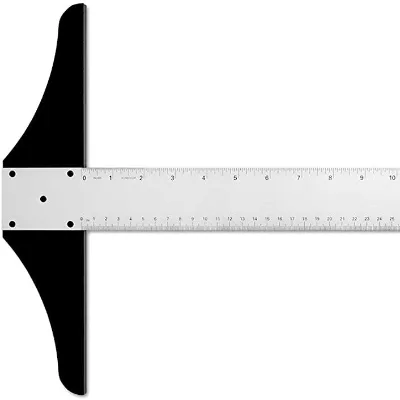
Current data indicates a concentration of manufacturing activity in specific Chinese provinces, with Hebei emerging as a notable hub for cast iron welding tables and granite measuring tools. Suppliers in this region often list main products including cast iron surface plates, leveling rulers, and angle squares, suggesting a specialized cluster for heavy-duty metal measuring instruments. These facilities frequently operate as combined entities, offering both Original Design Manufacturing and Original Equipment Manufacturing capabilities to accommodate diverse client needs. The presence of ISO9001:2015 and ISO14001:2015 certificates in this cluster signals a focus on quality management and environmental standards within the production process.
In contrast, other regions like Zhejiang and Shanghai host a mix of trading companies and manufacturers that may focus on different material compositions, such as plastic or steel variants. These suppliers often list broader product ranges including hand tools, power tools, and various measuring devices alongside t square rulers. The company types vary significantly, with some operating strictly as trading companies while others function as factories with direct R&D capacity. Buyers should verify the specific operational model of each supplier, as a trading company might source from multiple factories, whereas a manufacturer controls the production line directly. This distinction impacts the ability to customize product specifications and manage quality control protocols effectively.
How to Verify T Square Ruler Suppliers
Verification begins with examining system certifications and third-party audit reports to ensure compliance with international standards. Some suppliers in the dataset display ISO9001 and ISO14001 certificates, while others may hold specific product certifications like RoHS, CE, or GS TUV depending on the material and intended market. It is critical to request valid documentation for these claims rather than relying on profile badges alone. Additionally, verification status from recognized bodies such as TÜV Rheinland provides an extra layer of confidence regarding the supplier's business legitimacy and operational stability. Buyers must confirm that these certifications are current and cover the specific product lines they intend to purchase.
Beyond documentation, assessing the supplier's response time and communication efficiency offers insight into their operational reliability. Data shows response times varying from approximately 3 to 5 hours, which can indicate the availability of a dedicated sales team or the efficiency of their internal processes. A faster response time often correlates with better project management and quicker resolution of technical queries regarding product dimensions or customization options. Buyers should also review the main products listed to ensure the supplier has a history of producing similar measuring tools, as this suggests established expertise in the specific niche. Confirming the origin of the products and the specific manufacturing capabilities, such as laser etching or custom molding, further validates their ability to meet precise requirements.
What to Compare Across T Square Ruler Suppliers
When evaluating potential partners, lead time is a primary metric that dictates project scheduling and inventory planning. The observed data reveals significant variation, with some suppliers offering a 30-day lead time while others require up to 60 days for production and delivery. This difference often reflects the complexity of the order, the current factory workload, or the specific customization level required. Buyers must align their order timelines with these capabilities to avoid delays, especially for time-sensitive construction or manufacturing projects. Understanding the factors influencing these lead times, such as material availability or production batch sizes, is essential for accurate forecasting.
Minimum Order Quantity (MOQ) and pricing structures also require careful comparison to ensure economic viability. While some suppliers list an MOQ of just one unit for specific inspection-grade items, others may require orders of 1000 or 2500 units for standard commercial rulers. Pricing can range widely, with some items listed at very low unit costs while others command higher prices for specialized features like aluminum handles or specific alloy compositions. Buyers should analyze the total cost of ownership, including shipping methods like sea freight, and packaging requirements such as wooden crates or color cards. Comparing these commercial terms across multiple suppliers helps identify the most cost-effective option that still meets quality and volume requirements.
Common T Square Ruler Sourcing Risks
One significant risk involves the discrepancy between advertised product attributes and actual manufacturing capabilities. For instance, a supplier might claim a product is made of cast iron based on their main product list, yet the specific item ordered could be plastic or steel, as seen in varying product evidence. This inconsistency can lead to receiving tools that do not meet the necessary durability or precision standards for industrial inspection. Buyers must explicitly confirm the material composition, such as whether the ruler is tempered black steel or plastic, before finalizing any purchase agreement to prevent receiving substandard goods.
Another risk relates to the customization process and the clarity of technical specifications. While many suppliers indicate that customization is available, the specific standards and tolerances may not be clearly defined in the initial product listing. Some entries mention customizable standards, while others specify fixed dimensions like 8x12 inches or 300x200mm. Without clear communication regarding the exact tolerances, surface finish, or scale markings, the final product may fail to meet the buyer's quality expectations. Additionally, relying on generic descriptions without verifying the specific model number or production standard can result in receiving items that are not suitable for the intended application, such as high-precision engineering versus general carpentry.
T Square Ruler Regional Sourcing and Logistics
Logistics planning must account for the geographic distribution of suppliers, which are primarily located in China, specifically in provinces like Hebei, Zhejiang, and Shanghai. Each region may offer different advantages regarding shipping costs and transit times, depending on the proximity to major ports. Suppliers in these areas typically utilize sea freight for bulk shipments, which is cost-effective for large orders but requires longer transit times compared to air freight. Buyers should calculate the total landed cost, including inland transportation from the factory to the port and ocean freight charges, to ensure the final price remains competitive.
Packaging and handling requirements also vary by region and supplier, impacting the safety of the goods during transit. Evidence shows packaging options ranging from wooden packages for heavy cast iron items to cartons or color cards for lighter plastic or steel rulers. The single gross weight and package dimensions provided in product data are crucial for determining shipping container space and freight charges. Buyers must verify that the packaging is robust enough to prevent damage, especially for precision instruments that could be compromised by impact or moisture. Ensuring the supplier uses appropriate protective measures, such as bubble wrap or sturdy cartons, is essential for maintaining product integrity upon arrival.
T Square Ruler Commercial Terms and Order Planning
Order planning should begin with a clear understanding of the payment terms and the availability of escrow services to protect the buyer's financial interests. While specific payment terms are not detailed in the current data, the presence of escrow options is a standard safety measure in international trade that ensures funds are only released upon satisfactory delivery. Buyers should prioritize suppliers who offer secure payment channels and are willing to negotiate terms that align with their cash flow needs. Establishing a clear contract that outlines delivery schedules, quality acceptance criteria, and penalty clauses for delays is fundamental to a successful transaction.
Finalizing the order requires a detailed review of all product attributes, including model numbers, dimensions, and customization options. The data indicates specific models like SR01 or MS05-228, each with unique features such as lasered scales or specific handle materials. Buyers must ensure that the selected model matches their technical requirements exactly, as even minor deviations in size or material can affect usability. Additionally, confirming the brand name and origin of the product helps in maintaining consistency with existing inventory or brand standards. A thorough pre-order checklist that verifies all these details against the supplier's final quotation will minimize the risk of errors and ensure the procurement process runs smoothly.
FAQs
What is the minimum order quantity for cast iron square rulers?
The minimum order quantity for cast iron square rulers is one unit. Some suppliers offer this low threshold for inspection purposes. However, other plastic or steel variants may require higher volumes like one thousand units. Always check the specific product attributes before placing an order.
How long does it take to receive these rulers from China?
Lead times vary significantly between suppliers, ranging from thirty to sixty days. Some manufacturers in Hebei or Zhejiang report a sixty-day window. Others in Shanghai might complete orders in forty-five days. Verify the specific lead time with the supplier before finalizing your purchase plan.
Are these rulers available with ISO certifications?
Yes, several suppliers hold ISO9001:2015 and ISO14001:2015 certificates. Some products also carry RoHS and CE certifications. One supplier is verified by TÜV Rheinland. Ensure you request the specific certificate documents to confirm compliance with your project standards.
Can I customize the size and material of the square ruler?
Customization is available for many models, including size and material options. You can find grey cast iron or plastic versions with custom standards. Some suppliers accept OEM and ODM requests. Confirm the customization details and any additional costs directly with the manufacturer.
What is the typical response time for supplier inquiries?
Response times generally range from three to six hours based on current data. Some suppliers respond within three hours, while others take up to five hours. Faster response times are often associated with trading companies. Check the specific supplier profile for their current average response speed.
Where are the main manufacturing locations for these tools?
Manufacturers are located in Hebei, Zhejiang, and Shanghai provinces in China. Hebei suppliers often focus on cast iron products. Zhejiang and Shanghai locations may offer a mix of trading and manufacturing services. The origin is consistently listed as China for all observed products.
What is the price range for a single square ruler?
Prices vary widely depending on the material and specifications. Cast iron models may cost around two hundred units, while plastic rulers can be as low as one unit. Steel variants might be priced near two units. Always verify the current price for the specific model you need.