Inflatable Ergonomic Air Seat Cushion Suppliers and Manufacturers
Compare 20 verified suppliers of inflatable ergonomic air seat cushions by location, response time, lead time, and certifications. Review product attributes like material and warranty before contacting factories in Zhejiang or Guangdong for quotes; review the available evidence before requesting comparable quotations from suitable candidates.
Suppliers List
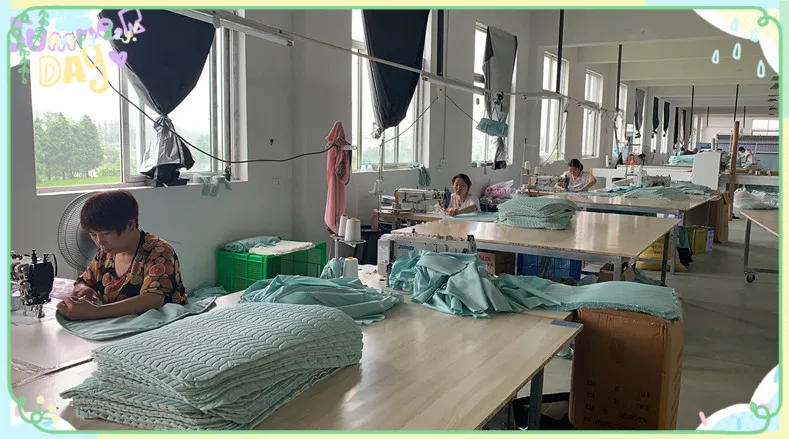
Wenzhou Mumeng Home Textiles Co., Ltd.
- Manufacturer
- Zhejiang, China
- Lead time15 days
- Avg. response≤ 3h
Main productspillow,latex mattress,latex slipper,pillow case,quilt
Main marketsDomestic Market(42.00%), North America(10.00%), South America(8.00%), Northern Europe(8.00%), Central America(8.00%), Western Europe(8.00%), Mid East(8.00%), Eastern Europe(8.00%)

- Verified by BV
- Combined
- China Guangdong
- Lead time30 days
- Avg. response≤ 9h
Main productsMedical Air Mattress, Nebulizer, Air Compression Leg Massager, Humidifier, Oxygen Concentrators, Air Mattress, Blood Pressure Monitor, Suction Machine, Therometer, Face Mask
Main marketsSouth America,Africa,Southeast Asia/ Mideast,East Asia(Japan/ South Korea),Europe,Australia,North America


Inflatable Cushion Pressure Air Seat Comfort Cushion for Wound Care Anti Decubitus
$1.10 - $2.00
MOQ: 1000 Pieces

Yangzhou Tiansheng Rubber&Plastic Products Co., Ltd.
- Verified by SGS
- Combined
- China Jiangsu
- Lead time30 days
- Avg. response≤ 3h
Main productsNatural Rubber Hot Water Bottle Bag, Fabric Ice Bag/Cold Compress Bag, Rubber Air Cushion, Plush Hot Water Bottle Covers, Fur Hot Watet Bottle Cover
Main marketsDomestic

Medical Air Car Seat Cushion Inflatable Travel Round Rubber Seat Cushion
$1.50 - $2.80
MOQ: 2000 Pieces

Comfortable Air Inflatable Seat Cushion Chair Cushion for Wheel Chair, Prolonged Sitting Daily Use
$1.50 - $2.80
MOQ: 2000 Pieces

- Combined
- China Guangdong
- Lead time30 days
- Avg. response≤ 11h
Main productsFirst Aid Kits, Kinesiology Tape, Rigid Strapping Tape, Coach Tape, Lite Eab, Precut Kinesio, CPR Mask, Band Aid Box, Zinc Oxide Tape, Cohesive Bandage
Main marketsSouth America,Africa,Southeast Asia/ Mideast,East Asia(Japan/ South Korea),Domestic,Europe,Australia,North America

Morden Design Orthopedic Seat Cushion Memory Foam Seat Cushion Inflatable Seat Cushion
$1.43 - $1.58
MOQ: 100 Pieces

Hot Selling Seat Cushions Medical Supply Wheelchair Seat Pillow Inflatable Square Cushion
$2.03 - $2.25
MOQ: 100 Pieces

$2.03 - $2.25
MOQ: 100 Pieces

Wholesales Seat Pillow Memory Foam Seat Cushion Medical Supply Seat Cushion
$1.43 - $1.58
MOQ: 100 Pieces
Xiamen Hoy Plastic Industrial Co., Ltd.
- Verified by TUVRHEINLAND
- Combined
- China Fujian
- Lead time30 days
- Avg. response≤ 14h
Main marketsSoutheast Asia/ Mideast

Medical Air Car Seat Cushion Inflatable Travel Round Rubber Seat Cushion with Holes
$1.60
MOQ: 1000 Pieces


Air Cushion for Office Chair/Wheelchair/Car Seat Inflatable Anti-Decubitus Cushion
$1.60
MOQ: 1000 Pieces


Jinjiang Jiaxing Supply Management Co., Ltd.
- Verified by TUVRHEINLAND
- Trading Company
- China Fujian
- Lead time30 days
- Avg. response≤ 1h
Main productsEVA Clogs, Flip Flop, Shoe Charms, Shopping Bags, Wristbands, Gifts, Promotional Gifts, Slipper, Sport Cap, Ball
Main marketsNorth America

Ningde Crius Electronic Co., Ltd.
- Verified by TUVRHEINLAND
- Combined
- China Fujian
- Lead time30 days
- Avg. response≤ 5h
Main productsMassage Chair, Jade Massage Bed, Massage Pillow, Tourmaline Bracelet, Foot Massager, Jade Mattress, Massage Cushion, Massage Belt, Eye Massager, Neck and Shoulder Massager
Main marketsAustralia
Dongguan Julisheng New Material Technology Co., Ltd.
- Verified by BV
- Combined
- China Guangdong
- Lead time30 days
- Avg. response≤ 7h
Main productsPU Foam, PU Corner Guard, Accessories PU Armrest, PU Self-Skinning, PU High Rebound, PU Slow Rebound, PU Imitation Wood Hard Foam, PU Foam Rugby, PU Traction Pillow, PU Foam Wheel
Main marketsDomestic

Qingdao ShengHong Rubber and Plastic Co., Ltd
- Verified by TUVRHEINLAND
- Trading Company
- China Shandong
- Lead time15 days
- Avg. response≤ 6h
Main productsOil Sealing, Damping and Buffering, Flexible Fittings for Fluid Pipelines, Protective Seals, Sealing Strip, Metal Stamped Products, Framework Oil Seals, Stamping, Rubber Product, Rubber Seal
Main marketsEurope
Nanjing Ihome Comfort Co., Ltd.
- Verified by SGS
- Trading Company
- China Jiangsu
- Lead time30 days
- Avg. response≤ 8h
Main productsHot Water Bottle, Ice Pack, Hot Water Bag, Kneepad, Hot Cold Pack, Bp Bulb Bladder, Fitness Equipment, Leather Bag, Test Pack, First Aid Kit
Main marketsSouth America,Africa,Others(foreignTradeCapacity.exportBusinessCapacityMarketOther),Southeast Asia/ Mideast,East Asia(Japan/ South Korea),Europe,North America

Pan an Wild Mountain Wolf Outdoor Co., Ltd.
- Combined
- China Zhejiang
- Lead time30 days
- Avg. response≤ 3h
Main productsMat, Self-Inflating Mat, Self-Inflating Mattress, Self-Inflating Sleeping Pad, Inflatable Air Mat, Sleeping Pad, Ultralight Sleeping Pad, Sleeping Mat, Inflatable Air Mattress, Self-Inflatable Mattress
Main marketsSouth America,Southeast Asia/ Mideast,East Asia(Japan/ South Korea),Domestic,Europe,Australia,North America


Outdoor Portable Inflatable Seat Cushion with Carrying Bag for Camping
$10.00 - $30.00
MOQ: 500 Pieces


Outdoor Portable Automatic Self Inflating Seat Cushion for Stadium Camping
$10.00 - $30.00
MOQ: 500 Pieces

Hangzhou Wehere Medical Technology Co., Ltd.
- Verified by BV
- Trading Company
- China Zhejiang
- Lead time30 days
- Avg. response≤ 2h
Main productsProtective Gown, Face Mask, Thermometer, Dust Mask, Respirator, Pulse Oximeter, Forehead Thermometer, Cadaver Bag, Isolation Gown, Surgical Drape
Main marketsSouth America,Africa,East Asia(Japan/ South Korea),Europe
Shanghai ETRAVEL Industrial Co., Ltd.
- Verified by SGS Group
- Manufacturer, Trading Company
- Shanghai China, China
- Lead time20 days
- Avg. response≤ 2h
Main productsOutdoor equipment, Travel and grooming, Bathroom products, Home textiles, toothbrush cup
Main marketsEastern Europe(40%), North America(30%), Southeast Asia(30%)
Guangzhou Umy Medical Equipment Co., Ltd.
- Verified by SGS
- Manufacturer
- China Guangdong
- Lead time15 days
- Avg. response≤ 5h
Main marketsDomestic


Air-Breathable Air Cell Cushion Car Seat Cushion Lumbar Pillows & Seat Cushions
$8.50 - $10.00
MOQ: 500 Pieces

Zhengzhou Yuexiu Industrial Co., Ltd
- Trading Company,Manufacturer/Factory
- China Henan
- Lead time23 days
- Avg. response≤ 4h
Main productsPU Integral Skin Foam, High Resilience PU Foam, Low Resilience PU Foam, Molded PU Foam, Corner Guard, PU Handles, Foam Seat, Foam Insert, PU Suspension Bushing, PU Foam Products
Main marketsSouth America,Eastern Europe,Mid East,North America,Southeast Asia,Eastern Asia,Oceania,Western Europe,Africa

Shanghai Touch Industrial Development Co., Ltd.
- Verified by TUVRHEINLAND
- Combined
- China Shanghai
- Lead time15 days
- Avg. response≤ 6h
Main productsInstant Hot Pack, Hot Cold Pack, Gel Eye Mask, Gel Ice Pack, Gel Bottle Cooler, Instant Ice Pack, Hand Warmer, Heat Pack, Cooling Scarf, Gel Beads
Main marketsSouth America,Others(foreignTradeCapacity.exportBusinessCapacityMarketOther),Southeast Asia/ Mideast,East Asia(Japan/ South Korea),Domestic,Europe,Australia,North America

Pujiang Damai Household Products Co., Ltd.
- Verified by SGS
- Combined
- China Zhejiang
- Lead time15 days
- Avg. response≤ 3h
Main marketsDomestic
Weifang Bai Yi Garment Co., Ltd.
- Verified by CTI
- Combined
- China Shandong
- Lead time30 days
- Avg. response≤ 7h
Main productsCushions, Pillows, Seat Cushion, Pet Bed, Mattress, Folding Sofa, Compression Sofa Bed, Outdoor Cushion, Sofa Cushion, Lounge Cushion
Main marketsSoutheast Asia/ Mideast,Domestic,Europe,Australia,North America

Shanghai Huaqi Industrial Co., Ltd.
- Verified by TUVRHEINLAND
- Trading Company
- China Shanghai
- Lead time15 days
- Avg. response≤ 6h
Main productsCar Mats, Seat Cover, Car Cover, Wiper Blade, Air Compressor, Steering Wheel Cover, Car Lock, Baby Mirror, Car Jack, Racing Seat
Main marketsSouth America,Africa,Southeast Asia/ Mideast,Europe,Australia,North America

- Verified by SGS
- Manufacturer/Factory
- China Jiangsu
- Lead time45 days
- Avg. response≤ 14h
Main productsHome Textiles, Household Products, Outdoor Product, Sport, Pet, Heated Products
Main marketsSouth America,Eastern Europe,Mid East,North America,Southeast Asia,Eastern Asia,Oceania,Western Europe,Africa
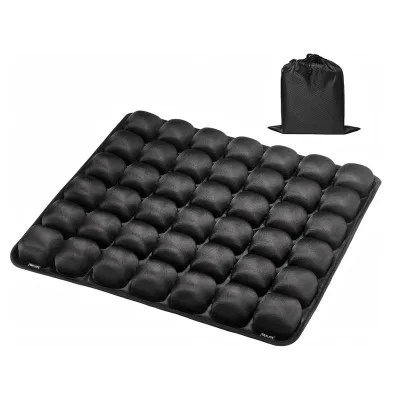


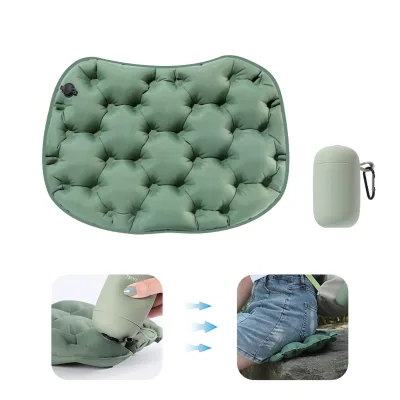
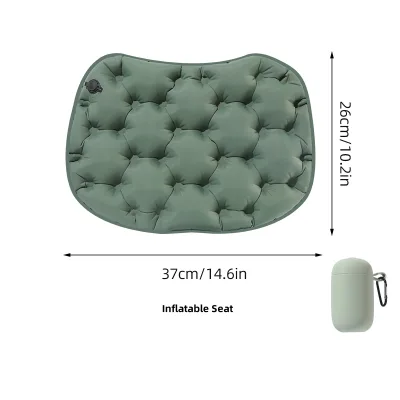


Comprehensive Sourcing Guide
Inflatable Ergonomic Air Seat Cushion Supplier Concentration and Factory Types
Current data indicates a concentration of manufacturing activity in Zhejiang, China, where specific factories list pillow, latex mattress, and air cell products as their primary output. These facilities operate as manufacturers capable of handling custom orders, with some offering full OEM and ODM services for branded inflatable seat cushions. The presence of TPU and memory foam materials in product attributes suggests these factories possess the technical capacity to produce both inflatable and hybrid ergonomic designs. Buyers should verify if a supplier's main product list explicitly includes air cell technology or inflatable travel gear, as general textile manufacturers may lack the specific molding or sealing expertise required for durable air chambers.
In contrast, other results show suppliers in Guangdong, China, focusing on medical devices and rehabilitation supplies, which often include air compression and pressure-relief cushions. These entities may operate as combined entities or trading companies rather than pure manufacturers, offering a broader range of medical equipment like nebulizers and oxygen concentrators alongside seat cushions. When evaluating factory types, buyers must distinguish between those specializing in travel accessories and those focused on medical-grade pressure relief, as the production standards and quality control processes differ significantly. A supplier claiming to be a manufacturer should demonstrate specific production lines for inflatable products, while combined entities might rely on external factories for the actual molding and assembly of the air cells.
How to Verify Inflatable Ergonomic Air Seat Cushion Suppliers
Verification begins by checking for third-party validation badges such as BV verification, which confirms the business license and operational status of the supplier. For suppliers in the medical or rehabilitation sector, look for specific certifications like CE, FDA, and ISO listed in their product attributes, as these indicate compliance with stricter safety and quality standards required for pressure-relief devices. General travel cushion suppliers may display CE, REACH, and OEKO-TEX certifications, which are relevant for consumer safety and material toxicity but do not necessarily equate to medical device approval. Buyers should request proof of these certifications directly rather than relying solely on the supplier's profile, ensuring the documents are current and match the specific product model being sourced.
Response time and lead time data provide additional layers of verification regarding a supplier's operational reliability. A response time of three days suggests a highly active sales team, while a response time of nearly nine days may indicate a larger organization with slower communication channels or a trading company structure. Lead times of 15 days versus 30 days reflect different production capacities and inventory strategies; shorter lead times often imply ready stock or streamlined processes, whereas longer lead times may require custom tooling or batch production. Buyers should cross-reference these metrics with the supplier's stated capacity for ODM and OEM services to ensure they can meet specific volume and customization requirements without compromising on quality or delivery schedules.
What to Compare Across Inflatable Ergonomic Air Seat Cushion Suppliers
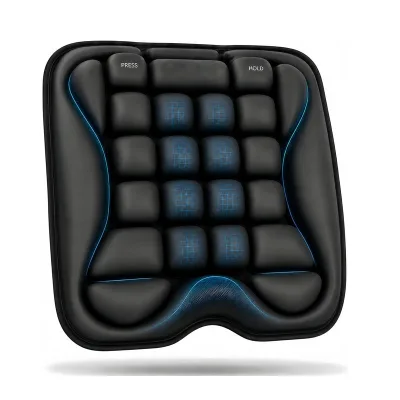
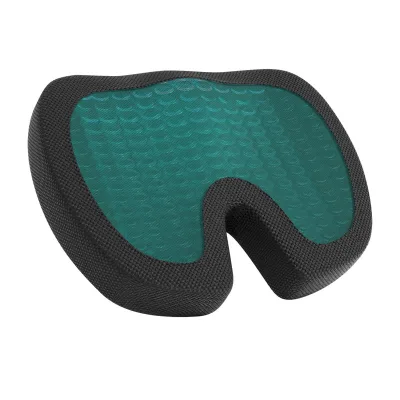
When comparing suppliers, the primary focus should be on the specific product attributes that define the cushion's performance, such as material composition, filling type, and structural design. Some suppliers offer cushions with TPU materials and air cell technology designed for puncture resistance, while others utilize memory foam or gel-infused layers for ergonomic support. The target use body part, whether for the buttocks, back, or shoulders, dictates the shape and firmness required, with options ranging from square designs to U-shapes. Buyers must carefully review the care instructions, noting whether covers are removable and washable while the inner core remains non-washable, as this impacts long-term maintenance and hygiene for the end user.
Pricing and minimum order quantities (MOQ) are critical financial variables that vary significantly across the supplier base. Price ranges observed span from approximately $1.50 to $28.00 per unit, heavily influenced by the complexity of the design, the inclusion of features like built-in pumps, and the volume of the order. Some suppliers enforce an MOQ of 1000 pieces, which is typical for custom medical-grade air cushions, while others may offer lower thresholds for standard travel accessories. Buyers should calculate the total landed cost by factoring in the single gross weight and packaging dimensions, as these affect shipping expenses. Comparing the selling units and packaging details, such as custom branded full sets versus standard box packing, helps determine the value proposition for different market segments.
Common Inflatable Ergonomic Air Seat Cushion Sourcing Risks
One significant risk involves the discrepancy between claimed features and actual product performance, particularly regarding durability and air retention. Product attributes may list features like "anti-decubitus" or "puncture-resistant," but without independent testing reports, these claims remain unverified. The presence of multiple certifications like CE and REACH does not guarantee that the specific air cell construction will withstand repeated inflation and deflation cycles or heavy weight loads. Buyers should request sample testing data or third-party lab reports to validate claims about weight capacity, bubble count, and material thickness, especially for medical applications where failure could lead to patient injury.
Another risk stems from inconsistent quality control in custom manufacturing, where variations in fabric, stitching, or air valve installation can occur between batches. Suppliers offering "custom size" or "custom fabric" options may struggle to maintain uniformity if their production lines are not specialized in inflatable goods. The reliance on hand pumps or external accessories like glue and patches introduces potential points of failure if the included accessories are of low quality. Additionally, the distinction between disposable and non-disposable products is crucial; sourcing a product labeled as disposable for long-term commercial use can lead to premature replacement costs. Buyers must clearly define the intended lifespan and usage environment to avoid receiving products that do not meet their durability expectations.
Inflatable Ergonomic Air Seat Cushion Regional Sourcing and Logistics
Sourcing from Zhejiang, China, offers access to a dense cluster of manufacturers specializing in home textiles and travel accessories, often resulting in competitive pricing and faster turnaround for standard items. The proximity of these factories to major ports facilitates efficient logistics for bulk shipments, though buyers should verify the specific port of loading to estimate transit times accurately. For suppliers in Guangdong, the focus on medical devices suggests a different logistical ecosystem, potentially involving stricter packaging requirements to protect sensitive medical-grade components during transit. The regional specialization means that buyers sourcing medical air cushions may find better technical support in Guangdong, while those seeking general travel gear might find more variety in Zhejiang.
Logistics planning must account for the specific packaging dimensions and weight of the products, as inflatable cushions can vary from compact folded units to larger boxed sets. Product attributes indicate single volumes and gross weights that may be zero or negligible when deflated, but the packaging volume increases significantly once the product is boxed with accessories like pumps and patches. Buyers should calculate the quantity per 20-foot container, as some suppliers list capacities of 4000 pieces, which impacts the overall shipping cost per unit. Understanding the origin location helps in determining customs duties and import regulations, particularly for products claiming medical certifications that may require additional documentation upon entry into the destination country.
Inflatable Ergonomic Air Seat Cushion Commercial Terms and Order Planning
Commercial terms regarding customization and branding are pivotal for buyers seeking private label solutions. Many suppliers offer full service acceptance for OEM and ODM, allowing for custom logos via print, emboss, or embroidery, and the ability to specify cover fabrics like bamboo or cooling materials. However, the minimum order quantity for these customizations can be substantial, with some suppliers requiring 1000 pieces for OEM branding. Buyers must confirm whether the customization fee is included in the unit price or charged separately, and verify the lead time impact of adding custom branding to the production schedule. Clear agreements on design approval processes and sample validation are essential before mass production begins to avoid costly errors.
Order planning should also consider warranty periods and after-sales support, which vary by supplier and product type. Some medical-grade suppliers offer a 12-month warranty, providing a safety net for defects in materials or workmanship, while general travel cushion suppliers may offer limited or no warranty coverage. The availability of spare parts, such as replacement pumps or patches, is a critical factor for long-term product viability. Buyers should negotiate terms that include a clear defect rate threshold and a protocol for handling returns or replacements. Establishing a reliable supply chain requires balancing the initial unit cost with the long-term value provided by warranty coverage and the supplier's responsiveness to post-sale issues.
FAQs
What certifications do these cushions hold?
Manufacturers in Zhejiang provide CE, REACH, and OEKO-TEX certifications for their products. These credentials ensure the materials meet strict safety and environmental standards. Buyers should verify specific certificates for medical-grade claims, as some suppliers also list FDA or ISO approvals for specialized air cushion models.
What is the typical lead time for orders?
Standard production lead times range from 15 to 30 days depending on the supplier type. Zhejiang-based manufacturers generally offer faster turnaround times around 15 days. Suppliers in Guangdong may require up to 30 days for production. Buyers should confirm exact schedules during negotiation to align with shipping deadlines.
What is the minimum order quantity for customization?
Custom branding and OEM services typically require a minimum order quantity of 1000 pieces. This threshold applies to personalized packaging and logo printing. Standard stock items may have lower MOQs, but bulk discounts usually kick in at higher volumes. Buyers should negotiate MOQs based on their specific customization requirements.
How quickly do suppliers respond to inquiries?
Response times vary significantly between suppliers, ranging from 3 hours to over 8 hours. Zhejiang manufacturers often respond within 3 hours, ensuring quick communication. Other suppliers may take up to 8.83 hours. Prompt responses indicate active sales teams and better potential for resolving sourcing questions efficiently during the procurement process.
What materials are used in the cushions?
Common materials include TPU, thermoplastic polyurethane, and memory foam. Some models feature bamboo or cooling fabrics for the cover. Inner cores often use high-density slow-rebound memory foam or air cells. Buyers should check specific product attributes to ensure the material meets their durability and comfort requirements for long-term use.
What is the price range for these products?
Prices range from $1.50 to $28.00 per unit based on features and materials. Basic inflatable models start around $1.50, while premium ergonomic options cost up to $28.00. Memory foam and custom fabric variants fall in the middle. Buyers should compare specifications to determine the best value for their specific sourcing needs and budget.