Taiwan Ball Bottle Suppliers and Manufacturers
Explore 19 verified suppliers offering Taiwan Ball Bottle options with OEM and ODM capabilities. Compare dimensions like lead times, certifications, and response rates to find the right partner. Contact suppliers directly to request samples and pricing details; review the available evidence before requesting comparable quotations from suitable candidates.
Suppliers List

LION PROMOTIONAL GIFT CO., LIMITED
- Trading Company,Manufacturer/Factory
- China Zhejiang
- Lead time15 days
- Avg. response≤ 25h
Main productsPromotional Gifts, Giveaways, Advertising Gift, Premium Items, Publicity Material, Freebie Items, Marketing Gifts, Campaign Gifts, Promotional Products, China Gifts Supplier
Main marketsSouth America,Mid East,North America,Southeast Asia,Oceania,Western Europe,Africa
Wenzhou Yaqi Technology Co., Ltd.
- Verified by SGS Group
- Manufacturer, Trading Company
- Lead time15 days
Main productsPlastic Water Bottle
Main marketsWestern Europe(25%), Eastern Europe(15%), North America(10%)

Shenzhen Kingline Technology Development Co., Ltd.
- Verified by BV
- Trading Company
- China Guangdong
- Lead time15 days
- Avg. response≤ 4h
Main productsShaker Bottle, Water Bottle, Sports Water Bottle, Pill Box, Stainless Steel Water Bottle, Vacuum Flask, Water Jug, Travel Water Bottle, Gym Water Bottle, Cycling Water Bottle
Main marketsSouth America,Southeast Asia/ Mideast,Europe,Australia,North America

- Verified by CTI
- Trading Company
- China Zhejiang
- Lead time30 days
- Avg. response≤ 3h
Main productsAirless Bottle, Glass Bottle, Comb, Cosmetic Packaging, Food Packaging, Sprayer, Lotion Pump Machine, Gift, Roll on Ball
Main marketsAfrica,Southeast Asia/ Mideast


Customized Natural Bamboo Roller Ball Bottles with Windows for Empty Packaging Bottles
$0.10 - $0.11
Moq: 5000


- Verified by TUVRHEINLAND
- Trading Company
- China Zhejiang
- Lead time15 days
- Avg. response≤ 3h
Main productsLanyard, Promotional Gift, Baseball Cap, Bags, T-Shirt, Ceramic Mug, Sport Water Bottle, PU Toys
Main marketsEurope,Australia,North America
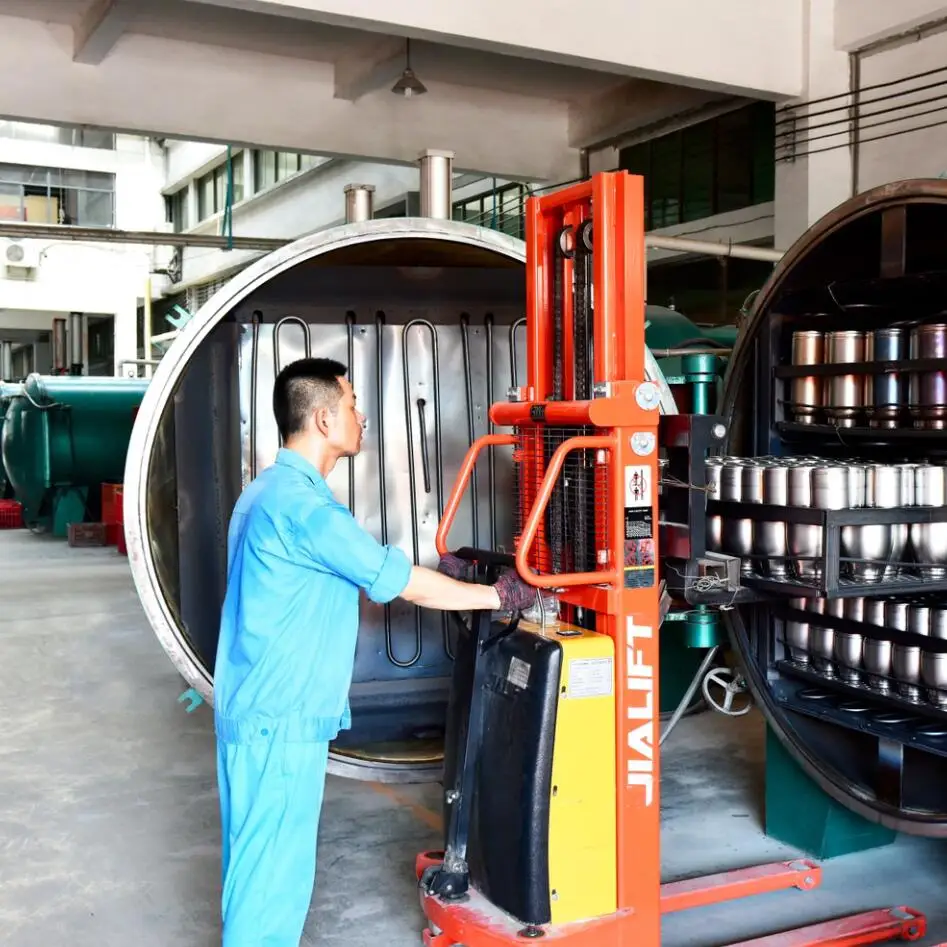
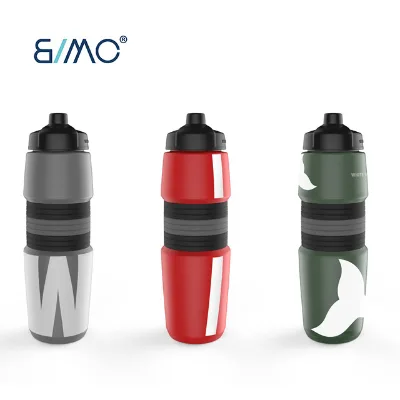
Yongkang Bimo Houseware Co., Ltd.
- Trading Company
- Zhejiang, China
- Lead time15 days
- Avg. response≤ 9h
Main productsWater Bottle,MUG,CUP,tumbler,vacuum bottle
Main marketsNorth America(60.0%), Western Europe(15.0%), Eastern Asia(10.0%), Oceania(5.0%), Domestic Market(1.0%), Southeast Asia(1.0%), South America(1.0%), Southern Europe(1.0%), Eastern Europe(1.0%), Central America(1.0%), Mid East(1.0%), Africa(1.0%)

Taizhou Shangyi Plastic Co., Ltd.
- Verified by TUVRHEINLAND
- Trading Company
- China Zhejiang
- Lead time23 days
- Avg. response≤ 20h
Main productsFood Container, Storage Container, Lunch Box, Bento Box, Plastic Laundry Basket, Plastic Storage Container, Plastic Cutting Board
Main marketsSouth America,Southeast Asia/ Mideast

Difanmax Tech Lianyungang Co., Ltd.
- Verified by BV
- Manufacturer/Factory
- China Jiangsu
- Lead time23 days
- Avg. response≤ 4h
Main productsConsumer Electronics, Kinesiology Tape Adhesive Tapes, Industrial Tools, Home & Garden, Gifts & Crafts, Sport Products Entertainment, Health & Medical, Auto Parts E-Bike Auto Tools & Components, Clothes Apparel, Bicycle Hardware Laboratory Measuring Protective
Main marketsSouth America,North America,Southeast Asia,Oceania,Western Europe

Ningbo Beixuan International Trading Co., Ltd.
- Verified by TUVRHEINLAND
- Manufacturer/Factory
- China Zhejiang
- Lead time15 days
- Avg. response≤ 10h
Main productsPlastic Bottle, Plastic Cup, Plastic Honey Jar, Plastic Food Container, Glass Juice/ Beverage Bottle, Glass Jar, Glass Wine Bottle, Glass Essential Oil Bottles, Cosmetic & Perfume Glass Bottles, Paper Cup
Main marketsSouth America,Eastern Europe,Mid East,North America,Southeast Asia,Eastern Asia,Oceania,Western Europe,Africa


10ml Blue Ball Bottle Tawny with Glass Bead Black Plastic Cover Essential Oil Bottle
$0.11 - $0.12
Moq: 5000


Yongkang Heecn Stainless Steel Co., Ltd.
- Manufacturer/Factory
- China Zhejiang
- Lead time45 days
- Avg. response≤ 8h
Main productsMug, Cup, Flask, Bottle, Coffee Mug, Drink Bottle, Camping Mug, Advsing Mug, Gift Mug, Shot Glass
Main marketsSouth America,Eastern Europe,North America,Western Europe
- Trading Company
- Zhejiang, China
- Lead time0 days
- Avg. response≤ 7h
Main productsLED BALLS,LIGHT UP STICKS,LIGHT UP BRACELETS,LED TOYS,LIGHT UP HEADBANDS
Main marketsNorth America(25.0%), Western Europe(20.0%), Eastern Asia(15.0%), South Asia(5.0%), Southern Europe(5.0%), Northern Europe(5.0%), Central America(5.0%), South America(5.0%), Eastern Europe(5.0%), Mid East(5.0%), Southeast Asia(5.0%)

Wenzhou Guanmin Import and Export Co., Ltd.
- Verified by BV
- Trading Company,Manufacturer/Factory
- China Zhejiang
- Lead time120 days
- Avg. response≤ 6h
Main productsShopping Bag, Cooler Bag, Notebook, Pen, Color Pencil, Lanyard, Beach Ball, Umbrella, Sunshade, Air Freshener
Main marketsSouth America,Eastern Europe,Mid East,North America,Southeast Asia,Eastern Asia,Western Europe

Wuxi Meishang Packaging Technology Co., Ltd.
- Verified by BV
- Trading Company,Manufacturer/Factory
- China Jiangsu
- Lead time23 days
- Avg. response≤ 6h
Main productsPerfume Bottle, Dropper, Spray, Plastic Bottle, Essential Oil Bottle, Lotion Pump, Plastic Cap, Trigger Spray, Glass Bottle, Disc Top Cap
Main marketsSouth America,Mid East,North America,Southeast Asia,Western Europe,Africa
Zhangjiagang Boxin Network Technology Co., Ltd.
- Trading Company
- Jiangsu, China
- Lead time30 days
- Avg. response≤ 2h
Main productsWater Bottle,Thermos,Tumbler Cups,Mug,Thermos Bottle
Main marketsNorth America(35.0%), South America(25.0%), Southeast Asia(10.0%), Eastern Europe(5.0%), Mid East(5.0%), Northern Europe(5.0%), Domestic Market(5.0%), Africa(5.0%), Eastern Asia(3.0%), Central America(2.0%)

TAIZHOU HARSOUL IMP. & EXP. CO., LTD.
- Trading Company
- China Zhejiang
- Lead time30 days
- Avg. response≤ 13h
Main productsPromotion Gifts, Promotional Bag, Promotional Jewelry, Promotional Toys, Promotional Stationery, Promotional Plastic Goods
Main marketsOthers(foreignTradeCapacity.exportBusinessCapacityMarketOther),Europe,North America
Qingyuan Kangbei Glassware Co., Ltd.
- Verified by SGS
- Combined
- China Guangdong
- Lead time23 days
- Avg. response≤ 1h
Main productsBaby Bottle, Nipple, Pacifier, Baby Bowl, Baby Spoon, Breast Pump, Glass Products, Glass Bottle, Feeding Bottle, PPSU Baby Bottle
Main marketsAfrica,Southeast Asia/ Mideast

Jinjiang Jiaxing Import and Export Co., Ltd.
- Verified by CTI
- Manufacturer/Factory
- China Fujian
- Lead time120 days
- Avg. response≤ 1h
Main productsShoes, Slipper, Clothes, Promotion Gifts, Silicone Products, Outdoor Sports Products, Bags, Fashion Accessories, Consumer Electronics
Main marketsSouth America,Eastern Europe,Mid East,North America,Southeast Asia,Eastern Asia,Oceania,Western Europe,Africa
- Verified by TUVRHEINLAND
- Trading Company
- China Zhejiang
- Lead time15 days
- Avg. response≤ 10h
Main productsSport Wear, Yoga Pants, Sports Bra, Sports Cap, Waist Bag, Sports Sock, Sports Towel, Quick Dry Clothes, Yiwu Buying Agent, Sourcing Agent
Main marketsSouth America,Europe,North America

Yantai Changyou Glass Co., Ltd.
- Verified by BV
- Manufacturer/Factory,Group Corporation
- China Shandong
- Lead time38 days
- Avg. response≤ 2h
Main productsSpirits Bottle, Wine Bottle, Cosmetic Bottle, Non-Alcoholic Beverages, Pharmaceutical Bottle, Glass Jar, Olive Oil Bottle, Aluminum Cap, Cork Stopper
Main marketsSouth America,Eastern Europe,North America,Southeast Asia,Eastern Asia,Western Europe,Africa








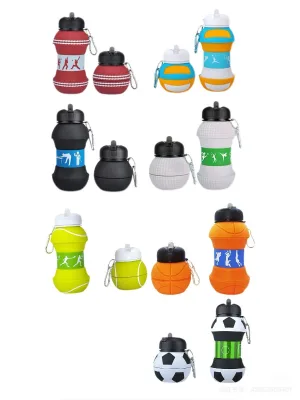


Comprehensive Sourcing Guide
Taiwan Ball Bottle Supplier Concentration and Factory Types
When buyers search for Taiwan Ball Bottle suppliers, they will encounter listings from a wider production geography than the keyword alone suggests. Many active listings for ball-style sports bottles are based in mainland China, with Zhejiang province appearing repeatedly as a place of origin in product data. Zhejiang hosts a dense ecosystem of plastic drinkware factories and trading companies, which is why keyword-driven searches surface so many Zhejiang-registered suppliers even when the buyer typed a Taiwan-oriented term. Buyers should treat the keyword as a product descriptor rather than proof of where manufacturing occurs, and confirm each supplier's registered location directly on the listing before shortlisting.
The supplier base splits into two main company types: manufacturers with their own tooling, and trading companies that consolidate output from several factories. Some listings combine both labels, describing themselves as a manufacturer and trading company at once. Product evidence in this category shows dedicated promotional-gift suppliers whose main products span giveaways, premium items, and campaign gifts, as well as more focused producers whose primary listing is a plastic water bottle. Research and development capabilities also vary: some advertise OEM and ODM service, while others emphasize customized-on-demand, graphic processing, and sample processing. Match the company type to your intent—direct factory engagement for large custom runs, trading companies for mixed-SKU promotional programs.
How to Verify Taiwan Ball Bottle Suppliers
Verification should begin with the credentials actually displayed in supplier results, because these are checkable claims. In this category, some listings show system certifications such as ISO 9001, while others display CE and RoHS, and one product carries a CE standard marking at the product level. One supplier is flagged as verified by SGS Group. None of these should be assumed universal: a buyer must check each profile individually, note which certification appears, and then request the certificate number and issue date to confirm validity with the issuing body. Also verify legal registration, business scope, and whether the entity claims factory ownership or pure trading.
Beyond paperwork, use product data as a verification signal. Listings in this category state material (plastic, including PE and PP food-grade variants), capacity ranges such as 100–500 ml and 500–1000 ml, sealing types like screw caps, and packaging formats such as one piece per OPP bag with 100 pieces per carton. Ask the supplier to confirm these attributes against your target specification and provide a sample before committing. Request a factory inspection report where one is advertised—some listings cite BV factory inspection—and confirm whether a pre-shipment inspection can be arranged. Finally, test responsiveness: one listed response time sits around 24.59 hours, so log how quickly each candidate actually replies to technical questions, not just greetings.
What to Compare Across Taiwan Ball Bottle Suppliers
Build a comparison grid using the dimensions displayed in supplier results, without assuming every supplier shows every field. Useful columns include company type (trading company, manufacturer, or hybrid), location, main products, response time, lead time, and quality credentials. In the current results, one supplier lists a lead time of 15 days and a response time near 24.59 hours; other suppliers may not display comparable figures, which itself is a data point worth recording as "not stated" rather than guessed. Establishment year is another comparison axis to check on each profile where shown, as longer operating history can indicate stability.
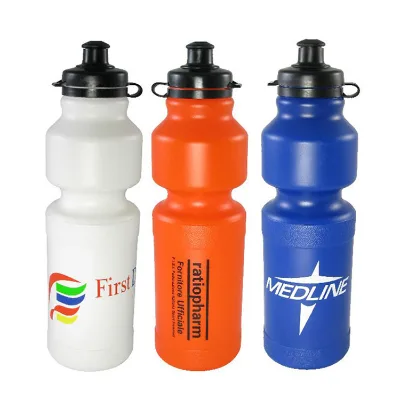
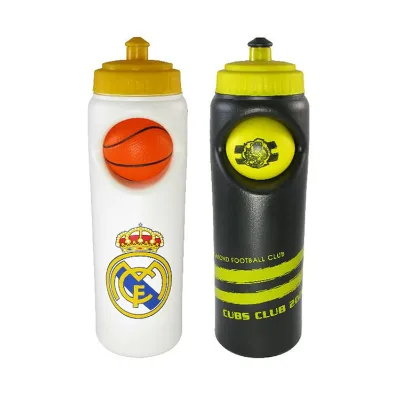
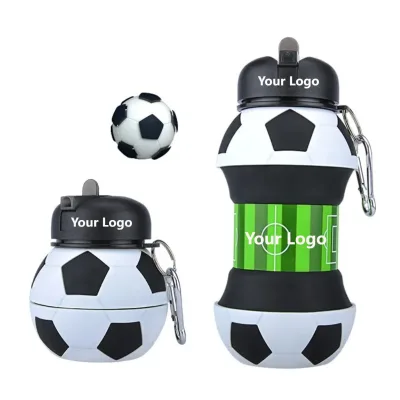
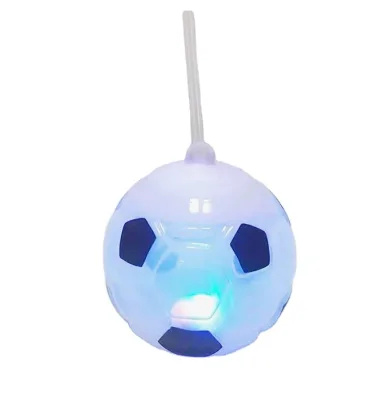
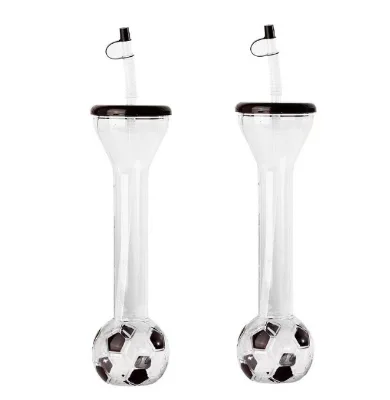
Then compare product-level terms, which differ sharply within this category. MOQs range widely: some plastic ball bottles list a 1000-piece minimum, while a PETG patent-style bottle with a football toy usually requires 5000 pieces. Price bands vary from a low promotional-tier item to the roughly 0.60–1.13 USD range on mid-tier sports sipper bottles, so normalize quotes against material, volume, and printing method. Also compare customization depth—silk screen versus heat transfer printing, pantone-matched colors, OEM acceptance—and supply capacity, where one listing claims up to 20,000 pieces per day with stock available. Prioritize suppliers whose printed attributes match your spec rather than the cheapest headline number.
Common Taiwan Ball Bottle Sourcing Risks
The largest risk is location and identity confusion. Buyers searching Taiwan Ball Bottle terms may end up engaging a Zhejiang-registered mainland factory or trader without realizing it, which changes shipping origin, duties, and communication expectations. A second risk is keyword drift: many suppliers in this space are promotional-gift generalists whose main products cover giveaways, publicity material, and campaign gifts, so bottle production may be one line among many rather than a core competence. Depth of quality control at such suppliers is not guaranteed and must be probed.
Product-specific risks follow from the data itself. Plastic bottles for adults and children carry different safety expectations; one kids' sports bottle listing specifies a 100–500 ml volume and a children's age group, so confirm applicable food-contact and children's-product requirements for your destination market before ordering, since displayed standards such as CE or a listing's mention of ASTM, CPSIA, FDA, and LFGB quality claims still need certificate evidence. Printing risk is real where logos rely on silk screen or heat transfer on curved plastic surfaces—approve a printed pre-production sample. Finally, watch for MOQ mismatch: a 5000-piece minimum on novelty bottles can exceed a promotional campaign's needs, and urgent-order flexibility advertised in some listings should be confirmed in writing with dates.
Taiwan Ball Bottle Regional Sourcing and Logistics
Where location data is actually supplied, use it: product attributes in this category consistently cite Zhejiang, China as the place of origin, and Zhejiang is the only regional cluster named in the available evidence. That concentration matters logistically because nearby export ports are named in the listings themselves—Ningbo and Shanghai appear as ports of loading or dispatch on multiple products. Shipping from a Zhejiang supplier through Ningbo is typically the default routing for these bottles, and buyers can quote freight on that basis before contracting. For suppliers where the location is not displayed, do not assume a cluster; verify the registered address and factory address, which may differ for trading companies.
Logistics planning should also account for the category's physical profile. Product data shows carton packing of 100 pieces per carton for several bottle lines, with single gross weight around 0.150 kg on one model and package dimensions around 20×20×25 cm—figures useful for estimating container utilization, though each SKU must be measured. Lead time examples in the results run to 15 days, but confirm production time against your own quantity, since MOQs of 1000 or 5000 pieces may shift schedules. For Taiwan-bound buyers specifically, clarify whether goods ship directly from the mainland origin port or via transshipment, and confirm documentation requirements with your forwarder before placing a first order.
Taiwan Ball Bottle Commercial Terms and Order Planning
Order planning starts with reconciling MOQ against your real program size. This category spans 1000-piece minimums on standard plastic ball bottles and 5000-piece minimums on patented novelty designs, so a campaign requiring 2000 custom bottles may need a different SKU or supplier than one needing 10,000. Where stock is advertised—some listings state stock bottles are welcome and one claims 20,000 pieces per day supply ability—stock programs can shorten delivery, but printed logo work still adds a production step. Request itemized quotes separating unit price, printing cost, sample cost, and packaging, and align payment and any escrow-style protection terms before deposit.
Sequence the order with verification gates. First, collect the displayed credentials—ISO 9001, CE, RoHS, SGS verification—and request documentation. Second, obtain samples and confirm attributes: material, volume (100–500 ml or 500–1000 ml ranges appear in the data), screw-cap sealing, and silk screen or heat transfer printing quality. Third, lock specifications in writing, including packaging of 1 piece per OPP bag, 100 per carton, and colors, since pantone matching is offered on some lines. Fourth, agree the lead time—one listed figure is 15 days—plus inspection and shipment from the named port. Finally, plan reorders: retain the approved sample, confirmed artwork files in PDF or AI format as some listings request, and a written spec sheet so repeat orders avoid requalification.
FAQs
What is the minimum order quantity for plastic sports bottles?
The minimum order quantity is typically 1000 pieces for standard promotional plastic bottles. Some suppliers may require 5000 pieces for specific patented designs or custom branding. Buyers should verify the exact MOQ with the manufacturer before placing an order to ensure it aligns with their budget and inventory needs.
What certifications do these plastic water bottles hold?
These plastic water bottles hold various certifications including CE, RoHS, FDA, LFGB, ASTM, and CPSIA. The manufacturing facility also maintains ISO 9001 system certification. These credentials ensure the products meet international safety and quality standards for food contact and general consumer use in different global markets.
What is the lead time for manufacturing orders?
The standard lead time for manufacturing orders is 15 days. Suppliers also accept urgent orders to accommodate tight deadlines. Buyers should confirm the exact production schedule with the supplier, as lead times may vary based on order volume, customization requirements, and current factory capacity availability.
What is the price range for promotional plastic bottles?
The price range for promotional plastic bottles is between 0.01 and 1.13 USD per unit. Pricing varies based on material type, volume capacity, and customization options. Buyers can find budget-friendly options starting at the lower end or premium items with advanced features at the higher end of this range.
Can I customize the logo on these bottles?
Yes, customization is available for logo printing on these bottles. Suppliers offer silk screen printing and heat transfer printing methods. Buyers must provide PDF or AI files for the logo design. Customization allows for brand alignment, making these bottles ideal for promotional campaigns, giveaways, and corporate events.
Where are these plastic bottles manufactured?
These plastic bottles are manufactured in Zhejiang, China. The port of loading is typically Ningbo or Shanghai. Buyers should verify the specific origin and shipping port with the supplier to determine logistics costs and delivery timelines. The location supports efficient export operations for global distribution networks.
What materials are used for these sports bottles?
These sports bottles are made from plastic materials including PE, PP, and PETG. They are food-grade materials suitable for beverages. The bottles are eco-friendly and available in various colors. Buyers can choose from different materials based on durability, weight, and specific application requirements for their promotional needs.