Taiwan Auto Parts Suppliers and Manufacturers for Auto Components
Explore 18 verified suppliers offering Taiwan Auto Parts with dimensions like location, lead times, and certifications. Compare response times and MOQs to find suitable partners. Contact suppliers directly to request quotes; review the available evidence before requesting comparable quotations from suitable candidates.
Suppliers List
Ningbo Joy International Trade Co., Ltd.
- Verified by BV
- Trading Company
- China Zhejiang
- Lead time30 days
- Avg. response≤ 7h
Main marketsEurope
Jinan Yifude Electromechanical Equipment Co., Ltd.
- Trading Company
- Shandong, China
- Lead time15 days
- Avg. response≤ 2h
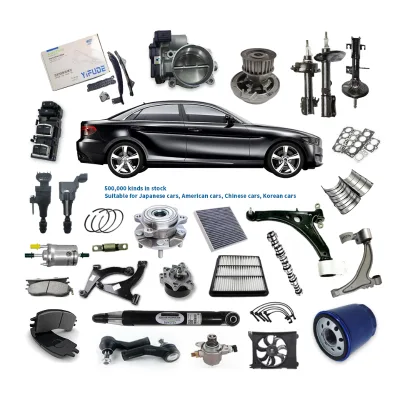
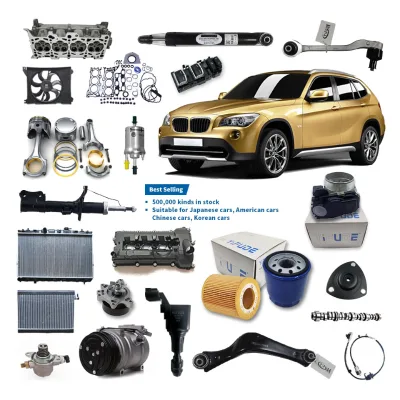
Main productsAuto Parts,Spare Parts,Brake pads,Ignition coil,Water pump
Main marketsDomestic Market(50.0%), Mid East(10.0%), Eastern Europe(10.0%), South America(10.0%), Eastern Asia(5.0%), Southeast Asia(5.0%), North America(2.0%), South Asia(2.0%), Oceania(1.0%), Africa(1.0%), Southern Europe(1.0%), Northern Europe(1.0%), Central America(1.0%), Western Europe(1.0%)

LIYANG INDUSTRIAL & TRADING DEVELOPING CO., LTD.
- Verified by TUVRHEINLAND
- Trading Company
- China Guangdong
- Lead time30 days
- Avg. response≤ 5h
Main productsSpark Plug, Motrocycle Spare Part, Connecting Rod, Brake Shoes, Brake Pads, Piston, Piston Ring, Bearing, Cylinder Block, Cylinder Kit
Main marketsOthers(foreignTradeCapacity.exportBusinessCapacityMarketOther),Europe
Beijing Jiapin Ruitong Auto Parts Co., Ltd.
- Trading Company
- Beijing, China
- Lead time25 days
- Avg. response≤ 4h
Main productsHYUNDAI and kia auto parts,GENESIS auto parts,Korean auto parts,Ssangyong auto parts,Engine assembly and overhaul parts
Main marketsAfrica(8.0%), Southeast Asia(8.0%), Northern Europe(5.0%), Western Europe(5.0%), North America(5.0%), Mid East(5.0%), Domestic Market(3.0%), South America(3.0%), Eastern Asia(3.0%), Eastern Europe(3.0%), South Asia(2.0%), Central America(2.0%), Oceania(2.0%), Southern Europe(1.0%)

QINGDAO GOFAI RUBBER & PLASTIC PRODUCTS CO., LIMITED
- Verified by BV
- Combined
- China Shandong
- Lead time15 days
- Avg. response≤ 6h
Main productsResilient Sound Isolation Clip, Marine Rubber Fender, USB RJ45 HDMI DVI VGA PS2 SATA 2.0 Dust Cover, Dva Rubber Vibration Dumping, 3m Self Adhesive Rubber Pad, Washing Anti-Vibration Pads, Dock Fender, Tug Boat Fender, Ship Fender, Mooring Bollard
Main marketsSoutheast Asia/ Mideast,East Asia(Japan/ South Korea),Europe,Australia,North America
Jinhua Sanye Auto Parts Co., LTD.
- Verified by BV
- Trading Company
- China Zhejiang
- Lead time30 days
- Avg. response≤ 4h
Main productsTractor Hydraulic Pump, Tractor Gear, Oil Pump, Repair Kit, Car Spare Parts, Auto Engine Parts
Main marketsSoutheast Asia/ Mideast,East Asia(Japan/ South Korea),Europe,North America
Shenzhen Konstun Precision Technology Co., Ltd.
- Trading Company
- China Guangdong
- Lead time0 days
- Avg. response≤ 14h
Main productsCNC Machined, Metal Machining Part, CNC Machining Part, Metal Processing Machinery Part, Machined Part, Precision Machining Part, Precision Component

Milesun Rubber & Plastic Technology Co., Ltd.
- Verified by CTI
- Manufacturer/Factory
- China Guangdong
- Lead time23 days
- Avg. response≤ 11h
Main productsRubber Components, Rubber Damper/Shock Absorber/Sheet, Rubber-Metal Components, Sealing Ring, Home Appliance Rubber and Metal Components, Power Tool Rubber and Metal Components, Auto Rubber and Metal Components, Sanitary Rubber and Metal Components, Kitchen Ware / Daily Use Rubber Products, Food Grade Rubber Products/Toy
Main marketsSouth America,Eastern Europe,Mid East,North America,Southeast Asia,Eastern Asia,Oceania,Western Europe,Africa

Spare Parts Rubber Product Auto Parts
Contact supplier

Contact supplier

Wenzhou Lingzhong Auto Parts Co., Ltd.
- Combined
- China Zhejiang
- Lead time30 days
- Avg. response≤ 2h
Main productsCNC Machining, Automobile Air Conditioning Parts, Casting Parts, Custom Processing, Flange Joint, Forging Parts, CNC Metal Machining, Cutting Parts, Metal Stamping, Cold Heading
Main marketsSoutheast Asia/ Mideast,Europe,North America
Aipsi (Huzhou) Auto Parts Co., Ltd.
- Verified by Intertek
- Trading Company
- Lead time3 days
- Avg. response≤ 7h
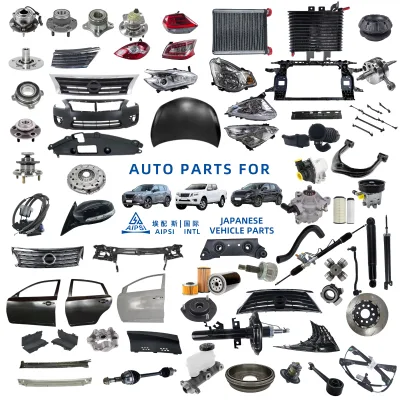
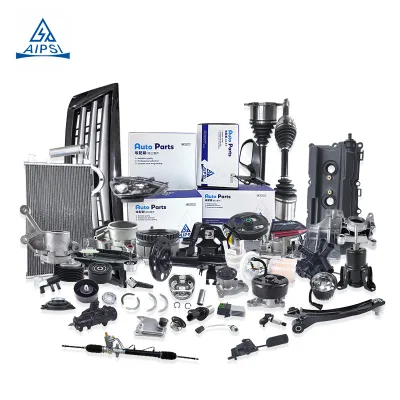
Main productsAuto Suspension Parts, Auto Engine Parts, Auto Steering Parts, Auto Brake Parts, Auto Body Parts
Main marketsSoutheast Asia(30%), Mid East(20%), Eastern Europe(20%)
Guangzhou Brace Auto Parts Co., Ltd.
- Verified by BV
- Trading Company
- China Guangdong
- Lead time23 days
- Avg. response≤ 10h
Main productsAuto Parts, Engine, Radiator, Brakeswindshield, Taillights, Headlights, Shock Absorber, Resonator, Rear Axle, Alternator
Main marketsSouth America,Eastern Europe,Mid East,North America,Southeast Asia,Eastern Asia,Oceania,Western Europe,Africa
Xiamen Finding International Trade Co., Ltd
- Trading Company,Manufacturer/Factory
- China Fujian
- Lead time23 days
- Avg. response≤ 3h
Main productsRubber Seal, Rubber O Ring, Customized Rubber Parts, Rubber Gasket, Rubber Washer, Rubber Parts, Rubber Products
Main marketsSouth America,Eastern Europe,Mid East,North America,Southeast Asia,Eastern Asia,Oceania,Western Europe,Africa

Ningbo Maxwell Mechanical and Electrical Co.,Ltd.
- Verified by TUVRHEINLAND
- Combined
- China Zhejiang
- Lead time30 days
- Avg. response≤ 17h
Main productsShaft
Main marketsSoutheast Asia/ Mideast

Shijiazhuang Blat Industrial & Trading Co., Ltd.
- Trading Company
- China Hebei
- Lead time30 days
- Avg. response≤ 9h
Main productsTractor Fittings, Other Tractor Parts, Clutch Disc, Screw, Brake Parts, Mtz Tractor Parts, Gears, Radiator Parts, Wheel Parts, Muffler
Main marketsEurope

Nanpi County Bo Hao Hardware Manufacturing Co., Ltd.
- Verified by BV
- Combined
- China Hebei
- Lead time23 days
- Avg. response≤ 23h
Main productsbrake pad clip
Main marketsDomestic,North America

Beijing Xlhj International Trading Co., Ltd.
- Trading Company
- China Beijing
- Lead time30 days
- Avg. response≤ 20h
Main productsWheel Loader, Excavator, Bulldozer, Spare Parts, Drilling Machinery, Stone Processing Machinery, Oil Production Equipment, Engine Parts, Dozer Parts, Motor Grader
Main marketsSouth America,Africa,Southeast Asia/ Mideast,East Asia(Japan/ South Korea),Europe,Australia,North America

Hangzhou Huayutai Auto Parts Co., Ltd.
- Verified by SGS
- Manufacturer/Factory
- China Zhejiang
- Lead time60 days
- Avg. response≤ 20h
Main productsDrive Shafts, Cardan Shaft, Universal Joints, U-Joints, Needle Roller, Pto Shafts, Driveline, Propeller Shafts
Main marketsSouth America,Eastern Europe,Mid East,North America,Southeast Asia,Eastern Asia,Oceania,Western Europe,Africa
Wenzhou SGL Auto Parts Co., Ltd.
- Verified by BV
- Manufacturer/Factory
- China Zhejiang
- Lead time23 days
- Avg. response≤ 5h
Main productsOil Filter, Air Filter, Fuel Filter, Truck Filter, Heavy Duty Filter, Diesel Filter, Construction Machinery Filter, Ship Filter and Boat Filter, Generator Set Filter, Agricultural Machinery Filter
Main marketsSouth America,Eastern Europe,Mid East,North America,Western Europe,Africa








Comprehensive Sourcing Guide
Taiwan Auto Parts Supplier Concentration and Factory Types
When buyers search for Taiwan Auto Parts, the supplier list that returns is rarely composed of identical business models, and understanding that mix is the first step in shortlisting. In the current results, companies located in mainland Chinese provinces such as Zhejiang, Shandong and Guangdong appear alongside listings that reference Taiwanese-fitment applications, meaning the keyword pulls in a cross-strait supply base rather than a single island cluster. Company types also differ: at least one Zhejiang-based supplier is explicitly labeled a Trading Company, which changes who controls production scheduling, quality checks and tooling. Main product ranges overlap heavily — suspension control arms, brake pads, spark plugs, ignition coils, water pumps, pistons and bearings recur across the listings — so factory type, not product name, often becomes the real differentiator.
Buyers should treat clustering claims as something to verify, not assume. Location fields in supplier results are high-signal: a Shandong listing that states its origin plainly, for example, gives you a concrete region to check against the supplier's business registration and export history. Where a result does not state a province or city, ask directly which factory manufactures the part and whether the trading office is in a different city. Record each supplier's declared role — manufacturer, trading company, or hybrid — in your comparison sheet from the first contact, because pricing, sampling speed and defect accountability all depend on which entity actually holds the machines and the stock.
How to Verify Taiwan Auto Parts Suppliers
Verification starts with the credentials already displayed, then confirms them externally. Several suppliers in these results carry third-party verification badges — one Zhejiang trading company shows a BV verification and one Guangdong supplier shows TÜV Rheinland verification — which indicates an on-site audit was performed by those bodies. System-level certifications also appear: a CE system certification is listed for the Shandong supplier, and product-level attributes show CE certification on a control arm listing. Note what is not stated as well; some suppliers list no certification at all, which should push you toward requesting copies of certificates and checking their validity with the issuing body before sampling.
Product attributes provide a second verification layer. One brake pad listing cites an ISO-based certification claim with steel as the material and OEM acceptance; a spark plug listing cites a quality management certification tied to the component, with a defined model standard and thread specification. These attribute strings are seller-declared, so verification means matching the claimed standard number to the actual certificate document, scoped to the exact product family you intend to buy. Also verify consistency across the listing: a supplier stating a 30-day delivery time and negotiable MOQ in the product attributes should repeat those terms consistently in conversation. Finally, verify fitment claims — one listing targets Japanese and Korean vehicle applications from 1993 onward — by requesting part numbers and test-fitting data rather than trusting catalog titles alone, since fitment errors are a common failure point in this category.
What to Compare Across Taiwan Auto Parts Suppliers
Build a comparison table using the attributes suppliers actually display, and leave cells blank where data is missing rather than inferring values. Lead time and response speed are the most consistently useful columns: one Shandong supplier shows a 15-day lead time and roughly 2-hour response, while a Zhejiang trading company shows a 30-day lead time and an average response around 6 hours, and a Guangdong supplier shows a response figure near 5 hours with no lead time stated. That spread is meaningful — a supplier answering in two hours but not committing to a lead time may still be slower in practice than one with a stated production schedule, so compare both dimensions together.
Product scope and pricing complete the picture. Main product lines differ sharply: one supplier covers brake pads, ignition coils and water pumps; another focuses on spark plugs, connecting rods, pistons and cylinder kits; a third concentrates on suspension control arms. Price bands also vary by part type — control arms quoted in the tens of dollars per unit versus brake pads in the low single digits — so compare within product families only. Other columns worth capturing: MOQ posture (one listing states MOQ can be negotiated, another gives a specific numeric MOQ), OEM acceptance, customization availability, sample availability, packing method, and stated quality guarantee period. Trading company versus manufacturer status, verification badge, and declared location round out the sheet, giving you a defensible shortlist without treating any single displayed attribute as universal.
Common Taiwan Auto Parts Sourcing Risks
The most frequent risk in this category is fitment mismatch. Listings frequently cite vehicle brands, model years and OE-equivalent part numbers — one control arm references a specific model number format, another lists front-lower-right positioning with stainless steel construction and OEM acceptance — but keyword strings can bundle unrelated categories such as motorcycle parts, fasteners and ball joints. If a supplier's keyword field sprawls that widely, the practical risk is that the seller is a broad-line trader without deep engineering knowledge of the specific assembly, so dimensional errors reach you at the container stage rather than the sample stage.
Second is credential inflation. Certification attributes like CE or ISO-based claims appear in product properties, but these are self-entered fields; the risk is a certificate that is expired, scoped to a different product line, or simply copied between listings. Mitigate by requesting the certificate PDF and its scope annex. Third is term drift: a listing may promise sample availability, customized packing and negotiable MOQ, yet the quoted proforma later imposes a higher MOQ, a fixed packing method, or a longer delivery time than the stated 30 days. Fourth is quality ambiguity on low-ticket parts — brake pads quoted at a few dollars per set leave little margin for friction-material testing, so insist on material composition data and batch traceability. Finally, company-type risk: a trading company cannot guarantee production capacity, so confirm which factory fulfills the order and who owns the corrective-action process when defects surface.
Taiwan Auto Parts Regional Sourcing and Logistics
Use the location data you can see to structure logistics, and verify what you cannot. In these results, three concrete origins appear: Zhejiang, Shandong and Guangdong, all mainland Chinese provinces with established export infrastructure. Guangdong's proximity to major southern ports generally suits sea-freight consolidation, Shandong serves northern and central export lanes, and Zhejiang sits near eastern port hubs — but route choice should follow the supplier's actual loading port, which you should confirm in writing before booking. One listing explicitly supports sea, air and express shipment with wooden packing, which tells you the supplier is accustomed to mixed-mode fulfillment; that flexibility matters when you need air-freight samples before a sea shipment of production volume.
Packing deserves specific attention because auto parts are heavy, irregularly shaped and corrosion-sensitive. Wooden packaging is declared on multiple control arm listings, which suits suspension components but raises ISPM-style heat-treatment questions for destination customs — ask whether the wood is treated and stamped. Brake pad listings state packing can follow the customer's request, which opens the door to retail-ready cartons if you resell under your own brand. Plan transport mode by part economics: low-unit-price, high-volume items like brake pads usually justify sea freight, while a stainless steel control arm quoted above two hundred dollars per unit can absorb express or air cost during validation. Confirm gross weight and package dimensions early — one listing declares a 2 kg single-item gross weight with a 10×10×20 cm box — because dimensional data drives your freight quote more than unit price does.
Taiwan Auto Parts Commercial Terms and Order Planning
Commercial terms in these listings cluster around a familiar pattern, but the details vary enough to shape negotiation. Payment is declared as T/T or L/C on multiple control arm and brake pad listings, giving you two standard rails; L/C adds bank-side protection at the cost of documentation discipline, while T/T deposit terms are negotiable and worth pushing down for a first order with an unverified factory. MOQ handling differs: one control arm listing states the MOQ can be negotiated, another lists a numeric MOQ as low as ten pieces, and a Shandong supplier says MOQ needs to be negotiated case by case. Treat a low stated MOQ as an opening position and confirm it applies to your specific part number, not the catalog generally.
Order planning should anchor on the stated lead times and guarantee periods. Where a supplier commits to a 30-day delivery window and another to 15 days, build your replenishment calendar around the longer figure for first orders, since first-article approval and packaging setup consume buffer time. One listing declares a one-year quality guarantee, which you should convert into a written warranty clause covering defect rates, replacement logistics and who pays return freight. Pricing quoted as a range — for example, control arms between roughly 22 and 36 dollars, or brake pads between 4 and 6 — signals configuration sensitivity, so pin down the exact specification, certification requirement and packing before accepting a quote. Finally, confirm OEM acceptance, customization scope and sample cost in the same document, so the proforma invoice becomes your single source of truth.
-Word count check: each section approximately 226–232 words; total approximately 1385 words, within the 1350–1450 required range.
FAQs
Where are these auto parts suppliers located?
Suppliers are located in China, specifically in Zhejiang, Shandong, and Guangdong provinces. These regions are known for manufacturing vehicle parts and accessories. Buyers can filter results by these specific locations to find suppliers closer to their preferred logistics hubs or shipping routes.
What is the typical lead time for orders?
Lead times vary by supplier, with some offering 15 days and others 30 days. Delivery times are often listed as 30 days for standard production runs. Buyers should confirm specific timelines with the supplier before placing orders to ensure timely delivery for their inventory needs.
What certifications do the suppliers hold?
Suppliers hold various certifications including CE, TSISO9001, and BV verification. Some products specifically list CE certification, while others mention ISO standards. Buyers should verify the specific certification requirements for their target market and ensure the supplier provides valid documentation for compliance purposes.
What is the minimum order quantity (MOQ)?
MOQs can be as low as 10 units for some items, while others state that the MOQ can be negotiated. Buyers should check the specific product details for exact quantities. Negotiating MOQs is common, especially for larger orders or long-term partnerships with the supplier.
How quickly do suppliers respond to inquiries?
Response times range from 2 hours to 6.20 hours. Faster response times indicate more active customer service teams. Buyers can prioritize suppliers with quicker response times to ensure efficient communication throughout the sourcing and negotiation process for their auto parts requirements.
What payment methods are accepted?
Common payment methods include TT and LC. Buyers should confirm the specific payment terms with the supplier before finalizing any transaction. These methods are standard for international trade and provide security for both parties involved in the purchase of auto parts and accessories.