Threading Taps Suppliers and Manufacturers in China
Explore 17 verified options for Threading Taps from factories in Jiangsu, Shanghai, and Heilongjiang. Compare response times, lead times, and product standards like Metric and British. Contact suppliers directly to request quotes for HSS or cobalt variants; review the available evidence before requesting comparable quotations from suitable candidates.
Suppliers List

Zhenjiang Scharp Machinery Tools Co., Ltd.
- Manufacturer/Factory,Group Corporation,Other
- China Jiangsu
- Lead time60 days
- Avg. response≤ 13h
Main productsMetal Cutting Tools, Thread Tools, End Mills, Reamer, Milling Cutters, Machine Taps, Thread Die, Countersink, Drill Bits, Slitting Saw
Main marketsSouth America,Eastern Europe,Mid East,North America,Southeast Asia,Eastern Asia,Oceania,Western Europe,Africa
Shanghai Chaibo Precision Tools Co., Ltd.
- Verified by SGS
- Trading Company
- China Shanghai
- Lead time15 days
- Avg. response≤ 25h
Main productscutting tool
Main marketsDomestic
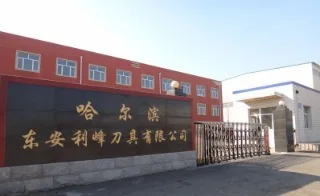
Harbin Dongan Lifeng Cutter Co., Ltd.
- Manufacturer, Trading Company
- Heilongjiang, China
- Lead time30 days
- Avg. response≤ 18h
Main productsTurning Tools,Milling Cutters,Drill Bits,Reamers,Profile Cutters
Main marketsDomestic Market(80.00%), Southeast Asia(10.00%), Mid East(5.00%), Eastern Europe(2.00%), Northern Europe(2.00%), Africa(1.00%)

SHENZHEN KALEAD TOOLS CO., LTD.
- Manufacturer/Factory
- China Guangdong
- Lead time45 days
- Avg. response≤ 7h
Main productsDies Casting and Plastic Mold, Copto Tool Holder, Mill Cutter, Mold Parts, PCD Tools, Collet and Guide Bush, CNC Insert, Milling Toolholder, Woodworking Tools, Stamping Mold
Main marketsSouth America,Eastern Europe,North America,Southeast Asia,Eastern Asia,Western Europe


Customized Thread Cutter of M105*3.0 Large Cutting Tools for CNC Machine Tools
$366.00 - $399.00
MOQ: 3 Pieces

Nigel Precision Machinery (ShangHai) Co., Ltd.
- Verified by TUVRHEINLAND
- Trading Company
- China Shanghai
- Lead time23 days
- Avg. response≤ 23h
Main productsCarbide Inserts, Endmills
Main marketsEurope

Yuyao Boda Electrical Appliances Co., Ltd.
- Verified by TUVRHEINLAND
- Combined
- China Zhejiang
- Lead time30 days
- Avg. response≤ 25h
Main productsWater Dispenser Tap, Plastic Tap, Handle for Bottle, Drinking Plastic Tap, Water Tap, Water Faucet, Water Dispenser Parts, Water Pump, Cup Dispenser, Stand for Bottle
Main marketsSouth America,Africa,Southeast Asia/ Mideast,East Asia(Japan/ South Korea),Domestic,Europe,Australia,North America

Zhejiang ZhengCheng lmport & Export Co.,LTD
- Verified by CTI
- Trading Company,Manufacturer/Factory
- China Zhejiang
- Lead time23 days
- Avg. response≤ 1h
Main productsHSS Steel Raw Material, Semi-Finished or Finished Cutting Tools, Martensitic Stainless Steel Raw Materials, Rotary Cutter Blade, Engineering Plastic, Steel Raw Material
Main marketsEastern Europe,Mid East,North America,Southeast Asia,Eastern Asia,Western Europe

Dongguan Kunming Electronics Technology Co., Ltd.
- Manufacturer/Factory
- China Guangdong
- Lead time15 days
- Avg. response≤ 7h
Main productsMilling Cutter, Screw Thread Tap, Screw Tap, End Mill, Carbide Cutter, Parts Machining, Mold Machining, Plastic Mould, Stamping Die, Stamping Mold
Main marketsSouth America,Eastern Europe,Mid East,North America,Southeast Asia,Eastern Asia,Oceania,Western Europe,Africa

M12 High Speed Steel Machine Thread Taps with Tip High Quality Taps for Thread Screws
$1.00 - $50.00
MOQ: 20 Pieces

High-Speed Steel Customized Spiral Pointed Tap for Machine Screw Threads
$1.00 - $50.00
MOQ: 20 Pieces

Spiral Pointed Machine Screw Thread Tap - Customized High-Speed Steel Tool
$1.00 - $50.00
MOQ: 20 Pieces

Spiral Pointed Tap for Machine Screw Thread - High-Speed Steel Custom Made
$1.00 - $50.00
MOQ: 20 Pieces


Hangzhou Fanxi Tools Co., Ltd.
- Verified by CTI
- Trading Company,Manufacturer/Factory
- China Zhejiang
- Lead time23 days
- Avg. response≤ 11h
Main productsDrill Bits, Saw Blades, Tct Saw Blades, Diamond Saw Blades, Abrasive Wheel, Flap Disc, Sanding Disc, Hole Saw, Chisel, Grinding Wheel
Main marketsSouth America,Eastern Europe,Mid East,North America,Southeast Asia,Eastern Asia,Oceania,Western Europe,Africa
Henan Beinan Machinery Technology Co., Ltd.
- Manufacturer, Trading Company
- Henan, China
- Lead time5 days
- Avg. response≤ 3h
Main productsFasteners,Hand Tools,Tool Sets,Garden Tools,Other Tools
Main marketsNorth America(11.00%), Domestic Market(10.00%), Eastern Europe(10.00%), South America(10.00%), Southeast Asia(9.00%), Mid East(9.00%), Western Europe(7.00%), Oceania(7.00%), Northern Europe(6.00%), Central America(6.00%), Southern Europe(6.00%), South Asia(4.00%), Eastern Asia(3.00%), Africa(2.00%)
DONGYING LIANHUI PETROLEUM TECHNOLOGY CO.,LTD
- Verified by TUVRHEINLAND
- Trading Company
- China Shandong
- Lead time15 days
- Avg. response≤ 7h
Main productsMud Pump Liner, Drilling Mud, Mud Pump Piston, Mud Pump Valve Assembly, Bi-Metal Liner, Bi-Metal Cylinder Liner, Bimetal Liner, Cylinder Sleeve, Ceramic Bushing, Mud Pump Cylinder
Main marketsSoutheast Asia/ Mideast,Europe

- Verified by BV
- Trading Company
- China Shandong
- Lead time30 days
- Avg. response≤ 25h
Main productsMeasuring Tools, Vernier, Cutting Tools, Drills, Machine Accessories, Chucks Collets Vices, Tires, Chuck Tires, Hand Tools, Hammer
Main marketsSouth America,Africa,Southeast Asia/ Mideast,East Asia(Japan/ South Korea),Europe,Australia,North America

Tianhe Oil Technology Co., Ltd.
- Verified by SGS
- Combined
- China Heilongjiang
- Lead time15 days
- Avg. response≤ 16h
Main productsPetroleum Machinery, Drilling Stem Tools Casing Scraper, Drill Collar Hwdp Kelly, Fishing Tool, Stabilizers Hole Opener, Roller Reamer Drilling Jar
Main marketsOthers(foreignTradeCapacity.exportBusinessCapacityMarketOther),Europe

Mudanjiang Kaidi Petroleum Machinery Co., Ltd.
- Verified by SGS
- Combined
- China Heilongjiang
- Lead time15 days
- Avg. response≤ 8h
Main productsAPI Oilfield Drilling Tools Fishing Tools Downho, Non-Standard OEM Products, Downhole Tools API, Kelly Valve Stabilizer Non-Magnetic Drill Collar, Nickel Based Alloy 925/25cr Offshore Oil Field, Cnooc Products
Main marketsSoutheast Asia/ Mideast,Europe

SHUIFU HANYANG MACHINERY TECHNOLOGY CO., LTD
- Verified by TUVRHEINLAND
- Trading Company
- China Yunnan
- Lead time30 days
- Avg. response≤ 2h
Main productsManufacturing Processing Machinery, Sheet Metal Stamping, Springs, Stud Bolt, Clamp, Washer, Nut, Screw, Rivets, Stainless Steel
Main marketsSoutheast Asia/ Mideast,Europe,North America

Jiangsu Goldmoon Industry Co., Ltd.
- Verified by SGS
- Combined
- China Jiangsu
- Lead time15 days
- Avg. response≤ 3h
Main productsDrill Bit, Hole Saw, Saw Blade, Router Bit, Taps & Dies, End Mill, Grinding Tool, Work Gloves, Safety Helmet & Safety Shoes, Artificial Flowers
Main marketsEurope

Taizhou Zhengshing Valve Co., Ltd.
- Verified by SGS
- Combined
- China Zhejiang
- Lead time45 days
- Avg. response≤ 5h
Main productsBasin Faucet, Shower Faucet, Bathtub Faucet, Kitchen Mixer, Valve, Sanitary Ware, Single Double Lever, Bibcock, Classic Traditional Design
Main marketsSoutheast Asia/ Mideast,Europe




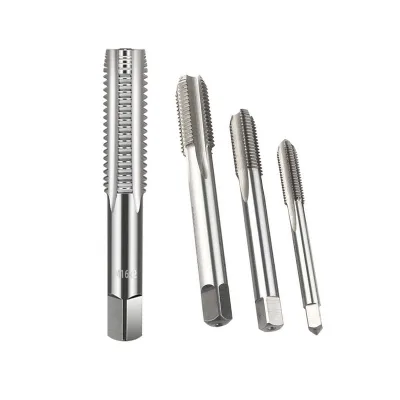


Comprehensive Sourcing Guide
Threading Taps Supplier Concentration and Factory Types
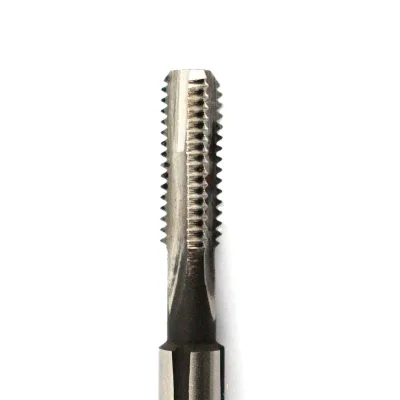
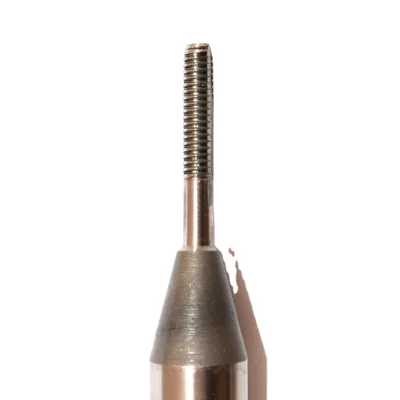
Current data indicates a concentration of manufacturing activity in Jiangsu, China, where suppliers list Metal Cutting Tools, Thread Tools, End Mills, and Reamers as primary products. These entities often operate as Manufacturer/Factory or Group Corporation types, offering capabilities in OEM and Own Brand production under labels like STC. The presence of specific product evidence for Thread Forming Taps and HSS Forming Taps in this region suggests a specialized cluster for high-speed steel threading solutions. Buyers should verify if a supplier's stated location matches their actual factory floor, as some entities may list a provincial hub while operating from a different industrial zone.
In contrast, other results show suppliers based in Shanghai and Heilongjiang, China, with varying company types ranging from Trading Companies to combined Manufacturer and Trading Company structures. The Shanghai-based entities often focus on cutting tools and may offer ODM and OEM services, while Heilongjiang suppliers explicitly list Turning Tools and Milling Cutters alongside their threading products. When assessing factory types, buyers must distinguish between pure manufacturers who control the production line and trading companies that aggregate goods from multiple sources. The availability of customization and specific material grades like High-speed Steel varies significantly across these different organizational structures, requiring careful verification of the actual production source before committing to an order.
How to Verify Threading Taps Suppliers
Verification begins with checking for specific third-party credentials such as SGS verification, which appears in the data for certain Shanghai-based trading companies. Buyers should request proof of ISO:9001 and TUV certifications, as these are explicitly mentioned in product attributes for some Heilongjiang suppliers offering customized hand taps. It is critical to confirm that the certification documents match the specific product line being purchased, as a general factory certification does not guarantee quality control for specialized thread forming tools. Do not assume that a supplier's general company type implies they hold all necessary quality accreditations for every product category they list.
Response time and lead time data provide additional verification metrics for supplier reliability. A response time of 12.35 hours or 25.00 hours indicates the speed of communication, which can reflect the operational efficiency of the sales team. Lead times vary from 15 days to 60 days depending on the supplier's location and capacity, with some manufacturers offering faster turnaround for standard items. Buyers should cross-reference these timeframes against the supplier's stated capacity for OEM and ODM work to ensure they can meet project deadlines. Always ask for recent production records or video evidence of the manufacturing process to confirm that the supplier can deliver the specific thread sizes and standards, such as Metric, British, or American, required for the application.
What to Compare Across Threading Taps Suppliers
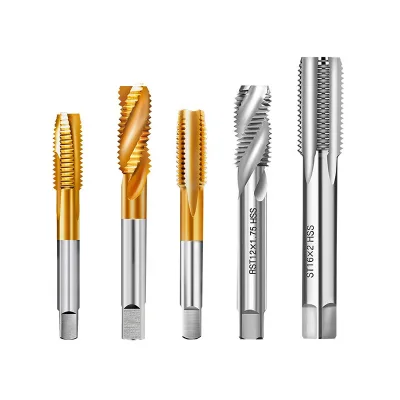
When comparing suppliers, focus on the minimum order quantity (MOQ) and price points, which range from 2.00 to 28.00 per unit depending on the product type and specifications. Some suppliers offer Thread Forming Taps with an MOQ of 50 pieces, while others provide Tapping Tool sets with an MOQ as low as 5 pieces. Price variations also reflect differences in material quality, such as High-speed Steel versus Carbon Steel, and the inclusion of coatings or specific flute types like Spiral Flute. Buyers must calculate the total cost of ownership, including shipping and potential customs duties, rather than relying solely on the listed unit price to determine the most economical option.
Lead times and response speeds are equally critical comparison factors that impact supply chain stability. A supplier with a 15-day lead time may be preferable for urgent orders, whereas a 60-day lead time might be acceptable for large, planned inventory builds. Response times ranging from 12 to 25 hours suggest different levels of customer service availability, which can affect how quickly issues are resolved during the production phase. Additionally, compare the customization options available, such as the ability to produce sizes from M1 to M12 or M2 to M52, and the flexibility to accept custom orders for specific machine tool applications. These operational differences define the supplier's suitability for specific project requirements and budget constraints.
Common Threading Taps Sourcing Risks
One significant risk involves the discrepancy between advertised product attributes and actual delivery specifications. While product evidence lists attributes like "Machine Tap with Internal Swarf Passage" or "Round Die," buyers must verify that the physical goods match these descriptions exactly. There is a risk that a supplier may list a wide range of standards, including Metric, British, and American, but fail to maintain the precision required for specific international standards. Always request a pre-shipment sample or a detailed inspection report to confirm that the thread quality, flute type, and material composition align with the purchase order before finalizing payment.
Another risk is the variability in lead times and the potential for delays due to capacity constraints. Suppliers with a stated lead time of 60 days may face bottlenecks if they are simultaneously handling large OEM orders for other clients. Conversely, a short lead time of 15 days might indicate a trading company sourcing from a third party, which introduces additional layers of communication and potential for error. Buyers should also be wary of suppliers who do not clearly state their response time, as slow communication can delay critical project milestones. Establishing clear communication protocols and setting realistic delivery expectations based on verified historical performance can mitigate these operational risks effectively.
Threading Taps Regional Sourcing and Logistics
Sourcing from Jiangsu, China, offers access to a dense network of manufacturers specializing in metal cutting tools and thread tools, often with established logistics infrastructure. Suppliers in this region typically handle exports of items like HSS Forming Taps and Thread Die, leveraging local supply chains for raw materials such as High-speed Steel. Buyers should consider the proximity of these factories to major ports, which can reduce inland transportation costs and lead times for international shipments. However, it is essential to verify the specific port of loading, as some suppliers may consolidate goods from multiple locations before shipping.
Suppliers located in Shanghai and Heilongjiang present different logistical profiles that buyers must evaluate. Shanghai-based trading companies may offer faster response times and consolidated shipping options, while Heilongjiang manufacturers might have longer transit times due to their northern location. The origin of the product, whether listed as China, Shanghai, or Heilongjiang, directly impacts freight costs and delivery schedules. Buyers should request detailed shipping terms, including Incoterms, to understand who is responsible for freight, insurance, and customs clearance. Understanding these regional nuances helps in planning inventory levels and managing the overall supply chain efficiency for threading tap procurement.
Threading Taps Commercial Terms and Order Planning
Commercial terms regarding payment and customization must be clearly defined before placing an order. Some suppliers offer customization services with specific attributes like "Customized" support and "OEM" capabilities, while others may have stricter policies on minimum order quantities. The price range of 2.00 to 28.00 per unit suggests that buyers should negotiate based on volume and specific product requirements, such as the inclusion of coatings or specific standard compliance. Always confirm whether the quoted price includes packaging, such as Plastic Box or Plastic Packaging, and if there are additional costs for custom branding or special labeling.
Order planning should account for the varying lead times and response speeds observed across different suppliers. A supplier with a 15-day lead time and 25-hour response time may be ideal for urgent, small-batch orders, whereas a 60-day lead time supplier might be better suited for large-scale production runs. Buyers should plan their inventory cycles to accommodate these timelines, ensuring that stock levels are maintained to prevent production stoppages. Additionally, verify the supplier's capacity for handling peak demand periods and their ability to scale production if order volumes increase. Clear communication of these commercial terms and planning requirements ensures a smoother transaction and reduces the risk of delays or misunderstandings.
FAQs
What is the typical lead time for Threading Taps?
The typical lead time for Threading Taps ranges from 15 to 60 days depending on the supplier. Some manufacturers in Jiangsu offer a 60-day window, while trading companies in Shanghai may deliver within 15 days. Buyers should confirm specific timelines based on order volume and customization needs before placing an order.
What are the minimum order quantities for thread taps?
Minimum order quantities for thread taps vary significantly across suppliers. Some listings require a minimum of 5 pieces, while others set the threshold at 10 or 50 pieces. Buyers must check individual product pages to verify the specific MOQ applicable to their selected tap type and material specifications.
Which materials are used for manufacturing thread forming taps?
Thread forming taps are primarily manufactured using High-Speed Steel or Cobalt materials. Some products feature coatings for enhanced durability, while others remain uncoated. The material selection depends on the specific application, such as drilling or punching machines, and the target metal being threaded.
Do suppliers offer customization for thread tap sizes?
Yes, customization is available for thread tap sizes ranging from M1 to M52. Suppliers provide options for metric and inch standards, allowing buyers to specify exact dimensions. Customized support includes OEM services, ensuring the taps meet precise engineering requirements for various industrial applications.
What is the price range for high-speed steel thread taps?
The price range for high-speed steel thread taps starts at 2.00 USD and can reach up to 28.00 USD per unit. Pricing depends on factors like coating, size, and order quantity. Buyers should compare specific listings to find the best value for their required thread quality and material specifications.
How quickly do suppliers respond to inquiries about taps?
Supplier response times for tap inquiries typically range from 12 to 25 hours. Manufacturers in Jiangsu may respond within 12 hours, while trading companies in Shanghai might take up to 25 hours. Faster response times often indicate higher availability and readiness to discuss order details immediately.
Are thread taps certified by international standards?
Some thread taps are certified under ISO 9001 and TUV standards, ensuring quality compliance. Products also adhere to Metric, British, and American standards. Buyers should verify specific certifications on product pages to ensure the taps meet the required regulatory and safety standards for their manufacturing processes.