Milling Machine Steel Clamping Kit Suppliers and Manufacturers
Source 25 verified suppliers for Milling Machine Steel Clamping Kit options. Compare key dimensions including CE certification, Shandong origin, and pricing from $18 to $126.80. Request quotes to verify lead times and MOQs; review the available evidence before requesting comparable quotations from suitable candidates.
Suppliers List

Pingyuan Haotian Machinery Co., Ltd.
- Manufacturer, Trading Company
- Shandong, China
- Lead time30 days
- Avg. response≤ 2h
Main productsCollets,CNC tool holder,machine vise,parallel block,live center
Main marketsNorthern Europe(25.00%), North America(20.00%), Mid East(10.00%), Southern Europe(10.00%), Western Europe(6.00%), Southeast Asia(5.00%), Eastern Europe(5.00%), Oceania(3.00%), South America(3.00%), Central America(3.00%), Africa(3.00%), South Asia(3.00%), Domestic Market(2.00%), Eastern Asia(2.00%)
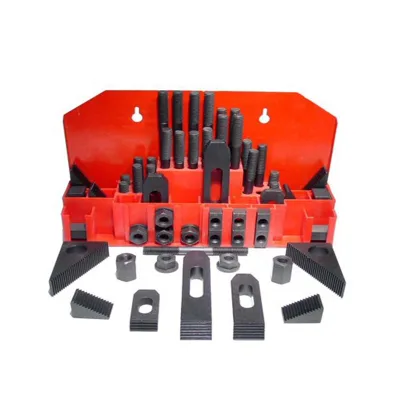
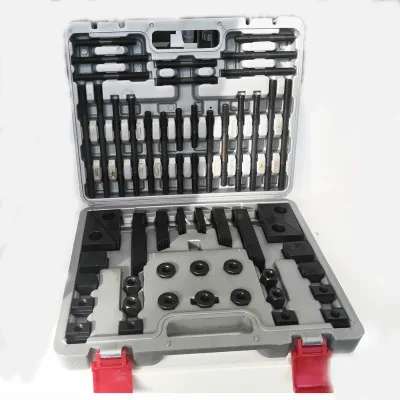
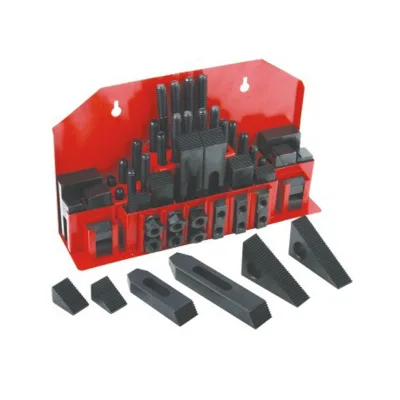
Optimum Clamping Kit Sets 58pcs Machine Tools M8 M10 M12 M14 Vise Clamping Klit
$48.99 - $49.22
MOQ: 1
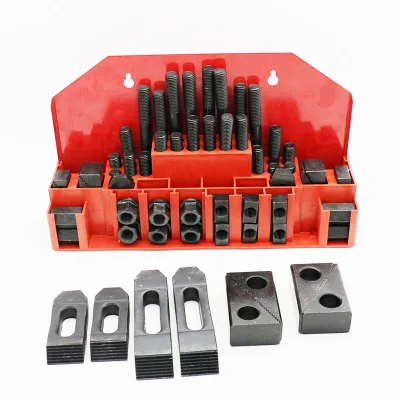
Clamping Kit Set Step Block T-Slot Stud Set 58pc-Sizes M8 M10 M12 M14 M16 Mill Drill
$40.99 - $44.86
MOQ: 1
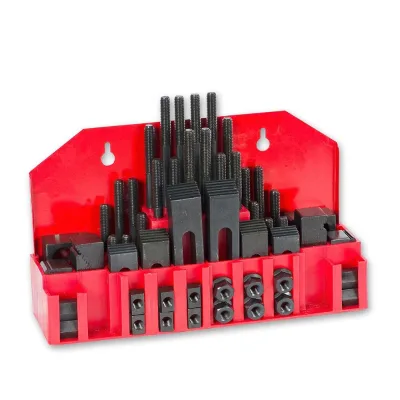
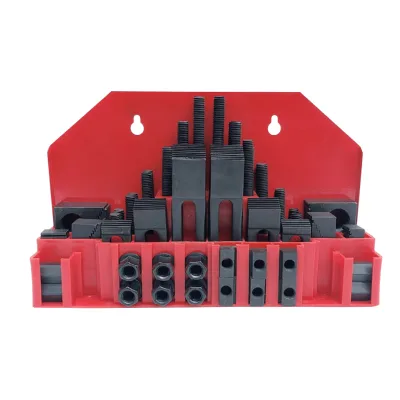
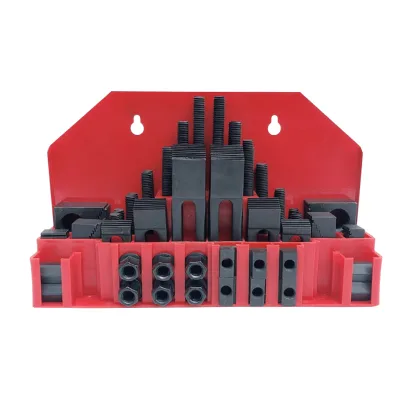
58 PCS Clamping Kit with Metal Holder for M6 M8 M10 M12 M14 M16 M18 M20
$115.00 - $126.80
MOQ: 1 pieces
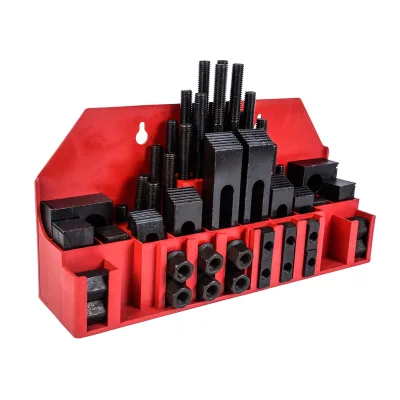

Tengzhou Hoton Machinery Co., Ltd.
- Verified by TUVRHEINLAND
- Trading Company
- China Shandong
- Lead time30 days
- Avg. response≤ 10h
Main productsCNC Lathe Machine, Gap Bed Lathe, Turret Milling Machine, Milling Drilling Machine, Surface Grinders, Band Saw, Radial Drilling Machine, Sheet Metal Bending Machine, Shears, Press Machine
Main marketsSouth America,Southeast Asia/ Mideast

Shandong Ounuowei Numerical Control Tool Co., Ltd.
- Verified by BV
- Combined
- China Shandong
- Lead time15 days
- Avg. response≤ 4h
Main productsEr Collet, Collect Chuck, Live Center, Tapping Collet, Keyless Drill Chuck, U Drill, Face Mill Cutter, End Mill Cutters, Angle Head, Boring Head
Main marketsEurope


Clamping Tool 58 Pieces T Slot Clamps Machine Tools M12 CNC Steel Clamp Kit
$51.89 - $68.11
MOQ: 1 Pieces


Other Machine Tool Accessories 58 Pieces CNC Steel Clamp Kit for Milling Machine
$32.00 - $165.30
MOQ: 1 Pieces
Sishui Cheyore Machinery Co., Ltd.
- Manufacturer, Trading Company
- Shandong, China
- Lead time7 days
- Avg. response≤ 2h
Main productstool holder,collet,live center,milling cutter,Boring tool
Main marketsEastern Europe(33.00%), Western Europe(12.00%), South America(12.00%), Northern Europe(9.50%), Southeast Asia(8.00%), South Asia(6.00%), Africa(5.00%), Mid East(4.00%), Central America(3.00%), Southern Europe(2.00%), Oceania(2.00%), Eastern Asia(2.00%), North America(1.50%)

Dongguan Thor Machinery Co., Ltd
- Verified by TUVRHEINLAND
- Trading Company
- China Guangdong
- Lead time15 days
- Avg. response≤ 4h
Main productsTapping Machine, Chamfering Machine, Mini Lathe Machine, Machine Vise, Rotary Table, Dividing Head, Cutter Grinder, Chuck
Main marketsSoutheast Asia/ Mideast

Pingyuan Haotian Machinery Co., Ltd.
- Verified by SGS
- Combined
- China Shandong
- Lead time30 days
- Avg. response≤ 3h
Main productsCollet, Collet Chuck
Main marketsOthers(foreignTradeCapacity.exportBusinessCapacityMarketOther),Europe


CNC Lathe Tools 58 Piece Steel Clamping Tool Kit M16 M10 M12 Milling Clamping Kit
$88.60 - $92.20
MOQ: 1 Pieces

Hot Sale 58PCS Clamping Kit with Metal Holder Milling Machine Clamping Kit
$36.89 - $41.25
MOQ: 1 Pieces

CNC Machine Tools Clamping Kit M14 M12 M16 M18 58PCS Combination Clamping Kit
$58.60 - $59.52
MOQ: 10 Sets

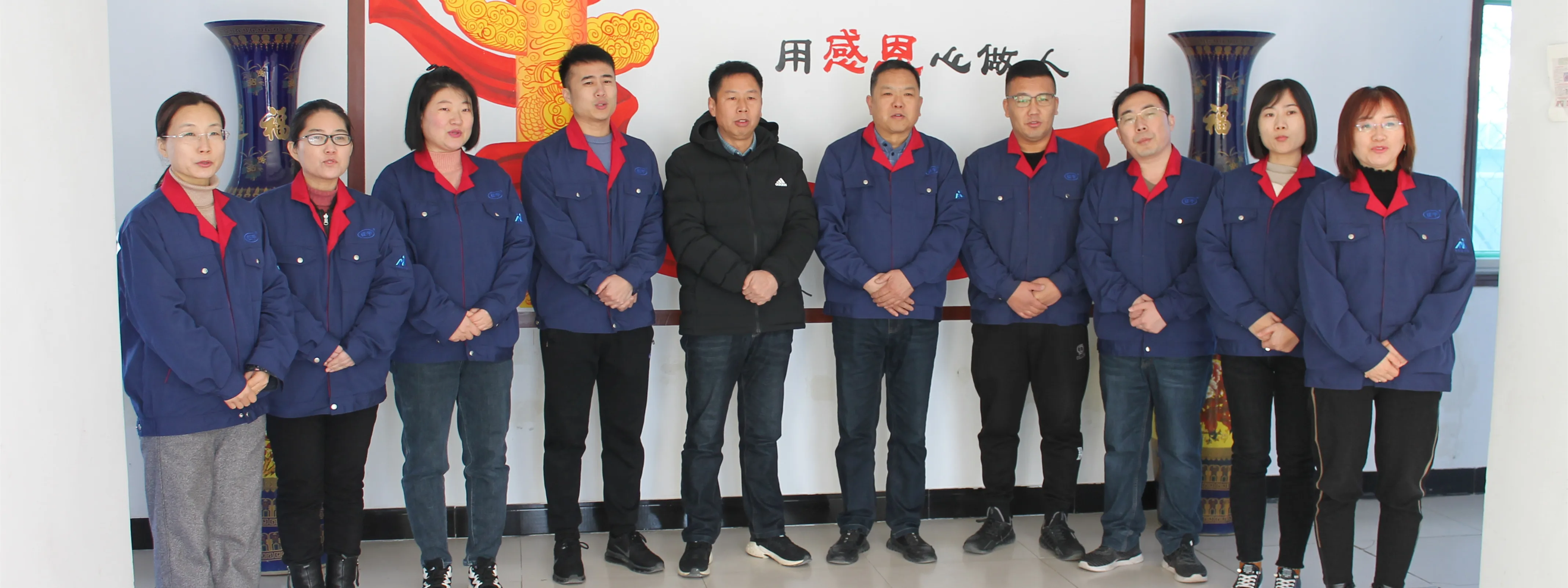
Shandong Fangzheng Machine tools Co.,ltd
- Manufacturer, Trading Company
- Shandong, China
- Lead time7 days
- Avg. response≤ 2h
Main productsVise,tool holder,collet,CNC machine tools,pull stud
Main marketsWestern Europe(30.00%), Domestic Market(20.00%), North America(10.00%), Eastern Europe(10.00%), South America(5.00%), Southeast Asia(5.00%), Eastern Asia(5.00%), Northern Europe(3.00%), Mid East(3.00%), Africa(3.00%), South Asia(2.00%), Oceania(2.00%), Southern Europe(2.00%)
Dalian Bluestar Trading Co., Ltd.
- Verified by SGS Group
- Trading Company
- Lead time30 days
- Avg. response≤ 9h
Main productsMachine Tools Accessories, Grinding Machines, cutting tool, Measuring Tools
Main marketsOceania(50%), South Asia(30%), South America(20%)

YUCHENG GERZHUO MECHATRONICS TECHNOLOGY Co., Ltd
- Verified by TUVRHEINLAND
- Trading Company
- China Shandong
- Lead time30 days
- Avg. response≤ 2h
Main productsCollet, Tool Holder, Collet Chuck, Vise, Locking Device, Spanner, Extension Bar, Nut, Pull Stud, Auto Stamping Parts
Main marketsAfrica,Southeast Asia/ Mideast,Europe


CNC Milling Machine 58 Piece Deluxe Steel Clamping Kit with Metal Holder
$40.00 - $60.00
MOQ: 1 Pieces

CNC Milling Machine Claming Kit Set 58 PCS M12 Clamping Kit Set M12*14 M12*16
$40.00 - $60.00
MOQ: 1 Pieces

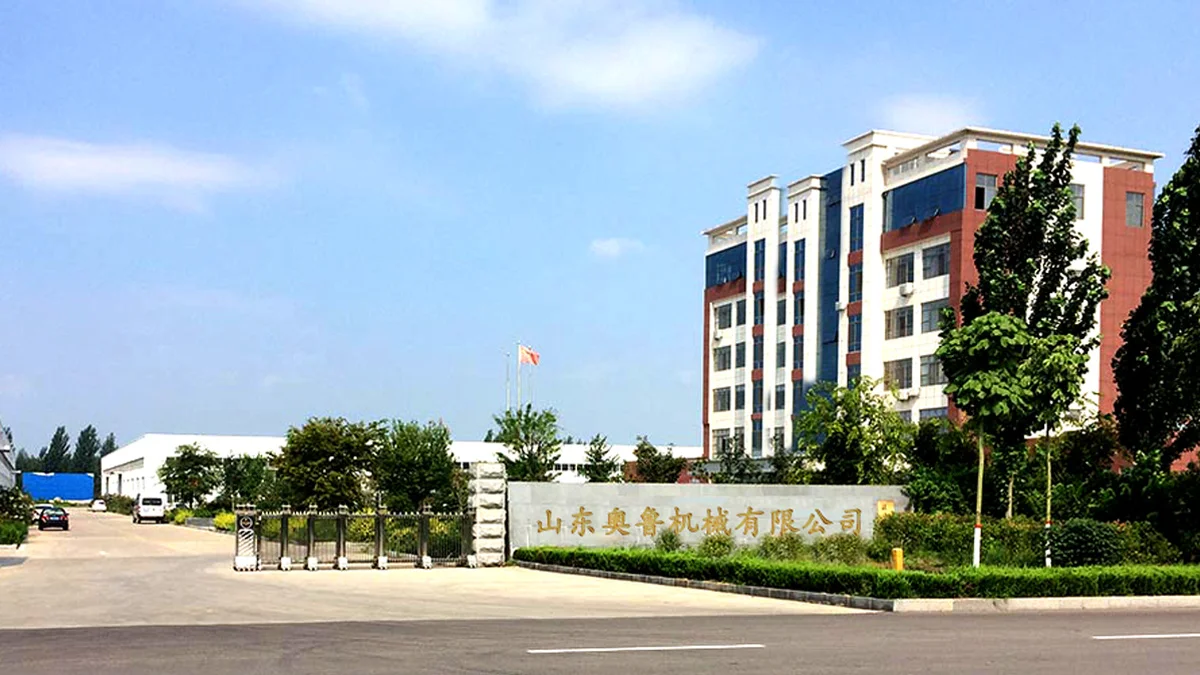
Shandong Aolu Machinery Co., Ltd.
- Manufacturer, Trading Company
- Shandong, China
- Lead time15 days
- Avg. response≤ 2h
Main productsTOOL HOLDER,LIVE CENTER,ER COLLET,BORING HEAD,KEYLESS DRILL CHUCK
Main marketsAfrica(30.00%), Oceania(20.00%), Domestic Market(10.00%), Western Europe(10.00%), South America(10.00%), North America(10.00%), Eastern Europe(10.00%)
Hebei Hebing Technology Co., Ltd.,
- Trading Company
- Heibei, China
- Lead time0 days
- Avg. response≤ 2h
Main productsIndustry Machine,Spare parts
Main marketsSouth America(30.00%), Eastern Asia(20.00%), Africa(20.00%), Eastern Europe(20.00%), South Asia(10.00%)
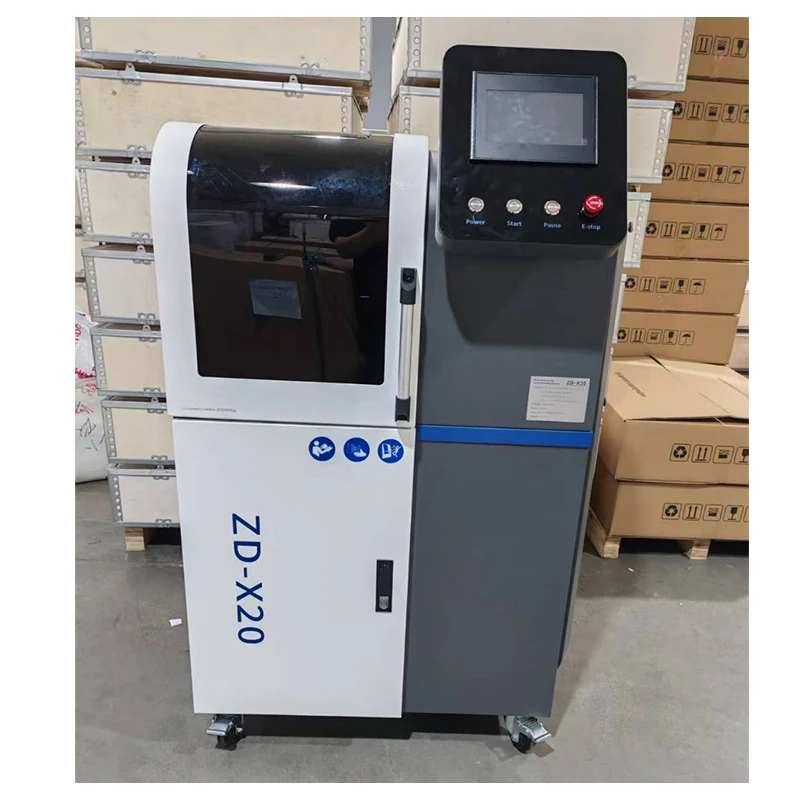
Tianjin Keensharp Technology Co., Ltd.
- Trading Company
- Tianjin, China
- Lead time10 days
- Avg. response≤ 2h
Main productsTool Holders,Endmills,Drills,Inserts,Taps
Main marketsMid East(20.00%), North America(20.00%), Northern Europe(15.00%), Eastern Europe(15.00%), Southeast Asia(10.00%), Western Europe(10.00%), South America(10.00%)
Dezhou Panda Machine Tools Co., Ltd.
- Trading Company
- Shandong, China
- Lead time15 days
- Avg. response≤ 1h
Main productsCollets,Toolholders,Pull stud,Vise,Nuts
Main marketsEastern Europe(20.00%), Southern Europe(20.00%), Western Europe(20.00%), North America(15.00%), South America(10.00%), Central America(10.00%), Domestic Market(5.00%)
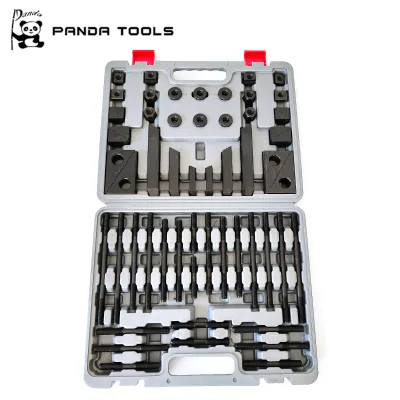
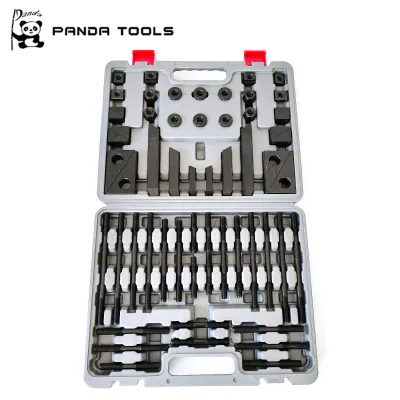
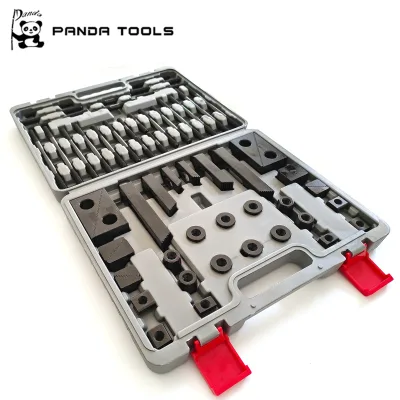
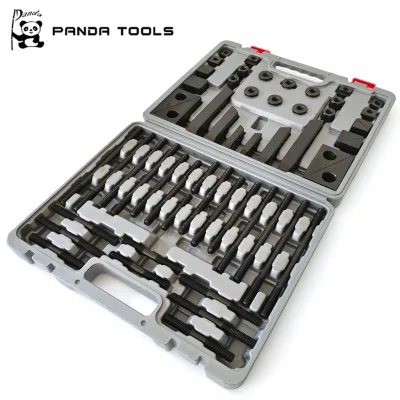
$29.23 - $471.17
MOQ: 1 Minimum
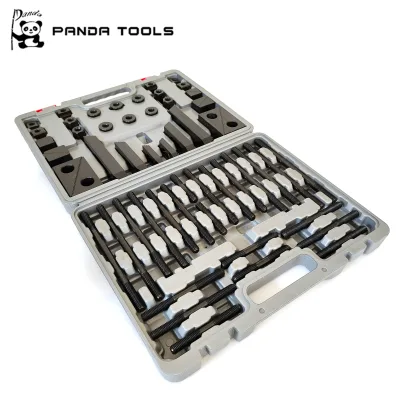
$29.23 - $471.17
MOQ: 1 Minimum

Weifang Runlian Economic and Trade Co., Ltd.
- Verified by BV
- Manufacturer/Factory
- China Shandong
- Lead time45 days
- Avg. response≤ 2h
Main productsVertical Machining Center, CNC Lathe Machine, CNC Cutting Tools, Turning Tool, Tool Holder, 5 Axis CNC Machine, Grinding Machine, Angle Head, Milling Head, Drilling
Main marketsEastern Europe

Manufacturing Plant CNC Tool Holder Clamp Forming Machine Tool Clamping Kit for Milling
$3.00 - $5.00
MOQ: 1 Pieces

Dezhou Borui Precision Co., Ltd.
- Manufacturer, Trading Company
- Shandong Province, China
- Lead time20 days
- Avg. response≤ 5h
Main productsCollets,Tool Holders,Vises,Lathe Chucks,Tapping Machine
Main marketsNorth America(45.00%), Western Europe(45.00%), Southeast Asia(5.00%), South America(3.00%), Eastern Europe(2.00%), Oceania(1.00%)
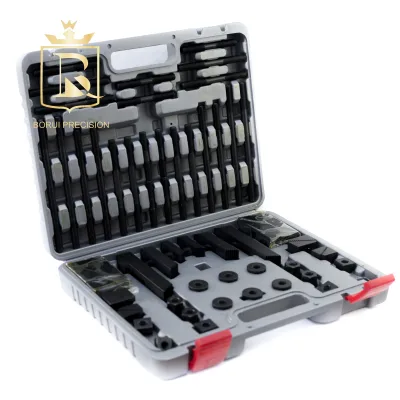
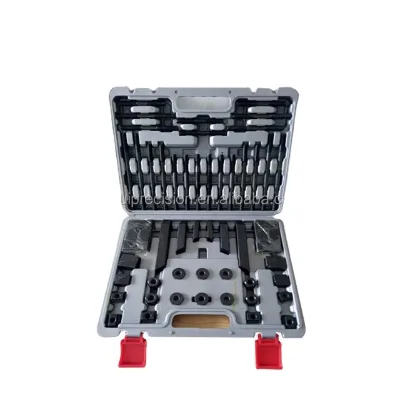
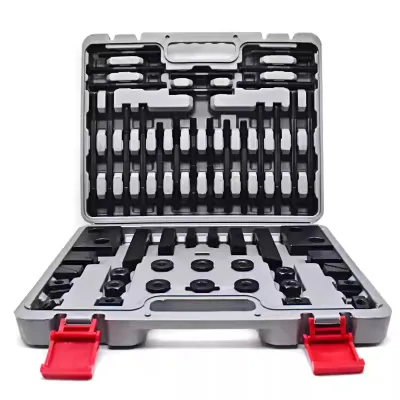
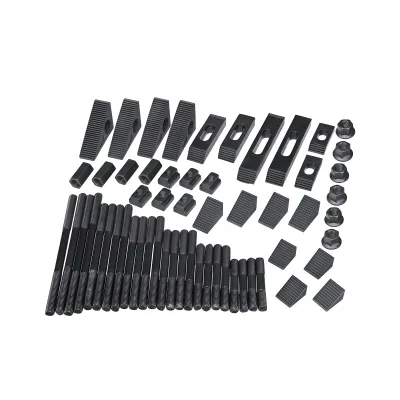
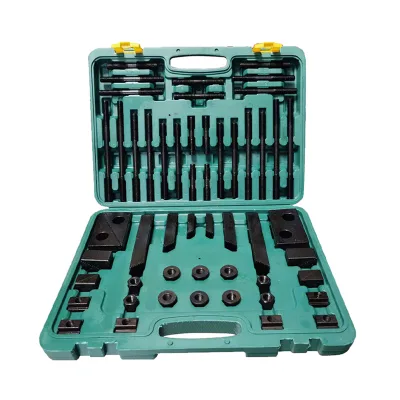
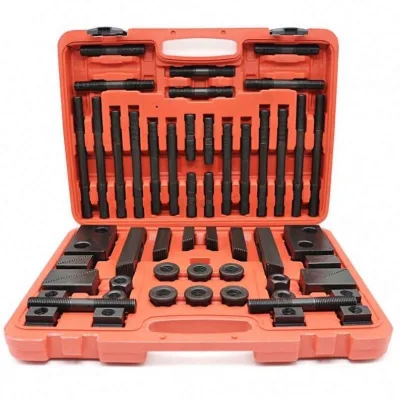
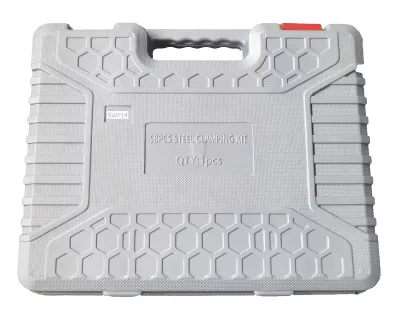
Large Steel High Hardness 58PCS Clamping Kit with Portable Box Machine Tool Accessories
$35.00 - $45.00
MOQ: 10 sets
Tengzhou Hoyong Machinery Co., Ltd
- Trading Company
- Shandong, China
- Lead time30 days
- Avg. response≤ 6h
Main productsMachining center,CNC lathe machine,Lathe machine,Milling machine,Drilling machine
Main marketsSoutheast Asia(10.00%), Africa(10.00%), South America(10.00%), North America(10.00%), Mid East(5.00%), Eastern Europe(5.00%), Central America(3.00%), Oceania(2.00%), South Asia(2.00%), Western Europe(1.00%), Southern Europe(1.00%), Northern Europe(1.00%)

Taizhou Qida Cnc Cutting Tools Co.,Ltd.
- Verified by SGS
- Manufacturer/Factory
- China Zhejiang
- Lead time0 days
- Avg. response≤ 3h
Main productsCarbide Insert, Holder, Collect, U Drill
Yucheng Gerzhuo Mechatronics Technology Co., Ltd.
- Trading Company
- Shandong, China
- Lead time3 days
- Avg. response≤ 5h
Main productsCollet,Collet Chuck,Clamping Nut,Vise,Precision Casting parts
Main marketsWestern Europe(30.00%), South Asia(20.00%), North America(20.00%), Domestic Market(10.00%), Southeast Asia(10.00%), South America(10.00%)
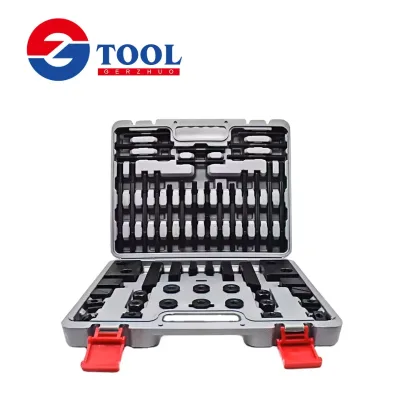
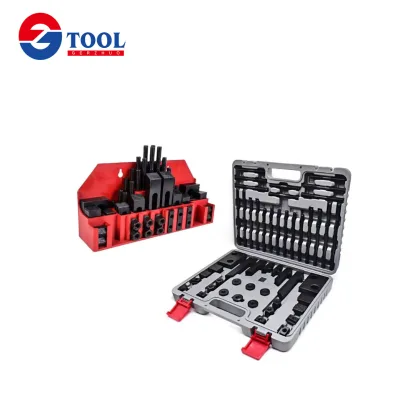
CNC Milling Machine Claming Kit Set 58 Pcs M12 Clamping Kit Set M12*14 M12*16
$48.85 - $53.58
MOQ: 1 pieces

Qingdao Preco Imp. & Exp. Co., Ltd.
- Trading Company,Manufacturer/Factory
- China Shandong
- Lead time23 days
- Avg. response≤ 25h
Main productsMachine Tools, Measuring Tools, Cutting Tools, Hand Tools, Machine Accessories, Machine Toolings, Carbide Inserts, Solid Carbide Tools, Measuring Instruments, Lifting Equipments
Main marketsSouth America,Eastern Europe,Mid East,North America,Southeast Asia,Eastern Asia,Oceania,Western Europe,Africa
Lishui Hengli Automation Technology Co., Ltd.
- Manufacturer, Trading Company
- Zhejiangsheng, China
- Lead time7 days
- Avg. response≤ 1h
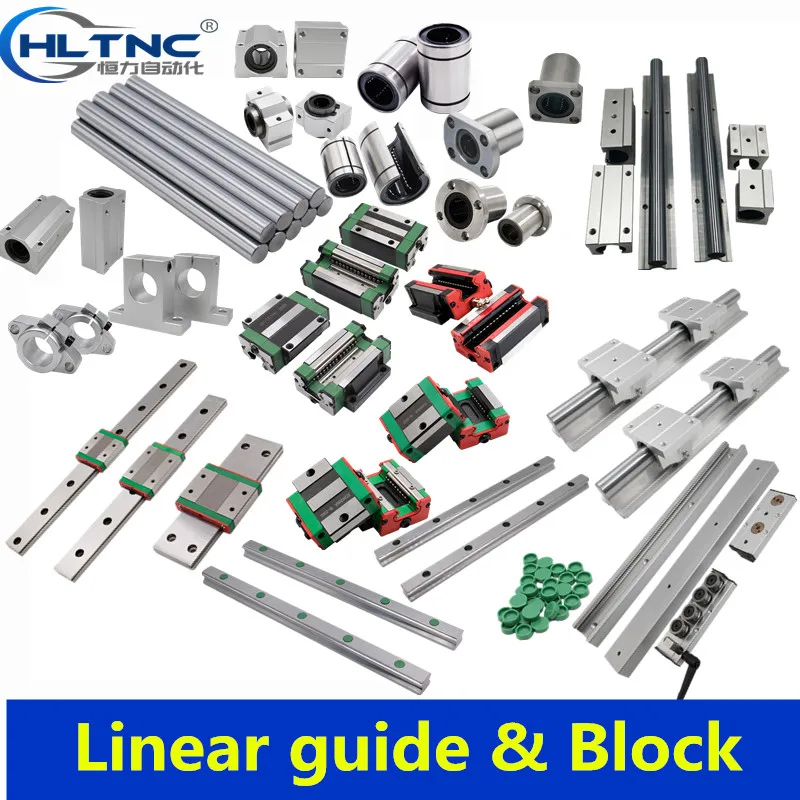
Main productsBallscrew,Linear Guide,Stepper Motor,Servo Motor
Main marketsEastern Europe(40.00%), Western Europe(12.00%), Domestic Market(10.00%), Southeast Asia(10.00%), South America(6.00%), Northern Europe(3.00%), Central America(3.00%), Mid East(3.00%), Southern Europe(3.00%), North America(3.00%), Oceania(3.00%), Africa(2.00%), Eastern Asia(2.00%)
- Trading Company
- Guangdong, China
- Lead time0 days
- Avg. response≤ 1h
Main productsKINDS OF MACHINE,CNC CONTROLLER,Machine tool accessories
Main marketsSoutheast Asia(70.00%), Northern Europe(10.00%), Mid East(10.00%), North America(10.00%)
Suzhou Zhuhong Machinery Co., Ltd
- Verified by SGS
- Manufacturer
- China Jiangsu
- Lead time23 days
- Avg. response≤ 1h
Main productscnc machining
Main marketsDomestic
Wuxi Hannah Technology Co., Ltd.
- Verified by SGS
- Combined
- China Jiangsu
- Lead time15 days
- Avg. response≤ 2h
Main productsPrecision Machining, Casting Parts, Sheet Metal, Machining, Aluminum Casting Mold, Metal Casting, Stainless Steel Casting, Mold, Spare Parts, Auto Fixture
Main marketsDomestic

High Precision Custom CNC Machining Kit Milling Turning Metal Parts Quality Steel One-Stop Services
$0.10 - $50.00
MOQ: 1 Pieces


Laizhou Hongzun Machinery Co., Ltd.
- Combined
- China Shandong
- Lead time60 days
- Avg. response≤ 23h
Main productsWoodworking Clamp, Hardware Tools, Bench Vise, Clamp, Wrenches, Machine Vise, Machine, Anvil, Woodworking Machine, Woodworking Vise
Main marketsSoutheast Asia/ Mideast,Domestic,Europe,Australia,North America

Shenzhen Victor Precision Technology Co., Ltd.
- Combined
- China Guangdong
- Lead time15 days
- Avg. response≤ 1h
Main productsEnd Mills, Taps, Drills
Main marketsSoutheast Asia/ Mideast,Europe




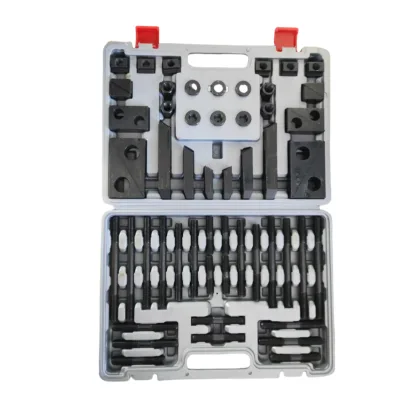
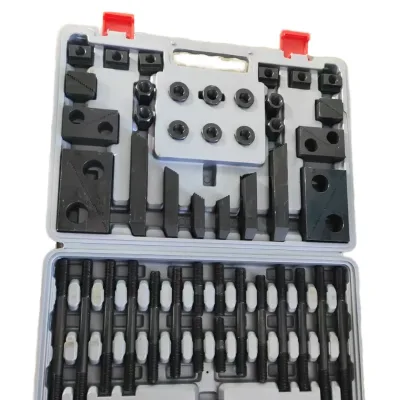
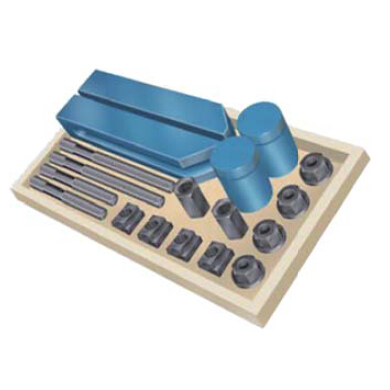
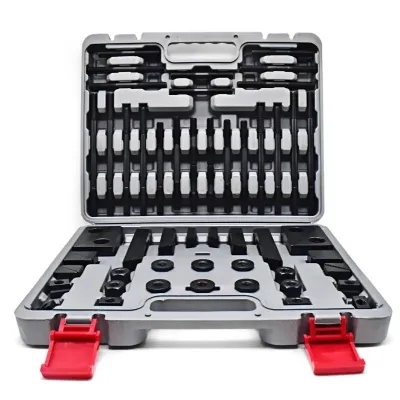
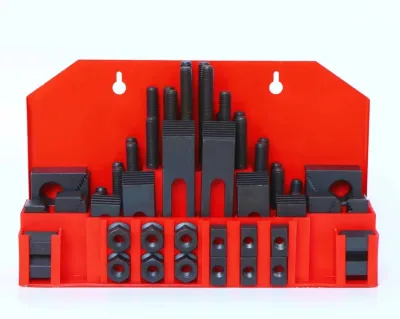
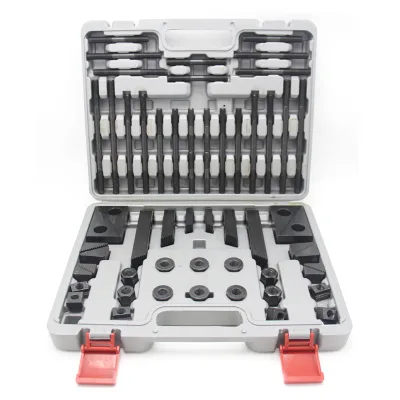
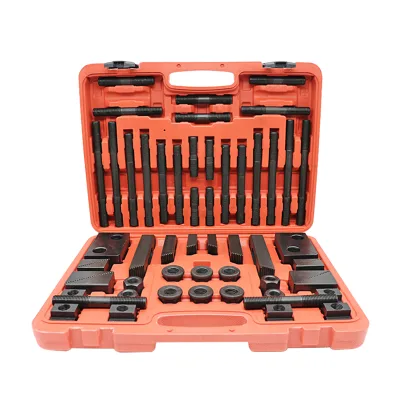
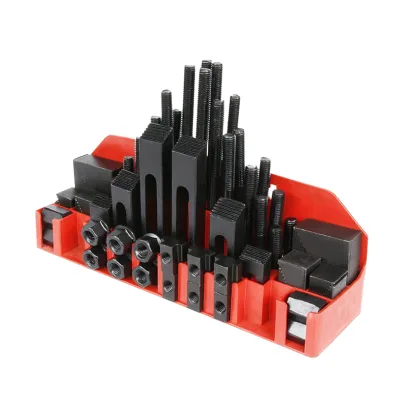
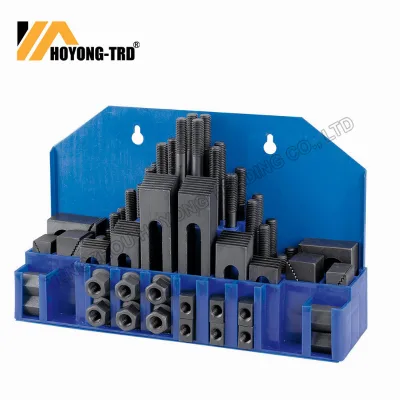
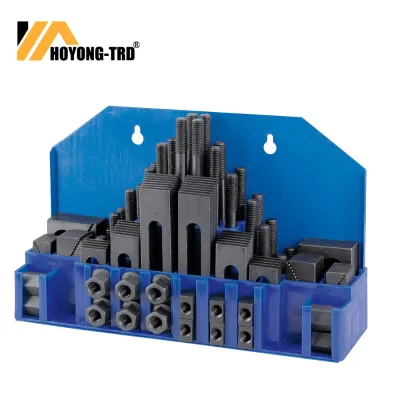


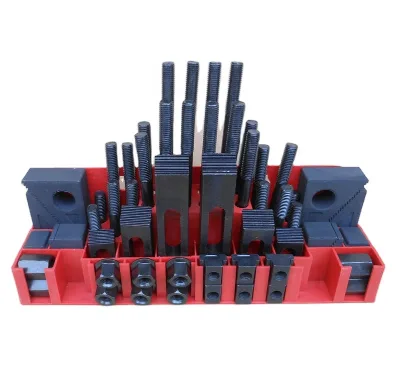
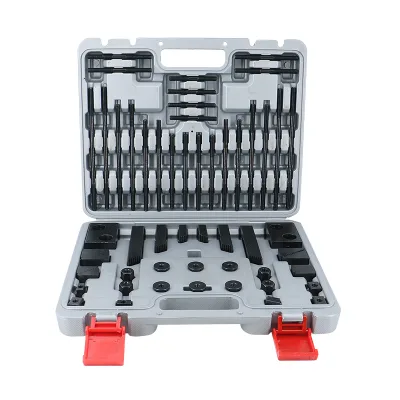


Comprehensive Sourcing Guide
Milling Machine Steel Clamping Kit Supplier Concentration and Factory Types
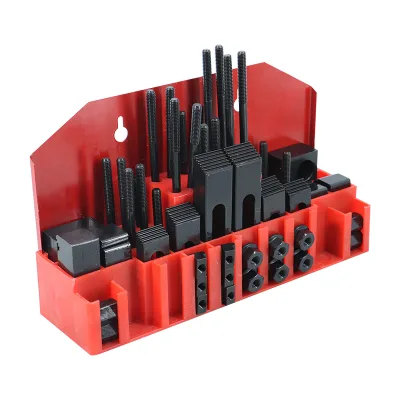
When evaluating who makes milling machine steel clamping kits, the first observable pattern is geographic concentration. In the current results, suppliers listing these 58-piece kits consistently identify Shandong, China as their place of origin, and several product listings repeat this location explicitly. This tells you the category is cluster-driven rather than scattered, which matters because clustered supply usually means competing workshops, shared tooling vendors, and realistic chances of visiting more than one candidate in a single trip. When a location is not displayed in your own search results, do not assume one; instead, sort or filter by origin where the platform allows it, and ask each candidate directly for the province of its production site before drawing any cluster conclusions.
The second pattern is company type. Results show a mix of "Manufacturer, Trading Company" and pure "Trading Company" labels, so you cannot assume every listing represents a factory. A hybrid label may mean the firm produces some tooling lines and resells others, which is common for accessory categories like clamping kits, collets, machine vises, parallel blocks, and live centers. Ask which lines are made in-house and which are sourced. For a steel clamping kit specifically, request the workshop that cuts and heat-treats the studs and step blocks. Trading companies can still be acceptable partners if they audit their upstream factories, but the verification burden shifts to you.
How to Verify Milling Machine Steel Clamping Kit Suppliers
Start with third-party verification status where it is actually displayed. In these results, one trading company carries a TÜV Rheinland verification badge, which is a meaningful signal that an independent body has checked company registration and premises. However, verification badges are not uniform across listings, so treat them as one input rather than a pass/fail gate. For any unverified candidate, request the business license, the scope of registered activities, and whether the Shandong address shown in listings matches the actual production or warehousing site. A video walkthrough of the workshop, focusing on machining and finishing areas for the clamping kit components, is a reasonable ask before sampling.
Then verify product-level claims rather than trusting attribute fields blindly. Several listings here state that a machinery test report is provided, while one listing explicitly states it is not available, and one shows video outgoing-inspection as not available. That inconsistency is exactly why you should request the actual report for the specific kit model and thread size you intend to buy, such as an M12 58-piece set, rather than assuming the label applies to the whole catalog. Also confirm warranty terms in writing, since displayed warranties in this category range from three months to one year. Finally, gauge responsiveness: one supplier in the results reports a two-hour average response and another reports a slower figure, so record each candidate's displayed response time and test it with a technical question.
What to Compare Across Milling Machine Steel Clamping Kit Suppliers
Build a comparison table using only attributes that are actually displayed, and leave cells blank where a supplier shows nothing. Useful dimensions in this category include lead time, minimum order quantity, response speed, company type, location, verification badges, and main product lines. In the current results, one supplier shows a 30-day lead time, MOQs range from a single set to three sets across different kits, and response times range from roughly two hours to nearly ten hours. Main product lists also differ: one supplier lists collets, CNC tool holders, machine vises, parallel blocks, and live centers alongside clamping kits, suggesting broader workholding capability, while another is a trading company focused on machine tools themselves. Breadth can indicate either real capability or diversification; probe which.
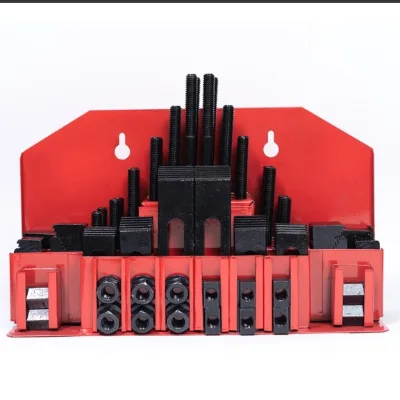
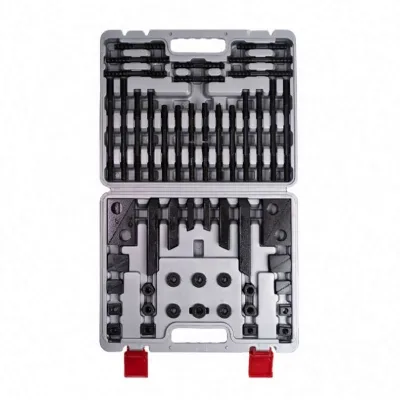
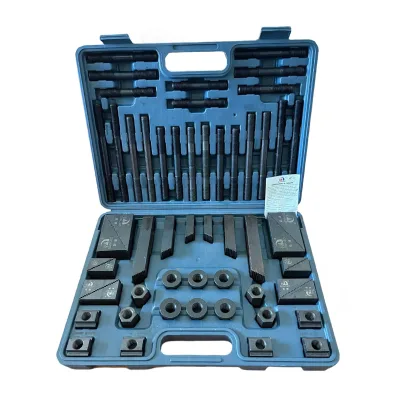
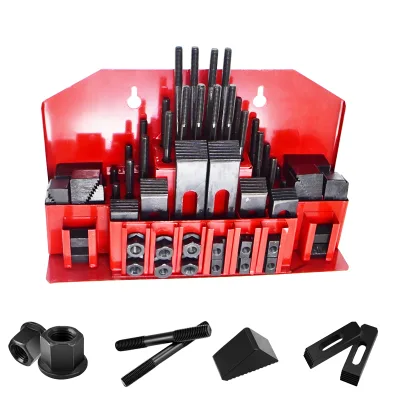
Product-level attributes deserve equal attention in the comparison. Across these listings, kit composition, thread sizes, and materials vary: steel and spring steel variants appear, weight figures range from about five to twenty kilograms, packaging ranges from plastic boxes to cartons, and warranty periods range from three months to one year. Machinery test report availability also differs between listings from the same brand family, which shows that even related products are not uniform. Compare kits at the same thread size and piece count, ask whether inch and metric sizes are both stocked, and check whether samples are offered, since at least one listing states samples are available.
Common Milling Machine Steel Clamping Kit Sourcing Risks
The most common risk in this category is specification drift between listings and delivered goods. The results show the same nominal 58-piece kits described with different materials, thread size ranges, weights, and warranty periods, sometimes under very similar product names. A buyer who orders from a screenshot risks receiving an M10-based kit when an M12 set was intended, or standard carbon steel where spring steel was expected. Mitigate this by specifying the exact model number, thread sizes, stud diameters, and piece composition in the purchase contract, and by requiring a pre-shipment photo or video against that specification.
A second risk is quality-evidence gaps. Not every listing claims a machinery test report; at least one states it is not available, and one shows video outgoing-inspection as unavailable. Warranty windows as short as three months also appear in the results, which leaves little time for latent defects such as cracked step blocks or stripped threads to surface. Third, beware of assuming factory status: some suppliers are labeled trading companies, so requesting factory audit rights or at least the upstream workshop's details is prudent. Finally, avoid treating a single displayed certification, such as a CE marking on a supplier profile, as proof that every kit in the catalog meets it; ask which products the certification actually covers and request supporting documentation before committing to volume.
Milling Machine Steel Clamping Kit Regional Sourcing and Logistics
Regional context for this category is unusually clear in the current results: every kit listing that states a place of origin points to Shandong, China, and one listing names Qingdao as the departure port. Shandong is a coastal province with major seaports, which is relevant because a 58-piece clamping kit is a dense steel product; single kits weigh anywhere from about five to twenty kilograms according to the listings, so freight economics improve significantly with consolidation. If you plan mixed loads of vises, tool holders, or collets from the same region, ask suppliers whether they can consolidate shipments at a nearby port to reduce per-kilogram cost.
Lead time planning should reflect what is displayed rather than optimistic assumptions. One supplier in the results shows a 30-day lead time, which is a realistic baseline for production plus finishing on made-to-order quantities, though stock items may ship faster and peak seasons can stretch it. When a supplier does not display a lead time, ask for production and vessel schedules separately so you can distinguish manufacturing time from port congestion. For air freight samples, confirm the packed dimensions listed here, such as cartons around thirty centimeters square, since dimensional weight can exceed actual weight. Finally, verify export documentation capability, including commercial invoices and packing lists that match the declared steel material and thread specifications.
Milling Machine Steel Clamping Kit Commercial Terms and Order Planning
Commercial terms in this category are visible enough to plan around. Displayed MOQs in the results range from one set to three sets, which makes this one of the friendlier categories for trial orders; a first purchase can validate fit, thread tolerance, and hardness on a single kit before scaling. One listing also states payment by T/T and that samples are available, so plan a two-stage order: a paid sample or small first lot, then a production order after inspection. Negotiate inspection rights, such as video outgoing-inspection or a third-party check, especially where a listing does not state that a machinery test report is provided.
Price comparison needs like-for-like discipline. Displayed prices in these results span a wide range, from under twenty dollars on one listing to well over a hundred on a metal-holder variant, but kits differ in piece count, material, thread coverage, and packaging, so comparing headline prices across different constructions is meaningless. Lock the specification first, then compare. Also confirm the warranty in the contract, since displayed terms range from three months to one year, and clarify what the warranty covers. Finally, build order timing around the 30-day lead time shown for at least one supplier plus freight and customs, and set reorder points early, because clamping kits are consumable-adjacent tooling that shops reorder predictably once a size range proves reliable on the floor.
Approximate word count: 1380
FAQs
What thread sizes do milling machine steel clamping kits usually cover?
Most 58-piece steel clamping kits cover metric stud sizes from M8 to M20, with some listings including M6 and inch equivalents such as 9/16 and 5/8. Before ordering, confirm the T-slot size on your milling machine table and match the stud diameter and nut thread, since kits are sold in specific size combinations.
What is the typical minimum order quantity for a steel clamping kit?
Minimum order quantities in current listings are low, commonly one set or three sets per order, which suits small workshops and trial purchases. Sample orders are also possible from some suppliers. Always confirm the MOQ for your chosen size variant, because it can differ between M12, M16, and mixed inch-metric kits.
How long does delivery usually take for clamping kits from China?
Lead time for suppliers in this category is around 30 days after order confirmation, so plan your procurement schedule accordingly. Shipping from Shandong Province typically departs through Qingdao port. Ask the supplier to confirm production time separately from transit time, and verify whether expedited processing is available for urgent replacement orders.
Which certifications should I look for when sourcing clamping kits?
At least one supplier in this category holds CE system certification, so ask each candidate for proof of CE or equivalent documentation. For workholding accessories, also request a machinery test report, which many listings state is provided, and a video outgoing-inspection record so you can check finish and completeness before shipment.
How much does a 58-piece steel clamping kit cost?
Listed prices for 58-piece steel clamping kits range from roughly 18 to 126.80 US dollars per set, depending on thread size, material grade, and included accessories such as a metal holder. Budget variants start near 36 to 55 dollars. Request quotations for your specific stud sizes before comparing total landed cost.
What materials are used in these clamping kits?
Listings describe kits made from steel, alloy steel, and spring steel, with spring steel typically used in kits that include a metal holder. Higher-hardness variants are marketed for heavy milling work. Ask each supplier for hardness values and material certificates, since one listing states a machinery test report is not available, so verification matters.
How fast do suppliers in this category respond to inquiries?
Response times vary widely: one manufacturer-type supplier averages about 2 hours, while a trading company averages nearly 10 hours. For time-sensitive quotes, contact suppliers during Chinese business hours and note the stated average response time on each profile. Fast responders are usually better for negotiating size variants and small-set orders.
What warranty terms apply to steel clamping kits?
Warranty terms in current listings range from 3 months to 1 year, with some alloy-steel sets covered for 6 months. Because terms differ by product variant, confirm the warranty length, what defects it covers, and whether replacement parts are shipped free. Also confirm T/T payment terms and whether secure payment options are supported.