Involute HSS Gear Cutter Suppliers and Manufacturers
Explore 18 verified options for Involute HSS Gear Cutter from Chongqing and Hunan. Compare response times, lead times, certifications, and product standards like GB and DIN. Contact suppliers directly to request quotes and verify customization capabilities; review the available evidence before requesting comparable quotations from suitable candidates.
Suppliers List
Chongqing Forboon Tool Manufacturing Co., Ltd.
- Manufacturer, Trading Company
- Chongqing, China
- Lead time30 days
- Avg. response≤ 7h
Main productsskiving cutter,gear-shaper cutter,gear-hob cutter,gear-shaving cutter,master gear
Main marketsDomestic Market(80.00%), South America(5.00%), South Asia(5.00%), Western Europe(5.00%), Eastern Asia(5.00%)
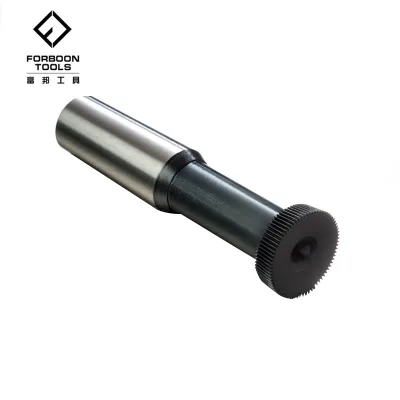
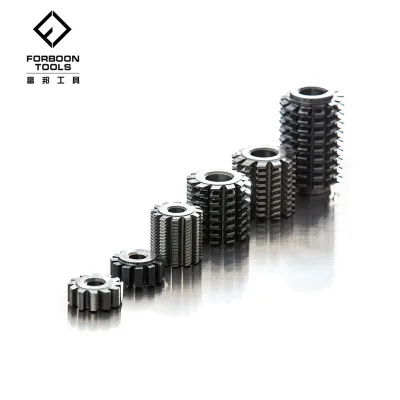
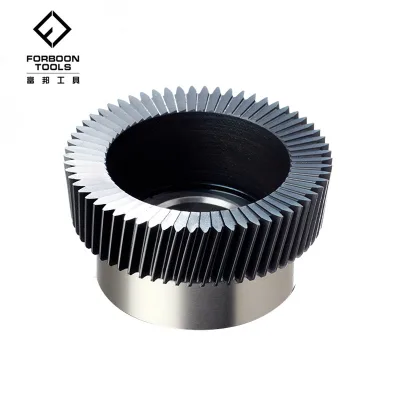
Made by HSS Straight Flute Gear Hob Cutter with DOUBLE-R for Inner and Outer Gear Ring
$80.00
MOQ: 1 kilograms
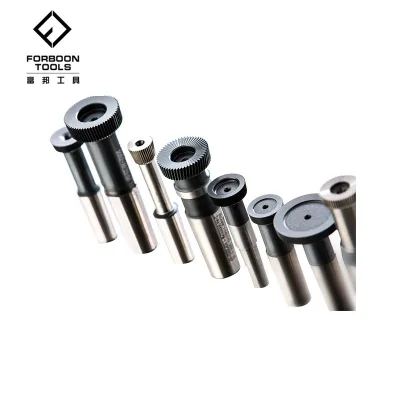
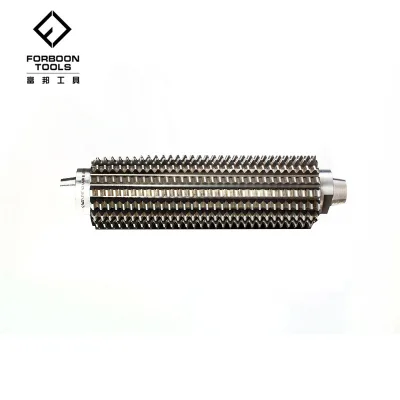
Involute Gear Cutter Suppliers M2 M35 Carbide DP Gear Tools Gear Hobbing Cutter for Sale
$120.00 - $150.00
MOQ: 1
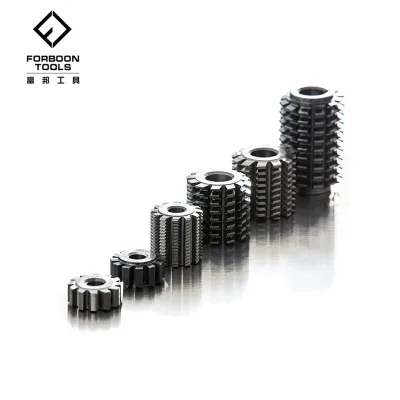
Gear Cutting Tools Supplier HSS HSS-Co PM-HSS Worm Gear Hob Gear Shaper Cutter for Sale
$100.00 - $150.00
MOQ: 1

Zhuzhou Xingzhou Carbide Co., Ltd.
- Verified by BV
- Manufacturer/Factory
- China Hunan
- Lead time23 days
- Avg. response≤ 5h
Main productsTungsten Carbide, Hard Alloy, Drilling Tools, Machine Cutting Tools, Tungsten Carbide Petroleum Machinery Fittings, Tungsten Carbide Mould, Tungsten Carbide Minning Button Bit, Tungsten Carbide Valve Components, Tungsten Carbide Roller
Main marketsSouth America,Eastern Europe,Mid East,North America,Southeast Asia,Eastern Asia,Oceania,Western Europe,Africa

HSS Gear Cutter Involute Gear Milling Cutter High Speed Steel Milling Cutter Gear Cutting Tools
$1.00 - $100.00
MOQ: 2 Pieces


High Quality M1-10 Involute Spline Hob CNC Gear Machine Gearing Hob Cutters HSS Material
$1.00 - $100.00
MOQ: 2 Pieces

$1.00 - $15.00
MOQ: 10 Pieces


Cemented Carbide Gear Cutter Involute Modular Gear Milling Cutter Multi-Teeth Gear Cutter
$1.00 - $100.00
MOQ: 2 Pieces

Xuzhou Perfect Tools Co., Ltd.
- Trading Company
- China Jiangsu
- Lead time23 days
- Avg. response≤ 17h
Main productsHSS Drill Bit, Saw Blade, Hole Saw, Screw Taps, End Mill, Drill Bits, Screwdriver, Wrench, Air Tools, Plier
Main marketsSouth America,Africa,Southeast Asia/ Mideast,East Asia(Japan/ South Korea),Europe,Australia,North America

HSS Tooth-Form Cutter Pressure Angle 20 Degree Chain Sprocket Involute Gear Milling Cutter
$5.00 - $50.00
MOQ: 10 Pieces


HANJIANG TOOL CORPORATION LIMITED
- Manufacturer, Trading Company
- Shaanxi, China
- Lead time0 days
- Avg. response≤ 10h
Main productsHobs,Shaper Cutters,Shaving Cutters,Broaching Tools,Milling Tools
Main marketsDomestic Market(60.00%), Southeast Asia(30.00%), North America(10.00%)
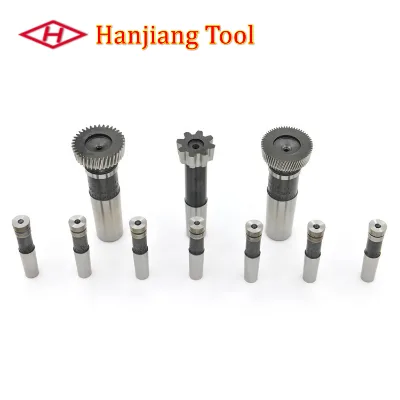
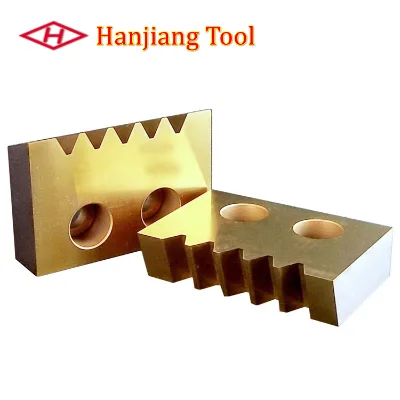
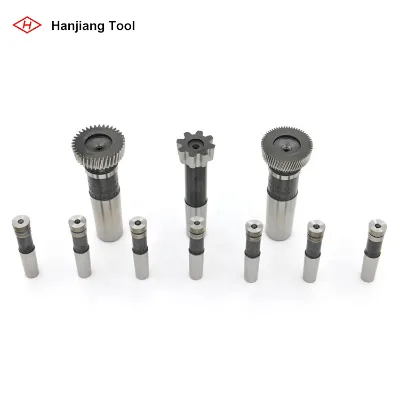
The High Quality HSS Shaper Cutter for Involute Gear and for Pre-shaving, Pre-grinding
$50.00 - $5000.00
MOQ: 1 Minimum
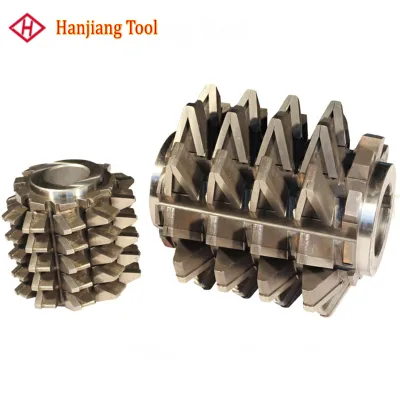
Customized HSS, HSS-Co, PM-HSS Module 0.5 - 35 Involute Gear Hob Cutter
$50.00 - $1000.00
MOQ: 1 Minimum
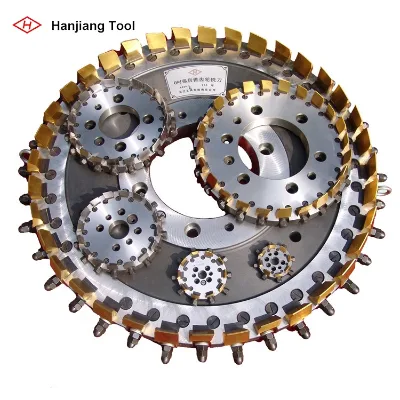
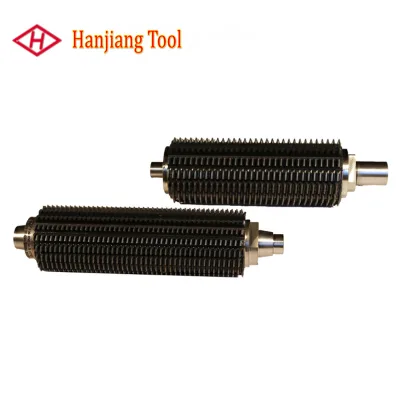
High Efficency Module 0.5-6 Involute Dry Cutting Gear Hob, Green and Environmental Protection
$52.10 - $521.01
MOQ: 1 Minimum

Nanjing Quality Machinery Technology Co., Ltd
- Verified by SGS
- Trading Company,Manufacturer/Factory
- China Jiangsu
- Lead time23 days
- Avg. response≤ 2h
Main productsMachine and Machine Parts, Paper Roll Machine, Crusher, Shredder Machine, Copper Wire Granulator, Crusher Blade, Mini Shredder Machine, Shredder Blade, Recycling Machine, Single Shaft Shredders
Main marketsSouth America,Mid East,North America,Southeast Asia,Oceania,Western Europe,Africa


High Speed Steel Gear Cutter Tools Involute Gear Milling Cutter M0.3-M10
$20.00 - $200.00
MOQ: 1 Pieces


Customized HSS, HSS-Co, Pm-HSS Module 0.5 - 35 Involute Gear Hob Cutter
$20.00 - $200.00
MOQ: 1 Pieces

Zhengzhou Ruizuan Diamond Tool Co., Ltd.
- Verified by TUVRHEINLAND
- Trading Company
- China Henan
- Lead time45 days
- Avg. response≤ 3h
Main productsHardware Products, Ordinary Mechanical Equipment, Diamond Grinding Wheel, CBN Grinding Wheel, Abrasive Grinding Wheel, Cutting Wheels, PCD PCBN Cutting Tools, Mcd Cutting Tools
Main marketsSouth America,Eastern Europe,Mid East,North America,Southeast Asia,Eastern Asia,Oceania,Western Europe,Africa

$42.00 - $497.00
MOQ: 1 Pieces

HSS Module Gear Milling Cutter Dp8 Set 8PCS HSS Involute Gear Cutter Gear Milling Cutter
$42.00 - $497.00
MOQ: 1 Pieces


High Speed Steel Gear Cutter Tin Coated 8PCS M1-M8 Gear Milling Cutter Involute Gear Cutter
$42.00 - $497.00
MOQ: 1 Pieces

HSS Gear Shaper Tool CNC Cutting Milling Machine Tool Cutter Gear Milling Cutter
$42.00 - $497.00
MOQ: 1 Pieces


Nigel Precision Machinery (ShangHai) Co., Ltd.
- Verified by TUVRHEINLAND
- Trading Company
- China Shanghai
- Lead time23 days
- Avg. response≤ 21h
Main productsCarbide Inserts, Endmills
Main marketsEurope

Gear Hob Cutters Cutting Tools Machine Cutter Material HSS Bevel Gear Cutter
$50.00 - $60.00
MOQ: 100 Pieces

Bevel Gear Hob Cutters HSS Material OEM Supported Gear Cutting Tools Machine
$50.00 - $60.00
MOQ: 100 Pieces
Zhejiang Jinhua Ruifeng Metal Products Co., Ltd.
- Verified by SGS Group
- Manufacturer, Trading Company
- Lead time15 days
- Avg. response≤ 4h
Main productsBroaches, Hobs, Milling Cutter, Shaving Cutter, Gear Shaper Cutter
Main marketsNorth America(35%), Southeast Asia(25%), Eastern Europe(15%)

Harbin Dongan Lifeng Cutter Co., Ltd.
- Manufacturer, Trading Company
- Heilongjiang, China
- Lead time30 days
- Avg. response≤ 18h
Main productsTurning Tools,Milling Cutters,Drill Bits,Reamers,Profile Cutters
Main marketsDomestic Market(80.00%), Southeast Asia(10.00%), Mid East(5.00%), Eastern Europe(2.00%), Northern Europe(2.00%), Africa(1.00%)
Wenling Shanwei E-Commerce Co., Ltd.
- Verified by SGS Group
- Manufacturer, Trading Company
- Lead time0 days
- Avg. response≤ 1h
Main productsTools and Hardware, Measuring Tools
Main marketsSouth America(50%), Eastern Europe(30%), Southeast Asia(20%)

Wuxi Golp Cnc Machinery Co., Ltd
- Verified by CTI
- Trading Company
- China Jiangsu
- Lead time120 days
- Avg. response≤ 1h
Main productsCV Joint Machine, CNC Milling Machine, Gear Grinding Machine, Induction Heating Machine, CNC Lathe Machine, Gear Rolling Machine, CNC Power Skiving Machine, OEM Gears/Hob Cutters/Gearbox, Gear Shaping Machine, CNC Grinding Machine
Main marketsEurope

$20.00 - $50.00
MOQ: 1 Pieces

Factory Price HSS Punches Module Gear Hob Cutter for Involute Flank Form
$20.00 - $50.00
MOQ: 1 Pieces
Yueqing JingFeng CNC Tool Co., LTD
- Manufacturer
- zhejiang, China
- Lead time0 days
- Avg. response≤ 5h

SHENZHEN KALEAD TOOLS CO., LTD.
- Manufacturer/Factory
- China Guangdong
- Lead time45 days
- Avg. response≤ 6h
Main productsDies Casting and Plastic Mold, Copto Tool Holder, Mill Cutter, Mold Parts, PCD Tools, Collet and Guide Bush, CNC Insert, Milling Toolholder, Woodworking Tools, Stamping Mold
Main marketsSouth America,Eastern Europe,North America,Southeast Asia,Eastern Asia,Western Europe

Qingdao Preco Imp. & Exp. Co., Ltd.
- Trading Company,Manufacturer/Factory
- China Shandong
- Lead time23 days
- Avg. response≤ 25h
Main productsMachine Tools, Measuring Tools, Cutting Tools, Hand Tools, Machine Accessories, Machine Toolings, Carbide Inserts, Solid Carbide Tools, Measuring Instruments, Lifting Equipments
Main marketsSouth America,Eastern Europe,Mid East,North America,Southeast Asia,Eastern Asia,Oceania,Western Europe,Africa
- Manufacturer, Trading Company
- Heilongjiang, China
- Lead time10 days
- Avg. response≤ 20h
Main productsSpiral bevel cutter,Hobbing Cutter,Shaving cutter,Shaper cutter,Broaches
Main marketsDomestic Market(50.00%), North America(25.00%), Eastern Asia(25.00%)

Zhenjiang Scharp Machinery Tools Co., Ltd.
- Manufacturer/Factory,Group Corporation,Other
- China Jiangsu
- Lead time60 days
- Avg. response≤ 11h
Main productsMetal Cutting Tools, Thread Tools, End Mills, Reamer, Milling Cutters, Machine Taps, Thread Die, Countersink, Drill Bits, Slitting Saw
Main marketsSouth America,Eastern Europe,Mid East,North America,Southeast Asia,Eastern Asia,Oceania,Western Europe,Africa

Chengdu Yibai Technology Co., Ltd.
- Verified by TUVRHEINLAND
- Combined
- China Sichuan
- Lead time60 days
- Avg. response≤ 4h
Main productsTct Saw Blades, PCD Saw Blades, Planer Knives, Router Bits, Finger-Joint Cutters, Drill Bits, Circular Sawblades, Helical Cutter with Indexable Inserts, Edge Banding Cutters, Revisable Carbide Inserts
Main marketsOthers(foreignTradeCapacity.exportBusinessCapacityMarketOther),Europe,North America

Orientools Industrial Co., Ltd.
- Verified by TUVRHEINLAND
- Trading Company,Manufacturer/Factory
- China Shanghai
- Lead time45 days
- Avg. response≤ 4h
Main productsFolding Ruler, Carpenter Pencil, Plastic Digital Vernier Caliper, Bubble Level Vial, Square Ruler, Stainless Steel Ruler, Height Gauge, Indicator
Main marketsSouth America,Eastern Europe,North America,Southeast Asia,Eastern Asia,Western Europe
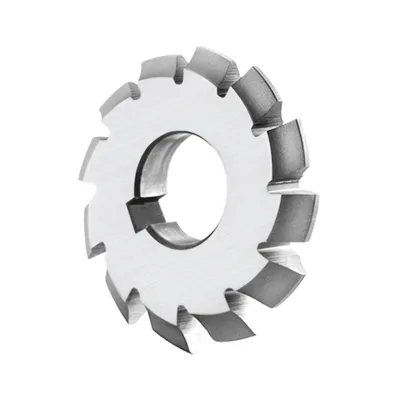
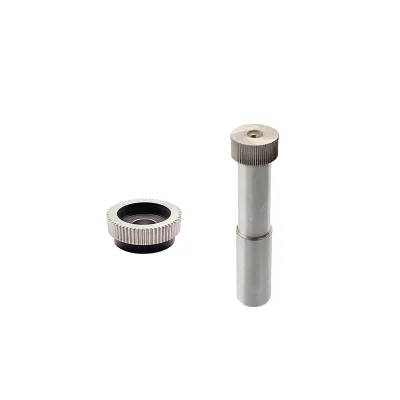
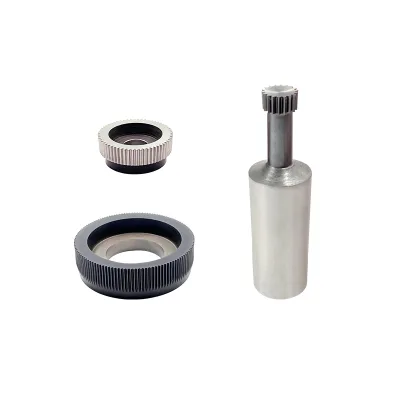


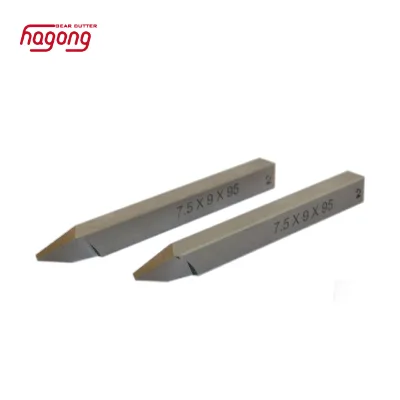


Comprehensive Sourcing Guide
Involute HSS Gear Cutter Supplier Concentration and Factory Types
The current search results indicate a specific concentration of manufacturing activity in Chongqing, China, where multiple suppliers list this location as their place of origin for involute HSS gear cutters. These entities operate as both manufacturers and trading companies, offering a mix of direct production capabilities and supply chain facilitation. The primary product lines observed in this cluster include skiving cutters, gear-shaper cutters, gear-hob cutters, and master gears, suggesting a specialized industrial ecosystem focused on precision machining tools. Buyers should note that while Chongqing appears as a verified hub in the data, other regions may host similar capabilities that are not currently visible in the immediate results.
When evaluating factory types, it is essential to distinguish between pure manufacturers and trading companies based on the company type field provided in supplier profiles. Some suppliers explicitly state they are manufacturers with in-house R&D capacity for OEM and ODM services, while others function as trading entities that aggregate products from various factories. The presence of a "Manufacturer/Factory" designation often correlates with direct control over heat treatment processes and coating applications, such as TiN or AlCrN, which are critical for the hardness and longevity of HSS tools. Buyers must verify if the listed company type aligns with their need for direct technical support or if a trading company's broader catalog is more suitable for their specific procurement volume.
How to Verify Involute HSS Gear Cutter Suppliers
Verification of supplier credibility begins with checking for third-party audit badges and system certifications that validate their operational standards. In the observed data, one supplier displays a BV verification status and holds an ISO 9001 system certification, which serves as a concrete indicator of quality management adherence. Buyers should prioritize suppliers who provide these specific credentials rather than relying on self-declared claims, as these badges represent independent assessments of the factory's processes and compliance. The absence of such visible certifications in a profile does not necessarily disqualify a supplier, but it requires the buyer to request proof documents directly before proceeding with an order.
Response time and lead time metrics offer another layer of verification regarding a supplier's operational readiness and reliability. The data shows response times ranging from approximately 4 hours to 7 hours, with lead times varying between 23 and 30 days for production cycles. A supplier with a consistently fast response time, such as the 4.17-hour average observed, often indicates a dedicated sales team and efficient internal communication channels. Conversely, longer lead times may suggest high demand or complex manufacturing requirements that need careful scheduling. Buyers should cross-reference these timeframes against their own project deadlines to ensure the supplier can meet delivery expectations without compromising on the precision required for involute gear cutting tools.
What to Compare Across Involute HSS Gear Cutter Suppliers
Comparing suppliers requires a detailed analysis of product specifications, particularly regarding material composition, coating types, and hardness ratings. The available data highlights variations in materials ranging from HSS-Co and PM-HSS to carbide, with hardness levels specified between 64-67HRC and 65-67HRC. Coating options also differ, with some suppliers offering TiN, TiAlN, TiCN, and AlCrN treatments, which directly impact the tool's wear resistance and cutting speed capabilities. Buyers must compare these technical attributes against their specific machining requirements, such as the recommended cutting speeds of 100 to 115 meters per minute, to ensure the selected tool will perform optimally in their application.
Minimum Order Quantity (MOQ) and pricing structures are critical commercial factors that vary significantly across different supplier profiles. The observed data indicates a flexible MOQ of 1 piece for certain high-precision items, allowing for small-batch testing, while other listings may have different thresholds. Price ranges for similar products fluctuate, with some gear hobs listed between $170 and $200, while others range from $400 to $450, reflecting differences in material quality, brand reputation, and coating complexity. Buyers should evaluate the total cost of ownership, considering that a lower unit price might correlate with a shorter warranty period or less durable coating, whereas a higher price could include extended warranties of up to three years and superior heat treatment processes.
Common Involute HSS Gear Cutter Sourcing Risks
One significant risk in sourcing involute HSS gear cutters is the potential mismatch between advertised specifications and actual product performance, particularly regarding material consistency and heat treatment. While suppliers list materials like HSS and carbide, the actual hardness and microstructure can vary if the manufacturing process is not strictly controlled. Buyers face the risk of receiving tools that do not meet the required 64-67HRC hardness standard, leading to premature wear or failure during high-speed machining operations. It is crucial to request mill certificates or third-party test reports to verify that the heat treatment and material composition match the stated specifications before finalizing any purchase.
Another risk involves the reliability of the supply chain and the accuracy of lead time estimates provided by the supplier. Although data shows lead times of 23 to 30 days, external factors such as raw material shortages or production bottlenecks can cause delays that disrupt manufacturing schedules. Additionally, the distinction between a manufacturer and a trading company can introduce communication gaps if the trading company lacks direct oversight of the production floor. Buyers should mitigate this risk by establishing clear communication protocols and requesting regular production updates. Ensuring that the supplier has the capacity to handle custom orders, such as specific module sizes or flute configurations, is also vital to avoid delays caused by retooling or design changes.
Involute HSS Gear Cutter Regional Sourcing and Logistics
The concentration of suppliers in Chongqing, China, presents specific logistical considerations for international buyers regarding shipping and customs clearance. Products originating from this region often require specialized packaging, such as oil paper, paper boxes, and cartons, to protect the precision cutting edges during transit. The single package size and gross weight data, such as 10x10x10 cm and 5.0 kg, help buyers calculate freight costs and determine the most efficient shipping method. Buyers should verify if the supplier offers consolidated shipping options to reduce costs when ordering multiple items, as individual packages can quickly accumulate significant freight charges.
Regional sourcing also impacts the availability of after-sales support and technical assistance. Suppliers located in established manufacturing hubs like Chongqing may have better access to local technical resources and spare parts, facilitating quicker resolution of any product issues. However, buyers must consider the time zone difference and language barriers that could affect communication efficiency. It is advisable to confirm the supplier's ability to provide technical documentation in the buyer's preferred language and their willingness to engage in video calls for complex troubleshooting. Understanding the regional logistics network helps in planning inventory levels and ensuring that replacement tools can be sourced promptly if the initial batch encounters any unforeseen issues.
Involute HSS Gear Cutter Commercial Terms and Order Planning
Commercial terms for involute HSS gear cutters often include specific customization support options such as OEM, ODM, and OBM, which allow buyers to tailor products to their unique needs. The data indicates that many suppliers accept these customization requests, enabling the production of tools with specific module sizes, pressure angles, and flute configurations. Buyers should clearly define their requirements regarding the brand name, coating type, and model number during the initial inquiry to ensure the supplier can meet their exact specifications. Understanding the scope of customization is essential, as some suppliers may charge additional fees for non-standard designs or require higher minimum order quantities for custom runs.
Order planning must account for warranty terms and the specific conditions under which they are valid. The observed data shows a standard warranty period of three years for certain products, which provides a safety net against manufacturing defects. However, buyers should verify the specific conditions of this warranty, such as whether it covers normal wear and tear or only material failures. Additionally, the selling units and package details, such as single item sales or bulk packaging, influence how orders are structured and managed. Buyers should plan their inventory based on the supplier's lead time and the potential for production delays, ensuring they have sufficient stock to maintain continuous operations while waiting for replenishment orders.
FAQs
What is the minimum order quantity for these cutters?
The minimum order quantity is one piece for many listed products. This allows buyers to test quality before placing larger orders. Some suppliers offer customization support including OEM and ODM services to meet specific production needs.
How long does it take to receive the gear cutters?
Lead times vary between 23 and 30 days depending on the supplier and order volume. Some manufacturers in Chongqing offer faster response times around four days. Buyers should confirm specific delivery schedules before finalizing purchase agreements.
What materials are used to make these involute gear cutters?
Materials include High Speed Steel, HSS-Co, PM-HSS, and Carbide. Some products feature aluminum chromium nitride coatings for enhanced durability. The hardness typically ranges from 64 to 67 HRC to ensure precision during gear shaping operations.
Are these cutters suitable for CNC machines?
Yes, many cutters are designed for CNC gear grinding machines and turning centers. They support straight and helical flutes for various applications. Ensure the specific model matches your machine requirements for optimal performance and cutting speed.
What certifications do the suppliers hold?
Some suppliers hold ISO 9001 system certification and BV verification. These credentials indicate adherence to quality management standards. Buyers should verify specific certifications directly with the supplier to ensure compliance with their industry requirements.
What is the price range for these gear cutting tools?
Prices range from approximately 80 to 450 units of currency per piece. The cost depends on material type, coating, and customization options. Buyers should request detailed quotes based on their specific module and quantity requirements.
Do suppliers offer warranty coverage for these tools?
Many products come with a three-year warranty covering manufacturing defects. This ensures reliability for long-term industrial use. Buyers should review warranty terms carefully to understand coverage limits and claim procedures for any potential issues.