Anti-Shock Carbide Boring Bar Holder Suppliers and Manufacturers
Find 15 verified suppliers offering anti shock carbide boring bar holders with ISO9001 certification and OEM capabilities. Compare response times, lead times, and pricing to source reliable partners for your CNC machining needs today; review the available evidence before requesting comparable quotations from suitable candidates.
Suppliers List

Zhuzhou Lihua Cemented Carbide Co., Ltd.
- Verified by BV
- Combined
- China Hunan
- Lead time23 days
- Avg. response≤ 12h
Main productsTungsten Carbide Rods, Tungsten Carbide Strips, Tungsten Carbide Anti Vibration Tool Holder, Tungsten Carbide Sleeves, Tungsten Carbide CNC Inserts, Tungsten Carbide Nozzles, Tungsten Carbide End Mill, Tungsten Carbide Mining Tips, Tungsten Carbide Drill Bits, Tungsten Carbide Customized Parts
Main marketsSoutheast Asia/ Mideast,Europe,North America


Carbide Holder Boring Bar Solid Carbide Cutting Tools for Milling Lathe
$35.00 - $138.00
MOQ: 5 Pieces


Tungsten Carbide Anti Shock Extension Boring Bar Holder for Milling Machine with Apmt Inserts
$21.90 - $27.70
MOQ: 1 Pieces

Zhuzhou Sunrise Hardmetal Tools Co., Limited
- Trading Company
- China Hunan
- Lead time30 days
- Avg. response≤ 6h
Main productsTungsten Carbide Cutter, Tungsten Carbide Rod, Tungsten Carbide Ball, Tungsten Carbide Blade, Tungsten Carbide Mould, Tungsten Wire, Tungsten Carbide Strip, Tungsten Carbide Plate, Tungsten Carbide Nozzle, Tungsten Carbide Wooden Cutter
Main marketsSouth America,Africa,Southeast Asia/ Mideast,East Asia(Japan/ South Korea),Europe


Tungsten Carbide Holder Anti-Seismic Milling Cutter Bar Carbide Boring Bar
$23.00 - $25.00
MOQ: 1 Pieces


Lathe Tool Anti-Seismic Tungsten Carbide Boring Bar Holder for CNC Machine
$23.00 - $25.00
MOQ: 1 Pieces


Softool Manufacturing Co., Ltd.
- Verified by TUVRHEINLAND
- Combined
- China Tianjin
- Lead time15 days
- Avg. response≤ 2h
Main productsHydraulic Tool Holder, Shrink Fit Chuck, Boring Tool, Psc Turning Tool, Anti Vibration Boring Bar, Drilling, Milling Cutter, Chuck, Fixture
Main marketsSouth America,Southeast Asia/ Mideast,East Asia(Japan/ South Korea),Europe,Australia,North America


Carbide Anti Vibration Tool Holder Carbide Extensions Carbide Anti Vibration Boring Bar
$1228.00 - $1451.00
MOQ: 1 Pieces

Carbide Anti Vibration Tool Holder Carbide OEM ODM Carbide Anti Vibration Boring Bar
$929.00 - $1098.00
MOQ: 1 Pieces

Customization Anti Vibration Tool Holder Carbide Extensions Carbide Anti Vibration Boring Bar
$1561.00 - $1844.00
MOQ: 1 Pieces

Customization Anti Vibration Boring Holder Carbide Boring Bar for CNC Lathe
$1593.00 - $1883.00
MOQ: 1 Pieces

Carbide Boring Bar Tungsten Carbide Extensions Carbide Anti Vibration Tool Holder
$663.00 - $784.00
MOQ: 1 Pieces
Chongqing Baiguan Electromechanical Co., Ltd.
- Verified by SGS Group
- Trading Company
- Lead time0 days
- Avg. response≤ 2h
Main productsCarbide Insert , Carbide End Mill, Carbide Drill
Main marketsDomestic Market(30%), Northern Europe(12%), North America(10%)

Zhuzhou New Cermets Material Co., Ltd.
- Manufacturer/Factory
- China Hunan
- Lead time15 days
- Avg. response≤ 5h
Main productsTungsten Carbide Inserts, Carbide Inserts, Cutting Tool, Milling Insert, Turning Insert, Drilling Insert, Round Bar, Cermet Insert, Grooving Insert, Thread Insert
Main marketsSouth America,Eastern Europe,Mid East,North America,Southeast Asia,Eastern Asia,Oceania,Western Europe,Africa


Snr/L Boring Bar Holder for Carbide Inserts – CNC Internal and External Threading Tool Holder
$10.48 - $13.97
MOQ: 10 Pieces

Changsha Cutoutil Hardware Tools Co., Ltd.
- Trading Company
- China Hunan
- Lead time15 days
- Avg. response≤ 10h
Main productsCarbide Insert, Carbide End Mills, Carbide Burr, Carbide Drill, CNC Turning Tools, CNC Milling Tools and U Drills, CNC Toolholder, Measuring Tools, Machine Accessories, Spare Parts
Main marketsSouth America,Eastern Europe,Mid East,North America,Southeast Asia,Western Europe,Africa

Zhuzhou Eastern Carbide Co., Ltd.
- Verified by TUVRHEINLAND
- Manufacturer/Factory
- China Hunan
- Lead time23 days
- Avg. response≤ 9h
Main productsCarbide Rod, Carbide Tips, Carbide Insert, Carbide Mining Tips, Carbide Plate, Carbide Strip, Carbide Saw Tips, Carbide Brazed Tips, Carbide Buttons, Carbide Saw
Main marketsEastern Europe,Mid East,North America,Western Europe,Africa

Cemented Carbide Anti-Vibration Boring Bar Tool Holders for CNC Machining
$25.00 - $55.00
MOQ: 1 Pieces


ZhuZhou Rivictory New Material Co., Ltd.
- Verified by SGS
- Trading Company
- China Hunan
- Lead time15 days
- Avg. response≤ 11h
Main productsTungsten Carbide Burrs, Carbide End Mills, U Drills, Tungsten Carbide Inserts, Plastic Packaging Box, Tungsten Carbide Rod, Boring Bars, Tungsten Carbide Brazed Tips, Tungsten Carbide Strips, Tungsten Carbide Turning Tools
Main marketsOthers(foreignTradeCapacity.exportBusinessCapacityMarketOther),East Asia(Japan/ South Korea),Europe


Carbide Tool Holder with Internal Cooling Hole Internal Coolant Boring Bar
$10.97 - $120.35
MOQ: 3 Pieces

Zhu Zhou Evergreen Hardmetal Tools Co., Ltd.
- Manufacturer/Factory
- China Hunan
- Lead time23 days
- Avg. response≤ 9h
Main productsCarbide Rod, Carbide End Mill, Carbide Drill, Carbide Rotary Burr, Carbide Strip, Carbide Balls, Carbide Roller, Carbide Ring, Carbide Insert, Carbide Mold
Main marketsSouth America,Eastern Europe,Mid East,North America,Southeast Asia,Eastern Asia,Oceania,Western Europe,Africa

Pingyuan Haotian Machinery Co., Ltd.
- Verified by SGS
- Combined
- China Shandong
- Lead time30 days
- Avg. response≤ 3h
Main productsCollet, Collet Chuck
Main marketsOthers(foreignTradeCapacity.exportBusinessCapacityMarketOther),Europe

Carbide Tipped Boring Bars Alloy Boring Bar Alloy Tool Holder Machine Clamped Tool Holder
$160.00 - $180.00
MOQ: 1 Pieces


Quick Change Tool Posts and Turning Facing Tool Holders Boring Bar Holders
$360.00 - $399.00
MOQ: 2 Pieces

Shenzhen J&M Machine Tools Co., Ltd.
- Verified by TUVRHEINLAND
- Trading Company
- China Guangdong
- Lead time30 days
- Avg. response≤ 7h
Main productsCNC Machining Center, Lathe, Drilling Machines, Milling Machines, Grinding Machines, Laser Machines, Sheet Metal Processing, Mould, Special Purpose Truck Parts, Special Purpose Machines
Main marketsSoutheast Asia/ Mideast

Ningbo Sanhan Alloy Material Co., Ltd.
- Combined
- China Zhejiang
- Lead time90 days
- Avg. response≤ 6h
Main productsThread Tool, Threading Holder, Turning Tool Holder, Threading Insert, Grooving Tool Holder, Grooving Insert, Boring Bar, Milling Tool Holder, Turning Insert, Cutting Tool
Main marketsSouth America,Southeast Asia/ Mideast,Europe,North America


Sandhog Boring Bar Holder Cutting Tool Holder for Tungsten Carbide Turning Insert
$0.10 - $12.00
MOQ: 1 Pieces

TAIZHOU KEENCUTEER CNC LATHES TOOLS CO., LTD.
- Trading Company
- China Zhejiang
- Lead time15 days
- Avg. response≤ 1h
Main productsCNC Cutting Turning Tools, U Drill, Carbide Inserts, End Mills
Main marketsDomestic


Damping Anti-Seismic Tool Holder, Shock Absorption Boring, CNC Damping Tool Holder
$10.52 - $20.39
MOQ: 1 Pieces

Lathe Boring Bar with Carbide Inserts 1/2 Turning Tools CNC Cutting Holder
$2.80 - $35.80
MOQ: 1 Pieces


Kunshan Canuri Precision Tools Co., Ltd.
- Trading Company,Manufacturer/Factory
- China Jiangsu
- Lead time23 days
- Avg. response≤ 2h
Main productsCarbide Insert, End Mill, Lathe Chuck, Drill Bit, Carbide Burrs, Tool Holder, Chuck Holder, Cutting Tool, Grinding Disc, Saw Blade
Main marketsSouth America,Eastern Europe,Mid East,North America,Southeast Asia,Oceania,Western Europe,Africa

Boring Bar Holder S20q-Mtjnr/L16 Internal Turning Tool Holder Boring Bar for Carbide Inserts
$5.00 - $50.00
MOQ: 1 Pieces


Dezhou Douchuan Precision Machinery Co., Ltd
- Trading Company
- China Shandong
- Lead time0 days
- Avg. response≤ 25h
Main productsMachine Accessories, Collet, Vise, Tool Holder, Collet Chuck, Device, Drill Chuck, Live Center, Tapping Chuck, Coolant Pipe


High-Quality Boring Bar Sleeve Tool Holder for CNC Lathes
Contact supplier
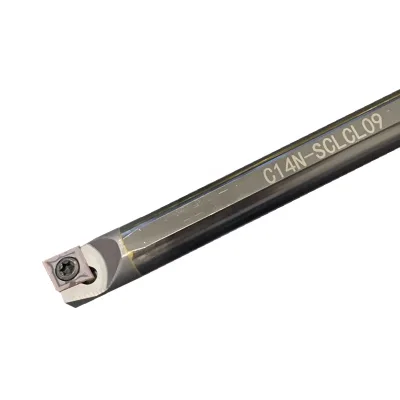
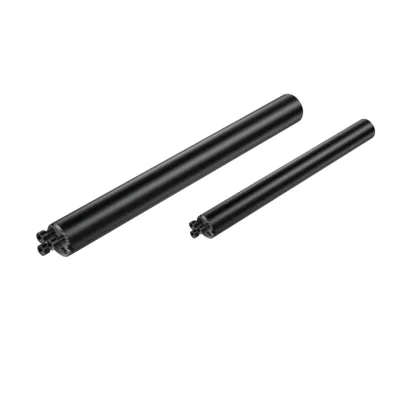


Comprehensive Sourcing Guide
Anti-Shock Carbide Boring Bar Holder Supplier Concentration and Factory Types
The current supplier landscape for anti shock carbide boring bar holders reveals a distinct concentration of manufacturing activity within China, specifically in the Hunan province. This region is frequently cited in product attributes as the primary origin for these specialized tools, with specific references to Zhuzhou, a city known globally for its carbide production capabilities. When evaluating potential partners, buyers should prioritize suppliers whose product attributes explicitly list Hunan or Zhuzhou as the place of origin, as this indicates proximity to the raw material supply chain and established industrial clusters. The presence of these specific location markers in the supplier data suggests a high density of specialized factories in this area, rather than a scattered global distribution of manufacturing capacity for this specific component.
Regarding company structures, the available data indicates a mix of combined entities and trading companies operating within this sector. Some suppliers are identified as manufacturers with their own brands and capabilities for both OEM and ODM services, suggesting they control the production process from raw tungsten carbide to the finished boring bar holder. Others appear as trading companies that may source these items from various factories. Buyers must distinguish between these types by examining the company type field and product attributes. A manufacturer typically offers direct customization and deeper technical support, while a trading company might provide broader product variety but with less control over the manufacturing timeline. Verifying whether a supplier is a direct factory or a middleman is crucial for understanding the depth of their expertise in anti shock technology and their ability to handle complex custom orders.
How to Verify Anti-Shock Carbide Boring Bar Holder Suppliers
Verification of suppliers in this category requires a rigorous check of their certification status and business credentials. The data shows that many suppliers hold ISO9001:2015 system certifications, which is a critical baseline for quality management in precision tool manufacturing. Some product listings also reference SGS standards alongside ISO certification, indicating a third-party validation of their production processes. Buyers should not assume all suppliers possess these credentials; instead, they must request specific certificate documents and verify the validity of the ISO9001:2015 status directly. Additionally, the presence of BV verification on some supplier profiles serves as an external confirmation of their business legitimacy. Relying solely on platform badges is insufficient; cross-referencing these claims with independent verification reports ensures the supplier is not merely claiming compliance but has undergone actual audit procedures.
Beyond certifications, buyers must scrutinize the response time and verification status provided in the supplier profiles. The observed response times vary significantly, with some suppliers showing a response time of approximately 11.93 hours while others respond in under six hours. A faster response time often correlates with a more active sales team and better communication channels, which is vital for resolving technical queries regarding boring bar specifications. Furthermore, the distinction between verified and unverified suppliers is paramount. Buyers should prioritize suppliers marked with BV verification or similar third-party checks to mitigate the risk of fraud. It is also essential to confirm the supplier's ability to provide samples, as the data indicates sample availability is a common attribute. Requesting a physical sample allows the buyer to validate the hardness, material composition, and anti-vibration performance claims before committing to a larger order.
What to Compare Across Anti-Shock Carbide Boring Bar Holder Suppliers
When comparing suppliers, the lead time is a primary differentiator that directly impacts production scheduling and inventory management. The data reveals a range of lead times, with some suppliers offering a 23-day turnaround while others require up to 30 days. This variance can be significant for buyers operating on tight schedules, making it essential to clarify the exact lead time for custom versus standard orders. Buyers should also compare the Minimum Order Quantity (MOQ) requirements, which range from as low as one piece to five pieces depending on the specific product model and customization level. A lower MOQ allows for smaller trial orders, reducing financial risk, whereas a higher MOQ might be necessary for securing the best unit price. Understanding these thresholds helps buyers align their procurement strategy with their immediate volume needs and budget constraints.
Price and customization capabilities form another critical comparison dimension. The observed price ranges for these tools vary widely, with minimum prices starting around 21.90 and maximums reaching up to 138.00, depending on the specific model, diameter, and length specifications. Buyers must analyze whether the price difference correlates with material quality, such as the use of 100% raw tungsten carbide versus recycled materials, or with advanced features like interchangeable screw heads. Additionally, the availability of customization is a key factor; some suppliers explicitly state that customization is available, while others may have limited options. Buyers should compare the extent of these customization services, including the ability to modify thread types, lengths, and diameters to fit specific CNC machine requirements. Evaluating these factors side-by-side ensures the selected supplier offers the best balance of cost, flexibility, and delivery speed for the specific project needs.
Common Anti-Shock Carbide Boring Bar Holder Sourcing Risks
One significant risk in sourcing anti shock carbide boring bar holders is the potential discrepancy between advertised specifications and actual product performance. While product attributes often list hardness values like 89.5 to 92.7 Hra and claim advanced technology, these figures must be validated through independent testing. There is a risk that some suppliers may overstate the wear resistance or anti-vibration capabilities of their tools, leading to premature tool failure in high-end CNC applications. Buyers should be wary of suppliers who cannot provide detailed test reports or who rely solely on generic marketing claims without supporting data. The complexity of the anti-shock mechanism, which often involves specific internal designs to dampen vibrations, means that not all "anti-shock" bars perform equally. Without rigorous quality control, buyers risk receiving tools that do not meet the precision requirements of their machining operations.
Another major risk involves the reliability of the supply chain and the consistency of the manufacturing process. The data indicates that some suppliers are trading companies, which introduces an additional layer of separation between the buyer and the actual factory. This can lead to communication delays, misunderstandings regarding technical specifications, and potential issues with quality consistency if the trading company sources from multiple, unvetted factories. Furthermore, the variation in lead times suggests that production capacity may fluctuate, potentially causing delays if a supplier is overcommitted. Buyers must assess the supplier's capacity to handle their specific order volume without compromising quality or delivery schedules. Relying on a single supplier without a backup plan increases vulnerability to supply chain disruptions. Establishing clear communication channels and verifying the supplier's production capacity through site visits or third-party audits can help mitigate these risks.
Anti-Shock Carbide Boring Bar Holder Regional Sourcing and Logistics
Sourcing from the identified cluster in Hunan, China, offers logistical advantages due to the concentration of carbide production facilities in this region. The proximity of raw material suppliers to manufacturing plants in Zhuzhou often results in shorter internal supply chains and potentially lower costs. However, buyers must account for the international logistics involved in shipping these heavy, precision tools from China to global markets. The lead times observed, ranging from 23 to 30 days, likely include both production time and shipping duration. Buyers should clarify whether the quoted lead time includes freight or if it is strictly the production window. Understanding the shipping terms, such as FOB or CIF, is essential for calculating the total landed cost and managing inventory levels effectively.
Logistics planning also requires attention to the packaging standards specified by the supplier. Product attributes indicate that packing can be standard or customized, with some suppliers using plastic and paper cartons. For precision tools like boring bars, proper packaging is critical to prevent damage during transit, especially given the brittle nature of tungsten carbide. Buyers should verify that the packaging meets international shipping standards and includes adequate protection against shock and vibration. Additionally, the origin of the product, specifically Hunan or Zhuzhou, may influence customs clearance procedures and import duties in the buyer's country. Buyers should research the specific tariff codes for tungsten carbide tools to anticipate any additional costs. Coordinating with logistics partners who have experience handling precision machinery from this region can ensure a smoother delivery process and minimize the risk of damage or delays.
Anti-Shock Carbide Boring Bar Holder Commercial Terms and Order Planning
Commercial terms for anti shock carbide boring bar holders often include specific conditions regarding payment, customization, and warranty. The data shows that customization is widely available, but buyers must confirm the specific terms for custom orders, such as additional costs or extended lead times. Some suppliers may require a deposit before production begins, while others might offer more flexible payment terms for established clients. It is crucial to negotiate clear terms regarding the acceptance criteria for the finished product, including tolerance levels for diameter and length, which are often specified as plus or minus 0.001 to 0.003. Buyers should ensure that these tolerances align with their machining requirements to avoid rejection of the entire batch due to minor deviations.
Order planning should also consider the scalability of the supplier's production capacity and their ability to handle repeat orders. The observed MOQs range from one to five pieces, which allows for flexible initial ordering but may require higher volumes for cost-effective production. Buyers should plan their orders to balance the need for immediate stock with the economic benefits of larger quantities. Additionally, the availability of samples is a key factor in the ordering process; buyers should request samples to validate the product before placing a bulk order. This step helps mitigate the risk of receiving substandard products and ensures that the supplier can meet the specific performance requirements of the buyer's CNC machines. By carefully planning the order volume, payment terms, and quality verification steps, buyers can establish a reliable and efficient procurement process for anti shock carbide boring bar holders.
FAQs
What is the typical lead time for anti shock carbide boring bar holders?
The typical lead time ranges from 23 to 30 days depending on the specific supplier and order volume. Some manufacturers in Hunan, China, offer faster turnaround times for standard items, while custom orders may require additional processing time to ensure quality and precision.
What is the minimum order quantity for these carbide boring bars?
Minimum order quantities vary by supplier, with some accepting orders as low as one piece. Other suppliers may require a minimum of five pieces to process the order. Buyers should verify the specific MOQ with the chosen vendor before placing a purchase request.
Are these boring bars certified with ISO standards?
Many suppliers provide products certified under ISO9001:2015 standards to ensure quality management. Some listings also mention SGS certification alongside ISO compliance. Buyers should confirm the specific certification documents available for the selected product to meet their quality assurance requirements.
What is the price range for anti shock carbide boring bar holders?
Prices typically range from 21.90 to 138.00 per unit depending on specifications and customization. The lowest prices start around 21.90 for standard models, while high-end CNC machine tools can reach up to 138.00. Final pricing depends on the specific dimensions and material requirements.
Where are these tungsten carbide boring bars manufactured?
These products are primarily manufactured in Hunan, China, specifically in Zhuzhou, known as the world carbide production center. Suppliers in this region offer both OEM and ODM services, ensuring access to high-quality raw materials and advanced manufacturing technologies for various industrial applications.
Do suppliers offer customization for these boring bar holders?
Yes, customization is available for most anti shock carbide boring bar holders. Suppliers accept custom orders for dimensions, thread types, and specific performance classifications. Buyers can request tailored solutions to fit unique machining needs while maintaining high standards for wear resistance and precision.
What is the response time for supplier inquiries?
Supplier response times vary, with some vendors replying within approximately 6 hours and others taking around 12 hours. Faster response times are often associated with trading companies, while manufacturers may have slightly longer intervals. Buyers should check individual supplier profiles for current response metrics.