Toner Cartridges Suppliers and Manufacturers in China
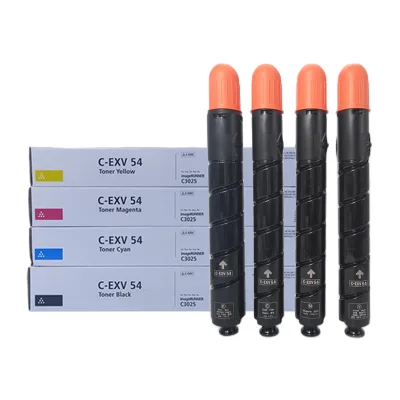
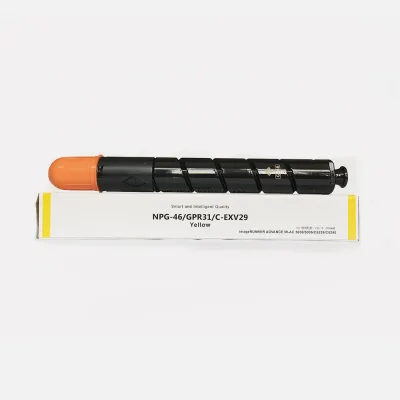
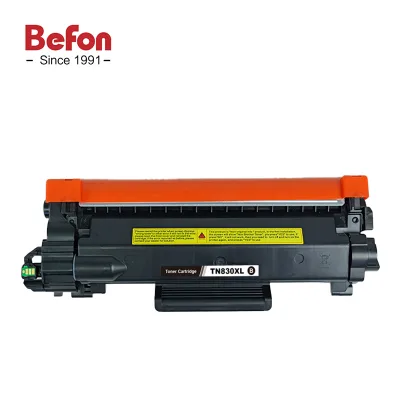
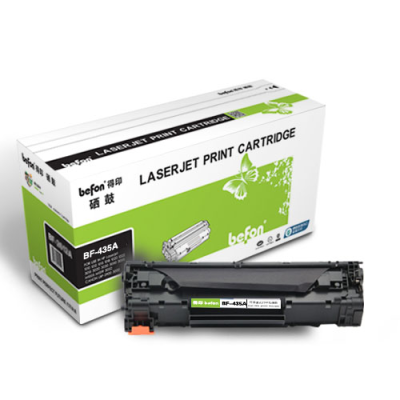
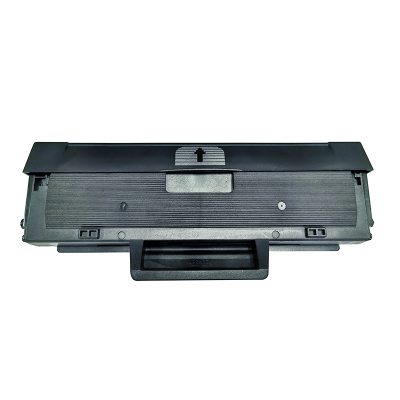
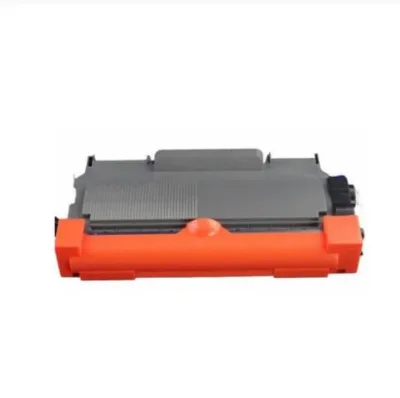
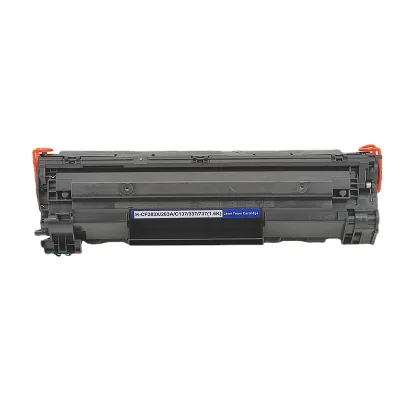
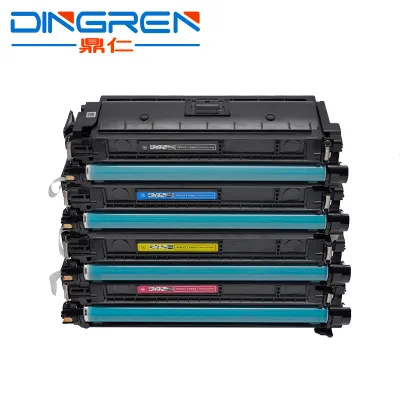
Compare 31 verified Toner Cartridges suppliers and manufacturers by location, response time, lead time, and certifications. Review product specs like model 19A and 76A, then request quotes directly from factories in Guangdong and Jiangsu; review the available evidence before requesting comparable quotations from suitable candidates.
Updated
Suppliers List

- Trading Company,Manufacturer/Factory
- China Guangdong
- Lead time15 days
- Avg. response≤ 13h
Main productsInk Cartridge, Toner Cartridge, Printer Cartridge, Original Toner Cartridge, Compatible Toner Cartridge, Laser Toner Cartridge, Inkjet Cartridge, for HP Toner Cartridge, for Brother Toner Cartridge, for Canon Toner Cartridge
Main marketsSouth America,Eastern Europe,Mid East,North America,Southeast Asia,Eastern Asia,Oceania,Western Europe,Africa

- Manufacturer/Factory
- China Guangdong
- Lead time15 days
- Avg. response≤ 8h
Main productsLaser Toner Cartridge, Inkjet Cartridge, Copier Toner Cartridge, Toner Powder, Toner Chip, Toner, Ink Cartridge
Main marketsSouth America,Eastern Europe,Mid East,North America,Southeast Asia,Western Europe,Africa

- Trading Company
- China Jiangsu
- Lead time15 days
- Avg. response≤ 22h
Main productsToner Canon, Riso Duplicator Ink, Riso Duplicator Stencil Master, Ricoh Duplicator Ink, Toner Cartridges for HP, Toner Cartridges for Kyocera Mita, OPC Drum, Toner, Toner for Konica Minolta, Toner Cartridges
Main marketsSouth America,Africa,Southeast Asia/ Mideast,East Asia(Japan/ South Korea),Domestic,Europe,Australia,North America

Xiamen O-Atronic Computer Material Co., Ltd.
- Combined
- China Fujian
- Lead time15 days
- Avg. response≤ 9h
Main productsInk, Master, Duplicator Ink, Duplicator Master, Master Rolls, Master Paper, Toner, Digital Ink Cartridges, Ink Cartridges, Toner Cartridge
Main marketsSouth America,Africa,Southeast Asia/ Mideast,East Asia(Japan/ South Korea),Domestic,Europe,North America
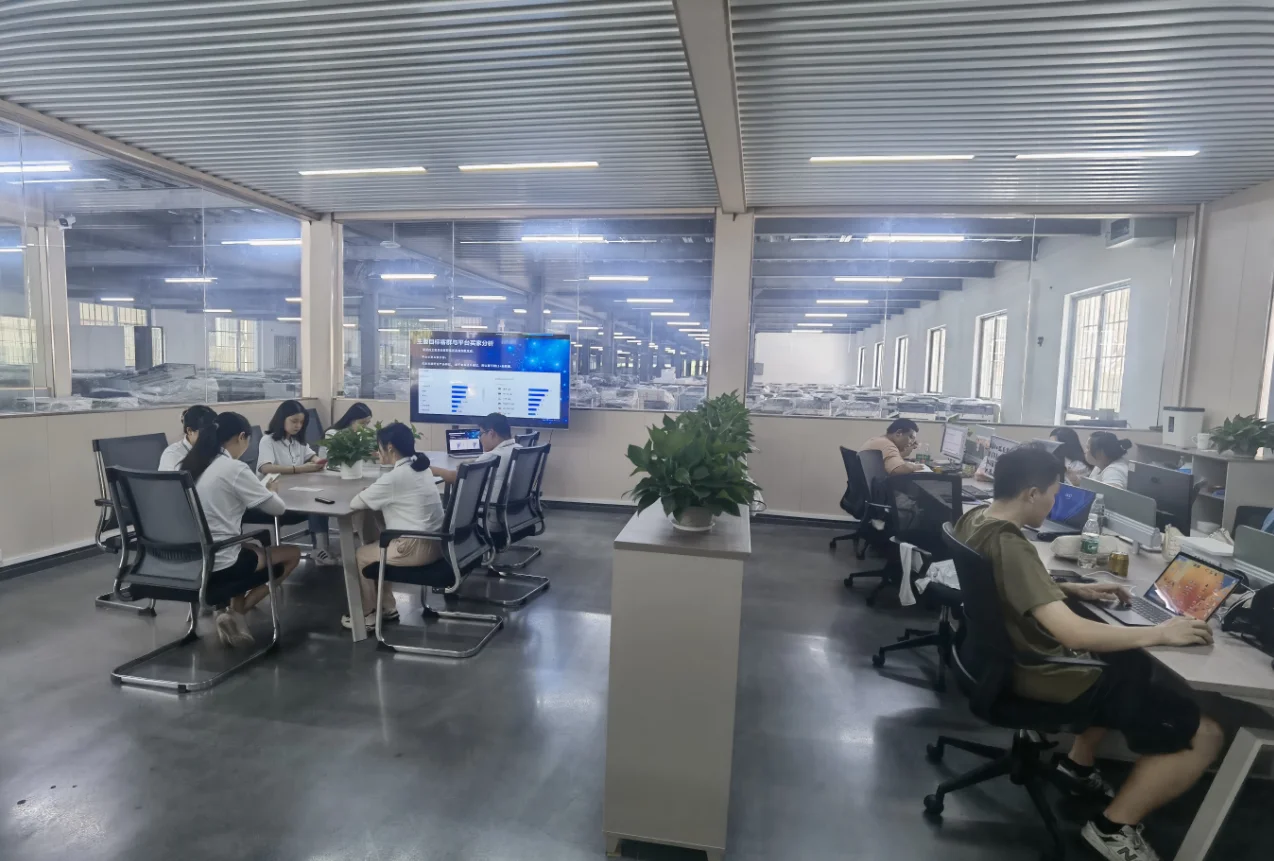
Foshan Shunfeng Office Equipment Co., Ltd.
- Manufacturer, Trading Company
- Guangdong, China
- Lead time0 days
- Avg. response≤ 4h
Main productsPrinter,Copier,Scanner,Electronic Circuit ODM Customization,PCB Design Service
Main marketsAfrica(50.00%), Southeast Asia(20.00%), Mid East(10.00%), Domestic Market(8.00%), North America(5.00%), South America(5.00%), Oceania(2.00%)
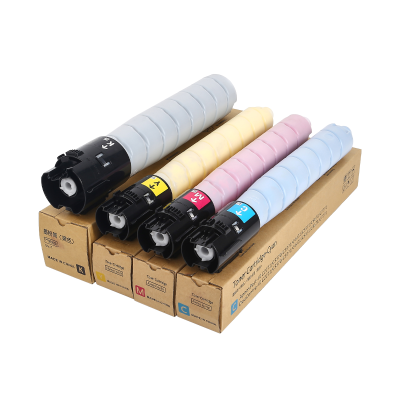
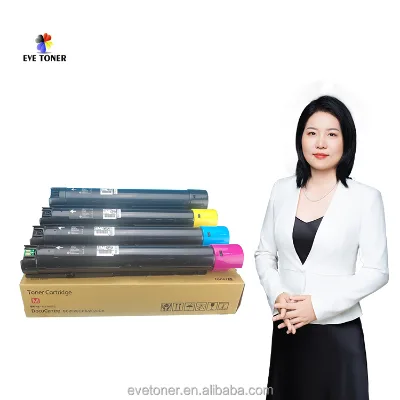
Wholesale Toner Cartridge Printer Toner and Cartridges for Xerox Printer Color Toner
$29.7764 - $35.9369
MOQ: 4 units
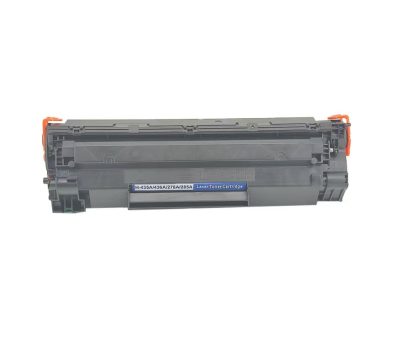
- Verified by TüVRheinland
- Manufacturer, Trading Company
- Lead time5 days
- Avg. response≤ 3h
Main productsToner Cartridge, Drum Units, Developers, Empty Cartridge, Copier Parts
Main marketsSoutheast Asia(25%), Mid East(20%), North America(10%)
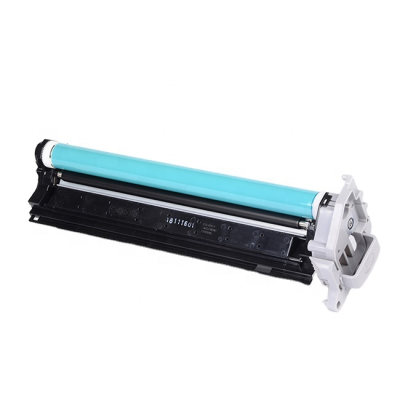
China Premium Toner Manufacturer Compatible Toner Cartridge Printer Toner From China
$3.0952 - $20.6358
MOQ: 1 Minimum
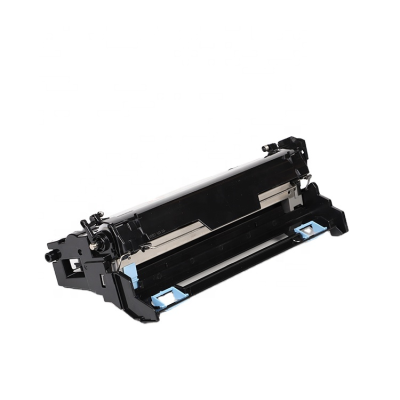
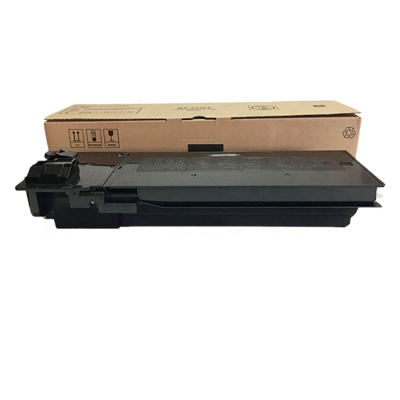
China New Toner Cartridges DK 1150 Toner Cartridge Printer Toner for Kyocera
$10.2685 - $15.4028
MOQ: 1 Minimum
Hohhot Xinze Technology Co., Ltd.
- Trading Company
- Inner Mongolia, China
- Lead time30 days
- Avg. response≤ 24h
Main productsPaper Shredder, Binding machine, Scanner gun
Main marketsDomestic Market(100.00%)
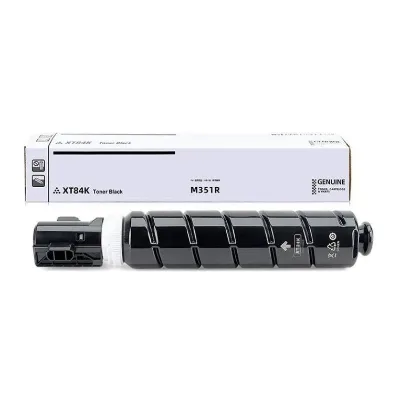
Various Models Copier Color Toner Cartridge Compatible for DELI M201CR Durable Toner Cartridge
$15.80 - $25.80
MOQ: 10 pieces
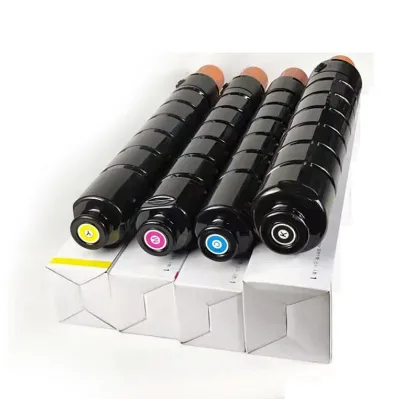
$39.7831 - $41.0383
MOQ: 10 pieces

Cangzhou ASC Toner Production Ltd.
- Verified by TUVRHEINLAND
- Combined
- China Hebei
- Lead time15 days
- Avg. response≤ 9h
Main productsToner, Toner Cartridge, Toner Powder, Toner Powder for Canon, Color Toner, Toner for HP12A, Compatible Toner, Laser Printer Toner, Copier Toner
Main marketsSoutheast Asia/ Mideast,Domestic


Copier Toner Cartridge Factory Wholesale High Quality Factory Sf- CT300 Sf CT300
$10.00 - $15.00
MOQ: 100 Pieces
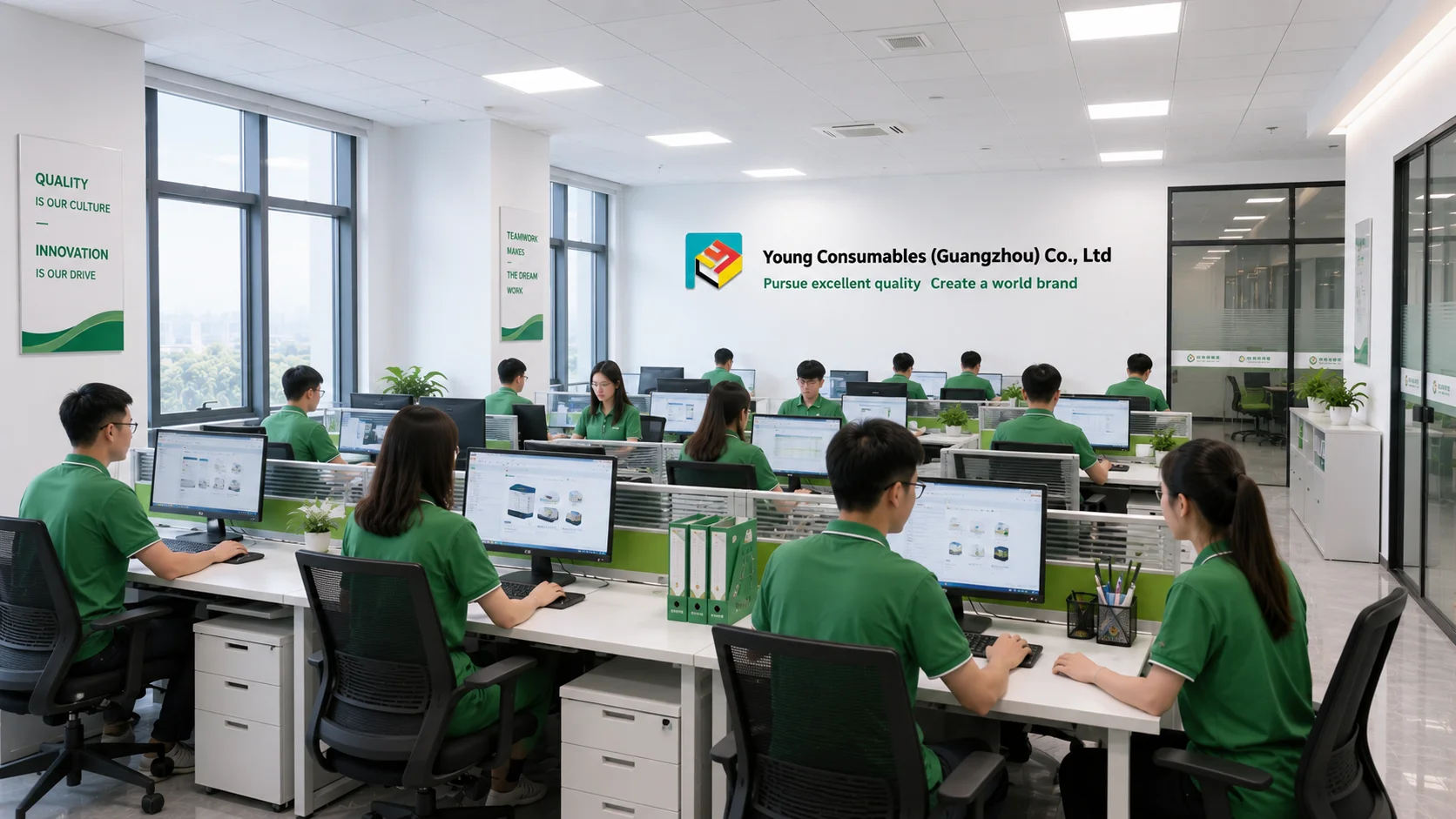
Yangge Consumbles (Guangzhou) Co., Ltd.
- Trading Company
- guangdong, China
- Lead time15 days
- Avg. response≤ 6h
Main productstoner,printing inks,Toner Cartridges,fuser unit,cartridge chips
Main marketsAfrica(90.00%), South Asia(1.00%), Southern Europe(1.00%), Northern Europe(1.00%), Western Europe(1.00%), Mid East(1.00%), Oceania(1.00%), North America(1.00%), Southeast Asia(1.00%), Eastern Europe(1.00%), South America(1.00%)
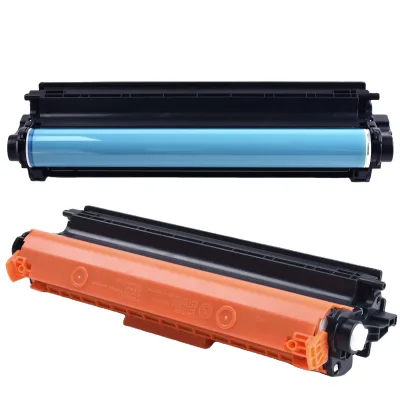
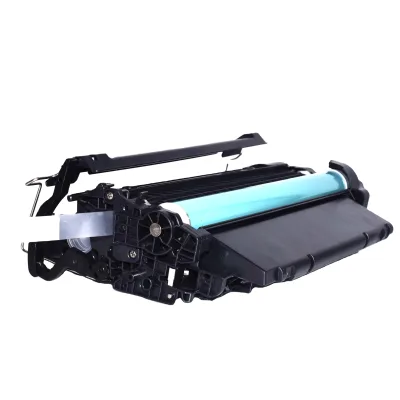
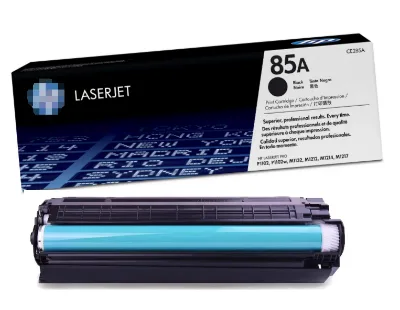
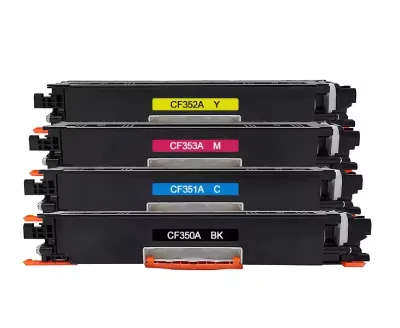
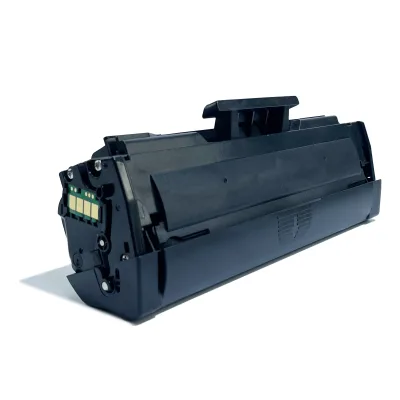
$3.80 - $5.80
MOQ: 2 pieces
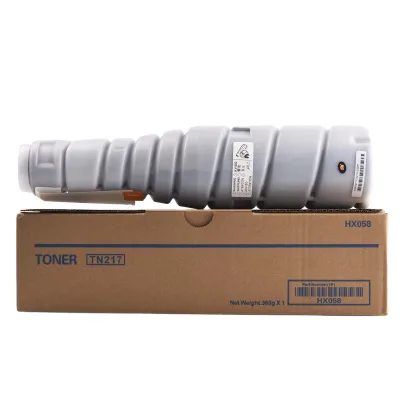
Kompatible Toner Cartridge Konica TN217/TN-217/TN414 Produktionskategorie Tonerkassetten
$6.162 - $12.3226
MOQ: 2 pieces
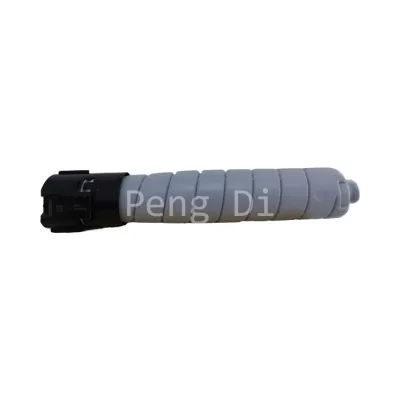
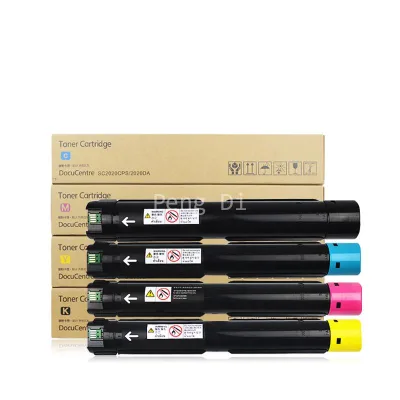
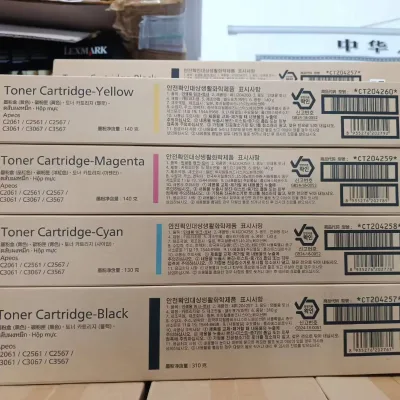
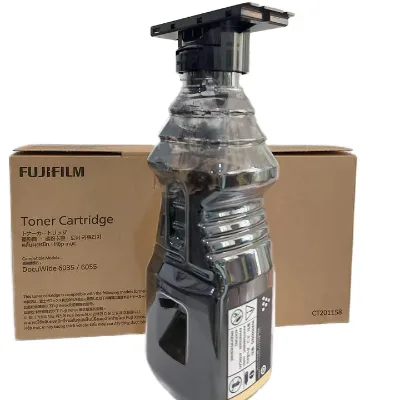
Pengdi Office Equipment Consumables (Guangzhou) Co., Ltd.
- Trading Company, Agent, Other
- Guangdong, China
- Lead time旺季: "1 - 1":15,"> 1":"To be negotiated", 淡季: "1 - 1":15,"> 1":"To be negotiated"
- Avg. response≤ 7h
Main productsToner,Drum unit,Spare parts,Developer,Opc
Main marketsSoutheast Asia(20.00%), Domestic Market(10.00%), Mid East(10.00%), Africa(10.00%), South Asia(5.00%), Southern Europe(5.00%), North America(5.00%), Northern Europe(5.00%), Eastern Europe(5.00%), Central America(5.00%), Western Europe(5.00%), Eastern Asia(5.00%), Oceania(5.00%), South America(5.00%)
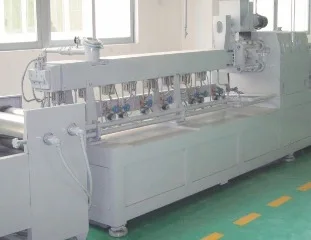
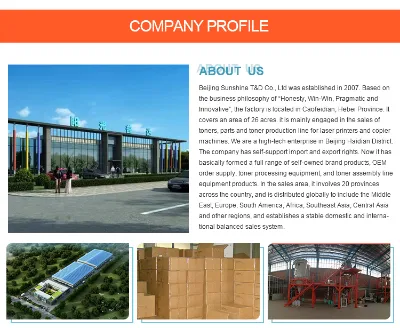
Beijing Sunshine T&d Co., Ltd.
- Manufacturer, Trading Company
- Beijing, China
- Lead time0 days
- Avg. response≤ 3h
Main productsToner Power,Chips,Toner Cartridge,printer parts,copier parts
Main marketsSouthern Europe(9.09%), Northern Europe(9.09%), Central America(9.09%), Western Europe(9.09%), Eastern Asia(9.09%), Mid East(9.09%), Africa(9.09%), Southeast Asia(9.09%), Eastern Europe(9.09%), South America(9.09%), North America(9.09%)
Hunan Kuayin Office Equipment Co., Ltd.
- Manufacturer, Trading Company
- Hunan, China
- Lead time0 days
- Avg. response≤ 2h
Main productsRemanufactured Copiers,Digital Printers,Printing Consumables,Post Press Equipment,Office Equipment
Main marketsSouth America(50.00%), Southeast Asia(20.00%), Africa(20.00%), Eastern Europe(10.00%)
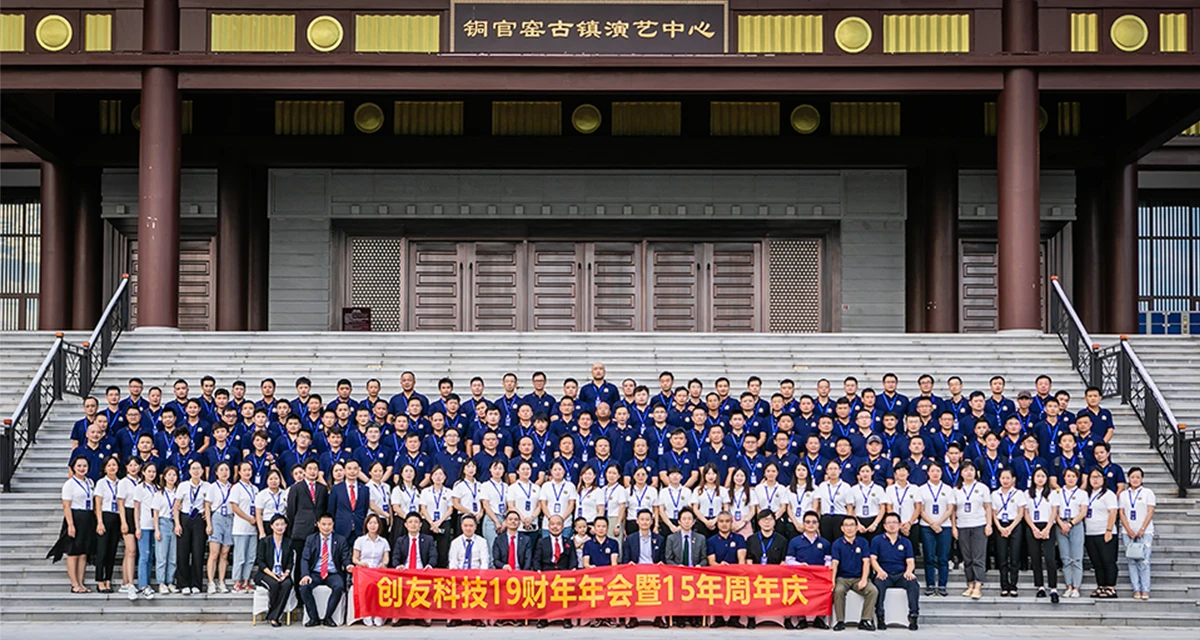
Guangzhou New Phase Printing Technology Co., Ltd.
- Manufacturer, Trading Company
- Guangdong, China
- Lead time4 days
- Avg. response≤ 2h
Main productsBrand New Digital Copier, Remanufactured Digital, Copiers, Toner Cartridge, Spare Parts
Main marketsEastern Europe(20.00%), Mid East(15.00%), Africa(10.00%), South America(5.00%), Western Europe(5.00%), Southern Europe(5.00%), South Asia(3.00%), Southeast Asia(3.00%), Oceania(2.00%), Central America(2.00%), North America(1.00%)
Beijing Befon Office Supplies Co., Ltd.
- Manufacturer, Trading Company
- Beijing, China
- Lead time3 days
- Avg. response≤ 4h
Main productsDuplicator Ink,Duplicator Master,Toner Powder,Toner Cartridges,Ink Cartridges
Main marketsSouth Asia(11.00%), Northern Europe(11.00%), Central America(11.00%), Eastern Asia(11.00%), Mid East(11.00%), Oceania(11.00%), Africa(11.00%), Southeast Asia(11.00%), South America(11.00%)
Guangzhou Fanheng Electronic Technology Co., Ltd.
- Verified by Intertek
- Trading Company
- Lead time3 days
- Avg. response≤ 1h
Main productsDTF Printer, Printer, Printer Part
Main marketsSoutheast Asia(60%), Eastern Europe(15%), Africa(10%)

- Trading Company,Manufacturer/Factory
- China Guangdong
- Lead time15 days
- Avg. response≤ 3h
Main productsToner Cartridge, Ink Cartridge, Refill Ink Bottle, Toner Powder, Chip, Laser Cartridge
Main marketsSouth America,Eastern Europe,Mid East,North America,Southeast Asia,Eastern Asia,Oceania,Western Europe,Africa


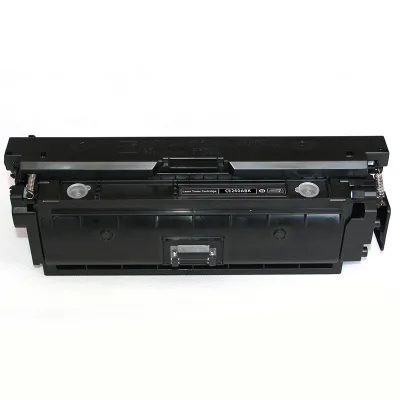
Color Toner Cartridge 504X, 504A Toner for CE250X, CE250A, CE251A, CE252A, CE253A
$10.00 - $20.00
MOQ: 10 Pieces

Guangzhou Gushang Trade Co., Ltd.
- Trading Company
- Guangdong, China
- Lead time10 days
- Avg. response≤ 1h
Main productsOPC drum,toner cartridge,toner powder,drum unit,fuser film sleeve
Main marketsMid East(13.00%), Africa(12.00%), South America(11.00%), South Asia(10.00%), Central America(10.00%), North America(9.00%), Northern Europe(8.00%), Southeast Asia(8.00%), Domestic Market(7.00%), Western Europe(3.00%), Oceania(3.00%), Eastern Asia(2.00%), Eastern Europe(2.00%), Southern Europe(2.00%)
Shenzhen Weprint Office Technology Company Limited
- Verified by TüVRheinland
- Manufacturer, Trading Company
- Lead time15 days
- Avg. response≤ 2h
Main productsPrinter, Printer Cartridge, Printer Parts
Main marketsNorth America(50%), Mid East(10%), South America(5%)
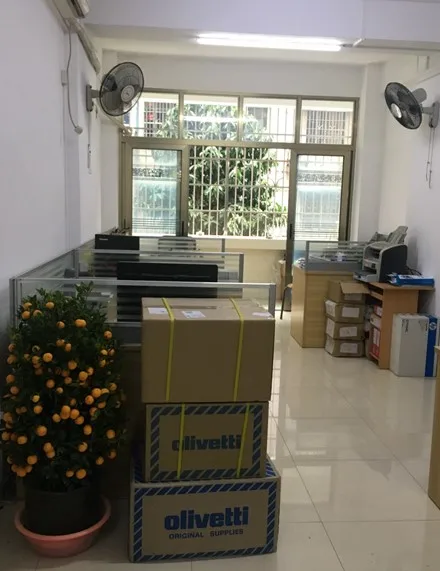
Guangzhou Wenchuang Electronic Technology Co., Ltd.
- Manufacturer, Trading Company
- Guangdong, China
- Lead time0 days
- Avg. response≤ 2h
Main productspassbook printer,dot matrix printer,receipt printer,printer parts,printer ribbon
Main marketsDomestic Market(10.00%), Africa(10.00%), Southeast Asia(10.00%), Southern Europe(10.00%), South America(10.00%), Central America(10.00%), Oceania(5.00%), South Asia(5.00%), Eastern Europe(5.00%), Northern Europe(5.00%), North America(5.00%), Western Europe(5.00%), Eastern Asia(5.00%), Mid East(5.00%)
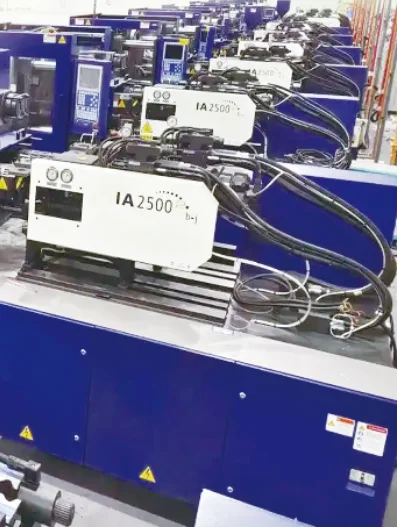
Nanjing Dingren Intelligent Manufacturing Co., Ltd
- Manufacturer, Trading Company
- JIANGSU, China
- Lead time7 days
- Avg. response≤ 9h
Main productsPrinter Parts,Copier Parts,Plastic
Main marketsSouth Asia(25.00%), Southeast Asia(20.00%), Domestic Market(20.00%), North America(11.50%), Mid East(10.00%), Africa(9.00%), Eastern Asia(2.50%), Western Europe(1.00%), Eastern Europe(1.00%)
Guangzhou Comstar Office Equipment Co., Ltd.
- Verified by SGS Group
- Manufacturer, Trading Company
- Lead time7 days
- Avg. response≤ 6h
Main productsCompatible Com Color Ink, Toner Cartridge, Toner Powder, Duplicator Ink, Duplicator Master
Main marketsSoutheast Asia(18%), North America(15%), Mid East(15%)
Dongguan Jinchi Digital Technology Co., Ltd.
- Manufacturer, Trading Company
- Guangdong, China
- Lead time7 days
- Avg. response≤ 4h
Main productstoner cartridges,OPC drum,maintenance kit,fuser rollers,drum unit
Main marketsSoutheast Asia(17.00%), Africa(15.00%), Southern Europe(11.00%), Domestic Market(10.00%), North America(10.00%), Eastern Europe(8.00%), South Asia(7.00%), Northern Europe(5.00%), Western Europe(5.00%), Eastern Asia(5.00%), Mid East(2.00%), Oceania(2.00%), South America(2.00%), Central America(1.00%)
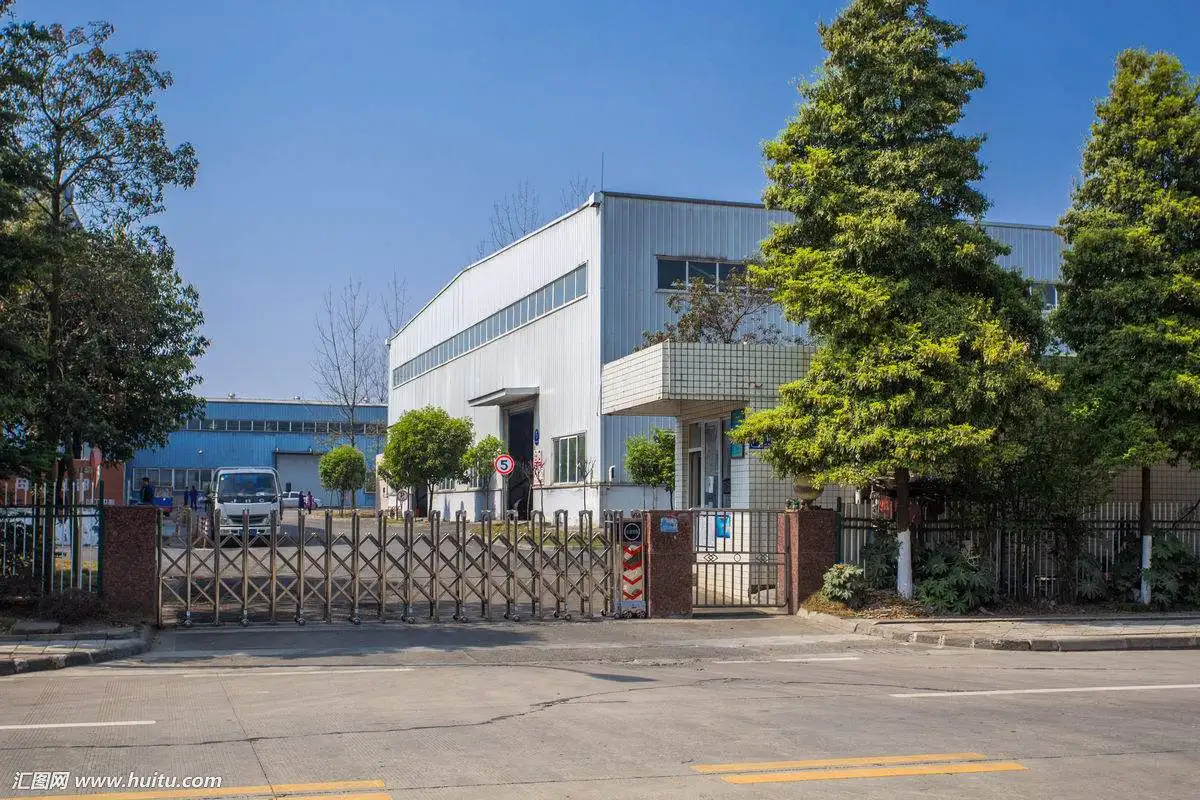
Guangzhou Hengshi Information Technology Co., Ltd.
- Manufacturer, Trading Company
- Guangdong, China
- Lead time0 days
- Avg. response≤ 4h
Main productsprinter,Printer parts,ATM parts,automatic teller machine,Cashcode
Main marketsSoutheast Asia(30.00%), Domestic Market(20.00%), Southern Europe(20.00%), Central America(10.00%), Oceania(10.00%), Africa(10.00%)
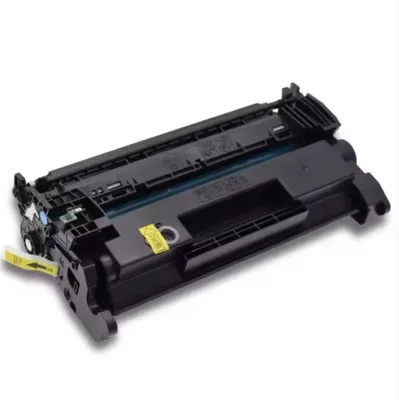
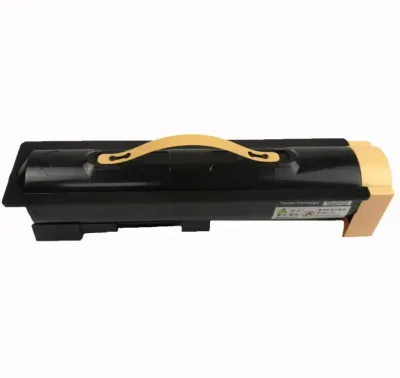
$9.8018 - $12.897
MOQ: 1 Minimum
Guangzhou Gold Toner Office Consumables Co., Ltd.
- Manufacturer, Trading Company
- Lead time旺季: "1 - 100":3,"> 100":"To be negotiated", 淡季: "1 - 100":3,"> 100":"To be negotiated"
- Avg. response≤ 2h
Main productsToner Cartridge, Toner Refill, Drum Unit, Opc Drum, Spare Parts
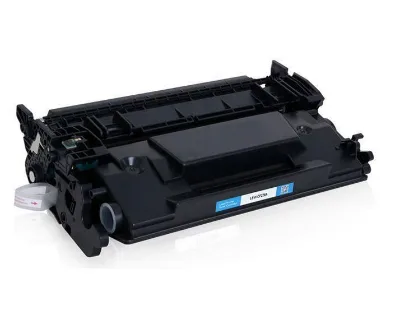
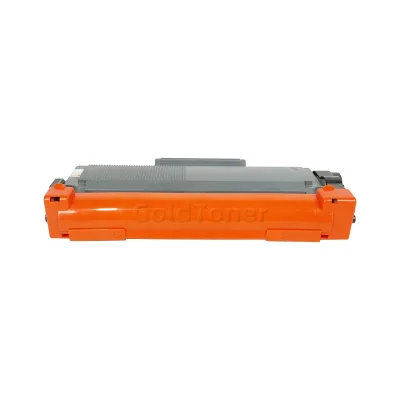
$3.30 - $3.60
MOQ: 10 pieces
Zhuhai Aywande Image Co., Ltd.
- Manufacturer, Trading Company
- Guangdong, China
- Lead time0 days
- Avg. response≤ 3h
Main productsOPC Drum,Toner Chip,Toner Cartridge,Copier Drum Unit,Developer Unit
Main marketsWestern Europe(15.00%), Central America(10.00%), North America(10.00%), Southeast Asia(10.00%), Eastern Europe(10.00%), Mid East(10.00%), South Asia(5.00%), Southern Europe(5.00%), Northern Europe(5.00%), Oceania(5.00%), Africa(5.00%), Eastern Asia(5.00%), South America(5.00%)
Guangzhou Chengyi Office Equipment Co., Ltd.
- Verified by Intertek
- Trading Company
- Lead time15 days
- Avg. response≤ 2h
Main productsPrinter, Copier, Scanner, Toner Cartridge, Copier Parts
Main marketsSoutheast Asia(35%), Africa(22%), Domestic Market(17%)
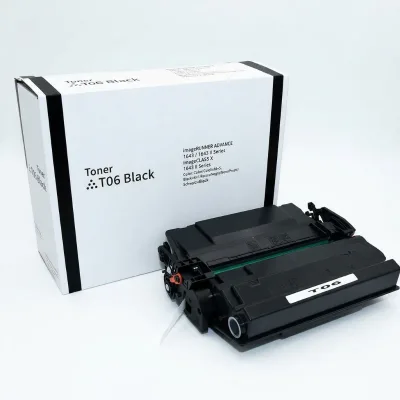
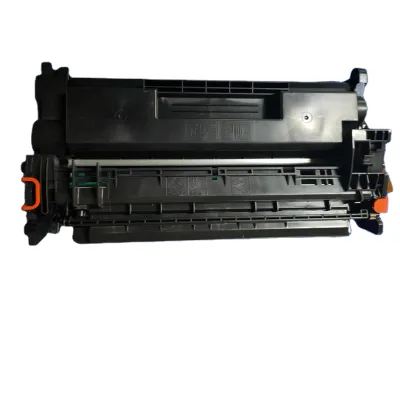
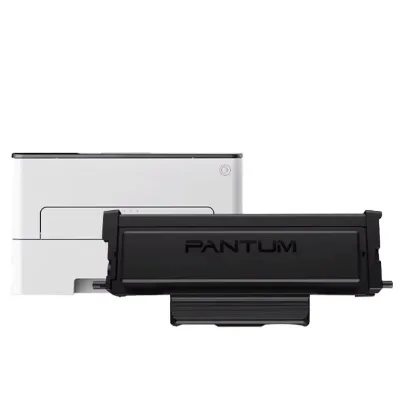
$20.6493 - $25.812
MOQ: 2 pieces

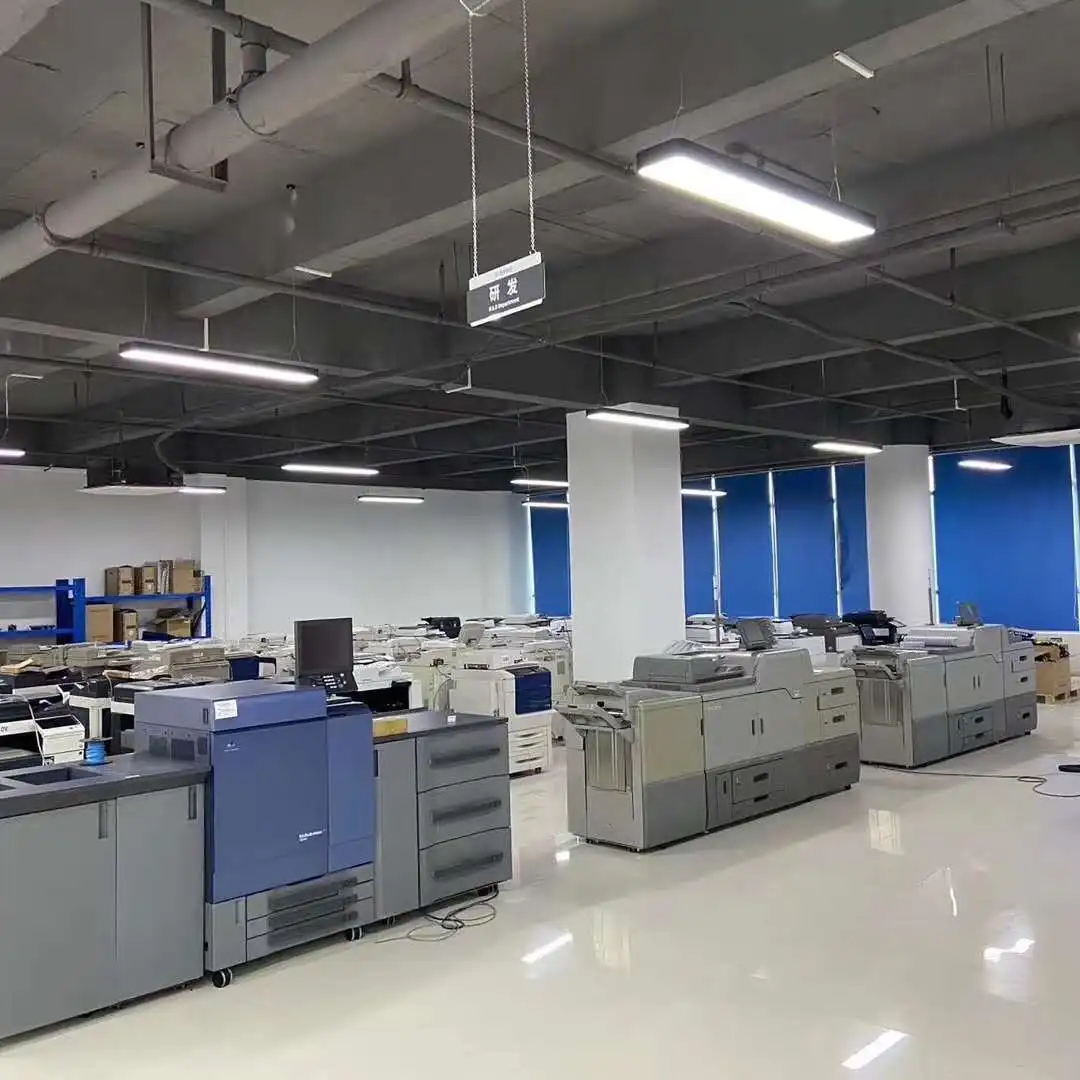
Shenzhen Miteyou Technology Co., Ltd.
- Manufacturer, Trading Company, Distributor/Wholesaler
- Guangdong, China
- Lead time10 days
- Avg. response≤ 9h
Main productsFuser Unit,OPC Drum,Fuser Roller,Fuser Film,Drum Blade
Main marketsEastern Europe(10.00%), Northern Europe(10.00%), Central America(10.00%), South America(10.00%), North America(10.00%), Mid East(10.00%), Oceania(5.00%), Africa(5.00%), Southeast Asia(5.00%), Domestic Market(5.00%), South Asia(5.00%), Southern Europe(5.00%), Western Europe(5.00%), Eastern Asia(5.00%)
Zhuhai Eve Technology Co., Ltd.
- Trading Company, Distributor/Wholesaler
- Guangdong, China
- Lead time7 days
- Avg. response≤ 3h
Main productstoner cartridge,toner powder,drum unit,developer unit,fuser unit
Main marketsSouth Asia(10.00%), Mid East(10.00%), Africa(10.00%), Southeast Asia(10.00%), Eastern Europe(10.00%), South America(10.00%), North America(10.00%), Southern Europe(5.00%), Northern Europe(5.00%), Central America(5.00%), Western Europe(5.00%), Eastern Asia(5.00%), Domestic Market(3.00%), Oceania(2.00%)
Guangzhou Xinyi Office Equipment Co., Ltd.
- Manufacturer, Trading Company
- Guangdong, China
- Lead time10 days
- Avg. response≤ 7h
Main productsPhotocopier,Printer,Consumables,Accessories,Spare Part
Main marketsSoutheast Asia(80.00%), South Asia(10.00%), Africa(3.00%), South America(2.00%), Mid East(2.00%), Central America(1.00%), Eastern Europe(1.00%), North America(1.00%)
Guangzhou City Hongxun Trading Co., Ltd.
- Verified by SGS Group
- Trading Company
- Lead time3 days
- Avg. response≤ 5h
Main productsOPC Drum, Fuser Roller, Drum Cleaning Blade, Toner Cartridge, Drum Unit
Main marketsAfrica(40%), South America(10%), South Asia(10%)
Zhuhai Ibest Printing Technology Co., Ltd.
- Verified by SGS Group
- Trading Company
- Lead time2 days
- Avg. response≤ 3h
Main productsToner Cartridge, Drum Unit, Toner, Ink Cartridge, Fuser Unit
Main marketsMid East(15%), Western Europe(15%), South America(10%)



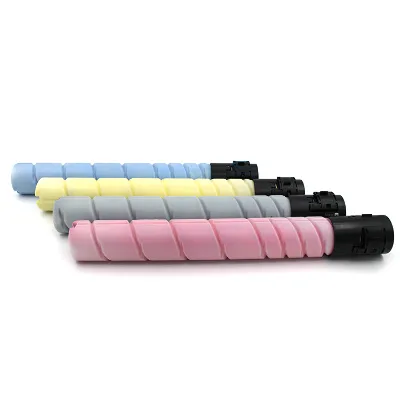
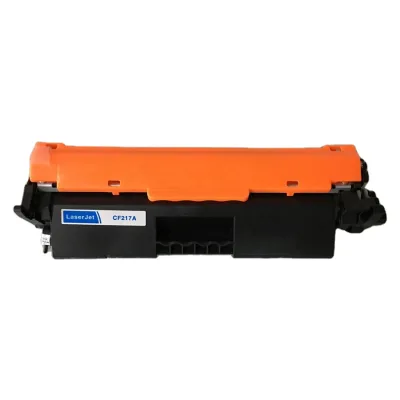
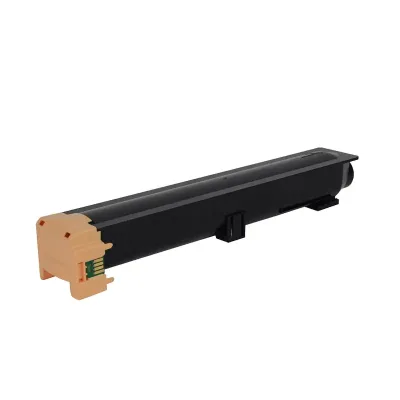
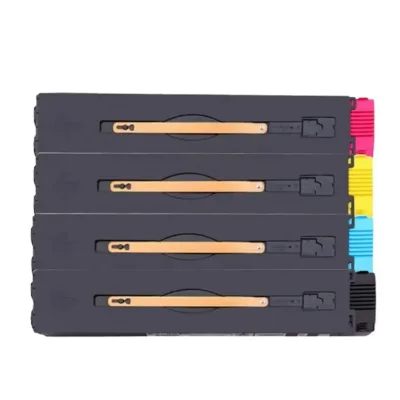
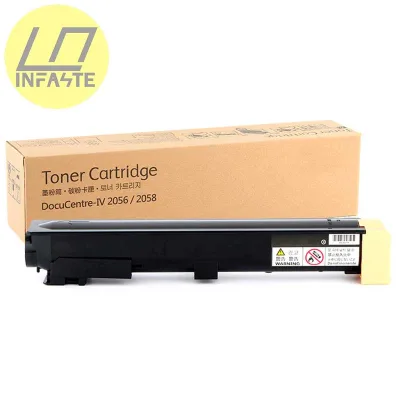
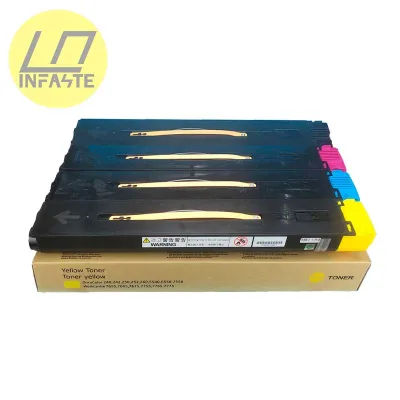
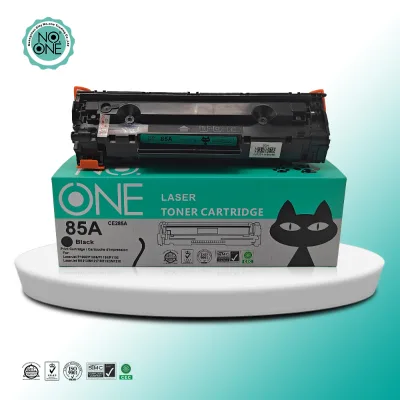
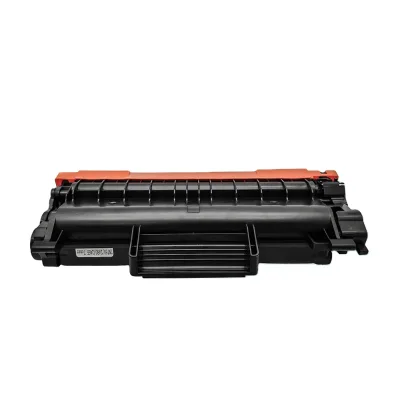
Comprehensive Sourcing Guide
Toner Cartridges Supplier Concentration and Factory Types
The current supplier landscape for Toner Cartridges reveals a distinct concentration of manufacturing and trading entities within specific industrial regions in China. Data indicates that a significant portion of these suppliers are located in Guangdong, with additional presence noted in Jiangsu and Zhongshan. This geographic clustering suggests established supply chains for printer consumables, where proximity to electronic component suppliers and logistics hubs facilitates efficient production and distribution. Buyers evaluating this market should recognize that these regions often host both pure trading companies and integrated manufacturing factories. The distinction is critical because trading companies may offer broader catalogs of compatible models from various factories, while manufacturers might provide deeper customization capabilities and stricter quality control over the OPC drum and toner powder composition. Understanding this regional distribution helps buyers assess the logistical feasibility of sourcing and the potential for factory audits.
Supplier types vary significantly in their operational focus and capacity. Many entities identify as both trading companies and manufacturers, offering a hybrid model that combines direct production with extensive market reach. Some suppliers specialize in OEM and ODM services, allowing buyers to create private label products with specific branding and packaging requirements. Others focus on high-volume production of standard compatible models for major printer brands like HP, Brother, and Canon. The presence of companies with their own brands, such as Mybao, indicates a segment of suppliers that also compete in the retail market, which can be a double-edged sword for B2B buyers seeking exclusive partnerships. It is essential to verify whether a supplier’s primary revenue comes from custom manufacturing or general trading, as this impacts their flexibility, pricing structure, and commitment to long-term buyer relationships.
How to Verify Toner Cartridges Suppliers
Verifying the legitimacy and capability of toner cartridge suppliers requires a multi-layered approach that goes beyond surface-level profile information. Buyers should prioritize suppliers that display recognized system certifications, such as ISO 9001, ISO 14001, ISO 9000, and ISO 14000. These certifications indicate adherence to international standards for quality management and environmental protection, which are crucial for consistent product quality and sustainable manufacturing practices. However, certification alone is not sufficient; buyers must request recent audit reports to ensure the certifications are current and valid. Additionally, checking the supplier’s response time can serve as an indicator of their operational efficiency and customer service dedication. Suppliers with faster response times, such as those averaging under ten hours, often demonstrate better communication protocols and readiness to handle urgent orders or complex inquiries.
Beyond certifications and response metrics, buyers should scrutinize the supplier’s product evidence and attribute details. Look for specific product attributes that align with your quality requirements, such as Grade A quality standards, specific warranty periods like one or two years, and clear replacement policies such as 1:1 replacement for defective units. The presence of detailed product keywords and specifications, including model numbers like 19A, 76A, and CE285A, suggests a mature product catalog and technical expertise. Buyers should also verify the supplier’s ability to provide original or neutral packing, as this affects branding and resale potential. If a supplier claims to be a manufacturer, request evidence of their production facilities, such as video tours or third-party inspection reports. This verification process helps mitigate the risk of dealing with middlemen who may not have direct control over production quality or lead times.
What to Compare Across Toner Cartridges Suppliers
When comparing suppliers, buyers must evaluate a range of commercial and operational dimensions to find the best fit for their specific needs. Key comparison points include lead times, minimum order quantities (MOQ), and pricing structures. Lead times can vary significantly, with some suppliers offering delivery within three to five workdays, while others may require up to fifteen days. Understanding these timelines is crucial for inventory management and meeting customer demand. MOQs also differ, ranging from as low as one piece for sample orders to hundreds of units for bulk purchases. Buyers should assess whether the supplier’s MOQ aligns with their initial order volume and scaling plans. Pricing should be compared not just on a per-unit basis but also considering the total cost of ownership, including shipping, taxes, and potential return costs.
Another critical aspect of comparison is the supplier’s customization capabilities and product range. Some suppliers offer extensive customization options, allowing for tailored packaging, branding, and even slight product modifications. This is particularly important for buyers looking to establish a unique brand identity in the market. Additionally, the breadth of the product catalog, including compatibility with various printer brands like HP, Brother, Canon, and Samsung, indicates the supplier’s versatility and technical depth. Buyers should also compare the supplier’s warranty and after-sales support terms. A robust warranty, such as twenty-four months, and a clear replacement policy can provide significant peace of mind. Finally, consider the supplier’s response speed and communication style, as these factors influence the smoothness of the procurement process and the ability to resolve issues quickly.
Common Toner Cartridges Sourcing Risks
Sourcing Toner Cartridges involves several inherent risks that buyers must actively manage to ensure a successful procurement experience. One of the primary risks is quality inconsistency, particularly when dealing with compatible or remanufactured cartridges. Variations in toner powder quality, OPC drum durability, and chip compatibility can lead to poor print quality, printer damage, or premature cartridge failure. Buyers should be cautious of suppliers offering prices that seem too good to be true, as this may indicate the use of inferior materials or substandard manufacturing processes. It is essential to request samples and conduct thorough testing before committing to large orders. Additionally, verify the supplier’s quality control measures, such as Grade A standards and rigorous testing protocols, to minimize the risk of receiving defective products.
Another significant risk is supply chain disruption and lead time delays. Geopolitical tensions, raw material shortages, or logistical bottlenecks can impact production and shipping schedules. Buyers should assess the supplier’s ability to handle such disruptions and their contingency plans for maintaining supply continuity. Communication gaps can also lead to misunderstandings regarding product specifications, packaging requirements, or shipping instructions. To mitigate this risk, establish clear and detailed communication channels with the supplier, and confirm all order details in writing. Furthermore, be aware of the risk of intellectual property infringement, especially when sourcing compatible cartridges. Ensure that the supplier respects intellectual property rights and does not engage in counterfeit activities, as this can lead to legal issues and reputational damage. Regular audits and compliance checks can help manage these risks effectively.
Toner Cartridges Regional Sourcing and Logistics
The regional concentration of toner cartridge suppliers in China, particularly in Guangdong, Jiangsu, and Zhongshan, offers distinct logistical advantages and challenges for international buyers. Guangdong, being a major manufacturing hub, provides access to a dense network of suppliers and efficient logistics infrastructure. This region’s proximity to major ports facilitates faster and more cost-effective shipping options, including air cargo, sea freight, and express delivery. Buyers sourcing from this region can benefit from shorter transit times and a wider selection of shipping carriers. However, the high density of suppliers also means increased competition, which can lead to price wars and potential quality compromises. Buyers must carefully evaluate suppliers to ensure they are selecting partners based on value and reliability rather than just price.
Logistics planning should also consider the specific shipping methods offered by suppliers. Many suppliers provide flexible shipping options, including air freight, sea freight, and express services, allowing buyers to choose the most suitable method based on urgency and budget. Air freight and express services are ideal for urgent orders or samples, offering delivery within a few days, while sea freight is more cost-effective for bulk shipments, albeit with longer transit times. Buyers should also be aware of potential customs clearance delays and import duties in their home country. Working with suppliers who have experience in international shipping and can provide necessary documentation, such as commercial invoices and packing lists, can streamline the customs process. Additionally, consider the supplier’s location relative to major logistics hubs, as this can impact shipping costs and delivery times.
Toner Cartridges Commercial Terms and Order Planning
Effective order planning for Toner Cartridges requires a thorough understanding of commercial terms and the ability to negotiate favorable conditions. Buyers should pay close attention to payment terms, such as the availability of escrow services, which provide an additional layer of security for transactions. Escrow ensures that funds are only released to the supplier upon confirmation of order fulfillment, reducing the risk of fraud or non-delivery. Additionally, buyers should clarify the supplier’s return and refund policies, especially in cases of defective products or order discrepancies. A clear and fair return policy can save significant time and money in resolving issues. It is also important to understand the supplier’s pricing structure, including any volume discounts or price adjustments for long-term contracts, to optimize cost efficiency.
Order planning should also account for the supplier’s production capacity and lead times. Suppliers with OEM and ODM capabilities may have longer lead times due to the customization process, while those offering standard compatible cartridges may have faster turnaround times. Buyers should align their order schedules with the supplier’s production cycles to avoid delays. Furthermore, consider the supplier’s ability to handle large orders and scale production as needed. Suppliers with robust manufacturing facilities and experienced teams are better equipped to handle volume fluctuations. Finally, establish a clear communication protocol for order updates and tracking. Regular communication with the supplier can help monitor production progress, address any issues promptly, and ensure timely delivery. This proactive approach to order planning and commercial terms management is essential for building a reliable and efficient supply chain.
FAQs
What is the typical lead time for toner cartridge orders?
Most suppliers offer a standard lead time of 15 days for production and shipping. Some listings indicate faster delivery windows of 3 to 5 workdays for specific models. Buyers should confirm exact timelines with the supplier before placing orders to ensure timely receipt of goods.
What certifications do toner cartridge manufacturers hold?
Manufacturers typically hold ISO 9001 and ISO 14001 certifications for quality and environmental management. Some suppliers also display ISO 9000 and ISO 14000 system certifications. These credentials indicate adherence to international standards for production processes and product quality assurance in the supply chain.
What is the minimum order quantity for Toner Cartridges?
Minimum order quantities vary significantly by supplier and product type. Some listings accept orders as low as one piece, while others require a minimum of 20 units. Certain bulk suppliers may set the MOQ at 200 pieces. Buyers must check specific product pages for exact requirements.
What is the price range for compatible Toner Cartridges?
Prices for compatible Toner Cartridges generally range from $2.00 to $62.00 per unit. Specific models like the 85A cartridge start around $6.90, while premium original cartridges can reach $38.00. Costs depend on the printer brand compatibility, cartridge model, and whether the item is new or remanufactured.
Where are toner cartridge suppliers primarily located?
Suppliers are primarily located in China, with significant concentrations in Guangdong and Jiangsu provinces. Specific manufacturing hubs include Shenzhen and Zhongshan. These regions are known for their robust electronics and printing consumable manufacturing ecosystems, offering diverse sourcing options for global buyers seeking competitive pricing and variety.
What warranty periods are offered for Toner Cartridges?
Warranty periods typically range from one year to 24 months depending on the supplier. Some manufacturers provide a one-year warranty for standard compatible cartridges. Others offer extended 24-month warranties for specific compatible printer toner lines. Buyers should verify the warranty terms directly with the supplier before purchasing.
What is the average response time for supplier inquiries?
Supplier response times vary, with some companies responding within 7 hours and others taking up to 22 hours. The average response time observed is approximately 12 hours. Faster response times often indicate more active sales teams. Buyers should expect replies within a day for most inquiries submitted through the platform.