Toddler Toy Suppliers and Manufacturers in China
Compare 19 verified suppliers offering toddler toys with varying lead times, certifications, and locations. Review response times, MOQs, and product attributes to select the right partner for your needs; review the available evidence before requesting comparable quotations from suitable candidates.
Suppliers List
- Verified by CTI
- Trading Company
- China Anhui
- Lead time23 days
- Avg. response≤ 1h
Main productsFurniture, Home Furniture
Main marketsSoutheast Asia/ Mideast

Dongguan Mayachi Gifts & Toys Co., Ltd.
- Verified by BV
- Combined
- China Guangdong
- Lead time45 days
- Avg. response≤ 4h
Main productsPlush Animals, Pillows/Cushions, Plush Dolls, Baby Toys, Shopping Bags, Plush School Bags, Pencil Bags/Holders, Phone Cases/Holders, Finger/Hand Puppets, Christmas Hat and Stockings
Main marketsDomestic,Europe,Australia,North America

Ningbo Tonglu Children Products Co., Ltd.
- Manufacturer
- China Zhejiang
- Lead time30 days
- Avg. response≤ 6h
Main productsKids Tricycle, Kids Furniture, Kids Table, Kids Chair, Kids Balance Bike, Kids Scooter, Kids Bookshelf, Kids Storage Cabinet, Kids Educational Toys, Kids Sofe
Main marketsSouth America,Europe,North America

PIN INTERNATIONAL (NINGBO) LTD.
- Verified by TUVRHEINLAND
- Manufacturer/Factory
- China Zhejiang
- Lead time90 days
- Avg. response≤ 4h
Main productsWooden Toys Kids Toys Educational Toys, Arts and Crafts, Stem Toys, DIY Products, Subscription Box for Kids
Main marketsSouth America,Eastern Europe,North America,Eastern Asia,Western Europe

Wooden Toys Wooden Vehicle Toys Preschool Animal Cars Toddler Toy for Kids
$1.27 - $1.94
MOQ: 500 Pieces


Beginner-Friendly Training Outdoor Toys Safe Design for Toddler Balance and Coordination
$12.00 - $24.00
MOQ: 500 Pieces


Ningbo Shone Med-Tech Co., Ltd.
- Verified by SGS
- Trading Company,Manufacturer/Factory,Group Corporation
- China Zhejiang
- Lead time23 days
- Avg. response≤ 4h
Main productsWooden Games, Wooden Toys, Bingo Games, Wooden Sport Items, Wooden Box
Main marketsSouth America,Eastern Europe,Mid East,North America,Southeast Asia,Eastern Asia,Oceania,Western Europe,Africa

Shantou Chenghai Xaqi Toys Industrial Co., Limited
- Verified by BV
- Combined
- China Guangdong
- Lead time23 days
- Avg. response≤ 4h
Main productsRemote Control Car, Educational Toy, Sport Toy, Pretend Play Toys, Remote Contro Toy, Baby Toy, Summer Toy, B/O Toy
Main marketsSoutheast Asia/ Mideast,Domestic,Europe

Wenzhou Haoxiang Amusement Toys Co., Ltd.
- Verified by SGS
- Combined
- China Zhejiang
- Lead time15 days
- Avg. response≤ 13h
Main productsWooden Playground, Wooden Outdoor Playground, Plastic Outdoor Playground, Plastic Playground, Kindergarten Furniture, Wooden Furniture, Wooden Adventure Playground, Kindergarten Role Play Toys, Wooden Toys, Swing and Slide
Main marketsSouth America,Southeast Asia/ Mideast,East Asia(Japan/ South Korea),Domestic,Europe
Shantou Rong Yuan Toys Co., Limited
- Manufacturer
- Guangdong, China
- Lead time20 days
- Avg. response≤ 4h
Main productsBaby Activity Gym,Baby Educational Toys,Baby Music Toy,Baby Walker,Other Baby Toys
Main marketsNorth America(56.00%), Domestic Market(28.00%), South America(4.00%), Northern Europe(4.00%), Western Europe(4.00%), Eastern Europe(4.00%)

Quanzhou Funky Baby Product Co., Ltd
- Verified by SGS
- Trading Company,Manufacturer/Factory
- China Fujian
- Lead time30 days
- Avg. response≤ 1h
Main productsDoll House, Miniature Furniture, Portable Suitcase Set, Doll, Mini Iron Furniture, Mini Wooden Furniture, Mini Rattan Furniture, Mini 3D Resin Furniture, Mini Fabric Furniture, 1: 12 Miniature Furniture
Main marketsSouth America,Eastern Europe,Mid East,North America,Southeast Asia,Eastern Asia,Oceania,Western Europe,Africa

Toddler-Friendly Miniature Eco-Conscious Montessori Toys for Storytelling Play
$85.00 - $98.00
MOQ: 10 Sets

Sensory Diverse Toddler-Friendly Sustainable Toy House for Kids Gift-Giving
$85.00 - $98.00
MOQ: 10 Sets

Factory Supply Heirloom-Quality Modular Perfect Children Toy for Toddlers
$85.00 - $98.00
MOQ: 10 Sets

Toddler-Friendly Hot Sale Rattan Montessori Toys with En71 for Storytelling Play
$85.00 - $98.00
MOQ: 10 Sets

Dongguan AST Industry Co., Ltd.
- Verified by TUVRHEINLAND
- Manufacturer/Factory
- China Guangdong
- Lead time23 days
- Avg. response≤ 14h
Main productsSound Module, Voice Recorder, Video Brochure, Sound Chip, LED Flashing Module for POS, Musical Greeting Cards, Video Module, Musical Bottle Opener, Musical Postcards, DC Motor for Pop Dispay
Main marketsSouth America,Eastern Europe,Mid East,North America,Southeast Asia,Eastern Asia,Oceania,Western Europe,Africa

Zhejiang Beima Education & Technology Co., Ltd.
- Trading Company
- China Zhejiang
- Lead time30 days
- Avg. response≤ 25h
Main productsToy, Building Toy, Education Toy, Building Block, DIY Toy, Puzzle Game, Children Toy, Preschool Toy, Plastic Toy, Plastic Building Toy
Main marketsEast Asia(Japan/ South Korea),Domestic,Europe,North America

Dongguan Jiehao Technology Co., Ltd.
- Verified by CTI
- Manufacturer/Factory
- China Guangdong
- Lead time90 days
- Avg. response≤ 3h
Main productsPlastic Toys, Vinyl Toys, Silicon Toys, Educational Toys, Intelligent Toy, Toys, Plastic Doll, Soft PVC Toys, 2D Soft PVC Keychain Toys, Blowing Toys
Main marketsSouth America,Eastern Europe,Mid East,North America,Southeast Asia,Eastern Asia,Oceania,Western Europe,Africa
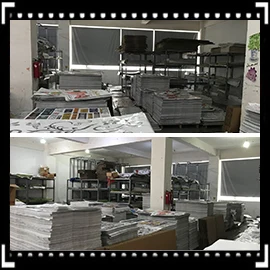
Wenzhou High And Long Co., Ltd.
- Trading Company
- Zejiang, China
- Lead time30 days
- Avg. response≤ 3h
Main productsKids Toys,Wall Clock,Gifts,Sticker
Main marketsWestern Europe(40.00%), Eastern Asia(40.00%), Mid East(10.00%), North America(10.00%)
Yiwu Hengtai Technology Co., Ltd
- Verified by SGS
- Trading Company
- China Zhejiang
- Lead time15 days
- Avg. response≤ 25h
Main productsbicycle accessory
Main marketsDomestic

Difanmax Tech Lianyungang Co., Ltd.
- Verified by BV
- Manufacturer/Factory
- China Jiangsu
- Lead time23 days
- Avg. response≤ 4h
Main productsConsumer Electronics, Kinesiology Tape Adhesive Tapes, Industrial Tools, Home & Garden, Gifts & Crafts, Sport Products Entertainment, Health & Medical, Auto Parts E-Bike Auto Tools & Components, Clothes Apparel, Bicycle Hardware Laboratory Measuring Protective
Main marketsSouth America,North America,Southeast Asia,Oceania,Western Europe


MOQ: 500 Pieces

Yangzhou Lucky Bear Craft & Gifts Co., Ltd.
- Verified by TUVRHEINLAND
- Trading Company
- China Jiangsu
- Lead time30 days
- Avg. response≤ 3h
Main productsTeddy Bear, Plush Toy, Stuffed Animal, Toy Shoes, Baby Toy, Rocking Horse, Unstuffed Animal Skin, Indoor Slippers, Snow Boots, Promotional Toys
Main marketsEurope,North America

Dongguan Riteng Industrial Co., Ltd.
- Trading Company,Manufacturer/Factory
- China Guangdong
- Lead time15 days
- Avg. response≤ 25h
Main productsPlastic Extrusion Profiles, Plastic Injection Profiles, Aluminum Extrusion Profiles, Nft Hydroponic System, Low-Smoke Halogen-Free Trunking
Main marketsSouth America,Eastern Europe,Mid East,North America,Southeast Asia,Eastern Asia,Oceania,Western Europe,Africa
Anhui Beauty Culture Development Co., Ltd.
- Verified by BV
- Combined
- China Anhui
- Lead time15 days
- Avg. response≤ 10h
Main productsGift Packing Box, Paper Bag, Stationery Printings, Packaging Box, Children Book, Board Games, Book Printing, Magazing Printing, Calendar Printing, Envelope Printing
Main marketsSoutheast Asia/ Mideast,Domestic,Europe,North America

Lianyungang Hongwen Toys Co., Ltd.
- Verified by SGS
- Combined
- China Jiangsu
- Lead time23 days
- Avg. response≤ 6h
Main productsCustom Plush Backpack, Stuffed Toy, Custom Plush Pillow, Custom Plush Doll, Custom Plush Toy, Custom Hold-All, Plush Pillow, Animal Plush, Stuffed Plush Toys, Plush Toy Animals
Main marketsAfrica,Southeast Asia/ Mideast,East Asia(Japan/ South Korea),Domestic,Europe,Australia,North America






Comprehensive Sourcing Guide
Toddler Toy Supplier Concentration and Factory Types
Current data indicates supplier presence in China Anhui, China Guangdong, and China Zhejiang, suggesting distinct regional manufacturing clusters for toddler toys. Suppliers in Anhui appear to focus on specific product lines like silicone teethers, while Guangdong-based entities often handle plush animals and educational items. Zhejiang manufacturers are observed producing wooden play gyms and furniture. Buyers should verify if a supplier's stated location matches their actual factory address, as trading companies may list a different city than their production base. The company types vary significantly, ranging from pure manufacturers to trading companies and combined entities offering both services. A manufacturer typically controls the production line, whereas a trading company aggregates goods from multiple factories. Combined suppliers may offer both direct manufacturing and sourcing services, which can complicate the verification process.
To identify the correct factory type, buyers must examine the supplier's main products and capacity declarations. Some suppliers list ODM and OEM capabilities alongside their own brand, indicating a manufacturing background. Others may only list trading activities without explicit production capacity details. It is crucial to distinguish between a supplier who designs and makes the product versus one who simply resells it. The presence of specific certifications like ISO9001 often correlates with manufacturer status, though trading companies may also hold such credentials for their business operations. Buyers should request proof of factory ownership or lease agreements if the supplier claims to be a manufacturer. Understanding the structural difference between these entity types helps in predicting communication efficiency and quality control capabilities during the sourcing process.
How to Verify Toddler Toy Suppliers
Verification is a critical step when sourcing toddler toys, as product safety and compliance are paramount for this age group. Several suppliers in the current results display verification badges from recognized third-party agencies such as CTI and BV. These badges indicate that an external audit has been conducted, but the scope of that audit varies. Buyers should check if the verification covers the specific factory location and the specific product lines being sourced. Some suppliers list system certifications like ISO9001:2015, which confirms a quality management system is in place. However, buyers must distinguish between general company certifications and product-specific safety certifications like CE, EN71, ASTM, or CPSIA. These product certifications are essential for toddler toys to ensure they meet international safety standards regarding materials and small parts.
Beyond digital badges, buyers should request detailed audit reports and test results for the specific models they intend to purchase. The current data shows some products listing certifications like CE and REACH, while others mention Audited status including ICTI and GSV. It is important to verify that these certifications are current and applicable to the specific product batch. Buyers should also confirm the supplier's response time, as a fast response often indicates a dedicated sales team and efficient communication channels. A response time of under one hour suggests high availability, whereas longer times may indicate a larger volume of inquiries or less dedicated support. Additionally, checking the supplier's establishment year and business history can provide insight into their stability and experience in the Toddler Toy market.
What to Compare Across Toddler Toy Suppliers
When evaluating multiple suppliers, buyers should compare key operational metrics such as lead time, minimum order quantity, and response speed. The data shows lead times ranging from 23 days to 45 days, with some suppliers offering faster turnaround for specific items. Minimum order quantities also vary significantly, with some products requiring 10,000 units while others accept orders as low as 100 or 500 units. Buyers must align these MOQs with their inventory strategy and cash flow constraints. Response times are another critical factor, with observed values ranging from 0.62 to 5.46 hours. A lower response time generally indicates a more responsive sales team, which is vital for resolving issues quickly during the production phase.
Buyers should also compare the main products and customization options offered by each supplier. Some suppliers specialize in silicone teethers, while others focus on plush toys or wooden educational items. The availability of customization, such as OEM services or specific design modifications, is a key differentiator. The data indicates that many suppliers offer customization, but the extent of this service varies. Buyers should also look at the product attributes, including material composition and age recommendations, to ensure they match their target market requirements. Comparing the loading ports, such as Shenzhen or Guangzhou, can help estimate shipping costs and logistics complexity. Finally, reviewing the sample time, which ranges from 5 to 7 working days, helps in planning the overall product development timeline.
Common Toddler Toy Sourcing Risks
One significant risk in sourcing toddler toys is the potential mismatch between claimed certifications and actual product safety. While some suppliers list certifications like CE, EN71, and ASTM, these may not cover all safety aspects required for specific markets. Buyers must ensure that the certifications are valid for the specific product model and not just a general company claim. Another risk involves the discrepancy between the stated lead time and actual delivery dates. The data shows lead times of 23 to 45 days, but delays can occur due to raw material shortages or production bottlenecks. Buyers should build buffer time into their schedules to account for potential delays and communicate clearly with the supplier about critical deadlines.
Material safety is another critical risk area, as toddler toys often come into direct contact with children's mouths and skin. Some products are listed with materials like cotton or metal, while others use silicone. Buyers must verify that the materials used are non-toxic and free from harmful substances like lead or phthalates. The cleaning method is also a factor; some products are marked as "Do Not Wash," which can be a hygiene risk if the toy is intended for infants. Additionally, the age recommendation must be strictly adhered to, as toys designed for older children may pose choking hazards for toddlers. Buyers should request material safety data sheets and third-party test reports to mitigate these risks effectively.
Toddler Toy Regional Sourcing and Logistics
Regional sourcing impacts logistics costs and lead times significantly. Suppliers in China Guangdong often list loading ports in Shenzhen or Guangzhou, which are major shipping hubs with extensive global connections. This location advantage can reduce inland transportation costs and expedite shipping times. In contrast, suppliers in Anhui or Zhejiang may have different port access, potentially increasing logistics complexity. Buyers should verify the specific loading port for each supplier to calculate accurate freight costs. The data indicates that some suppliers offer global market reach, suggesting they have experience with international shipping regulations and documentation.
Logistics planning also involves understanding the packaging standards used by different suppliers. Some products are packed individually in polybags, while others use larger cartons with specific dimensions. The packaging affects the number of units per container, which directly influences shipping costs. Buyers should request detailed packing lists and carton dimensions to optimize container loading. Additionally, the delivery time, which ranges from 25 to 35 working days for some items, must be factored into the overall supply chain timeline. Buyers should consider the impact of seasonal demand and potential port congestion on delivery schedules. Establishing a clear logistics plan with the supplier ensures that goods arrive on time and in good condition.
Toddler Toy Commercial Terms and Order Planning
Commercial terms such as pricing, payment conditions, and order planning are essential for successful procurement. The data shows price ranges from $0.50 to $4.90 per unit, depending on the product type and customization level. Buyers should negotiate based on volume and long-term partnership potential. Minimum order quantities vary widely, from 100 units to 10,000 units, so buyers must plan their orders accordingly to meet these thresholds. Understanding the sample time, which is typically 5 to 7 working days, is crucial for initiating the production process. Buyers should request samples before placing large orders to verify quality and design accuracy.
Order planning also involves managing the production timeline and ensuring timely delivery. Lead times of 23 to 45 days require careful scheduling to avoid stockouts. Buyers should establish a clear communication channel with the supplier to track production progress and address any issues promptly. Payment terms should be negotiated to balance risk and cash flow, potentially using escrow services for added security. Buyers should also consider the impact of currency fluctuations and potential tariff changes on the final cost. By carefully planning commercial terms and order schedules, buyers can mitigate risks and ensure a smooth sourcing process for toddler toys.
FAQs
What is the minimum order quantity for custom silicone teether toys?
The minimum order quantity for custom silicone teether toys is 10,000 pieces per style. Some listings show a lower threshold of 100 units for general inquiries. Buyers should verify specific supplier requirements before placing an order to ensure compliance with production capabilities.
How long does it take to receive custom baby toys from China?
Lead times for custom baby toys vary between 23 and 45 working days depending on the supplier location. Suppliers in Anhui may offer faster turnaround times around 23 days, while Guangdong manufacturers often require up to 45 days. Always confirm the exact delivery schedule with the vendor.
Which certifications are available for plush car toys and stuffed animals?
Plush car toys and stuffed animals often carry CE, EN71, ASTM, CPSIA, REACH, and Azo Free certifications. Some suppliers also hold ISO9001 and ICTI audit certificates. These standards ensure safety for children under three years old and compliance with international market regulations for export.
What is the price range for wholesale toddler activity gym equipment?
Wholesale toddler activity gym equipment prices typically range from 0.50 to 2.00 USD per unit for basic models. Higher-end wooden play gyms may cost between 1.90 and 4.90 USD depending on material and customization. Prices vary based on order volume and specific design requirements requested by the buyer.
Can suppliers provide OEM services for educational balance toys?
Yes, many suppliers offer OEM services for educational balance toys with adjustable heights and light functions. Customization is available for metal and wooden materials to meet specific brand needs. Buyers should confirm sample times of 5 to 7 working days before proceeding with bulk production orders.
What are the response times for suppliers in Zhejiang and Guangdong?
Response times for suppliers vary significantly, ranging from 0.62 hours in Anhui to 5.46 hours in Zhejiang. Guangdong suppliers typically respond within 3.84 hours. Faster response times often indicate higher availability for immediate inquiries and quicker processing of sample requests for new product development.
Are there suppliers with ISO9001 certification for kids furniture and toys?
Yes, manufacturers in Zhejiang hold ISO9001:2015 certificates for kids furniture and educational toys. Some plush toy suppliers in Guangdong also possess ISO9001 and ICTI audit certifications. These credentials verify quality management systems and ensure consistent production standards for safety-critical children's products.