Toddler Busy Board Suppliers and Manufacturers in China
Compare 27 verified suppliers offering Toddler Busy Board products with varying lead times, certifications, and response speeds. Review material options like wood and plastic, check MOQs, and verify factory locations before requesting quotes; review the available evidence before requesting comparable quotations from suitable candidates.
Suppliers List
Shenzhen Aidisheng Trading Co., Ltd.
- Verified by TüVRheinland
- Trading Company
- Lead time15 days
- Avg. response≤ 2h
Main productsRC Airplanes, Toy Guns, Fidget Toys, RC Cars, Cosmetic Toys
Main marketsNorth America(30%), South America(10%), Eastern Europe(10%)

Hai Yang International Limited
- Verified by SGS
- Trading Company,Manufacturer/Factory
- China Zhejiang
- Lead time60 days
- Avg. response≤ 5h
Main productsWooden Toy, Montessori Material, Wooden Educational Toys, Wooden Puzzle, Wooden Blocks, Wooden Train Set, Wooden Nutcrackers, Wooden Crafts, Wooden Dolls, Wooden Chess
Main marketsEastern Europe,Mid East,North America,Southeast Asia,Eastern Asia,Oceania

Beijing Ulike Technology Co., Ltd.
- Trading Company,Manufacturer/Factory
- China Beijing
- Lead time23 days
- Avg. response≤ 8h
Main productsHome Storage, Laundry and Kitchen Products
Main marketsSouth America,Mid East,North America,Southeast Asia,Eastern Asia,Western Europe
Hebei Wanheng Felt Industry Co., Ltd.
- Manufacturer, Trading Company
- Hebei, China
- Lead time15 days
- Avg. response≤ 14h
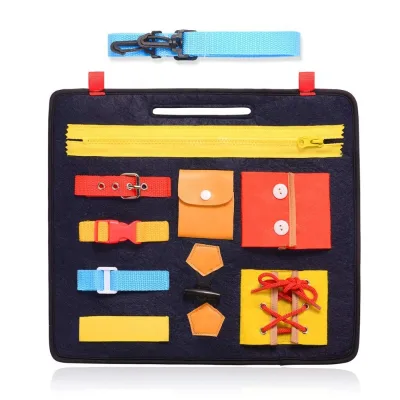
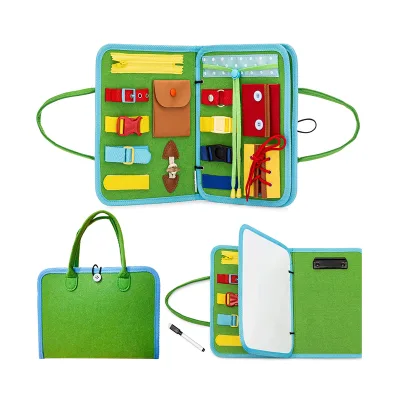
Main productsFelt busy board,Felt Decoration,felt organizer,felt letter board,Felt bag
Main marketsNorth America(40.0%), South America(30.0%), Southern Europe(3.0%), Northern Europe(3.0%), Central America(3.0%), Western Europe(3.0%), Eastern Asia(3.0%), Mid East(3.0%), Oceania(3.0%), Africa(3.0%), Southeast Asia(3.0%), Eastern Europe(3.0%)
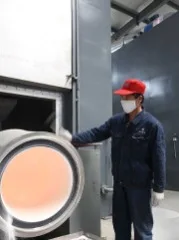
Yiwu B&T Crafts & Arts Co., Ltd.
- Trading Company
- Zhejiang, China
- Lead time12 days
- Avg. response≤ 3h
Main productsChildren Toys, Stationery, Singing Bowl
Main marketsNorth America(40.0%), Western Europe(10.0%), South Asia(5.0%), South America(5.0%), Oceania(5.0%), Southern Europe(5.0%), Eastern Asia(5.0%), Central America(5.0%), Northern Europe(5.0%), Eastern Europe(5.0%), Mid East(5.0%), Southeast Asia(5.0%)
Guangdong Huanger Baby Products Co., Ltd.
- Verified by Intertek
- Manufacturer, Trading Company
- Lead time30 days
- Avg. response≤ 8h
Main productsBaby Walker, Baby Play Mat, Baby Rattle & Teeth, Baby Mobiles, Baby Sensory Toys
Main marketsEastern Europe(19%), Domestic Market(15%), Western Europe(14%)

Hebei Walutz Import and Export Trading Co., Ltd
- Verified by SGS
- Trading Company
- China Hebei
- Lead time15 days
- Avg. response≤ 1h
Main productsFelt Bags, Wool Dryer Balls, Felt Polishing Products, Felt Letter Board, Industrial Felt, Christmas Gifts, Felt Diaper Bags, Felt Storage Bags, Felt Organizer Bags, Household Felt
Main marketsSouth America
Shantou Rong Yuan Toys Co., Limited
- Manufacturer
- Guangdong, China
- Lead time20 days
- Avg. response≤ 4h
Main productsBaby Activity Gym,Baby Educational Toys,Baby Music Toy,Baby Walker,Other Baby Toys
Main marketsNorth America(56.00000000000001%), Domestic Market(28.000000000000004%), South America(4.0%), Northern Europe(4.0%), Western Europe(4.0%), Eastern Europe(4.0%)

DEZHOU MUJIN BUILDING MATERIAL CO., LTD.
- Trading Company
- China Shandong
- Lead time15 days
- Avg. response≤ 7h
Main productsCarpet, Carpet Tile, Rugs and Mats, Shaggy Carpet, Artificail Carpet, Printed Rugs, Sublimation Carpet, Carpet Tape, Nonwoven Needle Punch Carpet, Plain Carpet
Main marketsSouth America,Africa,Southeast Asia/ Mideast,East Asia(Japan/ South Korea),Europe,Australia,North America
Hangzhou Xihuage Cultural Creativity Co., Ltd.
- Verified by Intertek
- Trading Company
- Lead time90 days
Main productsEducational Toys, Building Block, Role Play & Pretend Play Toy, Stress-Relief Toys, Pen
Main marketsNorth America(50%), Western Europe(20%), Eastern Europe(15%)
Nangong Kangnai Felt Products Co., Ltd.
- Verified by TüVRheinland
- Manufacturer, Trading Company
- Lead time0 days
- Avg. response≤ 4h
Main productsFelt Children's Busy Board, Felt Bag, Felt Mat, Christmas Pendant, Felt
Main marketsDomestic Market(50%), North America(30%), Oceania(10%)

Ningbo Shone Med-Tech Co., Ltd.
- Verified by SGS
- Trading Company,Manufacturer/Factory,Group Corporation
- China Zhejiang
- Lead time23 days
- Avg. response≤ 5h
Main productsWooden Games, Wooden Toys, Bingo Games, Wooden Sport Items, Wooden Box
Main marketsSouth America,Eastern Europe,Mid East,North America,Southeast Asia,Eastern Asia,Oceania,Western Europe,Africa

Children's Montessori Wooden Toddler Wooden Busy Board Sensory Activity Board
$30.99 - $35.99
Moq: 200


Wooden Sensory Boards for Toddlers Activity Boards Bear Shaped Busy Board Toys
$10.80 - $18.20
Moq: 200

Ningbo Tonglu Children Products Co., Ltd.
- Manufacturer
- China Zhejiang
- Lead time30 days
- Avg. response≤ 7h
Main productsKids Tricycle, Kids Furniture, Kids Table, Kids Chair, Kids Balance Bike, Kids Scooter, Kids Bookshelf, Kids Storage Cabinet, Kids Educational Toys, Kids Sofe
Main marketsSouth America,Europe,North America

PIN INTERNATIONAL (NINGBO) LTD.
- Verified by TUVRHEINLAND
- Manufacturer/Factory
- China Zhejiang
- Lead time90 days
- Avg. response≤ 4h
Main productsWooden Toys Kids Toys Educational Toys, Arts and Crafts, Stem Toys, DIY Products, Subscription Box for Kids
Main marketsSouth America,Eastern Europe,North America,Eastern Asia,Western Europe

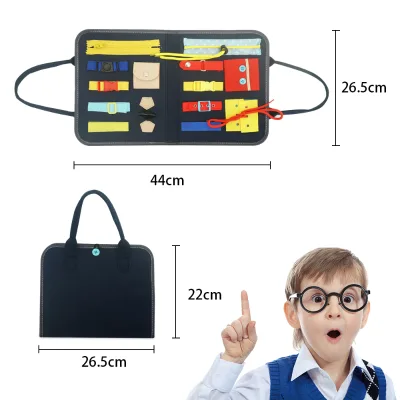
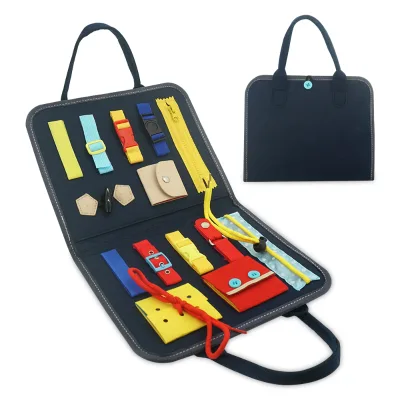
Baby Sensory Learning Toy Montessori Educational Felt Busy Activity Board for Toddler
$2.65 - $2.76
Moq: 1000


Multifunctional Non-Toxic Wooden Toddlers Activity Board for Preschool Teaching
$2.00 - $15.00
Moq: 500
BILLION ARTS (HUIZHOU) CO., LTD.
- Verified by TüVRheinland
- Manufacturer, Trading Company
- Lead time45 days
Main productsKids Furniture, Climbing, Pet Furniture, Doll House, Play Kitchen
Main marketsNorth America(46%), Western Europe(28%), Southern Europe(9%)
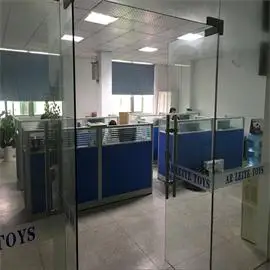
Shantou Chenghai Ar Leite Toys Factory
- Manufacturer, Trading Company
- Guangdong, China
- Lead time10 days
- Avg. response≤ 6h
Main productsBABY ITEMS,BABY TOYS,BABY BOUNCER,PLASTIC TOYS,CRAFT ITEMS
Main marketsSouth America(15.0%), Mid East(15.0%), Southeast Asia(10.0%), North America(10.0%), Domestic Market(5.0%), South Asia(5.0%), Southern Europe(5.0%), Northern Europe(5.0%), Central America(5.0%), Western Europe(5.0%), Eastern Asia(5.0%), Eastern Europe(5.0%), Oceania(5.0%), Africa(5.0%)

- Verified by TUVRHEINLAND
- Trading Company
- China Zhejiang
- Lead time23 days
- Avg. response≤ 7h
Main productstoys
Main marketsSoutheast Asia/ Mideast,Europe,Australia

- Verified by CTI
- Trading Company
- China Zhejiang
- Lead time23 days
- Avg. response≤ 13h
Main productsEarring, Vase, Scented Candles, Hair Ties, Bags
Main marketsSouth America,Europe,North America

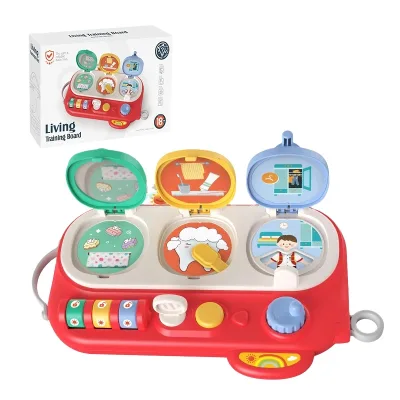
Toddler Busy Board Sensory Board Educational Toy for Learning Fine Motor Skills
$5.68 - $5.98
Moq: 100

Weixian Chenrun Felt Products Co., Ltd.
- Verified by Intertek
- Manufacturer, Trading Company
- Lead time15 days
- Avg. response≤ 3h
Main productsStorage Baskets, Diaper Bags, Cosmetic Bags and Cases, Mommy Bags, Educational Toys
Main marketsDomestic Market(20%), North America(18%), Eastern Europe(10%)
Shantou Chenghai Jisheng Toy Firm
- Verified by TüVRheinland
- Trading Company
- Guangdong, China
- Lead time15 days
- Avg. response≤ 3h
Main productsEducational Toys, RC Toys, Building Block Toys, Play House Toys, Baby Toys
Main marketsNorth America(50%), Western Europe(20%), South America(15%)
- Verified by SGS Group
- Manufacturer, Trading Company
- Lead time5 days
Main productsFelt Cat Cave, Felt Storage Bins, Felt Handbag, Felt Busy Board, Felt Plant Pot
Main marketsNorth America(40%), Eastern Europe(25%), South America(10%)
Hangzhou Asweets Cultural Creative Co., Ltd.
- Verified by SGS Group
- Manufacturer, Trading Company
- Lead time45 days
- Avg. response≤ 6h
Main productsToy Tents, Baby Toys, Educational Toys, Outdoor Toys
Main marketsNorth America(50%), Western Europe(15%), Northern Europe(15%)
Jinhua Ivy Home Textile Co., Ltd.
- Manufacturer, Trading Company
- Lead time旺季: "1 - 1":10,"2 - 200":25,"> 200":"To be negotiated", 淡季: "1 - 1":10,"2 - 200":25,"> 200":"To be negotiated"
Main productsBaby Products
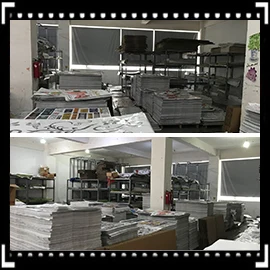
Wenzhou High And Long Co., Ltd.
- Trading Company
- Zejiang, China
- Lead time30 days
- Avg. response≤ 3h
Main productsKids Toys,Wall Clock,Gifts,Sticker
Main marketsWestern Europe(40.0%), Eastern Asia(40.0%), Mid East(10.0%), North America(10.0%)

WENZHOU TIMES ARTS&CRAFTS CO., LTD.
- Verified by SGS
- Manufacturer/Factory
- China Zhejiang
- Lead time23 days
- Avg. response≤ 5h
Main productsToys, Montessori Toys, Wooden Toy, Educational Toy, Role Play Toys, Children Furniture, Puzzle, Kid Bike, Musical Toy, Wooden Blocks
Main marketsSouth America,Eastern Europe,Mid East,North America,Southeast Asia,Eastern Asia,Oceania,Western Europe,Africa

Wholesale Interesting Multi Function Toy Wooden Toddler Busy Board for Baby W12D082
$5.00 - $9.00
Moq: 1000


Montessori Sensory Toys Dinosaur Activity Wall Busy Board for Toddlers W12D730
$15.00 - $30.00
Moq: 100


Lishui Zhangzhongbao Toys Co., Ltd.
- Trading Company,Manufacturer/Factory
- China Zhejiang
- Lead time30 days
- Avg. response≤ 3h
Main productsWooden Toys, Educational Toys, Doll House, Kitchen Toy, Wooden Bike
Main marketsSouth America,Eastern Europe,Mid East,North America,Southeast Asia,Eastern Asia,Oceania,Western Europe,Africa

Montessori Busy Board for Toddlers Activity Board for Kids Wooden Sensory Toys Z12341d
$4.00 - $10.00
Moq: 1000


Customize Early Learning Wooden Toddler Activity Board for Wholesale Z12222D
$20.00 - $30.00
Moq: 1000

High Quality Montessori Activity Learning Wooden Busy Board House for Kids Z12556D
$12.00 - $18.00
Moq: 1000

Jiangxi Hand by Hand E-commerce Co., Ltd
- Verified by TUVRHEINLAND
- Trading Company
- China Jiangxi
- Lead time15 days
- Avg. response≤ 4h
Main productsPlastic Toys, Educational Toys, Baby Toys, RC Toys, Pretend Play Toys, Doll Toys, Robot Toys, Summer Toys, Sport Toys
Main marketsOthers(foreignTradeCapacity.exportBusinessCapacityMarketOther)
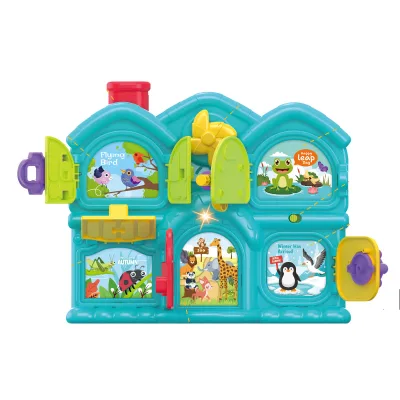


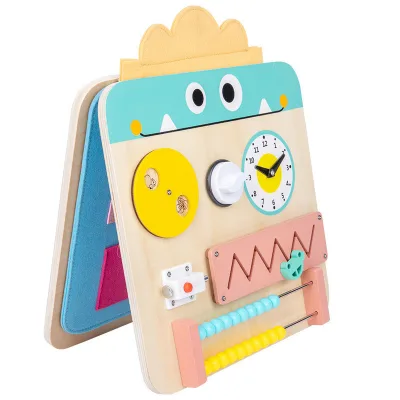
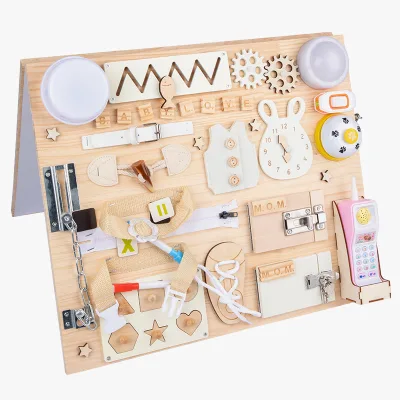
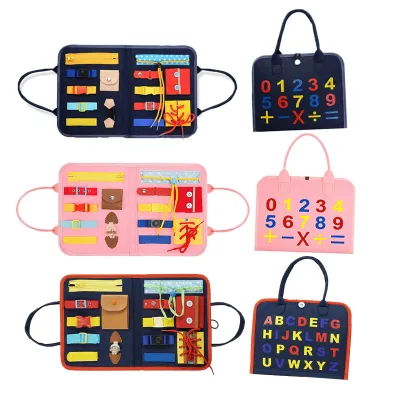
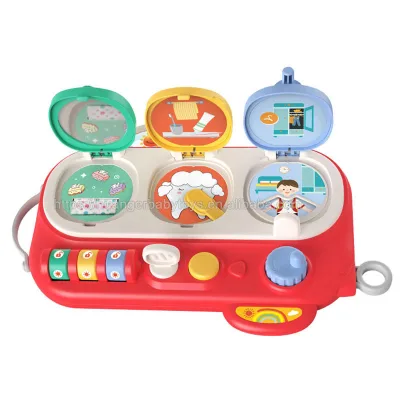











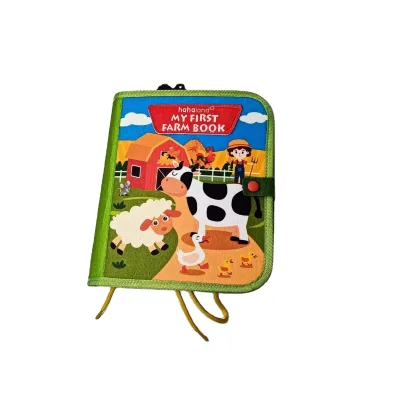
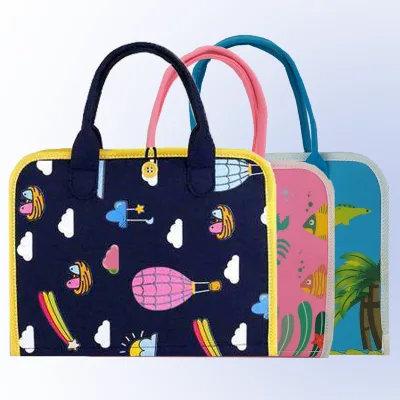
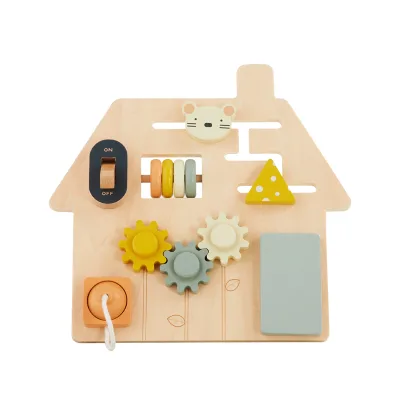
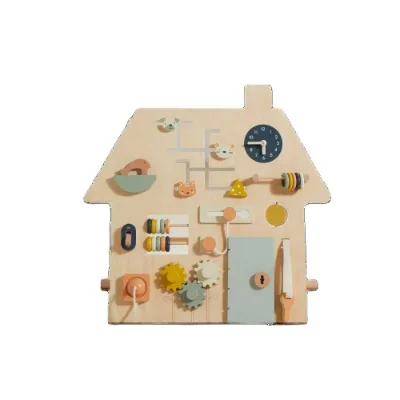
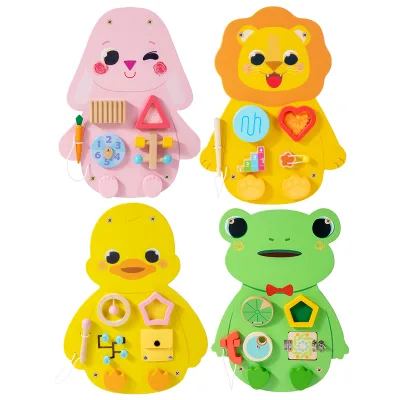

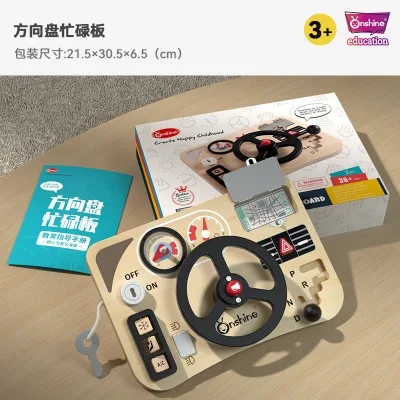


Comprehensive Sourcing Guide
Toddler Busy Board Supplier Concentration and Factory Types
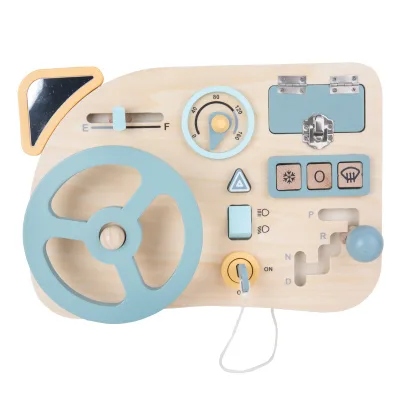
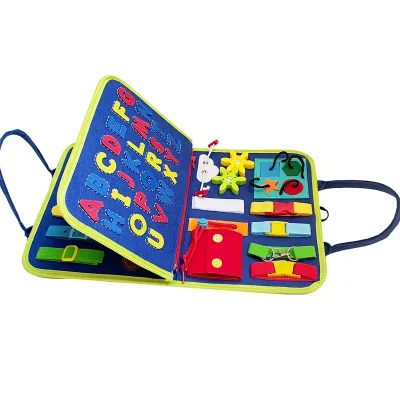
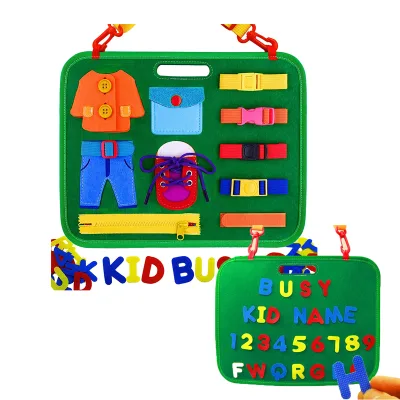
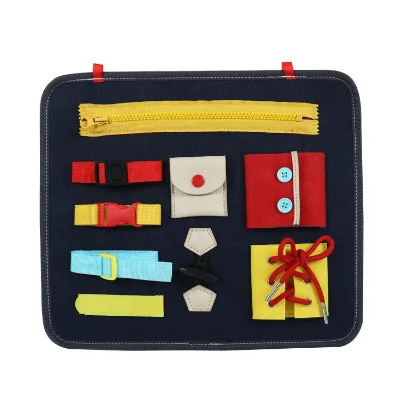
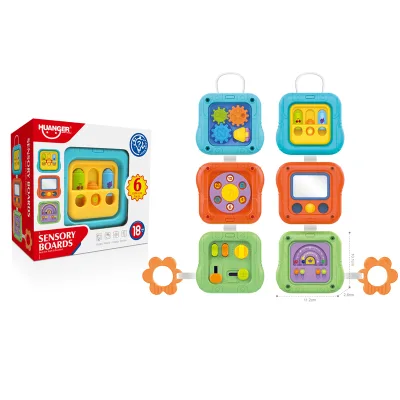
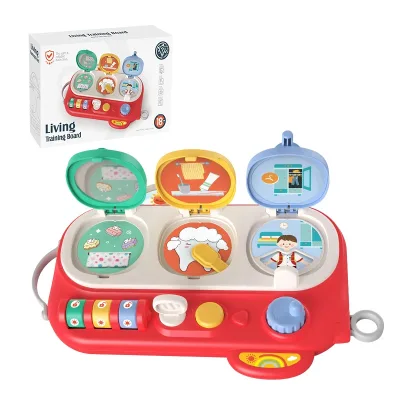
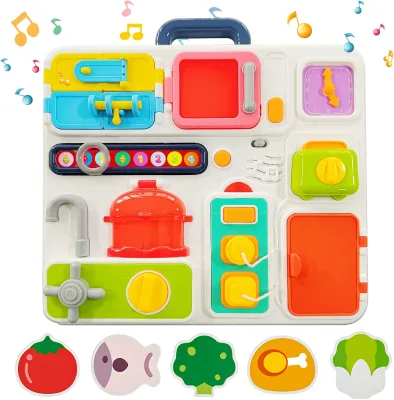
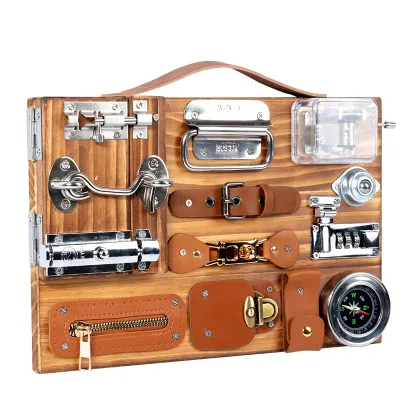
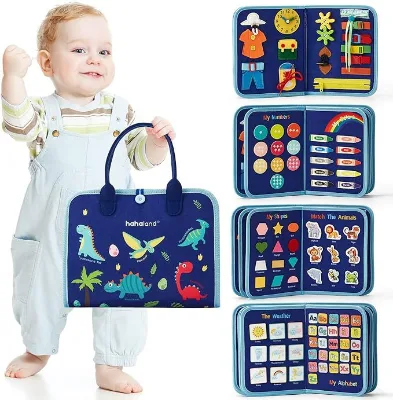
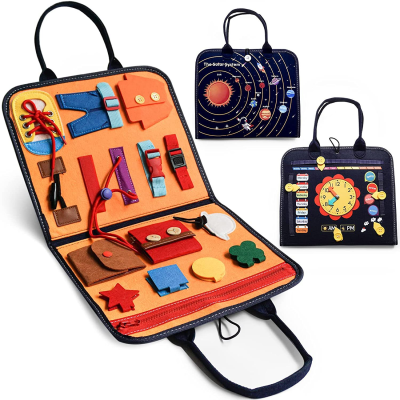
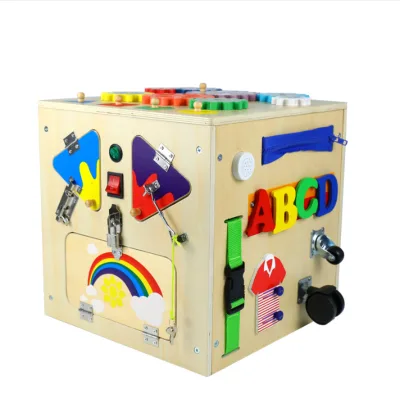
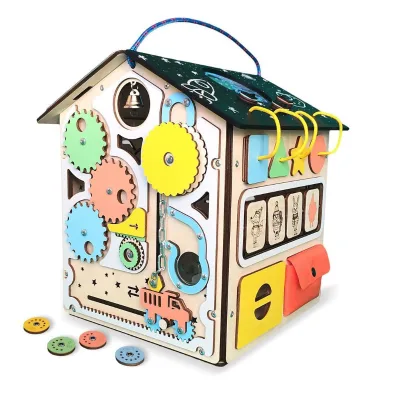
When evaluating the landscape for toddler busy boards, it is essential to distinguish between the various types of entities available to buyers. The current market data indicates a mix of trading companies and manufacturers, each offering distinct advantages for sourcing educational toys. Trading companies often serve as intermediaries, consolidating products from multiple factories to provide a broader catalog, which can be beneficial for buyers seeking variety in materials such as plastic, wood, or felt. In contrast, manufacturer/factory entities typically possess direct control over production lines, allowing for more stringent quality control and potentially lower costs for high-volume orders. Understanding this distinction helps buyers align their procurement strategy with their specific needs for customization, volume, and supply chain transparency.
The concentration of suppliers varies by region, with specific locations like Guangdong, Zhejiang, and Hebei in China emerging as key hubs for these products. Guangdong is noted for plastic-based educational toys, while Zhejiang suppliers often specialize in wooden busy boards, and Hebei is associated with felt-based options. Buyers should verify the actual location of the factory rather than relying solely on the trading company’s registered address. This verification ensures that the claimed manufacturing capabilities, such as sample processing or graphic processing, are genuinely available. Identifying the correct factory type and location allows for more accurate assessments of production capacity and logistical efficiency, ensuring that the sourcing partner can meet the specific material and design requirements of the Toddler Busy Board category.
How to Verify Toddler Busy Board Suppliers
Verification is a critical step in mitigating risk when sourcing toddler busy boards, as the safety of these products for young children is paramount. Buyers should prioritize suppliers who hold recognized third-party verifications, such as TüVRheinland or SGS, which indicate that the company has undergone rigorous audits of its business operations and manufacturing processes. These verifications provide a baseline of trust, confirming that the supplier is a legitimate entity with established business practices. Additionally, checking for system certifications like ISO 9001, ISO 14001, BSCI, and OHSAS/OHSMS 18001 can offer further assurance regarding quality management, environmental responsibility, and social compliance. These certifications are particularly important for buyers targeting markets with strict regulatory standards, as they demonstrate a supplier’s commitment to maintaining high operational standards.
Beyond corporate certifications, product-specific safety certifications are non-negotiable for toddler busy boards. Buyers must ensure that the products comply with relevant international safety standards, such as ASTM F963-96a, EN71, and CE. These certifications confirm that the materials used, whether plastic, wood, or felt, are free from harmful substances and that the product design minimizes choking hazards or other physical risks. It is crucial to request valid test reports for each product model, as certifications can vary by material and design. Buyers should also verify the supplier’s response time, as a quick and professional response often correlates with better customer service and reliability. A supplier with a response time of under five hours, for instance, may indicate a more agile and attentive operation, which is valuable for resolving issues quickly during the sourcing process.
What to Compare Across Toddler Busy Board Suppliers
Comparing suppliers requires a detailed analysis of several key dimensions, including lead times, minimum order quantities (MOQs), and response speeds. Lead times can vary significantly, ranging from as short as 15 days to as long as 60 days, depending on the supplier’s capacity and current order backlog. Buyers should align their inventory planning with these lead times to avoid stockouts or excess inventory. Similarly, MOQs can differ widely, with some suppliers requiring as few as 16 pieces for wooden boards, while others may demand 1,000 pieces for felt-based options. Understanding these thresholds helps buyers determine which suppliers are suitable for their order size, whether they are testing a new market or fulfilling a large-scale contract. Response times also serve as a metric for supplier reliability, with faster responses often indicating better communication channels and operational efficiency.
Another critical factor is the range of main products and customization capabilities offered by each supplier. Some suppliers specialize exclusively in wooden educational toys, while others offer a broader range including plastic, felt, and other materials. Buyers should assess whether the supplier’s main products align with their brand strategy and target audience. Additionally, the availability of OEM and ODM services is crucial for buyers seeking unique designs or private labeling. Suppliers that warmly welcome OEM/ODM requests and offer services like logo customization, function changes, and packaging modifications provide greater flexibility. By comparing these attributes, buyers can identify suppliers that not only meet their immediate product needs but also support their long-term brand development and market differentiation strategies.
Common Toddler Busy Board Sourcing Risks
One of the primary risks in sourcing toddler busy boards is the potential mismatch between claimed capabilities and actual production capacity. Buyers may encounter suppliers who advertise extensive OEM/ODM services but lack the necessary infrastructure to execute complex customizations, such as adding specific logos or altering product functions. This discrepancy can lead to delays, increased costs, and compromised product quality. To mitigate this risk, buyers should request detailed information about the supplier’s production processes and past performance with similar custom orders. Verifying the supplier’s capacity for sample processing and graphic processing can also provide insight into their ability to handle design changes efficiently. Additionally, buyers should be cautious of suppliers who do not provide clear information about their manufacturing locations, as this can obscure the true source of the products and complicate quality control efforts.
Another significant risk is the variability in product quality and safety compliance across different suppliers. Since toddler busy boards are designed for young children, any defect in materials or construction can pose serious safety hazards. Buyers must ensure that all products meet the required safety standards, such as ASTM F963-96a, EN71, and CE, and that these certifications are valid and up-to-date. Failure to verify these certifications can result in product recalls, legal liabilities, and damage to the buyer’s brand reputation. Furthermore, buyers should be aware of the potential for inconsistent packaging and labeling, which can affect the product’s presentation and compliance with local regulations. By conducting thorough due diligence and requesting samples for inspection, buyers can identify and mitigate these risks before committing to large orders.
Toddler Busy Board Regional Sourcing and Logistics
Regional sourcing plays a crucial role in determining the logistics and cost structure of Toddler Busy Board procurement. Suppliers located in different regions of China, such as Guangdong, Zhejiang, and Hebei, offer distinct advantages based on their local supply chains and manufacturing expertise. Guangdong suppliers, for instance, are often associated with plastic-based toys and may benefit from a robust ecosystem of component suppliers and logistics networks. Zhejiang suppliers, known for wooden products, may have access to high-quality timber and specialized woodworking facilities. Hebei suppliers, specializing in felt toys, may leverage local textile resources to offer competitive pricing. Buyers should consider these regional specializations when selecting suppliers, as they can impact the overall quality, cost, and availability of the products.
Logistics considerations also vary by region, with factors such as proximity to ports and transportation infrastructure influencing shipping times and costs. Buyers should evaluate the supplier’s packing methods, such as sea freight or brown box packaging, to ensure that the products are protected during transit. Additionally, the single package size and gross weight of the products can affect shipping efficiency and costs. For example, a busy board with a single package size of 65x35x20 cm and a gross weight of 6.000 kg may require different handling and storage considerations compared to a smaller, lighter wooden board. By understanding these regional and logistical nuances, buyers can optimize their supply chain, reduce transportation costs, and ensure timely delivery of their Toddler Busy Board orders.
Toddler Busy Board Commercial Terms and Order Planning
Commercial terms and order planning are essential components of a successful sourcing strategy for toddler busy boards. Buyers should carefully review the pricing structures, which can range from $2.98 to $5.80 per unit, depending on the material, design, and order volume. Understanding these price ranges helps buyers budget effectively and negotiate favorable terms with suppliers. Additionally, buyers should consider the payment terms and escrow services offered by the supplier, as these can provide financial security and protection against non-delivery or quality issues. Suppliers that offer escrow services demonstrate a commitment to fair and secure transactions, which is particularly important for new buyers or large orders. By aligning commercial terms with their financial capabilities and risk tolerance, buyers can establish a stable and reliable sourcing relationship.
Order planning also involves managing inventory levels and forecasting demand to avoid stockouts or excess inventory. Buyers should work closely with their suppliers to establish clear production schedules and delivery timelines, taking into account lead times and potential delays. Regular communication and updates from the supplier can help buyers stay informed about the production status and make adjustments as needed. Additionally, buyers should consider the supplier’s capacity for handling rush orders or changes in demand, as this flexibility can be valuable in dynamic market conditions. By developing a comprehensive order planning strategy that incorporates commercial terms, lead times, and supplier capabilities, buyers can ensure a smooth and efficient sourcing process for their Toddler Busy Board products.
FAQs
What is the typical lead time for busy board orders?
Lead times vary by supplier and order volume. Some manufacturers offer a 15-day turnaround for standard orders, while others may require up to 60 days for custom production. Buyers should confirm specific timelines with the supplier before placing an order to ensure timely delivery.
What are the minimum order quantities for wooden busy boards?
Minimum order quantities differ significantly across suppliers. Some vendors accept orders as low as 16 pieces for wooden busy boards, while others require a minimum of 100 or even 1000 units. Always check the specific MOQ listed for the product model you intend to purchase.
Which certifications are available for Toddler Busy Board products?
Many suppliers provide products certified to international safety standards. Common certifications include ASTM F963-96a, EN71, and CE for toys. Additionally, some factories hold ISO 9001, BSCI, or SGS verification for their manufacturing processes and quality management systems.
Where are the busy board manufacturers located in China?
Manufacturers are primarily located in provinces like Guangdong, Zhejiang, and Hebei. Specific products originate from these regions, with some suppliers based in Beijing offering different product lines. The location affects shipping costs and lead times for international buyers.
Do suppliers offer OEM and ODM services for busy boards?
Yes, many suppliers welcome OEM and ODM requests. They can add custom logos, change functions, or modify packaging. Some manufacturers also support own branding. Buyers should verify specific customization capabilities and any associated minimum order requirements before proceeding with a custom design.
What is the price range for plastic busy boards?
Plastic busy boards typically range from 3.50 to 4.03 USD per unit. Prices depend on the specific model, customization level, and order quantity. Buyers should compare multiple listings to find the best value while ensuring the product meets safety and quality standards.
How quickly do suppliers typically respond to inquiries?
Response times vary among suppliers, with some replying within 2 hours and others taking up to 7 hours. Faster response times often indicate higher availability or dedicated sales teams. Buyers should expect a range of response speeds and follow up if a quick reply is critical.