Training Competitive Aerobics Shoes Suppliers and Manufacturers
Source Training Competitive Aerobics Shoes from 24 verified suppliers in China. Compare key dimensions including lead times, MOQs, and response speeds to identify suitable partners. Review product specifications and request samples to validate quality before placing orders; review the available evidence before requesting comparable quotations from suitable candidates.
Updated
Suppliers List

Jinjiang Maituo Import and Export Trading Co., Ltd.
- Verified by CTI
- Combined
- China Fujian
- Lead time60 days
- Avg. response≤ 7h
Main productsShoe, Shoe Accessories, Sporting Shoes, Shoe Machine, Shoe Sole, Microfiber PU, Space Leather, TPU, Basketball Cover, Textile Fabrics
Main marketsEurope


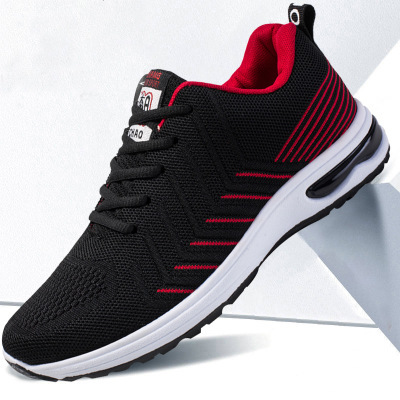
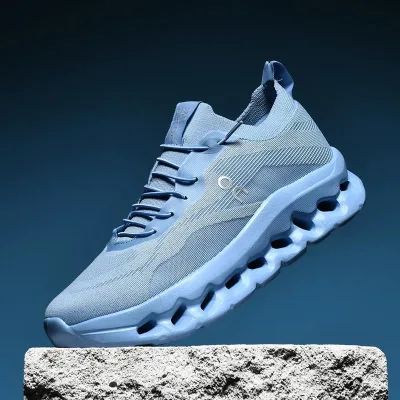
Lightweight Mesh Running Shoes for Enhanced Performance and Breathability
$9.91 - $11.89
MOQ: 600 Pairs

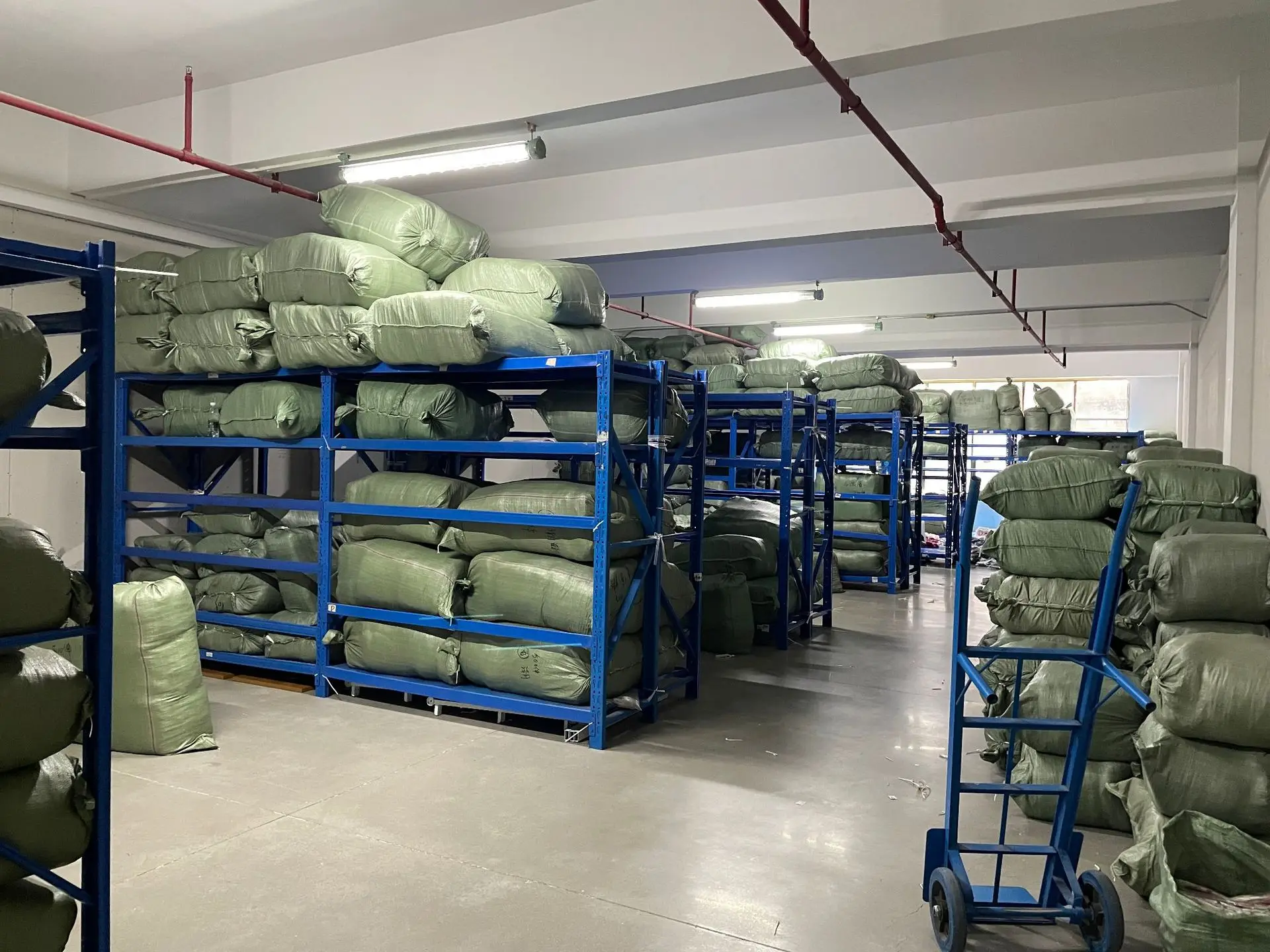
Quanzhou Anglong Technology Co., Ltd.
- Trading Company
- Fujian, China
- Lead time0 days
- Avg. response≤ 1h
Main productsshoes,soles,pants,yoga clothes,slippers
Main marketsNorth America(80.00%), Northern Europe(10.00%), Western Europe(10.00%)

Quanzhou Jianxi Technology Co., Ltd
- Verified by CTI
- Trading Company
- China Fujian
- Lead time30 days
- Avg. response≤ 10h
Main productsShoes, Designer Shoes, Walking Style Shoes, Sneakers, Running Shoes, Watch
Main marketsEurope,North America


Shock Absorbing Athletic Shoes for Jump Training with Breathable Lightweight Mesh
$40.00 - $50.00
MOQ: 1 Pairs

QUANZHOU JINJIANG NEW BLT SHOES CO.,LTD
- Verified by BV
- Trading Company,Manufacturer/Factory
- China Fujian
- Lead time0 days
- Avg. response≤ 22h
Main productsSport Shoes, Casual Shoes, Hiking Shoes, School Shoes, Canvas Shoes, Water Shoes, Outdoor Shoes, Skateboard Shoes, PVC Injection Shoes, Running Shoes
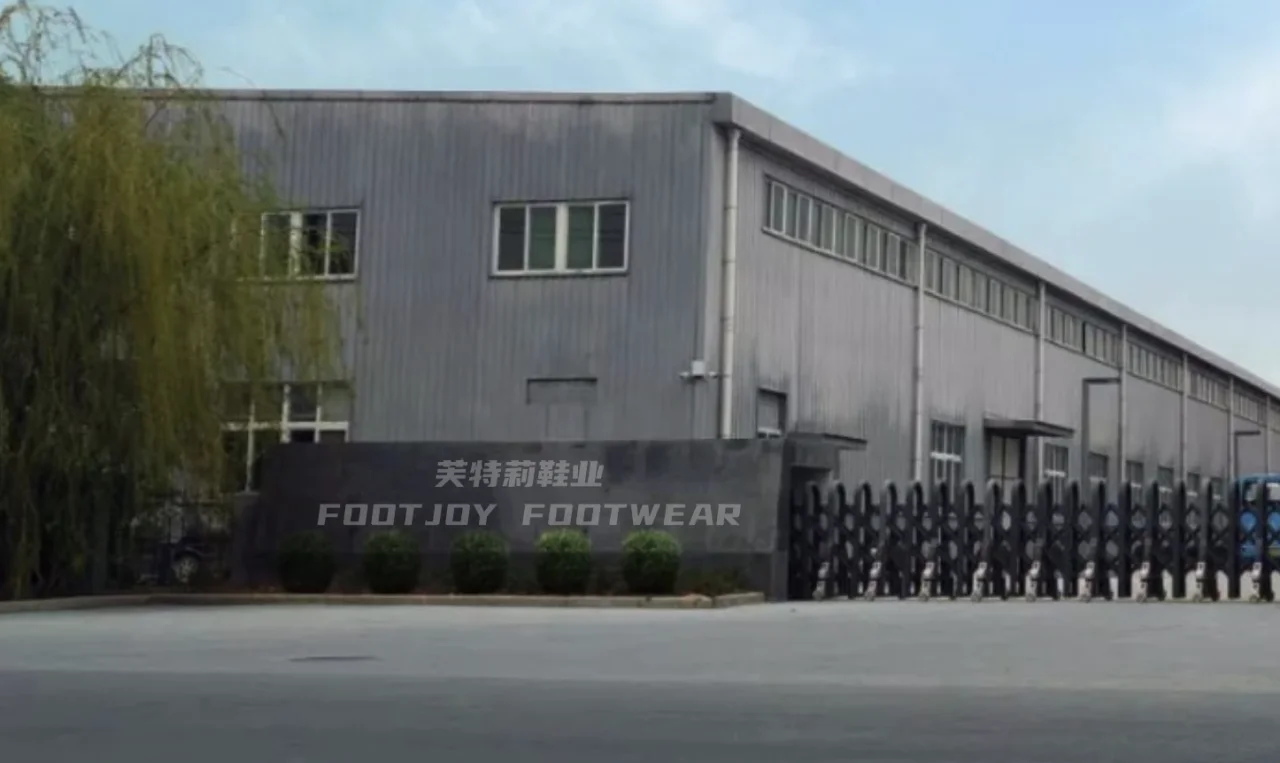
Jinjiang Longhu Futeli Footwear Firm
- Trading Company
- Fujian, China
- Lead time15 days
- Avg. response≤ 5h
Main productsSports Shoes,Fashion Sneakers,Lady Heels,Dress Shoes,Slippers
Main marketsAfrica(20.00%), Western Europe(20.00%), North America(20.00%), Southeast Asia(10.00%), Mid East(10.00%), Oceania(10.00%), Southern Europe(5.00%), Northern Europe(5.00%)

- Manufacturer, Trading Company
- Zhejiang, China
- Lead time15 days
- Avg. response≤ 2h
Main productsshoes,Kids shoes,slippers
Main marketsEastern Europe(30.00%), Domestic Market(15.00%), North America(10.00%), Southeast Asia(5.00%), South Asia(5.00%), Southern Europe(5.00%), Northern Europe(5.00%), Western Europe(5.00%), Eastern Asia(5.00%), Mid East(5.00%)

- Verified by SGS
- Trading Company
- China Fujian
- Lead time30 days
- Avg. response≤ 2h
Main productsBoots, Sneakers, Sandals, Corkshoes, Kids Shoes, Customized Shoes, Footwear, Slipper, Winter Boots, Snow Boots
Main marketsEast Asia(Japan/ South Korea)

Multi-Sport Custom Sneakers and Running Shoes for Climbing and Gym Training
$10.80 - $18.50
MOQ: 500 Pieces

Breathable Fashion Running Shoes and Custom Sneakers for Long Distance Training
$10.80 - $18.50
MOQ: 500 Pieces

Performance Running Shoes and Custom Fashion Sneakers for Long-Distance Training and Climbing
$10.80 - $18.50
MOQ: 500 Pieces

Performance Running Shoes and Trendy Sneaker for Serious Athletes and Style-Conscious Users
$10.80 - $18.50
MOQ: 500 Pieces

Precision Running Shoes and Casual Sneaker for Performance and Everyday Style
$10.80 - $18.50
MOQ: 500 Pieces

Performance Running Shoes and Casual Sneaker with New Style and Shock Absorption
$5.00 - $15.00
MOQ: 500 Pieces
- Verified by TüVRheinland
- Manufacturer, Trading Company
- Lead time50 days
- Avg. response≤ 4h
Main productsSports Shoes, Casual Shoes, Children Shoes, Tennis Shoes, Hiking Shoes
Main marketsNorth America(40%), Western Europe(30%), South America(10%)
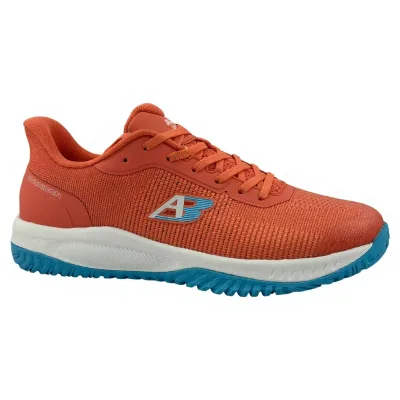
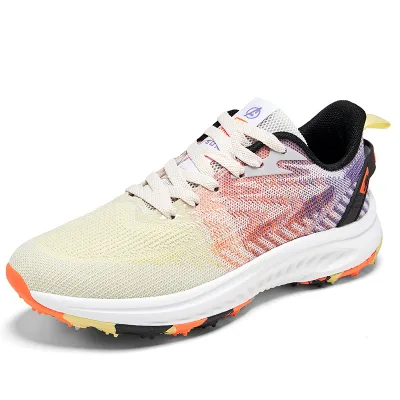
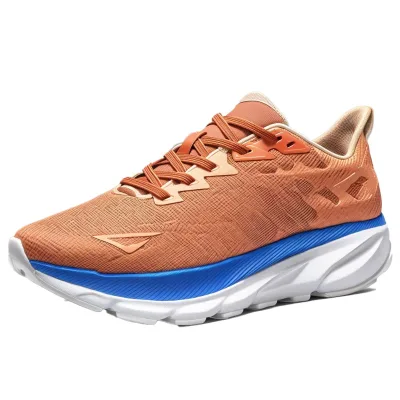
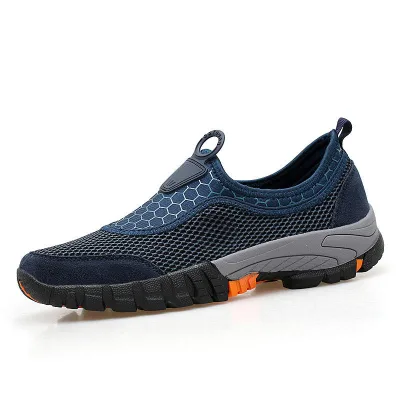
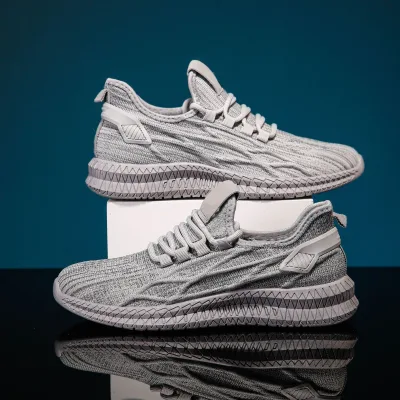
$12.60 - $16.80
MOQ: 500 pairs
Luoyang Lingbao Trading Co., Ltd.
- Trading Company
- Henan, China
- Lead time20 days
- Avg. response≤ 10h
Main productswalking shoes,casual shoes,running shoes,sneakers,canvas shoe
Main marketsDomestic Market(15.00%), North America(15.00%), Southeast Asia(10.00%), Mid East(10.00%), South America(5.00%), South Asia(5.00%), Southern Europe(5.00%), Northern Europe(5.00%), Central America(5.00%), Western Europe(5.00%), Eastern Asia(5.00%), Eastern Europe(5.00%), Oceania(5.00%), Africa(5.00%)
Xiamen Biyate Imp.&Exp.Co., Ltd.
- Manufacturer, Trading Company
- Fujian, China
- Lead time30 days
- Avg. response≤ 2h
Main productsSneaker, Slippers, Garden Shoes, Sandals, Prison Shoes
Main marketsNorth America(30.00%), South America(20.00%), Western Europe(12.00%), Africa(10.00%), Northern Europe(10.00%), Eastern Europe(8.00%), Southeast Asia(5.00%), Oceania(5.00%)

Jinjiang Chidian Xuqi Trading Firm (Individual Business)
- Trading Company
- China Fujian
- Lead time0 days
- Avg. response≤ 6h
Guangzhou Qiao Wa Ni Shoes Co., Ltd.
- Manufacturer, Trading Company
- Guangdong, China
- Lead time35 days
- Avg. response≤ 7h
Main productsLeather Shoes,Dress shoes,Casual Shoes,Sandals shoes,Moccasin shoes
Main marketsSouth Asia(33.83%), Southeast Asia(28.76%), Eastern Europe(10.00%), Africa(7.87%), Domestic Market(7.33%), Mid East(3.22%), Eastern Asia(3.02%), Western Europe(2.33%), North America(1.73%), Southern Europe(1.32%), Oceania(0.27%), South America(0.27%), Central America(0.05%)

Quanzhou Ruiqi Crafts Co., Ltd.
- Verified by TUVRHEINLAND
- Trading Company,Manufacturer/Factory
- China Fujian
- Lead time45 days
- Avg. response≤ 4h
Main productsBaseball Glove, Baseball, Gymnastic Air Tracks, Football, Tennis Ball, Football Net, Sport Shoes, Pitching Machine, Toys
Main marketsSouth America,Eastern Asia,Western Europe
Wenzhou King-Footwear Co., Ltd.
- Verified by TüVRheinland
- Trading Company
- Lead time45 days
- Avg. response≤ 2h
Main productsCanvas Shoes, Casual Shoes, Sneaker Shoes, Vulcanized Shoes, Injection Shoes
Main marketsEastern Europe(40%), South America(25%), Africa(15%)
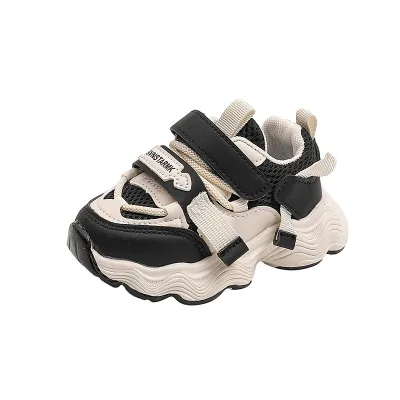
Hot Sale Black and White With Sneakers Breathable Wear Rubber Sole Casual Womens Shoes
$5.2674 - $5.5756
MOQ: 600 pairs
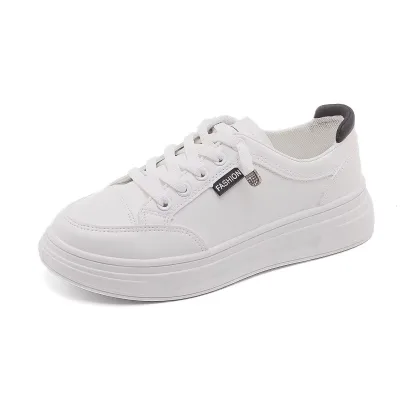
Autumn and Winter Best Selling Shoes White Walking Shoes Casual Sports Shoes
$5.1238 - $5.432
MOQ: 600 pairs
Quanzhou Jiaxin Shoes Co., Ltd.
- Verified by Intertek
- Manufacturer, Trading Company
- Lead time0 days
- Avg. response≤ 2h
Main productsCasual Shoes, Safty Shoes, Sports Shoes, Training Shoes, WaterProof Hiking Shoes
Main marketsSouth Asia(33%), North America(30%), Western Europe(30%)
Quanzhou Jujiang E-Commerce Co., Ltd.
- Verified by TüVRheinland
- Trading Company
- Lead time15 days
- Avg. response≤ 4h
Main productsRunning Shoes, Football Boots, Sports Shoes, Badminton Shoes, Casual Shoes
Main marketsSouth America(40%), North America(20%), Eastern Europe(15%)
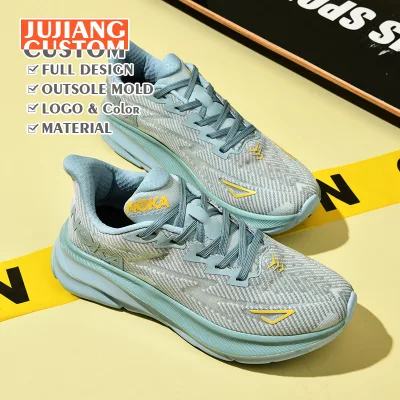
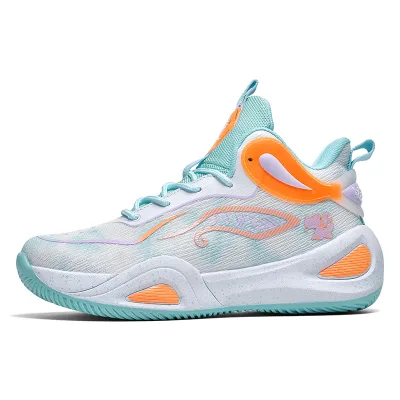
$12.3136 - $16.0072
MOQ: 50 pairs
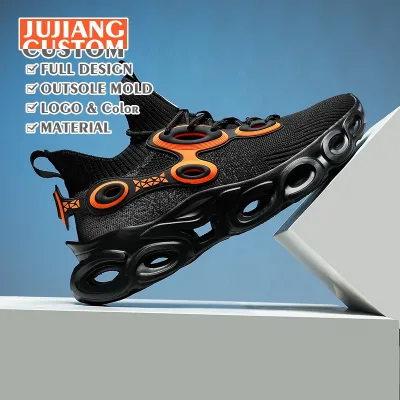

- Verified by TUVRHEINLAND
- Trading Company
- China Fujian
- Lead time23 days
- Avg. response≤ 5h
Main productsYoga Set, Pet Supplies, Sneakers, Sportswear, Underwear, Swimsuit, Sports Equipment, Packaging, Outdoor Product, Solar Energy
Main marketsSoutheast Asia/ Mideast

Premium Running Shoes with Lightweight Breathable Design Durable Comfort Performance
$35.00 - $50.00
MOQ: 1 Pairs

Premium Running Shoes with Breathable Mesh Lightweight Comfort Performance
$35.00 - $50.00
MOQ: 1 Pairs
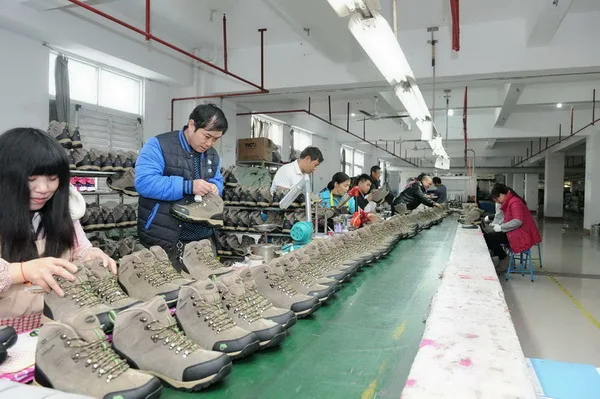
- Trading Company
- Fujian, China
- Lead time40 days
- Avg. response≤ 6h
Main productsSport Shoes,Casual Shoes,Motorcycle riding SHOES,Tennis shoes,Boxing shoe
Main marketsNorth America(40.00%), Western Europe(20.00%), Africa(20.00%), South America(20.00%)
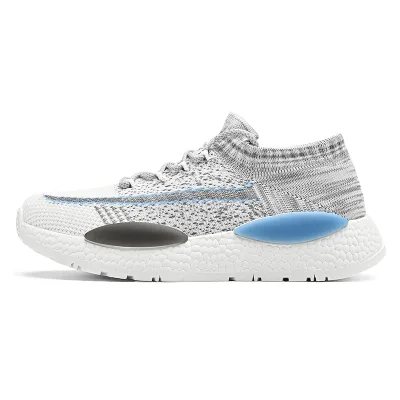
$7.39 - $10.89
MOQ: 29 pairs
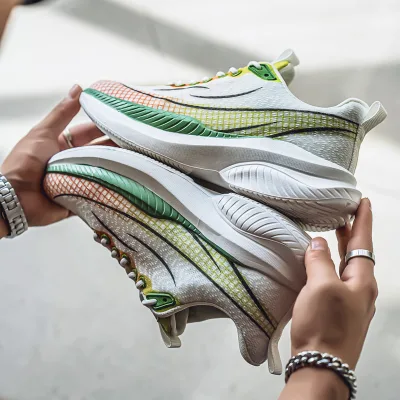
$7.8854 - $11.4743
MOQ: 29 pairs
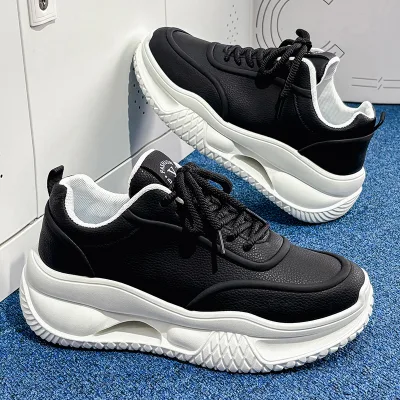
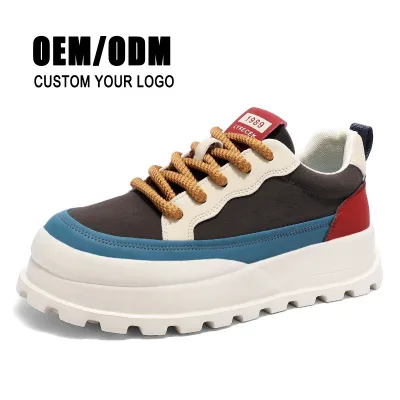
New Style Men's Outdoor Sports Walking Style Shoes Sneakers Casual Sport Shoes for Men
$8.89 - $12.39
MOQ: 29 pairs
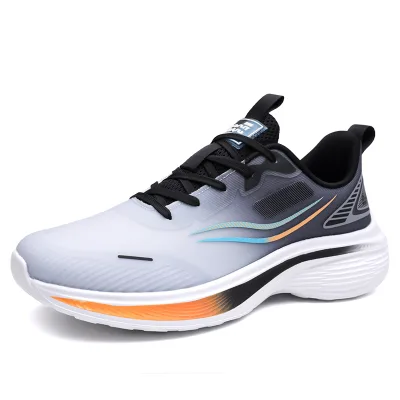
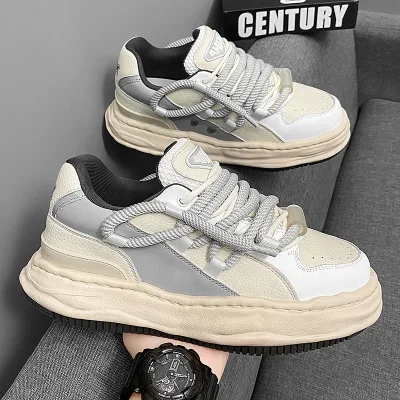
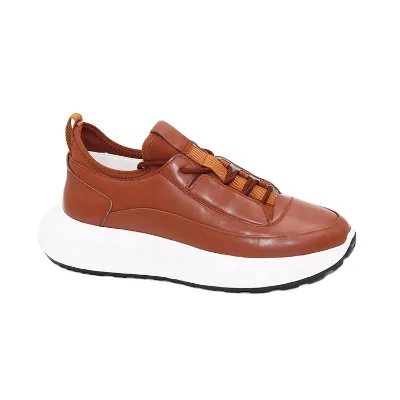
Custom LOGO Your Own Shoes Fashion Leather Platform Casual Walking Style Shoes for Men
$10.2446 - $13.9352
MOQ: 29 pairs
Wenzhou Huanchuang Shoes Trading Co., Ltd.
- Trading Company
- Zhejiang, China
- Lead time0 days
- Avg. response≤ 11h
Main productsscarf,hijab,hat,headband,cap
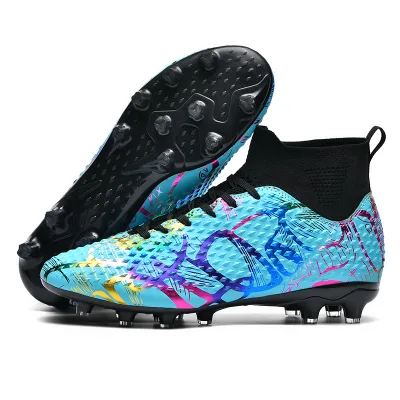
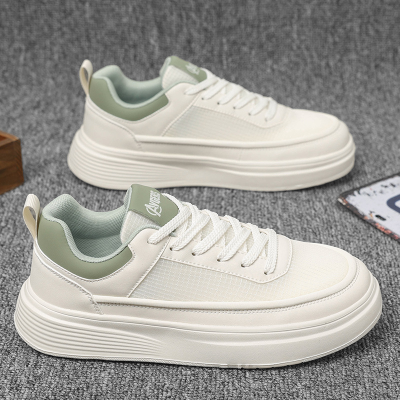
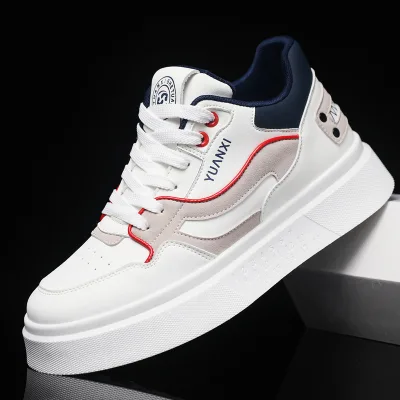
Autumn new breathable all match height enhancing color blocking sports casual shoes
$10.2611
MOQ: 2 Minimum

Xiamen Wanjunfa Trading Co., Ltd.
- Verified by SGS
- Trading Company
- China Fujian
- Lead time15 days
- Avg. response≤ 1h
Main productsClothes, Shoes, Bedding Set, Home Decor
Main marketsNorth America

Men's High Rebound Elastic Carbon Plate Sports Shoes for Marathon Training
$27.98 - $39.98
MOQ: 1 Pairs

Minimalist Unisex Flexible High Rebound Foam Sports Shoes for Gym Training
$27.98 - $39.98
MOQ: 1 Pairs


Professional Customized Anti-Collision Men's Sports Shoes for Marathon Training
$27.98 - $39.98
MOQ: 1 Pairs


Putian Chengxiang District Tiemu Technology Co., Ltd.
- Verified by SGS
- Trading Company
- China Fujian
- Lead time15 days
- Avg. response≤ 2h
Main marketsDomestic

- Trading Company
- Fujian, China
- Lead time45 days
- Avg. response≤ 3h
Main productsSandal,Slipper,Sneakers,Sports Shoes,Outdoor Shoes
Main marketsAfrica(40.00%), Western Europe(20.00%), Southeast Asia(20.00%), Eastern Asia(10.00%), South America(10.00%)
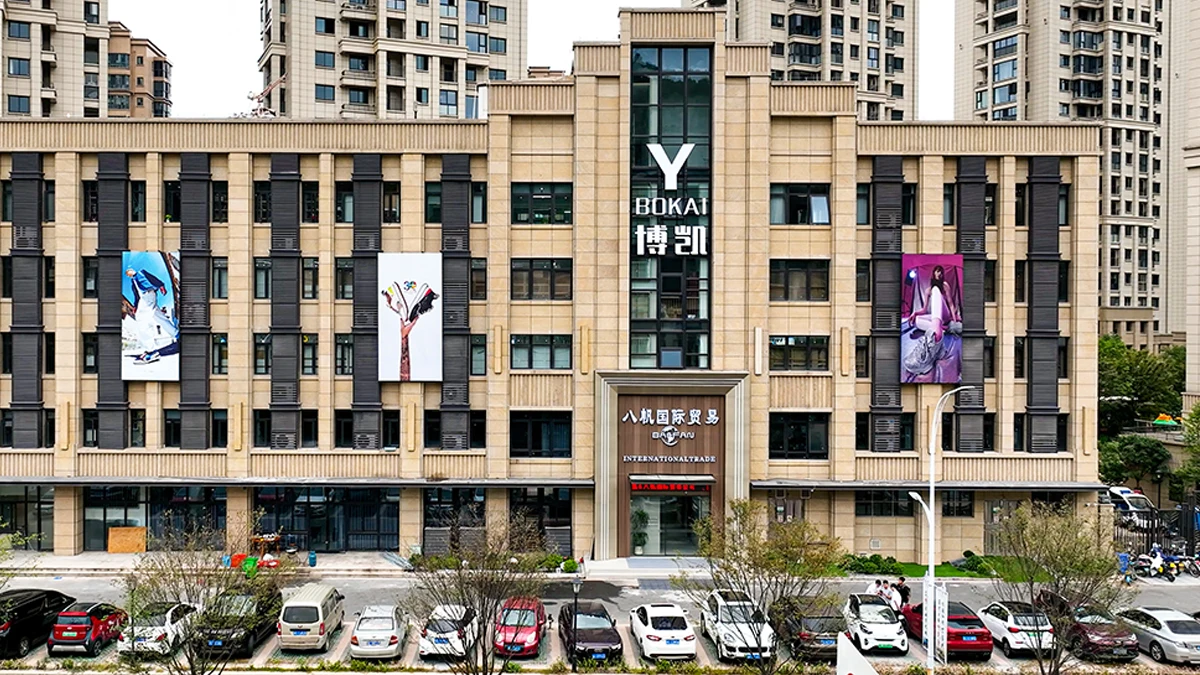
Zhejiang Bafan I/e Industrial Co., Ltd.
- Manufacturer, Trading Company
- Zhejiang, China
- Lead time60 days
- Avg. response≤ 4h
Main productsCasual Shoes,Chunky Shoes,Sneakers,Skateboarding Shoes,Boots
Main marketsSouth America(30.00%), North America(15.00%), Southern Europe(15.00%), Central America(10.00%), Mid East(10.00%), Eastern Europe(5.00%), Domestic Market(5.00%), Western Europe(5.00%), Northern Europe(5.00%)

Quanzhou Taihui Shoes Co., Ltd
- Verified by SGS
- Combined
- China Fujian
- Lead time30 days
- Avg. response≤ 10h
Main productsSneaker
Main marketsEurope,North America

High Quality Customized Men's Shoes Men's Sports Shoes Casual Running Shoes
$9.90 - $59.90
MOQ: 20 Pairs


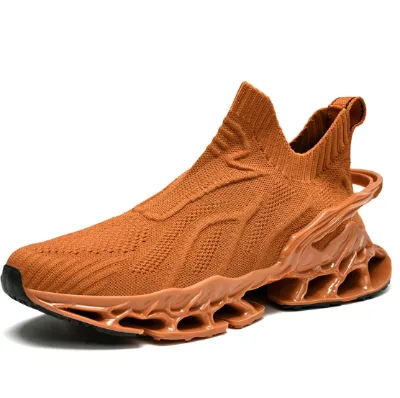
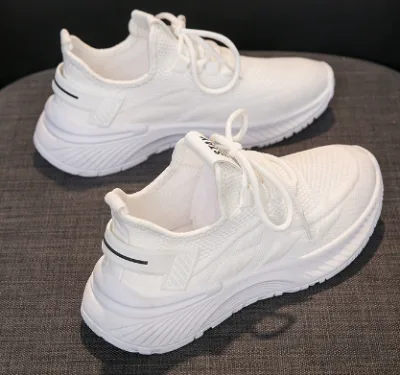


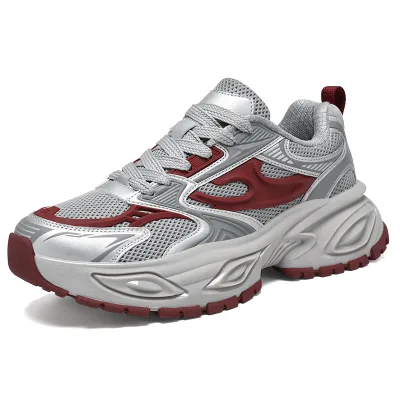
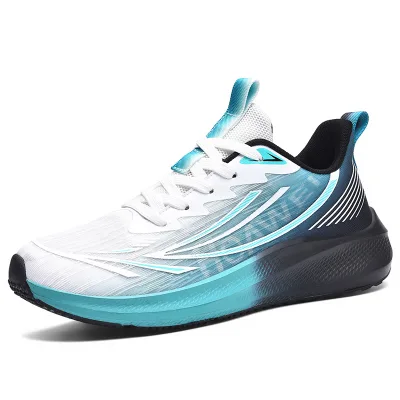
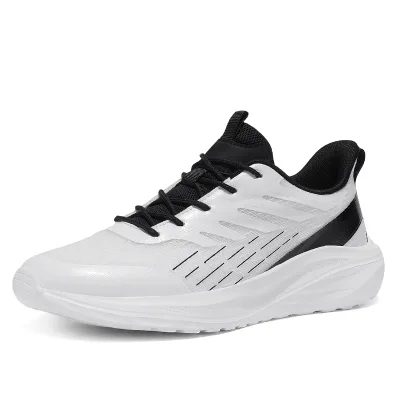
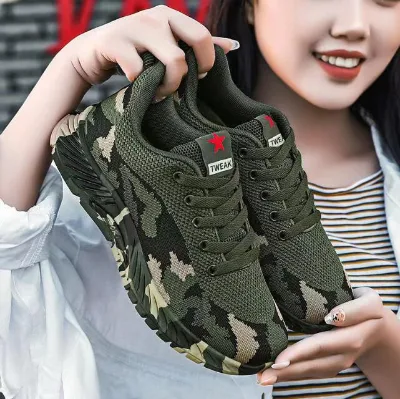
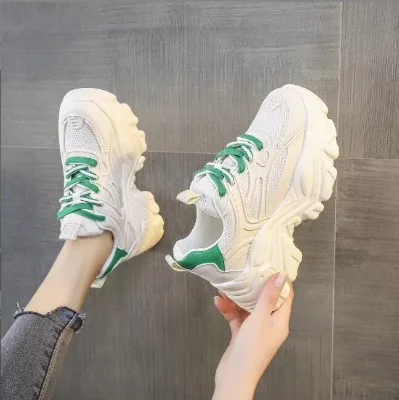
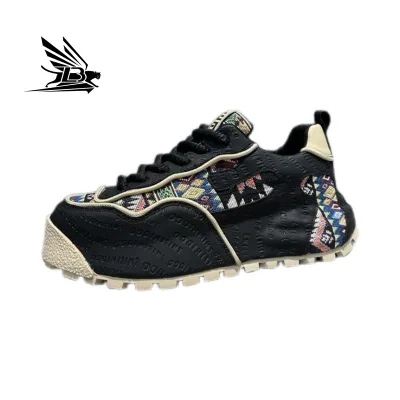
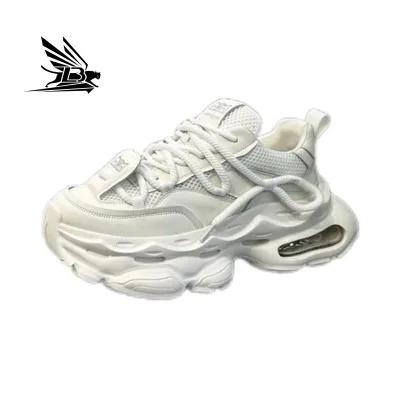
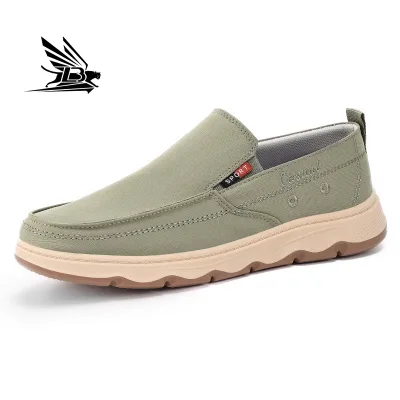
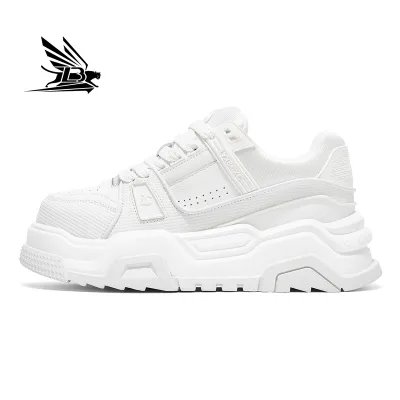
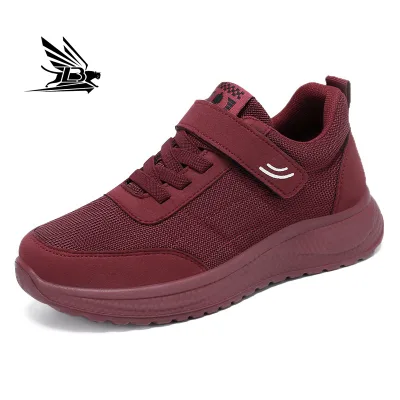
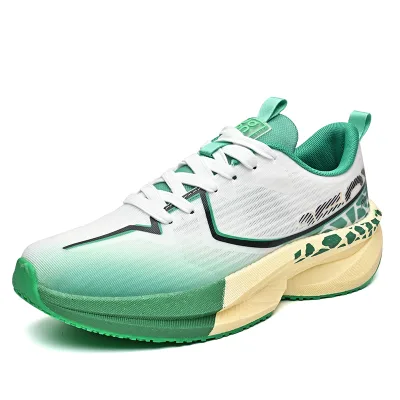
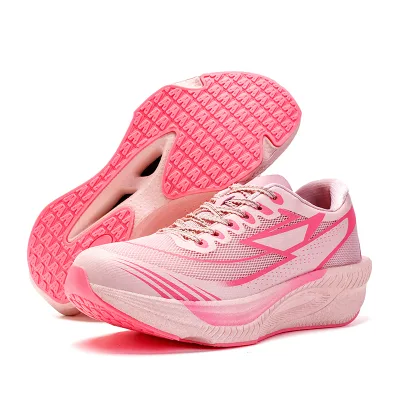


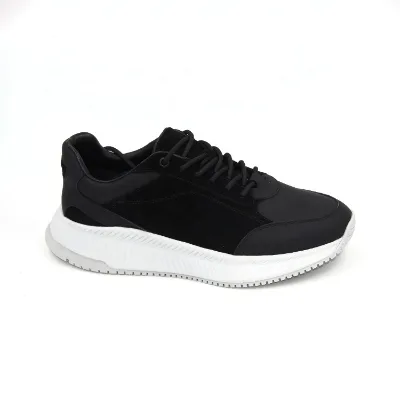




Comprehensive Sourcing Guide
Training Competitive Aerobics Shoes Supplier Concentration and Factory Types
The sourcing landscape for specialized athletic footwear reveals distinct manufacturing clusters that influence production capabilities and supply chain efficiency. Current data indicates a significant concentration of suppliers in China, specifically within the Fujian province, which is a recognized hub for shoe manufacturing. This region hosts a mix of combined companies and trading entities, each offering different value propositions for buyers seeking Training Competitive Aerobics Shoes. Combined companies often integrate design, manufacturing, and sales under one roof, potentially streamlining communication and quality control processes. In contrast, trading companies may offer a broader portfolio of products, including shoes, soles, pants, and yoga clothes, allowing for consolidated shipping if a buyer has diverse apparel needs. Understanding this structural diversity is crucial for aligning supplier selection with specific business requirements, whether prioritizing direct factory access or flexible product variety.
Factory types also vary in their operational focus and technical capacities, which directly impacts the feasibility of producing high-performance aerobics footwear. Many suppliers in the observed results list ODM and OEM capabilities, indicating they can customize designs or manufacture based on buyer specifications. This is particularly relevant for competitive aerobics shoes, which often require specific sole compositions, upper materials, and structural reinforcements to meet athletic standards. The presence of main products such as sporting shoes, shoe machines, and various sole materials suggests that these facilities possess the necessary machinery and expertise to handle complex footwear assembly. Buyers should evaluate whether a supplier’s primary product focus aligns with the technical demands of aerobics shoes, ensuring that the factory has dedicated resources for this niche rather than treating it as a secondary line item.
How to Verify Training Competitive Aerobics Shoes Suppliers
Verification is a critical step in mitigating risk when sourcing from international manufacturers, particularly in the footwear industry where quality consistency can vary. Buyers should prioritize suppliers who have undergone third-party verification processes, such as CTI certification, which provides an independent assessment of the company’s business legitimacy and operational capabilities. This verification status serves as a foundational trust signal, confirming that the entity exists and operates within legal frameworks. However, verification alone is not sufficient; buyers must also scrutinize the specific product evidence provided to ensure it matches their requirements for Training Competitive Aerobics Shoes. This includes examining detailed product attributes, such as upper materials, lining types, and sole constructions, to verify that the supplier’s catalog includes items suitable for high-impact athletic activities.
Beyond basic verification, buyers should assess the responsiveness and transparency of the supplier’s communication channels. Response times are a key indicator of operational efficiency and customer service quality, with faster response times often correlating with better project management. In the current market, response times can vary significantly, ranging from immediate replies to several days, which can impact the speed of sample approval and order placement. Buyers should also look for clear documentation of production standards and quality control measures. While specific certifications like ISO or BSCI are not explicitly listed in all results, the presence of detailed product specifications, such as anti-slip grooves, wave sole shock absorption, and breathable mesh linings, suggests a level of technical rigor. Buyers should request additional documentation or test reports to confirm that these features meet international safety and performance standards for competitive sports footwear.
What to Compare Across Training Competitive Aerobics Shoes Suppliers
When evaluating multiple suppliers, buyers must compare key operational metrics to determine the best fit for their supply chain needs. Lead times are a primary differentiator, with some suppliers indicating production periods of up to 60 days or more, while others may offer faster turnaround times. This variance can significantly impact inventory planning and market responsiveness, especially for seasonal or trend-driven athletic wear. Buyers should also compare minimum order quantities (MOQs), which can range from small batches to larger volumes, affecting cash flow and storage requirements. Additionally, response speed is a crucial factor, as quicker communication can facilitate faster problem-solving and decision-making during the sourcing process. Suppliers with shorter response times may offer a more collaborative and agile partnership, which is valuable for customizing Training Competitive Aerobics Shoes.
Price and customization options are equally important comparison points. Unit prices can vary based on material choices, order volume, and production complexity, with ranges observed from approximately $9.91 to $15.19 per pair. Buyers should analyze these costs in the context of the total value proposition, including shipping, tariffs, and potential rework costs. Customization availability is another key differentiator, with many suppliers offering ODM and OEM services. This allows buyers to tailor features such as upper materials, sole designs, and branding to meet specific market demands. Buyers should also compare product attributes like gender specifications, size ranges, and seasonal suitability to ensure the supplier’s offerings align with their target customer base. By systematically comparing these dimensions, buyers can identify suppliers that offer the best balance of cost, speed, and quality for their specific needs.
Common Training Competitive Aerobics Shoes Sourcing Risks
One of the primary risks in sourcing athletic footwear is the discrepancy between sample quality and mass production output. Buyers often receive high-quality samples that meet their specifications, but the bulk order may suffer from material inconsistencies or manufacturing defects. This risk is heightened when working with suppliers who have broad product ranges, as their focus may be diluted across multiple categories. To mitigate this, buyers should establish clear quality control protocols and consider third-party inspection services before shipment. Additionally, the lack of specific certifications for athletic performance standards can pose a risk, as buyers may assume that general shoe manufacturing capabilities translate to specialized aerobics footwear. It is essential to verify that the supplier has experience with high-performance athletic shoes and can provide evidence of rigorous testing for durability, flexibility, and support.
Another significant risk is the potential for communication breakdowns and delays in the supply chain. Misunderstandings regarding product specifications, packaging requirements, or delivery schedules can lead to costly errors and missed market opportunities. This is particularly relevant when dealing with trading companies that may act as intermediaries, potentially adding layers of complexity to the communication process. Buyers should ensure that all technical details are documented in writing and confirmed by both parties before production begins. Furthermore, reliance on a single supplier for a critical product line can create vulnerability to supply disruptions. Diversifying the supplier base and maintaining open lines of communication can help mitigate these risks. Buyers should also be cautious of suppliers with vague or incomplete product descriptions, as this may indicate a lack of attention to detail that could affect the final product quality.
Training Competitive Aerobics Shoes Regional Sourcing and Logistics
Sourcing from specific regions like Fujian, China, offers logistical advantages due to the established infrastructure for footwear manufacturing and export. This region benefits from a dense network of suppliers, raw material providers, and logistics partners, which can streamline the production and shipping process. Buyers should consider the proximity of suppliers to major ports, as this can reduce inland transportation costs and lead times. Additionally, the concentration of specialized suppliers in this area facilitates easier access to technical expertise and industry best practices. However, buyers must also account for the potential for congestion and competition for shipping space, especially during peak seasons. Planning logistics well in advance and maintaining flexibility in delivery schedules can help mitigate these challenges.
Logistics planning also involves understanding the packaging and labeling requirements for international shipping. Suppliers often provide detailed packing information, such as individual box packaging within cartons, which must be verified to ensure compliance with destination country regulations. Buyers should confirm the dimensions and weight of shipments to calculate accurate freight costs and optimize container utilization. Furthermore, the origin of the products, such as Jinjiang or other specific cities within Fujian, may influence customs clearance and tariff classifications. Buyers should work with experienced freight forwarders who can navigate these complexities and ensure smooth transit. By carefully managing regional sourcing and logistics, buyers can reduce costs and improve the reliability of their supply chain for Training Competitive Aerobics Shoes.
Training Competitive Aerobics Shoes Commercial Terms and Order Planning
Commercial terms and order planning are essential for ensuring a smooth transaction and successful product launch. Buyers should negotiate clear payment terms, such as deposits and balance payments upon shipment, to manage cash flow and risk. Understanding the supplier’s policy on sample costs and refunds is also important, as some suppliers may charge for samples but deduct the cost from the bulk order. Delivery times should be explicitly agreed upon, with penalties for delays to protect the buyer’s interests. Additionally, buyers should clarify the process for handling defects or quality issues, including return policies and compensation mechanisms. These terms should be documented in a formal contract to ensure legal enforceability and mutual understanding.
Order planning requires careful consideration of production cycles and inventory management. Buyers should align their order quantities with sales forecasts to avoid overstocking or stockouts. Given the variability in lead times and MOQs, it is advisable to place orders well in advance of the expected market demand. Buyers should also plan for potential variations in production, such as size runs and color distributions, to ensure a balanced inventory. Communication with the supplier regarding production updates and potential delays is crucial for maintaining accurate delivery expectations. By integrating commercial terms with strategic order planning, buyers can optimize their supply chain efficiency and maximize profitability for Training Competitive Aerobics Shoes.
FAQs
What is the typical lead time for manufacturing aerobics shoes?
Manufacturing lead times generally range from 60 to 90 days after sample confirmation and deposit payment. Some suppliers offer faster turnaround times within 45 to 60 days. Buyers should verify specific delivery schedules with the supplier before placing bulk orders to ensure alignment with their seasonal requirements.
What is the minimum order quantity for custom athletic footwear?
The minimum order quantity is typically set at 600 pairs per design. This threshold allows suppliers to cover production setup costs while offering competitive pricing. Buyers seeking smaller quantities may need to explore ready-to-ship options or negotiate directly with trading companies that have lower inventory requirements.
Are these shoes suitable for high-intensity competitive training?
Yes, many options feature resilient, breathable, and anti-microbial materials designed for active lifestyles. Key attributes include shock-absorbing wave soles and anti-slip grooves for stability. These features support optimal running and training experiences, ensuring durability and comfort during rigorous physical activities and competitive events.
What materials are commonly used for the upper and lining?
Common upper materials include PU, mesh, and fly knitting for breathability and durability. Lining options often consist of mesh or cotton fabric to enhance comfort. These materials are selected to provide lightweight support and moisture management, which are essential for maintaining foot health during extended training sessions.
What is the price range for wholesale athletic sneakers?
Wholesale prices typically range from approximately $9.91 to $15.19 per pair. The final cost depends on customization, material selection, and order volume. Buyers should request detailed quotations based on their specific design requirements and quantity to determine the most cost-effective sourcing strategy for their business.
Can suppliers provide OEM and ODM services for brands?
Yes, many manufacturers offer both OEM and ODM capabilities for custom branding. Buyers can customize colors, logos, and packaging to match their brand identity. This flexibility allows businesses to create unique product lines while leveraging the supplier's expertise in design and production processes for quality assurance.