Source Training Competitive Aerobics Shoes for Racing, Jumping, Running
Find 30 options for Training Competitive Aerobics Shoes featuring PU mesh uppers, rubber outsoles, and EVA midsoles. Compare OEM/ODM capabilities, seasonal styles, and customization options from Fujian, China suppliers to match your specific athletic needs; compare the available evidence and request quotations based on your requirements.
Updated
Key considerations
Products List
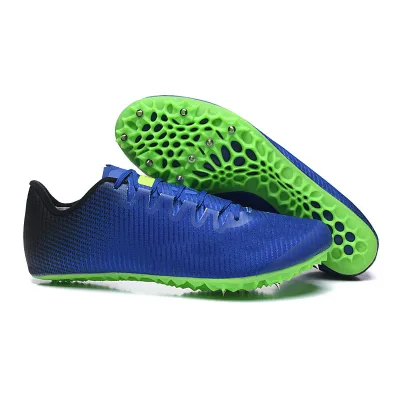
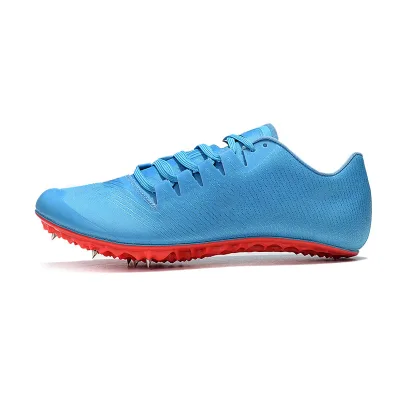
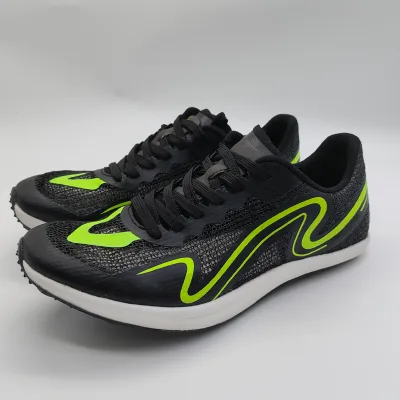
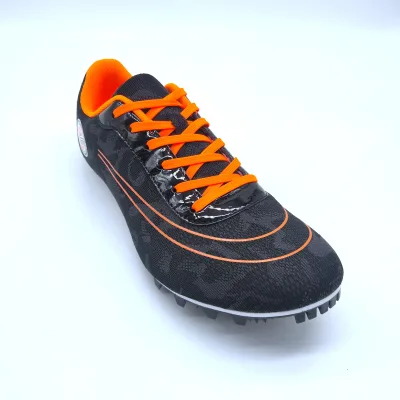


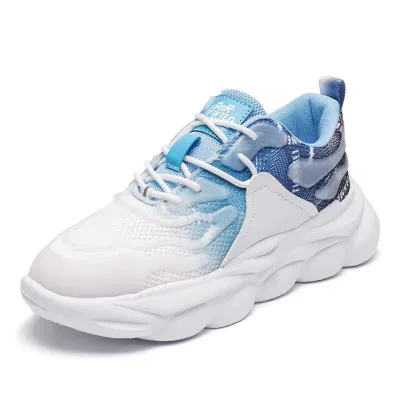
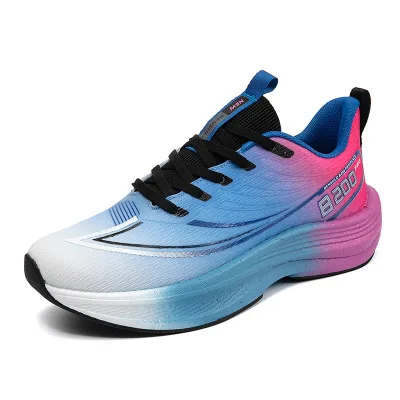
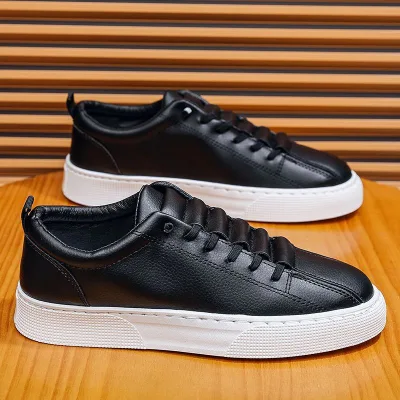
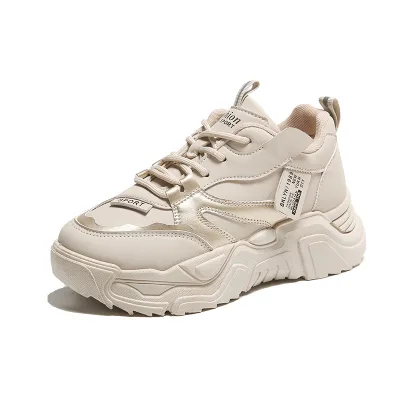
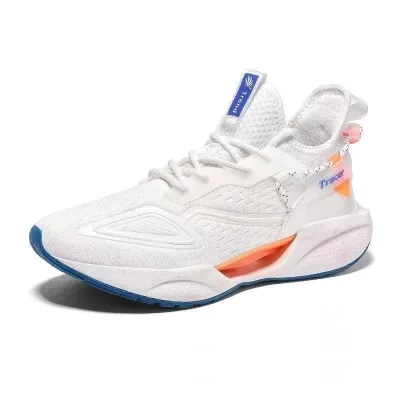
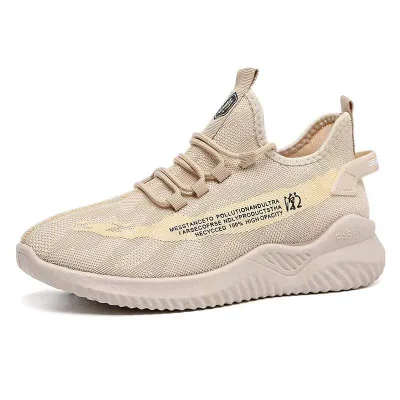
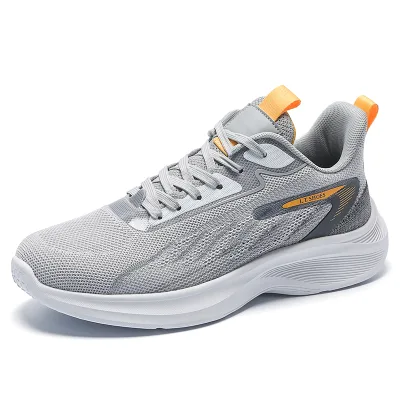
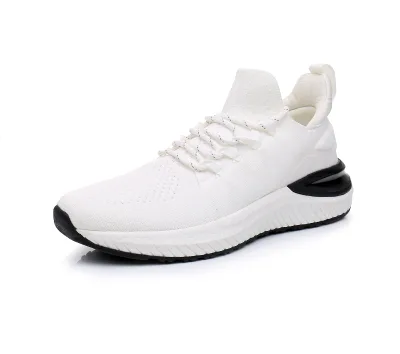
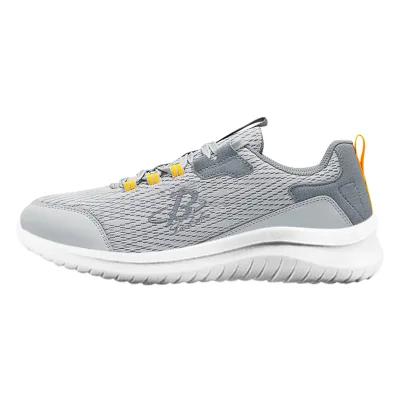
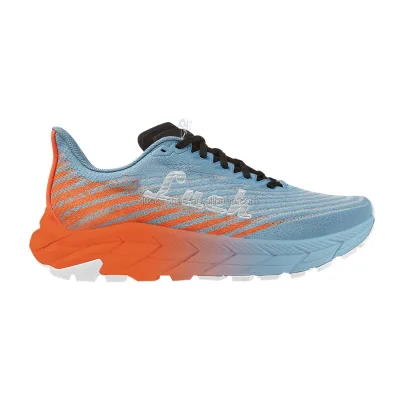


Comprehensive Sourcing Guide
Training Competitive Aerobics Shoes Sourcing Guide
Procurement professionals seeking Training Competitive Aerobics Shoes must first distinguish between general athletic footwear and specialized spike models designed for track events. The available market data indicates a specific subset of products labeled as "Track Shoes" or "Professional Running Spike Shoes" with usage explicitly defined for racing, jumping, and running. Buyers should verify that the product attributes align with high-intensity aerobics requirements, noting that some listings describe features like "Anti-slip" outsoles and "Comfortable" midsoles made from EVA, which are critical for dynamic movement.
When evaluating listings, it is essential to recognize that not all products labeled as "Sports Active" or "Trainers" are suitable for competitive aerobics. The observed inventory includes items with "Track Shoes" as the model number and specific upper materials like PU and Mesh, which offer breathability but may lack the structural rigidity required for lateral stability in aerobics. Sourcing teams must carefully cross-reference the "Usage" field against their specific performance needs, ensuring that the selected footwear supports the rapid direction changes and impact absorption necessary for competitive routines.
Product Scope and Observed Listing Signals
The current market signals reveal a diverse range of specifications, with observed single package sizes reaching up to 45x50x60 cm and gross weights of 3.0 kg per unit. These logistical metrics suggest that buyers should anticipate significant shipping volumes and potential handling costs when sourcing bulk orders of track and field footwear. The presence of multiple size standards, including US sizes ranging from 3.5 to 15.5 and EUR sizes from 36 to 50, indicates a need for precise size mapping to avoid inventory mismatches in international distribution channels.
Buyers must also scrutinize the material composition listed in product descriptions, as the observed data includes variations such as Cotton Fabric linings, PU uppers, and Genuine Leather options. While some products are marketed as "Waterproof," others are explicitly marked as "Not Waterproof," creating a critical decision point for buyers targeting specific environmental conditions. The availability of customization services and OEM/ODM support suggests that manufacturers are willing to adapt these base models, but the core material properties must be validated to ensure they meet the durability demands of competitive training.
Technical Specifications to Verify
Technical verification must begin with the outsole and midsole construction, as the observed data highlights Rubber outsoles and EVA midsoles as common configurations. These materials are fundamental for providing the necessary traction and shock absorption required during high-impact aerobics routines. Procurement teams should request detailed material safety data sheets to confirm that the rubber compounds meet specific friction coefficients and that the EVA foam density is optimized for repeated compression cycles without premature degradation.
The upper material composition requires equally rigorous scrutiny, with observed listings offering PU, Mesh, and Genuine Leather options. For competitive aerobics, the balance between breathability and structural support is paramount; Mesh uppers offer ventilation but may lack lateral stability, while Leather or PU provides durability but may reduce airflow. Buyers should verify the "Element" type, such as Lace systems, to ensure they provide a secure fit that prevents foot slippage during complex jumps and turns, and confirm that the "Toe Style" and "Opening Depth" align with the specific biomechanical needs of the athletes.
Compliance and Safety Documentation
Compliance verification is critical when sourcing footwear intended for competitive environments, particularly regarding the safety standards applicable to athletic gear. While the provided context does not list specific certification bodies, buyers must demand evidence that the products adhere to relevant international safety standards for footwear, such as ISO standards for physical performance and chemical safety. The absence of explicit certification claims in the observed data necessitates a proactive approach where suppliers must provide third-party test reports validating the non-toxic nature of the materials used in the lining and upper construction.
Safety documentation should also address the durability and structural integrity of the footwear under stress conditions. Buyers should require proof that the "Anti-slip" attributes are not merely marketing terms but are backed by standardized friction testing results. Additionally, since some products are described as "Hand Made," quality control protocols must be in place to ensure consistency in stitching and bonding, preventing failures that could lead to athlete injury. The "Standard" field, which mentions EUR and US size ranges, should be cross-referenced with local regulatory requirements to ensure the sizing and labeling comply with destination market regulations.
Cost Drivers and Commercial Terms
Cost structures for competitive aerobics shoes are heavily influenced by the complexity of the materials and the level of customization required. The observed MOQ range of 1 to 1000 units suggests flexibility, but higher customization levels, such as specific branding or unique material blends, will likely increase the unit price. Buyers should analyze the cost implications of the "Single gross weight" of 3.0 kg, as this impacts freight charges significantly, especially when shipping large cartons containing 10 boxes per unit.
Commercial terms must be negotiated with a clear understanding of the "Service" capabilities, specifically the OEM and ODM support offered by suppliers. The availability of customization allows for brand differentiation but introduces variables in lead time and minimum order quantities that can affect cash flow. Procurement teams should clarify the payment terms associated with the "Selling Units" of single items versus bulk cartons, ensuring that the pricing model accounts for the variability in color options and size runs observed in the market data.
Supplier Qualification and Quality Control
Supplier qualification should prioritize manufacturers with a proven track record in producing specialized athletic footwear, as evidenced by their specific model numbers like "smb148" or "shs084." The presence of diverse product models indicates a capacity for varied production runs, but buyers must verify the supplier's ability to maintain consistent quality across different batches. The "Place of Origin" being Fujian, China, is a known hub for footwear manufacturing, yet this geographic concentration requires rigorous vetting to ensure that the specific factory meets the buyer's quality expectations.
Quality control protocols must be established to monitor the consistency of materials such as the "Lining Material" and "Upper Material" across all production units. Since the data shows variations in waterproofing and material types, a robust inspection plan is essential to prevent the mixing of non-compliant items. Buyers should implement pre-shipment inspections that specifically test the "Anti-slip" performance and the structural integrity of the "Midsole Material" to ensure that every pair meets the rigorous demands of competitive training environments.
Long-Term Procurement Checks
Long-term procurement strategies should focus on building a resilient supply chain capable of adapting to changing market demands and performance requirements. The observed "Season" attributes, covering Winter, Summer, Spring, and Autumn, suggest that suppliers must be able to produce footwear suitable for year-round training conditions. Buyers should establish ongoing communication channels to monitor updates in material technology and design trends that could enhance the performance of their competitive aerobics shoes.
Sustainability and ethical sourcing should also be integrated into long-term checks, even if not explicitly detailed in the current product data. As the industry evolves, buyers must ensure that their suppliers adhere to evolving environmental standards and labor practices. Regular audits of the "Customization" processes and "Service" levels will help maintain a partnership that delivers consistent value, ensuring that the footwear remains competitive in terms of both performance and cost efficiency over the lifecycle of the procurement contract.
FAQs
What materials are used for the upper and lining?
The upper material is constructed from PU and mesh, while the lining material is cotton fabric. This combination ensures breathability and comfort during intense training sessions. The outsole material is rubber, providing necessary grip and durability for various track surfaces.
Can these shoes be customized for specific brands?
Yes, OEM and ODM services are supported for customization. Buyers can request specific branding, color schemes, or design modifications to meet unique requirements. This flexibility allows businesses to create distinct product lines tailored to their target audience and market positioning strategies.
What is the minimum order quantity for these shoes?
The minimum order quantity is 12 pairs. This low MOQ allows buyers to test the market with smaller initial orders. It reduces financial risk for new businesses while still enabling bulk purchasing benefits for established retailers looking to replenish inventory efficiently.
Where are these training shoes manufactured?
These shoes are manufactured in Fujian, China. The place of origin indicates the production location within a major manufacturing hub. Buyers can leverage this information for logistics planning and supply chain optimization, ensuring reliable sourcing from established industrial regions in China.
What sizes are available for these track shoes?
Available sizes range from US 3.5 to US 15.5, covering EUR 36 to 48. This extensive size range accommodates various foot dimensions for men and unisex users. The comprehensive sizing ensures that buyers can source products for diverse customer bases without gaps.
Are these shoes suitable for all seasons?
Yes, these shoes are designed for winter, summer, spring, and autumn use. The versatile design allows for year-round wear across different climate conditions. This seasonal adaptability makes them a practical choice for retailers seeking products with extended usability and broader market appeal.