Truck Headache Rack Suppliers and Manufacturers
Source 12 verified Truck Headache Rack suppliers from China Jiangsu and Zhejiang. Compare ISO9001:2015 certified manufacturers with response times under 16 hours, lead times of 30 days, and MOQs starting at 10 units. Review bolt-on aluminum options and request quotes today.
Updated
Suppliers List

Yangzhou Yinjiang Canvas Products Co., Ltd.
- Verified by TUVRHEINLAND
- Combined
- China Jiangsu
- Lead time30 days
- Avg. response≤ 16h
Main productsCargo Control, Curtainsider for Truck Body, Truck Quick Opening Slider System for Truck, Rolling Tarp System for Flatbed Trailers, Retractable Tarp, Flip Dump Arm Tarp System, Truck and Trailer Cable Tarp System, Waste Container Skip Bin Retractable Cable Tarps, Truck and Trailer Side Roll Tarp System, Flatbed Tarps Lumber Tarp
Main marketsEurope


Aluminum Alloy Truck Cab Protector Multi-Functional Truck Head Rack with Light Mounts
$720.00 - $736.00
MOQ: 50 Pieces

Trailer Single or Three Door Aluminum Cab Headache Rack for Semi Truck
$720.00 - $736.00
MOQ: 50 Pieces

Ningbo Jingli Machinery Manufacturing Co., Ltd.
- Verified by SGS
- Manufacturer
- China Zhejiang
- Lead time30 days
- Avg. response≤ 9h

Trailer Axle Auto Spare Part Aluminum Case Truck Heavy Duty Headache Rack
$720.00 - $800.00
MOQ: 10 Pieces


Universal Semi Truck Headache Rack Heavy Duty Aluminum One Door Cab Rack
$1250.00 - $1255.00
MOQ: 25 Pieces

Yangzhou Dandelion Outdoor Equipment Co., Ltd.
- Verified by SGS Group
- Manufacturer, Trading Company
- Lead time25 days
- Avg. response≤ 5h
Main productsTarp Products, Cover Products, Outdoor Customized Products, Garden Supplies
Main marketsNorth America(40%), Western Europe(30%), Northern Europe(10%)
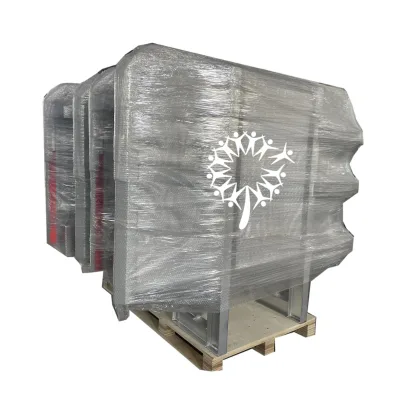
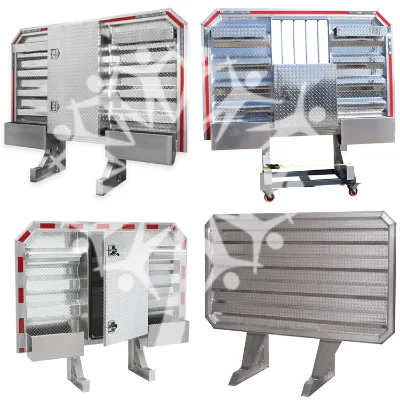
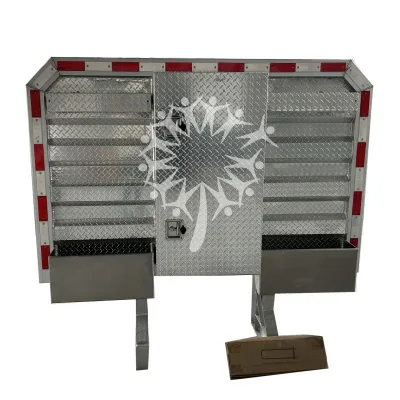
$564.7206 - $770.0735
MOQ: 10 sets
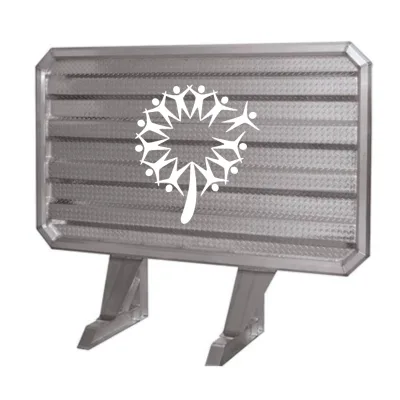
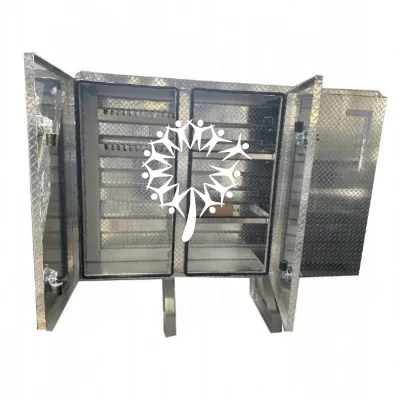

Ningbo Tower Machinery Co., Ltd
- Verified by TUVRHEINLAND
- Manufacturer/Factory
- China Zhejiang
- Lead time30 days
- Avg. response≤ 7h
Main productsSheet Metal Fabrication, CNC Machining Parts, Laser Cutting Parts, Tube Bending Parts, Welding Parts, Stamping Parts, Bus Seat, Trailer Jack, Electric Winch, Wheel Spacer
Main marketsSouth America,Eastern Europe,Mid East,North America,Southeast Asia,Eastern Asia,Oceania,Western Europe,Africa
Yangzhou Dandelion Logistics Equipment Co., Ltd.
- Manufacturer, Trading Company
- Jiangsu, China
- Lead time25 days
- Avg. response≤ 4h
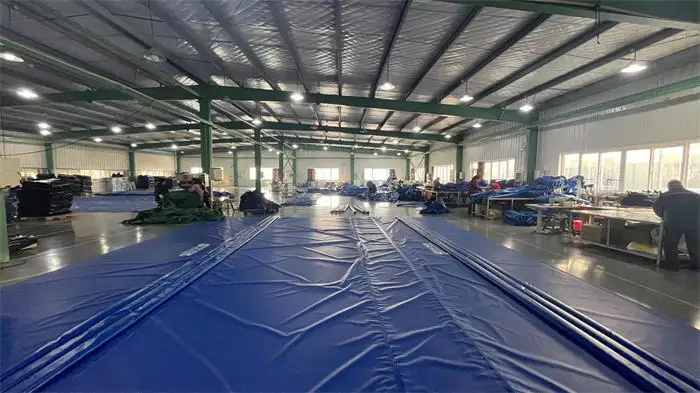
Main productsTarps,Tarping System,Headache Rack,Cargo Equipment,Hardware Kit
Main marketsNorth America(45.00%), Western Europe(30.00%), Southern Europe(5.00%), Northern Europe(5.00%), South America(5.00%), Oceania(5.00%), Eastern Europe(5.00%)
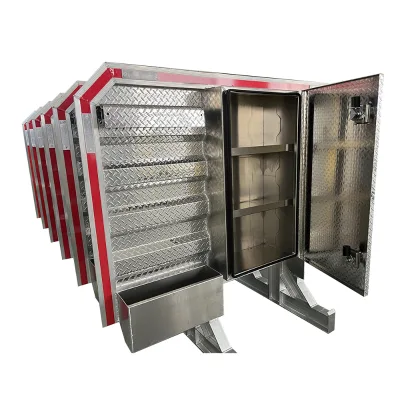
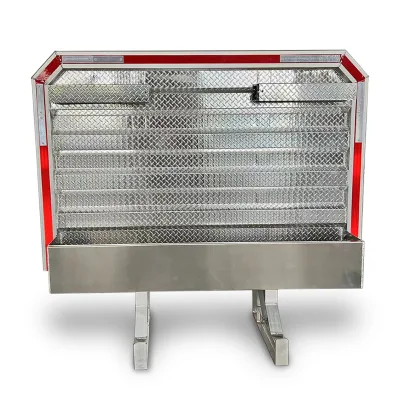
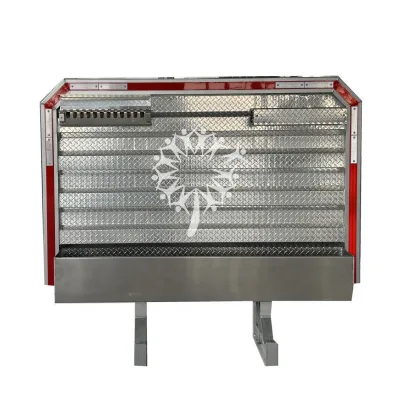
New Dandelion Aluminum Silver Headache Rack for Truck Trailer Cab Guard with Chain Hanger
$680.00 - $750.00
MOQ: 50
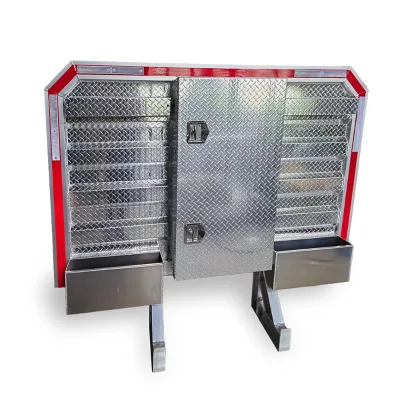
Custom Logo Trailer Single Door Aluminum Cab Rack Headache Rack for Semi Truck
$685.00 - $800.00
MOQ: 2
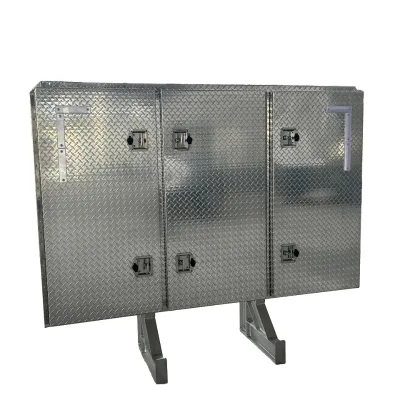
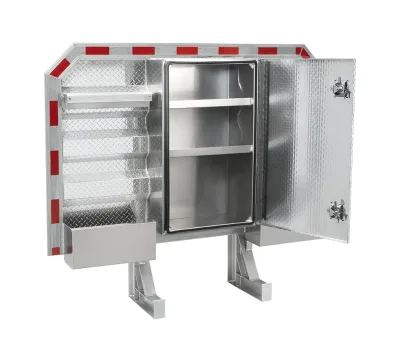
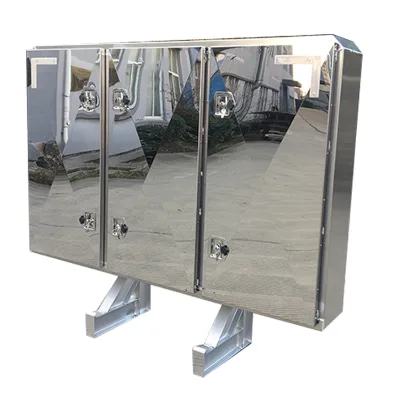
Aluminum Headache Rack Truck Sleeper Cab Guard Racks Vaulted Enclosure with 3-Door Compartments
$970.00 - $1200.00
MOQ: 10
Ningbo Kingkin International Trade Co., Ltd.
- Trading Company
- Zhejiang, China
- Lead time40 days
- Avg. response≤ 4h
Main productsTruck Trailer, Cargo Control, Lifting Products, Safety Products
Main marketsNorth America(70.00%), Western Europe(20.00%), South America(3.00%), Northern Europe(3.00%), Oceania(2.00%), Eastern Europe(2.00%)
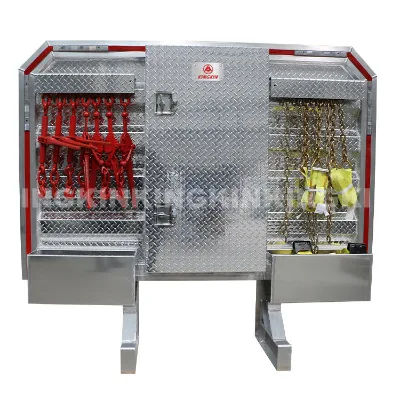
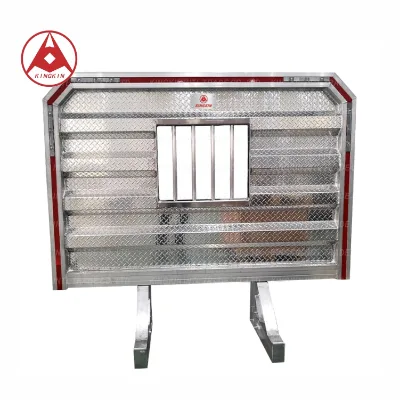
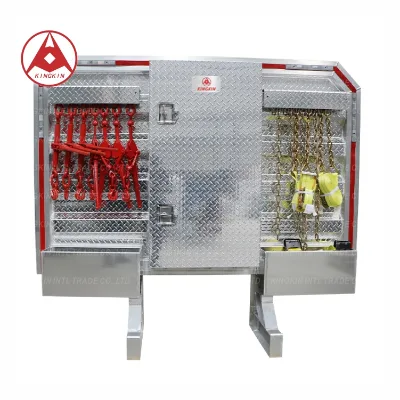
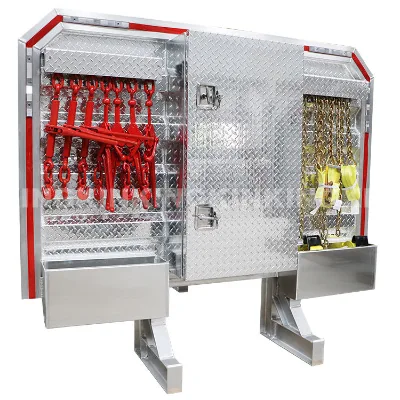
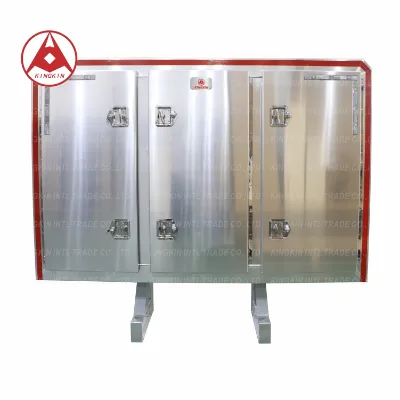
Heavy Duty 1 Window Mirror Finish Aluminum Full Tray Semi Truck Headache Rack New
$564.7206 - $677.6656
MOQ: 10 sets

Xuzhou Caixin Aluminum Products Co., Ltd.
- Verified by SGS
- Combined
- China Jiangsu
- Lead time30 days
- Avg. response≤ 5h
Main productsAluminum Alloy Toolbox, Aluminum Ramp, Aluminum Canopy, Aluminum Pallet, Aluminum Freezing Box, Aluminum Ute Tray, Aluminum Ladder, Aluminum Plate, Aluminum Profile
Main marketsSouth America,Southeast Asia/ Mideast,Domestic,Europe,Australia,North America


New Aluminum 68'' X 80'' Truck Headache Rack with Middle Door Chain Hanger Full Tray
$620.00 - $645.00
MOQ: 2 Pieces


Flatbed Truck Parts 68" X80" Aluminum Headache Rack with 2 Chain Hanger Full Tray
$640.00 - $680.00
MOQ: 10 Pieces

Jiashan Leedun Machine Manufacture Co., Ltd.
- Manufacturer
- Zhejiang Province, China
- Lead time0 days
- Avg. response≤ 12h
Main productsUnderbody Tool Box,Cab Rack,Jobsite Tool Box;,Ute Tool Box,Step Box
Main marketsOceania(40.00%), North America(40.00%), Western Europe(20.00%)
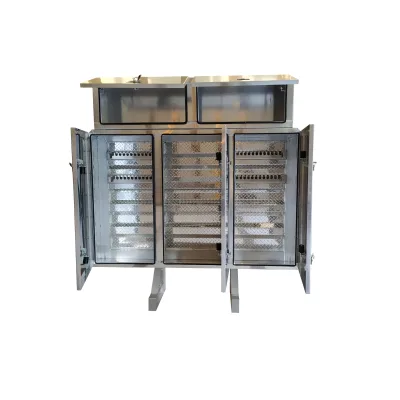
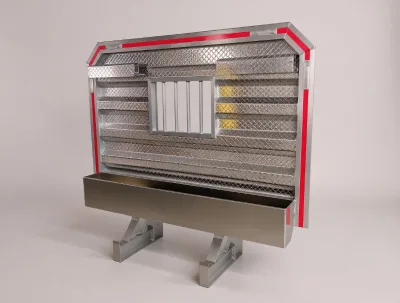
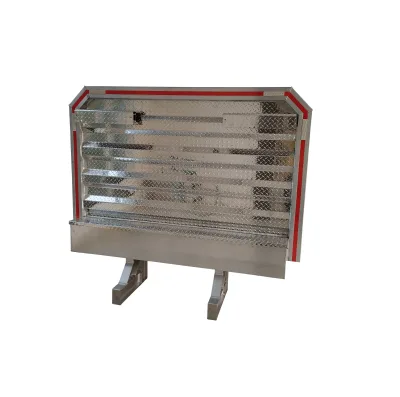
Cab Racks Headache Rack for Semi Truck Flatbed Truck Cab Rack W/5 Doors Smooth Plated
$1386.1323 - $1437.4705
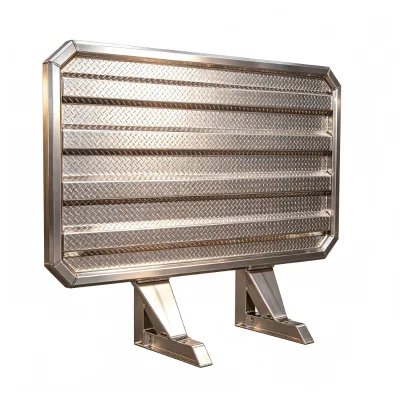
Aluminum Semi Truck Headache Rack Cab Rack Cab Guard
$520.00 - $550.00
- Verified by TüVRheinland
- Trading Company
- Lead time15 days
- Avg. response≤ 2h
Main productsRatchet Tie Down Strap, Lashing Strap, Chain Binder, Truck Accessories, Webbing Sling
Main marketsNorth America(40%), Western Europe(40%), South America(10%)
Hangzhou Rannuo Technology Co., Ltd.
- Trading Company
- zhejiang, China
- Lead time0 days
- Avg. response≤ 6h
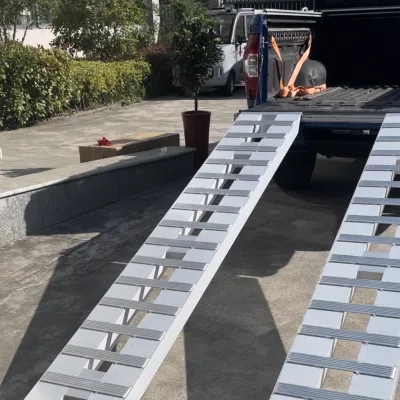
Main productsAluminum ATV loading ramp,Steel ATV Loading Ramp,Wheelchair Ramps,Heavy Duty Ramps,Pet Ramps
Main marketsNorthern Europe(50.00%), North America(50.00%)
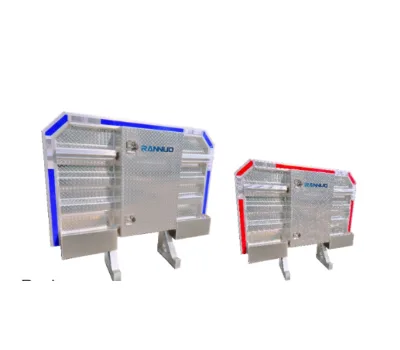
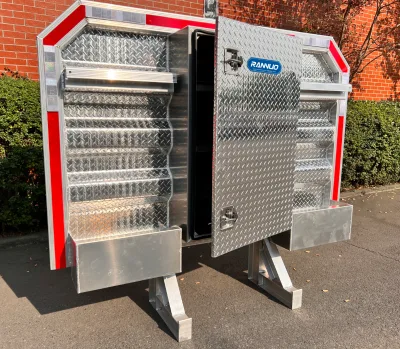
New Factory Wholesale Aluminum Truck Headache Rack with Toolboxs 68'' X 80'' Stable
$660.00 - $730.00
MOQ: 5
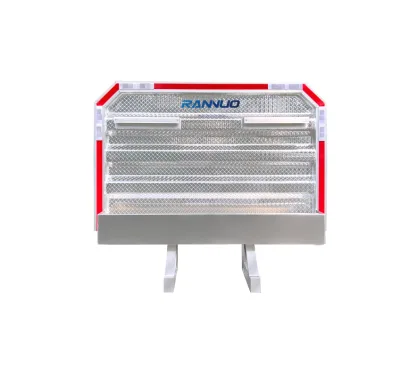
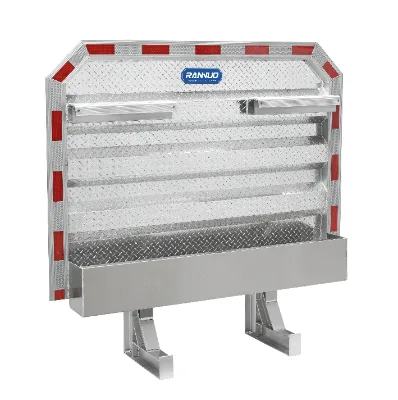
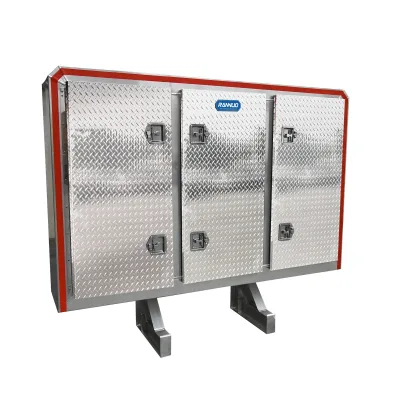
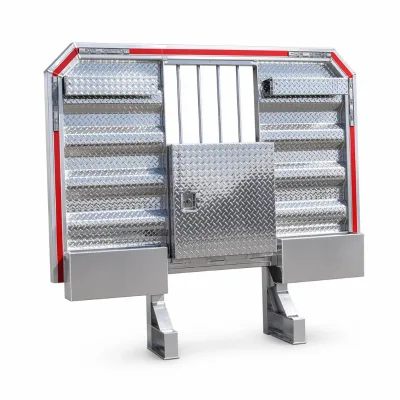
Flatbed Dual Storage Box Mesh Aluminum Headache Rack with Bar Window for Semi Truck
$630.00 - $670.00
MOQ: 20

Ningbo Beilun Bonsen Auto Electron Co., Ltd.
- Verified by BV
- Trading Company,Manufacturer/Factory
- China Zhejiang
- Lead time38 days
- Avg. response≤ 7h
Main productsLED Trail Tail Lights, LED Headlights Bulb, Car Wash Machine, Low Pressure Die Casting Machine, Laptop Stand, Seasoning Meat Syringe, Stainless Steel Heating Manifold, Brazed Plate Heat Exchanger
Main marketsSouth America,Eastern Europe,Mid East,North America,Southeast Asia,Eastern Asia,Oceania,Western Europe,Africa

Steel Universal Headache Rack for Construction Truck Pickup Truck Single Bar Set
$27.50 - $29.00
MOQ: 100 Pieces

Adjustable Truck Pickup Headache Rack Window Protector Mesh Black Steel
$48.00 - $50.00
MOQ: 100 Pieces

Beijing Efon Technology Co., Ltd.
- Verified by SGS
- Trading Company
- China Beijing
- Lead time60 days
- Avg. response≤ 16h
Main productsTonneau, Cover, Pickup, Truck, Modification
Main marketsEurope




Comprehensive Sourcing Guide
Truck Headache Rack Supplier Concentration and Factory Types
The current supplier landscape for truck headache racks reveals a distinct geographic concentration within China, specifically highlighting manufacturing hubs in Jiangsu and Zhejiang provinces. These regions serve as primary centers for the production of heavy-duty vehicle accessories, including aluminum cab racks and trailer parts. Suppliers located in these areas often operate as combined entities or dedicated manufacturers, offering a blend of trading services and direct factory capabilities. This structural diversity allows buyers to access a wide range of product specifications, from standard bolt-on aluminum racks to custom-style non-bearing body structures. The presence of both combined companies and pure manufacturers in these locations suggests a mature supply chain ecosystem where raw material sourcing, such as aluminum alloy, is readily available, facilitating efficient production cycles for heavy-duty truck components.
Understanding the type of supplier is crucial for aligning procurement strategies with business needs. Combined companies may offer broader product portfolios, including cargo control systems and rolling tarp mechanisms, which can be advantageous for buyers seeking consolidated sourcing for multiple truck accessories. In contrast, manufacturers in Zhejiang, for instance, often specialize in specific technical attributes like weld-on installations or diamond plate finishes, providing deeper expertise in structural integrity and material treatment. The distinction between these entity types influences not only the product range but also the flexibility in customization and the depth of technical support available. Buyers should evaluate whether their priority lies in the breadth of accessory options offered by a combined supplier or the specialized manufacturing precision provided by a dedicated factory, as this choice directly impacts the quality and suitability of the headache racks for specific semi-truck applications.
How to Verify Truck Headache Rack Suppliers
Verification of suppliers requires a rigorous examination of third-party certifications and independent audit reports to ensure operational legitimacy and quality management standards. Many suppliers in this sector hold ISO9001:2015 and ISO14001:2015 certificates, which indicate adherence to international quality and environmental management systems. These certifications are critical for buyers who need assurance that the manufacturing processes for aluminum cab racks and trailer parts meet consistent quality benchmarks. Additionally, verification badges from recognized agencies such as TÜV Rheinland and SGS provide an extra layer of confidence regarding the supplier’s business practices and product reliability. Buyers should actively request and review these certification documents to confirm that the supplier’s claims about their manufacturing capabilities and quality control measures are substantiated by independent audits, thereby reducing the risk of engaging with unverified entities.
Beyond certifications, buyers must scrutinize the specific product attributes and compliance details listed in supplier catalogs to ensure they match their operational requirements. For example, some headache racks are designed to meet USA DOT standards, which is a vital consideration for operators in North America who must adhere to strict safety regulations. Suppliers may list compatibility with specific truck brands like Freightliner or offer international compatibility, which requires careful validation against the buyer’s fleet specifications. It is also essential to verify the installation methods, such as bolt-on versus weld-on, and the structural design, whether it is a non-bearing body or a load-bearing structure. By cross-referencing these technical details with the supplier’s verification status and certification records, buyers can construct a comprehensive profile of the supplier’s capability to deliver safe, compliant, and durable truck headache racks that meet their specific logistical and safety needs.
What to Compare Across Truck Headache Rack Suppliers
When evaluating multiple suppliers, comparing key operational metrics such as response time, lead time, and minimum order quantities (MOQ) is essential for effective supply chain planning. Response times can vary significantly, with some suppliers demonstrating rapid communication capabilities, such as an average response time of approximately 8 hours, while others may take closer to 16 hours. Faster response times often correlate with better customer service and quicker resolution of technical queries regarding customizations or specifications. Lead times, typically around 30 days for production, should be factored into inventory planning to ensure timely delivery of truck accessories. Additionally, MOQs can range widely, from as low as 10 pieces for certain aluminum cases to 50 or more for standard racks, allowing buyers to select suppliers that align with their order volume and budget constraints.
Product specifications and customization options also serve as critical comparison points across different suppliers. Buyers should assess the availability of customization, such as custom styles, specific dimensions like 60-inch top mount tarp trays, or unique features like light mounts and chain attachments. The material composition, whether aluminum alloy or stainless steel, and the finish, such as painted silver or diamond plate, should be compared to determine the best value for durability and aesthetics. Furthermore, the inclusion of additional features like tool boxes or multi-functional designs can influence the overall utility of the headache rack. By systematically comparing these technical and operational attributes, buyers can identify suppliers that offer the best balance of price, quality, and service, ensuring that the selected headache racks meet their specific functional requirements and fit seamlessly into their trucking operations.
Common Truck Headache Rack Sourcing Risks
One significant risk in sourcing truck headache racks is the potential mismatch between product specifications and actual fleet requirements, leading to installation failures or safety hazards. Suppliers may list products with generic compatibility claims, such as "International" or specific brand names like Freightliner, but without detailed engineering drawings or precise mounting hole patterns, buyers risk ordering racks that do not fit their trucks. This is particularly problematic for custom-style racks or those with non-bearing body structures, where precise measurements are critical. Additionally, the variation in installation methods, such as bolt-on versus weld-on, requires careful consideration of the buyer’s workshop capabilities and tools. Failure to verify these details can result in costly modifications or the need for professional welding services, increasing the total cost of ownership and delaying fleet operations.
Another risk involves the quality and durability of materials, particularly when sourcing from suppliers with varying levels of verification and certification. While many suppliers hold ISO certifications, the actual material grade of aluminum or the thickness of the diamond plate may not be explicitly detailed in product listings. Buyers may encounter products that appear similar in appearance but differ significantly in weight and structural integrity, as seen in listings with weights around 100 kg. Without independent testing or detailed material specifications, it is difficult to assess the long-term durability of the headache racks under heavy-duty conditions. Furthermore, the risk of inconsistent packaging, such as wooden cases versus carton boxes, can lead to damage during transit, especially for delicate components like light mounts or chain attachments. Buyers must mitigate these risks by requesting detailed material certificates and conducting thorough pre-shipment inspections to ensure the products meet their quality standards.
Truck Headache Rack Regional Sourcing and Logistics
Sourcing truck headache racks from specific regions in China, such as Jiangsu and Zhejiang, offers logistical advantages due to the concentration of manufacturing facilities and established supply chains. These regions are well-connected to major ports, facilitating efficient export logistics for heavy and bulky items like aluminum cab racks and trailer parts. Buyers should consider the impact of regional logistics on shipping costs and delivery times, as products packed in wooden cases or pallets may require specialized handling and containerization. The proximity of suppliers to port infrastructure can reduce inland transportation costs and minimize the risk of damage during transit, ensuring that the headache racks arrive in optimal condition. Additionally, the concentration of suppliers in these areas allows for easier consolidation of orders from multiple vendors, streamlining the procurement process and reducing administrative overhead.
However, buyers must also account for the variability in packaging standards across different suppliers, which can affect logistics efficiency and product protection. Some suppliers use custom packaging solutions, while others rely on standard carton boxes or poly bags, which may not provide adequate protection for heavy-duty truck accessories. The weight and dimensions of the products, such as 68-inch by 80-inch racks, require careful planning to optimize container space and minimize shipping costs. Buyers should work closely with suppliers to determine the most cost-effective packaging and shipping methods, considering factors such as freight forwarder rates and customs clearance procedures. By understanding the logistical implications of sourcing from these specific regions, buyers can make informed decisions that balance cost, speed, and product safety, ensuring a smooth and efficient supply chain for their Truck Headache Rack procurement needs.
Truck Headache Rack Commercial Terms and Order Planning
Commercial terms and order planning are critical components of successful procurement, requiring careful attention to pricing structures, payment terms, and production schedules. Prices for truck headache racks can vary based on customization, material, and order volume, with ranges observed from approximately $665 to $1255 per unit. Buyers should negotiate clear pricing agreements that account for any additional costs associated with customization, such as specific dimensions or unique features like light mounts. It is also essential to clarify payment terms, including the use of escrow services for secure transactions, to protect against non-delivery or quality disputes. By establishing transparent commercial terms, buyers can mitigate financial risks and ensure that the procurement process aligns with their budget and cash flow requirements.
Order planning must also consider the lead times and MOQs specified by suppliers to ensure timely delivery and inventory management. With lead times typically around 30 days and MOQs ranging from 10 to 100 pieces, buyers need to forecast their demand accurately to avoid stockouts or excess inventory. Coordinating with suppliers to align production schedules with delivery timelines is crucial for maintaining operational efficiency, especially for fleets with high turnover rates. Additionally, buyers should plan for potential delays due to customization requests or material shortages, building buffer time into their procurement schedules. By integrating commercial terms and order planning into a cohesive strategy, buyers can optimize their supply chain, reduce costs, and ensure a steady supply of high-quality truck headache racks to support their fleet operations.
FAQs
What is the price range for aluminum truck headache racks?
Prices for aluminum truck headache racks typically range from $665 to $1255 per unit. The cost varies based on specific features such as tool box integration, door configurations, and material thickness. Buyers should expect higher prices for heavy-duty models with custom finishes or additional mounting options for lights and chains.
What is the minimum order quantity for these racks?
The minimum order quantity varies significantly by supplier and product type. Some manufacturers require a minimum of 10 pieces for standard aluminum models, while others may set the threshold at 25 or 50 units. Buyers should verify the specific MOQ for their chosen model to ensure it aligns with their procurement volume.
How long does production take for custom racks?
Standard lead times for manufacturing truck headache racks are approximately 30 days. This timeline allows for material sourcing, fabrication, and quality control processes. Custom designs or specific finish requirements may extend this period, so buyers should confirm the exact delivery schedule with the supplier before finalizing the purchase order.
Are these racks compatible with specific truck brands?
Compatibility varies by model, with some racks designed specifically for Freightliner trucks, while others offer international compatibility for various semi-truck brands. Buyers should check the product specifications for exact vehicle compatibility. Custom styles are often available to fit different truck cab dimensions and mounting requirements.
What certifications do the suppliers hold?
Many suppliers hold ISO9001:2015 and ISO14001:2015 certificates, ensuring quality management and environmental standards are met. Additionally, some suppliers are verified by third-party inspection agencies like TÜV Rheinland or SGS. These certifications indicate a commitment to manufacturing standards and product reliability for international buyers.
Where are these headache racks manufactured?
These truck headache racks are primarily manufactured in China, with production facilities located in Jiangsu and Zhejiang provinces. These regions are known for their robust manufacturing capabilities in vehicle parts and accessories. Buyers can expect products to originate from these specific industrial hubs in China.
What installation methods are available for these racks?
Installation methods typically include bolt-on and weld-on options depending on the specific rack design. Bolt-on installations offer flexibility and ease of replacement, while weld-on methods provide a more permanent and rigid attachment. Buyers should select the method that best suits their truck's structural requirements and maintenance preferences.