Tuya App Control Smart Button Suppliers and Manufacturers
Source 19 verified suppliers for Tuya App Control Smart Button products. Compare ISO 9001 certified manufacturers and trading companies based on lead times, MOQ, and response rates. Review sample processing capabilities and pricing to find the right partner; review the available evidence before requesting comparable quotations from suitable candidates.
Suppliers List
Shenzhen Fondvision Technology Development Limited
- Verified by Intertek
- Manufacturer, Trading Company
- Lead time8 days
- Avg. response≤ 4h
Main productsCard reader, Access control, Smart Access control, Access control cards, Magnetic lock
Main marketsEastern Europe(20%), Mid East(15%), Western Europe(15%)

Taizhou Tianlai Youyang Electronic Technology Co., Ltd.
- Verified by SGS
- Combined
- China Zhejiang
- Lead time23 days
- Avg. response≤ 5h
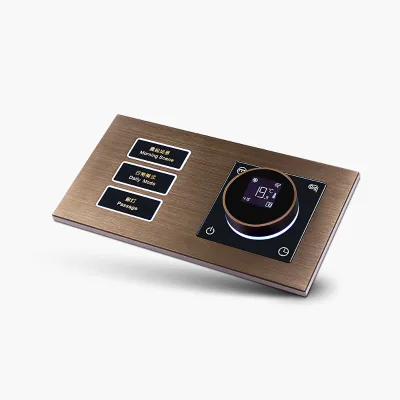
Main productsSmart Home, Smart Switch, WiFi Switch Wall Switch, Zigbee Switch, Amplifier, Speaker, Smart Screen Control Panle , Smart Lock , Intercom, Sensor
Main marketsSoutheast Asia/ Mideast,Europe,North America

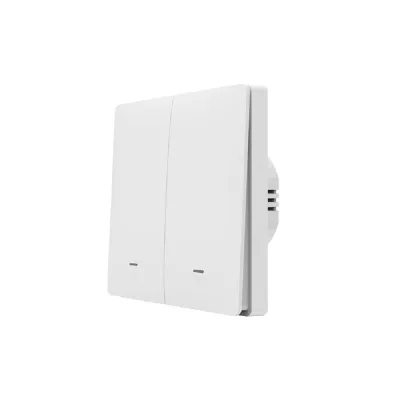
Intelligent Home Tuya Smart APP Control Wireless Remote Control WiFi Smart Switch
$12.00 - $12.50
MOQ: 1 pieces

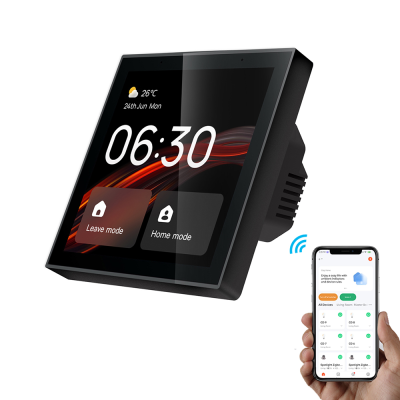
Touch Screen Home Controller Smart Switch for Tuya Devices with 4 Physical Buttons
$35.00 - $38.00
MOQ: 1 pieces


Hangzhou FrankEver Imp. & Exp. Co., Ltd.
- Verified by SGS
- Trading Company,Manufacturer/Factory
- China Zhejiang
- Lead time45 days
- Avg. response≤ 7h
Main productsSoldering Tools, Multimeter, Car Installation Accessories, Smart Home, Smart Garden, Car Cable, PCBA, Tester
Main marketsSouth America,Eastern Europe,Mid East,North America,Southeast Asia,Eastern Asia,Oceania,Western Europe,Africa

Guangzhou Shenmao Hardware Electrical Appliance Co., Ltd
- Verified by BV
- Trading Company
- China Guangdong
- Lead time15 days
- Avg. response≤ 6h
Main productsSmart Switch, WiFi Switch, Smart Socket, WiFi Socket, Wall Switch, Wall Socket, Electrical Switch, Electrical Scoket, Cable Wire, Switch and Socket
Main marketsSouth America,Africa,Southeast Asia/ Mideast,East Asia(Japan/ South Korea),Europe,Australia,North America

$4.80 - $11.80
MOQ: 50 Pieces

1gang Smart Home Switches Phone APP Control Touch Screen WiFi Light Switch
$6.00 - $15.00
MOQ: 50 Pieces

Dongguan kailexin trading co., LTD
- Trading Company
- China Guangdong
- Lead time15 days
- Avg. response≤ 8h
Main productsPower Bank, Bluetooth Speaker, Bluetooth Earphone, Phone Screen Protector, Phone Case, Car Dash Cam, Smart Watch, Smart Glasses, 4G Camera, Phone Holder
Main marketsSoutheast Asia/ Mideast

Shenzhen Chitongda Electronic Co., Ltd.
- Verified by BV
- Trading Company,Manufacturer/Factory
- China Guangdong
- Lead time23 days
- Avg. response≤ 18h
Main productsAlarm System, Burglar Alarm, Security System, GSM Alarm System, Wireless Home Security, Car GSM Alarm, Home / Commercial Alarm, CCTV System, Detector, Surveillance Equipment
Main marketsSouth America,Eastern Europe,Mid East,North America,Southeast Asia,Eastern Asia,Oceania,Western Europe,Africa

Zuden Technology (HK) Co., Limited
- Verified by CTI
- Combined
- China Guangdong
- Lead time15 days
- Avg. response≤ 8h
Main productsAlarm System, Access Control, Electromagnetic Lock, Home Security System, Alarm Strobe Siren, Magnetic Contact, WiFi Home Security Wireless Burglar GSM Alarm, Home Security Wireless Burglar GSM Alarm System, Metal Standalone RFID Door Access Control, Smart Home
Main marketsSouth America,Southeast Asia/ Mideast,Europe,Australia

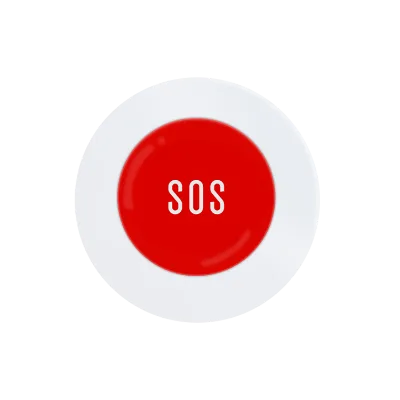
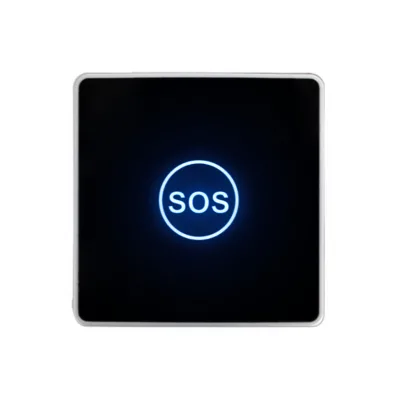
New Smart Home Wireless WiFi Panic Button Tuya Smart Life WiFi Emergency Sos Button
$8.90 - $10.90
MOQ: 50 Pieces


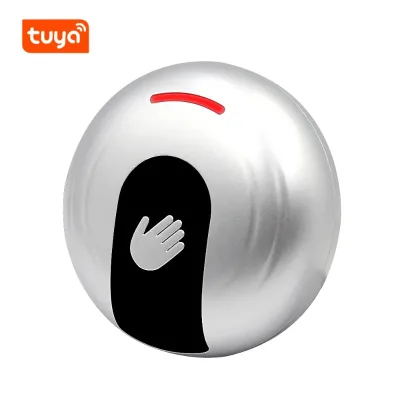
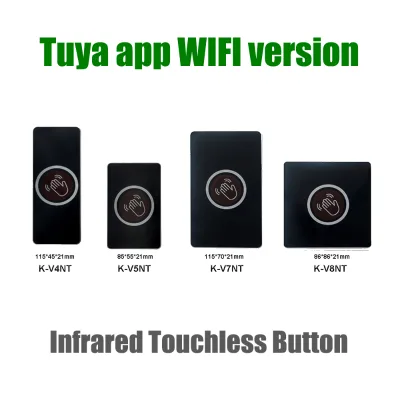
WiFi Infrared Sensor No Touch Door Release Touchless Exit Button for Access Control
$8.90 - $12.90
MOQ: 50 Pieces


Wenzhou Huafeng Electric Co., Ltd.
- Verified by SGS
- Combined
- China Zhejiang
- Lead time30 days
- Avg. response≤ 5h
Main productsWall Switch, Socket, Plug, Circuit Breakers, Lighting Equipment, Wall Socket, Swith Socket, LED Bulb, Switches, Cable Tie
Main marketsSouth America,Africa,Others(foreignTradeCapacity.exportBusinessCapacityMarketOther),Europe,North America


Tuya Zigbee Smart Curtain Switch 86mm Push Button EU/UK Standard App Control
$9.36 - $9.93
MOQ: 500 Pieces


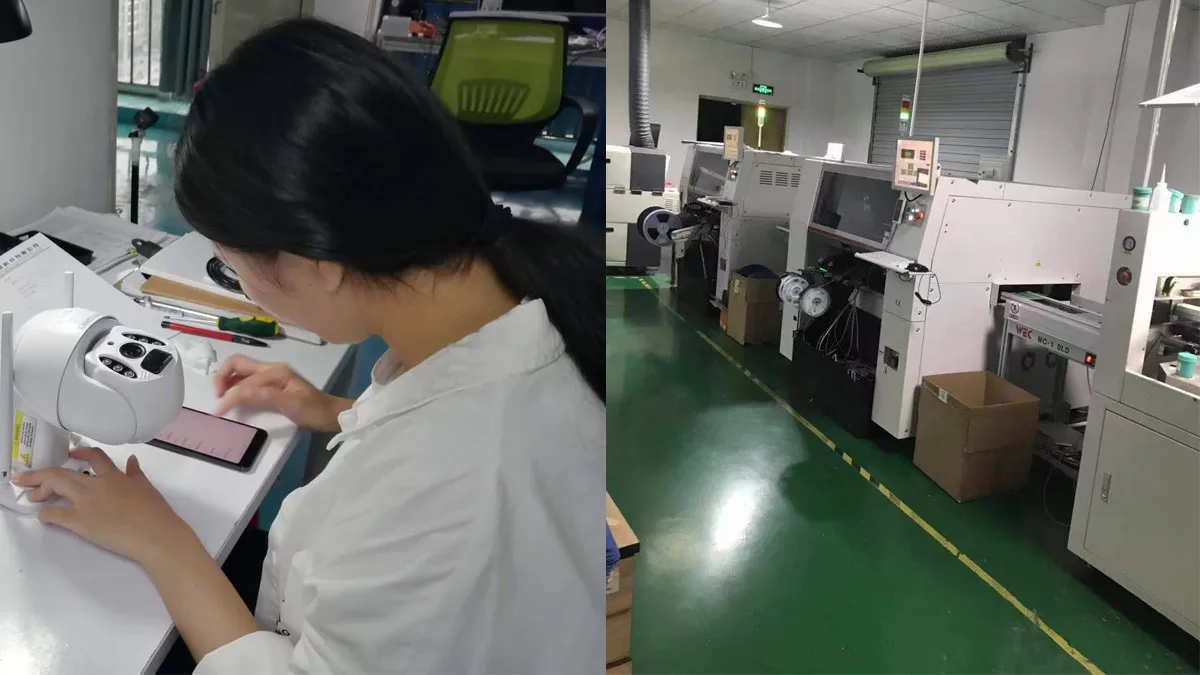
Shenzhen Home Warning Security Technology Co., Ltd.
- Manufacturer, Trading Company, Agent
- Guangdong, China
- Lead time10 days
- Avg. response≤ 5h
Main productsActive Infrared Beam Detector,PIR Motion Sensor,Strobe Siren,Magnetic Door Contact
Main marketsAfrica(30.00%), North America(30.00%), Western Europe(15.00%), Southeast Asia(15.00%), Eastern Europe(10.00%)
Ningbo Yoursensor Electronic Technology Co., Ltd.
- Verified by SGS
- Combined
- China Zhejiang
- Lead time30 days
- Avg. response≤ 5h
Main productsMicrowave Sensor, Infrared Sensor, Photocell, Alarm Lamp, Light Curtain for Elevator
Main marketsOthers(foreignTradeCapacity.exportBusinessCapacityMarketOther),Europe

Taicang Xinxing Machinery Factory
- Verified by TUVRHEINLAND
- Trading Company,Manufacturer/Factory
- China Jiangsu
- Lead time23 days
- Avg. response≤ 10h
Main productsElevator Guide Rail, Elevator Parts, Elevator Lift, Escalator Parts, Elevator Rope Attchment, Elevator Guide Shoe, Elevator Sheave, Elevator Button, Precision CNC Machining Parts, Elevator Lop Hall Lantern/ Lamp
Main marketsSouth America,Eastern Europe,Mid East,North America,Southeast Asia,Eastern Asia,Oceania,Western Europe,Africa

Shenzhen Everlead Electronics Co., Ltd.
- Trading Company
- China Guangdong
- Lead time15 days
- Avg. response≤ 4h
Main productsHotel Lock
Main marketsSoutheast Asia/ Mideast

Zigbee Smart Matter Switch Light Remote Control Matter Smart Home Wall Switch
$9.90 - $13.90
MOQ: 10 Pieces

4 1gang Tuya Smart Zigbee Switch Whole House Smart Home Control Hotel Home
$9.90 - $13.90
MOQ: 10 Pieces
Dongguan Chuangjiang Electronics Co., Ltd.
- Manufacturer, Trading Company
- Guangdong, China
- Lead time15 days
- Avg. response≤ 9h
Main productsWireless Remote Control, Wireless Remote Controller, Wireless Remote Receiver, Wireless Remote Switch, Gate Door Remote
Main marketsNorth America(30.00%), Western Europe(20.00%), South America(10.00%), Southern Europe(10.00%), Eastern Europe(10.00%), South Asia(5.00%), Northern Europe(5.00%), Domestic Market(5.00%), Mid East(5.00%)
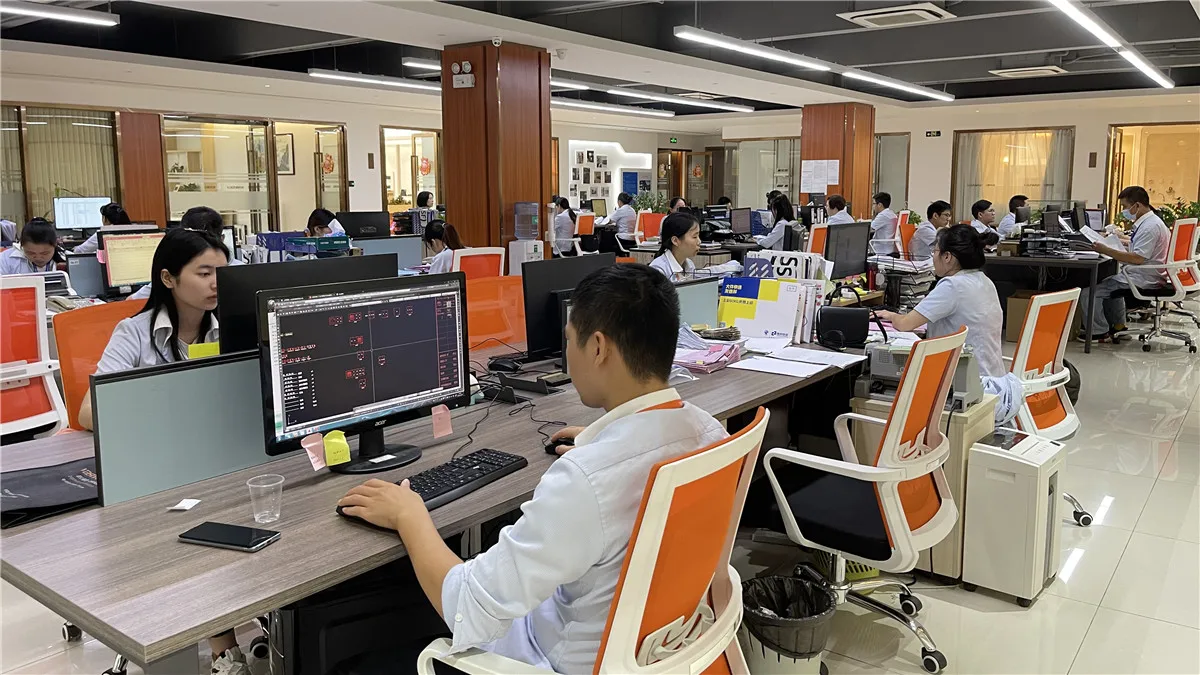
Heston Trading (guangzhou) Co., Ltd.
- Manufacturer, Trading Company, Agent
- Guangdong, China
- Lead time0 days
- Avg. response≤ 7h
Main productspanel,samrt touch screen,detetor,smart home system,smart light
Main marketsSoutheast Asia(60.00%), Eastern Asia(20.00%), Mid East(20.00%)
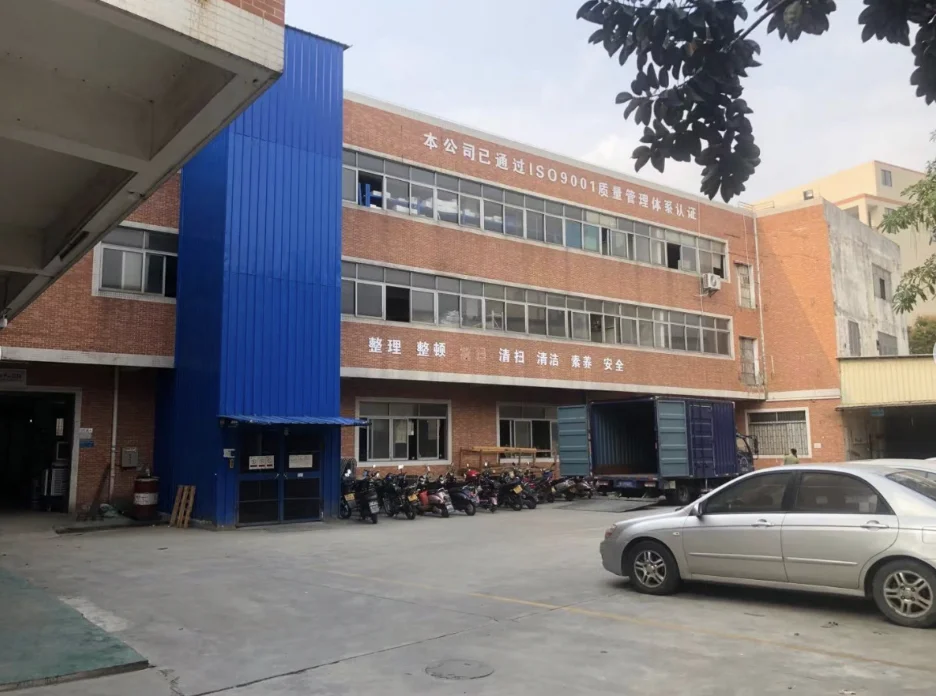
Shenzhen Hengshengyuan Security Co., Ltd.
- Manufacturer, Trading Company, Buying Office
- Guangdong, China
- Lead time5 days
- Avg. response≤ 2h
Main productsAccess Control,Smart card and tags,RFID Card reader,Door Locks,Exit Buttons
Main marketsEastern Europe(30.00%), North America(15.00%), South America(15.00%), South Asia(5.00%), Oceania(5.00%), Western Europe(5.00%), Southeast Asia(5.00%), Southern Europe(4.00%), Mid East(3.00%), Eastern Asia(3.00%), Northern Europe(3.00%), Central America(3.00%), Domestic Market(3.00%), Africa(1.00%)

Zhaoqing Nuofeng Intelligent Technology Co., Ltd.
- Verified by SGS
- Combined
- China Guangdong
- Lead time15 days
- Avg. response≤ 3h
Main productsLock
Main marketsDomestic

C1 Touch Switch Access Control Button Non-Contact Smart Sensor Exit Switch Infrared Sensor Switch
$3.50 - $5.00
MOQ: 1 Pieces

Touch Switch Button Access Control System Exit Door Button Infrared Sensing Remote Control
$8.50 - $10.00
MOQ: 1 Pieces


Zhongshan Kaiyi Electronics Co., Ltd
- Verified by SGS
- Combined
- China Guangdong
- Lead time15 days
- Avg. response≤ 4h
Main productsWireless Remote Control Switch, Smart Switch, Wireless Panel Switch, Lighting Switch
Main marketsAfrica,Southeast Asia/ Mideast,Europe

- Manufacturer/Factory
- China Guangdong
- Lead time15 days
- Avg. response≤ 17h
Main productsAccess Control, Electromagnetic Lock, UHF Long Range Reader, RFID Access Control, Em Lock, Automatic Swing Door Opener, Frameless Bolt Lock, Glass Door Lock, Power Supply Controller, Access Exit Push Button
Main marketsSouth America,Eastern Europe,Mid East,North America,Southeast Asia,Eastern Asia,Oceania,Western Europe,Africa

- Verified by TUVRHEINLAND
- Combined
- China Fujian
- Lead time30 days
- Avg. response≤ 6h
Main productsRF Remote Control, Remote Control Duplicator, RF Receiver, Gate Opener, Auto Gate Door Motor, Remote Control, Rolling Code, Motorcycle Alarm System, Sliding Gate Opener, Car Remote Alarm
Main marketsEurope,Australia,North America


Customized Frequency Wireless Remote Control Switch
MOQ: 1000 Pieces

Long Range RF Remote Control Switch
MOQ: 500 Pieces
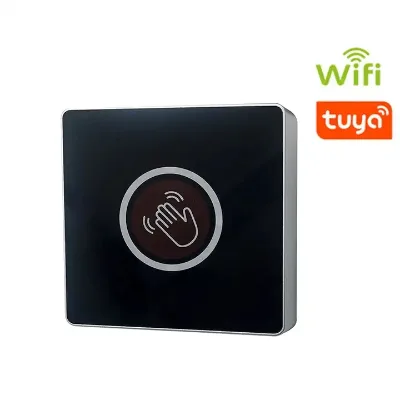






Comprehensive Sourcing Guide
Tuya App Control Smart Button Supplier Concentration and Factory Types
The current supplier landscape for Tuya App Control Smart Button products reveals a mix of manufacturing and trading entities, with a notable concentration of production capabilities in Guangdong, China. Specific product evidence indicates that items like the Tuya WIFI Smart Switch Door Push Button Access Control System originate from this region, suggesting a localized cluster for smart access control hardware. Buyers should prioritize verifying the physical location of the factory against the product origin listed in the specifications, as Guangdong is a known hub for electronics assembly. However, other results show suppliers based in Zhejiang, China, offering different product lines such as Zigbee switches and smart home controllers. This geographic diversity means that a single search result page may aggregate factories from multiple industrial zones, each with distinct supply chain advantages.
Company types vary significantly across the available results, ranging from pure manufacturers to trading companies and combined entities. Some suppliers list their type as "Manufacturer" or "Trading Company," while others are classified as "Combined," indicating they may handle both production and distribution. This distinction is critical for buyers seeking direct factory pricing versus those needing a broader catalog of smart home accessories. The presence of "Combined" entities suggests a potential for one-stop sourcing, yet it requires careful vetting to ensure the core manufacturing capability for the specific smart button model is in-house. Buyers must examine the main products list to confirm if the supplier specializes in access control systems or if they are a generalist trading firm offering a wide array of smart switches and sensors.
How to Verify Tuya App Control Smart Button Suppliers
Verification of supplier credibility relies heavily on third-party audit reports and specific certification data rather than general claims. In the current dataset, some suppliers display Intertek verification status, while others hold SGS verification, indicating different levels of external scrutiny. Buyers should explicitly request the latest audit report for the specific facility producing the Tuya App Control Smart Button, as verification status can vary between different factory branches. Additionally, system certifications like ISO 9001 are present for some entities, serving as a baseline for quality management processes. However, the absence of a certification label, such as "NIL" in some records, does not automatically disqualify a supplier but necessitates a deeper inquiry into their internal quality control protocols.
Beyond certifications, the response time and lead time metrics provide tangible indicators of operational efficiency and reliability. Current data shows response times ranging from 4 to 4.39 hours, which suggests a generally responsive market, though buyers should confirm if these figures apply to the specific product line they are sourcing. Lead times also vary, with some suppliers indicating an 8-day turnaround while others list 23 days, a difference that significantly impacts inventory planning. Buyers must verify if the stated lead time includes sample processing or graphic processing capabilities, as these are listed as specific capacities for certain manufacturers. Confirming these operational metrics directly with the supplier ensures that the quoted timelines are realistic for the specific order volume and customization requirements.
What to Compare Across Tuya App Control Smart Button Suppliers
When evaluating potential partners, buyers should compare technical specifications and customization capabilities to ensure product compatibility. Product evidence highlights variations in materials, such as acrylic panels versus ABS plastic, and different network protocols including Wi-Fi and Zigbee. Some models feature infrared sensors with reading distances of 1-10cm, while others offer adjustable sensing distances up to 15cm. Buyers must compare these functional attributes against their specific installation requirements, such as waterproof ratings or power supply needs, which range from DC 12V to DC 12-24V. The presence of custom logo support on certain models indicates flexibility for branding, but this capability should be explicitly confirmed for the target product model.
Pricing and minimum order quantities (MOQ) are equally critical dimensions for comparison, as they directly affect the total cost of ownership. Current data indicates price ranges from $6.00 to $12.50 per unit, with some suppliers offering an MOQ of just one unit, while others may have higher thresholds. Buyers should compare the price per unit against the included features, such as warranty periods which are listed as one year for some items, or special features like waterproofing. It is essential to verify if the quoted price includes packaging details, such as individual boxes or bulk cartons, as these affect shipping costs. Comparing the selling units and package sizes across different suppliers helps in calculating the true landed cost and determining the most economical sourcing option for the specific order volume.
Common Tuya App Control Smart Button Sourcing Risks
One significant risk involves the discrepancy between the claimed network connectivity and the actual product capabilities. While many products are marketed as Tuya App Control devices, some specifications list "WiFi: No" or rely on Zigbee connections, which require a specific gateway for integration. Buyers must verify the exact network protocol and compatibility with their existing smart home infrastructure before placing an order. Another risk stems from the variation in power supply requirements, where some units operate on DC 12V while others require DC 12-24V. Mismatching the power supply with the building's electrical system can lead to installation failures or device damage, making it imperative to cross-reference the power supply specifications with the site's electrical standards.
Supply chain transparency and capacity constraints also pose risks, particularly regarding lead times and production capabilities. Some suppliers list capacities for sample processing and graphic processing, but this does not guarantee mass production readiness for large orders. The variation in lead times, from 8 to 23 days, suggests that production capacity may fluctuate based on order volume or raw material availability. Buyers should inquire about the supplier's ability to handle rush orders and their contingency plans for delays. Additionally, the lack of standardized certifications across all suppliers means that quality consistency may vary, requiring buyers to request product samples and conduct independent testing to validate performance and durability before committing to a large-scale purchase.
Tuya App Control Smart Button Regional Sourcing and Logistics
Geographic location plays a pivotal role in determining shipping costs and delivery timelines for Tuya App Control Smart Button products. The current data identifies suppliers located in Guangdong and Zhejiang, China, which are major manufacturing hubs but may have different port access and logistics infrastructure. Buyers sourcing from Guangdong may benefit from proximity to major shipping ports in the Pearl River Delta, potentially reducing transit times to international markets. Conversely, suppliers in Zhejiang may offer different logistical advantages depending on the destination country. It is crucial to verify the specific port of loading and the shipping terms offered by the supplier to accurately estimate the total delivery time and associated freight costs.
Logistics planning must also account for packaging dimensions and weight, which vary significantly across different product models. Product evidence shows single package sizes ranging from 9.8x8.8x2.3 cm to 11x7x6 cm, with gross weights between 0.1 kg and 0.3 kg. These variations impact the number of units that can be shipped per container, directly affecting the cost per unit for international orders. Buyers should calculate the volumetric weight and container utilization based on the specific packaging details provided by the supplier. Furthermore, the packaging details, such as individual boxes or bulk cartons containing 100 pieces, influence the ease of handling and storage at the destination, making it essential to align packaging requirements with the buyer's warehouse capabilities and distribution strategy.
Tuya App Control Smart Button Commercial Terms and Order Planning
Commercial terms regarding payment, warranty, and customization support are fundamental to a successful procurement agreement. Current data indicates that some suppliers offer a one-year warranty, which provides a baseline for after-sales support, but buyers must confirm the specific terms and conditions for claims and replacements. Customization support, such as custom logos, is available on certain models, but this often requires a higher MOQ or additional lead time. Buyers should negotiate clear terms for customization, including the approval process for design proofs and the impact on the unit price. Understanding the selling units and packaging details is also vital for planning the order quantity to meet the minimum order requirements while avoiding excess inventory.
Order planning must integrate the supplier's response time and lead time to ensure timely delivery and inventory management. With response times ranging from 4 to 4.39 hours, communication is generally efficient, but buyers should establish a clear protocol for order confirmation and status updates. The lead time variance, from 8 to 23 days, necessitates careful scheduling to align production completion with project deadlines. Buyers should factor in buffer time for potential delays and verify if the lead time includes sample processing or graphic processing. By aligning the order timeline with the supplier's capacity and response capabilities, buyers can mitigate risks of stockouts and ensure a smooth supply chain flow for their Tuya App Control Smart Button products.
FAQs
What is the price range for Tuya smart access buttons?
Prices for Tuya smart access buttons typically range from $6.00 to $12.50 per unit. The lowest cost options are infrared touchless sensors made of ABS material, while higher-priced items include metal Zigbee switches. Buyers should verify specific model pricing as costs vary by material and connectivity features.
What certifications do these smart button suppliers hold?
Some suppliers hold ISO 9001 system certification, while others display SGS verification. Not all manufacturers provide listed system certifications, so buyers must verify specific credentials directly. Intertek verification is also noted for certain suppliers. Always request current certification documents to ensure compliance with your regional safety and quality standards.
How long does production take for these smart switches?
Production lead times vary significantly among suppliers, ranging from 8 days to 23 days. Faster turnaround is available for standard infrared sensors, while complex Zigbee controllers may require longer processing. Buyers should confirm exact delivery schedules with the supplier before placing orders to align with project timelines.
What is the minimum order quantity for these products?
Minimum order quantities can be as low as one unit for some smart switches. This allows buyers to test samples without large commitments. However, bulk pricing tiers often apply for larger orders. Check specific product listings to confirm the MOQ, as it depends on the manufacturer and product type.
Where are these smart home devices manufactured?
These devices are primarily manufactured in China, specifically in Guangdong and Zhejiang provinces. Guangdong suppliers often produce infrared sensors and Tuya-compatible switches. Zhejiang manufacturers focus on metal Zigbee switches and home controllers. Buyers should verify the exact place of origin to assess shipping logistics and supply chain reliability.
What connectivity options are available for Tuya smart buttons?
Available connectivity includes Wi-Fi, Zigbee, and wired options. Wi-Fi models allow direct app control via Tuya Smart. Zigbee switches offer stable mesh networking for home automation. Some devices support multiple connection types. Choose based on your existing smart home infrastructure and desired control reliability.