U-Shaped Arch Support Heel Pad Suppliers and Manufacturers
Compare 26 verified suppliers offering u shaped arch support heel pads with varying lead times, MOQs, and response speeds. Review product specs like material and origin to source the right fit for your needs today; review the available evidence before requesting comparable quotations from suitable candidates.
Suppliers List

Yangzhou Runtong International Trading Co., Ltd.
- Verified by TUVRHEINLAND
- Trading Company
- China Jiangsu
- Lead time30 days
- Avg. response≤ 2h
Main productsShoe Insole, Shoe Polish, Shoe Brush, Shoe Tree, Shoe Cleaner, Shoe Lace, Shoe Deodorizer, Shoe Freshener, Shoe Horn
Main marketsSouth America,Southeast Asia/ Mideast,Europe,Australia,North America
Hangzhou Caiboqianjin Technology Co., Ltd.
- Trading Company
- Zhejiang, China
- Lead time15 days
- Avg. response≤ 5h
Main productsinsole,Silicone insoles,height increase insoles,forefoot pads,heel pads
Main marketsSoutheast Asia(30.0%), North America(20.0%), South Asia(20.0%), Central America(10.0%), Northern Europe(10.0%), Eastern Europe(5.0%), Africa(5.0%)
Yangzhou Runtong International Trading Co., Ltd.
- Verified by SGS Group
- Manufacturer, Trading Company
- Lead time50 days
Main productsShoe Insoles, Shoe Polish, Shoe Horn, Shoe Tree, Shoe Brush
Main marketsNorth America(28%), South America(16%), Eastern Asia(12%)
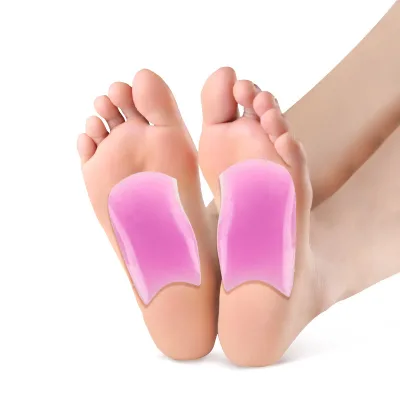
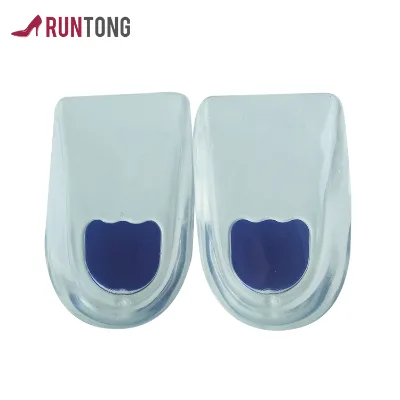
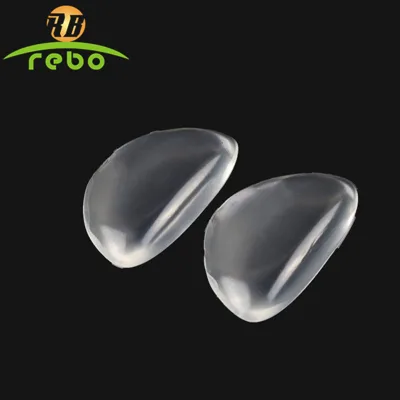
New Women's High Heel Rearfoot Gel Half Cushion Protector Sports & Comfort Insoles
$0.60 - $0.70
Moq: 1000
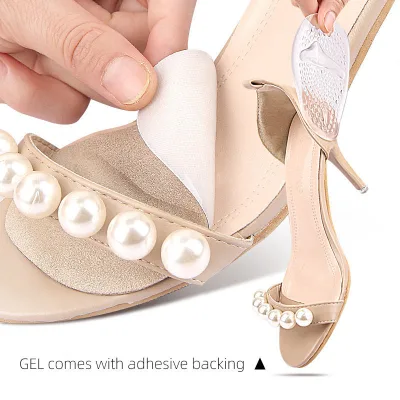
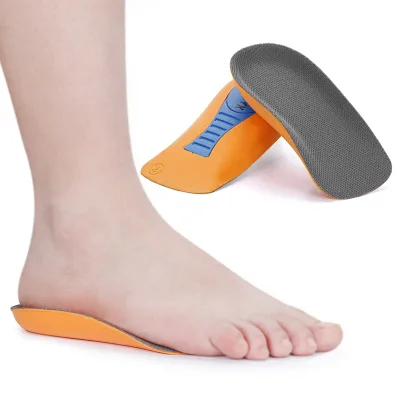
Dongguan Newcareer Commodity Co., Ltd.
- Verified by SGS Group
- Manufacturer, Trading Company
- Lead time10 days
- Avg. response≤ 2h
Main productsToe Separators, Hallux Valgus Corrector, Insole, Forefoot Pad, Heel Grip
Main marketsNorth America(30%), Western Europe(18%), Eastern Europe(15%)
Dongguan Feifan Silicone Products Co., Ltd.
- Verified by Intertek
- Trading Company
- Lead time7 days
- Avg. response≤ 4h
Main productsInsoles, Toe Separators, Heel Pad, Forefoot Pad, Invisible Bra
Main marketsDomestic Market(80%), North America(5%), Southeast Asia(5%)

Ningbo Yiyuankang International Trade Co., Ltd.
- Combined
- China Zhejiang
- Lead time30 days
- Avg. response≤ 25h
Main productsMedical Bandage, Tape, Medical First Aid, Alcohol Pad, Face Mask, Adhesive Bandage, Bandage
Main marketsSouth America,Africa,Southeast Asia/ Mideast,East Asia(Japan/ South Korea),Europe,Australia,North America

Ningbo Kangbeien Heatlh Tech. Co., Ltd.
- Verified by SGS
- Combined
- China Zhejiang
- Lead time30 days
- Avg. response≤ 8h
Main marketsDomestic

PLANET (ANHUI) INTERNATIONAL CO., LTD.
- Verified by BV
- Combined
- China Jiangsu
- Lead time60 days
- Avg. response≤ 1h
Main productsBandage, First Aid Kits, Band Aid, Wound Dressing, Foot Patch, Knee Brace, Knee Support, Knee Pad, Adhesive Tape, Compression Stocks
Main marketsNorth America
Ningbo Beiduoen Health Tech. Co., Ltd.
- Manufacturer, Trading Company
- Zhejiang, China
- Lead time30 days
- Avg. response≤ 5h
Main productsPosture Corrector, Ankle Brace, Knee Support & Wrist Support, Bunion Corrector, Sports Insole
Main marketsSouth America(25.0%), Eastern Europe(20.0%), North America(18.0%), Western Europe(17.0%), Eastern Asia(10.0%), Oceania(5.0%), Africa(2.0%), Mid East(2.0%), Central America(1.0%)
Dongguan Danhua Technology Co., Ltd.
- Trading Company
- Guangdong, China
- Lead time15 days
- Avg. response≤ 7h
Main productsinsole,shoes,footcare products,heated socks,sandals
Main marketsNorth America(20.0%), Southeast Asia(10.0%), Eastern Europe(10.0%), Western Europe(10.0%), South Asia(5.0%), Southern Europe(5.0%), Northern Europe(5.0%), Central America(5.0%), South America(5.0%), Eastern Asia(5.0%), Mid East(5.0%), Africa(5.0%)
- Trading Company
- Lead time旺季: "1 - 100":10,"> 100":"To be negotiated", 淡季: "1 - 100":10,"> 100":"To be negotiated"
- Avg. response≤ 6h
Main productsInsoles,Slippers,Activewear,Shoes Boots and Accessories,Apparel and Accessories

Ningbo Beiduoen Health Tech. Co., Ltd.
- Verified by CTI
- Combined
- China Zhejiang
- Lead time23 days
- Avg. response≤ 10h
Main productsKnee Support, Ankle Brace, Compression Arthritis Glove, Wrist Support, Waist Belt, Foot Care, Insoles, Toe Separator, Compresson Sock Glove Knee Brace, Copper Supports
Main marketsSouth America,Southeast Asia/ Mideast,Europe,Australia,North America

Dongguan Runhong Sports Products Co., Ltd.
- Verified by SGS
- Manufacturer
- China Guangdong
- Lead time15 days
- Avg. response≤ 9h
Main productsLoptop Bag, Cup Covers, Lunch Bag, Wine Bags, Stubby Holders, Cooler Bags, Koozies, Beach Tote Bag
Main marketsSouth America,Southeast Asia/ Mideast,Europe,Australia,North America

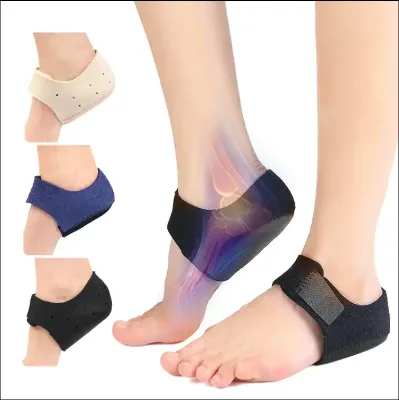
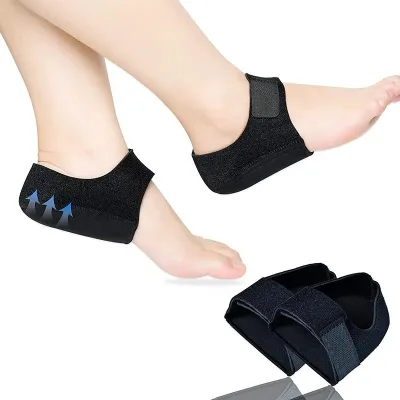
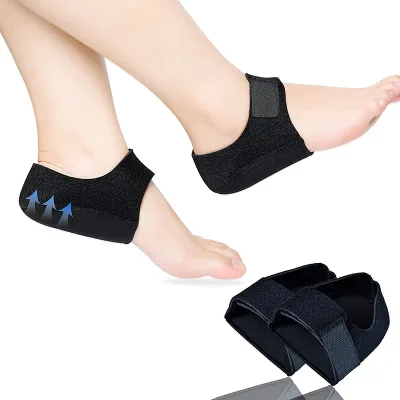
Custom Neoprene Heel Protectors Heel Sleeves Pads Heel Pads Cushion Heel Support
$1.10 - $1.30
Moq: 150


Ningbo Multi Channel Co., Ltd.
- Trading Company
- China Zhejiang
- Lead time23 days
- Avg. response≤ 15h
Main productsFirst Aid Kit, Wound Dressing, Bandage, Outdoor Emergency Supplies, Hot/Cold Therapy, Surgery Supplies, Laboratory Supplies, Medical Devices, Anethesia Breathing Supplies, Daily Care
Main marketsSouth America,Southeast Asia/ Mideast,East Asia(Japan/ South Korea),Europe,North America
Hebei Jiewo Medical Instrument Co., Ltd.
- Trading Company
- Hebei, China
- Lead time5 days
- Avg. response≤ 2h
Main productsmaternity support,lumbar support,tourmaline magnetic,crutch,arm sling
Main marketsNorth America(40.0%), South America(20.0%), Eastern Europe(15.0%), Domestic Market(5.0%)
Dongguan Rebo Footcare Co., Ltd.
- Trading Company
- Guangdong, China
- Lead time20 days
- Avg. response≤ 10h
Main productsinsoles,Sport insoles,Orthopedic insole,EVA insole,GEL insole
Main marketsSouthern Europe(25.0%), North America(25.0%), Oceania(10.0%), Western Europe(10.0%), Domestic Market(10.0%), Eastern Asia(9.0%), South Asia(8.0%)
Hengshui Jingkang Medical Device Co., Ltd.
- Manufacturer, Trading Company
- Hebei, China
- Lead time5 days
- Avg. response≤ 5h
Main productsmaternity support,lumbar support,tourmaline magnetic,crutch,arm sling
Main marketsNorth America(40.0%), South America(20.0%), Eastern Europe(15.0%), Domestic Market(5.0%)

Yangzhou Weller Sports Goods Co., Ltd
- Verified by SGS
- Trading Company,Manufacturer/Factory
- China Jiangsu
- Lead time23 days
- Avg. response≤ 7h
Main productsKnee Brace, Posture Corrector, Sports Protection, Shin Guards, Knee Pad, Knee Support, Waist Trainer, Elbow Brace, Orthopedic Products, Kinesiology Tape
Main marketsSouth America,Eastern Europe,Mid East,North America,Southeast Asia,Eastern Asia,Oceania,Western Europe,Africa

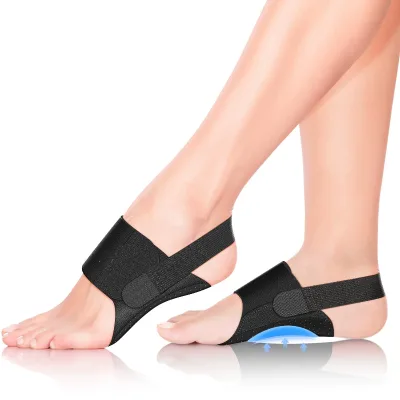
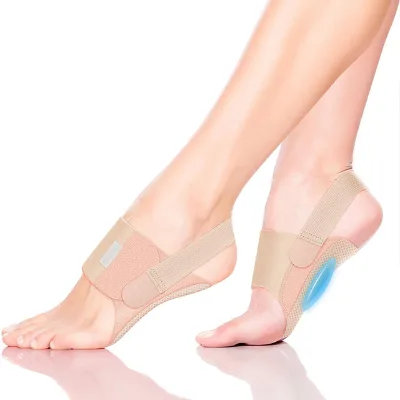
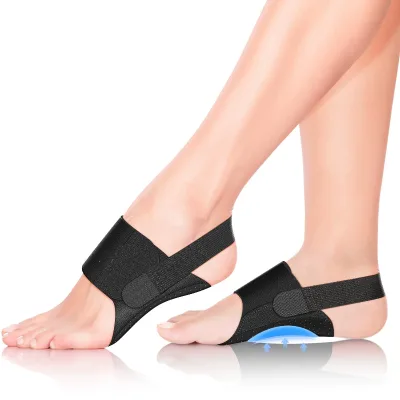
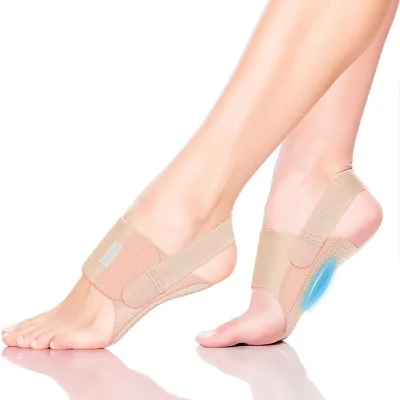
Unisex Arch Compression Support Arch Brace with Gel Pad Massage for Feet Pain Relief
$1.40 - $1.60
Moq: 500


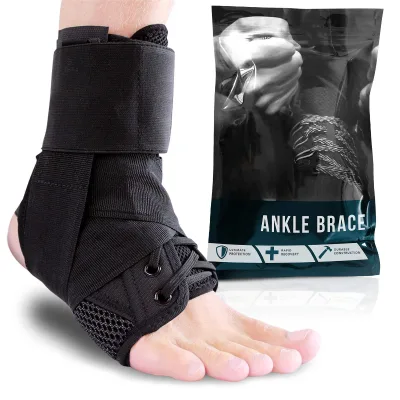
Arch Support with Gel Pad Ankle Brace for Plantar Fasciitis in Orthopedic Support
$1.40 - $1.60
Moq: 500

Compression Open Heel Brace for Ankle Support Wrap for Plantar Fasciitis Sprain
$0.90 - $1.10
Moq: 500

Dongguan Topinsole Commodity Limited
- Verified by BV
- Trading Company
- China Guangdong
- Lead time15 days
- Avg. response≤ 9h
Main productsInsoles, Footcare
Main marketsSouth America,Africa,Southeast Asia/ Mideast,East Asia(Japan/ South Korea),Europe,Australia,North America

FUZHOU SHOO-IN IMP & EXP CO., LTD.
- Verified by SGS
- Trading Company
- China Fujian
- Lead time15 days
- Avg. response≤ 3h
Main productsPadel Ball, Tennis Ball, Hat, Pet Leash, Pickleball, Yoga Mat, Sports Towel
Main marketsEast Asia(Japan/ South Korea),North America
Dongguan Lee-Mat Sports Technology Co., Ltd.
- Manufacturer, Trading Company
- Guangdong, China
- Lead time20 days
- Avg. response≤ 1h
Main productsOrthotic Insole,Oven Insole,Heated Gloves,Heated Socks,Orthotic Sandals
Main marketsDomestic Market(43.0%), North America(25.0%), Oceania(25.0%), Western Europe(7.000000000000001%)

- Verified by TUVRHEINLAND
- Trading Company
- China Guangdong
- Lead time60 days
- Avg. response≤ 8h
Main productsElectric Wheelchair, Manual Wheelchair, Sports Wheelchair, Hospital Bed, Crtuches, Walking Aids, Shower Chair, Trailer Mobility Scooter, Commode Wheelchair, Stretcher
Main marketsEurope
Guangzhou Hengyuntong Daily Necessities Co., Ltd.
- Manufacturer, Trading Company, Distributor/Wholesaler
- Guangdong, China
- Lead time0 days
- Avg. response≤ 2h
Main productsBeauty,Shoe accessories
Main marketsSouth Asia(30.0%), Southern Europe(30.0%), Northern Europe(30.0%), Central America(30.0%), Western Europe(30.0%), Eastern Asia(30.0%), Mid East(30.0%), Oceania(30.0%), Africa(30.0%), Southeast Asia(30.0%), Domestic Market(30.0%), South America(30.0%), North America(30.0%), Eastern Europe(3.0%)

Dongguan Ucom Info Tech Co., Ltd.
- Trading Company
- Guangdong, China
- Lead time5 days
- Avg. response≤ 4h
Main productsInsoles,toe separators,sole protector,Shoe tree,Shoe horn
Main marketsWestern Europe(30.0%), North America(20.0%), Northern Europe(10.0%), South America(10.0%), Eastern Europe(10.0%), Southern Europe(5.0%), Central America(5.0%), Southeast Asia(3.0%), South Asia(3.0%), Eastern Asia(3.0%), Mid East(1.0%)

Hangzhou Kebo Orthopedic Rehabilitation Equipment Co.,Ltd
- Verified by SGS
- Combined
- China Zhejiang
- Lead time30 days
- Avg. response≤ 8h
Main productsSpine Orthosis, Orthosis Accessories, Upper Limb Orthosis, Lower Limbs Orthosis
Main marketsSoutheast Asia/ Mideast,Europe
Shijiazhuang Aofeite Imp & Exp Co., Ltd.
- Manufacturer, Trading Company
- Lead time旺季: "1 - 1000":31,"> 1000":"To be negotiated", 淡季: "1 - 1000":31,"> 1000":"To be negotiated"
Main productsKnee Brace, Lumbar Support Belt


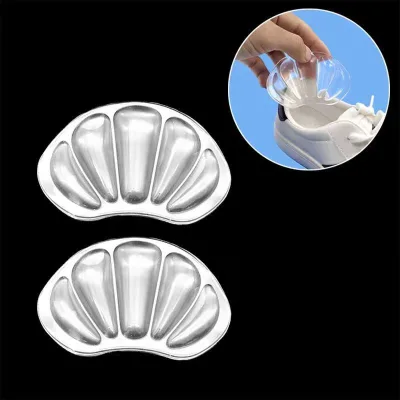
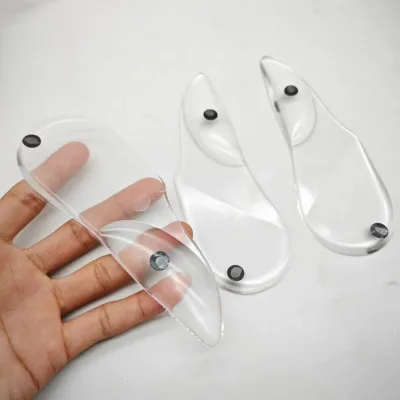
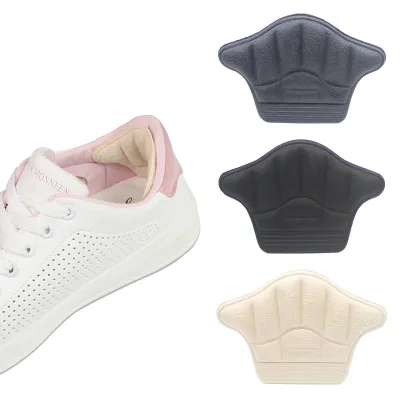
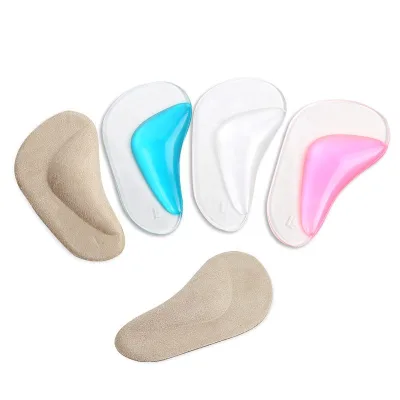


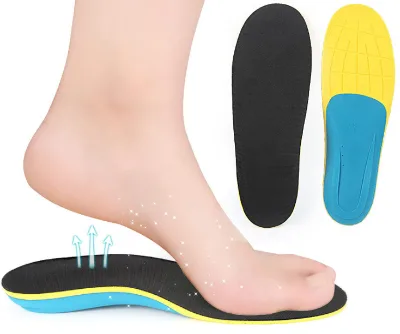
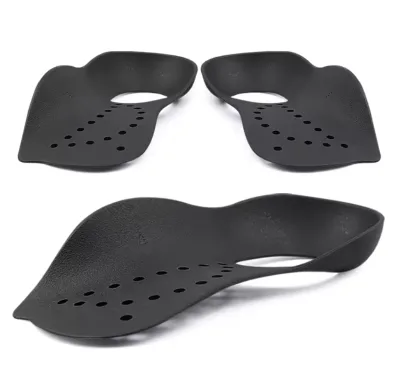
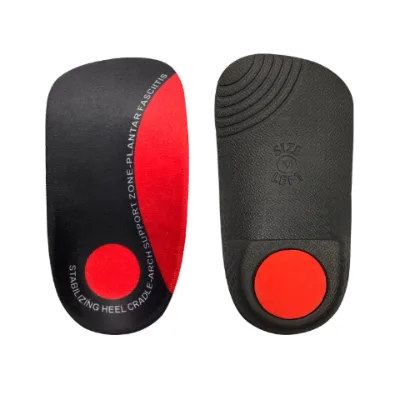
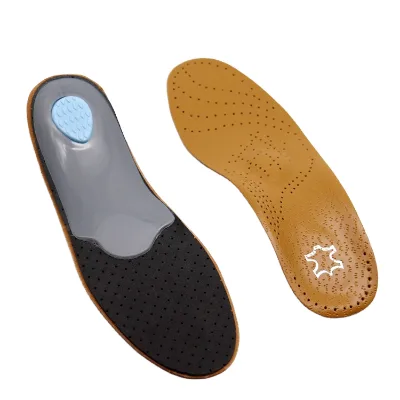




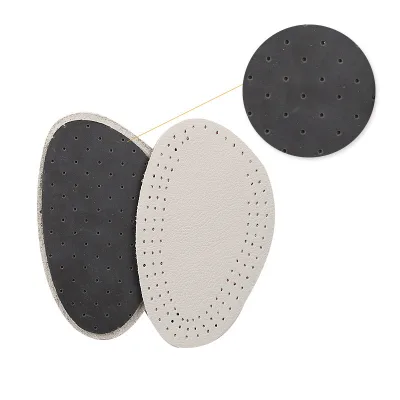


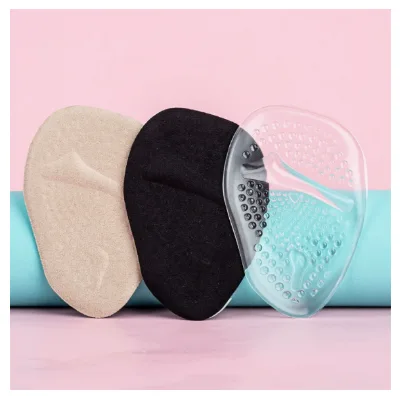
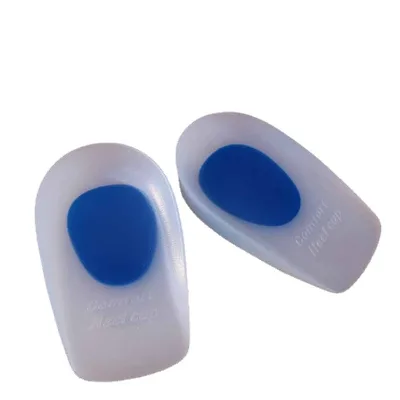
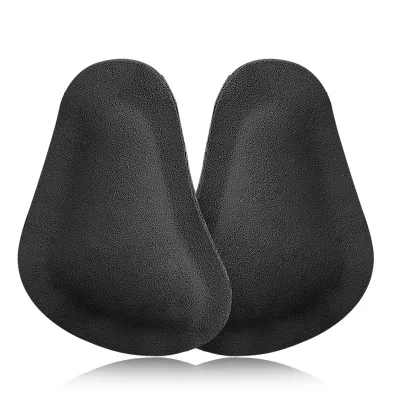
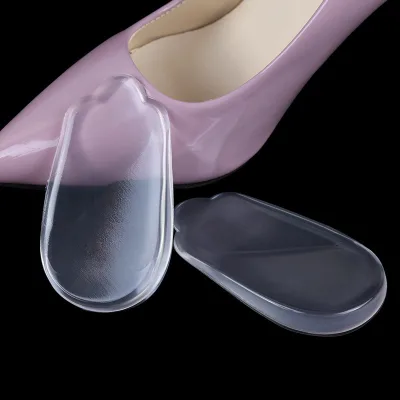
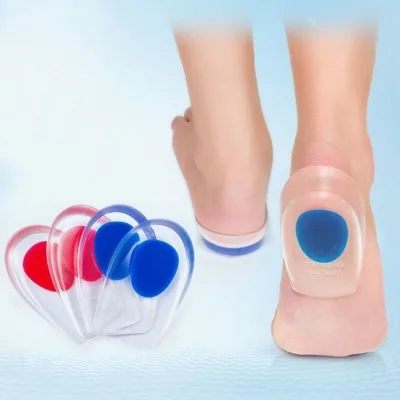
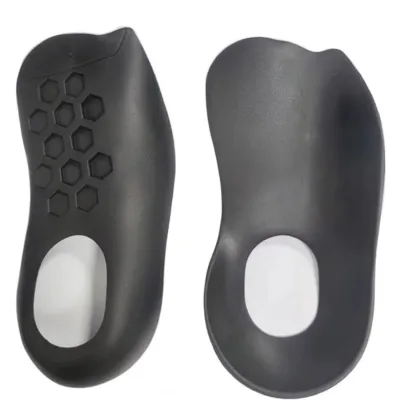
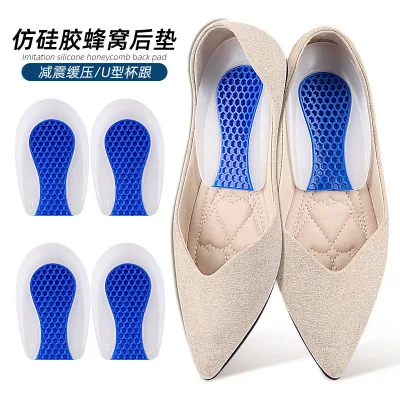
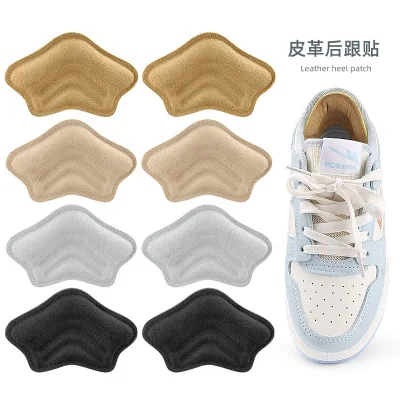


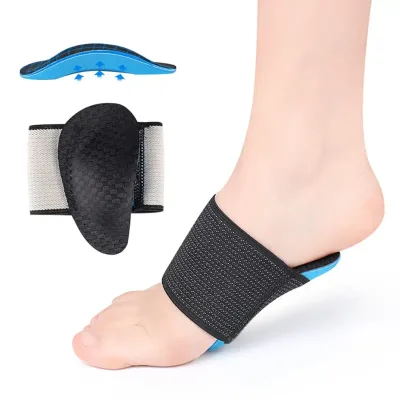
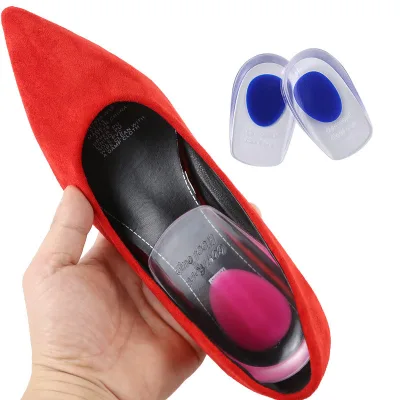
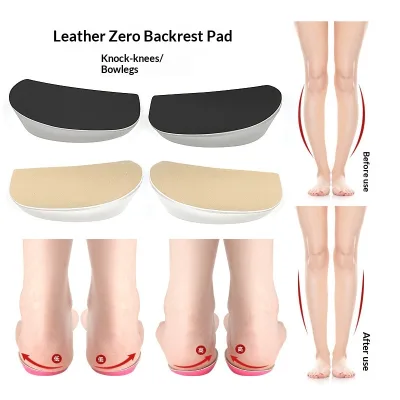
Comprehensive Sourcing Guide
U-Shaped Arch Support Heel Pad Supplier Concentration and Factory Types
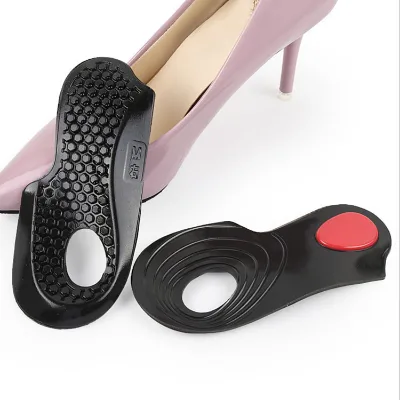
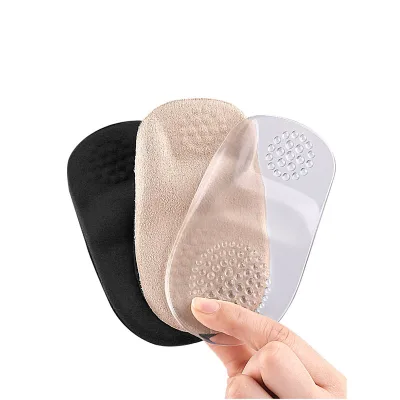
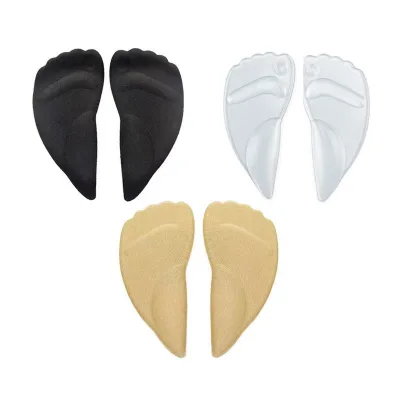
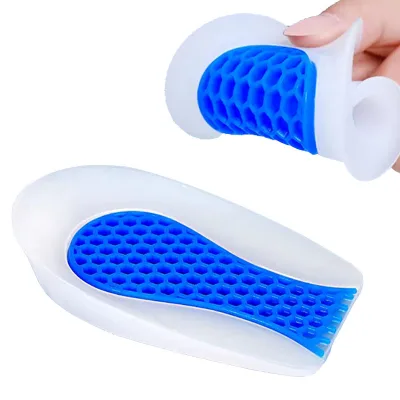
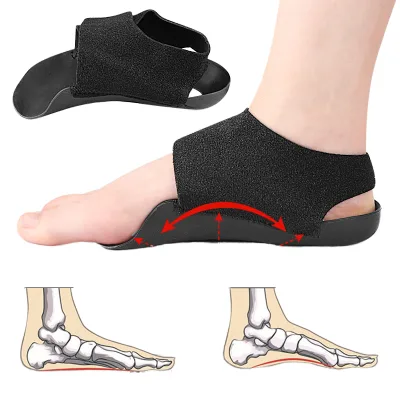
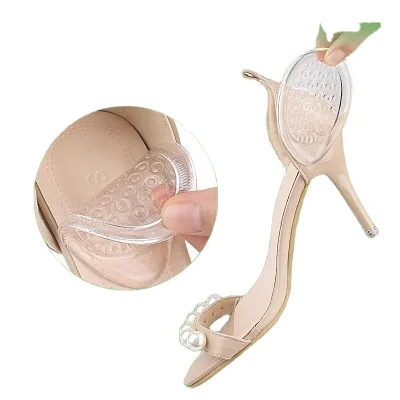
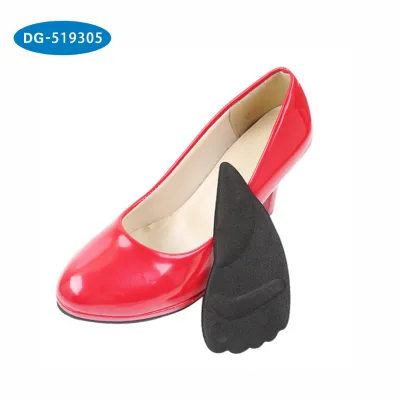
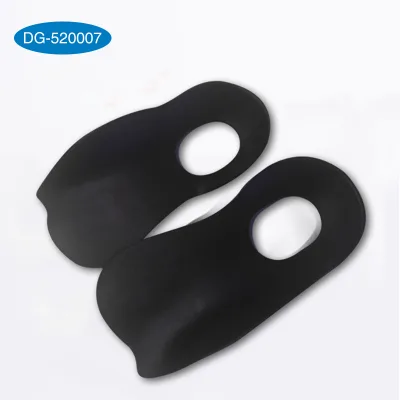
Sourcing data for this category points to two active Chinese supply regions. One supplier base in Jiangsu lists shoe insoles, shoe polish, brushes, trees, laces, deodorizers and related accessories as its main products, operating as a trading company with third-party verification and its own brand. A second supplier base in Zhejiang focuses more narrowly on insoles, silicone insoles, height-increase insoles, forefoot pads and heel pads. This split matters to buyers because a trading company can aggregate multiple product lines and packaging formats, while a dedicated insole producer is more likely to control silicone molding, gel pouring and die-cutting in-house. When you shortlist, check whether each listing's stated place of origin matches the company's registered location, since some products in this category are listed with an origin that differs from the supplier's province.
Factory types in this category generally fall into three groups: trading companies that consolidate finished heel pads and insoles from several workshops, silicone and gel specialists producing heel cups and arch pads, and broader shoe-accessory manufacturers that treat heel pads as one line among many. Ask each candidate which processes they own versus subcontract, because a U-shaped heel pad's edge bonding and arch geometry quality depend heavily on who runs the molding. Trading companies can still be a good fit if you need mixed accessory orders consolidated into one shipment, but request factory details before committing to tooling.
How to Verify U-Shaped Arch Support Heel Pad Suppliers
Verification starts with the credentials and profiles actually displayed in supplier results, then moves to what you must confirm independently. In the current results, one Jiangsu-based trading company carries TUV Rheinland verification and reports its own brand, which signals at least an audited business identity. Treat any verification badge as a starting point rather than proof of production capability: badges typically confirm the company exists and its registration details were checked, not that it molds gel heel pads itself. For every shortlisted supplier, ask for the business license, the relationship to any factory named on product pages, and photographs or a live video walk-through of the molding and cutting lines that would make your U-shaped pads.
Beyond documents, use product listings themselves as verification evidence. Listings in this category show detailed attributes—model numbers, package sizes, single-item weights, packing methods and stated origins such as Jiangsu, China—which suggests organized product data management. Suppliers who cannot state material composition (gel versus silicone versus TPE), package dimensions and packing units for a simple heel pad are unlikely to manage custom orders well. Also test responsiveness directly: response-time figures displayed on supplier profiles are self-reported or platform-measured averages, so send a technical question about arch curvature or adhesive backing and measure how long a substantive answer takes. Finally, request samples from every finalist and compare them side by side against your specification before discussing volume pricing.
What to Compare Across U-Shaped Arch Support Heel Pad Suppliers
Build a comparison sheet using the dimensions that actually appear in supplier results. Lead time is one: profiles in this category show figures ranging from roughly half a month to a full month, so a supplier quoting a shorter production window may simply be holding stock rather than manufacturing to order. Minimum order quantity varies dramatically here—some heel pad listings in the results advertise MOQs as low as a few pairs for trial orders, while insole products from the Jiangsu trading company list MOQs of hundreds of pairs—so match MOQ to whether you are testing the market or replenishing an established line. Response time, where displayed, gives a rough signal of how quickly questions get answered during production.
Compare location and product breadth together. A Zhejiang supplier listing only insoles and heel pads is a different risk profile from a Jiangsu trading company whose main products span a dozen shoe accessories; the latter may consolidate orders better but exercise less process control. Check whether the profile displays establishment year, escrow or payment-protection options, and verification status, but do not assume every supplier shows the same attributes—absence of a displayed field is not a red flag by itself, it is a question to ask. Finally, compare stated services: some listings in this category explicitly advertise OEM and ODM support, which matters if you need custom packaging, logos or molded arch geometry rather than catalog items.
Common U-Shaped Arch Support Heel Pad Sourcing Risks
The most frequent risk in this category is material ambiguity. Listings in the current results describe products as gel, silicone or TPE across nearly identical-looking heel pads, and a buyer who orders on photos alone may receive a material with different rebound, tackiness and durability than expected. Require the exact material name in your purchase specification, and confirm whether "gel" means a true gel polymer or a soft PVC blend, since the two behave very differently in hot climates and against skin. A second risk is origin inconsistency: some product listings state a place of origin that differs from the supplier's registered province, which may indicate subcontracted production and can complicate customs documentation if the origin on documents does not match reality.
Specification drift is a third risk. Many heel pads in this category are sold as "one size fits," so confirm dimensions in writing—including heel cup width, arch height and pad thickness—before mass production, and approve a golden sample. Fourth, watch for MOQ and pricing mismatches: low advertised MOQs on heel pad listings can carry higher unit prices than bulk insole orders, and prices shown in results are per-piece listing prices that rarely include your branding or packaging. Finally, packing is easily overlooked; listings here show simple OPP-bag packing, so if you need retail-ready packaging, agree on material, artwork approval and who bears packaging tooling costs before deposit.
U-Shaped Arch Support Heel Pad Regional Sourcing and Logistics
The supplier results place active sellers of this product in Jiangsu and Zhejiang, two eastern Chinese provinces with dense footwear-accessory ecosystems. Jiangsu-based sellers in the results lean toward trading companies covering the full shoe-care accessory range, while Zhejiang-based sellers lean toward insole and pad specialization. For logistics planning, both provinces sit within established eastern-coast export corridors, so port access and freight-forwarder availability are generally strong; confirm with each supplier which port they ship from and whether quoted prices are ex-works, FOB or inclusive, since the displayed per-piece prices in this category do not indicate Incoterms.
Reported lead times in the results span roughly 15 to 30 days, which frames realistic order planning: a Zhejiang supplier quoting around half a month may suit replenishment orders, while a Jiangsu trading company quoting a full month may reflect consolidation time across multiple factories—relevant if your order mixes heel pads with other shoe accessories. Ask each supplier how lead time changes with customization, since OEM packaging or custom molding typically extends production beyond any figure shown on a profile. For samples, air courier is standard and small heel pad shipments are lightweight, as reflected in per-item gross weights shown on listings. For volume, compare sea-freight cost per thousand pairs and confirm carton dimensions and stacking data, because soft gel goods compress and packaging choice affects container utilization.
U-Shaped Arch Support Heel Pad Commercial Terms and Order Planning
Structure your first order to de-risk the relationship. Use the low advertised MOQs on some heel pad listings—down to a handful of pairs in the current results—to order samples or a pilot batch, then move to the larger MOQs shown on insole products once the specification is locked. Note that per-piece prices in this category vary widely, from under half a dollar on simple TPE heel pads to nearly a dollar on corrective gel arch pads, so benchmark at least three quotes for the same material, size and packing before negotiating. Confirm what each quote includes: OPP-bag packing is the stated default on many listings, so retail packaging is likely an add-on with separate tooling and per-unit costs.
On payment and terms, do not assume protections exist—check each supplier's profile for escrow or platform payment options and verification status, and ask directly about terms not displayed. Agree in writing on lead time, since profiles in this category report figures from roughly two weeks to a month and custom work usually takes longer. Plan reorders around stated response times, which range from under two hours to five on displayed profiles; slower responders need earlier reorder triggers. Finally, sequence your commercial calendar: sample approval, golden-sample sign-off, deposit, production, pre-shipment inspection against your written spec, balance payment, then shipment—keeping each checkpoint documented to avoid disputes over material or geometry.
word count check: Section1 ~228, S2 ~232, S3 ~230, S4 ~229, S5 ~225, S6 ~227 → total ~1371. ✓
U-Shaped Arch Support Heel Pad Supplier Concentration and Factory Types
Sourcing data for this category points to active Chinese supply bases in two provinces. One Jiangsu-based seller lists shoe insoles, shoe polish, shoe brushes, shoe trees, laces, deodorizers and related accessories as its main products, operating as a trading company with third-party verification and its own brand. A second base in Zhejiang focuses more narrowly on insoles, silicone insoles, height-increase insoles, forefoot pads and heel pads. This split matters to buyers because a trading company can aggregate multiple product lines and packaging formats, while a dedicated insole producer is more likely to control silicone molding, gel pouring and die-cutting in-house. When you shortlist, check whether each listing's stated place of origin matches the supplier's registered location, since some products in this category are listed with an origin that differs from the seller's province.
Factory types in this category generally fall into three groups: trading companies that consolidate finished heel pads and insoles from several workshops, silicone and gel specialists producing heel cups and arch pads, and broader shoe-accessory manufacturers that treat heel pads as one line among many. Ask each candidate which processes they own versus subcontract, because a U-shaped heel pad's edge bonding and arch geometry depend heavily on who runs the molding. Trading companies can still fit well if you need mixed accessory orders consolidated into one shipment, but request factory details before committing to any tooling.
How to Verify U-Shaped Arch Support Heel Pad Suppliers
Verification starts with the credentials and profiles displayed in supplier results, then moves to what you must confirm independently. In the current results, a Jiangsu-based trading company carries TUV Rheinland verification and reports its own brand, which signals at least an audited business identity. Treat any verification badge as a starting point rather than proof of production capability: badges typically confirm the company exists and its registration details were checked, not that it molds gel heel pads itself. For every shortlisted supplier, request the business license, the relationship to any factory named on product pages, and photographs or a live video walk-through of the molding and cutting lines that would produce your U-shaped pads.
Beyond documents, use
FAQs
What is the price range for U-shaped arch support heel pads?
Prices for these insoles typically range from $0.30 to $0.93 per pair. Specific models like gel heel pads start around $0.38, while orthotic options cost up to $0.90. Buyers should verify exact unit costs based on order volume and material selection before finalizing procurement agreements.
What is the minimum order quantity for these insoles?
MOQs vary significantly by supplier and product type. Some manufacturers require a minimum of 500 pairs for standard orthotic insoles, while others accept orders as low as 2 pairs for specialized heel cushions. Always confirm the specific MOQ with the supplier to ensure it aligns with your inventory needs.
Where are these heel pads manufactured?
Manufacturing locations primarily include Jiangsu and Zhejiang provinces in China. Some suppliers also list Guangdong as a production origin. These regions are known for specialized footwear accessory production, offering various material options like gel, TPE, and silicone for different comfort and durability requirements.
How long does production take for these items?
Lead times generally range from 15 to 30 days depending on the supplier and order complexity. Some manufacturers in Zhejiang offer faster turnaround times of 15 days, while others may require up to 30 days for production. Confirm specific timelines with your chosen supplier to plan your supply chain effectively.
What materials are used in these heel pads?
Common materials include gel, TPE, and silicone. Gel pads offer shock absorption and comfort, while TPE provides durability and wear resistance. Silicone options often feature non-slip properties and height-increasing features. Select the material based on your target market's preference for comfort, durability, or specific functional benefits.
Do suppliers offer OEM or ODM services?
Yes, many suppliers provide OEM and ODM services for custom branding and design. This allows buyers to create unique products with specific logos, packaging, or structural modifications. Verify the minimum order requirements and design capabilities with the supplier to ensure they can meet your specific customization needs.