Ultra Quiet Portable Spin Bike Suppliers and Manufacturers
Source 23 verified suppliers for Ultra Quiet Portable Spin Bike options. Compare lead times, certifications, and MOQs to find the right fit. Contact suppliers directly to request quotes and verify production capabilities; review the available evidence before requesting comparable quotations from suitable candidates.
Suppliers List

SingSong Sports Equipment Co., Ltd.
- Verified by BV
- Trading Company
- China Hunan
- Lead time23 days
- Avg. response≤ 6h
Main productsPadel Racket, Padel Ball, Paddle Bags, Gym Fitness Equipment, Home Fitness Equipment, Smith Machine, Squat Rack, Spinning Bike, Fitness Bench, Dumbbell/Dumbbell Rack/ Weight Plats
Main marketsSouth America
Shandong Coolbuild Fitness Equipment Co., Ltd.
- Verified by TüVRheinland
- Manufacturer, Trading Company
- Lead time7 days
Main productsPlate Loaded Machines, Strength Equipment, Cardio Equipment
Main marketsSouth America(12%), Mid East(11%), North America(7%)
Leihu (Henan) Medical Devices Co., Ltd.
- Manufacturer, Trading Company
- Henan, China
- Lead time10 days
Main productsExternal Fixation Brace, Medical External Fixation Brace
Main marketsDomestic Market(25.00%), Eastern Europe(15.00%), Mid East(15.00%), South Asia(15.00%), North America(10.00%), South America(10.00%), Eastern Asia(10.00%)
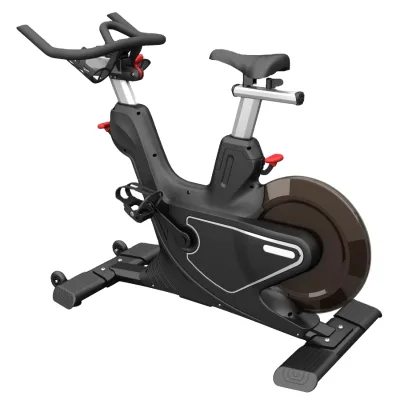
Steel Magnetic Control Spin Bike with Ultra-Quiet Pedals for Indoor Cycling and Beginners
$360.50 - $378.79
MOQ: 1
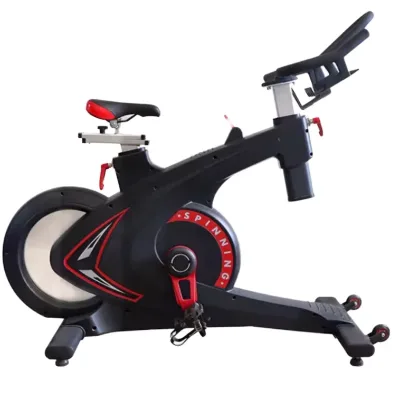

DEQING SISTER SPORTS CO., LTD.
- Verified by TUVRHEINLAND
- Combined
- China Zhejiang
- Lead time30 days
- Avg. response≤ 4h
Main productsGym Equipment, Fitness Equipment, Home Gym, Treadmill, Weight Bench, Power Tower, Fitness Rack, Spin Bike, Exercise Bike, Dumbbells
Main marketsSouth America,Others(foreignTradeCapacity.exportBusinessCapacityMarketOther),Europe


$124.00 - $128.00
MOQ: 50 Pieces

Hangzhou Tingjian Sporting Goods Co. Ltd.
- Verified by BV
- Trading Company
- China Zhejiang
- Lead time30 days
- Avg. response≤ 4h
Main productsMini Bike/Mini Stepper/Orbitrack Bike, Belt Bike, Spin Bike, Magnetic Bike/Elliptical Trainer/Recumbent Bike, Rowing Machine, Exercise Bench, Treadmill, Home Gym, Exercise Bike, Roman Chair
Main marketsSouth America


Easy Fitness Quiet and Smooth for Home Stationary Workout Machine Cycle Bike Spin Bike
$74.00 - $78.00
MOQ: 100 Pieces


Shandong Ming Star Industry and Trade Co., Ltd.
- Verified by TUVRHEINLAND
- Trading Company
- China Shandong
- Lead time15 days
- Avg. response≤ 5h
Main productsIndoor Fitness Equipment/Gym Equipment, Home/Commercial Treadmills Spinning Bike, Dumbbells/Barbells/Kettlebells, Strength Machine/Smith Machine, Yoga Mat/Yoga Products, Exercise Bike/Rowing Machine/Elliptical Bike, Electric Scooter/Citycoco, Outdoor Sports Goods/Camping Tents, Motorcycle Electric Bike/Mountain Bike/City Bike, Bodybuilding Machine
Main marketsEurope,Australia


Sustainable Quiet Magnetic Resistance Ergonomic Design Upright Magnetic Spinning Bike
$185.00 - $199.00
MOQ: 30 Pieces


Guangzhou Jason Fitness Equipment Co., Ltd.
- Verified by SGS
- Trading Company
- China Guangdong
- Lead time15 days
- Avg. response≤ 11h
Main productsFitness Equipment, Rehabilitation Equipment, Sports Equipment, Electric Treadmill, Strength Training Equipment, Elliptical Machine, Comprehensive Training Equipment, Dynamic Bike, Handstand Machine, Electric Bicycle
Main marketsDomestic

Xiamen Comfortlife Electronics Co., Ltd.
- Verified by SGS
- Manufacturer
- China Fujian
- Lead time30 days
- Avg. response≤ 8h
Main productsAnti Snore Device, Foot Massage, Personal Care Products
Main marketsSouth America,Australia,North America

Yongkang First Fitness Sporting Goods Co., Ltd.
- Manufacturer, Trading Company
- Zhejiang, China
- Lead time0 days
- Avg. response≤ 1h
Main productsTreadmill,Rowing machine,Spinning bike
Main marketsSouth America(40.00%), Southern Europe(10.00%), Northern Europe(10.00%), Western Europe(10.00%), Mid East(10.00%), Eastern Europe(10.00%), North America(10.00%)
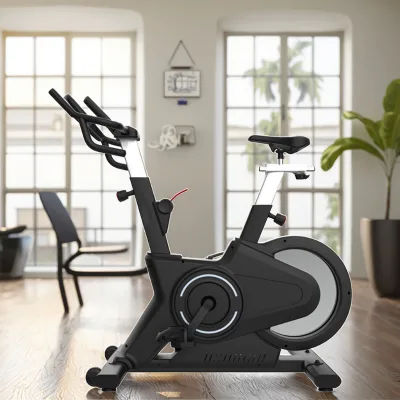
$242.91 - $243.93
MOQ: 10 pieces

$52.85 - $59.97
MOQ: 10 pieces

$46.31 - $47.34
MOQ: 10 pieces

$150.42 - $152.46
MOQ: 10 pieces


Suzhou Zichen Electronic Technology Co., Ltd.
- Trading Company
- China Anhui
- Lead time0 days
- Avg. response≤ 2h
Main productsFitness Product, furniture, Light Machine, Box and Gift package, Office Supplies, Computer Products

- Verified by BV
- Trading Company
- China Anhui
- Lead time30 days
- Avg. response≤ 10h
Main productsDumbbell, Cast Iron Plate, Chrome Bar, Fitness Equipment, Traing Set
Main marketsSouth America,Africa,Southeast Asia/ Mideast,East Asia(Japan/ South Korea),Europe,Australia,North America

Shandong Tianzhan Fitness Equipment Co., Ltd.
- Verified by BV
- Combined
- China Shandong
- Lead time30 days
- Avg. response≤ 7h
Main productsGym Equipment, Fitness Equipment, Strength Machines, Exercise Bike, Body Building Machines, Commercial Fitness Equipment, Motorized Treadmill, Fitness Equipment Gym Machine, Free Weight Accessories, Treadmill
Main marketsSouth America,Southeast Asia/ Mideast,East Asia(Japan/ South Korea),Europe,Australia,North America


Fitness Equipment Recumbent/ Exercise/ Spinning/ Magnetic/ Upright Bike for Gym
$500.00 - $620.00
MOQ: 1 Pieces
Dezhou Yihe Fitness Equipment Co., Ltd.
- Verified by SGS Group
- Manufacturer, Trading Company
- Lead time15 days
Main productsFitness Equipment, Aerobic Equipment, Strength Equipment, Treadmill, Free Weight
Main marketsDomestic Market(80%), South America(10%), Southeast Asia(10%)

Ergonomic Spin Bike Indoor Cycling Bike Hot Sale for Commercial Home Fitness Training
$100.00 - $130.00
MOQ: 1

Professional Magnetic Spin Bike Adjustable Resistance & Quiet Belt Drive for Gym Fitness
$265.00 - $300.00
MOQ: 1
Shandong United Factories Fitness Equipment Co., Ltd.
- Trading Company
- Shandong, China
- Lead time7 days
- Avg. response≤ 2h
Main productsTreadmill,Dumbbell,Barbell,Elliptical,Spinning Bike
Main marketsSoutheast Asia(30.00%), South Asia(30.00%), South America(20.00%), Africa(20.00%)
Zhejiang Fanpao Intelligent Technology Co., Ltd.
- Verified by SGS Group
- Manufacturer, Trading Company
- Lead time30 days
Main productsTreadmill, Walking Pad, Vibration Plate, Gym Equipment , Elliptical Machine
Main marketsWestern Europe(60%), North America(40%)
Hangzhou Gymbo Group Co., Ltd.
- Verified by Intertek
- Trading Company
- Lead time30 days
Main productsTreadmill, Exercise Bike, Strength Training Machine, Yoga Series, Sports Equipment
Main marketsSouth America(40%), North America(10%), Eastern Europe(10%)

Professional Magnetic Spinning Bike Verified Supplier Spinning Bike With Tablet Stand
$87.65 - $90.71
MOQ: 100 pieces


Shandong Baodelong Fitness Co., Ltd.
- Verified by BV
- Combined
- China Shandong
- Lead time23 days
- Avg. response≤ 6h
Main productsGym Equipment, Fitness Equipment, Fitness Machine, Gym Machine, Treadmill, Spinning Bike, Exercise Bike, Chest Press Machine, Leg Press Machine, Multi Functional Machine
Main marketsSouth America,Africa,Southeast Asia/ Mideast,East Asia(Japan/ South Korea),Domestic,Europe,Australia,North America


Spinning Bike Fb-5821 Magnetic Bike
MOQ: 1 Pieces

Indoor Fitness Gym Bike/Spin Bike
MOQ: 10 Pieces

Yongkang Chochi Fitness Co., Ltd.
- Verified by BV
- Manufacturer/Factory
- China Zhejiang
- Lead time15 days
- Avg. response≤ 9h
Main productsGym Fitness Equipment, Treadmill, Exercise Bike, Helmet, Scooter, Skateboard, Roller Skateshoes, Camping Chair, Camping Trolley
Main marketsSouth America,Eastern Europe,Mid East,North America,Southeast Asia,Eastern Asia,Oceania,Western Europe,Africa

Professional Magnetic Silent Stationary Bicycle Spinning Bike Exercise Bike
$233.00 - $289.00
MOQ: 10 Pieces

Professional Magnetic Silent Stationary Bicycle Spinning Bike Body Training Machine
$83.00 - $89.00
MOQ: 50 Pieces

Shenzhen LDK Industrial Co., Ltd.
- Trading Company
- China Guangdong
- Lead time30 days
- Avg. response≤ 7h
Main productsFootball Equipment, Basketball Equipment, Gymnastics Equipment, Gymnastics Mat, Indoor Fitness Equipment, Outdoor Fitness Equipment, Padel Court, Paddle Tennis Court, Spinning Bike, Treadmill
Main marketsSouth America,Southeast Asia/ Mideast,Europe,Australia,North America

Indoor Spin Bike Heart Rate Monitor with Phone Holder for Spinning Bike
$109.00 - $159.00
MOQ: 1 Pieces

Indoor Adjustable Height Ultra-Quiet Weight Loss Portable Seat Spinning Bike
$79.00 - $99.00
MOQ: 1 Pieces


SHANDONG BRIGHTWAY FITNESS EQUIPMENT CO., LTD.
- Verified by TUVRHEINLAND
- Combined
- China Shandong
- Lead time15 days
- Avg. response≤ 2h
Main productsFitness Equipment, Gym Equipment, Treadmill, Gym Accessories, Fitness Accessories, Commercial Treadmill
Main marketsNorth America

- Verified by BV
- Manufacturer/Factory
- China Fujian
- Lead time15 days
- Avg. response≤ 25h
Main productsWater Bottle, Kitchen Ware, Shoes, Plastic Product, Bag, Toy
Main marketsSouth America,Eastern Europe,Mid East,North America,Southeast Asia,Eastern Asia,Oceania,Western Europe,Africa

WNQ (Shanghai) Body-Building Equipment Co., Ltd.
- Verified by BV
- Combined
- China Shanghai
- Lead time30 days
- Avg. response≤ 19h
Main productsSports Equipment, Gym Equipment, Treadmill, Exercise Bike, Elliptical, Home Gym, Stepper, Rowing Mache, Exercise Bench, Free Weight
Main marketsSouth America,Africa,Southeast Asia/ Mideast,East Asia(Japan/ South Korea),Europe,Australia,North America

Dingzhou Baiyun Trading Co., Ltd.
- Trading Company,Manufacturer/Factory
- China Hebei
- Lead time15 days
- Avg. response≤ 4h
Main productsDumbbell, Weight Plate, Barbell, Squat Rack, Smith Machine, Dumbbell Lbench, Kettlebell, Spinning Bike, Exercise Equipment, Dumbbill Sand
Main marketsSouth America,Eastern Europe,North America,Southeast Asia,Eastern Asia,Africa

China Wholesale Commercial Magnetic Mini Fitness Exercise Spinning Bike Spin Bike
$155.00 - $165.00
MOQ: 20 Pieces


Comprehensive Sourcing Guide
Ultra Quiet Portable Spin Bike Supplier Concentration and Factory Types
The landscape for sourcing ultra quiet portable spin bikes reveals a distinct mix of manufacturing capabilities and trading structures, primarily concentrated in specific Chinese provinces. Current data indicates that suppliers are located in regions such as Hunan, Zhejiang, and Shandong, suggesting that buyers should look for clusters in these areas rather than assuming a single national hub. The company types observed include both pure Trading Companies and entities that identify as both Manufacturer and Trading Company. This distinction is critical because a trading company may offer broader product ranges, such as Padel Rackets or Smith Machines, while a manufacturer might focus more deeply on specific fitness equipment lines like Plate Loaded Machines or Cardio Equipment. Buyers must verify the actual operational nature of the supplier to understand their capacity for customization and direct factory oversight.
Understanding the factory type directly impacts the buyer’s ability to negotiate technical specifications and manage quality control. Suppliers identified as manufacturers often possess specific research and development capacities, such as sample processing, graphic processing, and customized on-demand services, which are essential for branding private label spin bikes. In contrast, trading companies might rely on existing OEM models, such as the JZM-66 or model 780, with limited ability to alter core mechanical components. The presence of certifications like ISO14001 and CE among some suppliers suggests a higher level of industrial compliance, which is often more rigorously maintained by manufacturing facilities. Buyers should prioritize suppliers who explicitly state their manufacturing capabilities when seeking unique design modifications, while those seeking quick access to standard models may find trading companies efficient for consolidating orders across multiple fitness product categories.
How to Verify Ultra Quiet Portable Spin Bike Suppliers
Verification is the first line of defense against unreliable partners, and buyers must rely on third-party audit results rather than self-reported claims. The current supplier pool includes entities verified by recognized bodies such as BV and TüVRheinland, which provide a baseline of trust regarding business legitimacy and operational stability. These verification badges indicate that an independent agency has inspected the supplier’s facilities and business practices, offering a layer of security that is crucial when dealing with international transactions. Buyers should prioritize suppliers displaying these specific verification marks, as they represent a higher standard of accountability compared to unverified accounts. It is important to note that verification status can change, so buyers should check the current validity of these credentials before committing to any significant order volume.
Beyond basic verification, buyers must scrutinize the specific certifications attached to the products themselves, particularly for electrical and mechanical safety. Many ultra quiet portable spin bikes feature magnetic resistance systems and electronic components, making certifications like CE, RoHS, and GS essential for market entry in Europe and other regulated regions. The data shows that some products carry CE, RoHS, and GS certifications, while others may only list CE, indicating varying levels of compliance. Buyers should request copies of these certificates and verify their authenticity with the issuing body, as the presence of a logo on a product listing does not guarantee valid testing. Additionally, checking for system certifications like ISO14001 can provide insight into the supplier’s overall management standards, suggesting a more organized and environmentally conscious operation. This due diligence ensures that the ultra quiet portable spin bikes meet the legal and safety requirements of the target market.
What to Compare Across Ultra Quiet Portable Spin Bike Suppliers
When evaluating multiple suppliers, buyers must compare key operational metrics such as lead time, minimum order quantity, and response speed to determine logistical feasibility. The observed lead times vary significantly, with some suppliers offering a rapid turnaround of seven days, while others require up to twenty-three days for production and delivery. This variance can impact inventory planning and market launch strategies, making it essential to align supplier capabilities with sales forecasts. Similarly, the minimum order quantity (MOQ) ranges from one set to ten pieces, allowing for flexibility in initial testing orders. Buyers seeking to minimize risk might start with low MOQ suppliers to validate product quality, while those with established distribution channels can negotiate better terms with suppliers offering higher volume discounts.
Response time and product specifications are equally critical factors in the comparison process. The data indicates a response time of approximately five hours, which is a useful benchmark for assessing communication efficiency. Faster response times often correlate with better customer service and quicker resolution of technical queries. Furthermore, buyers should compare detailed product attributes, such as flywheel weight, resistance mechanisms, and transmission modes. For instance, some ultra quiet portable spin bikes utilize a leather belt transmission with magnetic resistance, while others may employ a chain drive or fan-based resistance. The weight of the unit, ranging from seventeen to thirty-two kilograms, also affects portability and shipping costs. By systematically comparing these technical and operational details, buyers can identify the supplier that best matches their specific business requirements and quality standards.
Common Ultra Quiet Portable Spin Bike Sourcing Risks
One of the primary risks in sourcing ultra quiet portable spin bikes is the discrepancy between advertised specifications and actual product performance, particularly regarding noise levels and durability. Terms like "ultra quiet" and "silent" are marketing descriptors that lack standardized measurement criteria, leading to potential dissatisfaction if the actual decibel output is higher than expected. Buyers must request specific technical data or test reports to validate these claims, as the absence of quantifiable noise metrics can result in product returns and brand damage. Additionally, the variation in flywheel weights and resistance mechanisms, such as magnets versus wool felt brakes, can significantly affect the riding experience. Misalignment between the supplier’s description and the buyer’s expectations can lead to costly disputes, emphasizing the need for precise technical agreements.
Another significant risk involves the reliability of customization and branding services, which are often promised but not consistently delivered. While many suppliers advertise customization options, including logo printing and color changes, the actual implementation can vary in quality and consistency. Heat-transfer printing and foam handrail processes are mentioned, but the durability of these finishes under heavy use is not always guaranteed. Buyers must ensure that the customization process is clearly defined in the contract, including tolerances for color matching and logo placement. Furthermore, the risk of supply chain disruptions is heightened by the varying lead times and production capacities of different suppliers. A supplier claiming a seven-day lead time may face delays due to material shortages or production bottlenecks, impacting the buyer’s ability to meet market demand. Mitigating these risks requires thorough due diligence and clear contractual safeguards.
Ultra Quiet Portable Spin Bike Regional Sourcing and Logistics
Sourcing ultra quiet portable spin bikes from China involves navigating diverse regional logistics networks, with suppliers located in Hunan, Zhejiang, and Shandong provinces. Each of these regions offers different logistical advantages, depending on proximity to major ports and transportation infrastructure. Buyers should consider the shipping costs and transit times associated with each location, as these factors can significantly impact the total landed cost of the product. For instance, suppliers in coastal provinces like Zhejiang may benefit from faster sea freight options to international markets, while inland locations might require additional overland transport. Understanding the specific origin of the product, as indicated in the supplier data, allows buyers to make more informed decisions about shipping routes and carrier selection.
The physical dimensions and weight of the ultra quiet portable spin bikes also play a crucial role in logistics planning. Products vary in size, with some measuring around 10606001200mm and others being more compact, such as 8504501020mm. The weight of the units, ranging from seventeen to thirty-two kilograms, affects packaging requirements and freight charges. Buyers must ensure that the packaging, whether carton or customized, is robust enough to protect the product during transit, especially for items with delicate electronic components. Additionally, the folded or unfolded state of the bike can influence storage and shipping efficiency. Suppliers offering foldable models may provide logistical advantages by reducing volumetric weight, thereby lowering shipping costs. Careful consideration of these logistical factors is essential for optimizing the supply chain and ensuring timely delivery to end customers.
Ultra Quiet Portable Spin Bike Commercial Terms and Order Planning
Commercial terms and order planning are pivotal for managing cash flow and ensuring profitability when sourcing ultra quiet portable spin bikes. The price ranges observed, from approximately sixty-three to eighty-eight dollars per unit, provide a baseline for cost analysis, but buyers must account for additional expenses such as shipping, insurance, and tariffs. Negotiating favorable payment terms, such as escrow services or partial upfront payments, can mitigate financial risk. The availability of customization services, including graphic processing and on-demand samples, often comes with additional costs that must be factored into the overall budget. Buyers should request detailed quotations that break down these costs to avoid unexpected expenses during the production phase.
Order planning must also consider the supplier’s capacity for handling volume and the flexibility of their production schedules. Suppliers with higher RD capacities, such as sample processing and customized design services, may require longer lead times for initial orders but offer greater long-term value through tailored solutions. Buyers should align their order quantities with the supplier’s MOQ and production capabilities to ensure timely delivery. For instance, a supplier with a seven-day lead time and low MOQ might be ideal for rapid market testing, while a supplier with a twenty-three-day lead time and higher capacity might be better suited for large-scale distribution. By carefully planning orders based on these commercial terms and operational constraints, buyers can optimize their inventory levels and maximize return on investment.
FAQs
What is the price range for ultra quiet portable spin bikes?
Prices typically range from $63.02 to $88.80 per unit. This variation depends on specific features like flywheel weight and resistance mechanisms. Buyers should verify exact costs based on order quantity and customization needs to ensure accurate budgeting for their procurement plans.
What certifications are available for these fitness bikes?
Common certifications include CE, RoHS, and GS standards. Some models also hold ISO14001 system certification. These credentials verify compliance with international safety and environmental regulations, ensuring the equipment meets quality requirements for commercial gyms and home fitness markets globally.
What is the minimum order quantity for these bikes?
MOQs vary significantly, ranging from 1 set to 10 pieces. Some suppliers offer single-unit purchases for testing, while others require bulk orders. Buyers should confirm the specific MOQ with the supplier to align with their inventory capacity and initial procurement strategy.
How long does production and delivery take?
Lead times generally range from 7 to 23 days. This duration depends on order volume and customization requirements. Suppliers located in China typically manage these timelines efficiently. Buyers should confirm specific delivery schedules to ensure timely arrival for their fitness equipment needs.
What resistance mechanisms are used in these bikes?
Most models utilize magnetic resistance systems for ultra-quiet operation. Some variants feature fan resistance or wool felt brake systems. Magnetic options are preferred for home use due to their silent drive. Buyers should select the mechanism that best suits their target application environment.
Are these spin bikes suitable for commercial gym use?
Yes, many models are designed for both home and commercial applications. They often support maximum loads of 120kg to 150kg. Durable materials like steel frames and aluminum alloys ensure longevity. Buyers should verify weight capacity and construction quality for high-traffic commercial environments.