Ultra-Light Portable Reading Glasses Suppliers and Manufacturers
Compare 12 verified suppliers offering Ultra-Light Portable Reading Glasses with varying lead times, MOQs, and certifications like CE FDA. Review product specs and response times to select a factory in China Zhejiang for your optical needs; review the available evidence before requesting comparable quotations from suitable candidates.
Suppliers List

Wenzhou Dilicn Optical Co., Ltd
- Verified by TUVRHEINLAND
- Trading Company
- China Zhejiang
- Lead time15 days
- Avg. response≤ 7h
Main productssports sunglasses, reading glasses, optical frames
Main marketsSouth America,Europe,North America

Ultra-Light Pen Holder Portable Men and Women Anti-Blue Light Reading Glasses
$0.60 - $0.64
MOQ: 1500 Pieces


New High-Definition PC Ultra-Light Anti-Blue Light Neutral-Spectrum Reading Glasses
$0.33 - $0.35
MOQ: 1200 Pieces


- Trading Company
- China Zhejiang
- Lead time0 days
- Avg. response≤ 4h
Main productsOptical Glasses, Reading Glasses, Sunglasses, Blue Light Blocking Glasses, Eyeglasses Frames, Kid's Sunglasses, Titanium Optical Frame, Women Reading Glasses, Mens Spectacles Frames, Fashion Sunglasses


Ultra Thin Reading Glasses Portable Ultra-Light Finished Eyeglasses Compact
$0.95 - $1.20
MOQ: 2 Pieces


Wenzhou Readsun Optical Co., Ltd.
- Verified by SGS
- Trading Company,Manufacturer/Factory
- China Zhejiang
- Lead time60 days
- Avg. response≤ 6h
Main productsSunglasses, Reading Glasses, Optical Frame, Plastic Sunglasses, Kid's Sunglasses, Metal Sunglasses, Sport Sunglasses, Titanium Optical Frame, LED Reading Glasses, Promotion Sunglasses
Main marketsSouth America,Eastern Europe,Mid East,North America,Southeast Asia,Eastern Asia,Oceania,Western Europe,Africa

Metal Ultra Thin Fashion Reading Glasses High Quality Ultra Portable Reading Glasses
$1.20 - $1.30
MOQ: 500 Pieces

New Anti-Blue Light Reading Glasses Bamboo Portable Reading Glasses for Men and Women
$1.00 - $4.00
MOQ: 1200 Pieces


High Quality Folding Reading Glasses with Fashionable Style Passed FDA, CE,
$0.50 - $1.50
MOQ: 1200 Pieces

Wenzhou Yogi International Trade Co., Ltd.
- Verified by BV
- Trading Company
- China Zhejiang
- Lead time30 days
- Avg. response≤ 2h
Main productsReading Glasses, Sunglasses, Glasses, Sports Sunglasses, Eyewear, Optical Frame
Main marketsEurope


Affordable Prescription Reading Glasses with Anti-Blue Light Protection
$1.00 - $2.00
MOQ: 1200 Pieces


Wenzhou Yangming Eyewear Accessories Co., Ltd
- Verified by SGS
- Combined
- China Zhejiang
- Lead time30 days
- Avg. response≤ 3h
Main marketsDomestic

Sky & Sea Optical MFY Co., Ltd.
- Verified by SGS
- Combined
- China Zhejiang
- Lead time60 days
- Avg. response≤ 3h
Main productsOptical Frame, Sunglasses, Reading Glasses, 3D Glasses, Blocking Pad, Eyeglasses, Optical Frames, Glasses Case, Safety Glasses, Lens Cleaner
Main marketsSouth America,Europe,North America


Portable PC Light Color Reading Glasses (RE733)
MOQ: 1200 Pieces

Light Color Women Reading Glasses (RE649)
MOQ: 1200 Pieces

Newest Design Top Quality Reading Glasses (RE729)
MOQ: 1200 Pieces

Latest Design Fashion Reading Glasses (RE806)
MOQ: 1200 Pieces

Multi Color Gradient Fashionable Reading Glasses (RE652)
MOQ: 1200 Pieces
Taizhou Shuochun Glasses Technology Co., Ltd.
- Trading Company
- Zhejiang, China
- Lead time25 days
- Avg. response≤ 12h
Main productsSunglasses, Optical Eyewear, Sports Eyewear, Eyeglasses Frames, Eyeglasses Cases
Main marketsNorth America(25.00%), Eastern Europe(10.00%), Southeast Asia(10.00%), Northern Europe(8.00%), Western Europe(7.00%), Domestic Market(7.00%), South Asia(5.00%), Eastern Asia(5.00%), South America(5.00%), Africa(5.00%), Mid East(5.00%), Oceania(3.00%), Southern Europe(3.00%), Central America(2.00%)

- Verified by TUVRHEINLAND
- Trading Company
- China Zhejiang
- Lead time15 days
- Avg. response≤ 6h
Main productsReading Glass, Sunglasses, Optical Frame, Glasses Case &Accesories; Cord, Display, Promotion Sunglasses, Kids Sunglasses, Fashion Sunglasses, Hot Sale Sunglasses, New Sunglasses
Main marketsSouth America,Europe,North America


Rectangle Portable Durable Light Weight Metal Reading Glasses with Eyebrow
$1.00 - $2.20
MOQ: 1200 Pieces


Xiamen Langxue Spectacles Co., Ltd.
- Combined
- China Fujian
- Lead time30 days
- Avg. response≤ 10h
Main productsSunglasses, Eyeglasses, Reading Glasses, Metal Sunglasses, Optical Frames, Safety Glasses, Eyewears, Optical Glass, Spectacles, Sports Sunglasses
Main marketsSouth America,Domestic,Europe,North America
Wenzhou Brightlook Optical Co., Ltd.
- Verified by SGS Group
- Manufacturer, Trading Company
- Lead time45 days
- Avg. response≤ 5h
Main productsSunglasses, Optical Frames, Reading Glasses
Main marketsNorth America(30%), South America(17%), Eastern Europe(15%)
- Verified by TüVRheinland
- Manufacturer, Trading Company
- Lead time40 days
- Avg. response≤ 3h
Main productsReading Glasses, Sunglasses, Optical Frame Kid Glasses, Glasses Accessories, Kid Glasses
Main marketsNorth America(37%), South America(20%), Western Europe(20%)
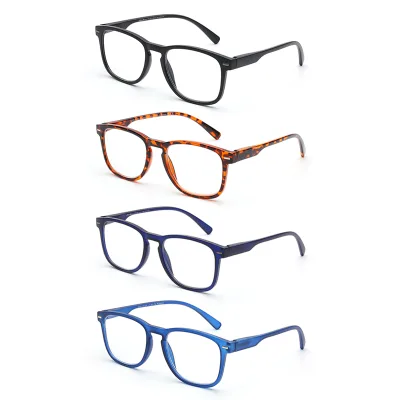
High Quality Promotion Adjustable Reader Classical Manufacture Variety Spring Hinge Reading Glasses
$0.55 - $0.85
MOQ: 600 pieces
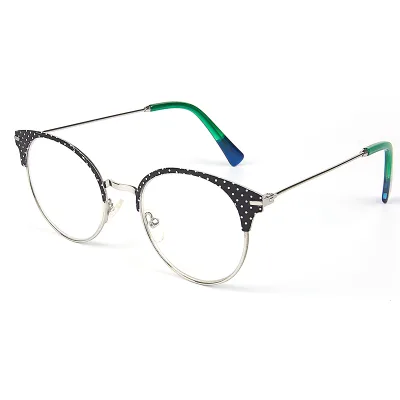
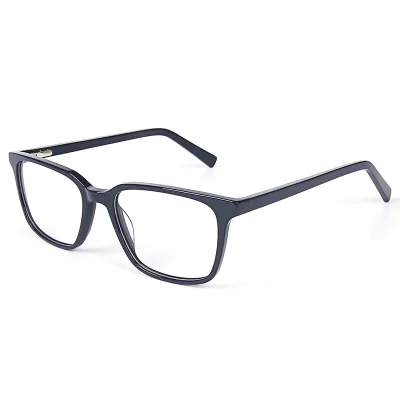
Unisex Custom Logo Classic Square Frames PC Frame Anti Blue Light Blocking Reader Reading Glasses
$0.55 - $0.85
MOQ: 600 pieces
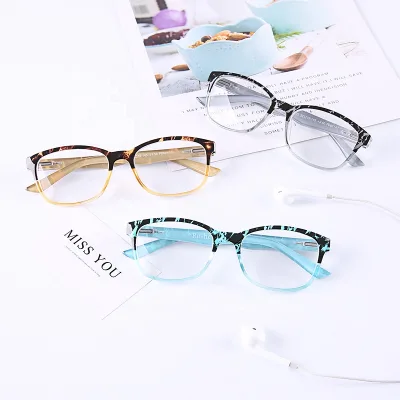

- Verified by BV
- Trading Company
- China Zhejiang
- Lead time30 days
- Avg. response≤ 6h
Main productsSunglass, Optical Frame, Sports Sunglasses, Kid's Optical Frames, Reading Glasses, Polarized Sunglasses, Eyeglasses Frame, Sun Glasses, Eyewear Frame, Sunglasses Case
Main marketsEurope,North America

Blue Light Blocking Round Light Reading Glasses with Cases in Ready Stock
$3.50 - $3.99
MOQ: 500 Pieces

Rectangle Reading Glasses Light Blue Light Blocking with Cases in Ready Stock
$3.50 - $3.99
MOQ: 500 Pieces



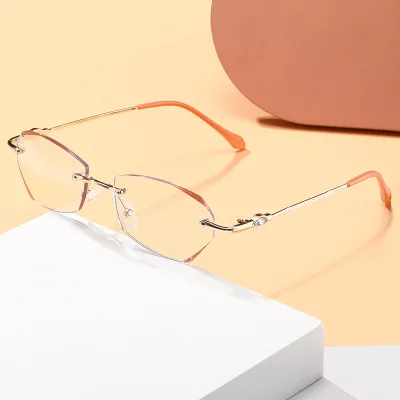


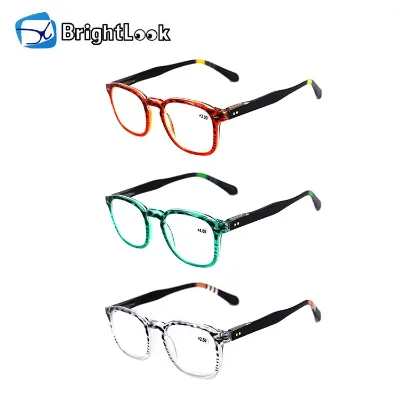
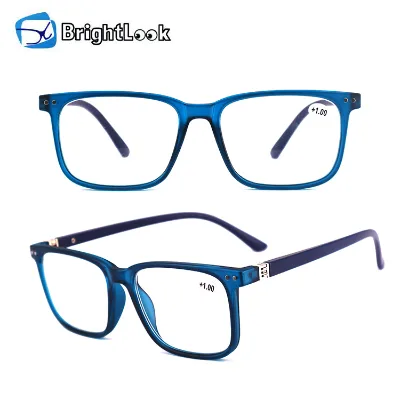
Comprehensive Sourcing Guide
Ultra-Light Portable Reading Glasses Supplier Concentration and Factory Types
The available data indicates a specific manufacturing cluster in China, Zhejiang, where suppliers of Ultra-Light Portable Reading Glasses are concentrated. This region hosts a mix of trading companies and potential factories, though the current results explicitly identify the company type as a Trading Company for the observed listings. Buyers should recognize that trading companies often aggregate products from various workshops, which can streamline the sourcing process for diverse styles like metal frames or PC materials. However, the absence of explicit factory verification in the provided facts means buyers must distinguish between direct manufacturers and intermediaries during their initial outreach.
When evaluating the supplier base, it is crucial to note that the main products listed include sports sunglasses, optical frames, and reading glasses, suggesting these entities operate as multi-category eyewear providers. The presence of specific product attributes, such as "PC Frame Material" and "Full Frame" designs, confirms the availability of lightweight options suitable for portable use. Since the data does not confirm the establishment year or specific factory capacity for every entity, buyers should verify if the trading company has direct access to production lines or if they rely on third-party manufacturers. This distinction impacts quality control and the ability to customize designs for specific face shapes or lens requirements.
How to Verify Ultra-Light Portable Reading Glasses Suppliers
Verification of suppliers in this category relies heavily on checking for recognized third-party certifications and response metrics. The observed data shows that some listings carry TUVRHEINLAND verification status, which serves as a critical indicator of a supplier's legitimacy and operational stability. Buyers should prioritize suppliers displaying this specific verification badge, as it suggests an external audit of their business practices. Additionally, the presence of product certifications like CE and FDA on specific items indicates that the supplier adheres to international safety and quality standards for eyewear, which is essential for importing into regulated markets.
Beyond certification, response time serves as a practical metric for assessing supplier reliability and communication efficiency. The data reveals response times ranging from approximately 3 hours to nearly 7 hours, with some suppliers showing a response time of 3.01 hours. A faster response time often correlates with a more active sales team and better readiness to handle inquiries regarding customization or sample requests. Buyers should also look for evidence of OEM/ODM acceptance, as seen in the product attributes, to ensure the supplier can accommodate custom logo or packaging needs. Without these specific data points, buyers must directly request proof of these credentials before proceeding with any order.
What to Compare Across Ultra-Light Portable Reading Glasses Suppliers
Comparing suppliers requires a detailed analysis of key commercial dimensions such as minimum order quantity (MOQ), lead times, and pricing structures. The observed data presents a wide variance in MOQs, ranging from as low as 12 pieces to as high as 1500 pieces. This disparity allows buyers to select partners based on their inventory strategy, whether they need small batch testing or large-scale distribution. Similarly, lead times vary significantly, with some suppliers indicating a 15-day production window while others show a lead time of 0 days, suggesting immediate stock availability. Buyers must align these figures with their own supply chain timelines to avoid delays.
Pricing and product specifications also differ markedly across the supplier pool, necessitating a careful review of unit costs and material quality. Prices for Ultra-Light Portable Reading Glasses range from approximately $0.33 to $2.50 per unit, depending on the model and features like blue light blocking or bifocal lenses. Material choices, such as PC frames versus glass lenses, directly influence both the cost and the durability of the final product. Buyers should compare the specific attributes listed, such as "Slim" style or "Single-focal Lens" types, to ensure the product matches their target market requirements. It is vital to verify that the price includes all necessary packaging standards, such as OPP bags or inner boxes, to prevent hidden costs later.
Common Ultra-Light Portable Reading Glasses Sourcing Risks
One significant risk in sourcing Ultra-Light Portable Reading Glasses involves the potential mismatch between product descriptions and actual manufacturing capabilities. While the data lists attributes like "Customization Available" and "OEM/ODM Acceptable," these claims require validation to ensure the supplier can actually deliver custom logos or packaging as promised. There is a risk that a trading company may not have direct control over the customization process, leading to delays or quality inconsistencies. Buyers should explicitly request samples of previous custom work to verify the supplier's ability to execute these specific requests before committing to a large order.
Another critical risk relates to the variability in product standards and certifications across different listings. Although some products list CE and FDA certifications, others may lack clear documentation, creating compliance risks for importers. The data shows some products meeting standards like "FDA, CE ISO En 14889: 2003," but this is not universal across all suppliers. Buyers must ensure that every unit in their order meets the regulatory requirements of their destination country. Relying solely on the product title or keyword without verifying the specific certification documents for each batch can lead to customs seizures or product recalls, making thorough due diligence essential for risk mitigation.
Ultra-Light Portable Reading Glasses Regional Sourcing and Logistics
The primary sourcing region identified in the data is China, specifically the Zhejiang province, which serves as a hub for eyewear manufacturing and trading. This concentration offers logistical advantages due to established supply chains and port access, but buyers must account for the specific shipping requirements associated with this region. The product dimensions and weights provided, such as "1886cm" and "0.03kg," indicate that these items are lightweight and compact, which can help reduce shipping costs per unit. However, the total volume of the order will still impact freight rates, especially when dealing with mixed SKUs from different suppliers.
Logistics planning must also consider the packing standards listed for various products, which range from simple OPP bags to more complex carton configurations. Some suppliers offer packing like "1PCS/Polybag, 12PCS/Inner Box, 300PCS/Carton," which is crucial for efficient container loading and protection during transit. Buyers should verify if the supplier's packing method aligns with their distribution needs to prevent damage or loss during shipping. Additionally, the origin location of "Zhe Jiang" or "China" confirms the export point, but buyers should confirm the specific port of loading to optimize freight forwarding strategies. Understanding these regional logistics nuances ensures a smoother transition from factory to final destination.
Ultra-Light Portable Reading Glasses Commercial Terms and Order Planning
Commercial terms for Ultra-Light Portable Reading Glasses vary significantly based on the supplier's MOQ and pricing structure. The data shows minimum order quantities ranging from 12 to 1500 units, which dictates the initial capital investment required. Buyers with smaller budgets may find suppliers with lower MOQs, such as those offering 12 or 300 units, more suitable for testing the market. Conversely, larger buyers can leverage the higher volume discounts offered by suppliers with MOQs of 1200 or 1500 units. It is essential to calculate the total landed cost, including the unit price and shipping, to determine the true profitability of each supplier option.
Order planning must also account for sample lead times and production schedules to ensure timely delivery. The data indicates sample times of 5-7 days for some suppliers, which is a critical factor for product development cycles. Buyers should factor in this lead time when planning their launch dates to avoid stockouts. Furthermore, the response time of the supplier, ranging from 3 to 7 hours, impacts the speed of communication during the order placement and customization phases. A supplier with a faster response time can resolve issues more quickly, reducing the risk of production delays. Careful coordination of these commercial terms and timelines is necessary to maintain a reliable supply chain for Ultra-Light Portable Reading Glasses.
FAQs
What is the price range for Ultra-Light Portable Reading Glasses?
Prices for these items typically range from $0.33 to $2.50 per unit depending on the specific model and customization options. Some basic PC frame options start at $0.33, while more specialized designs like foldable versions with cases can reach $2.50. Buyers should check the specific product listing for the exact cost associated with their desired quantity and features.
What is the minimum order quantity for these glasses?
The minimum order quantity varies significantly by product type. Some models require a minimum of 300 units, while others may need 1200 or 1500 pieces. A few specific portable options have a very low MOQ of just 12 units. Buyers must verify the exact MOQ for the specific model they intend to purchase before placing an order.
Are these reading glasses certified for safety and quality?
Yes, many of the available Ultra-Light Portable Reading Glasses carry CE and FDA certifications. Some products also adhere to ISO and EN 14889:2003 standards. These certifications indicate that the eyewear meets specific safety and quality requirements. Buyers should always request the relevant certification documents from the supplier to ensure compliance with their local market regulations.
What materials are used for the frames and lenses?
Most Ultra-Light Portable Reading Glasses feature frames made from PC material, which is known for being lightweight and flexible. The lenses are also commonly made from PC, though some premium options use glass lenses. These materials contribute to the overall slim and portable design of the glasses, making them suitable for daily use and travel.
Can I get custom branding on these reading glasses?
Yes, customization is available for many of these products. Suppliers typically offer custom logo printing and custom packaging options. This allows buyers to brand the glasses for promotional purposes or retail sale. Buyers should confirm the specific customization requirements and any additional costs with the supplier before finalizing their order.
How long does it take to receive an order?
Lead times can vary, with some suppliers indicating a lead time of 15 days. Other suppliers may have different production schedules, so it is important to check the specific lead time for the chosen product. Buyers should also consider the sample time, which is typically 5-7 days, when planning their procurement timeline.