Ultra Thin Flexible Porcelain Tiles Suppliers and Manufacturers
Compare 19 verified suppliers of Ultra Thin Flexible Porcelain Tiles based on location, lead times, certifications, and response times. Review product specifications like fireproof ratings and thickness to source materials for commercial or residential projects; review the available evidence before requesting comparable quotations from suitable candidates.
Suppliers List

- Verified by BV
- Manufacturer/Factory
- China Guangdong
- Lead time30 days
- Avg. response≤ 2h
Main productsTile Trim, Tile Leveling System, Carpet Trim, Aluminum Tile Trim, Stair Nosing, Flooring Trim, PVC Trim, Leveling Spacer, Tile Leveling Tool, Ceramic Accessories
Main marketsSouth America,Eastern Europe,Mid East,North America,Southeast Asia,Eastern Asia,Oceania,Western Europe,Africa
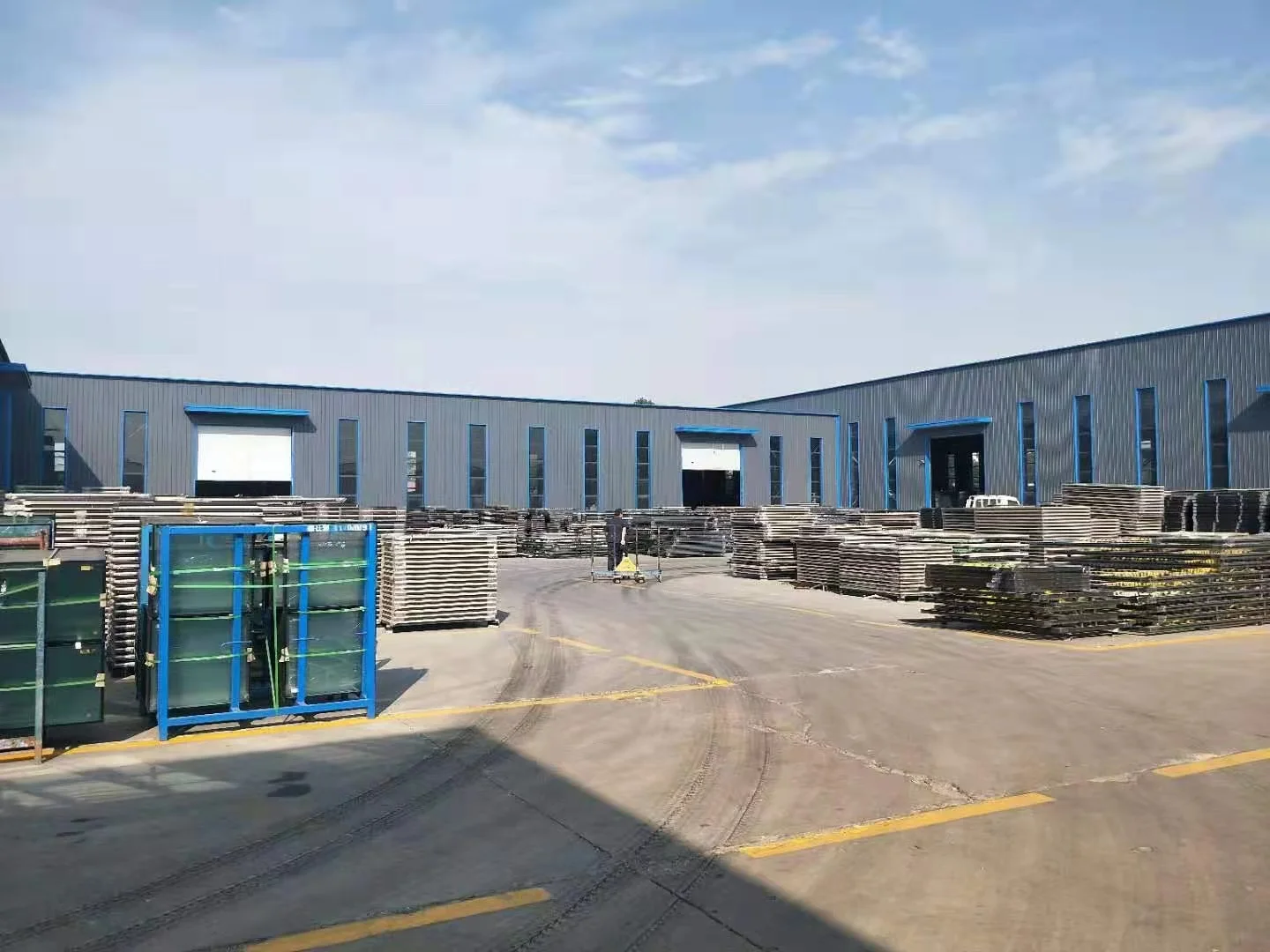
Foshan Caria Home Decor Co., Ltd.
- Manufacturer, Trading Company
- Guangdong, China
- Lead time7 days
- Avg. response≤ 4h
Main productsTile,Stone,Mosaic,Furniture,Wall Panel
Main marketsSoutheast Asia(30.0%), Africa(30.0%), Oceania(10.0%), Southern Europe(5.0%), Northern Europe(5.0%), Western Europe(5.0%), Mid East(5.0%), Eastern Europe(5.0%), North America(5.0%)

Foshan Amazon Ceramics Co., Ltd.
- Verified by BV
- Manufacturer/Factory
- China Guangdong
- Lead time23 days
- Avg. response≤ 6h
Main productsTile, Ceramic Tile, Polished Tile, Porcelain Tile, Floor Tile, 3D Tile, Ceramic Floor Tile, Glazed Porcelain Tile, Polished Glazed Tile, Wall Tile
Main marketsSouth America,Eastern Europe,Mid East,North America,Southeast Asia,Eastern Asia,Oceania,Western Europe,Africa

Guangdong Guanxing Ceramic Enterprise Co, . Ltd.
- Verified by SGS
- Combined
- China Guangdong
- Lead time15 days
- Avg. response≤ 12h
Main productsCeramic Tile, Porcelain Tile, Tile
Main marketsDomestic

FOSHAN AI JIA CERAMICS CO., LTD.
- Trading Company
- China Guangdong
- Lead time30 days
- Avg. response≤ 12h
Main productsTile, Polished Tiles, Ceramic Tiles, Floor Tiles, Rustic Tiles, Wall Tiles, Porcelain Tile, Glazed Tile, Marble Tile, Copy Marble
Main marketsAfrica,Southeast Asia/ Mideast,Europe

Foshan Oceanland Ceramics Co., Ltd.
- Verified by BV
- Manufacturer/Factory
- China Guangdong
- Lead time15 days
- Avg. response≤ 5h
Main productsCeramic Tile, Tile, Polished Tile, Porcelain Tile, Floor Tile, Wall Tile, Tiles Ceramic, Bathroom Tile, Bathroom Ceramic Tile, Building Material
Main marketsSouth America,Eastern Europe,Mid East,North America,Southeast Asia,Eastern Asia,Oceania,Western Europe,Africa

Zibo Timestone International Co., Ltd.
- Manufacturer/Factory
- China Shandong
- Lead time45 days
- Avg. response≤ 14h
Main productsCeramic Dinnerware, Ceramic Mugs, Stainless Steel Bottles Mugs and Tumblers, Glass Bottles Mugs and Tumblers, Dinnerware, Tableware, Glassware, Kitchenware, Household Items, Ceramic Granding Balls and Filters
Main marketsSouth America,Eastern Europe,Mid East,North America,Southeast Asia,Eastern Asia,Oceania,Western Europe,Africa

Foshan Hanse Industrial Co., Ltd.
- Verified by CTI
- Manufacturer/Factory
- China Guangdong
- Lead time23 days
- Avg. response≤ 15h
Main productsTile, Ceramic Tile, Mosaic, Floor Tile, Rustic Tile, Wall Tile, Roof Tile, Marble, Culture Stone, Porcelain Tile
Main marketsSouth America,Eastern Europe,Mid East,North America,Southeast Asia,Eastern Asia,Oceania,Western Europe,Africa


2800X595mm Soft Porcelain Tiles Wall Cladding Material Flexible Stone Cladding Tiles
$5.00 - $8.00
Moq: 100

3-5mm Thickness Soft Porcelain Stone Cladding Flexible Wall Tile for Veneer Tiles
$5.00 - $8.00
Moq: 100

2998X1135mm Soft Porcelain Tile Popular Design 600*300 Wall Tiles Flexible Stone
$5.00 - $8.00
Moq: 100

2380X300mm Grey Soft Porcelain Flexible Stone Veneer Stripe Flexible Wall Tiles
$5.00 - $8.00
Moq: 100


FOSHAN KENT CERAMICS CO., LTD.
- Trading Company,Manufacturer/Factory,Group Corporation
- China Guangdong
- Lead time23 days
- Avg. response≤ 5h
Main productsPorcelain Tile, Ceramic Tile, Floor Tile, Wall Tile, Tiles, Marble Tiles, Porcelain Floor Tile, Ceramic, Glazed Tile, Polished Tile
Main marketsSouth America,Mid East,North America,Southeast Asia,Eastern Asia,Western Europe,Africa

Foshan Bolcada Building Materials Co., Ltd
- Verified by BV
- Trading Company
- China Guangdong
- Lead time15 days
- Avg. response≤ 4h
Main productsTile, Floor Tile, Ceramic Tile, Mosaic Tile, Wall Tile, Wooden Tile, Polished Tile, Marble Tile, Spc Floor Tile, Outdoor Tile
Main marketsAustralia

Foshan Well Supply Chain Management Co.,Ltd.
- Verified by SGS
- Trading Company,Manufacturer/Factory
- China Guangdong
- Lead time23 days
- Avg. response≤ 6h
Main productsCeramics Tile, Porcelain Tile, Quartz Stone, Sintered Stone, Dining Table
Main marketsSouth America,Eastern Europe,Mid East,North America,Southeast Asia,Eastern Asia,Oceania,Western Europe,Africa


Floor Porcelain Wall Ceramic Tiles for Wall and Floor Standard Porcelain Tile Tiles 600X600
Contact supplier
Moq: 100

- Verified by BV
- Combined
- China Guangdong
- Lead time15 days
- Avg. response≤ 3h
Main productsWall Tile, Floor Tile, Subway Tile, Kitchen Tile, Bathroom Tile, Porcelain Tile, Porcelain Floor Tile, Flooring, Glazed Tile, Uglazed Tile
Main marketsSouth America,Africa,Southeast Asia/ Mideast,East Asia(Japan/ South Korea),Europe,Australia,North America

- Verified by BV
- Trading Company
- China Shandong
- Lead time30 days
- Avg. response≤ 3h
Main productsFilm Faced Plywood, OSB, Plywood, MDF, Birch Plywood, Bintangor, Okoume, Particle Board, Marine Plywood, Shuttering Plywood
Main marketsAfrica,Southeast Asia/ Mideast,Europe,Australia

Foshan Genbersin New Materials Co., Ltd.
- Trading Company
- China Guangdong
- Lead time0 days
- Avg. response≤ 12h
Main productsWPC Flooring, Ceramic Tiles, WPC Wall Panel, WPC Wall Cladding, WPC DIY Floor, WPC Decking, WPC Fence, WPC Gate, WPC Squre Tube, Rustic Tiles

FOSHAN YUHIN IMPORT&EXPORT Co., Ltd
- Trading Company
- China Guangdong
- Lead time30 days
- Avg. response≤ 16h
Main productsfloor tile
Main marketsSoutheast Asia/ Mideast,Europe

LINYI JIASE NEW MATERIALS CO., LTD.
- Verified by BV
- Trading Company,Manufacturer/Factory
- China Shandong
- Lead time15 days
- Avg. response≤ 4h
Main productsWPC Board, Wall Panel, PVC Foam Board, Spc Flooring, WPC Ceiling, WPC Decking, WPC Column, WPC Door, WPC Cladding, PVC Panel
Main marketsSouth America,Mid East,Southeast Asia,Eastern Asia,Africa

Zibo Mingwei Ceramics Co., Ltd
- Verified by SGS
- Trading Company
- China Shandong
- Lead time15 days
- Avg. response≤ 2h
Main productsCeramic Tiles, Porcelain Tiles, Wood Tiles, Floor Tiles, Polished Tiles, Wall Tiles, WPC, Sps, Ceramic Floor Tiles, PVC
Main marketsSouth America,Others(foreignTradeCapacity.exportBusinessCapacityMarketOther),Southeast Asia/ Mideast,Australia

wuhan rigel import and export trading co.,ltd
- Verified by BV
- Trading Company,Manufacturer/Factory
- China Hubei
- Lead time0 days
- Avg. response≤ 11h
Main productsPlastic Product / Building Materials, Small Fishing Boat, EPS Cement Sandwich Wall Panel, Wall Panel Machine, Calcium Silicate Board, Calcium Silicate Board Production Line, WPC Wall Panel, WPC Wall Panel Production Line, Plastic Box, PE Wall Panel

Foshan Green Ceramics Co., Ltd.
- Verified by SGS
- Manufacturer/Factory
- China Guangdong
- Lead time15 days
- Avg. response≤ 5h
Main productsGlaze Porcelain Tile, Ceramic Tile, Wall Tile, Wooden Tile, Thickness Tile, Matt Rustic Tile, Polish Tile
Main marketsSouth America,Eastern Europe,Mid East,North America,Southeast Asia,Eastern Asia,Oceania,Western Europe,Africa


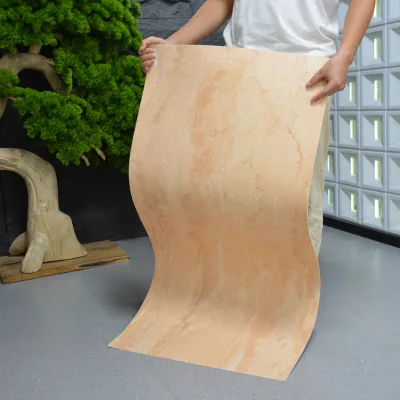
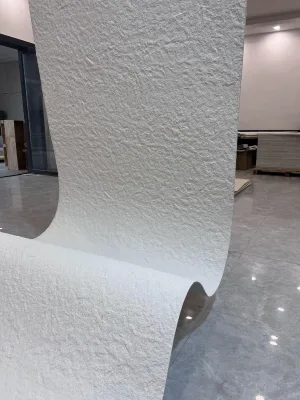


Comprehensive Sourcing Guide
Ultra Thin Flexible Porcelain Tiles Supplier Concentration and Factory Types
The available data indicates a concentration of manufacturers and factories located in Guangdong, China, specifically within the Foshan region, which is a known hub for ceramic and tile production. These suppliers often list main products that include tile leveling systems, aluminum trim, and various ceramic accessories alongside the core flexible porcelain offerings. The presence of both Manufacturer/Factory and Trading Company types suggests a mixed supply chain where some entities handle direct production while others manage distribution and logistics. Buyers should verify if a specific supplier is a direct factory or a trading company by checking their company type designation, as this impacts pricing structures and communication channels.
When evaluating the factory types, it is crucial to distinguish between entities that offer OEM and ODM capabilities versus those that primarily resell existing stock. The observed supplier profiles show that many manufacturers in this cluster possess significant research and development capacity, allowing for customization of tile sizes, colors, and surface treatments. However, not all suppliers in the region may offer the same level of customization or have the same production capacity. Buyers must confirm the specific capabilities of each supplier, such as whether they can produce ultra-thin flexible tiles with specific fireproof or waterproof features, rather than assuming all factories in the region offer identical product lines.
How to Verify Ultra Thin Flexible Porcelain Tiles Suppliers
Verification of suppliers in this category requires a multi-step approach focusing on third-party credentials and response metrics. The data shows that some suppliers hold BV verification status, which serves as a baseline for business legitimacy, while others may rely on different verification methods. Buyers should prioritize suppliers who display clear system certifications such as ISO 9001, BSCI, or ISO 14001, as these indicate adherence to quality management and environmental standards. It is essential to cross-reference these certifications with the specific product attributes, ensuring that the claimed certifications cover the manufacturing processes for flexible stone and porcelain tiles.
Response time and lead time are critical indicators of supplier reliability and operational efficiency. The observed response times vary, with some suppliers responding within approximately two days while others take longer, which can impact project timelines. Buyers should compare these response speeds against their own project deadlines to ensure the supplier can communicate effectively during the sourcing process. Additionally, verifying the lead time, which ranges from seven to thirty days in the observed data, helps in planning production schedules. A supplier with a shorter lead time may offer faster delivery, but buyers must also assess whether this speed compromises quality or customization options.
What to Compare Across Ultra Thin Flexible Porcelain Tiles Suppliers
Comparing suppliers requires a detailed analysis of product specifications, pricing structures, and minimum order quantities. The product evidence reveals a wide range of prices, from approximately $3.10 to over $12.00 per unit, depending on the specific type of tile, such as polished glazed ceramic or flexible soft stone. Buyers must evaluate whether the price difference correlates with distinct features like fireproof ratings, thickness variations, or customization capabilities. It is important to note that some suppliers offer customization while others provide non-customized standard products, which significantly affects the final cost and suitability for specific project requirements.
Minimum order quantities (MOQ) and production capacity are also vital comparison points. The data indicates MOQs ranging from as low as 10 units to 500 units, allowing flexibility for different order sizes. Suppliers with higher monthly capacities, such as 300,000 square meters, may be better suited for large-scale projects, while those with lower capacities might be ideal for smaller, specialized orders. Buyers should also compare the warranty periods, which can range from five years to fifteen years, and the specific after-sales services offered, such as online technical support or free spare parts. These factors collectively determine the long-term value and risk profile of each supplier.
Common Ultra Thin Flexible Porcelain Tiles Sourcing Risks
One significant risk in sourcing ultra-thin flexible porcelain tiles is the potential mismatch between product claims and actual performance. While suppliers may advertise features like A1 fireproofing, waterproofing, and non-slip properties, buyers must verify these claims through independent testing or detailed product documentation. The variability in product attributes, such as water absorption rates and material composition, means that not all tiles labeled as "flexible" or "porcelain" will perform identically under stress or environmental conditions. Relying solely on supplier descriptions without requesting test reports or samples can lead to project failures or safety hazards.
Another risk involves the inconsistency in lead times and delivery schedules. The observed lead times vary significantly, from seven days to thirty days, and some suppliers may not adhere strictly to these estimates. Delays in production or shipping can disrupt project timelines, especially for construction projects with tight deadlines. Buyers should also be cautious of suppliers who do not clearly state their production capacity or who offer vague information about their supply chain. Ensuring that the supplier has a proven track record of meeting delivery commitments and maintaining consistent quality is essential to mitigate these risks effectively.
Ultra Thin Flexible Porcelain Tiles Regional Sourcing and Logistics
Sourcing from the Guangdong region, particularly Foshan, offers logistical advantages due to the established infrastructure for exporting ceramic and stone products. The proximity of manufacturers to major ports facilitates efficient shipping, but buyers must still account for the specific logistics requirements of ultra-thin and flexible tiles. These products often require specialized packaging, such as wooden pallets with export neutral cartons or plywood cases, to prevent damage during transit. Buyers should verify the packaging standards of each supplier to ensure that the tiles arrive in pristine condition, as improper packaging can lead to breakage or surface damage.
Logistics planning also involves understanding the customs and import regulations of the destination country. While the suppliers in Guangdong are experienced in international shipping, buyers must confirm who is responsible for freight costs, insurance, and customs clearance. The product origin, listed as Foshan or Guangdong, China, is a key factor in determining shipping routes and potential tariffs. Buyers should work with their freight forwarders to optimize shipping costs and ensure that the delivery timeline aligns with the supplier's lead time. Clear communication regarding logistics responsibilities helps prevent unexpected delays or additional costs during the import process.
Ultra Thin Flexible Porcelain Tiles Commercial Terms and Order Planning
Commercial terms for ultra-thin flexible porcelain tiles often include specific payment structures, such as deposits required before production begins. The observed data suggests that delivery times are calculated from the receipt of a deposit, making it crucial for buyers to understand the payment schedule and its impact on the overall timeline. Buyers should negotiate clear terms regarding the percentage of the deposit, the timing of the final payment, and the conditions for releasing funds. Understanding these terms helps in managing cash flow and ensures that both parties are aligned on the financial aspects of the transaction.
Order planning must also consider the customization options and the associated lead times. Suppliers offering customization, such as specific sizes or colors, may require additional time for production compared to those selling standard products. Buyers should factor in the time needed for sample approval, design adjustments, and final production when creating their project schedule. Additionally, the warranty period and after-sales service terms should be integrated into the order planning process to ensure that any potential issues can be addressed promptly. By carefully planning these commercial aspects, buyers can minimize risks and ensure a smooth procurement experience.
FAQs
What is the minimum order quantity for Ultra Thin Flexible Porcelain Tiles?
The minimum order quantity varies by product type. Some flexible stone tiles require only 10 units, while standard porcelain tiles often start at 500 square meters. Buyers should check specific product listings to confirm the exact MOQ before placing an order.
How long does it take to receive Ultra Thin Flexible Porcelain Tiles?
Lead times typically range from 7 to 30 days depending on the supplier and order volume. Some manufacturers offer faster delivery within 7 days, while others may require up to 30 days after receiving the deposit. Always verify the specific delivery timeline with the seller.
Are Ultra Thin Flexible Porcelain Tiles fireproof and waterproof?
Yes, many flexible stone tiles feature A1 fireproof and waterproof properties. These materials are designed for quick installation and offer durability in various environments. Buyers should confirm specific fire ratings and waterproofing standards on the product details page before purchasing.
What certifications do suppliers of Ultra Thin Flexible Porcelain Tiles hold?
Suppliers often hold ISO 9001, BSCI, and CE certifications. Some manufacturers also possess ISO 14001 for environmental management. These certifications indicate adherence to quality and safety standards. Buyers should verify the specific certificates listed for each supplier to ensure compliance with their project requirements.
Where are Ultra Thin Flexible Porcelain Tiles manufactured?
Most products originate from Guangdong, China, specifically in Foshan. This region is a major hub for ceramic and tile manufacturing. Buyers can expect products to be shipped from these locations, which often influences lead times and shipping costs for international orders.
What is the price range for Ultra Thin Flexible Porcelain Tiles?
Prices vary significantly based on the product type and specifications. Flexible stone tiles may range from 5.8 to 12.85 per unit, while standard porcelain tiles can cost between 3.1 and 11.26 per square meter. Buyers should compare specific listings to find the best value for their needs.
Can Ultra Thin Flexible Porcelain Tiles be customized?
Yes, customization is available for many flexible stone and porcelain tile products. Buyers can request cut-to-size options or specific designs. However, some standard items may be non-customized. Always check the product attributes to confirm if customization is offered for the specific item.