Vacuum Egg Transfer Pump Suppliers and Manufacturers
Explore 17 verified options for Vacuum Egg Transfer Pump suppliers and manufacturers in China. Compare response times, lead times, certifications, and pricing to find the right partner. Contact suppliers directly to request quotes and verify product specifications; review the available evidence before requesting comparable quotations from suitable candidates.
Suppliers List
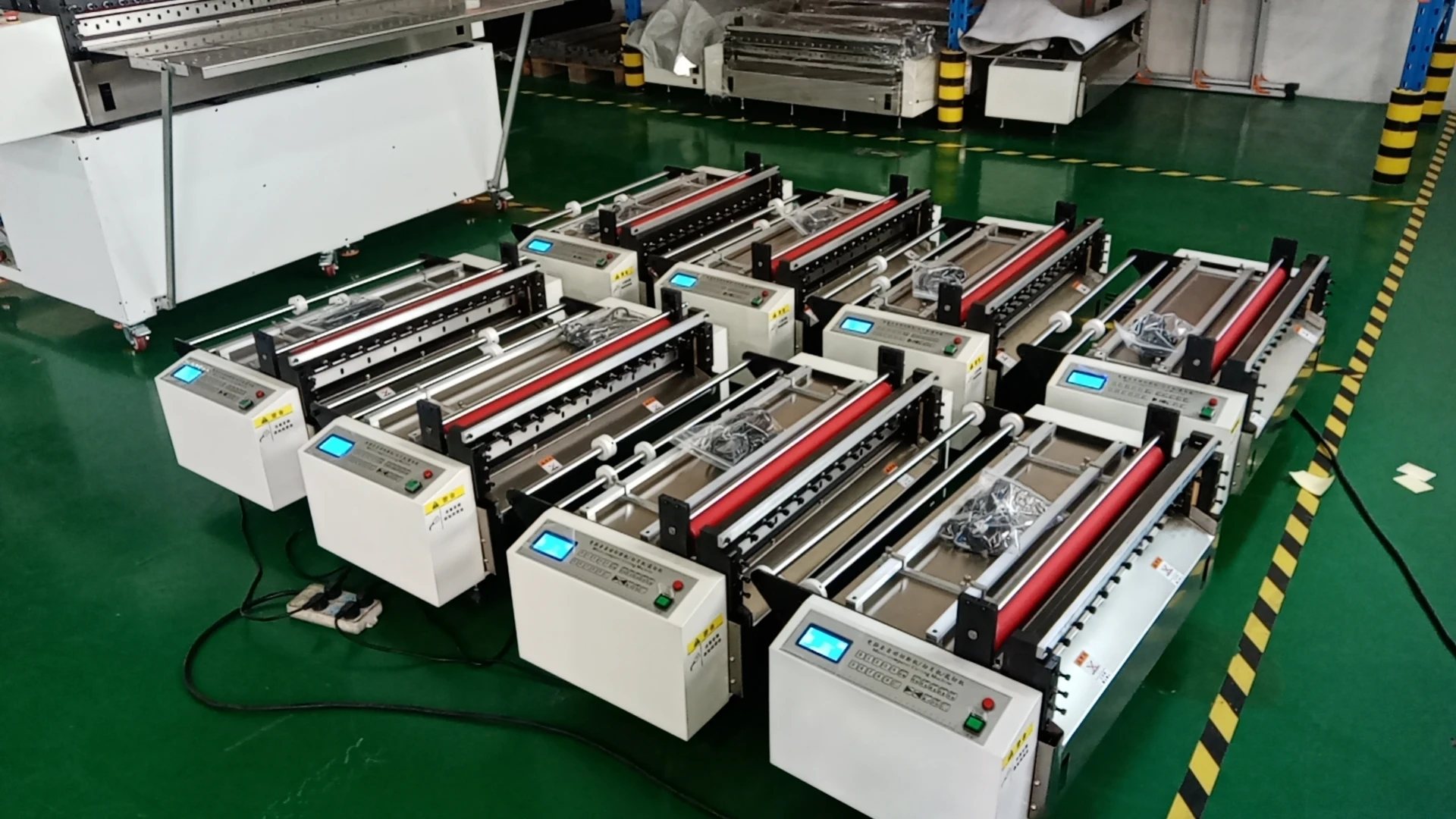
Zhengzhou Heer Machinery Co., Ltd.
- Trading Company
- Henan, China
- Lead time25 days
- Avg. response≤ 5h
Main productsFruit & Vegetable Processing Machines,Grain Processing Machine,Roll To Sheet Cutting Machine,Textile Machine,Packing Machine
Main marketsNorth America(20.0%), Eastern Europe(15.0%), Central America(10.0%), Africa(10.0%), Southeast Asia(10.0%), South America(10.0%), Western Europe(10.0%), Mid East(5.0%), Northern Europe(5.0%), South Asia(2.0%), Eastern Asia(2.0%), Domestic Market(1.0%)
Beijing Yunfeng Limin Livestock Equipment Co., Ltd.
- Combined
- China Beijing
- Lead time30 days
- Avg. response≤ 3h
Main productsEgg Incubator, Hatchery Machine, Chick Counter, Egg Candling Machine, Egg Transfer Machine, Egg Lifter
Main marketsSouth America,Africa,Southeast Asia/ Mideast,East Asia(Japan/ South Korea),Domestic,Europe,Australia,North America
Shanghai Mss International Trade Co., Ltd.
- Verified by TUVRHEINLAND
- Trading Company
- China Shanghai
- Lead time15 days
- Avg. response≤ 5h
Main productsMicroscope, Industrial Camera, Microscope Accessories, Industrial Lens, Infrared Thermal Imaging, Vacuum Pump, Endoscope, Optical Measuring Instruments
Main marketsEast Asia(Japan/ South Korea)

Dongying Lake Petroleum Technology Co., Ltd.
- Verified by SGS
- Trading Company
- China Shandong
- Lead time30 days
- Avg. response≤ 2h
Main productsOilfield Equipment, Rig Part, Mud Pump, Mud Pump Parts, Bop, Bop Packing Element, Wellhead Equipment, Handling Tools, Downhole Tools, Fishing Tools
Main marketsSouth America,Africa,Southeast Asia/ Mideast,Europe,North America

Shanghai Yulong Vacuum Pump Co., Ltd.
- Verified by SGS
- Manufacturer/Factory,Group Corporation
- China Shanghai
- Lead time15 days
- Avg. response≤ 8h
Main productsVacuum Pump, Liquid Ring Vacuum Pump, Water Ring Vacuum Pump, Rotory Vane Vacuum Pump, Centrifugal Water Pump, Vacuum Set/System, Pump, Roots Vacuum Pump, Roots Blower, Electric Pump
Main marketsSouth America,Eastern Europe,Mid East,North America,Southeast Asia,Eastern Asia,Oceania,Western Europe,Africa

Nuclear Industry Yantai Toncin Group Co., Ltd.
- Verified by TUVRHEINLAND
- Combined
- China Shandong
- Lead time30 days
- Avg. response≤ 11h
Main productsBelt Fiter, Stretch Wrapping Machine, Vacuum Belt Filter, Filter Press, Ceramic Disc Filter, Vacuum Belt Dehydrator, Packaging Machine, Mining Machine, Fgd Product
Main marketsSouth America,Africa,Southeast Asia/ Mideast,East Asia(Japan/ South Korea),Australia,North America

Shandong Blossom Pump Co., Ltd.
- Verified by SGS
- Trading Company,Manufacturer/Factory
- China Shandong
- Lead time30 days
- Avg. response≤ 2h
Main productsAPI610 Pump, Vacuum Pump, Slurry Pump, Double Scution Pump, Water Pump, Mud Pump, Sad Pump, Submerged Pump, Motor, Bb4 Pump
Main marketsSouth America,Eastern Europe,Mid East,North America,Southeast Asia,Eastern Asia,Oceania,Western Europe,Africa
- Verified by SGS
- Trading Company
- China Zhejiang
- Lead time23 days
- Avg. response≤ 2h
Main productsRefrigeration, HVAC, Ventilation, Washing Machine Parts, Dryer Parts, Air Conditioning Parts, Customized Metal Products, AC Installation Products, Electrical
Main marketsSouth America,Africa,Southeast Asia/ Mideast,East Asia(Japan/ South Korea),Europe,Australia,North America

Zibo Zhuoxin Pump Industry Co., Ltd.
- Verified by SGS
- Trading Company
- China Shandong
- Lead time15 days
- Avg. response≤ 16h
Main productsVacuum Pumps, Water Ring Vacuum, Compressors, Water Pumps, Pumps
Main marketsSouth America,Southeast Asia/ Mideast,North America
Hangzhou Tianchen Import and Export Co., Ltd.
- Verified by SGS
- Trading Company,Manufacturer/Factory
- China Zhejiang
- Lead time105 days
- Avg. response≤ 7h
Main productsChemical Pump, FRP Tank, HCl Graphite Tower
Main marketsMid East,Eastern Asia,Africa

Shanghai Suoto Pump Industrial Co., Ltd.
- Verified by BV
- Trading Company
- China Shanghai
- Lead time15 days
- Avg. response≤ 15h
Main productsDiesel Engine Pump, Vacuum Pump, Centrifugal Pump, Water Pump, Oil Pump, Submersible Pump, Sewage Pump, Chemical Pump, Self-Priming Pump, Gear Pump
Main marketsSouth America,Africa,Southeast Asia/ Mideast,East Asia(Japan/ South Korea),Domestic,Europe,Australia,North America

Zhejiang Yonjou Technology Co., Ltd.
- Verified by BV
- Trading Company,Manufacturer/Factory
- China Zhejiang
- Lead time23 days
- Avg. response≤ 8h
Main productsGear Pump, Diaphragm Pump, Screw Pump, Hot Oil Pump, Lobe Pump, Water Pump, Vacuum Pump, Dewatering Pump, Self Priming Pump, Chemical Pump
Main marketsSouth America,Eastern Europe,Mid East,North America,Southeast Asia,Eastern Asia,Oceania,Western Europe,Africa

Wenling Shellmax Equipment Manufacturing Co., Ltd.
- Combined
- China Zhejiang
- Lead time15 days
- Avg. response≤ 21h
Main productsGarage Equipments, Welding Machine, Quartz Machinery, Feeding Machine, Spot Welder, Fuel Saver Kit, Electric Motor, Aerator, Auto Parts, OEM Products
Main marketsSouth America,Southeast Asia/ Mideast,North America

Faithful lnstrument (Hebei) Co., Ltd.
- Verified by BV
- Combined
- China Hebei
- Lead time15 days
- Avg. response≤ 6h
Main productsIncubator, Magnetic Stirrer, Drying Oven, Heating Mantle, Water Bath, Laminar Flow Cabinet, Stainless Steel Water Still, Disintegrator, Furnace, Vortex Mixer
Main marketsSouth America,Africa,Southeast Asia/ Mideast,Europe,Australia,North America

Changsha TOPS Industry & Technology Co., Ltd.
- Manufacturer/Factory
- China Hunan
- Lead time30 days
- Avg. response≤ 9h
Main productsDC Pump, Brushless Centrifugal Pump, Micro Diaphragm Pump, Micro Gear Pump, Liquid Cooling Pump, Solar Powered Hot Water Pump, Coffee Machine Pump, Car Circulation Pump, Micro Vacuump / Air Pump, Food Grade Pump
Main marketsSouth America,Eastern Europe,Mid East,North America,Southeast Asia,Eastern Asia,Oceania,Western Europe,Africa

Chuangpu Animal Husbandry Technology (Suzhou) Co., Ltd.
- Verified by BV
- Manufacturer/Factory
- China Jiangsu
- Lead time23 days
- Avg. response≤ 16h
Main productsMilking Machine, Milk Can, Milk Claw, Milk Pulsator, Milking Machine Parts, Milk Mixer, Milking Can, Milk Cooling Tank, Vacuum Pump, Cow Lock Head
Main marketsSouth America,Eastern Europe,Mid East,North America,Southeast Asia,Eastern Asia,Oceania,Western Europe,Africa

- Verified by TUVRHEINLAND
- Trading Company,Manufacturer/Factory
- China Hunan
- Lead time38 days
- Avg. response≤ 13h
Main productsMicrocope Centrifuge Water Bath Heating Mantel, Shaker Stirrer Incubator and Oven Freezer Aas, Autoclave &Sterilizer Water Distiller pH Meter, Spectrophotometer Viscometer Balance&Scale HPLC, Lab Glassware; Electrophoresis Suction Machine, ECG Thermometer Ultrasound Scanner, Operating Table Lamp Bed Wheel Chair, Infusion Oxygen Concentrator Cylinder, X-ray Machine Hematology Analyzer, Human Models Medical Disposable
Main marketsSouth America,Eastern Europe,Mid East,North America,Southeast Asia,Eastern Asia,Oceania,Western Europe,Africa


Comprehensive Sourcing Guide
Vacuum Egg Transfer Pump Supplier Concentration and Factory Types
Current data indicates a concentration of suppliers in Henan, China, offering a mix of trading companies and combined entities specializing in poultry equipment. These suppliers list main products ranging from fruit and vegetable processing machines to specific egg transfer machinery, suggesting a regional cluster focused on agricultural processing solutions. Some entities in this area operate as trading companies, while others function as combined suppliers capable of offering both manufacturing and trading services. This diversity allows buyers to find partners who can either source directly from factories or provide a broader range of related machinery like incubators and hatchery equipment.
In contrast, other verified suppliers are located in Beijing and Shanghai, often focusing on broader industrial machinery or optical instruments rather than dedicated egg processing lines. A supplier in Shanghai, for instance, lists vacuum pumps as part of a wider portfolio including microscopes and industrial cameras, indicating a different type of manufacturing capability compared to the specialized poultry clusters. Buyers should verify if a supplier's primary focus aligns with their specific needs, as a trading company in Henan might offer different product depth than a combined entity in Beijing or a specialized pump manufacturer in Shanghai. Identifying the correct factory type is crucial for ensuring the supplier has the specific technical expertise required for vacuum egg transfer pumps.
How to Verify Vacuum Egg Transfer Pump Suppliers
Verification begins by checking for specific certifications and test reports that confirm the quality and safety of the machinery. Some suppliers provide ISO9001:2015 certificates, which serve as a baseline for quality management systems, while others offer machinery test reports and video outgoing-inspection services. These documents are critical for validating that the equipment meets operational standards before shipment. Buyers should request these specific proofs of compliance rather than relying on general claims, as the presence of a test report or a video inspection indicates a higher level of transparency and quality control within the supply chain.
Beyond documentation, buyers must assess the supplier's response time and the clarity of their product attributes. Data shows response times varying from approximately 2.5 to 5 hours, which can impact the speed of negotiation and problem resolution. A supplier with a faster response time may indicate better operational efficiency and customer service readiness. Additionally, verifying the core components, such as motors and pumps, and confirming the material specifications like 304 stainless steel, ensures the machine is built for durability in an egg processing environment. Buyers should cross-reference these technical details with the supplier's stated capabilities to avoid mismatches between advertised features and actual product performance.
What to Compare Across Vacuum Egg Transfer Pump Suppliers
When evaluating potential partners, comparing lead times is essential for planning production schedules and inventory management. Available data reveals lead times ranging from 15 to 30 days, depending on the supplier's location and current capacity. A supplier in Shanghai might offer a 15-day lead time, whereas a manufacturer in Henan or Beijing could require up to 30 days. This variation significantly affects the overall timeline for receiving goods, especially for time-sensitive orders. Buyers should prioritize suppliers whose lead times align with their operational deadlines to prevent delays in their own production lines.
Another critical comparison point is the minimum order quantity (MOQ) and pricing structure. While some suppliers list an MOQ of just one unit, others may have different thresholds or pricing tiers based on volume. Prices for specific models, such as the V42A or V10A, can vary, with some units priced around $120 to $272, while others range from $450 to $550. Buyers must analyze these price points against the specific model features, such as suction capacity or material quality, to determine the best value. Comparing the warranty terms, which can range from standard coverage to specific two-year warranties, also helps in assessing the long-term cost of ownership and the supplier's confidence in their product durability.
Common Vacuum Egg Transfer Pump Sourcing Risks
One significant risk involves the discrepancy between advertised product capabilities and actual performance, particularly regarding the suction mechanism and material quality. Some listings describe handheld egg suckers with specific suction plate specifications, while others focus on fixed-type lifters. If a buyer does not verify the exact model number and its corresponding technical specifications, they may receive a machine that does not match their facility's requirements. This mismatch can lead to operational inefficiencies or the need for costly modifications, making it vital to confirm the exact model, such as V6A or V42B, before finalizing any purchase agreement.
Another risk stems from the variability in supplier types and their ability to provide after-sales support. Trading companies may not have direct control over manufacturing quality or repair capabilities, whereas combined entities or factories might offer better support. If a machine fails, the ability to access replacement parts or technical assistance depends heavily on the supplier's structure. Buyers should verify if the supplier offers customization options and if they have the capacity to handle warranty claims, such as the two-year warranties mentioned in some product attributes. Failing to assess these support structures can leave buyers vulnerable to prolonged downtime if the equipment encounters issues during operation.
Vacuum Egg Transfer Pump Regional Sourcing and Logistics
Sourcing from Henan, China, offers access to a specialized cluster of suppliers focused on agricultural machinery, including egg transfer pumps. This region appears to host a significant number of manufacturers and trading companies dedicated to food and beverage processing equipment. The proximity of these suppliers to agricultural hubs may facilitate faster logistics for local buyers, but international shipping times must be carefully calculated. Buyers should consider the single package size and weight, which can vary from 20 kg to 35 kg, as these factors influence shipping costs and handling requirements. Understanding the specific logistics profile of the Henan cluster helps in estimating total landed costs accurately.
In contrast, suppliers located in Beijing and Shanghai may offer different logistical advantages, such as access to major ports or specialized industrial zones. A supplier in Shanghai, for example, might have established relationships with logistics providers for international shipments, potentially reducing transit times. However, the product range in these cities may be broader, including non-agricultural items like optical instruments, which could dilute the focus on egg processing machinery. Buyers should evaluate whether the regional location of the supplier aligns with their specific shipping needs and whether the supplier's location offers any strategic advantages for their supply chain, such as reduced customs delays or better freight rates.
Vacuum Egg Transfer Pump Commercial Terms and Order Planning
Commercial terms regarding customization and payment security are pivotal when finalizing orders for vacuum egg transfer pumps. Many suppliers indicate that customization is available, allowing buyers to tailor the machine to specific production line requirements. However, the extent of this customization and the associated costs must be clearly defined in the contract. Buyers should also verify if the supplier accepts escrow services or other secure payment methods to protect their financial interests. Understanding the terms of customization and payment security ensures that the final product meets the buyer's unique needs while minimizing financial risk during the transaction process.
Order planning must also account for the specific product attributes and warranty conditions provided by the supplier. For instance, some models come with a two-year warranty, while others may have different coverage periods. Buyers should plan their inventory and maintenance schedules based on these warranty terms to ensure continuous operation. Additionally, the availability of machinery test reports and video outgoing-inspection services should be factored into the order timeline, as these processes may add time before shipment. By carefully planning around these commercial terms and product attributes, buyers can ensure a smooth procurement process and reliable long-term performance of their vacuum egg transfer pumps.
FAQs
What is the price range for vacuum egg transfer pumps?
Prices for these machines typically range from 120 to 550 units depending on the model and suction capacity. Specific listings show fixed prices like 140 or 272 units for certain models. Buyers should verify the exact cost for their required capacity before ordering.
Where are these egg transfer machines manufactured?
Manufacturing locations include Henan, China, and Beijing, China. Some products originate from Japan, while others are produced in Shanghai. Buyers must check the specific product origin listed for each machine to confirm the manufacturing location.
What is the minimum order quantity for these pumps?
The minimum order quantity is one single item for many available models. This allows buyers to purchase a single unit for testing or small-scale operations. Always confirm the specific MOQ on the product page before finalizing the purchase.
How long does it take to receive these machines?
Lead times vary between 15 and 30 days depending on the supplier and location. Some suppliers in Shanghai offer a 15-day lead time, while others in Henan or Beijing may require up to 30 days. Verify the specific delivery schedule with the seller.
Are these machines certified with ISO standards?
Some models carry ISO9001 certification and are marked as new condition. Specific product attributes list ISO9001:2015 certificates for certain suppliers. Buyers should request the machinery test report to verify the certification status for their specific order.
What materials are used to build these egg lifters?
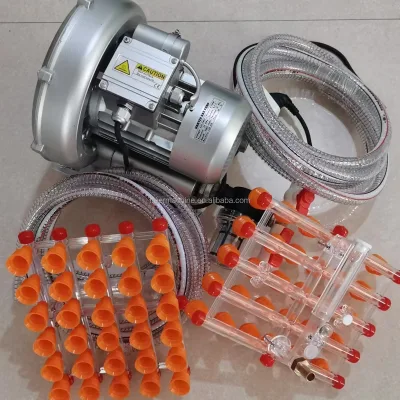
Many machines are constructed from 304 stainless steel to ensure durability and hygiene. The core components often include motors and pumps designed for efficient operation. Check the product attributes for the specific material grade used in the model you select.
What warranty is provided for these vacuum pumps?
A standard warranty of two years is offered on certain models like the HEER brand vacuum egg lifter. This coverage applies to the machinery function and core components. Confirm the specific warranty terms and duration with the supplier before completing the transaction.