Vanilla Whitening Facial Cleanser Suppliers and Manufacturers
Source 17 verified suppliers for Vanilla Whitening Facial Cleanser. Compare Guangdong-based manufacturers on certifications like FDA and GMP, lead times, and MOQs. Review product specs and request samples to verify quality before placing orders; review the available evidence before requesting comparable quotations from suitable candidates.
Suppliers List

Guangzhou Aifujia Biotechnology Co., Ltd.
- Trading Company
- China Guangdong
- Lead time15 days
- Avg. response≤ 6h
Main productsFace Cream, Face Serum, 24K Serum, Rose Spray, Vitamin C Serum, Skin Care Set, Essential Oil, Facial Mask, Face Lotion, Anti Aging Whitening Face Cream
Main marketsSoutheast Asia/ Mideast,Europe,North America


Private Label Natural Organic OEM Skin Care Aloe Vera Face Wash Foaming Cleanser
$0.98 - $1.98
Moq: 1000


Private Label Cleaner Acid Facial Cleanser Foam Cleanser Face Makeup Remover Mousse
$2.25 - $3.00
Moq: 1000


Vitamin C Facial Cleanser Soothing Deep Cleanse for Dry Dull Irritated Brightening
$1.45 - $1.57
Moq: 300

GUANGZHOU BEAUTY COSMETICS CO., LIMITED
- Verified by BV
- Trading Company
- China Guangdong
- Lead time30 days
- Avg. response≤ 21h
Main productsBody Lotion, Soap, Face Cream, Body Scrub, Suncare, Shampoo
Main marketsAfrica,North America


Cosmetics Private Label Organic Vitamin E Aloe Vera Deep Cleansing Face Wash Cleanser
$0.80 - $1.20
Moq: 5000


Hongliyuan Tech (guangzhou) Llc
- Manufacturer, Trading Company
- Guangdong, China
- Lead time15 days
- Avg. response≤ 2h
Main productsCosmetics, Hair Care Products, Skin Care Products
Main marketsDomestic Market(53.0%), North America(10.0%), Southeast Asia(8.0%), Northern Europe(6.0%), South America(5.0%), Eastern Europe(5.0%), Oceania(3.0%), Western Europe(2.0%), Southern Europe(2.0%), Central America(2.0%), South Asia(1.0%), Eastern Asia(1.0%), Africa(1.0%), Mid East(1.0%)
Shenzhen Haiyi Cosmetics Co., Ltd.
- Verified by Intertek
- Manufacturer, Trading Company
- Guangdong, China
- Lead time15 days
- Avg. response≤ 6h
Main productsPersonal care, Face Mask, Face serum, Sunscreen, Eye Cream
Main marketsNorth America(60%), Western Europe(20%), Southeast Asia(10%)

Guangzhou EmbAroma Cosmetics Co., Ltd.
- Verified by BV
- Trading Company
- China Guangdong
- Lead time30 days
- Avg. response≤ 3h
Main productsSkincare, Cleanser, Moisturizer, Sunscreen, Toner, Serum, Exfoliant, Body Lotion, Hand Cream, Essential Oil
Main marketsDomestic


Wholesale Skin Care Salicylic Acid Face Wash Brightening Anti Acne Facial Cleanser
$0.65 - $0.80
Moq: 144

Guangzhou Yingfen International Biotechnology Co., Ltd.
- Verified by SGS Group
- Manufacturer, Trading Company
- Lead time25 days
- Avg. response≤ 5h
Main productsFace Cream, Facial Mask, Body Lotion, Shower Gel, Shampoo
Main marketsNorth America(19%), Africa(15%), South America(11%)
Guangzhou Fantesy Biotechnology Co., Ltd.
- Manufacturer, Trading Company
- Lead time旺季: "1 - 30000":25,"> 30000":"To be negotiated", 淡季: "1 - 30000":25,"> 30000":"To be negotiated"
- Avg. response≤ 4h
Main productsBody Lotion, Handmade Soap, Intimate Care, Skin Care Set, Sunscreen

GUANGZHOU BANGTING COSMETICS CO., LTD.
- Verified by TUVRHEINLAND
- Combined
- China Guangdong
- Lead time30 days
- Avg. response≤ 20h
Main productsFacial Cleansing Products, Facial Care, Eye Care, Collagen Eye Mask, Shampoo, Hair Mask, Eye Cream, Hair Essential Oil, Shower Gel, Body Lotion
Main marketsSoutheast Asia/ Mideast
- Trading Company
- Henan, China
- Lead time15 days
- Avg. response≤ 2h
Main productslipstick,Perfume,Eye shadow,Lip gloss,Face cream
Main marketsNorth America(60.0%), Eastern Europe(20.0%), Southern Europe(10.0%), Western Europe(10.0%)

Sanli Biotechnology (Dalian) Co., Ltd
- Verified by SGS
- Combined
- China Liaoning
- Lead time15 days
- Avg. response≤ 6h
Main productsSkin Care Product
Main marketsDomestic


Wholesale Vitamin-Enriched Glycerin Boosted Face Cleanser for Brightening Skin Tone OEM
$8.92 - $11.66
Moq: 100


Guangzhou Shiruoni Cosmetics Co., Ltd.
- Trading Company,Manufacturer/Factory,Group Corporation
- China Guangdong
- Lead time15 days
- Avg. response≤ 6h
Main productsSkin Care, Jelly Mask, Face Serum, Face Toner, Face Cream, Facial Mask, Sunscreen, Face Cleanser, Soap, Skin Care Set
Main marketsSouth America,Eastern Europe,Mid East,North America,Southeast Asia,Eastern Asia,Oceania,Western Europe,Africa

Best Sale Whitening Vc Face Wash Natural Deep Cleansing Vitamin C Facial Cleanser
$1.98 - $2.80
Moq: 1000


Factory Wholesale Hydrating Smoothing Cleansing Make up Remover Face Wash Cleanser
$0.90 - $2.30
Moq: 1000


Shantou Una Cosmetics Co., Ltd
- Verified by CTI
- Trading Company
- China Guangdong
- Lead time45 days
- Avg. response≤ 15h
Main productsLipsticks, Lip Gloss, Cosmetics, Nail Polish, Makeup, Foundation, Mascara, Eye Shadow, Lip Balm
Main marketsSoutheast Asia/ Mideast,Europe,North America

SUZHOU LONGLIFU IMP. & EXP. CO., LTD.
- Verified by TUVRHEINLAND
- Manufacturer/Factory
- China Jiangsu
- Lead time23 days
- Avg. response≤ 8h
Main productsDaily Chemicals, Skin Care Products, Hair Care Products, Oral Care, Household Cleaning Products, Cosmetics, Animal Care, Perfume, Pet Care Products
Main marketsSouth America,Mid East,Southeast Asia,Eastern Asia,Western Europe,Africa
Xi'an Canal Fashion Bio-Tech Co., Ltd.
- Trading Company
- Lead time旺季: "1 - 100":7,"> 100":"To be negotiated", 淡季: "1 - 100":7,"> 100":"To be negotiated"
- Avg. response≤ 3h
Main productsPet clothing,Pet shoes and socks,Pet bowls and feeders,Pet toys,Pet beds and kennels

Guangzhou Danjia Cosmetics Co., Ltd.
- Verified by BV
- Manufacturer/Factory
- China Guangdong
- Lead time0 days
- Avg. response≤ 19h
Main productsDizao Facial Masks, Breast Enlarging Cream Slimming Cream, Dizao Foot Mask, Bb Cream, Breast Enlarging/ Hip up /Slimming Cream, Facial Cleanser, Body Lotion, Razor Shaving Cream, Facial Cream, Hand Cream
Main marketsSouth America,Eastern Europe,Mid East,North America,Southeast Asia,Eastern Asia,Oceania,Western Europe,Africa
Guangzhou Qiaomei Cosmetics Co., Ltd.
- Verified by SGS Group
- Manufacturer, Trading Company
- Lead time35 days
Main productsShampoo, Conditioner, Hair Oil, Skin Care Set, Face Mask
Main marketsDomestic Market(70%), North America(10%), Eastern Europe(10%)
Lance (Guangzhou) Biological Technology Co., Ltd.
- Verified by TüVRheinland
- Manufacturer, Trading Company
- Lead time15 days
- Avg. response≤ 4h
Main productsSunscreen, Mct Oil, Blue Copper Peptide, Hair Growth, Dark Sport Remove
Main marketsNorth America(35%), South America(25%), Eastern Asia(6%)

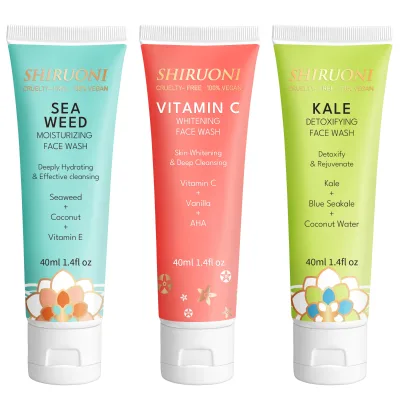


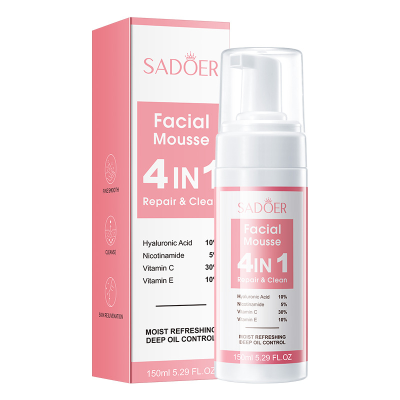
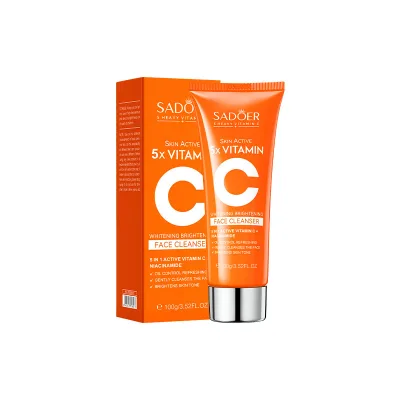
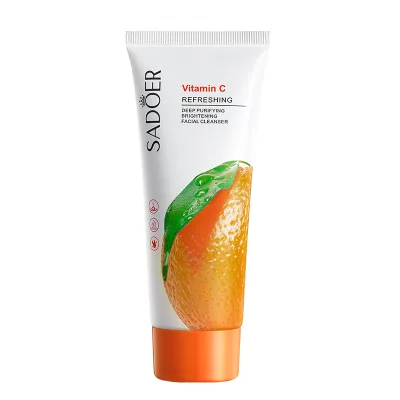
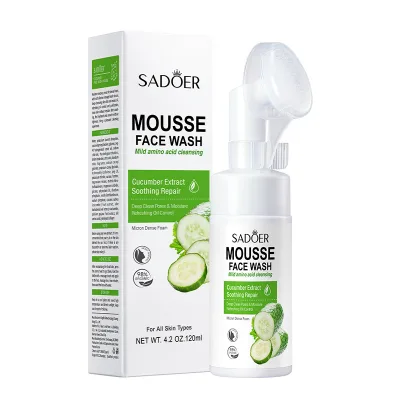


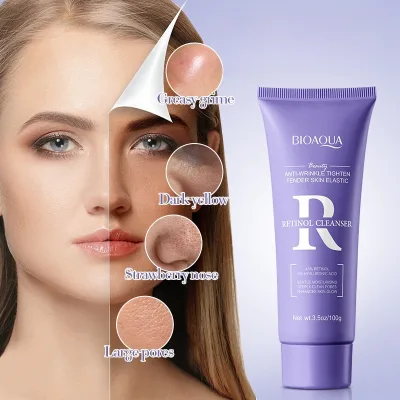




Comprehensive Sourcing Guide
Vanilla Whitening Facial Cleanser Supplier Concentration and Factory Types
Current search results indicate a concentration of suppliers located in Guangdong, China, specifically within the province's manufacturing hubs. This region is frequently cited as the origin for various skin care products, including face creams, serums, and facial cleansers. The available data confirms that many entities operating in this space are classified as trading companies rather than direct manufacturers. This distinction is critical for buyers, as trading companies often aggregate products from multiple factories, which can influence lead times and communication channels. The presence of these trading companies suggests a market where sourcing flexibility is high, but direct factory oversight may require additional verification steps.
When evaluating the factory types associated with vanilla whitening facial cleansers, buyers must look beyond the company type label to understand the actual production capabilities. While some suppliers list main products like face wash and skin care sets, the specific manufacturing environment for a vanilla-scented variant may vary. The data shows a mix of product attributes, including OEM and ODM services, which implies that many suppliers offer customization rather than just off-the-shelf inventory. Buyers should verify if the supplier has direct control over the formulation and packaging lines or if they rely on third-party partners. This verification ensures that the specific vanilla and whitening ingredients are sourced and processed according to the buyer's quality standards, rather than being generic additions to a standard formula.
How to Verify Vanilla Whitening Facial Cleanser Suppliers
Verification of suppliers for vanilla whitening facial cleansers requires a rigorous check of certifications and business credentials found in the product data. Available evidence lists certifications such as CE, EEC, FDA, GMP, and MSDS across different product listings. Buyers must confirm that these certifications apply specifically to the Vanilla Whitening Facial Cleanser they intend to purchase, as a supplier may hold general certifications for other skin care items but not for the specific formulation. The presence of "Other" in certification lists indicates a need for further clarification on what specific standards are met. It is essential to request valid documentation for the exact product model to ensure compliance with destination market regulations.
Beyond certifications, the verification process should include assessing the supplier's response time and establishment history. The data indicates response times ranging from approximately 5 hours to nearly 21 hours, which can significantly impact the speed of negotiation and sample approval. A faster response time often correlates with better operational efficiency and customer service readiness. Additionally, while some product attributes mention "15 Years Experience," this claim must be validated against the company's business license and registration details. Buyers should not rely solely on marketing claims found in product descriptions but should request proof of the company's operational history and financial stability to mitigate the risk of dealing with unstable trading entities.
What to Compare Across Vanilla Whitening Facial Cleanser Suppliers
When comparing suppliers, the primary dimensions to evaluate include lead time, minimum order quantity (MOQ), and pricing structures. The observed data reveals lead times varying from 15 days to 30 days, which directly affects inventory planning and market launch schedules. MOQs also show significant variation, with some listings requiring 300 pieces while others demand 5,000 pieces. Buyers must align these thresholds with their initial order volume and cash flow capabilities. A supplier with a lower MOQ might be preferable for testing the market, whereas a supplier with a longer lead time might offer better economies of scale for large-volume orders. Comparing these logistical metrics is essential for selecting a partner that fits the specific business model.
Pricing and product attributes provide another critical layer for comparison. The price range for similar facial cleansers in the data spans from approximately $0.80 to $3.23 per unit, depending on the formulation, packaging, and certification level. Buyers should analyze whether the price difference correlates with specific features like organic ingredients, private labeling options, or advanced certifications. Some suppliers offer free samples, which is a valuable attribute for quality assessment before committing to a large order. Additionally, the customization availability and main ingredients listed, such as Aloe Vera or Dead Sea Salt, should be weighed against the vanilla and whitening requirements. A comprehensive comparison ensures the selected supplier offers the best balance of cost, quality, and service terms.
Common Vanilla Whitening Facial Cleanser Sourcing Risks
One significant risk in sourcing vanilla whitening facial cleansers is the potential mismatch between claimed product features and actual manufacturing capabilities. The data shows a wide array of product keywords and features, including "Anti Acne," "Whitening," and "Deep Cleansing," but the specific scent profile of vanilla may not be standard across all listings. Buyers risk receiving a product that meets the whitening criteria but lacks the desired fragrance or has inconsistent ingredient concentrations. This discrepancy is particularly common when dealing with trading companies that may source from different factories for different product lines. Ensuring that the vanilla scent is a core part of the formulation and not just a marketing label requires strict quality control during the sampling phase.
Another risk involves the variability in certification validity and the scope of coverage. While certifications like FDA, GMP, and MSDS are listed, they may apply to different product models or general company compliance rather than the specific vanilla whitening cleanser. There is a risk that a supplier might use a generic certification document for a different product to satisfy a buyer's inquiry. Furthermore, the age group listed as "All Ages" or "Adults" must be verified against the intended market demographic. If the product is intended for children, a supplier claiming "All Ages" without specific pediatric testing data poses a regulatory risk. Buyers must demand product-specific test reports to confirm that the vanilla and whitening agents are safe for the target demographic.
Vanilla Whitening Facial Cleanser Regional Sourcing and Logistics
The primary sourcing region identified in the data is Guangdong, China, which serves as a major hub for skin care manufacturing. This location offers a dense network of suppliers specializing in beauty and personal care products, facilitating access to a wide range of formulations and packaging options. However, the concentration of trading companies in this region means that logistics coordination can be complex. Buyers need to understand that a trading company may not have its own warehouse or shipping department, potentially leading to delays in dispatching goods. Verifying the specific logistics capabilities of the supplier, including their experience with international shipping and customs clearance, is crucial for ensuring timely delivery.
Logistics planning must also account for the specific packaging requirements and standard dimensions observed in the product data. Listings show various packing standards, such as 120ml, 150g, and 200ml sizes, with carton quantities varying from 96 pieces to 12 pieces per box. These variations impact shipping volume and freight costs. Buyers should calculate the total cubic meterage based on the chosen product standard to optimize container loading. Additionally, the origin location being Guangdong implies that shipping times will depend on the port of loading and the destination. Understanding the lead time of 15 to 30 days in the context of regional logistics helps in setting realistic delivery expectations and managing inventory levels effectively.
Vanilla Whitening Facial Cleanser Commercial Terms and Order Planning
Commercial terms for vanilla whitening facial cleansers often include specific conditions regarding customization and sample availability. The data indicates that customization is generally available, allowing buyers to tailor the product to their brand needs. However, the terms for samples vary, with some suppliers offering free samples while others may charge for them. Buyers should clarify the sample policy before placing a bulk order to avoid unexpected costs. Additionally, the service type, such as OEM or ODM, defines the level of involvement the supplier has in the product development. Understanding these terms is vital for planning the order timeline and ensuring that the final product meets the brand's unique requirements.
Order planning must also consider the shelf life and storage requirements of the product. Some product attributes mention a shelf life of three years, which is a key factor for inventory management and distribution planning. Buyers should verify this duration against the specific formulation to ensure the product remains stable during transit and storage. The price range observed, from under $1 to over $3, suggests that budget planning should account for potential fluctuations based on order volume and customization complexity. Establishing clear payment terms and delivery schedules based on the supplier's lead time of 15 to 30 days is essential for maintaining a smooth supply chain. Proper planning ensures that the Vanilla Whitening Facial Cleanser reaches the market efficiently and profitably.
FAQs
What is the price range for vanilla whitening facial cleansers?
Prices for these products typically range from $0.80 to $3.23 per unit. The final cost depends on the specific formulation, packaging requirements, and order volume. Buyers should request detailed quotes to confirm the exact pricing for their customized needs.
What certifications are available for these facial cleansers?
Manufacturers offer various certifications including CE, FDA, GMP, MSDS, and EEC. These credentials ensure the products meet international safety and quality standards. Buyers should verify specific certification requirements with suppliers to ensure compliance with their target market regulations.
What is the minimum order quantity for private label orders?
Minimum order quantities vary significantly, ranging from 300 pieces to 5000 pieces. Some suppliers offer lower MOQs for standard items, while others require higher volumes for customized private label services. Buyers should confirm the specific MOQ with their chosen supplier.
How long does production take for these cleansers?
Lead times generally range from 15 to 30 days depending on the order size and customization complexity. Faster production may be available for smaller orders or standard products. Buyers should confirm the exact lead time with the supplier before placing their order.
Are samples available for these facial cleansers?
Free samples are available from some suppliers to help buyers evaluate product quality. Buyers should contact suppliers directly to request samples and confirm any associated shipping costs. Sampling allows buyers to test the formulation before committing to a larger bulk order.
What main ingredients are used in these cleansers?
Common ingredients include aloe vera, green tea, glycerin, dead sea salt, and shea butter. Some formulations also feature niacinamide, astaxanthin, or vitamin C. Buyers can request specific ingredient lists to ensure the products align with their brand requirements and target audience.