Vinyl Car Window Film Suppliers and Manufacturers in China
Compare 29 verified suppliers of Vinyl Car Window Film based on location, lead times, certifications, and response times. Review product specs like UV rejection and VLT, then request quotes directly from factories in Jiangsu and Guangdong; review the available evidence before requesting comparable quotations from suitable candidates.
Updated
Suppliers List

Wuxi Zero Distance Automotive Service Co., Ltd
- Verified by CTI
- Manufacturer/Factory
- China Jiangsu
- Lead time15 days
- Avg. response≤ 6h
Main productsCar Film, TPU Ppf, TPU Color Ppf, Window Film, Car Light Film, Chameleon Window Film, PVC Color Film
Main marketsSouth America,Eastern Europe,Mid East,North America,Southeast Asia,Eastern Asia,Oceania,Western Europe,Africa

Nanolink New Material (Nantong) Co., Ltd
- Verified by SGS
- Combined
- China Jiangsu
- Lead time15 days
- Avg. response≤ 10h
Main productsCar Ppf, Car Window Film, Color Ppf
Main marketsDomestic


10 Years Warranty Window Tint Film Super Clear 99% UV Protection Car Window Film
$95.00 - $100.00
MOQ: 1 Rolls


Guangzhou Richangjing Optoelectronic Co., Ltd.
- Verified by TUVRHEINLAND
- Combined
- China Guangdong
- Lead time15 days
- Avg. response≤ 2h
Main productsCar Film, Paint Protection Film, TPU Ppf, Ppf, Window Film, Window Tint, Vinyl Wrap Film, Headlight Film, Car Sticker, Vinyl Wrap
Main marketsNorth America


Window Film High Heat Insulation Best Sale Solar Insulation Tinting Car Window Film Automotive Films
$93.50 - $98.00
MOQ: 1 Rolls


Guangzhou Color Card Technology Co., Ltd
- Verified by BV
- Manufacturer/Factory
- China Guangdong
- Lead time15 days
- Avg. response≤ 2h
Main productsCar Film, Ppf TPU Tph Paint Protective Film, Car Window Film, Vinyl Wrap Film, Construction Film
Main marketsSouth America,Eastern Europe,Mid East,North America,Southeast Asia,Eastern Asia,Oceania,Western Europe,Africa

Car Window Film Tinting That Changes Color When Exposed to Water Car Film
$290.00 - $337.00
MOQ: 1 Rolls


High Performance Color Changing Car Window Film Automotive Solar Tint Film
$225.00 - $230.00
MOQ: 1 Rolls


High Clarity Hydrophobic Epu Film for Car Windshield Protection Window Film
$250.00 - $300.00
MOQ: 1 Rolls

Guangzhou Goodcarway Window Film Co., Ltd.
- Verified by TUVRHEINLAND
- Trading Company
- China Guangdong
- Lead time15 days
- Avg. response≤ 2h
Main productsWindow Film, Paint Protection Film
Main marketsSouth America,Africa,Southeast Asia/ Mideast,Europe

Jiangxi SKS New Materials Technology Co., Ltd.
- Verified by TUVRHEINLAND
- Combined
- China Jiangxi
- Lead time15 days
- Avg. response≤ 3h
Main productsCar Film, Ppf, Paint Protection Film, Car Wrap, Color Ppf, Solar Window Film
Main marketsDomestic


Car Film UV400 Car Window Film for Superior Skincare and Protection Film
$3.75 - $4.16
MOQ: 300 Meters


Car Film Window Tint Film Security Car Protection Film with Anti-Scratch and UV Resistant
$98.00 - $110.00
MOQ: 1 Rolls

Longgang City Daguyue Trade Co., Ltd.
- Trading Company
- Zhejiang, China
- Lead time30 days
- Avg. response≤ 6h
Main productsPlastic Film
Main marketsDomestic Market(60.00%), Southeast Asia(20.00%), Northern Europe(10.00%), South Asia(5.00%), Africa(3.00%), North America(2.00%), Eastern Asia(0.00%), South America(0.00%), Oceania(0.00%), Western Europe(0.00%), Southern Europe(0.00%), Central America(0.00%), Eastern Europe(0.00%), Mid East(0.00%)

Guangzhou Sun Vision New Material Co., Ltd.
- Verified by SGS
- Combined
- China Guangdong
- Lead time15 days
- Avg. response≤ 5h
Main productsPpf, Paint Protection Film, Car Window Film
Main marketsSouth America,Others(foreignTradeCapacity.exportBusinessCapacityMarketOther)

Car Windshield Window Film 2ply Insulfilm Nano Ceramic Car Window Tinted Film
$18.00 - $25.00
MOQ: 2 Rolls


Security Window Tint Film Transparent Car and House Glass Windows Safety Film
$53.50 - $134.00
MOQ: 1 rolls

Windshield Protection Film Transparent Glass Safety Security Window Film
$53.50 - $134.00
MOQ: 1 rolls

Zhejiang Shichuang Optics Film Manufacturing Co., Ltd.
- Verified by BV
- Combined
- China Zhejiang
- Lead time0 days
- Avg. response≤ 25h
Main productsWindow Film, Solar Film, Paint Protection Film, Safety Film, Whiteboard Sticker, Anti Fog Film, One Way Vision Silver Film, Decoration Film, Furniture Protection Film, Ppf
Main marketsSouth America,Southeast Asia/ Mideast,East Asia(Japan/ South Korea),Domestic,Europe,Australia,North America
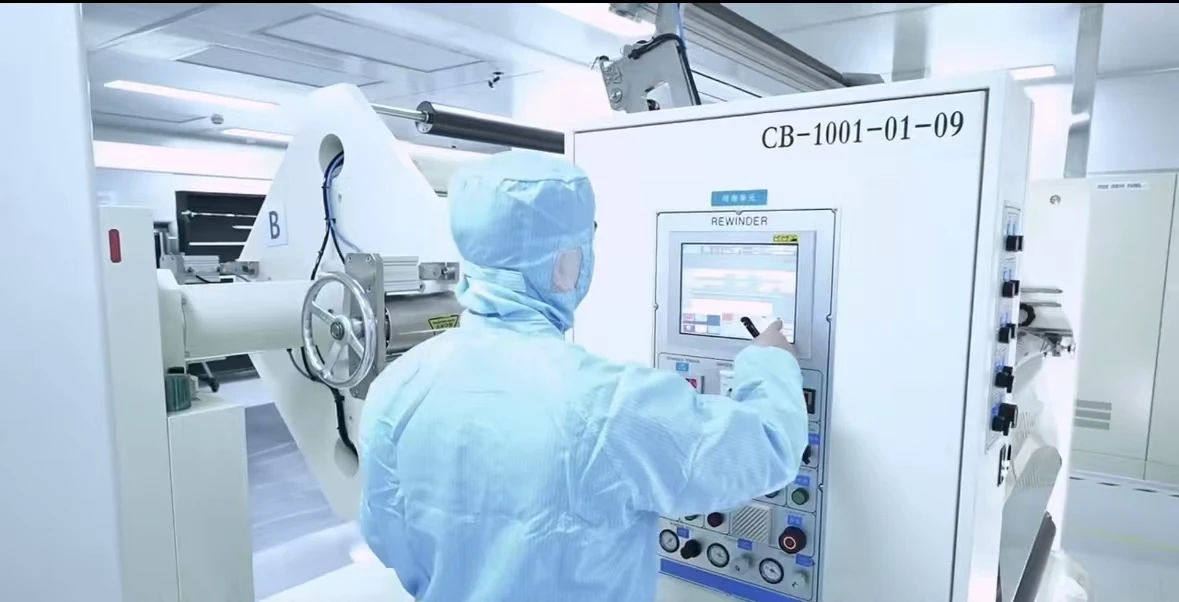
Guangzhou Baiyuan Film Co., Ltd.
- Manufacturer, Trading Company, Distributor/Wholesaler
- Guangdong, China
- Lead time0 days
- Avg. response≤ 1h
Main productsCar Paint Protection Film,Car Window Tint,TPU Color PPF,Car Vinyl Wrap,Chameleon Window Film
Main marketsMid East(20.00%), Northern Europe(20.00%), Southeast Asia(20.00%), Africa(15.00%), Eastern Asia(10.00%), Domestic Market(10.00%), Western Europe(5.00%)
Guangzhou Artisan New Material Technology Co., Ltd.
- Verified by SGS Group
- Trading Company
- Guangdong, China
- Lead time15 days
- Avg. response≤ 2h
Main productsCar Tinting Film, Static Film, Safety Film, Building Window Tint Film, Paint Protection Film
Main marketsNorth America(30%), Southeast Asia(25%), South America(20%)
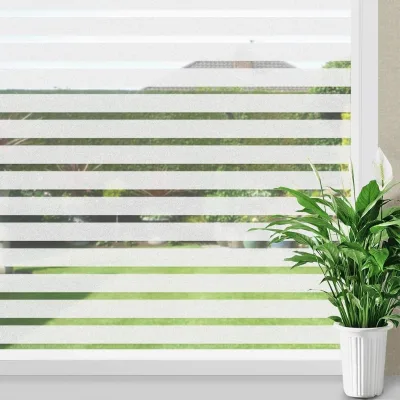
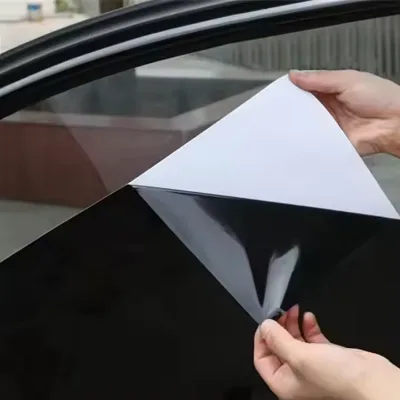
DIY Cutting Detachable Static Car Window Tint Film for Car Window 100% UVR Removable Window TINT
$60.00 - $68.00
MOQ: 2 rolls
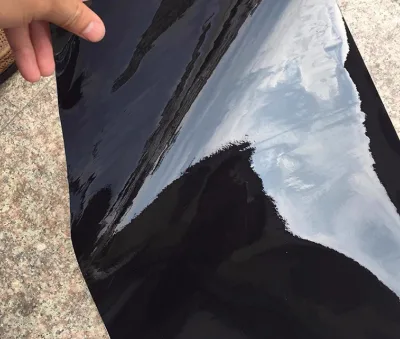
Hot Selling Anti UV 100% Non-glue Reused Removable PVC Static Cling Window Film for Car
$62.158 - $70.4464
MOQ: 2 rolls
Guangzhou Baiyuansheng Technology Co., Ltd.
- Manufacturer, Trading Company, Distributor/Wholesaler
- Guangdong, China
- Lead time15 days
- Avg. response≤ 3h
Main productsCar paint protective film,Car window Film,Car window Insulation Film,Color changing film for automobile
Main marketsDomestic Market(20.00%), Mid East(10.00%), South America(10.00%), Southeast Asia(10.00%), South Asia(10.00%), Africa(5.00%), Eastern Europe(5.00%), Southern Europe(5.00%), Northern Europe(5.00%)
Shenzhen Duolite Technology Co., LTD.
- Verified by SGS Group
- Trading Company
- Guangdong, China
- Lead time7 days
- Avg. response≤ 2h
Main productsPaint Protection Film, Colorful PPF, Window Tint Film, Windshield Protection Film, Skylight PPF
Main marketsSoutheast Asia(25%), Mid East(24%), South America(20%)
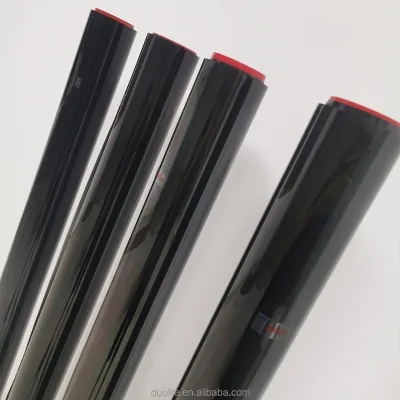
Car Window Film Manufacturer 1.52*30 m Protective Vkool Solar windows Tinted Car Film
$125.0081 - $143.9174
MOQ: 1 rolls
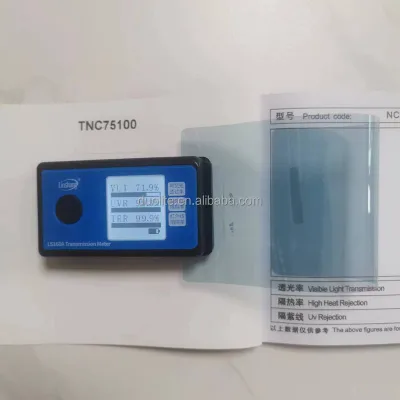
Wholesale Easy to Install Car Film Window Film Pre-cut All Car Models Removable Window Film
$99.00 - $119.00
MOQ: 1 rolls
Fancy Zhejiang Innovative Materials Co., Ltd.
- Trading Company
- Zhejiang, China
- Lead time25 days
- Avg. response≤ 2h
Main productsSelf Adhesive Wallpaper,Static Window Film,Stained Glass Window Film,Solar Window Film,3D Tile Stickers
Main marketsNorth America(25.00%), Eastern Asia(20.00%), Western Europe(15.00%), Eastern Europe(10.00%), Oceania(10.00%), Southern Europe(10.00%), Northern Europe(5.00%), Mid East(2.00%), Domestic Market(1.00%), South America(1.00%), Southeast Asia(1.00%)

Shandong Zhenhui New Materials Co., Ltd.
- Verified by BV
- Combined
- China Shandong
- Lead time15 days
- Avg. response≤ 1h
Main productsWindow Film, Architectural Film, Furniture Film, Car Paint Protection Film, Car Floor Mat, Glass Film, Ppf, Window Tint, Commercial Window Film, Residential Window Film
Main marketsDomestic


1.8mil Automotive Dyed Window Film 5%Vlt 99%UV Protection Car Window Tint Film
$26.00 - $53.00
MOQ: 1 Rolls

1.2mil 1ply 45%Vlt Dyed Color Stable Scratch Resistant Car Window Tint Film
$16.00 - $33.00
MOQ: 1 Rolls


Guangdong Anke Technology Co., Ltd
- Verified by SGS
- Combined
- China Guangdong
- Lead time15 days
- Avg. response≤ 3h
Main marketsDomestic

$1.80 - $2.30
MOQ: 500 Meters

Tinting Film Window Scratch-Resistant Automotive Glass Building Window Film
$1.20 - $1.40
MOQ: 100 Meters
Dongguan Kashibang Film Materials Co., Ltd.
- Verified by TüVRheinland
- Manufacturer, Trading Company
- Lead time7 days
- Avg. response≤ 4h
Main productsSolar Film, Paint Protection Film, Windshield Film, Security Film, Building Film
Main marketsNorth America(15%), South America(15%), Southeast Asia(15%)

Shanxi Dingxin Films Technology Stock Co., Ltd
- Verified by SGS
- Combined
- China Shanxi
- Lead time23 days
- Avg. response≤ 2h
Main productsPaint Protection Film, Window Film, Dyed Film, Nano Ceramic Film, Sputtering Film, Sputtering Ceramic Film, Safety Film, Decorative Film
Main marketsSouth America,Southeast Asia/ Mideast,Europe
Guangzhou Longlingcat New Materials Co., Ltd.
- Verified by Intertek
- Trading Company
- Lead time10 days
- Avg. response≤ 2h
Main productsColor PPF, PPF, Windows Film
Main marketsDomestic Market(30%), Eastern Europe(25%), Mid East(25%)
Guangzhou Goodcarway Window Film Co., Ltd.
- Verified by SGS Group
- Trading Company
- Lead time6 days
- Avg. response≤ 2h
Main productsCar Solar Window Film, Paint Protection Film, Security Film, Car Light Film, Wrapping Film
Main marketsSoutheast Asia(30%), Mid East(25%), North America(10%)
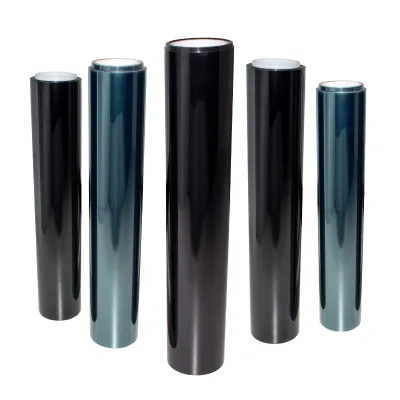
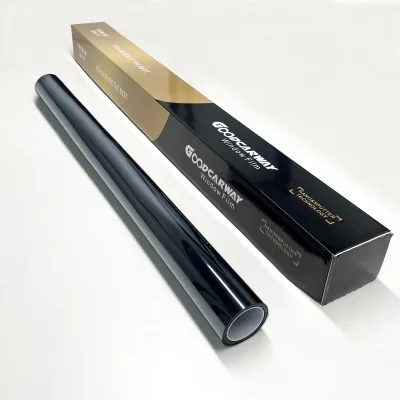
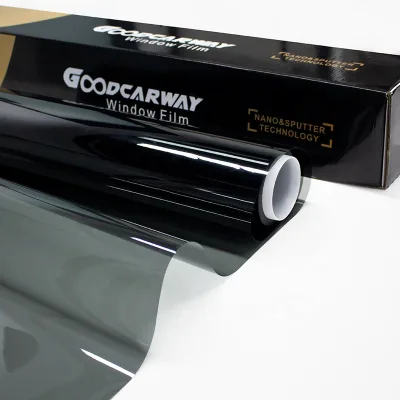
Free Logo Printing Nano Ceramic Window Film Clear Vision No Haze for Car Window
$138.00 - $168.00
MOQ: 1
Guangzhou Huizhi Film Co., Ltd.
- Verified by TüVRheinland
- Trading Company
- Lead time0 days
- Avg. response≤ 2h
Main productsCar Paint Protection Film, Car Color Paint Protection Film, Car Window Film
Main marketsEastern Europe(30%), Mid East(30%), North America(10%)
Guangzhou Carbins Film Co., Ltd.
- Manufacturer, Trading Company
- Guangdong, China
- Lead time10 days
- Avg. response≤ 2h
Main productsCar Warp Vinyl,Alcantara suede,TPU PPF,Tinting film,Headlight film
Main marketsSoutheast Asia(25.00%), Western Europe(15.00%), Domestic Market(10.00%), North America(10.00%), Eastern Europe(10.00%), South America(5.00%), Northern Europe(5.00%), Oceania(5.00%), Southern Europe(4.50%), Africa(3.50%), South Asia(2.50%), Central America(2.50%), Eastern Asia(2.00%)

Guangdong New Vision Film Technology Co., Limited
- Trading Company
- China Guangdong
- Lead time30 days
- Avg. response≤ 12h
Main productsCar Window Film, Window Tint Film, Ppf Film, Safety Film, Building Film, Nano Ceramic Film, Metallic Film, Sputtering Film, 1ply Taiwan Quality Film, Chameleon Film
Main marketsSouth America,Africa,Southeast Asia/ Mideast,East Asia(Japan/ South Korea),Domestic,Europe,Australia,North America
Cangzhou Medido Trading Co., Ltd.
- Verified by SGS Group
- Trading Company
- Lead time20 days
- Avg. response≤ 1h
Main productsCar Seat Covers, Steering Wheel Covers, Seat Cushions & Pillow, Car foot mat, Tricycles
Main marketsNorth America(20%), South America(20%), Mid East(20%)
Nalinv International Trade (guangzhou) Co., Ltd.
- Verified by TüVRheinland
- Manufacturer, Trading Company
- Lead time15 days
- Avg. response≤ 4h
Main productsPaint Protection Film, Car Window Film, Headlight Film, Building Window Film
Main marketsNorth America(20%), Mid East(20%), Eastern Asia(20%)
- Trading Company
- Taiwan, China
- Lead time0 days
- Avg. response≤ 1h
Main productsWindow Film,Battery Management System,Tablet Mount,Phone Holder,Car Accessories
Main marketsWestern Europe(50.00%), North America(30.00%), Africa(20.00%)

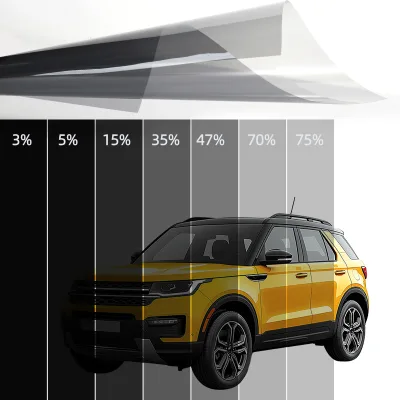
Solar Energy Rejection Car Window Tint Film Chip Dyed Window Tinting Film 1.52*30M
$10.00 - $100.00
MOQ: 50 Minimum

$10.00 - $100.00
MOQ: 50 Minimum
- Manufacturer, Trading Company, Agent, Distributor/Wholesaler
- Guangdong, China
- Lead time2 days
- Avg. response≤ 3h
Main productstesa tape,double side tape,foam tape,Dual lock tape,high sticky tape
Main marketsDomestic Market(20.00%), Central America(20.00%), Mid East(10.00%), Southeast Asia(10.00%), South Asia(10.00%), Eastern Asia(5.00%), South America(5.00%), Northern Europe(5.00%), Southern Europe(4.00%), Oceania(3.00%), Western Europe(3.00%), Eastern Europe(2.00%), North America(2.00%), Africa(1.00%)
- Manufacturer, Trading Company
- Taiwan, China
- Lead time20 days
Main productsWindow Film,PDLC Film,Decorative Film,Safety Film,IR Film
Main marketsWestern Europe(40.00%), North America(15.00%), South America(10.00%), Eastern Europe(10.00%), Southeast Asia(5.00%), South Asia(5.00%), Southern Europe(5.00%), Mid East(5.00%), Oceania(5.00%)
Factory Direct Supply 2-Ply Non-Reflective Glue Tinted Film Car Tint Film for Windows
$10.00
MOQ: 3000 meters

Competitive Price Convenient Multi-Purpose Custom Window Film Cars Tint Film Roll
$10.2748
MOQ: 3 Minimum
Guangzhou Yajiu Composite Co., Ltd.
- Manufacturer, Trading Company
- Guangdong, China
- Lead time10 days
- Avg. response≤ 3h
Main productsCar Wrap Film,Paint Protection Film,Colour PPF,Window Film,Lamp Film
Main marketsWestern Europe(32.00%), North America(25.00%), Mid East(16.00%), Southeast Asia(14.00%), Eastern Europe(7.00%), South America(6.00%)









Comprehensive Sourcing Guide
Vinyl Car Window Film Supplier Concentration and Factory Types
The current supplier landscape for Vinyl Car Window Film reveals a distinct geographic concentration in China, specifically within the Jiangsu and Guangdong provinces. These regions serve as primary manufacturing hubs where industrial infrastructure supports the production of automotive exterior accessories. Buyers evaluating suppliers should recognize that these locations are not arbitrary but represent established clusters where raw material supply chains, such as PET film substrates, are readily accessible. This proximity to material sources often influences production efficiency and cost structures, allowing manufacturers to maintain competitive pricing while managing inventory levels for high-volume orders. The presence of multiple suppliers in these specific provinces suggests a mature ecosystem for car films, including TPU PPF, window films, and color-changing variants, which may offer buyers a wider selection of product types compared to other global regions.
Company types in this sector vary between dedicated manufacturers, trading companies, and combined entities that offer both production and sourcing capabilities. Many suppliers identify as manufacturers or factories, indicating they possess the physical infrastructure to produce window films, nano ceramic films, and chip dyed films in-house. This distinction is critical for buyers seeking direct control over production quality and customization options. However, some suppliers operate as combined entities, leveraging OEM and ODM capacities to blend manufacturing with broader sourcing networks. Understanding this distinction helps buyers assess whether they are dealing with a direct factory or an intermediary. Direct manufacturers may offer more flexibility for custom specifications, such as specific VLT percentages or UV rejection rates, while combined entities might provide broader product ranges including vinyl wraps and headlight films, catering to buyers with diverse automotive accessory needs.
How to Verify Vinyl Car Window Film Suppliers
Verification is a critical step in mitigating risk when sourcing vinyl car window films, as the market includes various third-party validation services that attest to supplier legitimacy. Buyers should prioritize suppliers who have undergone verification by recognized testing and certification bodies. For instance, some suppliers display verification status from CTI, SGS, or TÜV Rheinland, which indicates that their business operations or product quality have been assessed by independent experts. These verifications provide a layer of confidence regarding the supplier’s operational stability and compliance with international standards. However, it is important to note that not all suppliers display verification badges, and the absence of a visible badge does not necessarily imply non-compliance, but rather a lack of displayed evidence. Buyers should actively inquire about verification status and request documentation if it is not immediately visible in the supplier profile.
Beyond third-party verification, buyers should examine the system certifications held by suppliers to gauge their adherence to quality and environmental management standards. The available data shows a wide array of certifications, including ISO 9001, ISO 14001, IATF 16949, and various safety and social compliance standards like BSCI and SEDEX. These certifications reflect the supplier’s internal processes for quality control, environmental impact, and ethical labor practices. For automotive window films, certifications such as ISO 9001 are particularly relevant as they indicate a structured approach to manufacturing consistency. Buyers should cross-reference these certifications with their own procurement requirements, ensuring that the supplier’s credentials align with their brand’s values and regulatory needs in target markets. It is also advisable to verify the validity of these certificates directly with the issuing bodies, as displayed information may not always reflect the current status of the certification.
What to Compare Across Vinyl Car Window Film Suppliers
When evaluating multiple suppliers, buyers must compare key operational metrics such as response time, lead time, and minimum order quantities to determine which partner best fits their logistical needs. Response times vary significantly, with some suppliers demonstrating rapid communication capabilities while others may have longer intervals. A faster response time can be crucial for resolving technical queries regarding film specifications, such as VLT, IR rejection, or UV protection levels, ensuring that projects stay on schedule. Lead times, which indicate the duration from order placement to shipment, are another critical factor. Suppliers may offer lead times around fifteen days, but this can fluctuate based on order volume and product complexity. Buyers should clarify whether these lead times are standard or subject to change during peak seasons, and whether expedited options are available for urgent orders.
Minimum order quantities (MOQ) and pricing structures also play a pivotal role in supplier selection. Some suppliers offer low MOQs, such as one roll, which is beneficial for small businesses or testing phases, while others may require larger commitments. Pricing ranges can vary widely, from lower-cost chip dyed films to premium nano ceramic or TPU options, reflecting differences in material quality and functionality. Buyers should compare not just the unit price but also the total cost of ownership, including shipping, tariffs, and potential customization fees. Additionally, comparing the range of main products offered by each supplier can help identify those with specialized expertise. Suppliers focusing on a narrow range of high-quality window films may offer better technical support than those with a broad but shallow product catalog. Evaluating these dimensions holistically allows buyers to select suppliers that balance cost, speed, and quality effectively.
Common Vinyl Car Window Film Sourcing Risks
One of the primary risks in sourcing vinyl car window films is the discrepancy between advertised product specifications and actual delivered quality. Products are often described with specific attributes such as UV rejection rates, heat insulation capabilities, and material types like PET or nano ceramic. However, without rigorous testing, buyers may receive films that do not meet these claimed performance standards. For example, a film advertised as having 99% UV rejection might fall short in real-world applications, leading to customer dissatisfaction and potential returns. This risk is exacerbated by the lack of standardized testing protocols across different suppliers. Buyers must implement their own quality control measures, such as requesting sample batches for independent testing, to verify that the films meet their required specifications for light transmission, durability, and adhesive performance.
Another significant risk is the variability in customization capabilities and after-sales support. While many suppliers offer OEM and ODM services, the extent of customization can vary. Buyers seeking specific colors, thicknesses, or packaging solutions may encounter limitations or additional costs that were not initially disclosed. Furthermore, warranty claims and technical support can be inconsistent. Some suppliers offer warranties, such as ten-year warranties for certain window tint films, but the process for claiming these warranties may be complex or poorly communicated. Buyers should clearly define warranty terms and support expectations in their contracts. Additionally, the risk of supply chain disruptions, such as raw material shortages or logistical delays, can impact delivery schedules. Establishing clear communication channels and contingency plans with suppliers can help mitigate these risks, ensuring that buyers can maintain their operations even when challenges arise.
Vinyl Car Window Film Regional Sourcing and Logistics
Sourcing vinyl car window films from China, particularly from Jiangsu and Guangdong provinces, offers logistical advantages due to the region’s robust export infrastructure. These provinces are home to major ports and manufacturing hubs, facilitating efficient shipping to global destinations. Buyers should consider the impact of regional logistics on lead times and shipping costs. Guangdong, for instance, is known for its proximity to Shenzhen and Guangzhou ports, which are key gateways for international trade. Jiangsu, with its access to Shanghai and Ningbo ports, also provides strong logistical connectivity. Understanding these regional nuances can help buyers optimize their supply chain, selecting suppliers based on their proximity to preferred shipping routes to reduce transit times and costs.
However, buyers must also navigate the complexities of international shipping regulations and customs clearance. Vinyl car window films may be subject to specific import duties, tariffs, or safety regulations in the buyer’s home country. It is essential to verify the HS codes and ensure that the supplier provides accurate documentation, including commercial invoices, packing lists, and certificates of origin. Additionally, buyers should consider the environmental impact of shipping and explore options for consolidating shipments to reduce carbon footprints. Working with suppliers who have experience in exporting to the buyer’s region can simplify this process, as they may already have established relationships with freight forwarders and customs brokers. Clear communication regarding shipping terms, such as Incoterms, is crucial to avoid unexpected costs and delays, ensuring a smooth transition from factory to final destination.
Vinyl Car Window Film Commercial Terms and Order Planning
Effective order planning for vinyl car window films requires a thorough understanding of commercial terms, including payment methods, pricing tiers, and contract flexibility. Buyers should negotiate clear payment terms that align with their cash flow needs, such as deposits and balance payments upon shipment. Some suppliers may offer escrow services or other secure payment options to protect both parties. Pricing structures can be complex, with variations based on order volume, product type, and customization requirements. Buyers should request detailed quotations that break down costs for materials, labor, and shipping, allowing for accurate budgeting and comparison across suppliers. Understanding these commercial terms helps buyers avoid hidden fees and ensures transparency in the transaction process.
Contract flexibility is another critical aspect of order planning, particularly for buyers with fluctuating demand. Buyers should discuss options for reorder discounts, volume incentives, and flexible MOQs for subsequent orders. Establishing a long-term partnership with a supplier can lead to better pricing and priority production slots. Additionally, buyers should define clear quality acceptance criteria and dispute resolution mechanisms in their contracts. This includes specifying procedures for handling defective products or non-conforming shipments. By planning for these commercial aspects upfront, buyers can build a resilient supply chain that supports their business growth. Regular reviews of supplier performance against agreed-upon terms can help identify areas for improvement and strengthen the partnership over time, ensuring consistent quality and service delivery.
FAQs
What is the typical MOQ for Vinyl Car Window Film orders?
Some listed suppliers accept orders starting at a single roll, which lowers the barrier for testing new products. Confirm the MOQ per model before ordering, since wider or specialty films may carry higher minimums. Sample rolls are a practical way to evaluate quality before committing to bulk quantities.
How long does production and delivery usually take?
Lead times in current listings run around 15 days, though exact timing depends on order size and customization level. Ask each supplier to confirm production time, quality inspection, and shipping separately. Customized VLT levels, colors, or packaging typically extend the timeline compared with stock items.
What specifications should I check when comparing car window films?
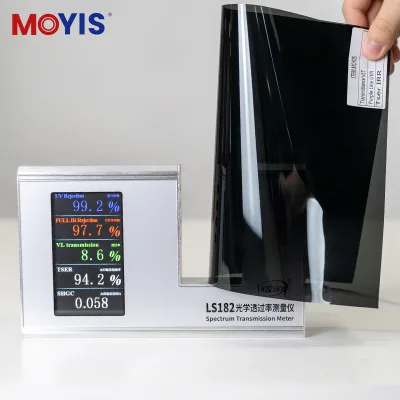
Focus on VLT, UV rejection, infrared rejection, and haze values, since these determine visibility and heat performance. Film thickness, self-healing and anti-scratch properties also affect durability. Request specification sheets and, where possible, test reports so quoted numbers can be verified against your target market requirements.
Do suppliers offer OEM or ODM customization for window film?
Many manufacturers and combined trading-manufacturers support OEM and ODM services, including custom branding, packaging, and specification adjustments. Some listings explicitly mark OEM and ODM as available alongside own-brand production. Confirm minimum order quantities, artwork requirements, and any extra tooling costs in writing before placing a customized order.
Which regions do the featured suppliers ship from?
The suppliers on this page are based in China, including Jiangsu and Guangdong provinces, both major hubs for automotive film production. Location affects freight cost, port access, and lead time to your market. Filter by region when shortlisting so logistics expenses align with your landed-cost targets.
Are these suppliers verified by third parties?
Several suppliers carry third-party verification from bodies such as CTI, SGS, or TUV Rheinland, and some list ISO 9001 or other management system certifications. Verification status helps with initial screening but does not replace due diligence. Always request current certificates, business licenses, and references before finalizing a contract.
What price range can I expect for car window tint film?
Listed prices vary widely, roughly from the low tens to over a hundred dollars per roll depending on technology and performance level. Chip dyed films sit at the lower end, while nano ceramic and premium UV-protection films cost more. Compare quotes on identical VLT and UV rejection specifications to judge value fairly.
How quickly do these suppliers respond to inquiries?
Average response times in the current results range from roughly one hour to under ten hours, which signals how fast you can iterate during sourcing. Faster responders help when negotiating specifications or resolving production issues. Message several candidates with the same brief to compare response speed and answer quality directly.