Eco-Friendly Semi-Hard Sunglasses Case Suppliers and Manufacturers
Explore 29 verified options for Eco-Friendly Semi-Hard Sunglasses Case from Jiangsu and Hebei factories. Compare response times, lead times, and certifications like ISO9001:2015 to find the right partner. Contact suppliers directly to request samples and confirm pricing.
Suppliers List
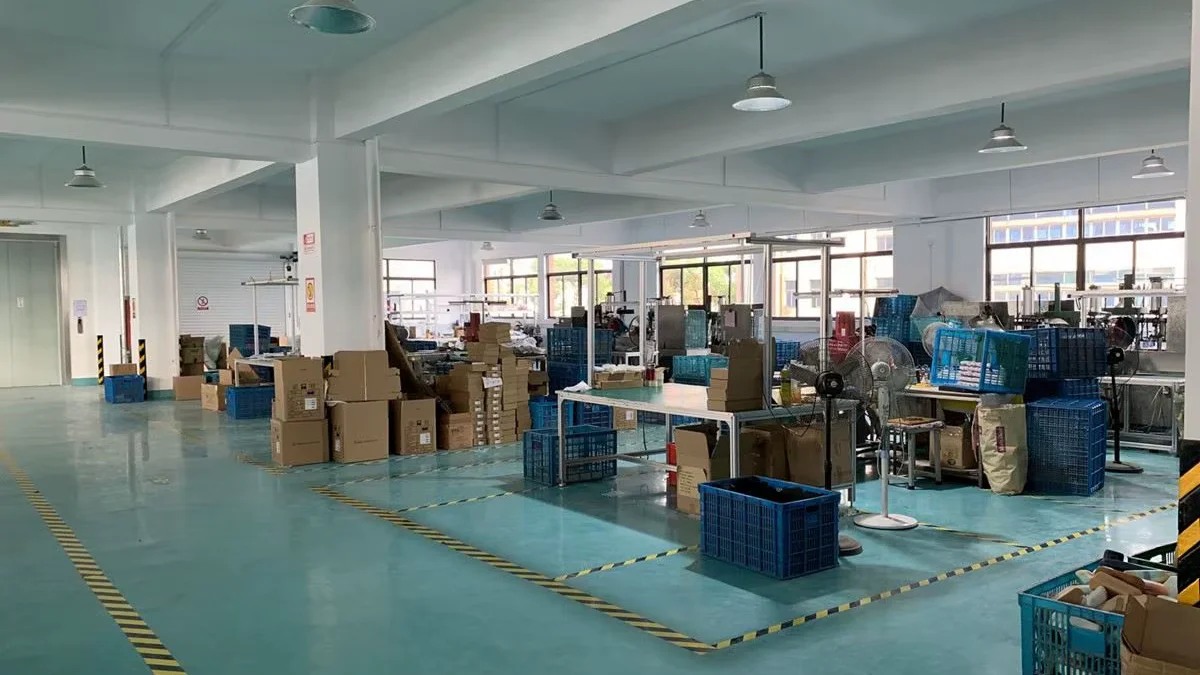
Wuxi Blue Feather New Technology Ltd.
- Manufacturer, Trading Company
- Jiangsu, China
- Lead time30 days
- Avg. response≤ 11h
Main productsEyeglasses Case,Make up Bags,Soft Bag,Pencil Cases,other eyeglasses package
Main marketsDomestic Market(31.00%), Southeast Asia(20.00%), Western Europe(17.00%), Southern Europe(11.00%), Central America(5.00%), North America(5.00%), South America(5.00%), Eastern Europe(3.00%), Mid East(3.00%)

Wuxi Kingda Microfiber Fabric Co., Ltd.
- Combined
- China Jiangsu
- Lead time15 days
- Avg. response≤ 7h
Main productsBeach Towel, Microfiber Cloth
Main marketsEast Asia(Japan/ South Korea),Domestic,Europe,North America

Microfiber Pouch Case Bag Microfiber Glasses Sunglasses Case Soft Sunglasses Pouch
$0.05 - $0.39
MOQ: 500 Pieces


Microfibre Sunglasses Case with Personalised Logo, in Polyester and Nylon, Grs/Reach Compliant.
$0.05 - $0.39
MOQ: 500 Pieces


Digital Printing Sunglasses Case Individual Logo Size Multiple Packaging Options
$0.05 - $0.39
MOQ: 500 Pieces
Jiangsu Best-Clean Industrial Co., Ltd.
- Trading Company
- Jiangsu, China
- Lead time20 days
- Avg. response≤ 4h
Main productsGlasses Case,Glasses Pouch,Microfiber Cleaning cloth,Lens Cleaning Solution,Eyewear Accessories
Main marketsNorth America(30.00%), Mid East(10.00%), Southern Europe(10.00%), South America(10.00%), Northern Europe(10.00%), Eastern Europe(10.00%), Western Europe(10.00%), Oceania(5.00%), Domestic Market(5.00%)
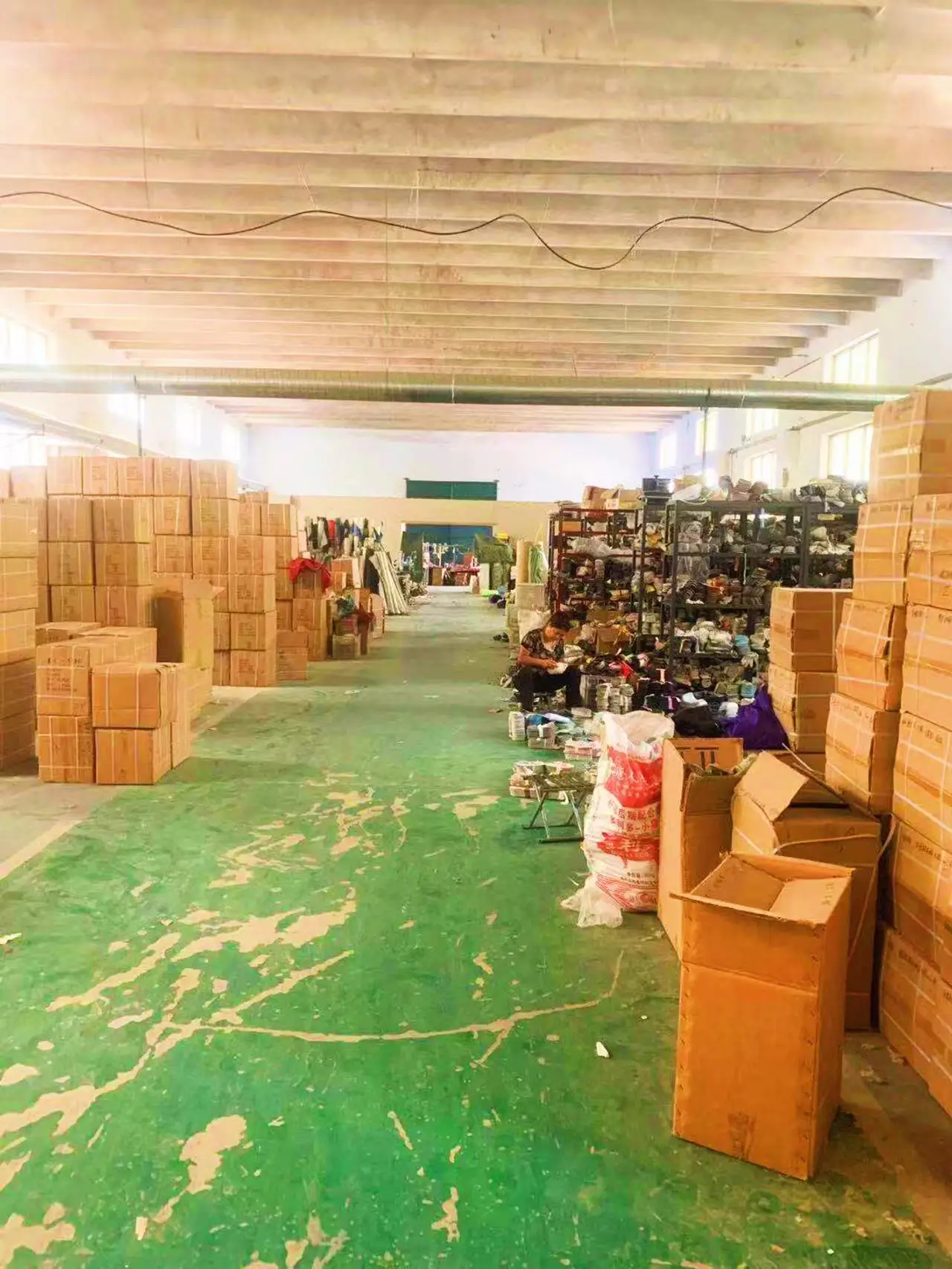
Xinhe Shenghai Glasses Packaging Products Co., Ltd.
- Manufacturer, Trading Company
- Hebei, China
- Lead time30 days
- Avg. response≤ 3h
Main productsglasses case,glasses cloth,glasses pouch,lens cleaners,zipper cases
Main marketsSouth America(25.00%), Mid East(20.00%), Eastern Europe(20.00%), Africa(15.00%), Southeast Asia(10.00%), North America(10.00%)

- Verified by BV
- Trading Company
- China Zhejiang
- Lead time30 days
- Avg. response≤ 6h
Main productsSunglass, Optical Frame, Sports Sunglasses, Kid's Optical Frames, Reading Glasses, Polarized Sunglasses, Eyeglasses Frame, Sun Glasses, Eyewear Frame, Sunglasses Case
Main marketsEurope,North America
Beijing Huali International Trade Co., Ltd.
- Trading Company
- Beijing, China
- Lead time30 days
- Avg. response≤ 5h
Main productsEyeglasses Case,Eyeglasses Pouch,Eyeglasses Cloth,Eyeglasses Package,Lens Cleaner Spray
Main marketsNorth America(40.00%), Southern Europe(15.00%), Northern Europe(10.00%), Western Europe(10.00%), Oceania(10.00%), South America(10.00%), Eastern Europe(5.00%)

Xiamen Le Young Imp. & Exp. Co., Ltd
- Verified by BV
- Trading Company,Manufacturer/Factory
- China Fujian
- Lead time23 days
- Avg. response≤ 4h
Main productsLeather Folder, Trave Wallet, Leather Notebook, Leather Compendium, Leather Portfolio, Leather Diary, Leather Journal, Hotel Supply, Leather Card Holder, Leather Wallet
Main marketsSouth America,Eastern Europe,Mid East,North America,Southeast Asia,Eastern Asia,Oceania,Western Europe,Africa

Portable Eyewear Cases Cover Sunglasses Hard Case for Women Men Glasses Box
$2.05 - $4.88
MOQ: 300 Pieces

Leather Sun Glasses Case Hard Shell Eyewear Storage Case with Foldable Design
$0.45 - $0.88
MOQ: 500 Pieces

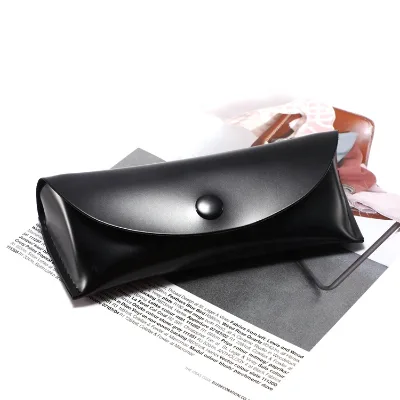
Custom Eyeware Sleeve Storage Bag Black Leather Sunglasses Case with Closure
$0.35 - $1.99
MOQ: 300 Pieces


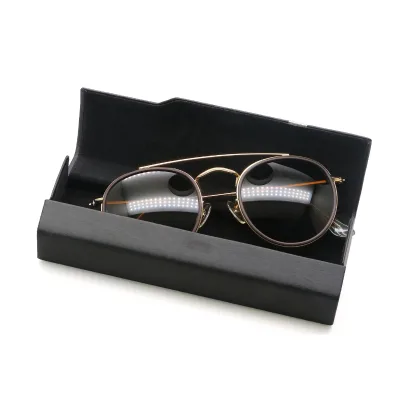
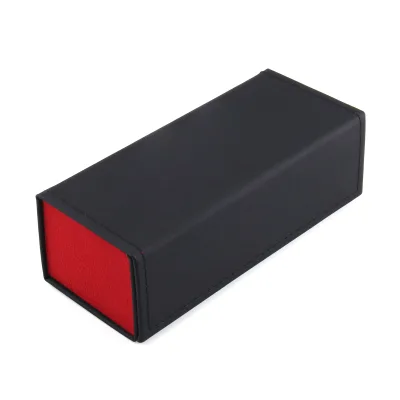
Leather Box for Sunglasses PU Packaging Portable Slim Lens Sun Glasses Case
$0.75 - $1.98
MOQ: 500 Pieces

Danyang Xinjingjie Glasses Co., Ltd.
- Trading Company
- China Jiangsu
- Lead time0 days
- Avg. response≤ 5h
Main productsEyeglasses Accessories, Kids Eyeglasses, Sunglasses, Optical Glasses, Sun Lens/ Tinted Lens, Blue Cut Lenses

- Trading Company,Manufacturer/Factory
- Hongkong_China Hongkong
- Lead time23 days
- Avg. response≤ 5h
Main productsCustom Paper Puzzle, Packaging Box, Books/Magazine, PU Album, Plastic Ziplock Bag, Paper Bag, Photo Frame, Board Game
Main marketsSouth America,Eastern Europe,North America,Southeast Asia,Eastern Asia,Oceania,Western Europe,Africa

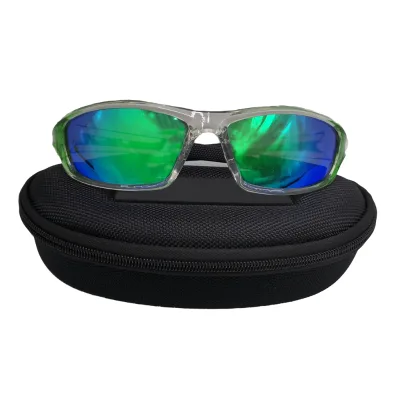
Custom Logo Outdoor Sports Sunglasses Packaging Zipper Hard EVA Sun Glasses Case
$2.50 - $9.90
MOQ: 1000 Pieces

High-Quality Plastic Eyewear Case; Hard Protective Case for Eyeglasses; Portable Glasses Case
$0.50 - $1.90
MOQ: 1000 Pieces

Custom Design and Logo Eco-Friendly Reading PU Eyewear Glasses Case Hard
$0.68 - $2.80
MOQ: 1000 Pieces


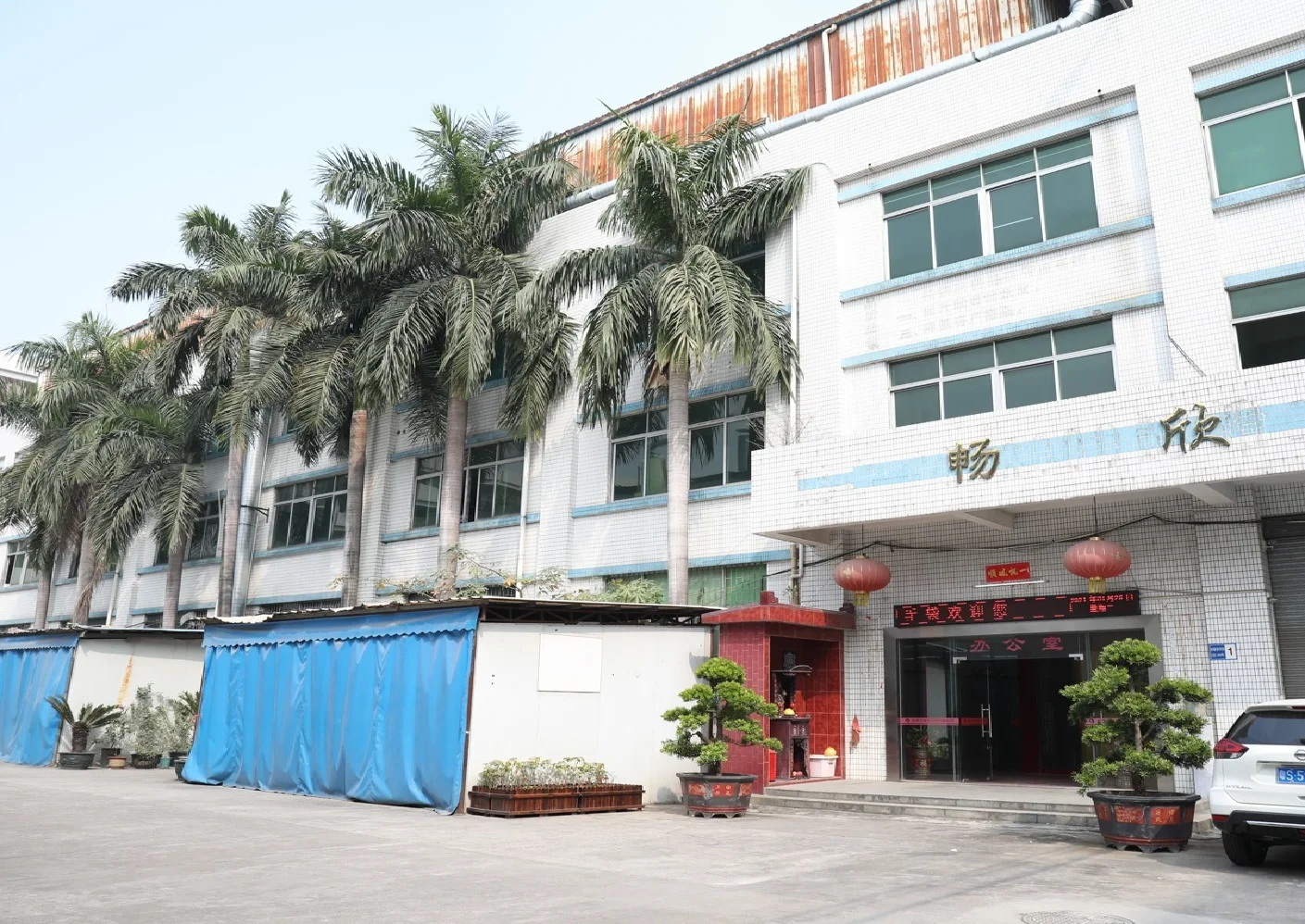
Dongguan Changxin Handbag Co., Ltd.
- Manufacturer, Trading Company
- Guangdong, China
- Lead time15 days
- Avg. response≤ 9h
Main productsCustom Eva Tool Case,Backpacks,Stethoscope Case,Cnc Foam,Hat case
Main marketsSouthern Europe(20.00%), Western Europe(15.00%), Oceania(15.00%), North America(10.00%), Northern Europe(10.00%), Central America(10.00%), Eastern Europe(10.00%), South America(10.00%)

Dongguan Lianping Luggage Products Co., Ltd.
- Verified by BV
- Combined
- China Guangdong
- Lead time23 days
- Avg. response≤ 5h
Main productsEVA Case, EVA Pencil Case, EVA Earphone Case, EVA Headphone Case, EVA Power Bank Case, EVA Tool Storage Case, EVA Camera Case, EVA Electronic Storage Case, EVA Tablet Storage Case, EVA Bra Storage Case
Main marketsSouth America,Africa,Southeast Asia/ Mideast,East Asia(Japan/ South Korea),Europe,Australia,North America

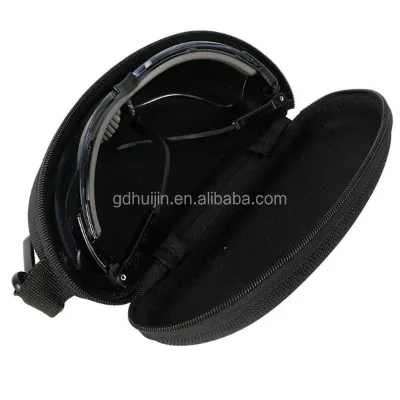
Custom Black Hard Shell Waterproof Portable Protective EVA Eyeglass Cases/Sunglasses Case with Hook
$1.09 - $1.49
MOQ: 500 Pieces

Black Wholesale Goggle Carrier EVA Case Hard EVA Sunglasses Carrier Holder Eyeglasses Case with Hang
$1.09 - $1.49
MOQ: 500 Pieces

Xiamen Top Green Bags Co., Ltd.
- Verified by SGS
- Trading Company,Manufacturer/Factory
- China Fujian
- Lead time45 days
- Avg. response≤ 4h
Main productsCooler Bags, Sports Bags, Apron, Promotional Bag, Waist Bag, Shoulder Bag, Travel Bags, Cosmetic Bag, Laptop Bag, Pencil Bag
Main marketsSouth America,Eastern Europe,North America,Southeast Asia,Eastern Asia,Oceania,Western Europe,Africa

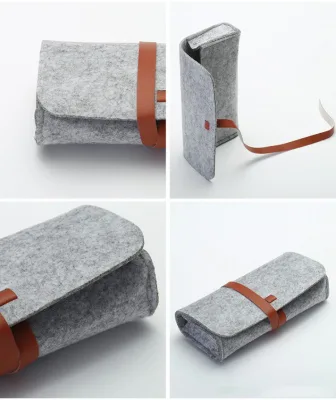
Portable Felt Eyeglasses Case Sunglasses Storage Case Pouch Bag Soft Felt Glasses Case
$1.00 - $1.60
MOQ: 500 Pieces

High Quality Eco-Friendly Material Sun Glasses Case Newest Fashionable Felt Eye Glasses Case
$0.75 - $0.95
MOQ: 500 Pieces

Beijing Ulike Technology Co., Ltd.
- Trading Company,Manufacturer/Factory
- China Beijing
- Lead time23 days
- Avg. response≤ 9h
Main productsHome Storage, Laundry and Kitchen Products
Main marketsSouth America,Mid East,North America,Southeast Asia,Eastern Asia,Western Europe

Portable Felt Eyeglasses Case Sunglasses Storage Case Pouch Bag Soft Felt Glasses Case
$0.35 - $0.40
MOQ: 1000 Pieces

Portable Felt Eyeglasses Case Sunglasses Storage Case Pouch Bag Soft Felt Glasses Case
$0.35 - $0.40
MOQ: 1000 Pieces

Eco-Friendly Felt Sunglasses Pouch Case with Logo Eye Glasses Pouch Cases Customize Size
$0.35 - $0.40
MOQ: 1000 Pieces

OEM Felt Lined Eyeglass Case - Custom Logo Sunglasses Holder with Protective Slip-in Design
$0.35 - $0.40
MOQ: 1000 Pieces

Guangzhou Wangjia Leatherware Co., Ltd.
- Manufacturer/Factory
- China Guangdong
- Lead time30 days
- Avg. response≤ 4h
Main productsWestern Cowboy & Cowgirl Belts, Western Buckles, Buckle Sets, Conchos, Dog Collars & Hat Belts, PU Belts, Leather Belts, PU Handbags, Straw Beach Bags, Wallets
Main marketsSouth America,Eastern Europe,Mid East,North America,Southeast Asia,Eastern Asia,Oceania,Western Europe,Africa

$4.10 - $4.50
MOQ: 100 Pieces

Wholesale Sunglasses Spectacle Cases Soft Genuine Leather Case for Sunglasses Glasses Bag
$4.50 - $4.90
MOQ: 100 Pieces
Dongguan North Stars Technology Co., LTD
- Verified by Intertek
- Manufacturer, Trading Company
- Lead time0 days
- Avg. response≤ 2h
Main productsEVA Case, ABS Case
Main marketsEastern Asia(40%), North America(35%), Western Europe(15%)
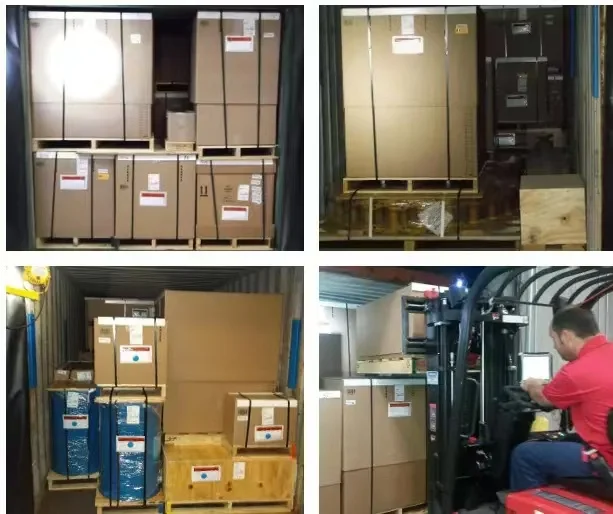
Xinhe County Fumei Packaging Products Co., Ltd
- Manufacturer, Trading Company
- Hebei, China
- Lead time15 days
- Avg. response≤ 1h
Main productsGlasses case,Glasses cloth
Main marketsEastern Europe(25.00%), Oceania(18.00%), South America(15.00%), Southeast Asia(15.00%), Mid East(12.00%), North America(10.00%), Africa(5.00%)
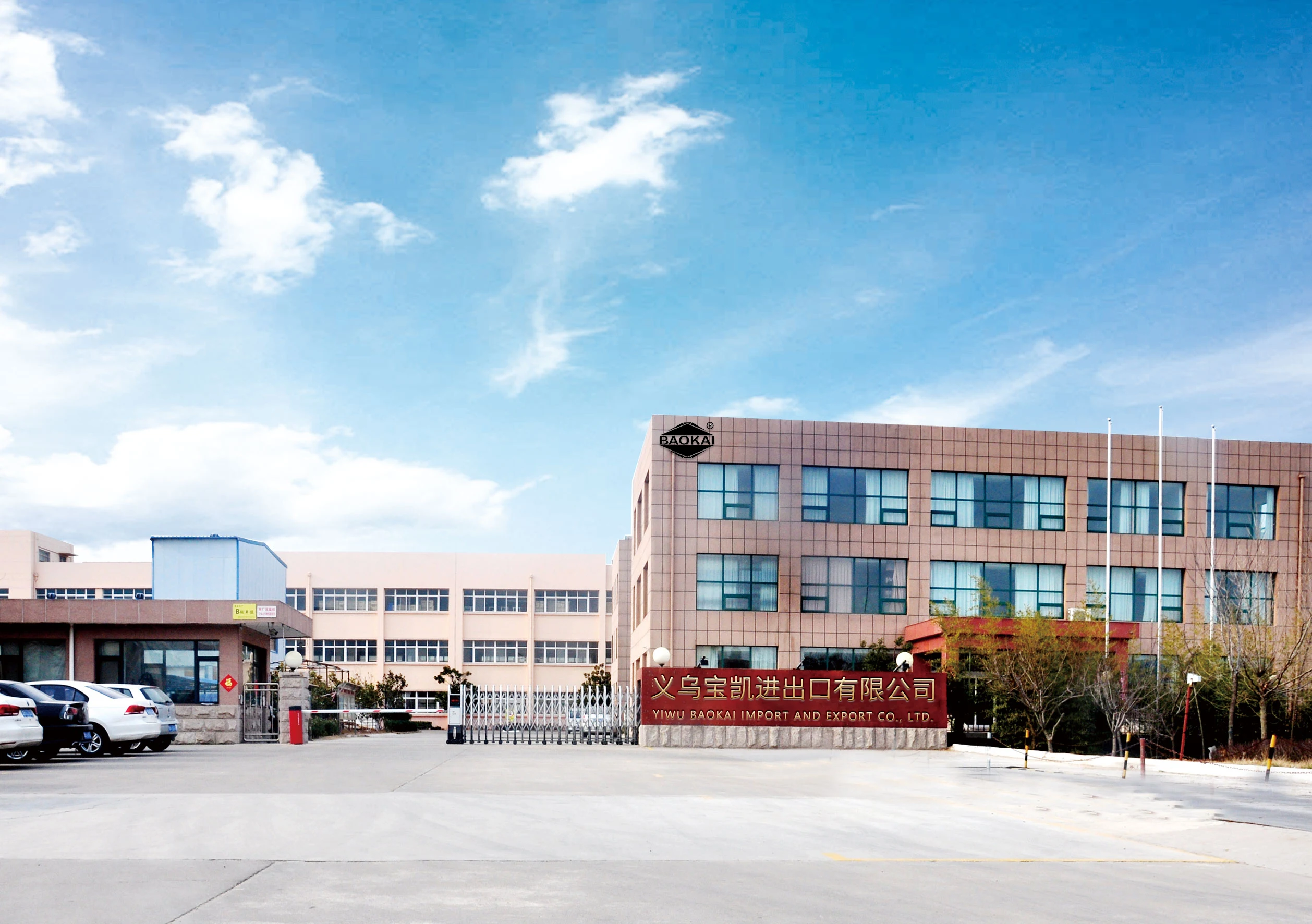
Yiwu Baokai Import And Export Co., Ltd.
- Trading Company
- Zhejiang, China
- Lead time5 days
- Avg. response≤ 1h
Main productsglass,Sunglasses,glass box,glass tissue,Eyewear
Main marketsNorth America(20.00%), Eastern Europe(18.00%), Africa(14.00%), Western Europe(10.00%), Southeast Asia(5.00%), Southern Europe(5.00%), Mid East(5.00%), Northern Europe(5.00%), South America(5.00%), South Asia(4.00%), Central America(4.00%), Eastern Asia(3.00%), Domestic Market(1.00%), Oceania(1.00%)

Dongguan Prosperity Sports Goods Co., Ltd.
- Verified by SGS
- Trading Company,Manufacturer/Factory
- China Guangdong
- Lead time23 days
- Avg. response≤ 3h
Main productsEVA Case, EVA Tool Bag, EVA Pouch, Neoprene Can Cooler, Knee Support, Laptop Bag, Neoprene Lunch Bag, Neoprene Beer Cooler, Ankle Support, Waterproof Dry Bag
Main marketsSouth America,Eastern Europe,Mid East,North America,Southeast Asia,Eastern Asia,Oceania,Western Europe,Africa
Dongguan Huijin Industrial Co., Ltd.
- Verified by TüVRheinland
- Manufacturer, Trading Company
- Lead time30 days
- Avg. response≤ 5h
Main productsEVA Case, EVA Tool Case, EVA Hard Case, Watch Case, Pencil Case
Main marketsWestern Europe(35%), North America(30%), Domestic Market(25%)

Innovation Plastic Industry Co., Ltd.
- Combined
- China Jiangsu
- Lead time30 days
- Avg. response≤ 9h
Main productsGlasses Case, Eyewear Case, Metal Case, Aluminum Case, Handmade Case, Lens Cleaning Cloth, Glasses Pouch, Plastic Case, Eyewear Cords
Main marketsAfrica,Europe,North America

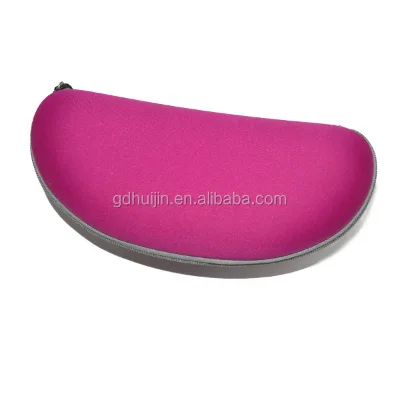
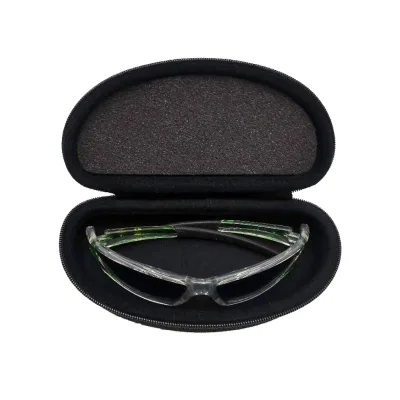
E-019 Wholesale Customized Semi-Hard EVA Optical Eyeglasses Case; Fashionable EVA Sunglasses Case
$0.25 - $0.39
MOQ: 1000 Pieces


$0.28 - $0.71
MOQ: 300 Pieces

$0.33 - $0.81
MOQ: 200 Pieces

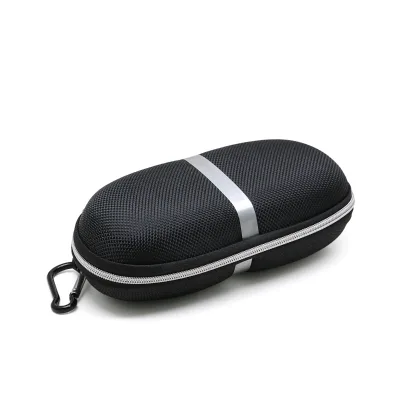
Stylish and High-Quality Zippered Sunglasses Case; Casual and Sporty Eyewear Case
$0.38 - $0.41
MOQ: 1000 Pieces

$0.89 - $1.28
MOQ: 300 Pieces
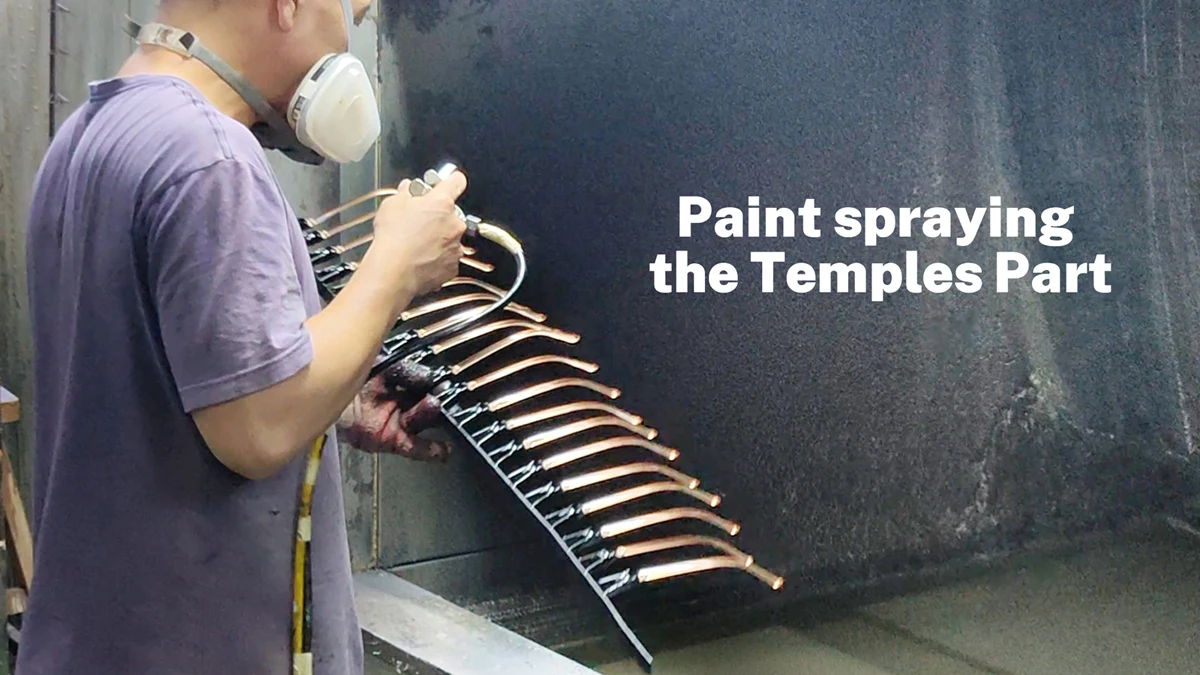
Guangzhou Kingswit Optical Co., Ltd.
- Manufacturer
- Guangdong, China
- Lead time35 days
- Avg. response≤ 10h
Main productsSunglasses,blue light blocking glasses,Optical Frames,Eyeglasses,eyewear
Main marketsNorth America(22.00%), South America(19.00%), Eastern Europe(9.00%), Western Europe(8.00%), Northern Europe(8.00%), Mid East(8.00%), Southern Europe(7.00%), Southeast Asia(7.00%), Oceania(5.00%), South Asia(2.00%), Central America(2.00%), Domestic Market(1.00%), Africa(1.00%), Eastern Asia(1.00%)
- Verified by SGS Group
- Manufacturer, Trading Company
- Lead time20 days
- Avg. response≤ 2h
Main productsGlasses Case, Glasses Cleaning Cloth, Paper Box, Spray Bottle, Sunglasses Pouch
Main marketsEastern Europe(20%), Oceania(15%), North America(10%)
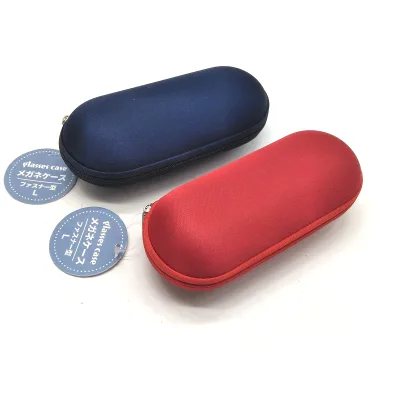
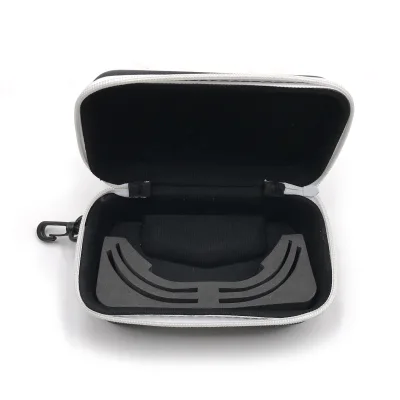
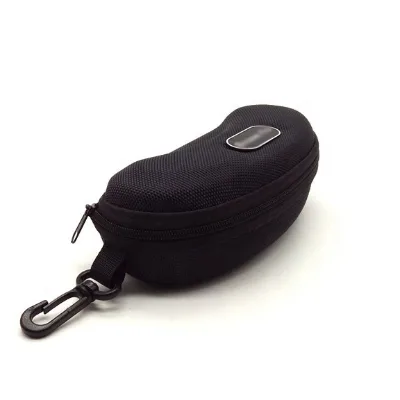
Good Quality Eva Glasses Bag Soft Sunglasses case Custom logo Round Shape Sunglass Box
$0.61 - $0.72
MOQ: 1000 pieces
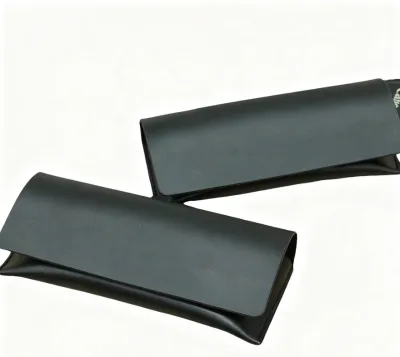
$0.90 - $1.30
MOQ: 1000 pieces

Xiamen Top Packing Industry Co., Ltd.
- Trading Company,Manufacturer/Factory
- China Fujian
- Lead time23 days
- Avg. response≤ 3h
Main productsPackaging Box, Kids Toy, Puzzle, Bag, Casino Supplies, Books/Magazine, Board Game/Playing Card, Office Supply, Photo Frame, Daily Supplies
Main marketsSouth America,Eastern Europe,Mid East,North America,Southeast Asia,Eastern Asia,Oceania,Western Europe,Africa

PU Sunglasses Hard Cases OEM Custom Logo Metal Spectacle Sunglasses Case
$1.88 - $5.98
MOQ: 1000 Pieces

Custom Glasses Case Leather Eyeglasses Case Sunglasses Case Eyeglasses Storage Bag
$1.88 - $5.98
MOQ: 1000 Pieces

Shenzhen Botaihua Packing Co., Ltd.
- Manufacturer
- Guangdong, China
- Lead time40 days
- Avg. response≤ 4h
Main productsGlasses case,Eyewear case,Glasses display,soft case,lens cloth
Main marketsSouth Asia(15.00%), Western Europe(10.00%), Eastern Asia(10.00%), Southern Europe(10.00%), Northern Europe(10.00%), Eastern Europe(10.00%), North America(5.00%), Mid East(5.00%), Southeast Asia(5.00%)
Jinhe (dongguan) Technology Product Co., Ltd.
- Verified by TüVRheinland
- Manufacturer, Trading Company
- Lead time15 days
- Avg. response≤ 2h
Main productsEVA Products, Protective Gears, Foam Products, Electronic Accessories, EVA Bags
Main marketsNorth America(38%), Eastern Europe(15%), Southeast Asia(8%)
Yiwu Conchen Glasses Co., Ltd.
- Manufacturer, Trading Company
- Lead time旺季: "1 - 100":7,"> 100":"To be negotiated", 淡季: "1 - 100":7,"> 100":"To be negotiated"
- Avg. response≤ 4h
Main productsSunglasses, Eyeglasses frame, Bamboo Wood Sunglasses, Eyewear accessories, Sports sunglasses
Wenzhou Jiusheng Glasses Co., Ltd.
- Verified by TüVRheinland
- Manufacturer, Trading Company
- Lead time25 days
- Avg. response≤ 3h
Main productsSunglasses, Eyeglasses Frames, Optical Eyewear, Reading Glasses
Main marketsWestern Europe(21%), Domestic Market(20%), North America(15%)

Changrun Bag & Case Manufacture Co., Ltd.
- Verified by TUVRHEINLAND
- Combined
- China Guangdong
- Lead time23 days
- Avg. response≤ 4h
Main productsBackpack, Travel Bag, Laptop Bag, Trolley Bag, Cosmetic Bags, Handbag, Duffel Bag, Bag, China Backpack, China Travel Bag
Main marketsDomestic


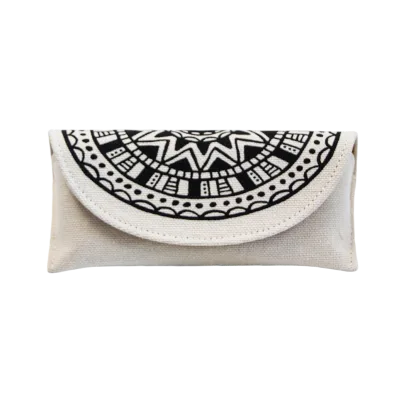
Wholesale Custom Logo Zipper Large Space Color Sunglasses Case EVA Glasses Cases
$0.99 - $1.10
MOQ: 1000 Pieces
Dongguan Qiyun Jewelry Co., Ltd.
- Verified by Intertek
- Trading Company
- Lead time0 days
- Avg. response≤ 2h
Main productsSilicone Mat, Silicone Spoon, Silicone Bowl, Silicone Bag, Silicone Toy
Main marketsWestern Europe(25%), Northern Europe(25%), Southern Europe(20%)
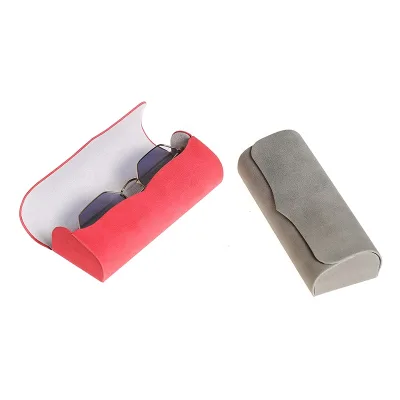
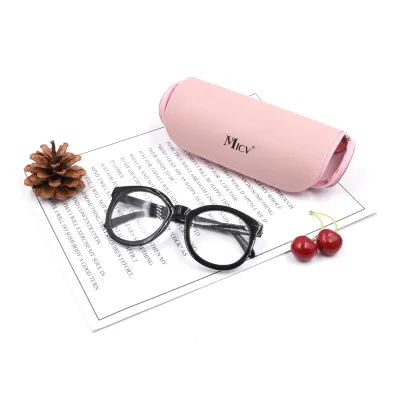
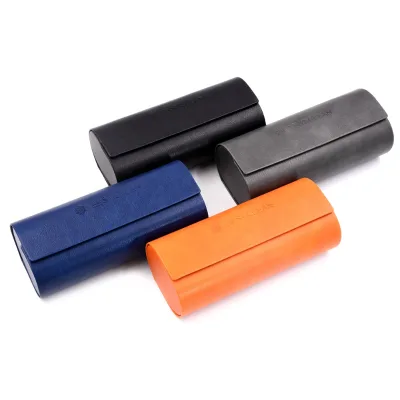
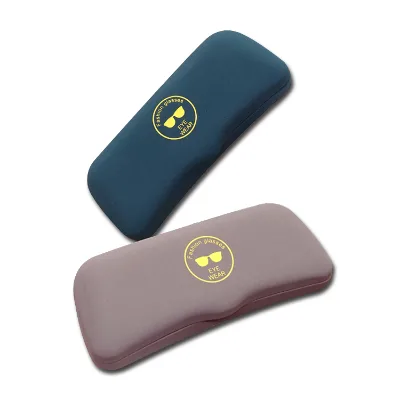
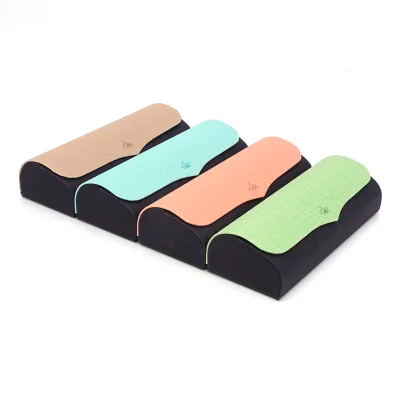
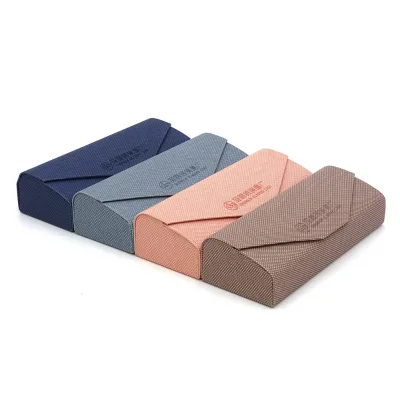


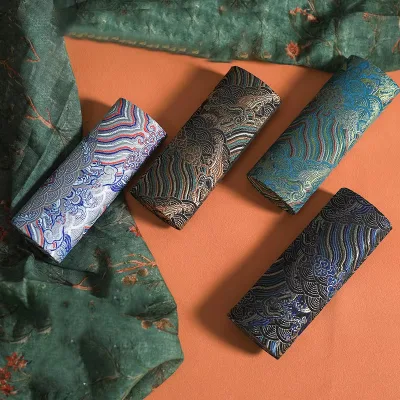
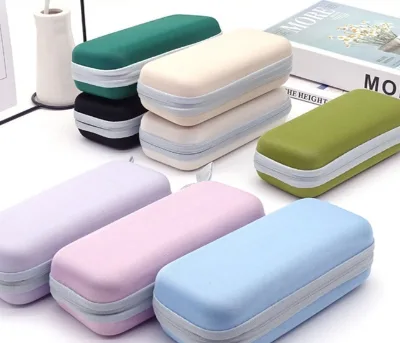


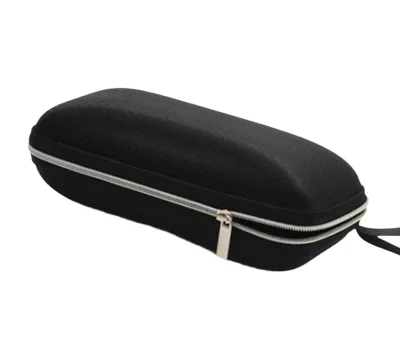
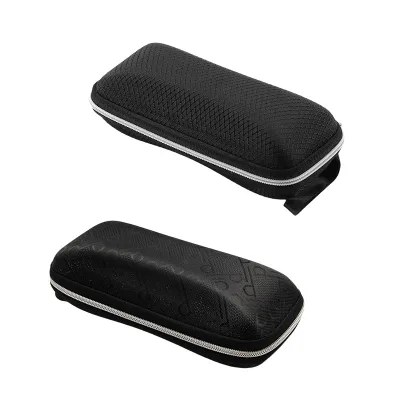
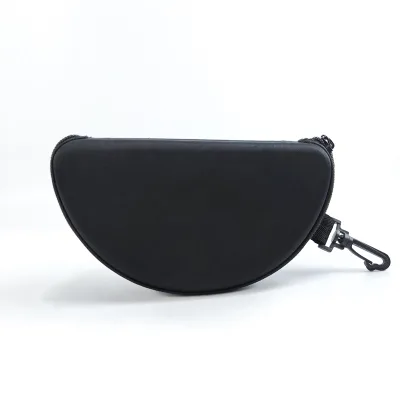
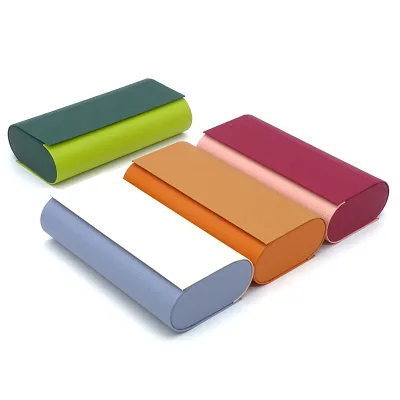
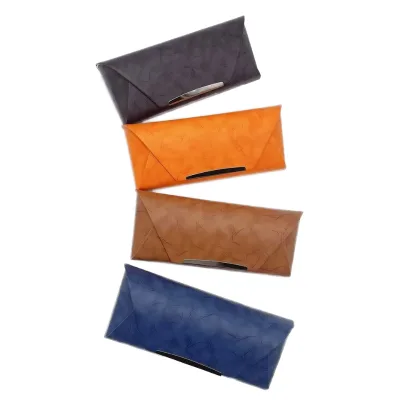
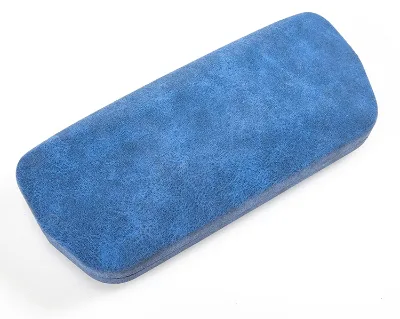

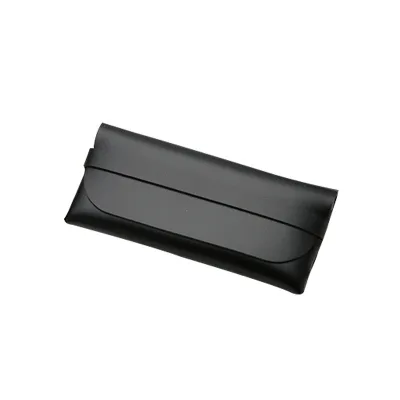



Comprehensive Sourcing Guide
Eco-Friendly Semi-Hard Sunglasses Case Supplier Concentration and Factory Types
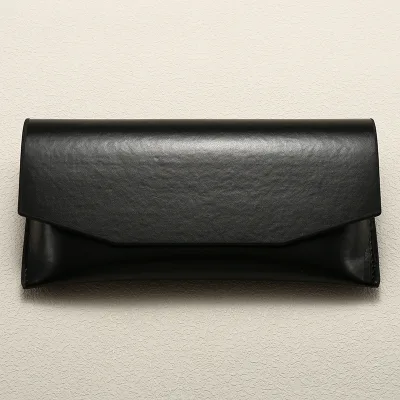
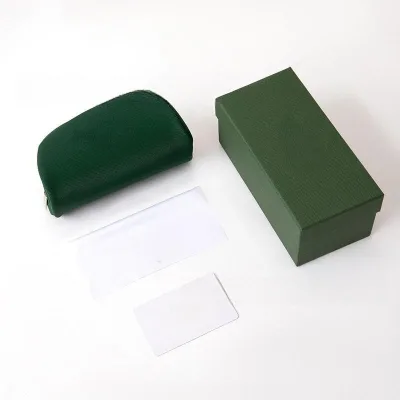
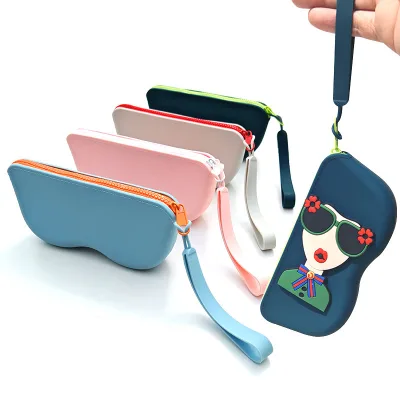
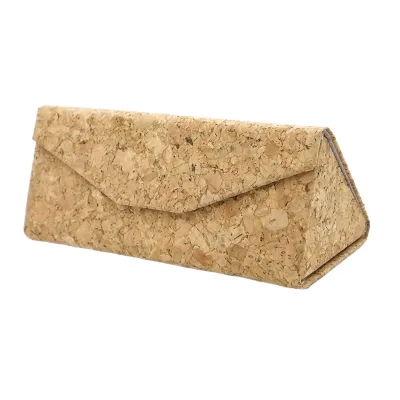
The available data indicates a significant concentration of manufacturers and trading companies operating within Jiangsu, China, specifically in cities like Wuxi, which serves as a notable hub for eyewear accessories. These entities frequently list main products that include eyeglasses cases, makeup bags, and soft bags, suggesting a specialized cluster for protective eyewear packaging. Some suppliers in this region operate as combined entities, offering both manufacturing and trading capabilities, while others function strictly as trading companies or manufacturers. This geographic clustering allows for efficient supply chain integration, where raw materials like PU leather and nylon are readily accessible for producing semi-hard cases. Buyers should verify if a supplier's stated location matches their actual factory address, as some trading companies may list a Jiangsu address while sourcing from other regions. The presence of ISO9001:2015 certification among some suppliers in this area signals a baseline commitment to quality management systems, which is critical for maintaining consistency in eco-friendly production standards.
In contrast, other sourcing data points to Hebei, China, as another active location for suppliers specializing in glasses cases and pouches. These suppliers often focus on hard glasses cases and eco-friendly options, with some listing specific brand names like "shenghai" in their product attributes. The distinction between manufacturer and trading company is vital here, as manufacturers typically control the production process for semi-hard cases, ensuring material integrity, while trading companies may aggregate products from various factories. Buyers must determine if a supplier is a direct factory or an intermediary by checking their company type designation and main product lists. A supplier listing "Beach Towel" and "Microfiber Cloth" alongside glasses cases might indicate a broader product range that could dilute their focus on eyewear protection. Understanding the specific factory type helps in assessing whether the supplier can handle custom ODM or OEM requests, which are often required for branded eco-friendly semi-hard sunglasses cases.
How to Verify Eco-Friendly Semi-Hard Sunglasses Case Suppliers
Verification begins with scrutinizing the specific product attributes provided in the supplier's catalog, such as material composition and hardness levels. For eco-friendly semi-hard cases, buyers should look for explicit mentions of materials like PU, Nylon, or Microfiber, and confirm the item hardness is listed as "Semi-Hard" or "Hard" rather than soft pouches. The presence of specific model numbers, such as W-370 or W-330, and brand names like "Blue Feather" or "shenghai" can serve as identifiers for traceability. Buyers must cross-reference these details with the supplier's claimed capabilities, ensuring that the product evidence aligns with the "Eco-Friendly" claim. If a supplier lists "Grs/Reach Compliant" or "Conforming to Grs/Reach Standards" in their product keywords, this is a strong indicator of environmental compliance, but it requires further validation through official certificates. The absence of such specific compliance keywords in the product description should prompt a direct inquiry to the supplier regarding their environmental standards.
Beyond product details, buyers should verify the supplier's response time and lead time to gauge their operational reliability. Data shows response times ranging from 3 to 11 hours, with some suppliers achieving a response time of 6.76 hours, which indicates a high level of engagement. A supplier with a lead time of 15 days may be more efficient than one requiring 30 days, but this must be balanced against their capacity for customization. Buyers should also check for system certifications like ISO9001:2015, which suggests a structured approach to quality control. It is essential to confirm that the supplier's main products align with the specific need for semi-hard cases, as some may primarily deal in soft pouches or cleaning cloths. Verifying the "Place of Origin" listed in product attributes, such as Jiangsu or Hebei, ensures the supplier is operating from the claimed location. Finally, buyers should request proof of any claimed certifications or test results, as these documents are the only concrete evidence of a supplier's adherence to environmental and safety standards.
What to Compare Across Eco-Friendly Semi-Hard Sunglasses Case Suppliers
When evaluating multiple suppliers, the primary comparison points should include lead time, minimum order quantity (MOQ), and response speed, as these factors directly impact project timelines and cash flow. Available data reveals lead times varying from 15 to 30 days, with some suppliers offering a 20-day turnaround. Buyers should compare these figures against their own production schedules to determine feasibility. Similarly, MOQs can differ significantly, with some suppliers requiring as few as 1 unit while others demand 500 units. This variance is crucial for buyers testing new designs or those with limited budget constraints. Response times, ranging from 3 to 11 hours, also serve as a metric for supplier responsiveness; a faster response often correlates with better communication and problem-solving capabilities during the sourcing process.
Price and material composition are equally critical comparison factors. Product prices for semi-hard cases can range from approximately $0.05 to $1.63 per unit, depending on the complexity, material, and customization level. Buyers must analyze whether the lower price points correspond to acceptable quality, particularly regarding the "Semi-Hard" structure and eco-friendly claims. Material attributes such as "PU," "Nylon," or "Microfiber" should be compared to ensure they meet the desired durability and sustainability standards. Additionally, the "Pattern" and "Color" options, such as "Print," "Solid," or specific color codes like "SY-24001," offer insights into the supplier's design flexibility. Buyers should also consider the "Shape" and "Closure Type," as magnetic closures or custom shapes may add value. By systematically comparing these dimensions, buyers can identify suppliers that offer the best balance of cost, quality, and service for their specific eco-friendly semi-hard sunglasses case requirements.
Common Eco-Friendly Semi-Hard Sunglasses Case Sourcing Risks
One significant risk involves the discrepancy between claimed eco-friendly attributes and actual material composition. Suppliers may list products as "Eco-Friendly" without providing verifiable evidence of sustainable sourcing or manufacturing processes. For instance, a product might be described as "Eco-Friendly Optical Design" but lack specific certifications or compliance with standards like Grs or Reach. Buyers must be vigilant against vague marketing terms that do not translate to tangible environmental benefits. The absence of explicit compliance keywords in product attributes should trigger a deeper investigation into the supplier's supply chain. Without concrete proof, such as a valid certificate or test report, the "eco-friendly" label may be misleading, potentially leading to reputational damage or regulatory non-compliance for the buyer.
Another risk is the inconsistency in product specifications and quality control across different suppliers. Variations in "Item Hardness," "Material," and "Closure Type" can lead to confusion and mismatched expectations. For example, a supplier might advertise a "Semi-Hard" case but deliver a product that feels more like a soft pouch due to material inconsistencies. Additionally, the "Single package size" and "Weight" can vary significantly, affecting shipping costs and packaging efficiency. Buyers should also be wary of suppliers with high lead times or slow response times, as these can delay production and disrupt supply chains. The risk of receiving products that do not match the "Model Number" or "Brand Name" listed in the initial inquiry is also present. To mitigate these risks, buyers should request physical samples and verify all specifications against the supplier's claims before placing a large order.
Eco-Friendly Semi-Hard Sunglasses Case Regional Sourcing and Logistics
Sourcing from Jiangsu, China, offers logistical advantages due to its established manufacturing infrastructure and proximity to major ports. Suppliers in this region, including those in Wuxi, often benefit from efficient supply chains that support the production of eyewear accessories like semi-hard cases. The concentration of manufacturers and trading companies in Jiangsu allows for streamlined communication and faster turnaround times, with some suppliers reporting lead times as low as 15 days. Buyers should verify the specific city of origin, as this can impact shipping costs and transit times. The presence of ISO9001:2015 certified facilities in this region further enhances the reliability of the supply chain, ensuring that quality standards are maintained throughout the production process.
In contrast, sourcing from Hebei, China, presents different logistical considerations. Suppliers in Hebei often focus on hard glasses cases and may have different lead times and shipping requirements. The "Place of Origin" listed as Hebei, China, for certain products indicates a distinct manufacturing hub that may have its own logistical strengths and weaknesses. Buyers should compare the shipping costs and transit times from Hebei versus Jiangsu to determine the most cost-effective option. Additionally, the "Single package size" and "Weight" of products from Hebei suppliers may differ, affecting overall logistics planning. It is essential to confirm the supplier's ability to handle international shipping and customs clearance, as these factors can significantly impact the final delivery timeline. By understanding the regional differences, buyers can make informed decisions that optimize their supply chain efficiency.
Eco-Friendly Semi-Hard Sunglasses Case Commercial Terms and Order Planning
Commercial terms such as MOQ, pricing, and payment conditions play a pivotal role in order planning for eco-friendly semi-hard sunglasses cases. The data indicates that MOQs can range from 1 unit to 500 units, allowing flexibility for both small-scale testing and bulk production. Buyers should negotiate pricing based on the volume of the order, as prices can vary from $0.05 to $1.63 per unit depending on the complexity and customization. Understanding the pricing structure is essential for budgeting and ensuring that the project remains financially viable. Additionally, buyers should clarify the payment terms, such as escrow options or deposit requirements, to mitigate financial risks. Clear communication regarding these terms helps establish a solid foundation for a successful business relationship.
Order planning must also account for lead times and response times to ensure timely delivery. With lead times ranging from 15 to 30 days, buyers should factor in these durations when scheduling production and shipping. A supplier with a response time of 3 hours may be more reliable than one taking 11 hours, especially when addressing urgent issues or changes. Buyers should also consider the "Customization" availability, as some suppliers offer ODM and OEM services, which can be crucial for branding and product differentiation. By carefully planning the order timeline and understanding the commercial terms, buyers can minimize delays and ensure that their eco-friendly semi-hard sunglasses cases are delivered on schedule. This proactive approach helps in managing expectations and maintaining a smooth supply chain operation.
FAQs
What is the typical lead time for semi-hard glasses cases?
Lead times vary by supplier, ranging from 15 to 30 days for production. Some manufacturers in Jiangsu offer faster turnaround, while others require a full month. Buyers should confirm specific schedules before placing bulk orders to ensure timely delivery.
Are eco-friendly semi-hard cases available with low minimum orders?
Yes, some suppliers offer minimum orders as low as one unit for semi-hard cases. Other vendors require higher quantities, such as 500 pieces for microfiber pouches. Buyers must check individual product listings to find options matching their specific volume needs.
What materials are commonly used for these protective eyewear cases?
Common materials include PU leather, nylon, and microfiber for soft or semi-hard protection. Some products feature fabric linings for added cushioning. Buyers should verify material specifications to ensure the case meets durability and environmental standards for their specific eyewear.
How quickly do suppliers typically respond to sourcing inquiries?
Response times generally range from 3 to 11 hours depending on the vendor. Some trading companies reply within four hours, while others may take up to eleven. Fast response is crucial for urgent orders, so buyers should prioritize suppliers with shorter reply windows.
Do suppliers offer customization options for logo and design?
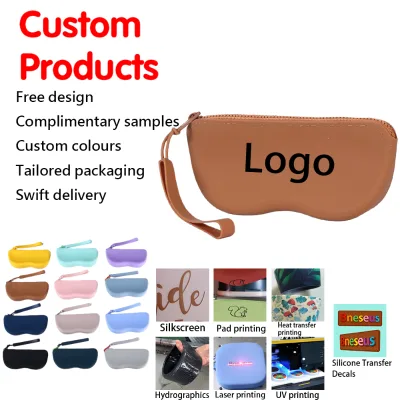
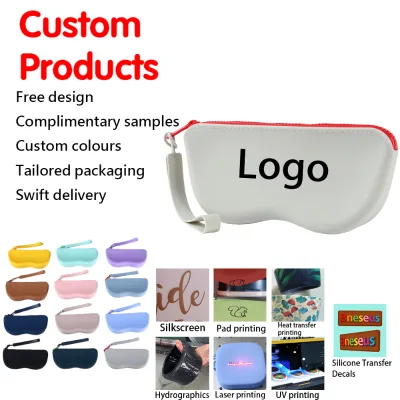
Many manufacturers provide customization for logos, colors, and shapes. Options include digital printing, magnetic closures, and specific patterns like solid or printed designs. Buyers should confirm if ODM or OEM services are available to tailor products to their brand requirements.
What is the price range for semi-hard sunglasses cases?
Prices typically range from 0.05 to 1.63 USD per unit based on material and features. Basic microfiber pouches start near the lower end, while premium PU leather cases cost more. Buyers should compare unit costs against minimum order quantities to determine the best value.
Where are these eyewear accessories primarily manufactured?
Most suppliers are located in Jiangsu and Hebei provinces in China. Specific origins include Wuxi and other cities within these regions. Buyers should verify the place of origin on product pages to ensure the location meets their logistical or compliance preferences.