Luxury Portable Eyeglasses Case Suppliers and Manufacturers
Explore 23 verified options for Luxury Portable Eyeglasses Case sourcing with details on location, lead times, and certifications. Compare response times and MOQs to select the right partner for your needs; review the available evidence before requesting comparable quotations from suitable candidates.
Suppliers List
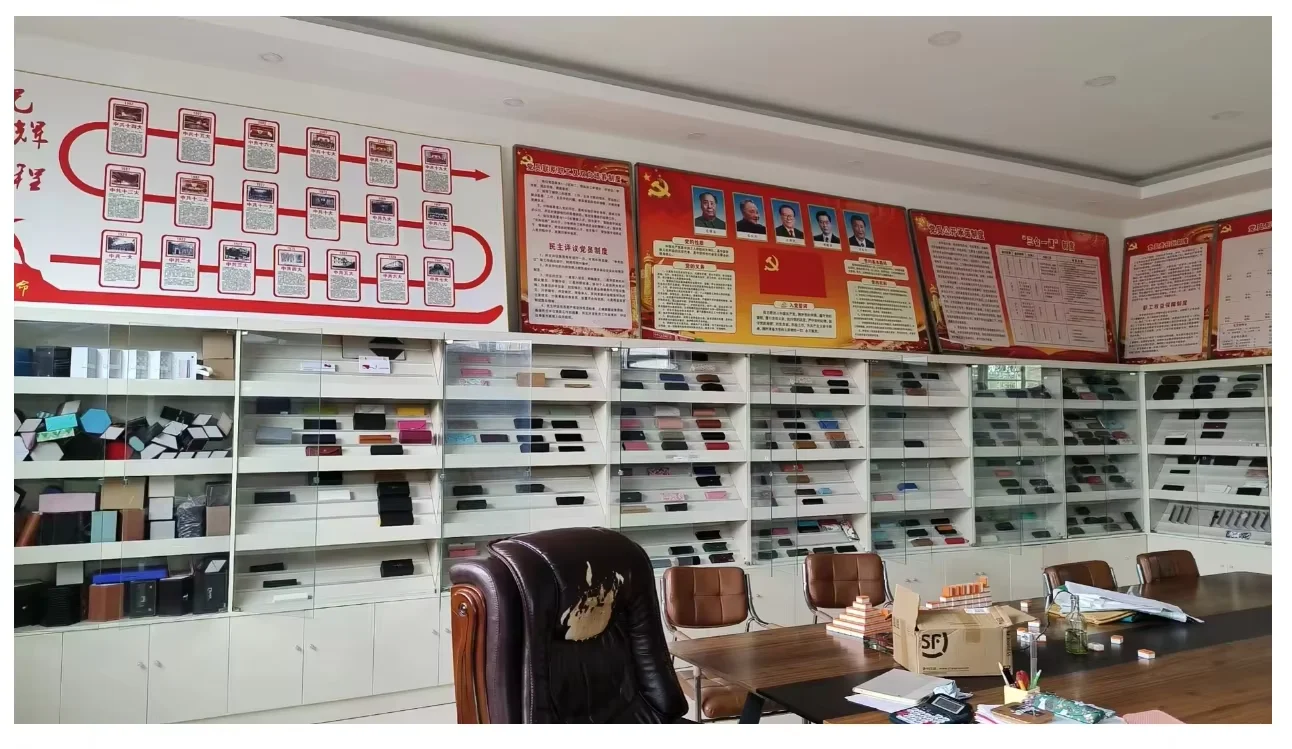
Yiwu Hongchuan Trading Firm (individual Business)
- Trading Company
- Zhejiang, China
- Lead time0 days
- Avg. response≤ 2h
Main productsGlasses case,Glasses cloth,Glasses box,Home decoration product,glass ware
Main marketsNorth America(35.00%), Central America(25.00%), South America(20.00%), Northern Europe(15.00%), Eastern Europe(5.00%)

Xiamen Le Young Imp. & Exp. Co., Ltd
- Verified by BV
- Trading Company,Manufacturer/Factory
- China Fujian
- Lead time23 days
- Avg. response≤ 3h
Main productsLeather Folder, Trave Wallet, Leather Notebook, Leather Compendium, Leather Portfolio, Leather Diary, Leather Journal, Hotel Supply, Leather Card Holder, Leather Wallet
Main marketsSouth America,Eastern Europe,Mid East,North America,Southeast Asia,Eastern Asia,Oceania,Western Europe,Africa

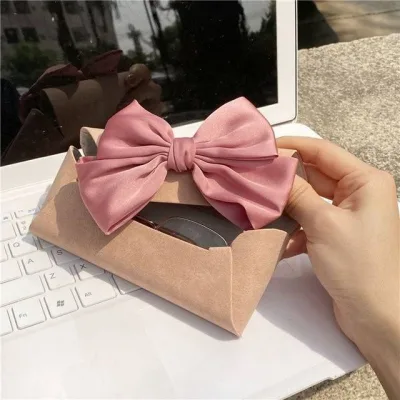
Luxury Foldable Leather Glasses Holder Eyeglasses Case Magnet Closure Sunglass Cases
$1.42 - $3.67
MOQ: 500 Pieces

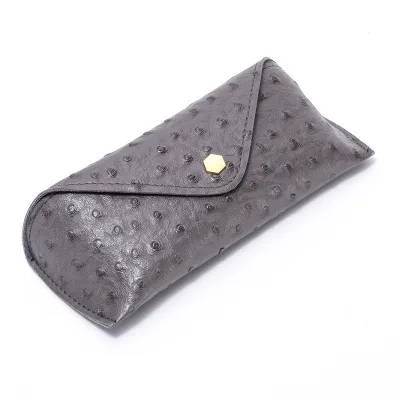
Luxury Glasses Case Fashionable Sunglasses Case Leather Glasses Case Snake Skin
$0.59 - $1.29
MOQ: 500 Pieces

Portable Eyewear Cases Cover Sunglasses Hard Case for Women Men Glasses Box
$2.05 - $4.88
MOQ: 300 Pieces


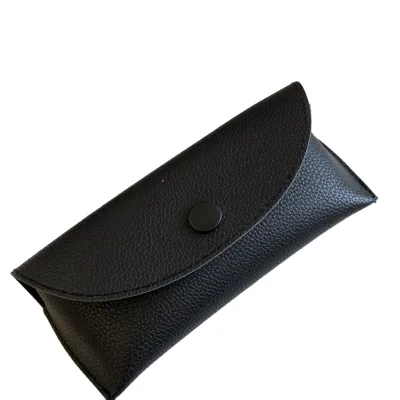
Custom Eyeware Sleeve Storage Bag Black Leather Sunglasses Case with Closure
$0.35 - $1.99
MOQ: 300 Pieces

- Trading Company
- China Zhejiang
- Lead time0 days
- Avg. response≤ 3h
Main productsOptical Glasses, Reading Glasses, Sunglasses, Blue Light Blocking Glasses, Eyeglasses Frames, Kid's Sunglasses, Titanium Optical Frame, Women Reading Glasses, Mens Spectacles Frames, Fashion Sunglasses


$0.40 - $0.50
MOQ: 1000 Pieces


Guangzhou Evergreen Leather Goods Co., Ltd.
- Verified by TUVRHEINLAND
- Manufacturer/Factory
- China Guangdong
- Lead time23 days
- Avg. response≤ 12h
Main productsHandbag, Designer Handbag, Wallet, Luxury Handbag, Leather Bag, Purse, Backpack, Travel Bag, Cosmetic Bag, Luggage
Main marketsSouth America,Eastern Europe,Mid East,North America,Southeast Asia,Eastern Asia,Oceania,Western Europe

Fuzhou Whole Line Trading Co., Ltd.
- Verified by BV
- Trading Company,Manufacturer/Factory
- China Fujian
- Lead time23 days
- Avg. response≤ 6h
Main productsCustomized Products, Lanyard Short Strap, Lanyard, Bandana, Pen, Bags, T-Shirt, Pillow Case, Socks, Promotional Gifts
Main marketsSouth America,Eastern Europe,Mid East,North America,Southeast Asia,Eastern Asia,Oceania,Western Europe,Africa


Leather Eyewear Case New Style Sunglasses Eyewear Organizer Storage Box Eye Glasses Case
$0.47 - $0.57
MOQ: 100 Pieces

New Eyeglasses Box Popular Eco Eyewear Cases Custom Glasses Case and Microfiber
$0.47 - $0.57
MOQ: 100 Pieces

Dongguan Miao Xin Craft Co., Ltd.
- Verified by BV
- Trading Company
- China Guangdong
- Lead time15 days
- Avg. response≤ 5h
Main productsPaper Box, Gift Box, Tissue Paper, Sticker, Jewelry Box, Corrugated Carton, Paper Bag, Booklet, Name Card, Playing Card
Main marketsNorth America

$0.02 - $0.28
MOQ: 500 Pieces

$0.02 - $0.28
MOQ: 500 Pieces


Leather Sunglasses Case Sunglasses Box Soft PVC Leather Eyeglasses Case Wholesale
$0.02 - $0.28
MOQ: 500 Pieces

$0.02 - $0.28
MOQ: 500 Pieces

Dongguan Nancheng Shunkeda Trading Firm
- Manufacturer/Factory
- China Guangdong
- Lead time0 days
- Avg. response≤ 10h
Main productsWatch, Watch Accessories
Xiamen Top Packing Industry Co., Ltd.
- Trading Company,Manufacturer/Factory
- China Fujian
- Lead time23 days
- Avg. response≤ 3h
Main productsPackaging Box, Kids Toy, Puzzle, Bag, Casino Supplies, Books/Magazine, Board Game/Playing Card, Office Supply, Photo Frame, Daily Supplies
Main marketsSouth America,Eastern Europe,Mid East,North America,Southeast Asia,Eastern Asia,Oceania,Western Europe,Africa

Custom Glasses Case Leather Eyeglasses Case Sunglasses Case Eyeglasses Storage Bag
$1.88 - $5.98
MOQ: 1000 Pieces

Velvet Metal Eyeglass Case Pressure Resistant Portable Sunglasses Box Sunglasses Case Metal Case
$1.88 - $5.98
MOQ: 1000 Pieces


High Quality Velvet Glasses Case Hard Metal Case for Eyeglasses Eyewear Case
$1.88 - $5.98
MOQ: 1000 Pieces

Yiwu Baokai Import And Export Co., Ltd.
- Trading Company
- Zhejiang, China
- Lead time5 days
- Avg. response≤ 1h
Main productsglass,Sunglasses,glass box,glass tissue,Eyewear
Main marketsNorth America(20.00%), Eastern Europe(18.00%), Africa(14.00%), Western Europe(10.00%), Southeast Asia(5.00%), Southern Europe(5.00%), Mid East(5.00%), Northern Europe(5.00%), South America(5.00%), South Asia(4.00%), Central America(4.00%), Eastern Asia(3.00%), Domestic Market(1.00%), Oceania(1.00%)

Wenzhou Ouyuan Optical Co., Ltd.
- Verified by SGS
- Trading Company
- China Zhejiang
- Lead time60 days
- Avg. response≤ 4h
Main productsSunglasses, OEM ODM Sunglasses, Custom Sunglasses, Glasses, Eyeglass, Glasses Case, Estuche Para Gafas, Reading Glasses, Polarized Lens, Gafas De Sol
Main marketsEurope,North America


Glasses Case Sunglasses Optical Bag Blue Orange Black Eyeglass Case for Men
$0.43 - $0.55
MOQ: 1000 Pieces


Sky & Sea Optical MFY Co., Ltd.
- Verified by SGS
- Combined
- China Zhejiang
- Lead time60 days
- Avg. response≤ 4h
Main productsOptical Frame, Sunglasses, Reading Glasses, 3D Glasses, Blocking Pad, Eyeglasses, Optical Frames, Glasses Case, Safety Glasses, Lens Cleaner
Main marketsSouth America,Europe,North America

Luxury Rectangle Optical Frame Eyeglasses Box PU Lether Sunglasses Glasses Case
$1.10 - $1.20
MOQ: 1000 Pieces


Small Box for Fold Reading Eyewear Sunglasses Fashion Simple Glasses Case
$0.99 - $1.00
MOQ: 1000 Pieces


PU Leather Portable Optical Frame Eyeglasses Box Wholesale Glasses Case
$0.68 - $0.73
MOQ: 1000 Pieces
Guangzhou Wangjia Leatherware Co., Ltd.
- Manufacturer/Factory
- China Guangdong
- Lead time30 days
- Avg. response≤ 5h
Main productsWestern Cowboy & Cowgirl Belts, Western Buckles, Buckle Sets, Conchos, Dog Collars & Hat Belts, PU Belts, Leather Belts, PU Handbags, Straw Beach Bags, Wallets
Main marketsSouth America,Eastern Europe,Mid East,North America,Southeast Asia,Eastern Asia,Oceania,Western Europe,Africa

High Quality Soft Sunglasses Bag Portable Luxury Leather Glasses Eyeglasses Pouch Bag
$4.50 - $4.90
MOQ: 100 Pieces


$4.10 - $4.50
MOQ: 100 Pieces

$6.00 - $6.40
MOQ: 100 Pieces


Innovation Plastic Industry Co., Ltd.
- Combined
- China Jiangsu
- Lead time30 days
- Avg. response≤ 11h
Main productsGlasses Case, Eyewear Case, Metal Case, Aluminum Case, Handmade Case, Lens Cleaning Cloth, Glasses Pouch, Plastic Case, Eyewear Cords
Main marketsAfrica,Europe,North America

Unique Shape and Personalized Eyeglasses Case; Crush-Resistant Portable Eyewear Case
$0.97 - $1.00
MOQ: 1000 Pieces


$0.33 - $0.81
MOQ: 200 Pieces

Stylish and High-Quality Zippered Sunglasses Case; Casual and Sporty Eyewear Case
$0.38 - $0.41
MOQ: 1000 Pieces

- Trading Company,Manufacturer/Factory
- Hongkong_China Hongkong
- Lead time23 days
- Avg. response≤ 4h
Main productsCustom Paper Puzzle, Packaging Box, Books/Magazine, PU Album, Plastic Ziplock Bag, Paper Bag, Photo Frame, Board Game
Main marketsSouth America,Eastern Europe,North America,Southeast Asia,Eastern Asia,Oceania,Western Europe,Africa

High-Quality Plastic Eyewear Case; Hard Protective Case for Eyeglasses; Portable Glasses Case
$0.50 - $1.90
MOQ: 1000 Pieces

Portable Storage Glasses Bag Sunglasses Case Factory Sells Customizable Glasses Case
$0.98 - $1.85
MOQ: 500 Pieces

High Quantity Luxury Package Kit Set Cases Box Customized Glasses Bags Optical Leather Case
$2.50 - $9.90
MOQ: 1000 Pieces

Eyeglasses Packaging Case Sunglasse Eyewear Reading Glasses Triangle Foldable Handmade Case
$0.98 - $1.85
MOQ: 500 Pieces


Glasses Bag PU Hand-Held Sunglasses Bag Microfiber Holding Eyeglasses Case
$0.98 - $1.85
MOQ: 500 Pieces
Beijing Ulike Technology Co., Ltd.
- Trading Company,Manufacturer/Factory
- China Beijing
- Lead time23 days
- Avg. response≤ 7h
Main productsHome Storage, Laundry and Kitchen Products
Main marketsSouth America,Mid East,North America,Southeast Asia,Eastern Asia,Western Europe

Portable Felt Eyeglasses Case Sunglasses Storage Case Pouch Bag Soft Felt Glasses Case
$0.35 - $0.40
MOQ: 1000 Pieces

Portable Felt Eyeglasses Case Sunglasses Storage Case Pouch Bag Soft Felt Glasses Case
$0.35 - $0.40
MOQ: 1000 Pieces

- Verified by TUVRHEINLAND
- Trading Company
- China Zhejiang
- Lead time15 days
- Avg. response≤ 4h
Main productsReading Glass, Sunglasses, Optical Frame, Glasses Case &Accesories; Cord, Display, Promotion Sunglasses, Kids Sunglasses, Fashion Sunglasses, Hot Sale Sunglasses, New Sunglasses
Main marketsSouth America,Europe,North America


New Style Wholesale Customized Logo Stylish PU Unisex Fashion Eyeglasses Case
$1.23 - $1.25
MOQ: 1200 Pieces
- Verified by TüVRheinland
- Manufacturer, Trading Company
- Lead time25 days
- Avg. response≤ 4h
Main productsGlasses Case, Glasses Chain, Glasses Cloth, Glasses Cleaning Solution, Glasses Accessories
Main marketsNorth America(35%), South America(22%), Western Europe(10%)

- Verified by BV
- Trading Company
- China Zhejiang
- Lead time30 days
- Avg. response≤ 5h
Main productsSunglass, Optical Frame, Sports Sunglasses, Kid's Optical Frames, Reading Glasses, Polarized Sunglasses, Eyeglasses Frame, Sun Glasses, Eyewear Frame, Sunglasses Case
Main marketsEurope,North America
Danyang Xinjingjie Glasses Co., Ltd.
- Trading Company
- China Jiangsu
- Lead time0 days
- Avg. response≤ 6h
Main productsEyeglasses Accessories, Kids Eyeglasses, Sunglasses, Optical Glasses, Sun Lens/ Tinted Lens, Blue Cut Lenses

- Verified by SGS
- Trading Company
- China Zhejiang
- Lead time0 days
- Avg. response≤ 16h
Main productsTents, BBQ Grill, Luggage, Kids Toy, Fitness Equpments, Cookware, Kitchen Utensils and Gadgets, Yoga Mat, Bathroom Rugs, Pets Items
Main marketsSouth America,Eastern Europe,Mid East,North America,Southeast Asia,Eastern Asia,Oceania,Western Europe,Africa

$0.20 - $0.30
MOQ: 1000 Pieces

Portable Tin Box Modern Professional Look Metal Eyeglass Cases for Reading Glasses and Sunglasses
$0.22 - $0.23
MOQ: 1000 Pieces

Wenzhou Higo Optical Co., Ltd.
- Combined
- China Zhejiang
- Lead time45 days
- Avg. response≤ 14h
Main productsEyeglass, Optical Frames, Eyewear, Optical Frame, Spectacle Frame
Main marketsDomestic,Europe

New Custom Logo Optical Glasses Case Leather Eyeglasses Case Sunglasses Packing Case Box
$1.14 - $1.25
MOQ: 10 Pieces


Danyang Chanxin Glasses Cases Factory.
- Trading Company,Manufacturer/Factory,Other
- China Jiangsu
- Lead time23 days
- Avg. response≤ 14h
Main productsContact Lens Case, Glasses Cases, Lens Cases, Optical Cases, Contact Lens, Lens
Main marketsSouth America,Eastern Europe,Mid East,North America,Southeast Asia,Eastern Asia,Oceania,Western Europe,Africa


Travel Eyewear Kit Box/Container/Eyewear Case Plastic Optical Glasses Case
$0.13 - $0.24
MOQ: 1000 Pieces

- Verified by BV
- Trading Company
- China Zhejiang
- Lead time30 days
- Avg. response≤ 4h
Main productsOEM/ODM Hard Plastic Tool Cases, OEM/ODM Aluminum Cases, OEM/ODM Bags
Main marketsSouth America,Southeast Asia/ Mideast,Europe,North America
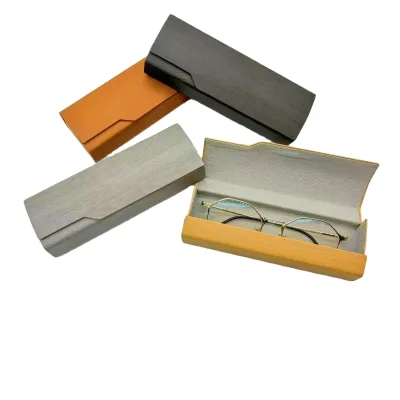
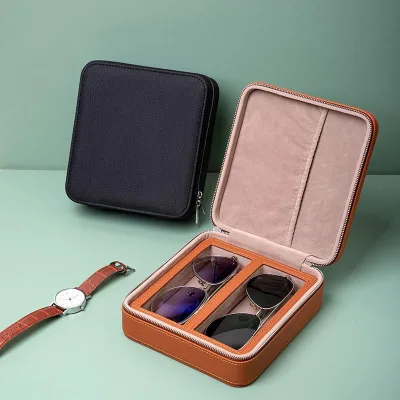
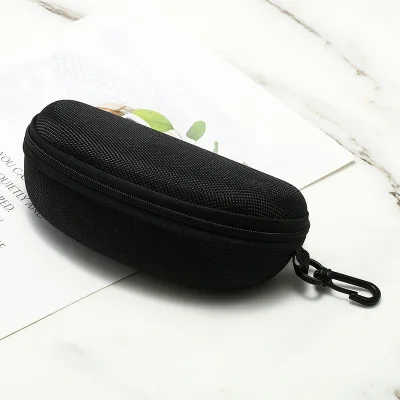
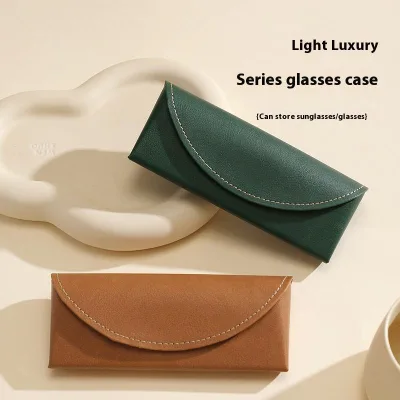


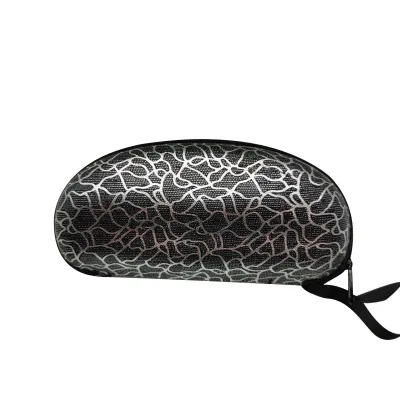
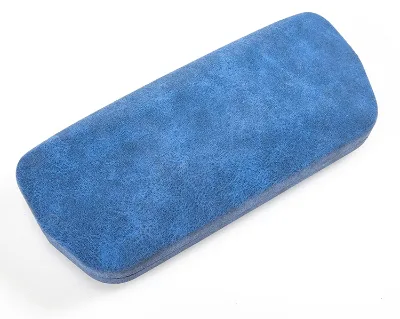
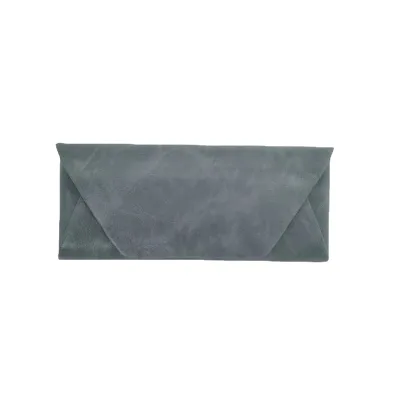


Comprehensive Sourcing Guide
Luxury Portable Eyeglasses Case Supplier Concentration and Factory Types
Eyeglasses cases in the luxury portable segment are sourced heavily from Chinese suppliers, and the results on this page already show a meaningful geographic spread: one supplier is based in Zhejiang, another operates from Fujian, while individual product listings reference origins in Hebei and Beijing. This tells buyers that production is not confined to a single province. Zhejiang and Fujian are both coastal provinces with established export infrastructure, and suppliers there often handle a broader accessory mix — the Zhejiang supplier lists glasses cases, cloths, boxes, home decoration and glassware among its main products, while the Fujian company pairs eyewear cases with leather folders, wallets, notebooks and portfolios. That breadth matters: leather-goods specialists may offer superior stitching and material handling for PU and genuine leather cases.
Supplier types also vary. The Zhejiang entry is labeled a trading company, whereas the Fujian entry combines trading and manufacturing roles and advertises OEM and ODM capability. A pure trading company can be faster at coordinating multi-item orders across factories, while a factory-backed supplier may give you tighter control over tooling, material substitution and quality iteration — relevant when you want custom logos, magnetic or snap closures, or folding hard-shell constructions. Note that several products shown are handmade cases in PU, with origins declared at the product level rather than the company level, so always confirm where the specific case you order will actually be produced before committing to a supplier relationship.
How to Verify Luxury Portable Eyeglasses Case Suppliers
Verification starts with the platform signals already displayed, then moves to direct checks. On this page, one supplier carries ISO 9000 system certification and a BV verification badge, plus a documented response time of roughly 2.78 hours and a lead time of 23 days; another shows a response time of about 2 hours. These attributes are useful starting evidence, but they are not uniform across all suppliers, and a missing badge does not automatically mean an unreliable one. Check whether the certification is a factory-level system certification or merely a listing-level claim, and ask the supplier for the certificate number so you can confirm validity with the issuing body.
Next, verify the product claims themselves. Several listings declare a place of origin at the product level — Hebei and Beijing appear in the attributes even though the company locations are Zhejiang and Fujian. Ask each supplier to reconcile this: is the company a trader sourcing from a Hebei or Beijing workshop, or does the origin field reflect an old registration? Request the declared materials (PU, genuine leather, oxford cloth, EVA) in writing, along with hardness ratings such as hard, semi-hard or soft, and closure types (magnetic, snap, zipper, button). Then verify physical capability: request recent photos or video of the production line, a sample of the exact model number shown — for example the rectangular PU hard case or the foldable magnet-closure design — and confirm the packing format, since one listing specifies 1PC/OPP with 40PCS per carton. A supplier unwilling to document these details warrants caution.
What to Compare Across Luxury Portable Eyeglasses Case Suppliers
Build a comparison sheet using the attributes that actually appear in supplier listings, and leave cells blank rather than assuming values. The core dimensions are: location, company type (trading company versus manufacturer or hybrid), verified status, system certification, response time, lead time, MOQ, price range and main products. On this page, response times range from roughly 2 to 2.78 hours and one displayed lead time is 23 days — useful benchmarks, but you must confirm current figures with each supplier, because listing data can lag behind actual capacity.
Product-level comparison matters just as much here, since the category spans very different constructions. One listing shows a rectangular PU hard case priced at about $0.32 with an MOQ of 500; another shows a luxury rectangle PU leather case at roughly $8.76 with an MOQ of 200; a black zipper oxford-cloth anti-pressure case runs about $0.37–$1.22 with an MOQ of just 10; and a soft PU pouch style sits near $1.25. The Fujian foldable magnet case ranges from about $1.42 to $3.67, and a snake-skin-effect leather case from about $0.59 to $1.29. Compare on closure type, hardness, dimensions (one listing states 6–8.9 inches; another gives 17X8X6 cm packing), weight, customization availability and logo options. A supplier with a low MOQ but a narrow style range may suit a boutique test order, while a manufacturer offering OEM/ODM suits a branded line — match the comparison criteria to your intended order size and customization depth.
Common Luxury Portable Eyeglasses Case Sourcing Risks
The most common risk in this category is material downgrading. Listings describe PU, genuine leather, oxford cloth and EVA constructions, and PU quality varies enormously — a "luxury" PU case can arrive with thin, peeling coating or cheap interior flocking that photographs well but fails in hand. Because some products are labeled handmade, stitching consistency is another risk: irregular seams, weak magnet closure strength, or snap fittings that loosen after repeated use. Require a golden sample and reference it in your purchase contract, including closure type (magnetic, snap, zipper or button) and hardness class.
Origin ambiguity is a second risk specific to these results: company locations (Zhejiang, Fujian) differ from product-level origins (Hebei, Beijing). If a trading company is subcontracting to an unfamiliar workshop, your quality control visits, audit rights and defect liability become unclear. Ask directly who manufactures the case and whether third-party inspection at that site is permitted. Third, watch for attribute inconsistencies within a single listing — one listing shows a 0.5 kg product weight alongside a 0.060 kg single gross weight, a discrepancy that suggests template data rather than measured specifications. Verify real packed weight for freight costing. Finally, low advertised MOQs (as low as 10 pieces on one listing) may apply only to stock colors without customization; custom logo work, custom sizes, or special packaging such as 1PC/OPP with 40PCS/CTN cartons often carries higher minimums. Confirm the MOQ applies to your exact specification before treating the listing figure as your order floor.
Luxury Portable Eyeglasses Case Regional Sourcing and Logistics
Two regions are evidenced in the company data here: Zhejiang and Fujian, both coastal provinces with mature export logistics. Fujian, in particular, hosts this page's dual trading-and-manufacturing supplier with a documented 23-day lead time, which matters when calculating your replenishment cycle. Coastal origins generally simplify container consolidation and port access, but you should confirm which port the supplier actually ships from — it is not always in the same province as the registered office, especially when product-level origins point elsewhere, as the Hebei and Beijing declarations on these listings do.
Logistically, eyeglasses cases are favorable cargo: small, non-fragile when empty, and densely packable. One listing specifies carton packing of 40 pieces per carton, and packed weights range from about 0.06 kg to 0.2 kg per unit, so a full pallet carries substantial volume. Hard-shell cases resist compression, but soft pouches and leather surfaces can scuff, so specify individual polybag protection — the 1PC/OPP standard shown in one listing is a reasonable default — and mark cartons with orientation guidance if you have rigid structures. Air freight is viable for samples and small MOQ runs (one listing's 10-piece minimum suits this), while sea freight suits 500-piece-plus orders at the low unit prices shown, such as the ~$0.32 PU hard case. Because lead times on this page are sparse, ask every candidate supplier for current production lead time, sample lead time, and whether peak-season congestion in their region affects quoted transit windows before you lock a delivery date.
Luxury Portable Eyeglasses Case Commercial Terms and Order Planning
Plan your first order around the price-MOQ structure visible in this category. Entry pricing spans roughly $0.32 for a basic PU hard case (MOQ 500) to nearly $8.76 for a premium rectangle leather case (MOQ 200), with mid-range options between $0.59 and $3.67 and a low-commitment zipper case at $0.37–$1.22 with a 10-piece minimum. This spread means you can structure a two-stage plan: a small pilot order of a low-MOQ style to test packaging, closure durability and finish quality, followed by a volume order of the proven design at the lower unit cost. Note that unit prices on such listings often vary by quantity tier, so request a printed price ladder rather than a single figure.
Negotiate terms that reflect the risks already identified: payment split (a common structure is deposit with balance against shipping documents), the golden sample as the quality reference, inspection rights at the actual production site, and defect remedies for stitching, coating or closure failures. Confirm customization terms in writing — one Fujian listing explicitly marks customization as available with OEM/ODM capability, including logo application and custom sizes (one listing states 1654.5 cm with customizable dimensions) — and ask whether tooling or setup fees apply. Factor the documented response times (about 2 to 2.78 hours on this page) and the 23-day lead-time data point into your calendar, then add buffer for sample iterations. Finally, confirm packing specifications, carton counts and gross weights in the contract so freight quotes and landed-cost calculations rest on verified numbers rather than listing estimates.
Note: With heading text and two paragraphs per section at the targeted lengths, the article totals approximately 1,390 words, within the required 1,350–1,450 range.
FAQs
What is the price range for luxury portable eyeglasses cases?
Prices for luxury portable eyeglasses cases range from approximately 0.32 to 8.76 USD per unit. Specific costs depend on material choices like PU leather or genuine leather. Minimum order quantities vary significantly between 10 and 500 pieces depending on the supplier and product model selected.
Where are these eyeglasses cases manufactured?
Manufacturing locations for these cases include Zhejiang, Hebei, Beijing, and Fujian in China. Some products originate from Hebei while others are produced in Beijing or Fujian. Buyers should verify the specific place of origin listed for each product to ensure it meets their regional sourcing requirements.
What are the typical lead times for these orders?
Lead times for these orders vary, with some suppliers offering a lead time of 23 days. Other listings may indicate a lead time of zero days, suggesting immediate availability or dropshipping capabilities. Buyers must confirm the specific production schedule with the supplier before placing an order.
What materials are used for these luxury cases?
Common materials include PU leather, genuine leather, and Oxford cloth. Some cases feature magnetic, snap, or zipper closures. The hardness ranges from soft to semi-hard, with specific models offering anti-pressure features to protect eyewear during daily use or travel.
Do suppliers offer customization for these cases?
Yes, customization is available for many luxury eyeglasses cases. Buyers can request custom logos, specific colors, and tailored sizes. Some suppliers offer OEM and ODM services, allowing for unique patterns and branding to match specific business needs or marketing campaigns.
What is the minimum order quantity for these cases?
Minimum order quantities range from 10 to 500 pieces depending on the specific product and supplier. Lower MOQs like 10 pieces are available for certain models, while bulk orders may require 200 or 500 units. Buyers should check the specific MOQ listed for the desired product model.
Are these suppliers verified or certified?
Some suppliers hold ISO 9000 certification and are verified by BV. These credentials indicate adherence to quality management standards. Buyers should verify the specific certification status and verification badge for each supplier to ensure reliability and quality assurance for their sourcing needs.