D Shape Glasses Nose Pad Suppliers and Manufacturers
Compare 22 verified suppliers offering D Shape Glasses Nose Pad options with varying lead times, MOQs, and certifications. Review response times and locations in China to select a partner for your eyewear accessories needs; review the available evidence before requesting comparable quotations from suitable candidates.
Suppliers List

Xiamen Flying Silicone Rubber Co., Ltd.
- Verified by TUVRHEINLAND
- Trading Company,Manufacturer/Factory
- China Fujian
- Lead time23 days
- Avg. response≤ 12h
Main productsSilicone Rubber Auto Parts, Silicone Rubber Keypad, Silicone Rubber Gasket, Silicone Rubber O-Ring, Silicone Rubber Valve, Silicone Rubber Kitchenware, Plastic Injection Parts, Silicone Rubber Gifts, Silicone Medical Accessories, LSR Baby Care
Main marketsSouth America,Eastern Europe,North America,Southeast Asia,Western Europe


Silicone Anti Slip Nose Pads Screw-in for Eyeglasses Glasses Accessories
$0.02 - $0.06
MOQ: 1000 Pieces
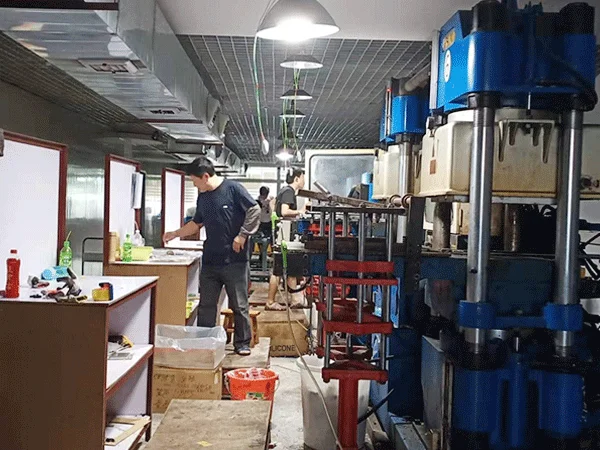
Dongguan Bluebird Technology Co., Ltd.
- Trading Company
- Guangdong, China
- Lead time15 days
- Avg. response≤ 1h
Main productseyeglass accessories,water sports,cosmetic accessories,promotion gifts,package
Main marketsNorth America(40.00%), Southeast Asia(10.00%), Western Europe(10.00%), Eastern Asia(8.00%), Eastern Europe(5.00%), Southern Europe(5.00%), Oceania(5.00%), South Asia(3.00%), Mid East(3.00%), Northern Europe(3.00%), Central America(3.00%), South America(3.00%), Domestic Market(2.00%)
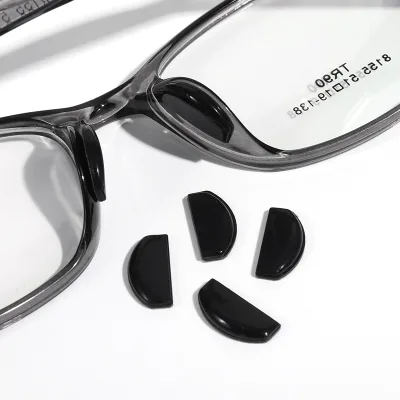
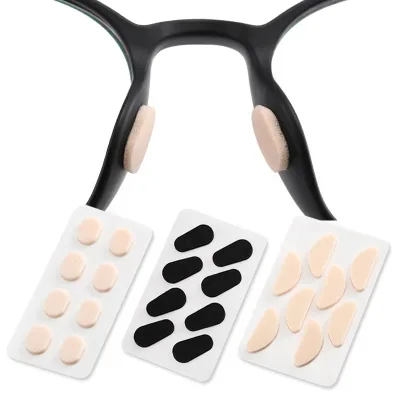
Wholesale Anti-slip EVA Sponge Material Nose Pad for Glasses Eyeglasses Nose Pads
$0.07 - $0.12
MOQ: 500
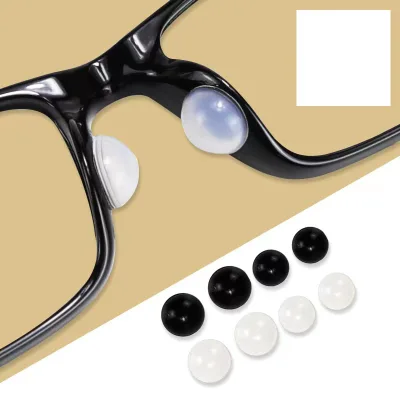
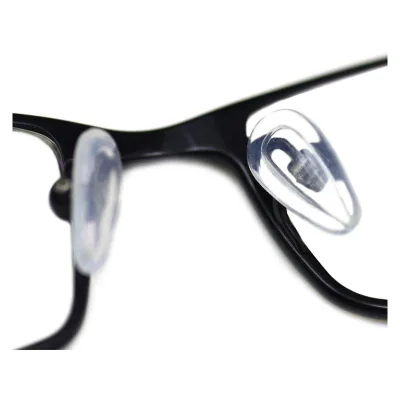
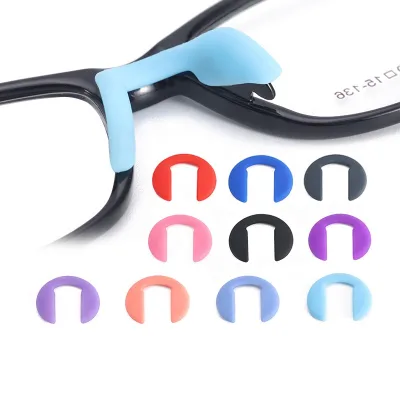
- Verified by SGS Group
- Manufacturer, Trading Company
- Lead time20 days
- Avg. response≤ 2h
Main productsGlasses Case, Glasses Cleaning Cloth, Paper Box, Spray Bottle, Sunglasses Pouch
Main marketsEastern Europe(20%), Oceania(15%), North America(10%)

Sky & Sea Optical MFY Co., Ltd.
- Verified by SGS
- Combined
- China Zhejiang
- Lead time60 days
- Avg. response≤ 4h
Main productsOptical Frame, Sunglasses, Reading Glasses, 3D Glasses, Blocking Pad, Eyeglasses, Optical Frames, Glasses Case, Safety Glasses, Lens Cleaner
Main marketsSouth America,Europe,North America

- Trading Company
- China Jiangsu
- Lead time23 days
- Avg. response≤ 5h
Main productsSilicone Nose Pads; Anti-Slip Pads, Lens Blocking Pads/Adhesive Pads, Screws; Screwdrivers, Pliers; Plier Stand, Lens Cleaners, Cutting Tools, Measuring Tools, Job Tray / Storage Box, Optical Accessories, Optometry Machines
Main marketsSouth America,Southeast Asia/ Mideast,East Asia(Japan/ South Korea),Domestic,Europe,Australia,North America
- Verified by TüVRheinland
- Manufacturer, Trading Company
- Lead time25 days
- Avg. response≤ 4h
Main productsGlasses Case, Glasses Chain, Glasses Cloth, Glasses Cleaning Solution, Glasses Accessories
Main marketsNorth America(35%), South America(22%), Western Europe(10%)
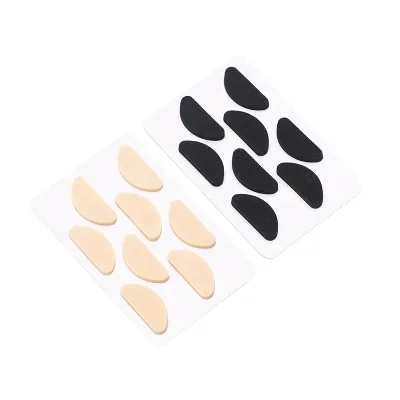
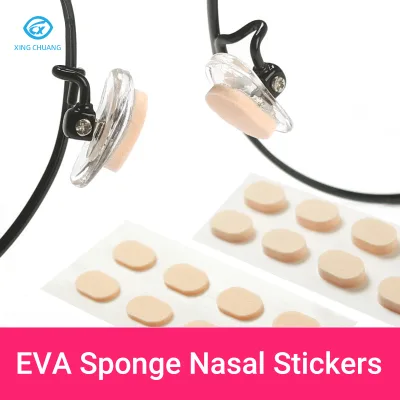
Pack of 8 Soft Foam Eyeglass Nose Pads 1.5mm Thickness Durable PVC/EVA Adhesive Nose Pads
$0.06 - $0.09
MOQ: 2 packs
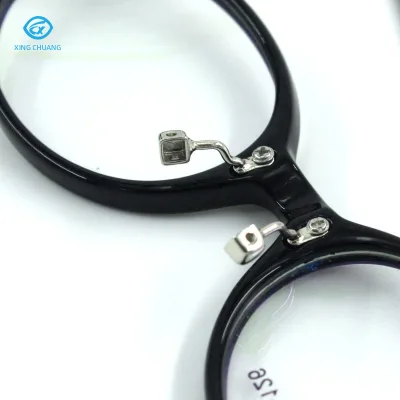
Stainless Steel Replacement Nose Bridge Eyeglasses Repair, Glass Nose Pads for Eyewear Kids & Adults
$0.49 - $0.57
MOQ: 10 pairs
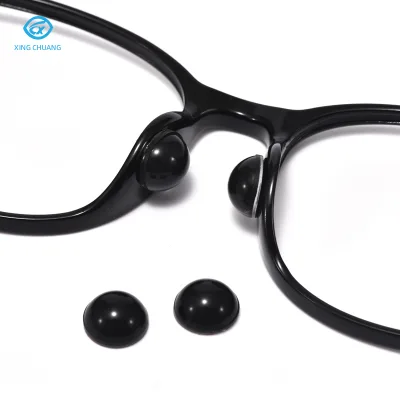
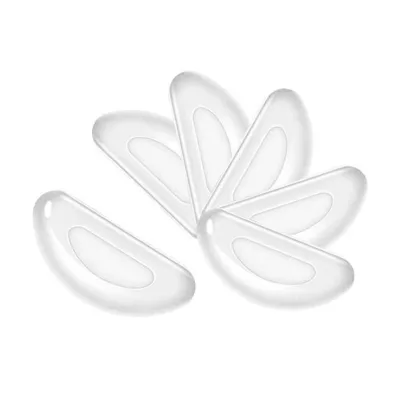
Soft Comfort Silicone Nose Pads for Glasses, D-Shaped 2mm Anti-Slip Replacement Grips
$0.05 - $0.10
MOQ: 5 pieces
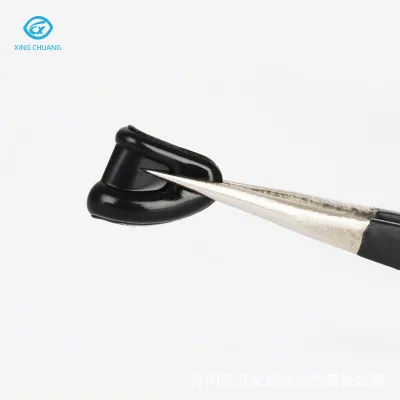
Factory Wholesale Silicone Nose Pads | Bulk Eyewear Accessories for Optics | Low MOQ
$0.05 - $0.11
MOQ: 5 pieces

Quanzhou Shengda Rubber Products Co., Ltd.
- Verified by TUVRHEINLAND
- Combined
- China Fujian
- Lead time15 days
- Avg. response≤ 4h
Main productsO Ring, Toilet Seat Hinge Top Fix Rubber Well Nut, Rubber Seal, Silicone Gasket, Silicone Washer
Main marketsEurope
Danyang Ninestar Eyewear Retainer Co., Ltd.
- Manufacturer
- Jiangsu, China
- Lead time15 days
- Avg. response≤ 2h
Main productsEyewear Retainer,Eyeglass accessories,sunglasses neck strap,neoprene sunglasses strap,leather glasses cord
Main marketsNorth America(75.00%), Western Europe(5.00%), Eastern Europe(5.00%), South America(5.00%), Domestic Market(1.00%), Southeast Asia(1.00%), South Asia(1.00%), Southern Europe(1.00%), Northern Europe(1.00%), Central America(1.00%), Eastern Asia(1.00%), Mid East(1.00%), Oceania(1.00%), Africa(1.00%)

Jinhua Toper Safety Equipment Co., Ltd.
- Combined
- China Zhejiang
- Lead time15 days
- Avg. response≤ 17h
Main productsSafey Helmet, Safety Glasses, Safety Goggle, Welding Helmet, Welding Goggle, Face Shield, Dust Mask, Half-Face Respirator, Earmuff, Earplugs
Main marketsDomestic
Danyang River Trading Co., Ltd.
- Verified by SGS Group
- Manufacturer, Trading Company
- Lead time20 days
- Avg. response≤ 5h
Main productsMicrofiber Cloth, Cases, Optical Equipment, Lens Cleaning Spray, Paper Bags
Main marketsDomestic Market(27%), Western Europe(18%), Southeast Asia(12%)
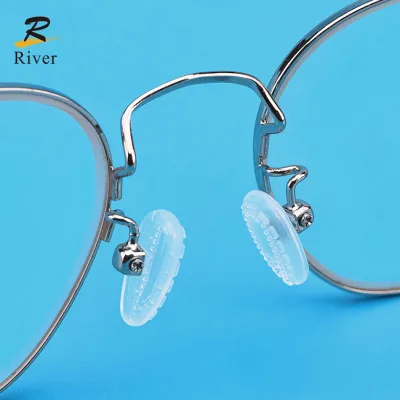
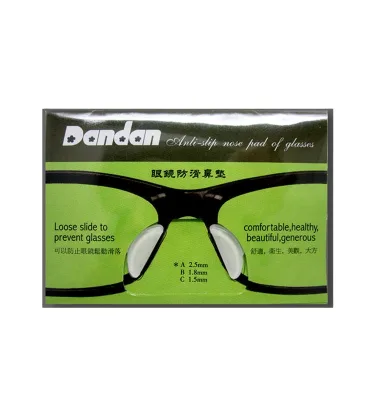
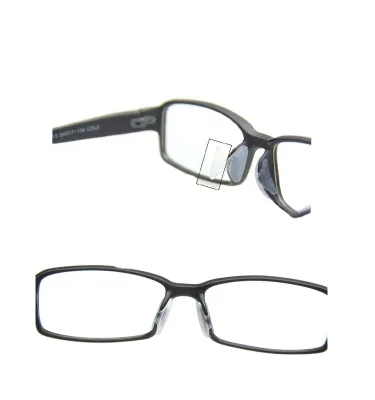
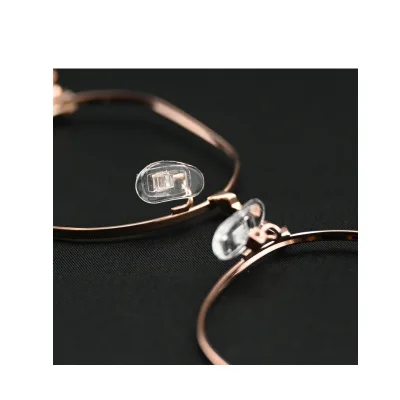
Factory Wholesale Soft Nose Pad CY001 Frame Nose Pad Snap or Screw Nose Pads
$0.03 - $0.04
MOQ: 300 sets
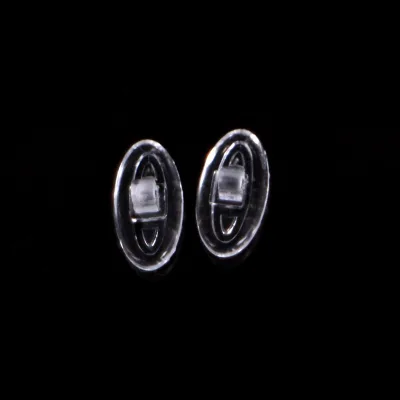
China Silicone Nose Pads for Glasses CY020
$0.04 - $0.05

Danyang Xinjingjie Glasses Co., Ltd.
- Trading Company
- China Jiangsu
- Lead time0 days
- Avg. response≤ 6h
Main productsEyeglasses Accessories, Kids Eyeglasses, Sunglasses, Optical Glasses, Sun Lens/ Tinted Lens, Blue Cut Lenses


Factory Wholesale Silicone Soft Nose Pads Glasses Accessories Non-Slip Nose Pad for Eyeglasses
$0.15 - $0.25
MOQ: 10 pair

Hot Selling Glasses Nose Pads Eyewear Accessories High Quality Silicone Eyeglasses Nose Pads
$0.09 - $0.85
MOQ: 10 pair

Anti-Slip Optical Eyeglasses Plastic Frame Glasses Silicone Soft Nose Pads for Eyewear Accessories
$0.15 - $0.25
MOQ: 10 pair


Taixing S&H International Trade Co., Ltd.
- Verified by BV
- Trading Company
- China Jiangsu
- Lead time15 days
- Avg. response≤ 7h
Main productsGlasses Cases, Glasses Suitcase, Glasses Chains, Glasses Cleaning Cloth, Glasses Screwdriver, Glasses Spray, Glasses Accessories
Main marketsDomestic,Europe

Wholesale Eye Glasses Eyeglasses Accessories Nose Pad Silicon Nose Pads Push in Nose Pad_Algz_16005
$0.46 - $0.55
MOQ: 500 Pieces

Wholesale Eye Glasses Eyeglasses Accessories Nose Pad Silicon Nose Pads Push in Nose Pad_Algz_1600
$0.46 - $0.55
MOQ: 500 Pieces

Wholesale Eye Glasses Eyeglasses Accessories Nose Pad Silicon Nose Pads Push in Nose Pad_Algz_1600
$0.46 - $0.55
MOQ: 500 Pieces

$0.46 - $0.55
MOQ: 500 Pieces

$0.46 - $0.55
MOQ: 500 Pieces

$0.46 - $0.55
MOQ: 500 Pieces

Linyi Yonglei Labor Protection Supplies Co., Ltd.
- Verified by TUVRHEINLAND
- Combined
- China Shandong
- Lead time30 days
- Avg. response≤ 8h
Main productsWelding Helmets, Welding Mask, Plastic Welding Mask, Safety Glasses, Safety Helmets, Auto-Darkening Welding Helmet, Welding Filter
Main marketsSouth America,Southeast Asia/ Mideast

Wenzhou Showxin Eyewear Co., Ltd.
- Verified by SGS
- Trading Company
- China Zhejiang
- Lead time60 days
- Avg. response≤ 7h
Main productsOptical Frame, Sunglass, Clip on Sunglasses, Eyewear, Reading Glasses, 3D Sunglasses, Lens
Main marketsEurope


Full Optical Frame Acetate Glasses Adjustable Nose Pads for European Fit Comfort Engineering
$5.00 - $6.00
MOQ: 450 piece



- Manufacturer, Trading Company
- Jiangsu, China
- Lead time40 days
- Avg. response≤ 4h
Main productsGlasses case,Hydraulic components,Lens cloth,Hydraulic Motor,Glasses accessories
Main marketsWestern Europe(50.00%), South America(15.00%), North America(10.00%), Oceania(5.00%), Northern Europe(4.00%), Eastern Asia(3.00%), Africa(2.00%), Domestic Market(2.00%), Eastern Europe(2.00%), Southeast Asia(2.00%), Southern Europe(2.00%), Central America(1.00%), South Asia(1.00%), Mid East(1.00%)

Yibin Haixun Machinery Technology Co., Ltd.
- Verified by SGS
- Manufacturer/Factory
- China Sichuan
- Lead time23 days
- Avg. response≤ 3h
Main productsSwimming Goggles, Goggles, Ski Goggles, Cycling Goggles, Protective Goggles, Wrist Guard; Knee Pad, Basketball Glasses, Gymnastics Gloves, Sports Shoes, Sportswear
Main marketsSouth America,Eastern Europe,Mid East,North America,Southeast Asia,Eastern Asia,Oceania,Western Europe,Africa

Wenzhou Yangming Eyewear Accessories Co., Ltd
- Verified by SGS
- Combined
- China Zhejiang
- Lead time30 days
- Avg. response≤ 3h
Main marketsDomestic

JINHUA XINCHEN PROTECTION PRODUCTS CO., LTD.
- Verified by BV
- Trading Company
- China Zhejiang
- Lead time30 days
- Avg. response≤ 17h
Main productsSafety Helmet, Bump Cap, Walker&Rollator, Mobility Scooter, Safety Glasses, Masks, Face Shield, Earmuff
Main marketsSouth America,Southeast Asia/ Mideast,Europe

Premium Comfort Fit Safety Glasses with Lightweight Frame and Soft Nose Pad
$1.10 - $1.30
MOQ: 1000 Pieces

New Style CE Protective Glasses with Soft Rubber Nose Pad Eye Glass for Industry
$0.33 - $0.48
MOQ: 600 Pieces

Xiamen Langxue Spectacles Co., Ltd.
- Combined
- China Fujian
- Lead time30 days
- Avg. response≤ 11h
Main productsSunglasses, Eyeglasses, Reading Glasses, Metal Sunglasses, Optical Frames, Safety Glasses, Eyewears, Optical Glass, Spectacles, Sports Sunglasses
Main marketsSouth America,Domestic,Europe,North America


Titanium Metal Frames Optical Glasses Geometric Design Comfortable Nose Pads for Unisex
$3.00 - $6.00
MOQ: 1200 Pieces

- Verified by CTI
- Trading Company
- China Zhejiang
- Lead time15 days
- Avg. response≤ 2h
Main productsWarning Vests, Safety Glasses, Welding Mask, Rain Coat, Work Wear, Gloves, Safety Shoes, Respirator
Main marketsSoutheast Asia/ Mideast,Europe,North America


Anti-Dust Anti-Scratch with Adjustable Legs Fit Over Glasses Eye Protection
$1.30 - $1.50
MOQ: 3000 Pieces

Shenzhen Reanson Products Co., Ltd.
- Manufacturer/Factory
- China Guangdong
- Lead time90 days
- Avg. response≤ 8h
Main productsSkiing Goggle, Swimming Goggle, Diving Mask, Diving Fins, Snorkel, Textile Swimming Cap, Silicone Swimming Cap, PU Coating Swimming Cap, Hand Paddle, Swimming Training Products
Main marketsNorth America,Eastern Asia,Oceania,Western Europe
Shenzhen Hongjinye Packing Products Co., Ltd.
- Manufacturer
- Guangdong, China
- Lead time15 days
- Avg. response≤ 2h
Main productspackaging bag,jewelry bag,drawstring bag,EVA product,Insulating paper
Main marketsNorth America(16.00%), Central America(15.00%), Southern Europe(12.00%), Northern Europe(12.00%), Eastern Europe(10.00%), South Asia(5.00%), Oceania(3.00%), Western Europe(3.00%), Eastern Asia(3.00%), Southeast Asia(3.00%), South America(1.00%), Mid East(1.00%), Africa(1.00%)
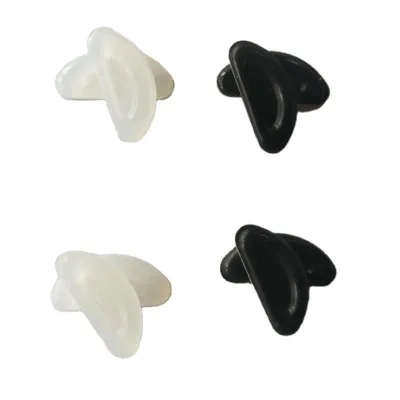
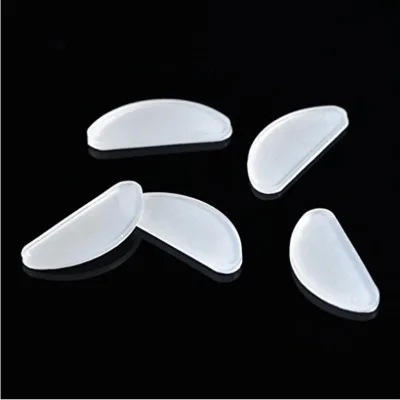
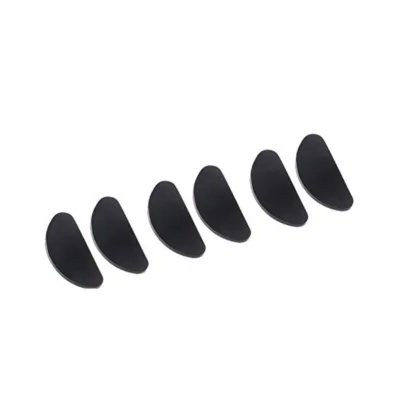
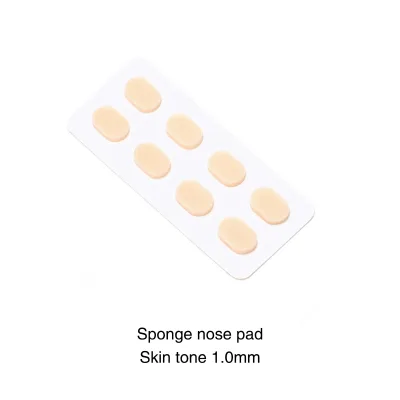
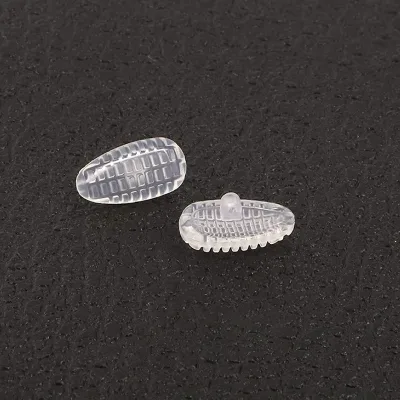
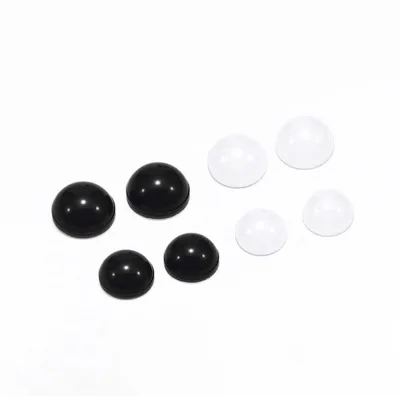
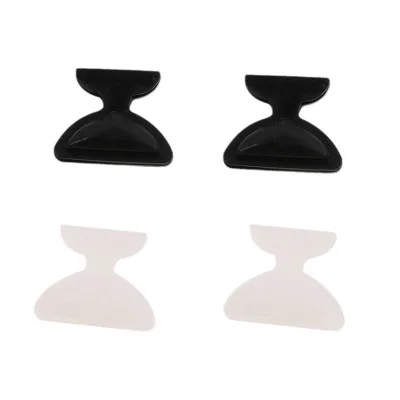
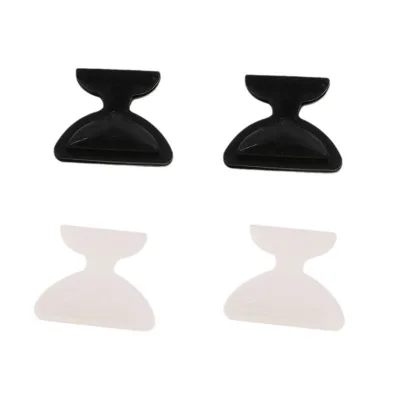
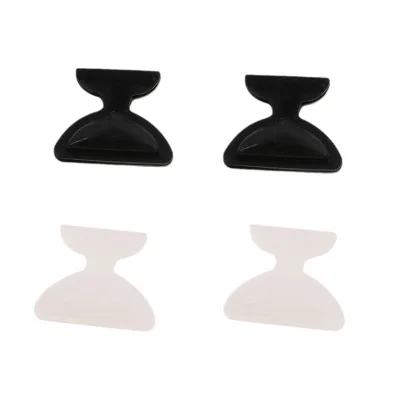
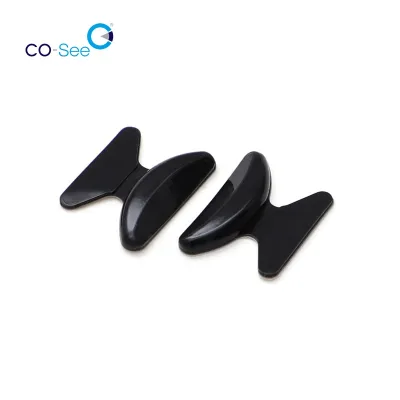
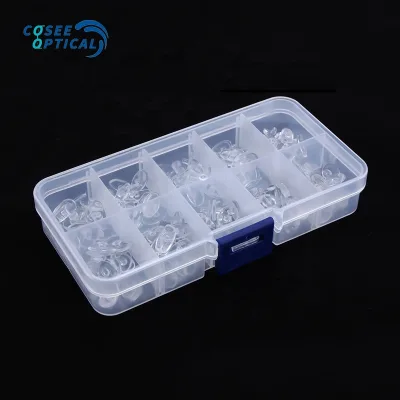
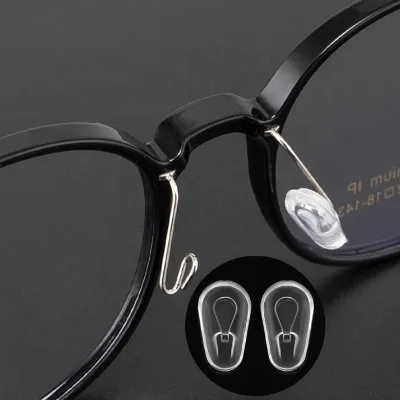
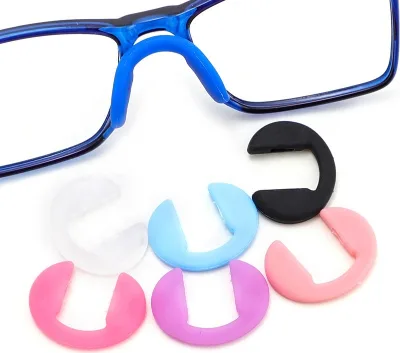
Samples of D Shape Nose Pad Silicone Rubber Sticker
MOQ: 2 Minimum






Comprehensive Sourcing Guide
D Shape Glasses Nose Pad Supplier Concentration and Factory Types
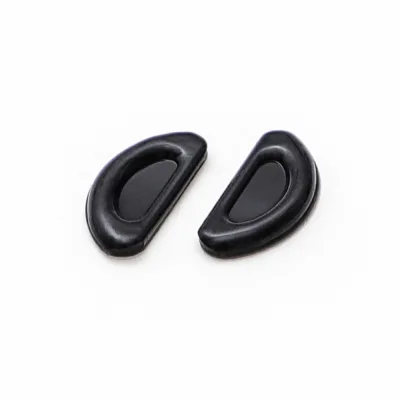
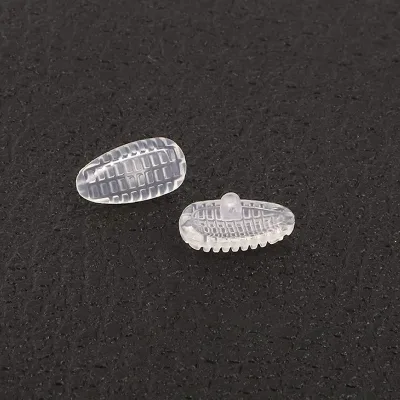
Current data indicates that verified manufacturing capabilities for silicone eyewear components are concentrated in specific Chinese provinces, with Fujian and Guangdong emerging as primary hubs for this category. Suppliers in these regions often operate as a hybrid of trading companies and direct manufacturers, offering a blend of sourcing flexibility and production control. The observed facility types include entities that manage their own brands alongside those providing extensive OEM and ODM services, allowing buyers to access both standard inventory and custom-engineered solutions. This dual structure is particularly relevant for D shape glasses nose pads, where material consistency and molding precision are critical for the specific teardrop or rounded geometries required by optical frames.
When evaluating the factory type, buyers should look for explicit declarations of production capacity rather than relying solely on the trading company label. Some suppliers in the current results list "Own Brand" capabilities alongside OEM and ODM services, suggesting they possess in-house molding equipment for silicone rubber and plastic injection parts. This distinction is vital because a pure trading company may lack the ability to adjust mold parameters for specific D-shape profiles, whereas a manufacturer with in-house R&D can facilitate rapid prototyping. Buyers must verify if the supplier's main product list includes silicone rubber auto parts or medical accessories, as these sectors often demand higher quality control standards that translate to better performance in eyewear components.
How to Verify D Shape Glasses Nose Pad Suppliers
Verification of supplier credibility relies heavily on third-party audit reports and specific system certifications that align with medical or industrial safety standards. The current dataset highlights suppliers holding TUVRHEINLAND verification, which serves as a robust indicator of operational integrity and quality management systems. Additionally, certifications such as ISO 13485 for medical devices, ISO 9001 for general quality management, and BSCI for social compliance provide a layered defense against supply chain risks. Buyers should prioritize suppliers who display these specific credentials, as they demonstrate a commitment to maintaining consistent product quality and ethical labor practices, which are essential for long-term partnerships in the eyewear accessories market.
Beyond certifications, response time and verification status offer immediate insights into a supplier's operational readiness and reliability. A response time metric, such as the observed 11.96 hours or faster rates like 1 hour, indicates how quickly a potential partner can address inquiries regarding D shape nose pad specifications. Fast response times often correlate with active sales teams and streamlined communication channels, reducing the friction during the initial negotiation phase. Buyers should also scrutinize the "is_verified" status to ensure the supplier has undergone a rigorous background check. Combining these digital verification signals with a review of the supplier's main product portfolio ensures that the entity is not only legitimate but also specialized in the specific silicone rubber and plastic injection technologies required for high-quality nose pads.
What to Compare Across D Shape Glasses Nose Pad Suppliers
Comparing suppliers requires a systematic analysis of key operational metrics, including lead times, minimum order quantities, and pricing structures, which vary significantly across the market. The observed data shows lead times ranging from 15 to 23 days, while minimum order quantities (MOQ) fluctuate between 100 pairs and 1000 pieces depending on the specific product model and customization level. Buyers must weigh these factors against their inventory needs; a supplier with a 15-day lead time and a low MOQ of 100 pairs may be ideal for testing new designs, whereas a supplier with a 23-day lead time and higher volume requirements might offer better economies of scale for established product lines.
Pricing and material specifications are equally critical dimensions for comparison, as they directly impact the final cost and performance of the D shape glasses nose pads. The current results indicate price ranges from approximately $0.015 to $0.20 per unit, influenced by material type, such as organic silicone versus EVA sponge, and the complexity of the fixing style, whether snap-in or screw-in. Buyers should compare the stated certifications like RoHS, REACH, and FDA against their target market requirements, as these standards dictate the allowable materials for different regions. Furthermore, evaluating the customization options, such as logo printing and color variations, alongside the supplier's stated capacity for OEM and ODM, ensures that the selected partner can meet specific branding and functional requirements without compromising on quality or delivery schedules.
Common D Shape Glasses Nose Pad Sourcing Risks
One significant risk in sourcing D shape glasses nose pads involves the inconsistency of material quality and the potential for non-compliance with regional safety standards. While some suppliers list certifications like FDA and ISO, others may only claim general compliance without providing verifiable test reports for the specific silicone or EVA materials used. This discrepancy can lead to product failures, such as premature degradation or allergic reactions, which can damage a brand's reputation. Buyers must ensure that the material specifications, such as "Organic Silicone" or "EVA Sponge," are explicitly matched with the relevant certification documents for the intended market, rather than accepting generic claims of compliance.
Another critical risk is the variability in lead times and the potential for supply chain disruptions due to the supplier's production capacity. The observed lead times of 15 to 23 days suggest that production scheduling can be tight, and any delay in raw material procurement or mold preparation can ripple through the supply chain. Additionally, the reliance on trading companies for certain orders may introduce a layer of communication complexity, where the actual factory's capacity is not transparently disclosed. Buyers should verify the supplier's supply ability, such as the stated 500,000 pairs per month, and confirm that this capacity is dedicated to their order volume to prevent bottlenecks. Understanding these risks allows buyers to implement contingency plans and maintain a resilient supply chain for their eyewear accessories.
D Shape Glasses Nose Pad Regional Sourcing and Logistics
Regional sourcing strategies are heavily influenced by the geographic concentration of manufacturing clusters in China, particularly in Fujian and Guangdong provinces. These regions offer a dense network of suppliers specializing in silicone rubber and plastic injection molding, providing buyers with access to a wide variety of D Shape Glasses Nose Pad designs and materials. The proximity of these clusters to major shipping ports, such as Shenzhen, facilitates efficient logistics and reduces transit times for international orders. Buyers should leverage this geographic advantage by selecting suppliers located in these established hubs to benefit from the mature supply chain infrastructure and the availability of skilled labor.
Logistics planning must also account for the specific packaging and shipping requirements associated with small, lightweight components like nose pads. The observed data indicates packaging details such as "1000PCS/Bag" or "1000PAIRS PER OPP BAG," which can impact the total volume and weight of the shipment. Buyers need to calculate the shipping costs based on these packaging dimensions and the single gross weight of the products to optimize their freight expenses. Additionally, the port of dispatch, such as Shenzhen port, should be considered when negotiating Incoterms to ensure that the buyer has clear visibility into the shipping process and can manage customs clearance effectively. By aligning regional sourcing with precise logistics planning, buyers can minimize costs and ensure timely delivery of their D Shape Glasses Nose Pad orders.
D Shape Glasses Nose Pad Commercial Terms and Order Planning
Commercial terms and order planning are pivotal for managing the financial and operational aspects of sourcing D shape glasses nose pads. Buyers should carefully review payment terms, such as Trade Assurance, which offers a layer of protection for transactions and ensures that funds are released only upon satisfactory delivery. The observed data highlights the importance of understanding the MOQ and pricing tiers, as these factors directly influence the total cost of ownership. For instance, an MOQ of 100 pairs may be suitable for small batches, while an MOQ of 1000 pieces might be necessary to achieve lower unit prices. Buyers must balance these constraints with their sales forecasts to avoid overstocking or stockouts.
Order planning also requires a detailed assessment of the supplier's customization capabilities and the timeline for product development. The availability of OEM and ODM services, along with the ability to customize logos and colors, allows buyers to tailor the D shape glasses nose pads to their specific brand identity. However, these customizations often extend the lead time and may require additional tooling costs. Buyers should factor in the time needed for sample approval and mold adjustments when planning their production schedules. By aligning commercial terms with a realistic order plan, buyers can ensure a smooth procurement process and maintain a competitive edge in the eyewear accessories market.
FAQs
What is the typical lead time for silicone nose pads?
Manufacturers in China generally require 15 to 23 days for production. This timeframe depends on order volume and customization needs. Buyers should confirm specific schedules with suppliers before placing bulk orders to ensure timely delivery for their inventory requirements.
What certifications are available for silicone eyewear accessories?
Suppliers often hold ISO 9001, ISO 13485, RoHS, REACH, and FDA certifications. These ensure material safety and quality management. Buyers should verify specific certificates for medical or food-grade applications to meet regional regulatory standards and compliance requirements.
What is the minimum order quantity for nose pads?
MOQs typically range from 100 pairs to 1000 pieces. Some suppliers offer low MOQs starting at 100 pairs for testing. Others require 1000 pieces for standard production. Buyers should check individual product listings for exact minimums and bulk pricing tiers.
How fast do suppliers respond to inquiries?
Response times vary, with some suppliers replying within one hour. Others may take up to 12 hours. Quick responses indicate active sales teams. Buyers should prioritize suppliers with faster response rates for efficient communication and quicker order processing.
What materials are used for anti-slip nose pads?
Common materials include organic silicone and EVA sponge. Silicone offers durability and skin-friendly properties. EVA sponge provides softness and shock absorption. Buyers can choose based on comfort preferences and specific application needs for eyeglasses or sunglasses.
Can suppliers provide custom logo printing?
Yes, most manufacturers support OEM and ODM services. Custom logo printing is available for branded products. Buyers should provide high-resolution artwork files. Minimum order quantities may apply for custom branding to cover setup and printing costs effectively.