Washable Twill Waiter Shirt Suppliers and Manufacturers
Compare 26 suppliers offering washable twill waiter shirts with verified response times, lead times, and certifications. Review product details like material composition and MOQs to select a partner. Contact suppliers directly to request samples; review the available evidence before requesting comparable quotations from suitable candidates.
Updated
Suppliers List
Suzhou Richmond Textile Co., Ltd.
- Trading Company
- Lead time旺季: "1 - 200":9,"> 200":"To be negotiated", 淡季: "1 - 200":9,"> 200":"To be negotiated"
- Avg. response≤ 8h
Main productsT-Shirts, Hospital Uniforms , Nitrile Gloves, Beding Sets, Masks

- Verified by CTI
- Manufacturer/Factory
- China Hebei
- Lead time0 days
- Avg. response≤ 20h
Main productsWork Clothes, Men's Clothes, Women's Clothes, Children's Clothes, Ski Suit, High Visibility Workwear Jacket, Winter Jacket, Beach Pants, High Visibility Workwear Pants, Fashion Shirt

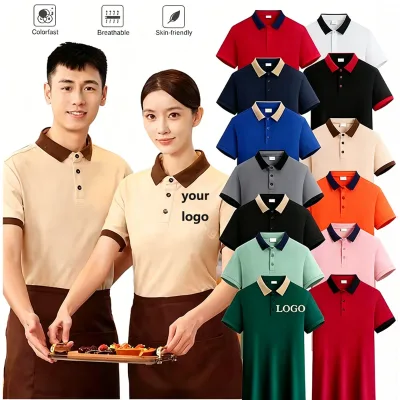
Customize T-Shirt Work Uniform Clothing Workwear Shirt for Hotel Restaurant Waiter Waitress
$4.00 - $4.50
MOQ: 1000 pieces


Suzhou Dreamcolor Scientic Protecting Co., Ltd.
- Verified by Intertek
- Trading Company
- Lead time10 days
- Avg. response≤ 8h
Main productsNitrile Gloves, Hospital Uniforms, Safety Gloves, Reflective Safety Clothing
Main marketsNorth America(40%), Eastern Europe(20%), Western Europe(20%)
Nanchang Ketai Safety Protective Articles Co., Ltd.
- Trading Company
- Jiangxi, China
- Lead time35 days
- Avg. response≤ 6h
Main productsHigh Visibility Workwear, School Uniform, Scrub Uniform, Work Suit Uniform, Salon Spa Uniform
Main marketsDomestic Market(53.00%), North America(15.00%), Mid East(8.00%), South America(5.00%), Oceania(5.00%), Western Europe(5.00%), Northern Europe(3.00%), Eastern Europe(3.00%), Southeast Asia(3.00%)
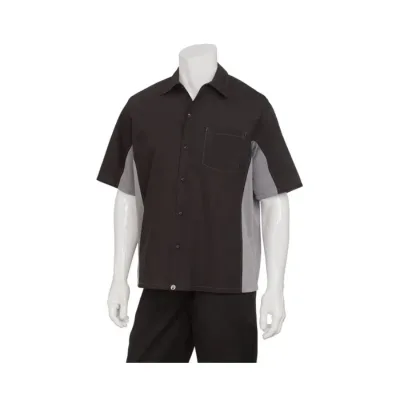
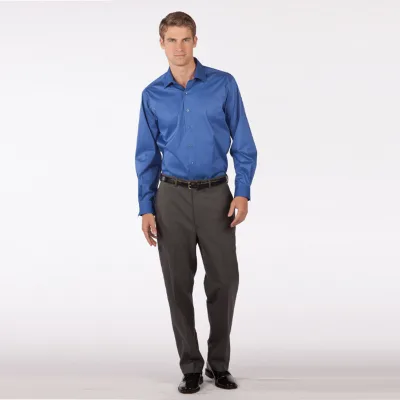
Wholesale Custom Men's Stretch Shirt Waiter Shirts Workwear Work Uniforms Waiter Work Shirts
$7.6901 - $8.497
MOQ: 300 sets

Hanzhou (Guangzhou) Clothing Industry Co., Ltd.
- Verified by SGS
- Combined
- China Guangdong
- Lead time15 days
- Avg. response≤ 4h
Main productsT Shirt, Polo Shirt, Sport Wear, Tank Top and Vest, Outdoor Jacket, Work Uniform and School Uniform, Shirt and Suit, Pants, Down Jacket, Medical Workwear
Main marketsNorth America

OEM Service Custom Bar Maid Restaurant Uniform Waiter Waitress Tee Shirt Polo
$0.86 - $3.90
MOQ: 200 Pieces

Waiter Waitress Uniform Restaurant Hotel Cafe Food Service Wholesale Work Long Sleeve Polo Shirt
$3.90 - $5.90
MOQ: 200 Pieces

$3.88 - $5.68
MOQ: 200 Pieces

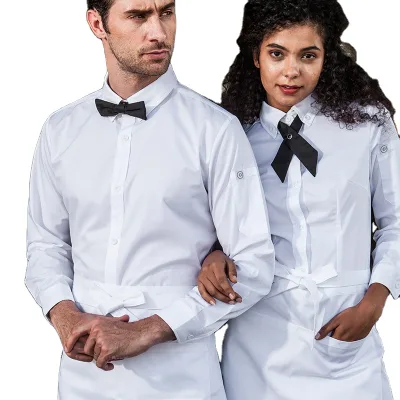
Customized Professiona Unisex Workwear Restaurant Cafe Waiter Long Sleeve Shirts Uniform
$11.50 - $13.00
MOQ: 200 Pieces

Guangdong Mingyang Garment Industry Co., Ltd.
- Verified by BV
- Combined
- China Guangdong
- Lead time23 days
- Avg. response≤ 3h
Main productsGarment, Office Equipment, Bags & Gifts, Sports Fitness and Leisure, Toys, Uniform, Clothing Accessories, Workwear, Jacket, Outdoor Clothing
Main marketsSouth America,Southeast Asia/ Mideast,Europe,Australia

Polo Shirt Catering Staff Work Uniform for Restaurant Waiter Waitress Workwear
$2.30 - $5.30
MOQ: 100 Pieces

Wholesale Unisex Workwear Hotel Restaurant Staff Uniform Shirts for Waiter Waitress
$3.80 - $5.80
MOQ: 100 Pieces

Custom Logo Wholesale Long Sleeve Shirt Waiter Workwear Restaurant Hotel Staff Work Uniform
$6.99 - $8.99
MOQ: 50 Pieces

Customized Logo Hotel Restaurant Staff Workwear Waiter Polo Shirt Work Uniform
$4.99 - $8.99
MOQ: 100 Pieces

Wholesale Custom Logo Long Sleeve Polo Shirt Waiter Uniform Workwear for Restaurant Staff
$4.99 - $8.99
MOQ: 50 Pieces

Customized Long Sleeve Waitress Uniform Work Clothes Polo Shirt for Bar Restaurant
$4.99 - $8.99
MOQ: 50 Pieces
Hubei Xinduo Industry And Trade Co., Ltd.
- Verified by SGS Group
- Manufacturer, Trading Company
- Lead time15 days
- Avg. response≤ 2h
Main productsBaseball Caps, Trucker Hat, Snapback, Bucket Visor And Winter Hat, T-shirt And Polo

Nuolang (Guangdong) Garment Industry Co., Ltd.
- Verified by BV
- Combined
- China Guangdong
- Lead time15 days
- Avg. response≤ 2h
Main productsT-Shirt, Polo Shirt, Shirt, Coverall, Suit, Uniform, Sportswear, Casual Wear
Main marketsSoutheast Asia/ Mideast


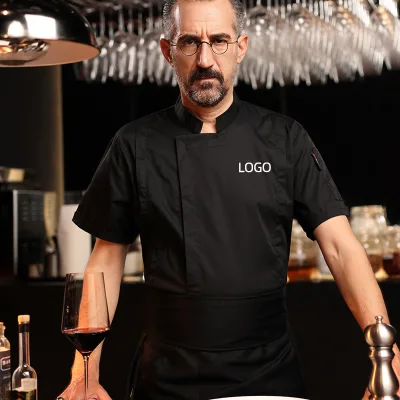
Black Chef and Waiter Uniform Kitchen Restaurant Chef Cook Jackets Work Shirts
$8.00 - $10.00
MOQ: 10 Sets


Guangzhou Jinhui Clothing Co., Ltd.
- Verified by SGS
- Trading Company
- China Guangdong
- Lead time15 days
- Avg. response≤ 4h
Main productsWorkwear, Scholl Uniform, Polo Shirt, Work Uniform, Sport Wear, Security Guard Uniform, Medical Scrub, Hunting Clothes, Tactical Uniform
Main marketsDomestic


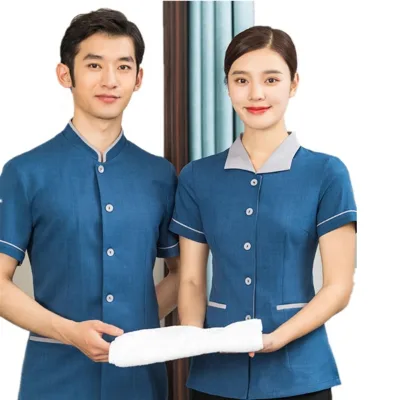
Anti-Stain Short Sleeve Mandarin Collar Uniform Chinese Restaurant Hotel Waiter Workwear
$13.70 - $14.50
MOQ: 50 piece

Customized Hotel Fast Food Restaurant New Design Elegent Waiter Uniform Polo Shirt
$10.50 - $11.20
MOQ: 100 piece

Custom Free Design Soft and Comfortable Chinese Restaurant Waiter Workwear
$11.50 - $12.00
MOQ: 50 piece

Customized Hotel New Design Elegent Chinese Style Waiter Uniform Polo Shirt
$13.70 - $14.50
MOQ: 50 piece
Guangzhou Care Uniform Co., Ltd.
- Verified by SGS Group
- Manufacturer, Trading Company
- Lead time20 days
- Avg. response≤ 5h
Main productsMedical Uniform, Security Uniform, School Uniform, Airline Uniform, Workwear and Work Cargo Pant
Main marketsNorth America(34%), Eastern Asia(20%), Western Europe(20%)

Guangzhou Tianyuan Clothing Co., Ltd
- Verified by SGS
- Combined
- China Guangdong
- Lead time30 days
- Avg. response≤ 2h
Main productsPolo Shirt, Shirt, Suit, T-Shirt, School Uniform, Hooded Sweatshirt, Medical Uniform, Chef's Uniform, Trousers, Work Clothes
Main marketsDomestic


Short Shirt Chef Uniform Unisex Hotel Cook Coat Restaurant Kitchen Wear Waiter Uniform
$6.95 - $8.95
MOQ: 100 Pieces


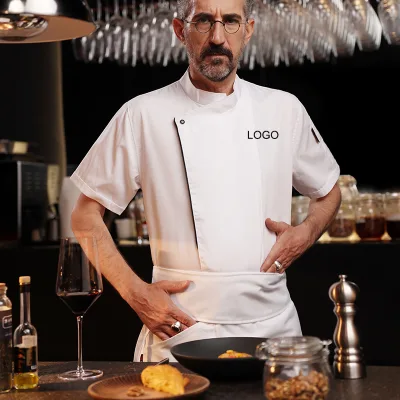
Antibacterial White Chef Shirt Double Pocket Restaurant Operations Durable Finish OEM Options
$6.95 - $8.95
MOQ: 100 Pieces

Premium Cotton Chef Shirt Short Sleeve Hotel Kitchens Stain-Resistant FDA-Listed Materials
$6.95 - $8.95
MOQ: 100 Pieces

Black-Trim Cotton-Blend Chef Shirt Short Sleeve Catering Professionals Easy Clean S-4XL
$6.95 - $8.95
MOQ: 100 Pieces

Guangzhou Colorful Clothing Co., Ltd.
- Verified by SGS
- Combined
- China Guangdong
- Lead time15 days
- Avg. response≤ 4h
Main productsT Shirt, Polo Shirt, Work Uniform, School Uniform, Restaurant Staff Uniform, Security Guard Uniform, Jackets, Pants, Shirts, Hoodies
Main marketsAfrica,Southeast Asia/ Mideast,Australia,North America


Restaurant Hotel Kitchen Cook Waiter Unisex Uniforms Short Sleeve Chef Shirt
$7.99 - $11.59
MOQ: 100 Pieces


Foshan Ron Hospitality Supplies Co., Ltd.
- Manufacturer/Factory,Group Corporation
- China Guangdong
- Lead time23 days
- Avg. response≤ 2h
Main productsRestaurant Furniture, Customized Restaurant Product, Restaurant Table, Restaurant Chair, Restaurant Booth, Cafe Furniture, Bar Furniture, Coffee Shop Furniture, Dinnerware, Glassware
Main marketsSouth America,Eastern Europe,Mid East,North America,Southeast Asia,Eastern Asia,Oceania,Western Europe,Africa

Black T-Shirt Customize Logo Cotton Workwear Uniform Waiter Shirt Hotel Restaurant Waitress
$8.10 - $8.70
MOQ: 10 Pieces


Beijing Duomilai Garments & Attire Co., Ltd.
- Manufacturer, Trading Company
- Beijing, China
- Lead time5 days
- Avg. response≤ 4h
Main productschef uniform, chef apron, chef pants, chef hats
Main marketsDomestic Market(70.00%), Mid East(10.00%), South America(8.00%), Southeast Asia(7.00%), North America(5.00%)
- Trading Company
- Zhejiang, China
- Lead time25 days
- Avg. response≤ 9h
Main productsshirt,T-shirt,fleece,uniforms
Main marketsSouth America(20.00%), North America(20.00%), Eastern Europe(10.00%), South Asia(5.00%), Southern Europe(5.00%), Northern Europe(5.00%), Central America(5.00%), Western Europe(5.00%), Eastern Asia(5.00%), Mid East(5.00%), Oceania(5.00%), Africa(5.00%), Southeast Asia(5.00%)

Lapel Slim Shirt Short Sleeve Staff Uniform Color Blocking Pocket Hotel Restaurant Workwear
$4.8922 - $8.1422
MOQ: 2 pieces
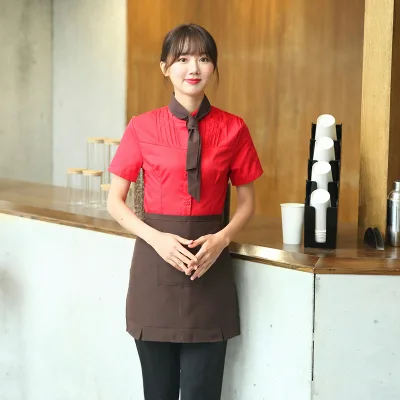

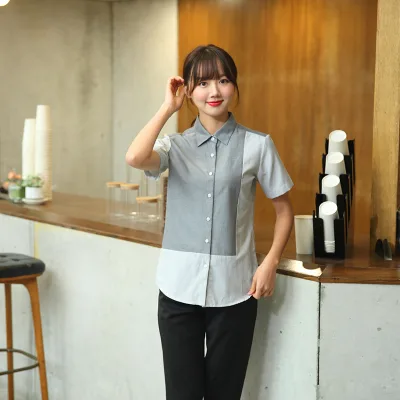

$4.491 - $7.4955
MOQ: 2 pieces


Guangzhou Nolai Garment Co., Ltd.
- Verified by TUVRHEINLAND
- Combined
- China Guangdong
- Lead time30 days
- Avg. response≤ 1h
Main productsT Shirt, School Uniform
Main marketsDomestic

Custom Premium Golf Polo Shirts for Business Man Bank Staff Restaurant Waiter/Waitress Uniforms
$1.98 - $7.98
MOQ: 100 Pieces


Custom Printing Embroidery Logo Restaurant Kitchen Catering Waiter Uniform
$6.35 - $8.65
MOQ: 100 Pieces

LION PROMOTIONAL GIFT CO., LIMITED
- Verified by TUVRHEINLAND
- Trading Company
- China Zhejiang
- Lead time30 days
- Avg. response≤ 25h
Main productsPromotional Gifts, Giveaways, Advertising Gift, Premium Items, Publicity Material, Freebie Items, Marketing Gifts, Campaign Gifts, Promotional Products, China Gifts Supplier
Main marketsAfrica,Europe,North America
Guangzhou Enchi Garment Industry Co., Ltd.
- Verified by TüVRheinland
- Manufacturer, Trading Company
- Lead time30 days
- Avg. response≤ 2h
Main productsUniform, Women's Clothing, Sportswear, Swimwear, Men's Wear
Main marketsNorth America(45%), Oceania(10%), Mid East(10%)
Guangxi Guiping Lidong Sports Goods Co., Ltd.
- Verified by TüVRheinland
- Manufacturer, Trading Company
- Lead time7 days
- Avg. response≤ 3h
Main productsTracksuits, Soccer Wear, Basketball Uniform, Gym Wear, T Shirt
Main marketsDomestic Market(50%), North America(15%), Oceania(10%)
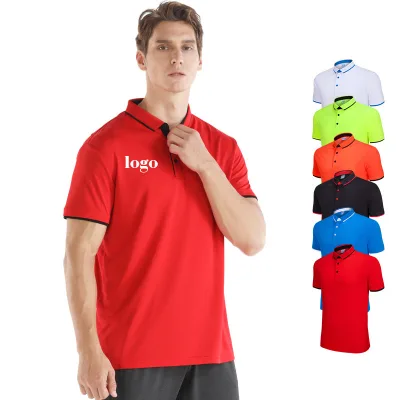
Waiter Workwear Clothes Mens Dining Hot Pot Restaurant Coffee Bar Polo Shirts Customized Work Wear
$5.16 - $7.06
MOQ: 5 pieces
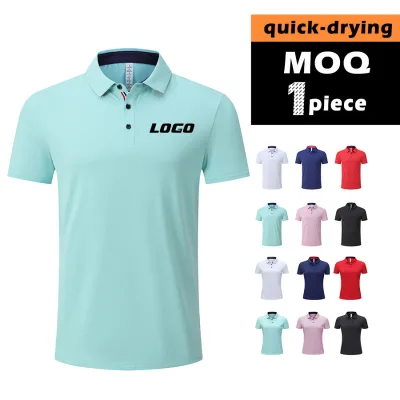
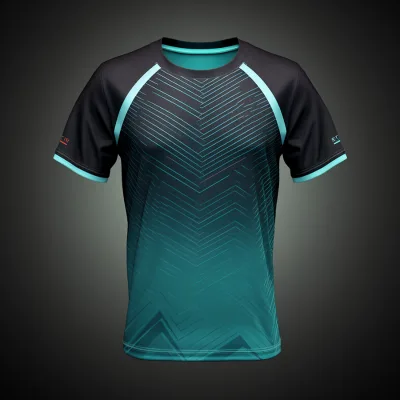
$6.2425 - $8.3233
MOQ: 100 pieces
Guangzhou Weidanglang Clothing Co., Ltd.
- Verified by Intertek
- Trading Company
- Lead time3 days
- Avg. response≤ 5h
Main productsT-shirt, Polo Shirt, Hoodie, Windbreaker Jacket, Vest
Main marketsNorth America(28%), Western Europe(22%), Southeast Asia(13%)

Guangdong Shuangkai Clothing Co., Ltd.
- Verified by BV
- Combined
- China Guangdong
- Lead time15 days
- Avg. response≤ 2h
Main productsWork Uniform, School Uniform
Main marketsDomestic

Breathable, wrinkle-resistant custom embroidered/printed waiter uniforms
$4.20 - $9.20
MOQ: 100 Pieces

restaurant, waiter, receptionist, cleaning, coffee, kitchen staff, work team uniforms
$4.90 - $9.20
MOQ: 100 Pieces
Beijing Tongweisheng Trading Co., Ltd.
- Verified by SGS Group
- Trading Company
- Lead time30 days
- Avg. response≤ 2h
Main productsT Shirt , Safety Shoes, Hoodie, Work Clothing
Main marketsNorth America(25%), South America(25%), Southeast Asia(20%)

Guangzhou Hanguang Fashion Co., Ltd
- Verified by SGS
- Trading Company,Manufacturer/Factory
- China Guangdong
- Lead time23 days
- Avg. response≤ 3h
Main productsSchool Uniform, Work Uniform, Uniform Suit, Work Wear, Scrub Uniform, Hotel Uniform, Security Uniform, Airline Uniform, Corporation Uniform, Hospital Uniform
Main marketsSouth America,Eastern Europe,Mid East,North America,Southeast Asia,Eastern Asia,Oceania,Western Europe,Africa

Comfortable Hotel Receptionist Uniform Waiters Waitress for Hotel Uniform
$10.00 - $15.00
MOQ: 100 Sets


Wuhan TACEAG Garment Co., Ltd.
- Verified by SGS
- Trading Company,Manufacturer/Factory
- China Hubei
- Lead time23 days
- Avg. response≤ 10h
Main productsUniform, Jacket, Shirt, Pants, Shorts, Boots, Gloves, Hat, Belt, Shoes
Main marketsSouth America,Eastern Europe,Mid East,North America,Southeast Asia,Eastern Asia,Oceania,Western Europe,Africa

Shenzhen Feiny Clothing Co., Ltd.
- Manufacturer
- Guangdong, China
- Lead time30 days
- Avg. response≤ 2h
Main productsHospital uniforms,Workwear,Scurb Uniforms,Work shirts,Work pants
Main marketsNorth America(40.00%), South America(20.00%), Africa(10.00%), Southern Europe(5.00%), Northern Europe(5.00%), Western Europe(5.00%), Eastern Asia(5.00%), Mid East(5.00%), Eastern Europe(5.00%)
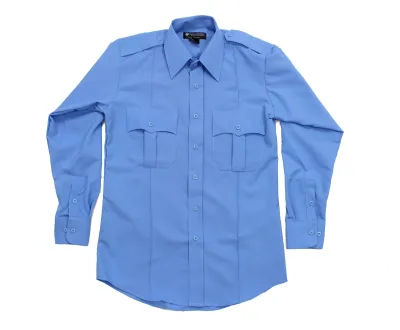
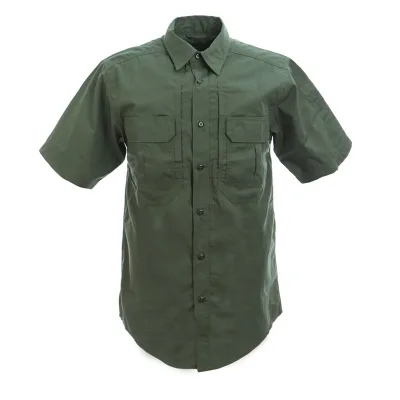
Woodland Short-sleeved Shirt Outdoor Summer Commute Breathable Multi-pocket Shirt
$3.99 - $7.99
MOQ: 300 Minimum

Guangzhou Shengli Clothing Co., Ltd.
- Verified by CTI
- Combined
- China Guangdong
- Lead time60 days
- Avg. response≤ 3h
Main productsSuit, Men Formal Suit, Medical Uniform, School Uniform, T-Shirt, Polo, Sports Apparel, Work Uniforms, Uniform, Hotel Uniform
Main marketsDomestic
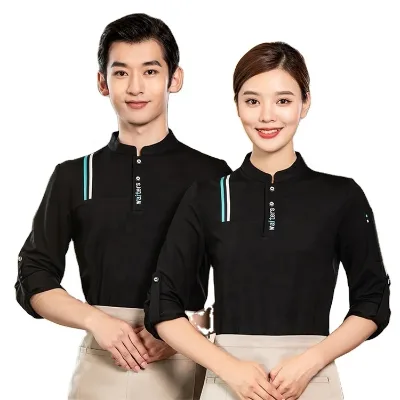


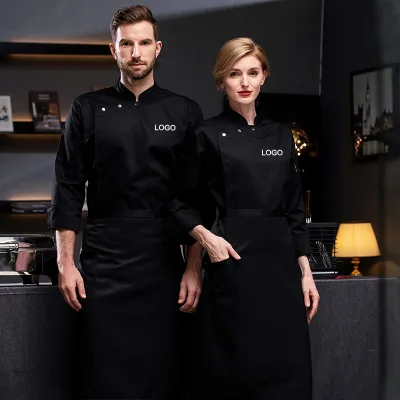
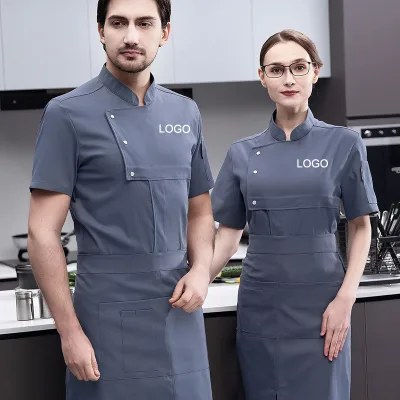
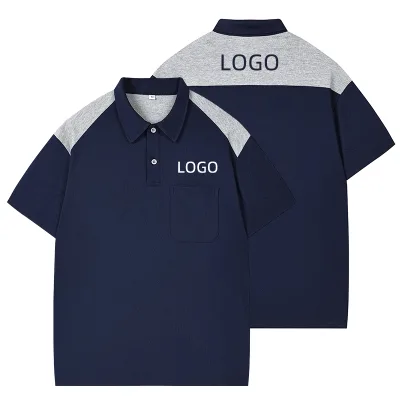
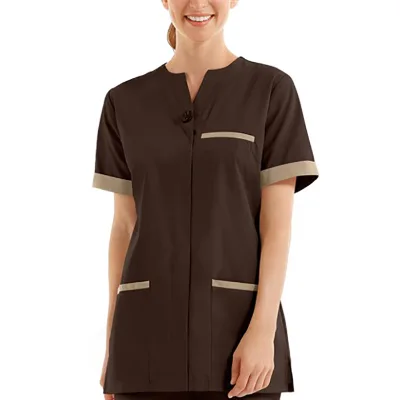


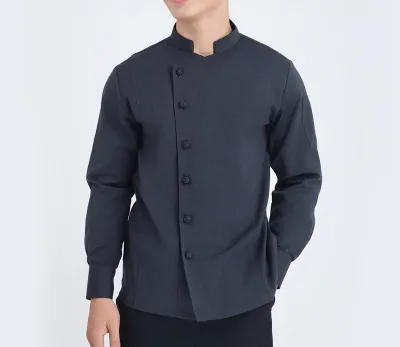
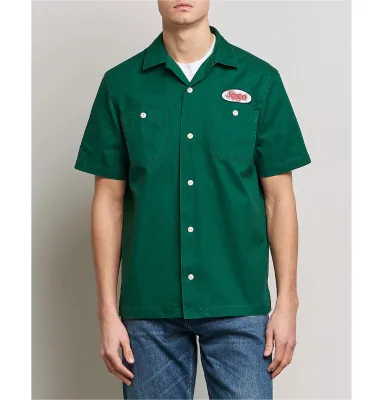
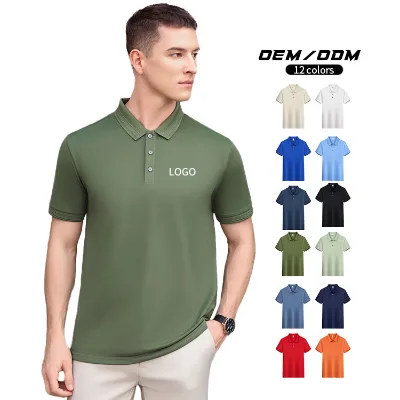
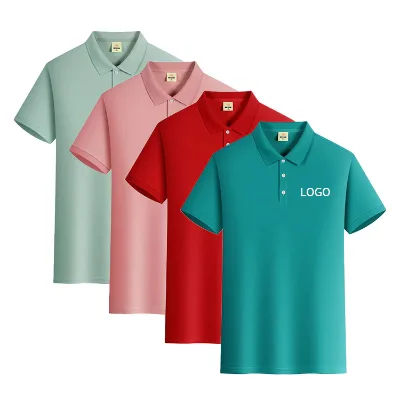


Comprehensive Sourcing Guide
Washable Twill Waiter Shirt Supplier Concentration and Factory Types
The current supplier landscape for washable twill waiter shirts reveals a distinct split between trading companies and direct manufacturers, each offering different advantages for bulk procurement. Evidence indicates that some suppliers operate primarily as trading companies, which often simplifies communication for international buyers but may introduce additional layers in the supply chain. These entities typically aggregate products from various sources, potentially offering a wider variety of styles such as server, waiter, and waitress logos for catering, hotel, restaurant, cafe, pub, and bar environments. In contrast, other suppliers are identified as manufacturers or factories, providing direct control over production processes and quality assurance. These factories often hold specific system certifications like BSCI and ISO 9001, which signal adherence to international management standards. The presence of verification badges from third-party inspection agencies such as CTI and Intertek further distinguishes these manufacturing entities, offering buyers a higher degree of confidence in the supplier’s operational legitimacy. Understanding this dichotomy is crucial for buyers who must decide whether they prioritize the flexibility and breadth of a trading company or the direct oversight and certification rigor of a factory.
Location data provides some insight into where these suppliers are concentrated, with specific results pointing to regions like Jiangsu and Hebei in China. While Jiangsu is noted as a place of origin for certain uniform models, Hebei is also identified as a supplier location, suggesting that manufacturing capabilities for workwear and restaurant uniforms are distributed across multiple industrial hubs rather than being confined to a single cluster. Buyers should not assume that all suppliers are located in one specific area, as the search results show a mix of origins. This geographic diversity can impact logistics and shipping costs, making it essential to verify the exact location of each supplier before committing to an order. The concentration of factories in these regions often correlates with established textile and garment manufacturing infrastructure, which can support the production of durable materials like polyester-cotton blends. However, buyers must verify these locations individually, as the general trend does not guarantee that every supplier offering washable twill shirts is based in these specific provinces. The variation in supplier types and locations underscores the need for careful due diligence to align sourcing decisions with specific project requirements and logistical preferences.
How to Verify Washable Twill Waiter Shirt Suppliers
Verifying the legitimacy and capability of suppliers requires a multi-layered approach that goes beyond simple profile reviews. Buyers should prioritize suppliers who display third-party verification badges, as these indicate that an independent agency has inspected the company’s facilities and business licenses. For instance, some manufacturers in the current results are verified by CTI and Intertek, which are reputable inspection firms. These verifications provide a baseline of trust, confirming that the supplier exists and operates within legal frameworks. Additionally, system certifications such as BSCI and ISO 9001 are critical indicators of a supplier’s commitment to quality management and social compliance. BSCI certification, in particular, is important for buyers concerned with ethical labor practices, while ISO 9001 demonstrates a standardized approach to quality control. Buyers should request copies of these certificates and verify their validity through the issuing bodies. It is also advisable to check the supplier’s response time, as a quick and professional reply often reflects a well-organized sales team. Suppliers with response times under twenty hours, for example, are generally more reliable for urgent inquiries and complex negotiations.
Beyond certifications and verification badges, buyers should scrutinize the specific product details provided in the supplier’s listings. Authentic suppliers often provide comprehensive product attributes, including material composition, model numbers, and packaging details. For example, some listings specify fabrics like polyester-cotton blends or 100% polyester, along with specific model numbers such as YLYS-2021-53 or ZQQ-youbu. These details help buyers assess whether the supplier has actual inventory or production capacity for washable twill shirts. Buyers should also look for evidence of customization capabilities, such as the ability to accept customized logos or specific color options. Suppliers that offer sample orders with short lead times, such as seven days, demonstrate flexibility and readiness to support new business relationships. Furthermore, checking the supplier’s main products can reveal their specialization; a supplier focusing on hospital uniforms, nitrile gloves, and work clothes may have different expertise than one specializing solely in restaurant uniforms. By combining verification badges, certifications, response metrics, and detailed product evidence, buyers can build a robust profile of each potential supplier, reducing the risk of engaging with unreliable partners.
What to Compare Across Washable Twill Waiter Shirt Suppliers
When evaluating multiple suppliers, buyers must compare key operational metrics to determine the best fit for their specific needs. One of the most critical factors is the minimum order quantity (MOQ), which varies significantly across suppliers. Some suppliers offer low MOQs, such as two pieces, which is ideal for small businesses or testing new designs, while others require much larger orders, such as one thousand pieces, which suits large-scale retail operations. Understanding these MOQ differences is essential for budgeting and inventory planning. Additionally, lead times are a crucial comparison point, as they impact the ability to meet seasonal demands or urgent restocking needs. Current data shows that lead times can range from nine days for smaller orders to negotiated terms for larger quantities, with some suppliers indicating zero lead time for in-stock items. Buyers should also compare response times, as faster responses often correlate with better customer service and problem-solving capabilities. Suppliers with response times around eight to twenty hours are generally more accessible for ongoing communication.
Price is another vital dimension for comparison, but it must be analyzed in conjunction with quality and service levels. Price ranges for similar products can vary, with some suppliers offering items between $1.99 and $8.29, while others price similar goods between $2.99 and $8.56. These variations may reflect differences in material quality, such as the use of polyester-spandex blends versus 100% polyester, or differences in customization options. Buyers should also compare the supply type, noting whether items are in-stock or made-to-order, as this affects availability and lead times. Furthermore, the supplier’s location can influence shipping costs and delivery speeds, so comparing suppliers from different regions like Jiangsu or Hebei can help optimize logistics. Buyers should also consider the supplier’s main product focus; a supplier specializing in work clothes and high-visibility wear may offer different durability features compared to one focusing on fashion shirts. By systematically comparing MOQs, lead times, response speeds, prices, supply types, and locations, buyers can make informed decisions that balance cost, quality, and operational efficiency.
Common Washable Twill Waiter Shirt Sourcing Risks
Sourcing washable twill waiter shirts involves several potential risks that buyers must actively manage to ensure a smooth procurement process. One significant risk is the discrepancy between advertised product specifications and the actual goods received. Suppliers may list materials as polyester-cotton blends, but the final product might differ in composition, affecting durability and comfort. Buyers should mitigate this risk by requesting physical samples before placing bulk orders, allowing them to verify fabric quality, stitching, and color accuracy. Another risk is the variability in lead times, which can disrupt supply chains if not properly managed. Some suppliers may quote short lead times for small orders but fail to meet deadlines for larger quantities, leading to stockouts or missed sales opportunities. Buyers should negotiate clear lead time commitments in their contracts and include penalties for delays to protect their interests. Additionally, the risk of poor communication cannot be overlooked, especially when dealing with suppliers in different time zones or language barriers. Slow response times can lead to misunderstandings regarding customization requirements, packaging details, or shipping instructions.
Quality control is another major area of risk, particularly when suppliers lack proper certifications or verification. Without third-party inspections or recognized quality management systems, buyers have no guarantee that the production process adheres to consistent standards. This can result in inconsistent sizing, color fading, or defective stitching, which can damage the buyer’s brand reputation. Buyers should prioritize suppliers with BSCI, ISO 9001, or other relevant certifications to minimize this risk. Furthermore, the risk of intellectual property infringement exists if suppliers use unauthorized logos or designs. Buyers must ensure that their custom logos are handled securely and that suppliers do not share their designs with competitors. Finally, financial risks can arise from unclear payment terms or lack of escrow protection. Buyers should use secure payment methods and verify the supplier’s business credentials before transferring funds. By identifying and addressing these risks through samples, contracts, certifications, and secure payments, buyers can protect their investments and ensure a successful sourcing experience.
Washable Twill Waiter Shirt Regional Sourcing and Logistics
Regional sourcing plays a pivotal role in determining the overall cost and efficiency of procuring washable twill waiter shirts. Suppliers located in different regions of China, such as Jiangsu and Hebei, offer distinct logistical advantages and challenges. Jiangsu is known for its robust textile industry, which can support high-quality fabric production and efficient manufacturing processes. Suppliers in this region may offer faster turnaround times for fabric-based products due to proximity to raw material sources. On the other hand, Hebei is also identified as a supplier location, suggesting a diverse manufacturing base that may offer competitive pricing due to lower operational costs. Buyers should consider the specific location of each supplier when calculating total landed costs, as shipping fees and transit times can vary significantly. For instance, suppliers closer to major ports may offer more favorable shipping rates and faster delivery times to international destinations.
Logistics planning must also account for the supplier’s packaging and handling capabilities, which can impact the condition of the goods during transit. Some suppliers use simple packaging like OPP bags, which may require additional protection for long-distance shipping. Buyers should discuss packaging requirements with suppliers to ensure that the shirts arrive in pristine condition. Additionally, the supplier’s ability to handle customs documentation and export compliance is crucial for smooth international shipping. Buyers should verify that suppliers are experienced in exporting to their target markets and can provide necessary documentation such as commercial invoices and packing lists. Understanding the regional strengths of different supplier locations allows buyers to optimize their supply chain, balancing cost, speed, and quality. By carefully selecting suppliers based on their geographic advantages and logistical capabilities, buyers can enhance the efficiency and reliability of their sourcing operations.
Washable Twill Waiter Shirt Commercial Terms and Order Planning
Effective order planning for washable twill waiter shirts requires a thorough understanding of commercial terms and supplier capabilities. Buyers must carefully review the supplier’s pricing structure, which may vary based on order volume, customization requirements, and material choices. Some suppliers offer tiered pricing, where larger orders result in lower unit costs, while others maintain fixed prices regardless of quantity. Understanding these pricing models helps buyers forecast costs accurately and negotiate better deals. Additionally, buyers should clarify the payment terms, including deposit requirements, balance payment schedules, and accepted payment methods. Suppliers may require a deposit before production begins, with the balance due before shipment. Buyers should ensure that these terms are clearly stated in the contract to avoid disputes. Furthermore, the supplier’s return and refund policies should be reviewed to understand the recourse available in case of quality issues or delivery failures.
Order planning also involves coordinating with the supplier on production schedules and delivery timelines. Buyers should provide detailed specifications, including size charts, color codes, and logo placements, to ensure accurate production. Suppliers with customization capabilities, such as accepting customized logos, can help buyers create unique and branded uniforms. Buyers should also discuss the sample approval process, as samples are crucial for verifying quality before bulk production. Some suppliers offer seven-day sample lead times, which can accelerate the approval process. Additionally, buyers should plan for potential delays by building buffer time into their inventory management systems. By aligning commercial terms with operational needs and
FAQs
What is the typical lead time for custom waiter shirts?
Production lead time is generally 9 days for orders between 1 and 200 units. For larger quantities exceeding 200 pieces, the timeline is negotiated directly with the supplier. Sample orders can be prepared within 7 days, allowing for quick approval before bulk manufacturing begins.
What materials are used for restaurant uniform shirts?
Common fabrics include polyester blends, such as 65% polyester and 35% cotton, for durability and breathability. Some options use 100% polyester or polyester-spandex mixes for stretch and comfort. These materials are selected to ensure the shirts remain washable, anti-static, and suitable for high-traffic service environments.
What is the minimum order quantity for custom uniforms?
Minimum order quantities vary by supplier and product type. Some suppliers accept orders as low as 2 pieces for in-stock items, while others require a minimum of 1000 units for custom manufacturing. Buyers should verify specific MOQ requirements with the supplier before placing an order to ensure alignment.
Are these shirts suitable for hot summer environments?
Yes, many options are designed for summer use with breathable and lightweight fabrics. Features like moisture-wicking properties and anti-static treatments help maintain comfort during long shifts. The materials are often chosen for their ability to withstand frequent washing while retaining their shape and color in warm conditions.
Can I customize the logo and color of the shirts?
Most suppliers offer customization services, including adding your company logo and selecting specific colors. Options typically include black, navy, red, and various shades of gray or blue. Buyers should confirm the customization process, including any additional costs or design file requirements, directly with the manufacturer.
What certifications do the uniform suppliers hold?
Verified suppliers may hold certifications such as BSCI and ISO 9001 for quality management. Some also possess CE or General Certificate of Conformity for specific product standards. Buyers should request current certification documents to ensure the supplier meets international compliance and ethical manufacturing requirements for their specific needs.