Washable Boys Girls Kids Hoodie Suppliers and Manufacturers
Source 24 verified suppliers for Washable Boys Girls Kids Hoodie products. Compare key dimensions including location, lead time, MOQ, and response time to find the right partner. Review product specifications and pricing details to make an informed sourcing decision today.
Suppliers List

Shijiazhuang Cool Apparel Co., Ltd.
- Verified by BV
- Combined
- China Hebei
- Lead time23 days
- Avg. response≤ 5h
Main productsBaby Cloth, Baby Romper, Baby Bib, Baby Onesie, Baby Pajamas, T-Shirts, Polo Shirts, Pajamas, Baby Sleeping Bag, Baby Hats
Main marketsSouth America,Africa,Southeast Asia/ Mideast,East Asia(Japan/ South Korea),Domestic,Europe,Australia,North America

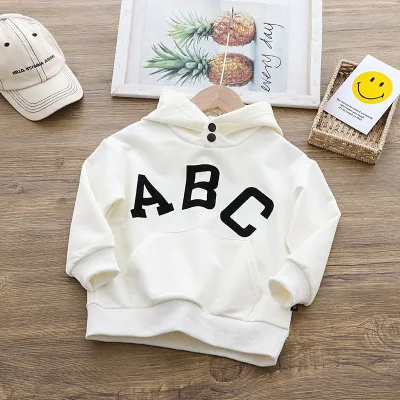
Kids Cotton Plain Hoodie Pullover Sweatshirt Cotton Children Boys Girls Hoodies
$3.35 - $3.79
MOQ: 50 pc


- Verified by CTI
- Trading Company
- China Anhui
- Lead time23 days
- Avg. response≤ 1h
Main productsFurniture, Home Furniture
Main marketsSoutheast Asia/ Mideast


Children's Blank Sports Hoodie Children's Boys and Girls' Cotton Hoodie
$0.50 - $20.00
MOQ: 200 Pieces


Shanghai Easun Group Imp & Exp Co., Ltd.
- Verified by BV
- Trading Company
- China Shanghai
- Lead time15 days
- Avg. response≤ 18h
Main productsHoodies, Pajamas, T-Shirt, Bath Robe, Sleepwear, Polo Shirts, Safety Shoes
Main marketsAfrica


Baby Tracksuits Children Sweatsuits Custom Kids Tracksuits Hoodie for Kids
$3.00 - $7.50
MOQ: 300 Pieces

XIAMEN TOPSUN APPAREL CO., LTD.
- Verified by TUVRHEINLAND
- Trading Company,Manufacturer/Factory
- China Fujian
- Lead time60 days
- Avg. response≤ 10h
Main productsJacket, Sport Wear, Swimwear, Workwear, Trouser, Casual Wear, Sweatshirt, T Shirt, Jogging Suit, Yoga Wear
Main marketsSouth America,Eastern Europe,Mid East,North America,Southeast Asia,Eastern Asia,Oceania,Western Europe,Africa

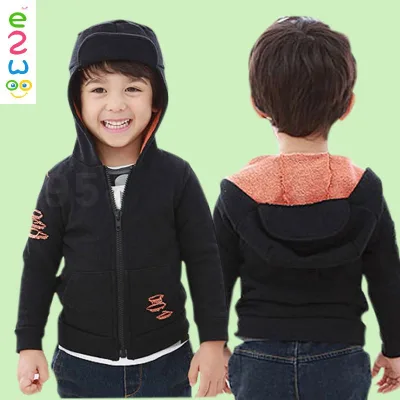
Autumn Children Boy Print Custom Hoodies Kids Zipper Sweatershirts Hoodies
$5.00 - $7.00
MOQ: 1000 PCS


Autumn Boys Long Sleeve Spell Color Hooded Pullover Children Cotton Sweatshirts Kids Hoodies
$3.52 - $4.25
MOQ: 1000 PCS

Wholesale Fashion Kid Hoodies Fashion Cartoon Printed Hoodie Boys Girls Unisex Children Hoodie
$3.50 - $5.00
MOQ: 1000 PCS


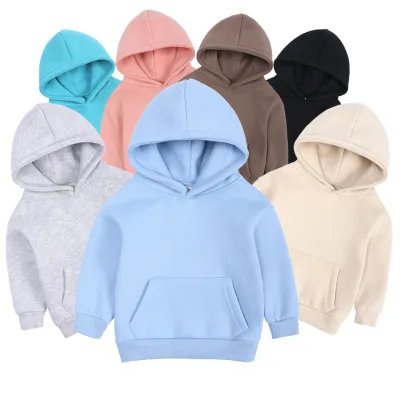
Custom Printed Children Solid Color Hoody Sweatshirts Girls Long Sleeve Plain Cotton Hoodies
$5.00 - $6.00
MOQ: 1500 PCS

Guangdong Mingyang Garment Industry Co., Ltd.
- Verified by BV
- Combined
- China Guangdong
- Lead time23 days
- Avg. response≤ 3h
Main productsGarment, Office Equipment, Bags & Gifts, Sports Fitness and Leisure, Toys, Uniform, Clothing Accessories, Workwear, Jacket, Outdoor Clothing
Main marketsSouth America,Southeast Asia/ Mideast,Europe,Australia

Kids Wear Children Hoodie Sweatshirt Health Cotton Child Garment Clothes
$2.99 - $4.99
MOQ: 100 Pieces

Skin-Friendly Children Clothes Hoodies Sweatshirt Kids Wear Clothing Apparel Accept Print Logo
$2.99 - $4.99
MOQ: 100 Pieces


Children Clothing Winter Pullover Hoodie for Kids Wear Accept Logo Embroidery Sweatshirt Clothes
$2.99 - $4.99
MOQ: 100 Pieces

Custom Logo Design Kids Wear Children Clothing Long Sleeve Shirt Hoodie Sweatshirt for Student
$3.99 - $5.99
MOQ: 50 Pieces

Custom Design Drop Shoulder Kids Wear Children Clothes Pullover Hoodie Factory
$2.20 - $5.20
MOQ: 50 Pieces

Shanghai Hexuan Baby Products Co., Ltd.
- Verified by SGS
- Trading Company
- China Shanghai
- Lead time15 days
- Avg. response≤ 6h
Main productsBaby Wear Baby Cloth Diaper Bibs Baby Rompers
Main marketsSouth America,Africa,Southeast Asia/ Mideast,East Asia(Japan/ South Korea),Europe,Australia,North America


Kids 100% Cotton Crew Neck Sweatshirts Wholesale Boys Pullover Sweatshirt
$3.00 - $3.50
MOQ: 10 Pieces

Quanzhou Yilijia International Trade Co., Ltd.
- Verified by CTI
- Trading Company,Manufacturer/Factory
- China Fujian
- Lead time45 days
- Avg. response≤ 4h
Main productsKids Clothes, Baby Clothes, Sports Shoes, Gym Clothes, Baby Accessories, Fitness Equipment, Sport Wear
Main marketsSouth America,Eastern Europe,Mid East,North America,Southeast Asia,Eastern Asia,Oceania,Western Europe,Africa


Boy Hoodie Organic Clothes Fleece Hoodie Kid Collection Black Sweatshirts Kids Pullovers
$3.60 - $4.00
MOQ: 20 piece

Baby Kids Boys Girls Spring Fall Children Sport Hoodie with Pocket Hooded Jacket
$3.80 - $4.30
MOQ: 10 piece

$4.50 - $5.10
MOQ: 10 piece


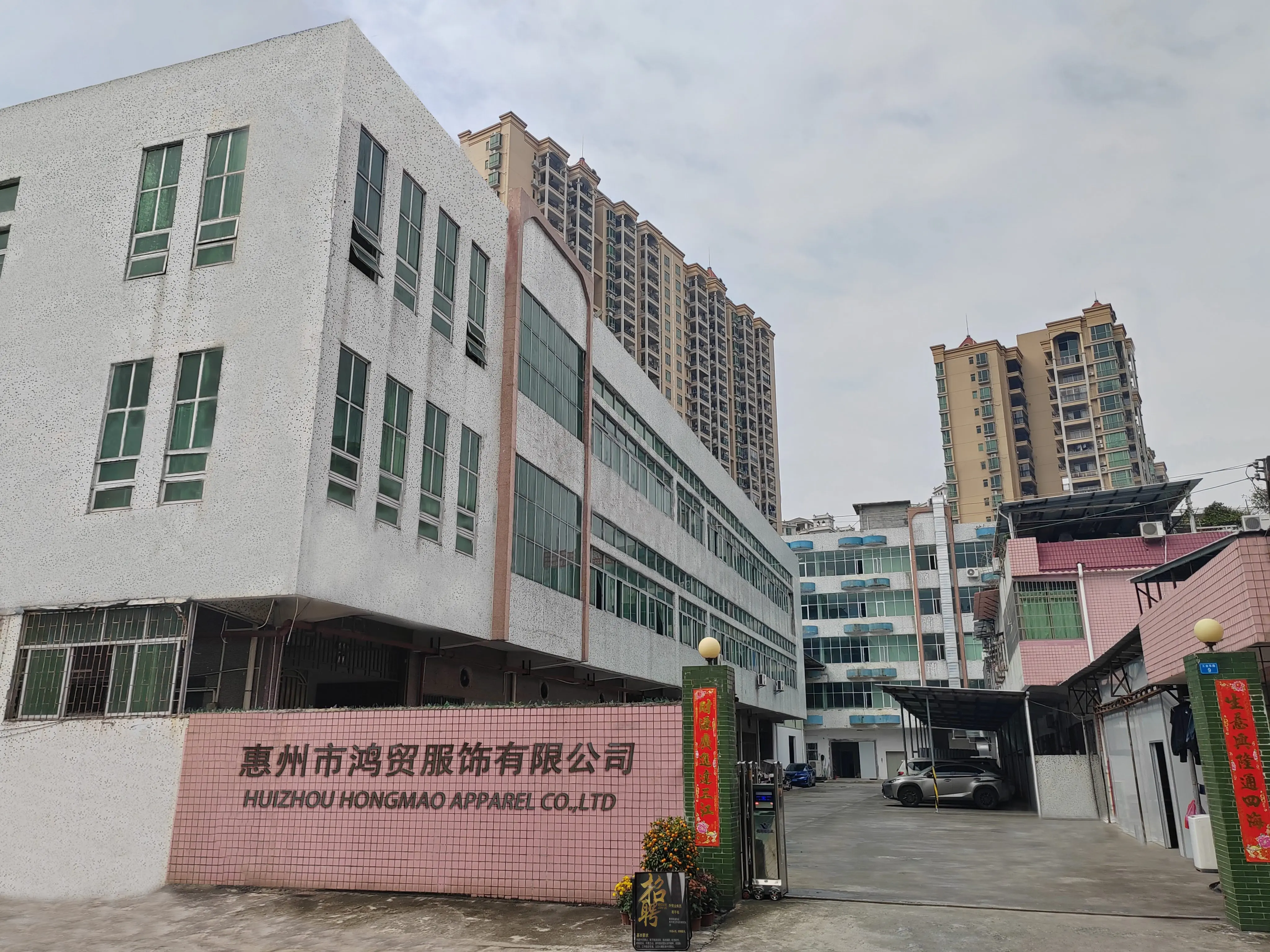
Huizhou Hongmao Apparel Co., Ltd.
- Manufacturer, Trading Company
- Guangdong, China
- Lead time30 days
- Avg. response≤ 6h
Main productsbaby Clothing,kids Clothing,Toddler Clothing,kids dresses,Children's pajamas
Main marketsNorth America(27.0%), Oceania(20.0%), Eastern Europe(19.0%), Western Europe(14.000000000000002%), Southeast Asia(6.0%), Eastern Asia(4.0%), South America(4.0%), Southern Europe(2.0%), Domestic Market(1.0%), South Asia(1.0%), Mid East(1.0%), Northern Europe(1.0%)
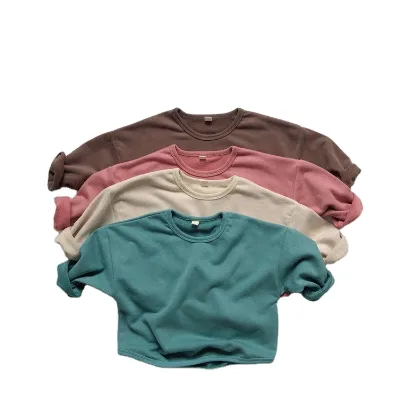
$6.99 - $8.54
MOQ: 50 pieces
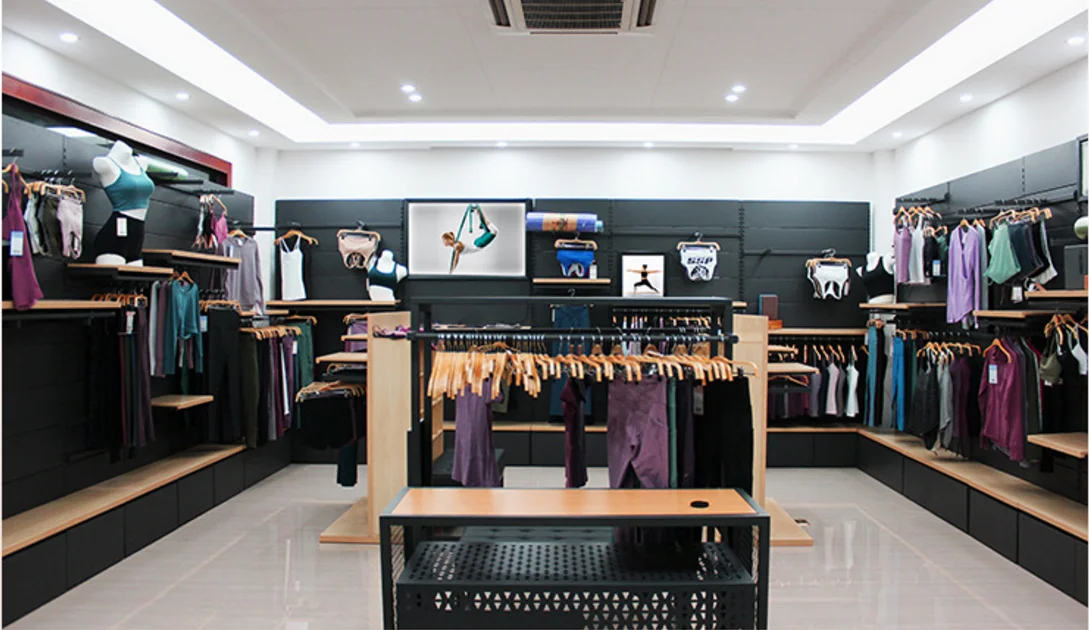
Dongguan Jie Chang Garment Co., Ltd.
- Manufacturer, Trading Company
- Guangdong, China
- Lead time0 days
- Avg. response≤ 4h
Main productsgym wear,sportswear,casual wear,kidwear,sleepwear
Main marketsNorth America(25.0%), Northern Europe(20.0%), South America(10.0%), Central America(10.0%), Western Europe(10.0%), Oceania(10.0%), Eastern Europe(10.0%), Southern Europe(5.0%)
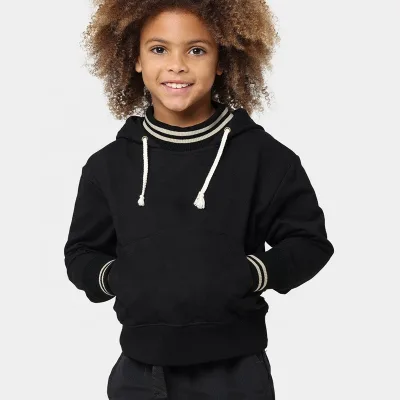
OEM Color Block Cuff Hoodie Youth Baby Boy Pullover Kids Children Cotton Fleece Hoodies
$6.42 - $9.93
MOQ: 100 pieces
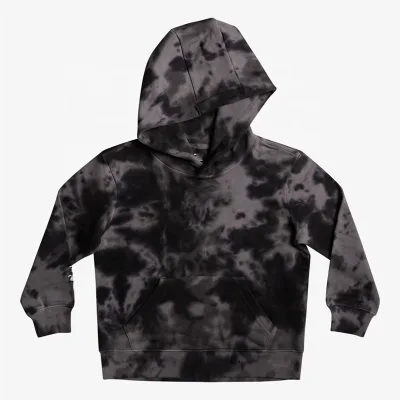
$5.62 - $8.68
MOQ: 100 pieces

Jiaxing Qijia Imp&Exp Co., Ltd
- Verified by SGS
- Trading Company
- China Zhejiang
- Lead time60 days
- Avg. response≤ 1h
Main productsDress, Blouse, Sweater, Knitwear, Pants, Woven, Pullover, Jumper
Main marketsEurope,North America

Kids Girls Clothing Soft Sports Casual Cute Long Sleeve Sweatshirt Children's Hoodie
$7.29 - $7.99
MOQ: 300 Pieces


Customized Children's Clothes Casual Plush Sweatshirt Embroidered Hoodie for Kids Girls
$7.29 - $7.99
MOQ: 300 Pieces

Girls' Sweatshirt Spring Cartoon Cotton Pullover Children's Hoodie New Style Kids Wear
$7.29 - $7.99
MOQ: 300 Pieces

Huzhou Xufeng Maternal And Child Products Co., Ltd.
- Verified by Intertek
- Manufacturer, Trading Company
- Zhejiang, China
- Lead time0 days
- Avg. response≤ 8h
Main productsKid Clothes
Main marketsNorth America(30%), Southeast Asia(30%), Oceania(20%)
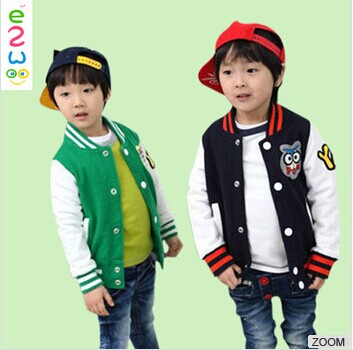
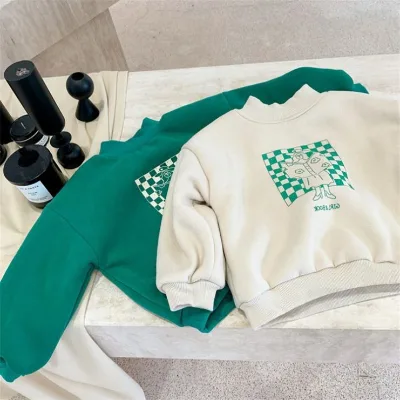
$9.19 - $10.36
MOQ: 100 pieces
Zhuhai Yi Zhen Industrial Co., Ltd.
- Verified by TüVRheinland
- Manufacturer, Trading Company
- Lead time7 days
Main productsBaby Clothes, Kid Clothing, Adult Pajama
Main marketsNorth America(60%), Oceania(20%), Eastern Europe(5%)
Huzhou Zhili Jingcheng Apparel Co., Ltd.
- Verified by Intertek
- Manufacturer, Trading Company
- Lead time0 days
- Avg. response≤ 4h
Main productsKid Clothes
Main marketsMid East(45%), Africa(30%), North America(15%)
Nanchang Jiakai Clothing Co., Ltd.
- Verified by TüVRheinland
- Manufacturer, Trading Company
- Lead time35 days
Main productsApparel
Main marketsNorth America(80%), Western Europe(10%), South America(2%)
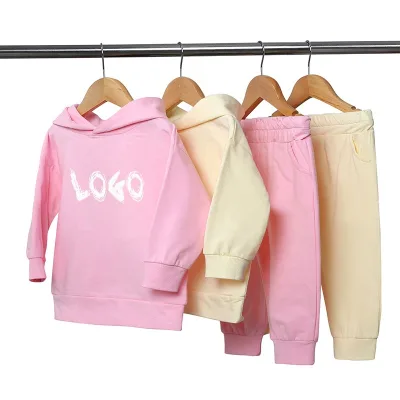
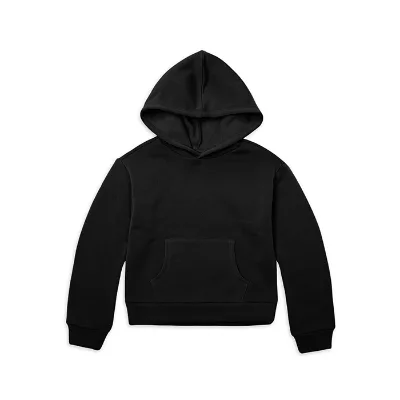
Wholesale Custom Embroidered Printing Cotton Heavyweight Blank Unisex Hoodies for Kids
$5.90 - $11.99
MOQ: 60 pieces
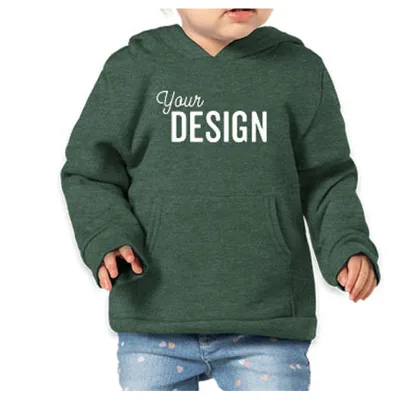

Guangzhou RJ Clothing Co., Ltd.
- Verified by SGS
- Trading Company
- China Guangdong
- Lead time15 days
- Avg. response≤ 2h
Main productsT-Shirt, Sportwears, Hoodie, Men Women Gym Wear, Fitness Wear, Joggers, Shorts, Sports Bra, Leggings, Yoga Wear
Main marketsEurope,North America

Wholesale 2022 Girl Fleece Sweatshirt Custom Printing Boys Kids Baby Hoodie
$4.00 - $10.00
MOQ: 30 Pieces

Fashion Thick Warm Boys Girls Pullover Oversized Plain Baby Hoodies & Sweatshirts
$4.00 - $10.00
MOQ: 30 Pieces

Good Quality Low Price 100%Polyester Casual Boy Girls Hoody Pullover Kids Children Hoodie
$4.00 - $10.00
MOQ: 30 Pieces

Foshan Sovel Wei Uniforms Co., Ltd
- Verified by SGS
- Trading Company
- China Guangdong
- Lead time15 days
- Avg. response≤ 3h
Main productsSchool Uniforms, Work Uniforms, Formal Dress Shirts, Men's Suits, Pleated Skirts, School Shirts, School Pants, School Tracksuits, School Blazers, Sportswear
Main marketsSoutheast Asia/ Mideast

95% Cotton 5% Spandex Boys and Girls Hooded Sweatshirt Students Sport Hoodie
$7.50 - $8.50
MOQ: 200 pieces

Hot Selling Winter Children Hoodie for High Middle Primary School Children
$8.50 - $9.30
MOQ: 200 pieces
Shanghai Jingzhi Apparel Co., Ltd.
- Manufacturer, Trading Company
- Lead time旺季: "1 - 5":2,"6 - 50":4,"51 - 1000":11,"> 1000":"To be negotiated", 淡季: "1 - 5":2,"6 - 50":4,"51 - 1000":11,"> 1000":"To be negotiated"
- Avg. response≤ 5h
Main productsKid Clothes
Huzhou Jinxi Garment Co., Ltd.
- Trading Company
- Zhejiang, China
- Lead time0 days
- Avg. response≤ 18h
Main productsbaby wear,children's wear,traditional clothing
Main marketsNorth America(30.0%), Eastern Europe(20.0%), Southeast Asia(20.0%), Mid East(20.0%), South America(10.0%)
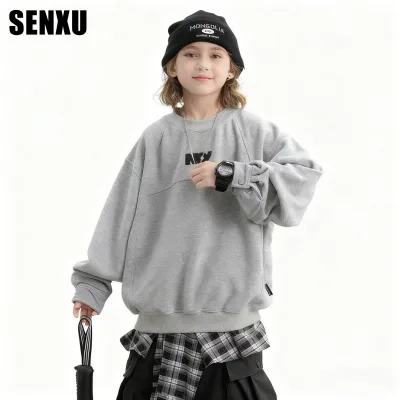
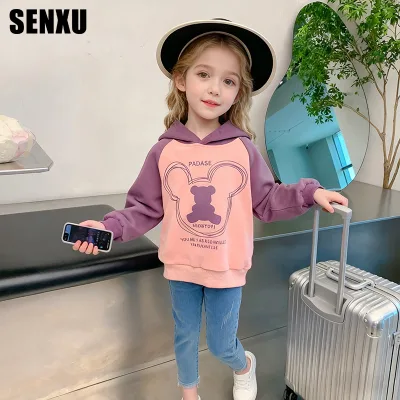
Toddler Girls' Spring Hoodie Sweatshirt with Custom Print and Breathable Design
$7.66 - $9.19
MOQ: 10 pieces
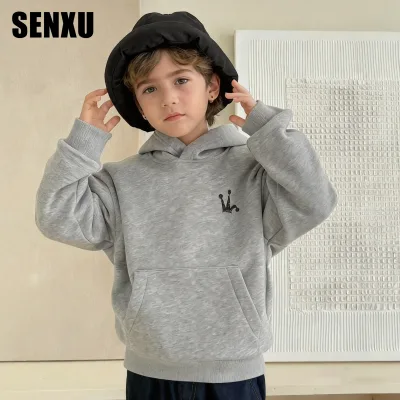
Boys Winter Top Hoodie with Fleece Comfortable Sweatshirt
$10.95 - $13.14
Gaomi Jia He Yuan Garments Co., Ltd.
- Verified by SGS Group
- Manufacturer, Trading Company
- Lead time15 days
- Avg. response≤ 2h
Main productsHoodies and Sweatshirts, T-shirt, Pants and Shorts, Tracksuit Set, Yoga and Activewear
Main marketsNorth America(50%), Western Europe(35%), Oceania(3%)

Wujiang Hailihong Textile Co., Ltd.
- Verified by CTI
- Combined
- China Jiangsu
- Lead time15 days
- Avg. response≤ 9h
Main productsKnitted Textiles, Chemical Fibers, Home Textiles, Clothing and Accessories, Swim Trunks, T-Shirt, Hawaiian Shirt, Beach Pants, Bikini, Hoodie
Main marketsAfrica,Southeast Asia/ Mideast,East Asia(Japan/ South Korea),Domestic,Europe,Australia,North America

Tong Lu Spring River Knitting Group Co., Ltd.
- Verified by BV
- Manufacturer/Factory
- China Zhejiang
- Lead time60 days
- Avg. response≤ 25h
Main productsSweater, Cashmere Cardigan, Cashmere Sweater, Knitwear, Merino Sweater, Knitted Pullover, Kid Sweater, Wool Sweater, Women Sweater, Men Sweater
Main marketsEastern Europe,Mid East,North America,Eastern Asia,Western Europe
Quanzhou BKD Kids Wear Co., Ltd.
- Verified by Intertek
- Manufacturer, Trading Company
- Lead time45 days
- Avg. response≤ 5h
Main productsBaby Romper, Baby Bodysuit, Girl's Clothing, Baby Clothing Sets , Other Leisurewear
Main marketsNorth America(60%), Southeast Asia(16%), Oceania(12%)

Henan Feishuai Import and Export Trading Co., Ltd.
- Trading Company
- China Henan
- Lead time15 days
- Avg. response≤ 8h
Main productsBaby Clothing, Toddler Clothing, Children's Clothing, Kids Clothing, Baby Shoes, Baby Socks, Headwear, Girls' Clothing
Main marketsSouth America,Eastern Europe,Mid East,North America,Southeast Asia,Eastern Asia,Oceania,Western Europe,Africa

$3.00 - $5.80
MOQ: 100 Pieces

New Knitted Hoodies for Children in Spring and Autumn Trendy Casual Hoodies for Boys and Girls
$3.00 - $5.80
MOQ: 100 Pieces

Boys and Girls Long Sleeve Autumn/Winter New Cotton Children's Autumn/Winter Hoodie Top
$3.00 - $5.80
MOQ: 100 Pieces


$3.00 - $5.80
MOQ: 100 Pieces

Sungnan Import & Export Co., Ltd.
- Verified by TUVRHEINLAND
- Combined
- China Zhejiang
- Lead time30 days
- Avg. response≤ 7h
Main productsScarf, Socks, China Scarf, Leggings, Hats, Bags, Gloves
Main marketsNorth America




Comprehensive Sourcing Guide
Washable Boys Girls Kids Hoodie Supplier Concentration and Factory Types
Current data indicates that active suppliers for Washable Boys Girls Kids Hoodie products are concentrated in specific Chinese provinces, with Hebei and Anhui emerging as notable manufacturing hubs. In Hebei, suppliers often operate as combined entities capable of handling both Original Design Manufacturing and Original Equipment Manufacturing, suggesting a flexible production environment suitable for varied order sizes. These facilities frequently list main products including baby rompers, onesies, and various hoodies, indicating a specialized focus on children's apparel. The presence of combined company types in this region suggests an integrated supply chain where design and production capabilities coexist, potentially streamlining the development of custom tracksuits and hoodies for the youth market.
In contrast, suppliers located in Anhui may present different operational profiles, such as trading companies that focus on furniture and home goods but also source children's clothing. This distinction is critical because trading companies might offer broader product ranges but could have different lead times or quality control mechanisms compared to direct factories. When evaluating the concentration of these suppliers, buyers should look for evidence of specific product attributes like cotton blends, fleece materials, or bamboo fiber compositions, which are explicitly mentioned in product specifications. Identifying whether a supplier is a factory or a trading company helps determine the depth of their technical expertise and their ability to manage complex customization requests for washable hoodies.
How to Verify Washable Boys Girls Kids Hoodie Suppliers
Verification of suppliers for Washable Boys Girls Kids Hoodie products relies heavily on third-party audit reports and specific verification badges rather than self-declared claims. Some suppliers in the current results display BV verification status, which serves as a tangible indicator of a factory's operational legitimacy and compliance with international standards. This verification is a crucial first step before engaging in detailed negotiations, as it confirms that the entity has undergone an external assessment of its business practices. Buyers should prioritize suppliers with such verified status to mitigate the risk of dealing with unregistered or non-compliant entities, ensuring a baseline of trust in the supply chain.
Beyond verification badges, buyers must scrutinize the specific product attributes and certifications listed in the supplier's catalog to ensure they match the intended use of the washable hoodies. While some suppliers list system certifications as NIL, others may provide detailed product standards such as cotton or cotton with fleece compositions, which are essential for children's wear safety. The absence of a specific certification does not automatically disqualify a supplier, but it necessitates a deeper inquiry into their quality control processes. Buyers should request evidence of material testing or compliance with specific safety standards for children's clothing, as the product evidence often highlights materials like bamboo fiber or cotton blends that require specific care and safety assurances.
What to Compare Across Washable Boys Girls Kids Hoodie Suppliers
When comparing suppliers, the minimum order quantity (MOQ) is a primary differentiator that significantly impacts procurement strategy and inventory management. Current data reveals a wide range of MOQs, with some suppliers requiring as few as 50 pieces for specific hoodie models, while others demand orders of 10,000 pieces for customized items. This variance suggests that buyers must align their order volume with the supplier's capacity and policy; smaller MOQs are ideal for testing new designs or managing limited budgets, whereas higher MOQs may be necessary for securing lower unit prices or accessing specific production lines. Understanding these thresholds is essential for planning the initial order and subsequent reorders without overstocking or underutilizing production capacity.
Lead times and response speeds are equally critical metrics for comparing supplier reliability and operational efficiency. Response times vary significantly, with some suppliers showing a response time of 0.62, while others may take longer to engage, potentially affecting the speed of the sourcing process. Lead times for production can also differ, with some suppliers indicating a 23-day turnaround for standard orders. Buyers should compare these metrics against their own timeline requirements to ensure that the supplier can meet delivery deadlines. Additionally, comparing the range of main products offered, such as baby rompers versus specialized tracksuits, helps determine if a supplier has the specific expertise required for the Washable Boys Girls Kids Hoodie category, ensuring a better match for the buyer's specific product needs.
Common Washable Boys Girls Kids Hoodie Sourcing Risks
One significant risk in sourcing washable boys girls kids hoodies involves the discrepancy between claimed customization capabilities and actual production feasibility. While many suppliers list customization as available, the specific requirements for age groups, sizes, and collar styles must be clearly defined to avoid production errors. For instance, a supplier might offer customization for a 7-10-year-old age group with a round neck, but the buyer must verify if the factory has the specific tooling and patterns for these dimensions. Relying solely on the "Available" label without confirming the technical details can lead to mismatched products that do not meet the target demographic's needs, resulting in wasted resources and delayed shipments.
Another critical risk is the inconsistency in material standards and product origins, which can affect the quality and safety of the final garment. Although some product evidence specifies materials like cotton or bamboo fiber, others may list standards as "customized" without providing detailed composition data. This ambiguity can lead to the receipt of products that do not meet the expected washability or durability standards required for children's clothing. Buyers must verify the origin of the materials and ensure that the production standards align with international safety regulations. Failing to confirm these details can result in products that are not suitable for the intended market, potentially leading to returns or reputational damage for the buyer.
Washable Boys Girls Kids Hoodie Regional Sourcing and Logistics
Regional sourcing strategies for washable boys girls kids hoodies must account for the specific locations of manufacturing hubs, such as Hebei and Anhui, which influence logistics and shipping costs. Suppliers in Hebei are often positioned to handle combined manufacturing tasks, potentially offering more streamlined logistics for bulk orders of children's apparel. In contrast, suppliers in Anhui might have different logistical advantages depending on their proximity to ports or transportation networks. Buyers should evaluate the location of the supplier relative to their own distribution centers to minimize shipping times and costs, as the distance can significantly impact the overall lead time and final landed cost of the products.
Logistics planning also requires an understanding of the packaging standards and shipping methods employed by different suppliers. Product evidence indicates that some suppliers use specific packing methods, such as 1 piece per OPP bag and 200 pieces per carton, which affects how goods are loaded and shipped. Buyers must ensure that the packaging is robust enough to protect the hoodies during transit, especially for items made from materials like fleece or bamboo fiber that may be sensitive to compression. Additionally, verifying the origin of the products, such as China, is essential for customs clearance and tariff calculations. A clear understanding of these regional and logistical factors helps buyers optimize their supply chain and avoid unexpected delays or additional costs.
Washable Boys Girls Kids Hoodie Commercial Terms and Order Planning
Commercial terms for washable boys girls kids hoodies vary widely, particularly regarding pricing structures and payment conditions. Current data shows price ranges from as low as $0.50 to as high as $20.00 per unit, depending on the material, customization level, and order volume. Buyers must carefully analyze these price points to determine the most cost-effective option for their specific needs, considering that lower prices often correlate with higher minimum order quantities. Understanding the price range helps in budgeting and negotiating effectively, ensuring that the final cost aligns with the target retail price while maintaining a healthy profit margin.
Order planning must also consider the specific attributes of the products, such as size, color, and style, to ensure that the final order meets market demands. Suppliers may offer options for single colors or mixed colors, and the choice can impact the production complexity and lead time. For example, a supplier might require a 100-piece minimum for a specific tracksuit model, while another might accept 50 pieces for a basic hoodie. Buyers should plan their orders based on these constraints, ensuring that they have sufficient demand to meet the MOQs while avoiding overproduction. Additionally, verifying the production model and standard details, such as cotton or fleece compositions, is essential for accurate inventory planning and marketing strategies.
FAQs
What is the minimum order quantity for kids hoodies?
Minimum order quantities vary by product, ranging from 50 pieces for standard cotton hoodies to 100 pieces for tracksuit sets. Some suppliers require 10,000 pieces for specific waterproof models. Buyers should check individual product listings to confirm the exact MOQ before placing an order.
How long does production take for custom kids hoodies?
Production lead times typically average around 23 days for standard orders. This duration may vary depending on customization requirements and order volume. Buyers should confirm specific timelines with the supplier to ensure timely delivery for their seasonal needs.
Are these hoodies available for custom logo printing?
Yes, customization is available for many kids hoodie models listed. Suppliers offer options for custom logos on tracksuits and plain hoodies. Buyers can request specific designs, but they must meet the minimum order quantity requirements set by the manufacturer for custom production.
What materials are used for children's hoodies?
Materials include cotton, cotton blends, fleece, and 100% bamboo fiber. Some products feature waterproof properties or fleece linings for winter wear. Buyers should review product attributes to select the appropriate material for their specific climate and comfort requirements.
Where are these kids hoodie suppliers located?
Suppliers are located in China, specifically in Hebei and Anhui provinces. These regions are known for textile manufacturing capabilities. Buyers can filter results by location to find suppliers that align with their logistical preferences or shipping cost targets.
What is the price range for wholesale kids hoodies?
Prices range from approximately 0.50 to 20.00 per piece depending on material and features. Basic cotton hoodies start around 2.69, while specialized tracksuits may cost up to 10.20. Bulk orders often qualify for lower unit prices within these ranges.
Do suppliers offer OEM and ODM services?
Yes, many suppliers provide both OEM and ODM capabilities for custom designs. This allows buyers to create unique products with their own branding. Buyers should verify specific service details and minimum order requirements when discussing custom manufacturing projects with potential partners.