Water Filter Ultra Filtration Suppliers and Manufacturers
Compare 29 verified Water Filter Ultra Filtration suppliers in China based on certifications like ISO9001, response times, and lead times. Review product specs such as CE standards and model numbers before contacting factories for quotes; review the available evidence before requesting comparable quotations from suitable candidates.
Updated
Suppliers List

Martin (Shanghai) Water Technologies Co., Ltd.
- Manufacturer
- China Shanghai
- Lead time0 days
- Avg. response≤ 21h
Main productsWater Purifier, RO System, Water Filter, FRP Tanks, Reverse Osmosis System, Control Valve, Reverse Osmosis, Reverse Osmosis Equipment, Drinking System, Valves

Yuyao Yadong Plastic Co., Ltd.
- Verified by TUVRHEINLAND
- Combined
- China Zhejiang
- Lead time30 days
- Avg. response≤ 23h
Main productsWater Filter, Water Purifier, Reverse Osmosis System, Filter Housing, Water Treatment, Water Softener, Housing, RO Water Filter, Plastic Tank, Water Softener /Filtration Control Valve
Main marketsSouth America,Africa,Others(foreignTradeCapacity.exportBusinessCapacityMarketOther),Southeast Asia/ Mideast,East Asia(Japan/ South Korea),Domestic,Europe,Australia,North America

Hainan Litree Purifying Technology Co., Ltd.
- Verified by BV
- Combined
- China Hainan
- Lead time30 days
- Avg. response≤ 22h
Main productsUF Membrane, UF Membrane Module, Membrane Bioreactor, Integrated UF Purifying Equipment, Household Water Purifier, Water Treatment System, Hollow Fiber UF Membrane
Main marketsSouth America,Southeast Asia/ Mideast,Europe

NanJing Tsung Water Technology Co., Ltd.
- Trading Company,Manufacturer/Factory
- China Jiangsu
- Lead time0 days
- Avg. response≤ 6h
Main productsWater Filter, Water Purifier, Reverse Osmosis System, Filter Housing, Filter Cartridge, RO Membrane, Mineral Pots, PP Filter, CTO Filter, Udf Filter


$70.00 - $130.00
MOQ: 100 Pieces
Shenzhen Imrita Technology Co., Ltd.
- Verified by SGS Group
- Manufacturer, Trading Company
- Lead time25 days
- Avg. response≤ 3h
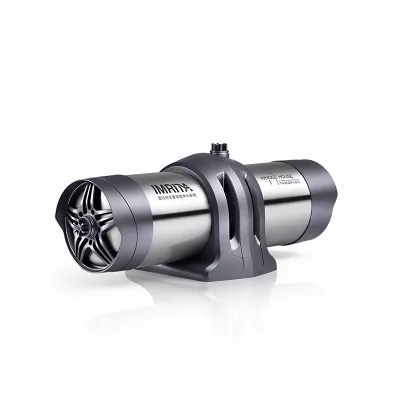
Main productsPre Filter, Reverse Osmosis Water Purifier, Central UF Water Purifier, Water Softener, Water Leak Detector
Main marketsDomestic Market(55%), North America(14%), Western Europe(13%)

Hebei Green Spring Environmental Protection Equipment Technology Co., Ltd
- Verified by SGS
- Combined
- China Hebei
- Lead time15 days
- Avg. response≤ 8h
Main productsWater Filter Element, PP Filter Element, CTO Filter Element, Udf Filter Element, GAC Filter Element, Water Filter Cartridge, Reverse Osmosis Membrane, Reverse Osmosis System, Post-Activated Carbon Filter Element, PP Yarn Filter Element
Main marketsSoutheast Asia/ Mideast,Domestic


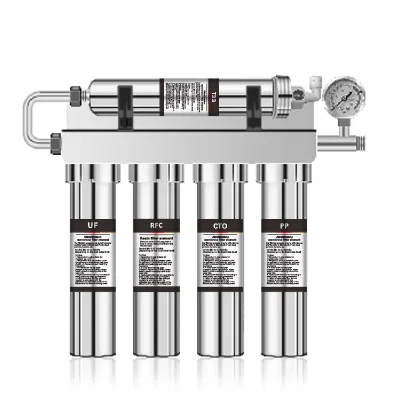
5-Stage Ultrafiltration System Ultrafiltration Water Filter 10-Inch Water Purifier
$10.20 - $15.00
MOQ: 20 Pieces

$10.20 - $15.00
MOQ: 20 Pieces
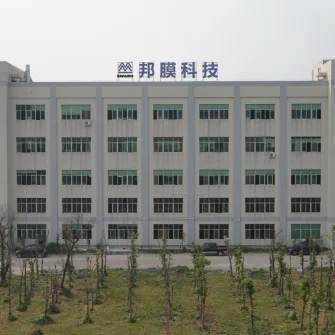
Zhuhai Bangmo Technology Co., Ltd.
- Manufacturer, Trading Company, Other
- Guangdong, China
- Lead time3 days
- Avg. response≤ 4h
Main productsHollow fiber ultrafiltration membrane,uf membrane,mbr bioreactor membrane,Filter cloth,uf water filter cartridge
Main marketsSouth Asia(30.00%), Southeast Asia(30.00%), Eastern Asia(15.00%), Africa(10.00%), Domestic Market(10.00%), Mid East(5.00%)

- Verified by BV
- Combined
- China Zhejiang
- Lead time30 days
- Avg. response≤ 20h
Main productsWater Filter, Water Purifier, RO Membrane, RO System, Reverse Osmosis, Water Softener, Bottle Water Filling Machine, Ozone Generator, UV Sterilizer, Filter Cartridge
Main marketsSouth America,Africa,Southeast Asia/ Mideast,East Asia(Japan/ South Korea),Domestic,Europe,Australia,North America
Foshan Meimai Environmental Protection Technology Co., Ltd.
- Manufacturer, Trading Company
- Guangdong, China
- Lead time25 days
- Avg. response≤ 8h
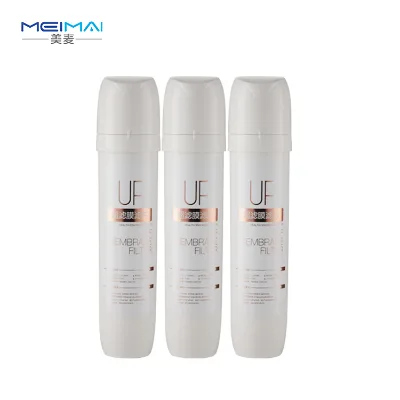
Main productsalkaline water filter cartridges after ro water system,water filter shower head,pp melt blown sediment filter,water filter cartridge carbon activated,ro membrane
Main marketsWestern Europe(10.00%), Eastern Europe(10.00%), South America(10.00%), North America(10.00%)
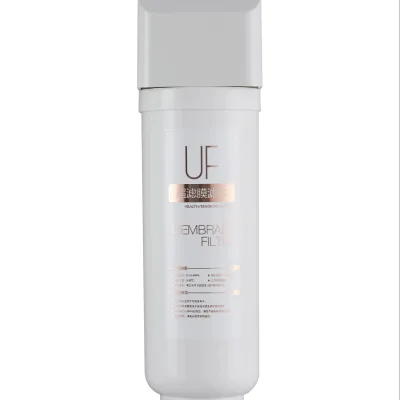
Ultrafiltration Water Purification Filter Is Used in the Ultrafiltration Water Purification System.
$11.3804 - $13.449
MOQ: 2 pieces
- Trading Company
- Henan, China
- Lead time7 days
- Avg. response≤ 2h
Main productshydraulic filter,fuel filter,water filter,gas filter,dust filter
Main marketsEastern Europe(60.00%), Africa(10.00%), Mid East(10.00%), Oceania(8.00%), North America(6.00%), Eastern Asia(3.00%), South America(3.00%)

Shandong Yufeng Water Treatment Equipment Co., Ltd.
- Verified by CTI
- Manufacturer/Factory
- China Shandong
- Lead time23 days
- Avg. response≤ 1h
Main productsWater Treatment Plant, RO Plant, Water Treatment Equipment, RO Membrane, RO Machine, Vontron RO Membrane, Reverse Osmosis, Reverse Osmosis Plant, Pure Water Machine, Water Softener
Main marketsSouth America,Eastern Europe,Mid East,North America,Southeast Asia,Eastern Asia,Oceania,Western Europe,Africa

Water Filter Groundwater RO Water Purifier Storage Water Purifier Industrial Water Filtration
$707.00 - $786.00
MOQ: 1 Pieces


Water Filter RO Water Filter Pure Water Filter Reverse Osmosis Factory
$707.00 - $786.00
MOQ: 1 Pieces


Shenzhen Lanjingmo Technology Co., Ltd.
- Verified by TüVRheinland
- Manufacturer, Trading Company
- Lead time0 days
- Avg. response≤ 1h
Main productsWater Purifier, Water Filter
Main marketsDomestic Market(80%), North America(5%), Southeast Asia(5%)
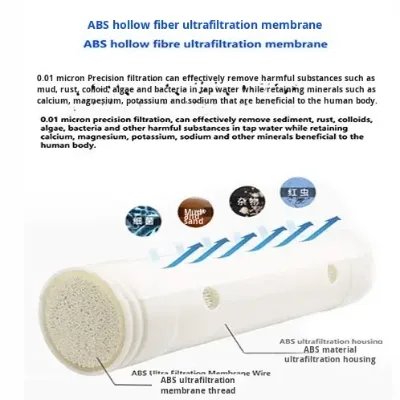
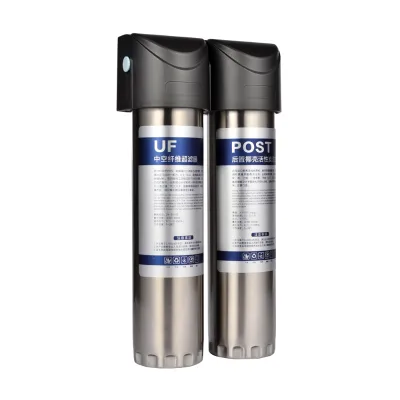
Raw Water Filter Pure Water Direct Drinking Complete Water Treatment Filter System
$13.2766 - $16.2192
MOQ: 2 pieces

Zhangjiagang King Machine Tech Co., Ltd.
- Verified by BV
- Combined
- China Jiangsu
- Lead time45 days
- Avg. response≤ 4h
Main productsWater Filling Machine, Beverage Filling Machine, Carbonated Drink Filling Machine, 5gallon Bottle Filling Machine, Bottle Blowing Machine, Glass Bottle Filling Machine, Can Filling Machine, Wrapping Machine, Juice Filling Machine, Labeling Machine
Main marketsSoutheast Asia/ Mideast

Ningbo XZH Environmental Technology Co., Ltd.
- Combined
- China Zhejiang
- Lead time30 days
- Avg. response≤ 5h
Main productsFilter Cartridge, Water Filter Cartridge, Reverse Osmosis Membrane, Quick Insert Fitting, Water Filter System, Water Purifier, Water Dispenser with Filters
Main marketsSouth America,Africa,Southeast Asia/ Mideast,East Asia(Japan/ South Korea),Domestic,Europe,Australia,North America

Ningbo Eastpure Environmental Technology Co., Ltd.
- Verified by TUVRHEINLAND
- Combined
- China Zhejiang
- Lead time30 days
- Avg. response≤ 4h
Main productsWater Filter, Water Purifier, Reverse Osmosis, Water Leak Detector, Countertop Reverse Osmosis, Tankless Reverse Osmosis
Main marketsSouth America,Southeast Asia/ Mideast,East Asia(Japan/ South Korea),Domestic,Europe,Australia,North America

Zhangjiagang City Tango Machinery Co., Ltd.
- Trading Company
- China Jiangsu
- Lead time60 days
- Avg. response≤ 6h
Main productsWater Bottle Filling Produdction Line, 3in1 Bottle Filling Machine, Bottlig Machine, Wrapping Machine, Labeling Machine, Carton Package Machine, Beverage Filling Machine, Juice Production Line, Carbonated Beverage Production Line, 5gallon Production Line
Main marketsSouth America,Eastern Europe,Mid East,North America,Southeast Asia,Eastern Asia,Oceania,Western Europe,Africa
Shenzhen Flanne Water Purification Equipment Co., Ltd.
- Verified by SGS Group
- Manufacturer, Trading Company
- Lead time0 days
- Avg. response≤ 2h
Main productsWater Purifier/Water Filter/Countertop Water Purifier/Countertop Ice Maker/Carbonated Water Machine
Shenzhen Yili Water Purification Equipment Co., Ltd.
- Verified by SGS Group
- Manufacturer, Trading Company
- Lead time15 days
- Avg. response≤ 3h
Main productsWater Purifier, Wholehouse Water Purifier, Reverse Osmosis, Water Softener, Pre Filter
Main marketsSoutheast Asia(35%), Mid East(30%), South America(21%)

Ningbo Golden Yangtze River Water Treatment Equipment Co., Ltd
- Verified by SGS
- Combined
- China Zhejiang
- Lead time23 days
- Avg. response≤ 6h
Main productsRO Water Treatment, Reverse Osmosis Plant, Activated Carbon Filter, Water Softerner, Reverse Osmosis Desalination Plant, Sewage Treatment Plant, Water Treatment Equipment Spares, RO Membranes, EDI Machine, Seawater Treatment Machine
Main marketsSouth America,Africa,Southeast Asia/ Mideast,East Asia(Japan/ South Korea),Europe,North America


$2000.00 - $5000.00
MOQ: 1 Sets

Shenzhen Hengrong Water Treatment Equipment Co., Ltd
- Verified by CTI
- Trading Company
- China Guangdong
- Lead time15 days
- Avg. response≤ 5h
Main productsWater Treatment Equipment Filter Water Puri, Water Purification Equipment, Reverse Osmosis Equipment, Integrated Sewage Equipment, Filter, Sanitary Storage Tanks, UV Sterilizer, Stirring The Can, Radiator, Mixing and Dosing Equipment
Main marketsAfrica,Domestic
Guangxi Jujin Environmental Protection Technology Co., Ltd.
- Verified by SGS Group
- Manufacturer, Trading Company
- Lead time0 days
- Avg. response≤ 3h
Main productsWater Treatment Machinery
Main marketsWestern Europe(35%), North America(25%), Southeast Asia(20%)

Dongguan Haiyuan Water Treatment Co., Ltd.
- Verified by SGS
- Combined
- China Guangdong
- Lead time0 days
- Avg. response≤ 2h
Main productsRO System, Water Filter System, Water Purification Machine, Containerized Water Treatment Plant, Reverse Osmosis, Sea Water Desalination Plant, Water Desalination Machine, Water Treatment Equipment, Water Purifier Machine, Water Softener System
Main marketsSouth America,Africa,Southeast Asia/ Mideast,Domestic,Europe,Australia,North America

UF System Water Treatment UF Water Treatment Ultra Filter for Water Treatment
$4000.00 - $8000.00
MOQ: 1 Sets

Shenzhen Hanlan Environmental Protection Technology Co., Ltd.
- Verified by TüVRheinland
- Manufacturer, Trading Company
- Lead time8 days
- Avg. response≤ 2h
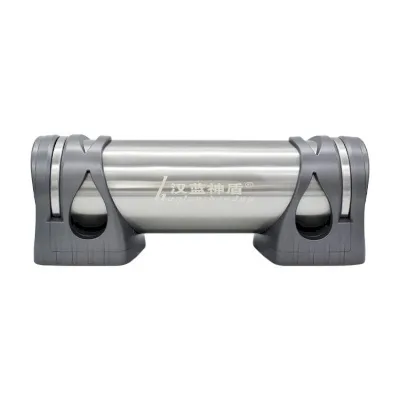
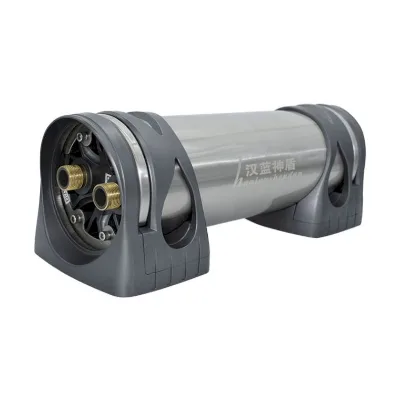
Main productsWater Filter, Stainless Steel Water Purifer, Ultrafiltration Water Purifer, Other Water Filters, Reverse Osmosis Water Filter Systems
Main marketsNorth America(45%), Southeast Asia(16%), Western Europe(12%)
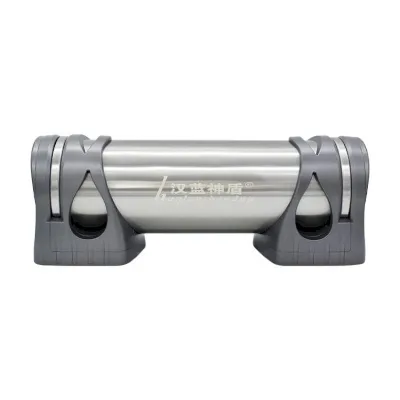
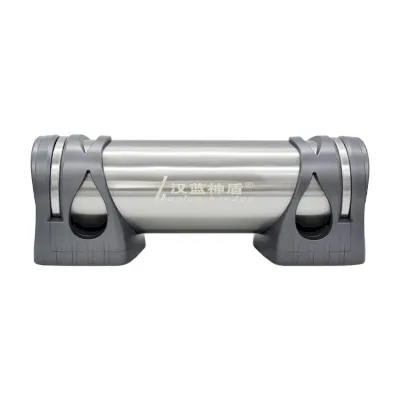
$81.00 - $139.00
MOQ: 10 Minimum
$129.4941 - $143.9969
MOQ: 10 pieces
Quanzhou Innovator Electric Appliance Group Co., Ltd.
- Verified by Intertek
- Manufacturer, Trading Company
- Lead time21 days
- Avg. response≤ 2h
Main productsTimer Switch, Float Switch, Pre-filter, Float Valve, Pressure Switch
Main marketsSoutheast Asia(40%), Mid East(15%), South Asia(15%)

Zhangjiagang Links-Machine Co., Ltd.
- Verified by BV
- Trading Company,Manufacturer/Factory
- China Jiangsu
- Lead time90 days
- Avg. response≤ 3h
Main productsBottle Filling Machine, Water Filling Machine, Beverage Filling Packing Machine, Bottle Blow Molding Machine, Injection Molding Machine, Labeling Machine, Film Wrapping Machine, Water Treatment, PVC Labels, Soda Filling Machine
Main marketsSouth America,Eastern Europe,Mid East,North America,Southeast Asia,Africa

Guangdong Jinzong Machinery Co., Ltd.
- Verified by BV
- Combined
- China Guangdong
- Lead time60 days
- Avg. response≤ 20h
Main productsChemical Reactor, Resin Reactor, Vacuum Emulsifying Machine, Stainless Steel Mixing Tank, Liquid Detergent Mxing Tank, Laboratroy Mixer, Pharmaceutical Processing Machine, Food Processing Machine, Resin Plant, Paint Production Equipment
Main marketsSouth America,Africa,Southeast Asia/ Mideast,East Asia(Japan/ South Korea)

Ningbo Yinyue Electric Appliance Co., Ltd.
- Manufacturer
- China Zhejiang
- Lead time30 days
- Avg. response≤ 9h
Main productsWater Filter, Water Purifier, Reverse Osmosis System, Mineral Pot, Filter Housing, Water Filter Replacement, Filter Cartrdige, Filter, Water Filtration, RO Filtration
Main marketsAfrica,Southeast Asia/ Mideast
Xiamen Bilan Trading Co., Ltd.
- Verified by Intertek
- Manufacturer, Trading Company
- Fujian Province, China
- Lead time0 days
- Avg. response≤ 1h
Main productsUltrafiltration Membrane
Main marketsEastern Europe(70%), Domestic Market(20%), Southeast Asia(10%)
Qingzhou City Huaxin Water Treatment Equipment Co.,ltd
- Verified by SGS Group
- Manufacturer, Trading Company
- Lead time20 days
- Avg. response≤ 1h
Main productsWater Treatment Equipment, Wastewater Treatment Equipment, Filling Equipment, Blowmolding Equipment, Water Treatment Equipment Parts


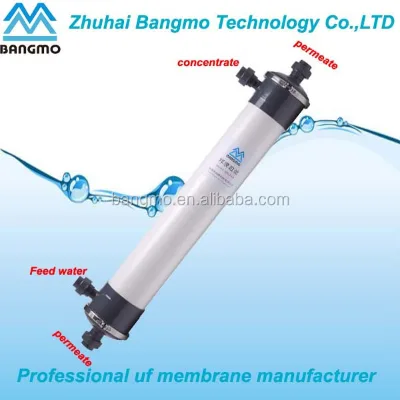


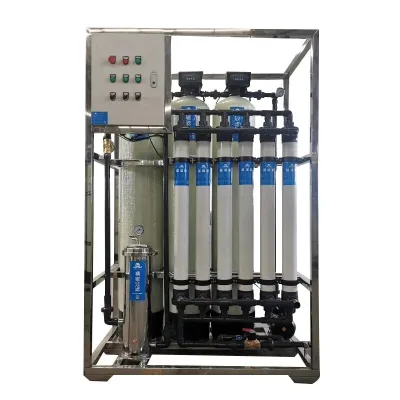
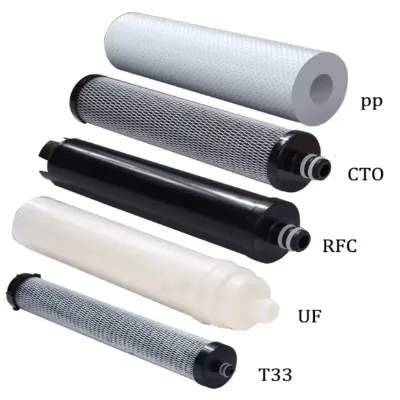
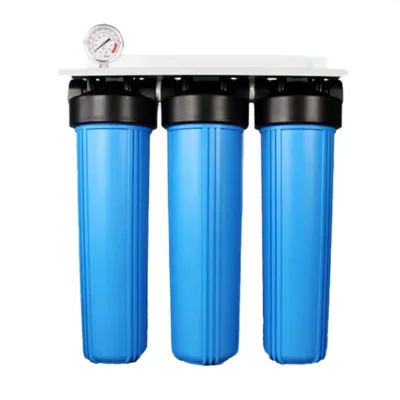






Comprehensive Sourcing Guide
Water Filter Ultra Filtration Supplier Concentration and Factory Types
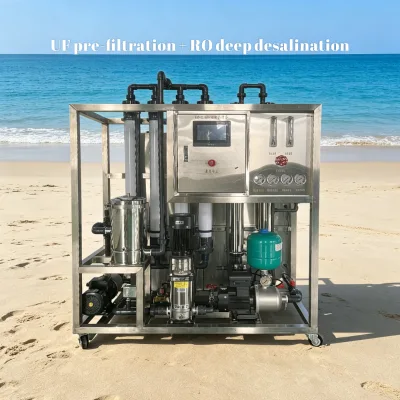
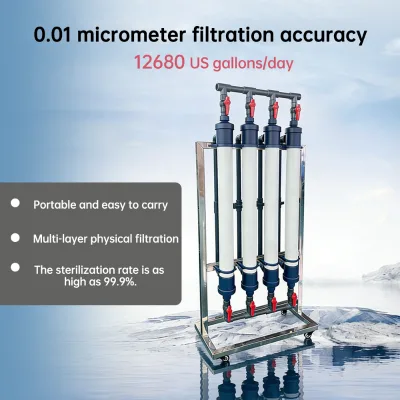
The current supplier landscape for Water Filter Ultra Filtration equipment reveals a distinct geographic concentration in China, with specific manufacturing hubs identified in Shanghai and Zhejiang. These regions serve as primary centers for producing a wide array of water treatment machinery, including reverse osmosis systems, UF water purifiers, and industrial filtration units. Suppliers in these locations often operate as manufacturers or combined entities, offering both OEM and ODM capabilities alongside their own branded products. This structural diversity allows buyers to access everything from small-scale household units to large industrial plants with capacities ranging from one ton per hour to fifteen tons per hour. The presence of established industrial machinery clusters in these provinces suggests a mature supply chain for environmental and water treatment equipment, facilitating easier access to raw materials and specialized components like FRP tanks and control valves.
Understanding the company type is crucial for aligning procurement strategies with operational needs. Manufacturers typically provide greater control over production processes and customization options, which is evident in the availability of custom models such as the MT-DPC-EF301 and LCRO-18000 series. These entities often hold comprehensive system certifications, including ISO9001:2015, ensuring consistent quality management across their product lines. In contrast, combined suppliers may offer a broader portfolio that includes trading services, potentially simplifying logistics for buyers seeking multiple product types like water softeners and filter housings. The distinction between pure manufacturing and combined operations influences lead times and flexibility, with some suppliers indicating zero lead time for certain configurations while others require thirty days for production. Buyers must evaluate whether their project demands direct factory engagement for technical specifications or the logistical convenience of a combined supplier managing diverse inventory.
How to Verify Water Filter Ultra Filtration Suppliers
Verification of Water Filter Ultra Filtration suppliers requires a rigorous examination of their certification portfolios and third-party audit results to ensure compliance with international standards. Many manufacturers in the observed results hold ISO9001:2015 certificates, which validate their quality management systems, while product-specific certifications such as CE, RoHS, and SGS are frequently listed for individual units like the MTUF-1060 and MTUF-PSS-6040 models. These certifications are critical for ensuring that the equipment meets safety and environmental regulations in target markets, particularly for products intended for chemical industry or environmental protection applications. Buyers should request copies of these certificates and verify their validity through the issuing bodies, as the presence of multiple certifications on a single product indicates a comprehensive approach to regulatory compliance. Additionally, looking for verification badges from recognized agencies like TÜV Rheinland provides an extra layer of confidence regarding the supplier’s operational integrity and financial stability.
Beyond documentation, assessing the supplier’s responsiveness and technical capability is essential for a successful partnership. The response time metric, which can vary between suppliers, serves as an indicator of their customer service efficiency and operational readiness. A response time of approximately twenty hours suggests a structured inquiry handling process, which is vital for resolving technical questions regarding motive forces, such as electric power versus pressure-driven systems, or specific model configurations like the NW-UF-BX21. Buyers should also evaluate the clarity of product attributes provided, such as packing methods (carton vs. polywood) and standard specifications (e.g., 3-stage UF systems). Clear, detailed product data reflects a supplier’s professionalism and attention to detail, reducing the risk of misunderstandings during the ordering process. Engaging with suppliers to ask specific questions about their manufacturing capacity and customization limits can further reveal their expertise and willingness to support complex procurement requirements.
What to Compare Across Water Filter Ultra Filtration Suppliers
When evaluating multiple suppliers, comparing key operational metrics such as minimum order quantities (MOQ), pricing structures, and production lead times is fundamental to optimizing procurement costs and timelines. MOQs for ultra filtration systems can vary significantly, ranging from single-unit orders for certain industrial configurations to bulk requirements of one hundred units for specific consumer-grade filters. This variance allows buyers to select suppliers that align with their inventory strategy, whether they require just-in-time delivery for large projects or bulk stocking for retail distribution. Pricing also differs based on product complexity and certification levels, with some models offering competitive rates for standard units while others command higher prices for specialized features like self-cleaning pipe designs or wall-mounted styles. Buyers must analyze the total cost of ownership, including packaging and shipping, rather than focusing solely on the unit price, to ensure accurate budgeting.
Lead times and response speeds are equally critical factors that impact project scheduling and supply chain reliability. Some suppliers indicate a lead time of zero days for specific configurations, which may imply ready-stock availability or rapid assembly capabilities, while others require thirty days for production. This difference can be decisive for projects with tight deadlines or urgent replacement needs. Additionally, the supplier’s ability to customize products, as indicated by available customization options, adds value for buyers with unique technical requirements. Comparing the range of main products offered, from simple water filters to complex reverse osmosis plants, helps identify suppliers who can serve as single-source partners. By systematically comparing these dimensions, buyers can create a weighted scorecard to objectively rank suppliers based on their specific project needs, ensuring a balanced selection that considers cost, speed, and technical fit.
Common Water Filter Ultra Filtration Sourcing Risks
One significant risk in sourcing Water Filter Ultra Filtration equipment is the potential mismatch between advertised specifications and actual product performance, particularly regarding filtration efficacy and material durability. Products may claim certifications like CE or RoHS, but without independent verification, buyers risk acquiring equipment that does not meet local regulatory standards or fails under operational stress. For instance, while some suppliers list electric power as the motive force, others specify pressure-driven systems, and confusing these can lead to incompatible installations. Additionally, the operating principle, whether reverse osmosis or ultrafiltration, must be clearly defined to ensure the system addresses the specific water quality issues, such as scaling or bacterial contamination. Buyers must verify that the stated water purification efficacy, such as straight drink capability, is supported by credible test data, as unsubstantiated claims can result in regulatory penalties and customer dissatisfaction.
Another risk involves logistical and packaging inconsistencies that can damage equipment during transit or increase overall costs. Suppliers may use different packing methods, such as carton boxes for consumer units and polywood packages for industrial systems, but variations in packaging quality can lead to product damage. Furthermore, the absence of detailed technical drawings or installation manuals for complex models like the LCRO-18000GPD can complicate on-site assembly and commissioning. Buyers should also be cautious of suppliers who do not provide clear information on spare parts availability or after-sales support, which is crucial for maintaining long-term system performance. The risk of communication delays, indicated by slower response times, can further exacerbate these issues by prolonging the resolution of technical queries. Mitigating these risks requires thorough due diligence, including requesting sample units for testing and verifying the supplier’s track record in delivering similar projects successfully.
Water Filter Ultra Filtration Regional Sourcing and Logistics
Sourcing Water Filter Ultra Filtration equipment from China offers access to a robust manufacturing ecosystem, but buyers must carefully manage logistics to ensure efficient delivery and cost control. The concentration of suppliers in Shanghai and Zhejiang provides advantages in terms of proximity to major ports and established shipping routes, which can reduce transit times and freight costs. However, the choice of packing method, whether carton or polywood, significantly impacts volumetric weight and shipping expenses. For example, containerized equipment like the MTUF-0804-C model may require specialized handling and larger shipping containers, while smaller units packed in color boxes can be consolidated more easily. Buyers should work with suppliers to optimize packaging designs to minimize void space and protect sensitive components, such as control valves and filter housings, during transit. Understanding the specific logistics requirements for each product type is essential for accurate freight quoting and delivery planning.
Regional sourcing also involves navigating local regulations and export documentation requirements, which can vary based on the destination market. Suppliers in China must provide necessary export certificates, including those related to CE and ISO standards, to facilitate customs clearance in international markets. Buyers should ensure that their suppliers are experienced in exporting to their specific region, as this knowledge can streamline the documentation process and reduce the risk of delays at borders. Additionally, considering the environmental impact of shipping heavy industrial machinery, such as fifteen-ton-per-hour ultrafiltration systems, may lead buyers to explore local assembly options or regional distribution centers. Collaborating with suppliers who offer comprehensive logistics support, including assistance with freight forwarding and insurance, can mitigate these challenges. By integrating logistics planning into the sourcing strategy, buyers can enhance supply chain resilience and ensure timely delivery of their water treatment equipment.
Water Filter Ultra Filtration Commercial Terms and Order Planning
Effective order planning for Water Filter Ultra Filtration systems requires a clear understanding of commercial terms, including payment structures, warranty policies, and customization agreements. Suppliers often offer flexible payment terms, but buyers must negotiate conditions that protect their interests, such as using escrow services for large orders to ensure funds are released only upon satisfactory delivery. The availability of OEM and ODM services allows for brand customization, but these agreements must be clearly defined to specify intellectual property rights and quality control standards. Buyers should also clarify the scope of customization, such as the inclusion of specific faucets or storage tank configurations, to avoid unexpected costs or delays. Establishing a detailed purchase order that outlines all technical specifications, including model numbers like MTUF-0601 and standard requirements like 15TPH capacity, is crucial for preventing disputes and ensuring alignment between the buyer’s expectations and the supplier’s delivery.
Warranty and after-sales support are integral components of the commercial terms that impact long-term operational costs. Buyers should inquire about the duration and coverage of warranties for both the equipment and its components, such as membranes and control valves. Suppliers with established manufacturing capabilities are more likely to provide reliable after-sales service, including technical support and spare parts supply. Additionally, understanding the return and replacement policies for defective items is essential for managing risk. Buyers should also consider the total cost of ownership, including maintenance and energy consumption, when evaluating commercial offers. For instance, electric power-driven systems may have different operational costs compared to pressure-driven units. By carefully negotiating these commercial terms and planning orders with a focus on long-term value, buyers can secure favorable agreements that support their business objectives and ensure the successful implementation of their water treatment projects.
FAQs
Where are the Water Filter Ultra Filtration manufacturers located?
Manufacturers are located in China, specifically in Shanghai and Zhejiang provinces. Ningbo is also a key production hub for these systems. Buyers should verify specific factory addresses to ensure proximity to logistics hubs for efficient shipping and reduced transit times.
What certifications do these ultra filtration systems hold?
Many systems carry CE, RoHS, and ISO9001 certifications. Some products also include SGS certification. Buyers must verify the specific certificate numbers for each model to ensure compliance with local safety and quality standards before placing large orders.
What is the minimum order quantity for these systems?
Minimum order quantities vary by product type. Some models require 100 units, while others allow orders as low as one unit. Buyers should check the specific MOQ for the desired model to plan inventory levels and budget accordingly for bulk purchases.
How long does it take to receive these water filters?
Lead times can range from zero days to thirty days depending on the supplier and product availability. Some manufacturers offer immediate dispatch, while others require a month for production. Buyers should confirm the exact lead time with the supplier before finalizing orders.
What is the price range for ultra filtration water filters?
Prices vary significantly based on capacity and customization. Some units start at fifty dollars, while others reach one thousand dollars. Specific models may have undefined pricing. Buyers should request a quote for the exact model to determine the final cost.
Do suppliers offer customization for these water filtration systems?
Customization is available for many ultra filtration systems. Buyers can request specific models, packing types, and functional adjustments. OEM and ODM services are offered by manufacturers. Verify the customization options and associated costs with the supplier before proceeding.
What response times can buyers expect from these suppliers?
Response times typically range between twenty and twenty-two hours. Some suppliers may respond faster or slower depending on workload. Buyers should expect a reply within one day but should follow up if no response is received within the stated timeframe.