Source Automatic Motor Rotor Cutting Machine for Factory, Workshop, Production
Find 30 verified listings for the Automatic Motor Rotor Cutting Machine. Compare specifications like voltage, cutting speed, and automation levels from suppliers in China to find the right industrial cutter for your needs; compare the available evidence and request quotations based on your requirements.
Updated
Key considerations
Products List

$11605.00 - $13605.00
MOQ: 1 Pieces


$120000.00 - $140000.00
MOQ: 1 Pieces


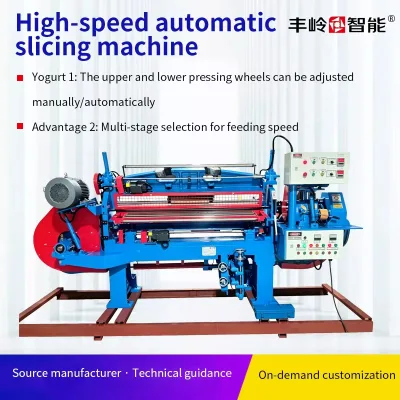
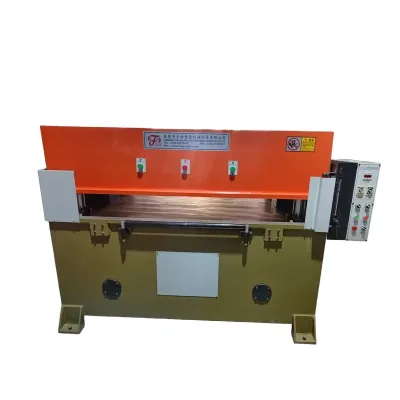
$7700.3255
MOQ: 1 Minimum


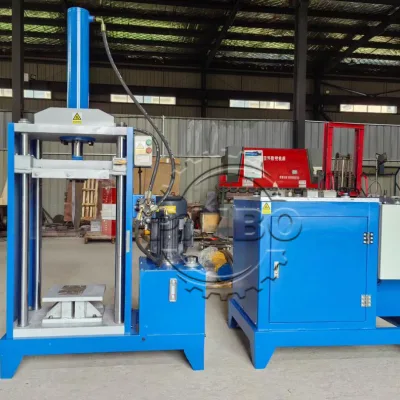

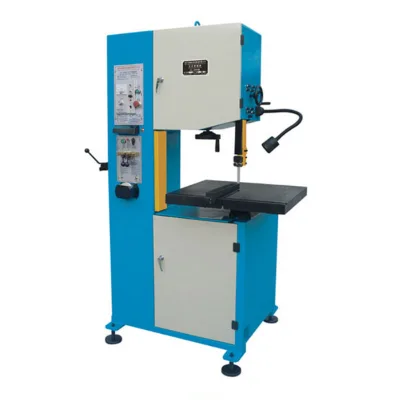


$200000.00 - $500000.00
MOQ: 1 Pieces


High-Speed and High-Precision Cutting Motor Core Laser Cutting Machine
$28000.00 - $330000.00
MOQ: 1 Pieces
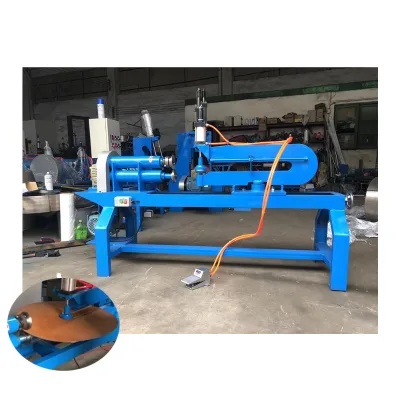
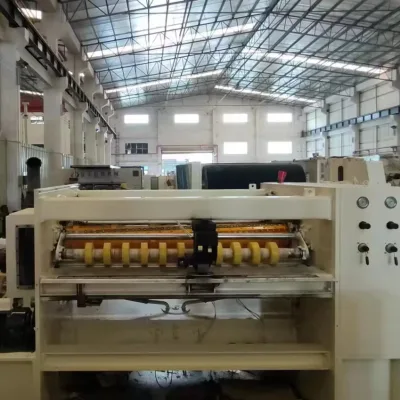
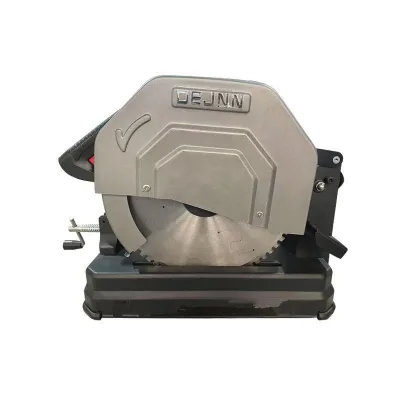
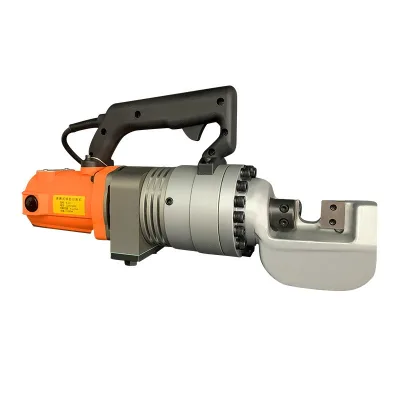
Comprehensive Sourcing Guide
Automatic Motor Rotor Cutting Machine Sourcing Guide
Procuring an Automatic Motor Rotor Cutting Machine requires a careful evaluation of automation levels and precision capabilities to ensure seamless integration into your manufacturing workflow. Buyers must prioritize machines that offer computerized control systems, such as those utilizing specific CNC interfaces, to maintain consistent cut quality across high-volume production runs. The observed market includes models like the XYJ-6 and MLT-N120, which represent different tiers of automated processing, ranging from basic automatic functions to more advanced CNC-driven operations. Understanding these distinctions is critical for aligning machine capabilities with your specific production throughput requirements and quality standards.
The sourcing landscape for these industrial cutters is diverse, with suppliers primarily located in major manufacturing hubs like Jiangsu and Guangdong in China. Listings indicate a wide range of product attributes, including varying voltage requirements such as 220V or 380V, and different power consumptions that impact operational costs. Buyers should note that while some machines are marketed with specific certifications like CE, the actual compliance status must be verified through direct supplier communication. This guide provides a structured approach to navigating these variables, ensuring that procurement decisions are based on verified technical data and commercial terms rather than generic marketing claims.
Product Scope and Observed Listing Signals
The current market for automatic motor rotor cutting machines features a variety of industrial cutters designed for different material thicknesses and processing needs. Observed listings include models such as the FL-1200 and FL-1400A-60T, which are specified for applications involving middle thickness materials and glass processing thicknesses ranging from 1.5 to 6mm. These machines often highlight key selling points such as high safety levels and automatic grading, indicating a focus on operator protection and streamlined workflow efficiency. Buyers should recognize that these signals represent specific product attributes rather than universal features across all available equipment in this category.
Packing and origin details provide additional context for logistics planning, with products typically shipped in export cases, wooden cases, or wooden boxes from origins in China. The observed price range is broad, spanning from $10 to $500,000, reflecting the disparity between simple manual-assist units and fully automated, high-precision CNC systems. Minimum order quantities (MOQ) are frequently listed as one unit, suggesting that suppliers are open to single-unit purchases for testing or small-scale production needs. This variability requires buyers to carefully assess the total cost of ownership, including shipping and installation, rather than focusing solely on the initial unit price.
Technical Specifications to Verify
Verifying technical specifications is paramount when selecting an Automatic Motor Rotor Cutting Machine, particularly regarding voltage compatibility and power consumption. Listings show variations such as 220V 50Hz, 380V, and single-phase 220V supplies, with power ratings ranging from 3.5kw to 5.5kw. Buyers must ensure that their facility’s electrical infrastructure matches these requirements to avoid costly retrofits or operational disruptions. Additionally, core components like motors are critical, and their quality directly influences the machine’s longevity and cutting performance. It is essential to request detailed technical datasheets that specify the motor brand and type to assess reliability.
Dimensional and weight specifications also play a crucial role in factory layout planning and logistics. Observed dimensions vary significantly, with some units measuring 150010001400mm and others up to 220017501600mm, while weights range from 700kg to 3100kg. These physical attributes determine the floor space required and the type of handling equipment needed for installation. Buyers should verify the exact footprint and weight of the specific model they intend to purchase, as generic listings may not reflect the precise configuration of the machine. Confirming these details early in the sourcing process helps prevent unexpected logistical challenges during delivery and setup.
Compliance and Safety Documentation
Compliance with international safety and quality standards is a non-negotiable aspect of sourcing industrial cutting machinery. Many suppliers list CE certification as a key attribute, indicating adherence to European health, safety, and environmental protection standards. However, buyers must verify the validity of these certifications by requesting official documentation directly from the supplier. Some listings also mention ISO9001 certification, which relates to quality management systems rather than product safety. It is crucial to distinguish between product-specific certifications and general company quality certifications to ensure that the machine itself meets the necessary regulatory requirements for your target market.
Safety features are often highlighted in product descriptions, with high safety levels being a common selling point for automatic cutters. Buyers should inquire about specific safety mechanisms, such as emergency stop buttons, protective guards, and interlock systems that prevent operation when doors are open. Additionally, the availability of machinery test reports and video outgoing inspections can provide valuable insights into the machine’s condition before shipment. While some listings indicate that test reports are not available, requesting these documents can help mitigate risks associated with purchasing used or refurbished equipment. Ensuring comprehensive safety documentation is essential for protecting your workforce and maintaining operational continuity.
Cost Drivers and Commercial Terms
Understanding the cost drivers associated with automatic motor rotor cutting machines is essential for accurate budgeting and financial planning. The wide price range observed in the market, from $10 to $500,000, is influenced by factors such as automation level, CNC capabilities, and brand reputation. Higher-priced models typically offer advanced features like computerized control systems and higher precision cutting speeds, which can justify the investment through increased productivity and reduced labor costs. Buyers should evaluate the total cost of ownership, including energy consumption, maintenance requirements, and potential downtime, rather than focusing solely on the initial purchase price.
Commercial terms, including warranty and after-sales support, are critical components of the procurement agreement. Listings often specify a one-year warranty, which provides a baseline level of protection against manufacturing defects. Buyers should negotiate extended warranty options or comprehensive service contracts to ensure long-term reliability and support. Additionally, the availability of spare parts and technical assistance should be confirmed before finalizing the purchase. Clear communication regarding payment terms, shipping responsibilities, and installation support can help avoid disputes and ensure a smooth transaction process. These commercial considerations are as important as the technical specifications in determining the overall value of the investment.
Supplier Qualification and Quality Control
Supplier qualification is a critical step in the sourcing process, requiring a thorough assessment of the manufacturer’s capabilities and reputation. Buyers should verify the supplier’s place of origin, with many manufacturers located in Jiangsu and Guangdong, China, which are known for their industrial manufacturing expertise. It is advisable to request company profiles, production facility tours, and references from previous clients to gauge the supplier’s reliability and quality standards. Additionally, checking for relevant business licenses and export qualifications can help ensure that the supplier is legitimate and capable of fulfilling international orders.
Quality control measures should be integrated into the procurement process to minimize the risk of receiving defective equipment. Buyers should inquire about the supplier’s quality assurance protocols, including incoming material inspections, in-process checks, and final product testing. The availability of video outgoing inspections, as mentioned in some listings, can provide visual confirmation of the machine’s condition before shipment. Establishing clear quality acceptance criteria and inspection procedures in the purchase agreement can help protect your interests and ensure that the delivered machine meets your specified requirements. Regular communication with the supplier during the manufacturing process can also help identify and address potential issues early on.
Long-Term Procurement Checks
Long-term procurement checks involve establishing a framework for ongoing supplier performance evaluation and machine maintenance. Buyers should implement a system for tracking machine performance metrics, such as cutting speed, accuracy, and downtime, to assess the equipment’s efficiency over time. Regular maintenance schedules and spare parts inventory management are essential for minimizing operational disruptions and extending the machine’s lifespan. Collaborating with the supplier to develop a comprehensive maintenance plan can help ensure that the machine continues to perform optimally throughout its service life.
Continuous improvement and feedback loops are vital for optimizing the procurement process and enhancing future purchasing decisions. Buyers should document their experiences with the machine and supplier, noting any issues encountered during installation, operation, or maintenance. This feedback can be used to refine selection criteria and negotiate better terms with suppliers in the future. Additionally, staying informed about technological advancements and new product offerings in the Automatic Motor Rotor Cutting Machine market can help buyers identify opportunities for upgrading their equipment and improving production efficiency. By adopting a proactive approach to long-term procurement, buyers can maximize the value of their investment and maintain a competitive edge in their industry.
FAQs
What certifications do automatic motor rotor cutting machines have?
These machines typically hold CE and ISO9001 certifications to ensure compliance with international safety and quality standards. The CE mark indicates adherence to European health, safety, and environmental protection standards, while ISO9001 confirms the manufacturer follows rigorous quality management processes for consistent production reliability.
Can automatic motor rotor cutting machines be customized for specific needs?
Yes, customization is available for many automatic motor rotor cutting machines to suit unique production requirements. Buyers can often specify dimensions, voltage configurations, or specific cutting speeds to match their factory layout and material thickness, ensuring the equipment integrates seamlessly into existing industrial workflows.
What is the typical voltage requirement for these cutting machines?
Voltage requirements vary, with common options including 220V 50Hz, 380V, or Single-Phase 220V 50Hz configurations. The specific voltage depends on the model and power supply capabilities of the target factory, so buyers should verify the electrical specifications against their local infrastructure before purchase.
How are automatic motor rotor cutting machines packaged for shipping?
Packaging methods include Export Cases, Wooden Cases, and Wooden Boxes to protect the machinery during transit. These robust packaging solutions ensure the equipment arrives at the destination factory in pristine condition, minimizing the risk of damage during international shipping and handling processes.
What is the minimum order quantity for these machines?
The minimum order quantity is typically one unit, allowing buyers to purchase individual machines for immediate deployment. This low MOQ facilitates easier procurement for small to medium-sized enterprises that require specific industrial cutting equipment without committing to large bulk orders.
Where are automatic motor rotor cutting machines manufactured?
These machines are primarily manufactured in China, with specific origins including Jiangsu and Guangdong provinces. Buyers can source equipment directly from these regions, leveraging established industrial manufacturing hubs known for producing high-quality industrial cutting machinery and related automation equipment.