Industrial Electric Water Distillation Machine Suppliers and Manufacturers
Compare 28 verified suppliers of industrial electric water distillation machines by location, lead time, and certifications. Review response times and warranty terms to select the right factory for your water treatment needs; review the available evidence before requesting comparable quotations from suitable candidates.
Updated
Suppliers List
Labfreez Instruments (Hunan) Co., Ltd.
- Manufacturer
- Hunan, China
- Lead time10 days
- Avg. response≤ 5h
Main productsFreeze Dryer,Bioreactor Fermenter,Thermal Analyzer,spray dryer,ultrafiltration equipments
Main marketsDomestic Market(20.00%), North America(15.00%), South Asia(15.00%), Eastern Europe(10.00%), Western Europe(10.00%), Northern Europe(5.00%), Southern Europe(5.00%), Southeast Asia(5.00%), Africa(3.00%), Mid East(3.00%), Oceania(3.00%), Eastern Asia(2.00%), South America(2.00%), Central America(2.00%)
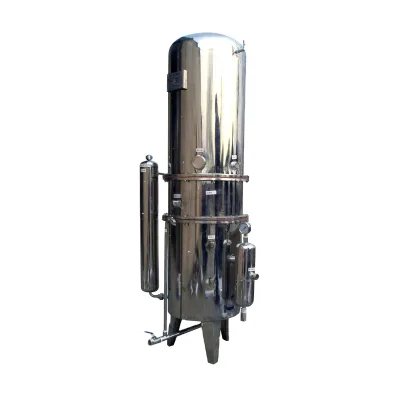
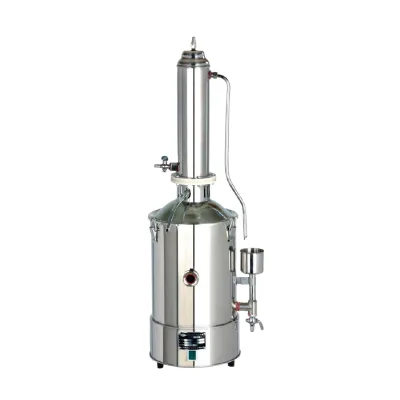
Water Distiller Machine for Making Pure Distilled Water in Laboratory and Hospital
$205.6275 - $302.2724
MOQ: 1 Minimum

Shanghai Iven Pharmatech Engineering Co., Ltd.
- Verified by SGS
- Combined
- China Shanghai
- Lead time60 days
- Avg. response≤ 3h
Main productsFilling Machine, Pharmaceutical Machine, Medical Machine, Packing Machine, Water Treatment Machine, Pharmaceutical Single Machine, Oral Solid Dosage Machine, Labeling Machine, Turn-Key Project, Blood Collection Tube Machine
Main marketsAfrica,Southeast Asia/ Mideast,Europe,North America

Industrial Stainless Steel Wfi Water Distiller Water Distillation Machine
$50000.00 - $450000.00
MOQ: 1 Pieces

Efficient Electric Distillation System for Industrial Water Treatment
$50000.00 - $250000.00
MOQ: 1 Pieces


Factory Sale Steam Pressure Water Distiller Machine & Water Distillation Machine
$50000.00 - $250000.00
MOQ: 1 Pieces

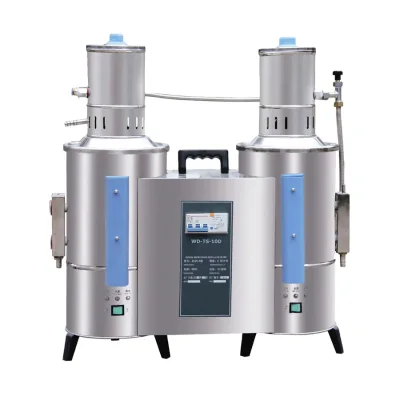
Laboratory Pharmaceutical Electric Water Distiller & High Automatic Water Distillation Machine
$50000.00 - $250000.00
MOQ: 1 Pieces

$50000.00 - $250000.00
MOQ: 1 Pieces

Shanghai Medigrade Industry Co., Ltd.
- Verified by SGS
- Trading Company
- China Shanghai
- Lead time30 days
- Avg. response≤ 4h
Main productsLabeling Machine, Filling Machine, Packing Machine, Capping Machine
Main marketsSoutheast Asia/ Mideast,Domestic


Pharmaceutical Multi-Effect Distilled Water Distillation Machine Equipment Distiller
$15000.00 - $20000.00
MOQ: 1 set


Pharmaceutical Multi-Effect Water Distillator Distillating Machine Distiller
$15000.00 - $20000.00
MOQ: 1 set
- Manufacturer, Trading Company
- Henan, China
- Lead time1 days
- Avg. response≤ 3h
Main productsGlass-Reactors,Rotary-Evaporator,Lab-Instruments,Life-Science-Instruments,Testing-equipments
Main marketsEastern Europe(15.00%), Southeast Asia(13.00%), Domestic Market(10.00%), South Asia(9.00%), Mid East(8.00%), Africa(8.00%), Western Europe(7.00%), North America(6.00%), Eastern Asia(5.00%), Southern Europe(5.00%), Oceania(4.00%), South America(4.00%), Central America(3.00%), Northern Europe(3.00%)
Jinan Mao An Instrument Co., Ltd.
- Manufacturer, Trading Company
- Shandong, China
- Lead time3 days
- Avg. response≤ 2h
Main productsHydrogen Generator,Hydrogen Inhalation Machine,Gas Generator,PEM Electrolysis Cell,Ultrapure water machine
Main marketsNorth America(27.00%), Western Europe(13.00%), Southeast Asia(12.00%), Eastern Asia(11.00%), Southern Europe(8.00%), Mid East(5.00%), Northern Europe(5.00%), Domestic Market(4.00%), Eastern Europe(3.00%), Oceania(3.00%), South Asia(3.00%), Central America(2.00%), South America(2.00%), Africa(2.00%)
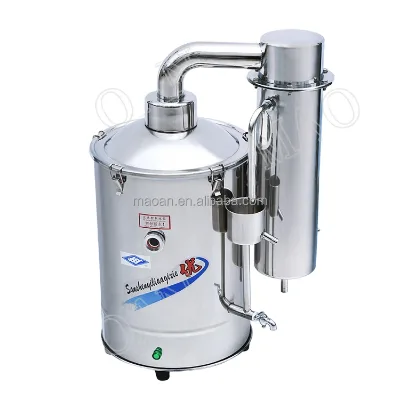
Industrial Water Distillers Distiller Water Water Distillation System 5L 10L 20L
$518.338
MOQ: 1 Minimum
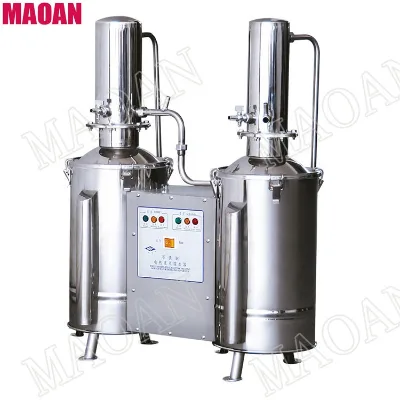
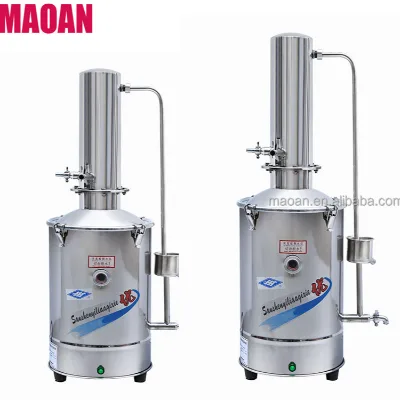
Guangxi Haurain Environmental Protection Technology Co., Ltd.
- Verified by SGS Group
- Trading Company
- Lead time0 days
- Avg. response≤ 2h
Main productsReverse Osmosis System, Ultrafiltration System, Softener, Wastewater Treatment System, Seawater Desalination System
Main marketsNorth America(25%), Southeast Asia(25%), Africa(25%)
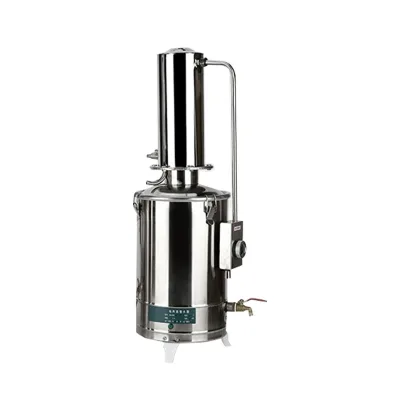
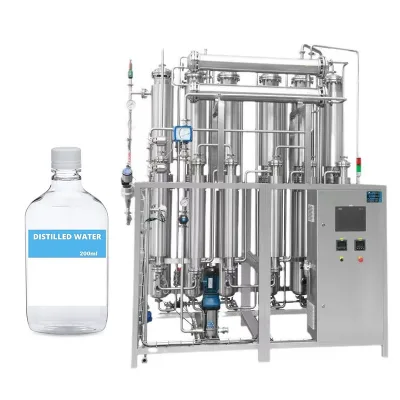
$571.4061 - $605.3822
MOQ: 1 sets
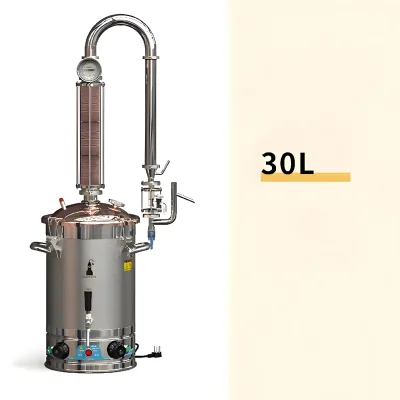
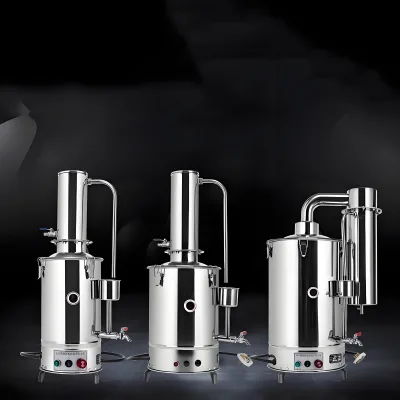
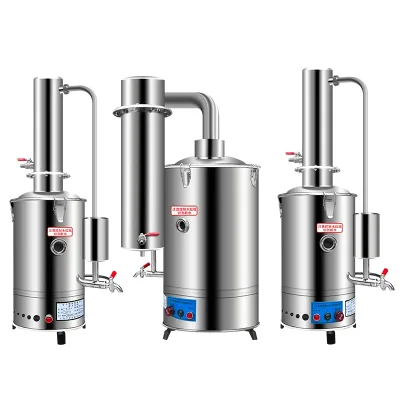

Zhejiang FUXIA Medical Technology Co., Ltd.
- Verified by BV
- Combined
- China Zhejiang
- Lead time15 days
- Avg. response≤ 2h
Main productsBiosafety Cabinet, Biological Safety Cabinet, Fume Hood, Pass Box, Muffle Furnace, Air Shower, Dying Oven, Clean Bench, Laminar Flow Cabinet, Weighing Booth
Main marketsSouth America,Africa,Others(foreignTradeCapacity.exportBusinessCapacityMarketOther),Southeast Asia/ Mideast,Europe

$130.00 - $140.00
MOQ: 1 Pieces

Laboratory Electric Water Distilled Machine Water Distillation Apparatus
$120.00 - $130.00
MOQ: 1 Pieces

$1550.00 - $1650.00
MOQ: 1 Pieces


20L Dual Distilling Electric Heating Water Distillation for Laboratory
$1650.00 - $1780.00
MOQ: 1 Pieces

Shandong Eagle Pharma Machinery Co., Ltd.
- Verified by TUVRHEINLAND
- Trading Company
- China Shandong
- Lead time60 days
- Avg. response≤ 2h
Main productsPharmaceutical Machinery, Pharmaceutical Machine, Purified Water System, Multi Effect Water Distiller, Pure Steam Generator, Liquid Preoaration Storage and Distribution Syst, Sea Water Desalination
Main marketsAfrica

Industrial Multi-Effect Distillation Machine for Pharmaceutical and Medical Industries
$23000.00 - $25000.00
MOQ: 1 Pieces


Zhengzhou Eastar Instrument Equipment Co., Ltd.
- Trading Company
- Henan, China
- Lead time1 days
- Avg. response≤ 4h
Main productsLab Instrument and Equipment,Extraction Distillation Equipment,Analysis Instruments,Testing Instrument,Physical Measurement Equipment
Main marketsEastern Europe(15.00%), Southeast Asia(13.00%), Domestic Market(10.00%), South Asia(9.00%), Mid East(8.00%), Africa(8.00%), Western Europe(7.00%), North America(6.00%), Eastern Asia(5.00%), Southern Europe(5.00%), Oceania(4.00%), South America(4.00%), Central America(3.00%), Northern Europe(3.00%)
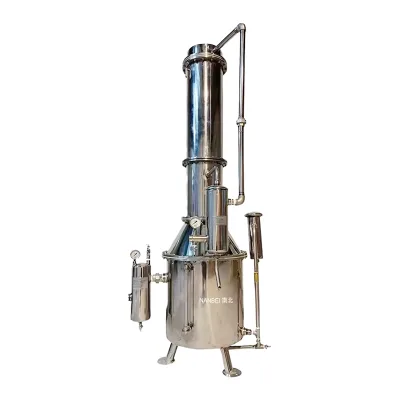
Popular High Efficiency Large Electric Water Distillation System Distiller
$2776.0112 - $2896.4804
MOQ: 1 sets
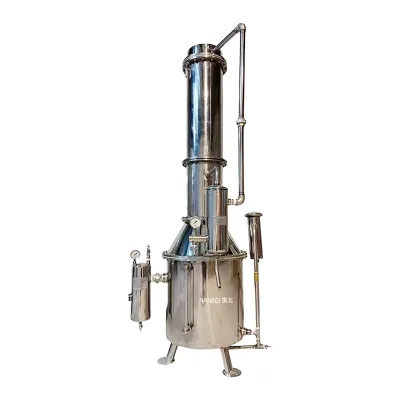
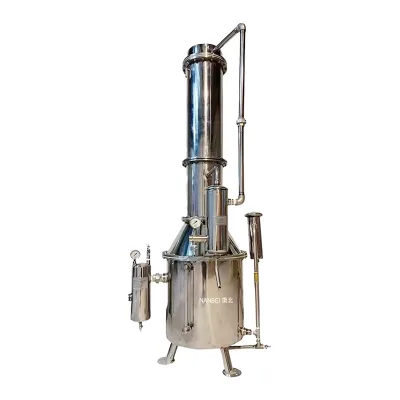
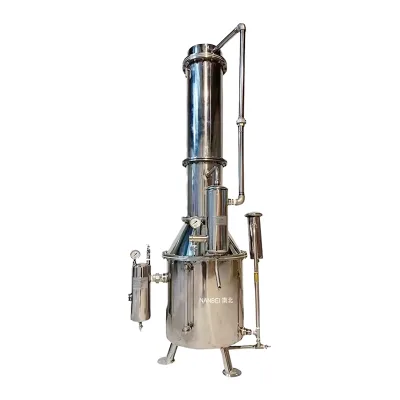
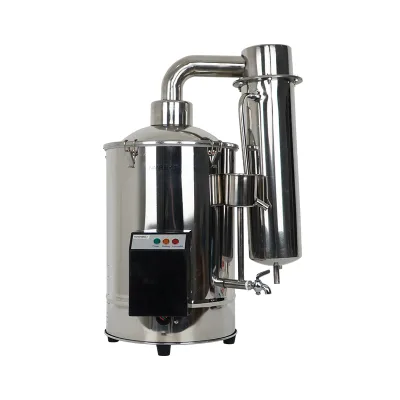
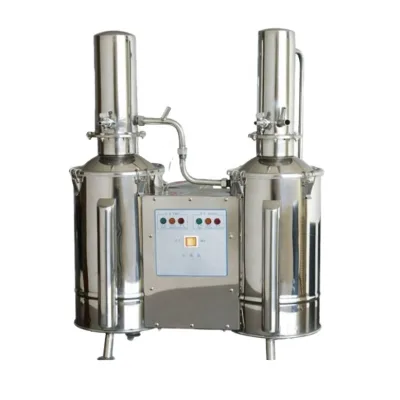
Fully Automatic Electric Large Volume Water Distillation for Laboratory
$1677.00 - $1822.00
MOQ: 1 sets
Chengdu Haoboyou Technology Co., Ltd.
- Trading Company
- Sichuan, China
- Lead time0 days
- Avg. response≤ 2h
Main productsurine cup,disposable plastic petri dish,plastic test tube,plastic test tube,plastic test tube
Main marketsDomestic Market(100.00%)

Benemed (Hongkong) Industry Co., Limited
- Verified by TUVRHEINLAND
- Trading Company,Manufacturer/Factory
- China Henan
- Lead time23 days
- Avg. response≤ 5h
Main productsHematology Analyzer, Ultrasound Scanner, Patient Monitor, Chemistry Analyzer, Electrolyte Analyzer, Urine Analyzer, ECG Machine, Pulse Oximeter, Ot Light, X-ray Film Viewer
Main marketsSouth America,Eastern Europe,Mid East,Southeast Asia,Eastern Asia,Western Europe,Africa

5L Laboratory Water Distiller Automatic Electric Water Distillation Equipment
$60.00 - $185.00
MOQ: 1 Pieces

Stainless-Steel Electric Heating Double Distillation Water Distiller 10L
$980.00 - $1680.00
MOQ: 1 Pieces


Stainless Steel Automatic Water Distiller Machine for Distilled Water 5L 10L 20L/H
$60.00 - $185.00
MOQ: 1 Pieces

Zhejiang Fomos Medical Technology Co., Ltd.
- Combined
- China Zhejiang
- Lead time23 days
- Avg. response≤ 3h
Main productsDental Autoclave
Main marketsSouth America,Africa,Southeast Asia/ Mideast,East Asia(Japan/ South Korea),Europe
Henan Xifa Network Technology Co., Ltd.
- Verified by Intertek
- Manufacturer, Trading Company
- Lead time7 days
- Avg. response≤ 1h
Main productsAnimal Cages, Tractors, Feed Processing Machinery, Excavators
Main marketsNorth America(20%), Domestic Market(20%), Africa(15%)

Nanjing AMIS Medical Technology Co., Ltd.
- Trading Company,Manufacturer/Factory,Other
- China Jiangsu
- Lead time15 days
- Avg. response≤ 7h
Main productsUltrasound Scanner, ECG Machine, Patient Monitor, Laboratory Analyzer, Infant Incubator, X Ray Machine, Health Beauty, Pathology Products, Autoclave Sterilizer, Dental Chair
Main marketsSouth America,Eastern Europe,Mid East,North America,Southeast Asia,Eastern Asia,Oceania,Western Europe,Africa


$400.00 - $600.00
MOQ: 1 Sets

- Verified by BV
- Trading Company,Manufacturer/Factory,Group Corporation
- China Henan
- Lead time15 days
- Avg. response≤ 2h
Main productsLaboratory Instrument, Rotary Evaporator, Glass Reactor, Life Science Instruments, Agricultural Instruments, Chemical Analysis Equipments, Thermal Cycler PCR, Petroleum Instruments, Drug Testing Equipment, Physical Testing Instruments
Main marketsSouth America,Eastern Europe,Mid East,North America,Southeast Asia,Eastern Asia,Oceania,Western Europe,Africa


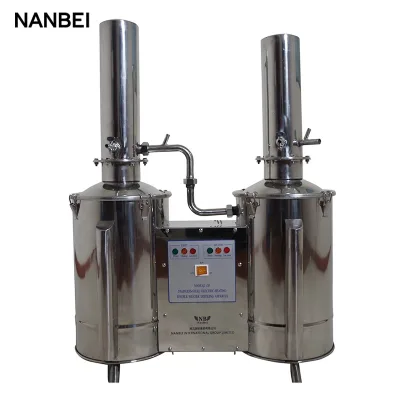
Nanbei Instruments High Efficiency Large Electric Water Distillation System Distiller
$2765.00 - $2910.00
MOQ: 1 Sets

Lab Distilling Apparatus Stainless Steel Electric Water Distiller with Water Control
$349.00 - $400.00
MOQ: 1 Sets
Zhengzhou Laboao Instrument Equipment Co., Ltd.
- Trading Company
- Henan, China
- Lead time5 days
- Avg. response≤ 1h
Main productsExtraction Distillation Equipment, Bioreactor Fermenter, Freeze Dryer, Reactor, Incubator
Main marketsSouth America(40.00%), North America(30.00%), Western Europe(20.00%), Southeast Asia(10.00%)
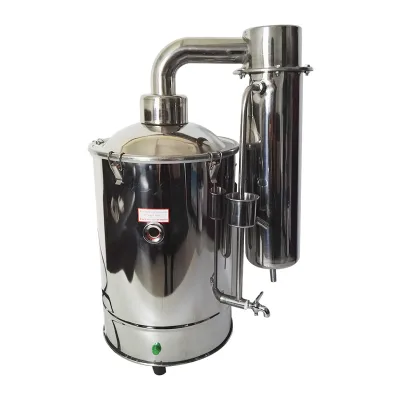
Laboao Automatic Electric Water Distiller 20L Stainless Steel Water Distillation Machine
$368.3432 - $490.4407
MOQ: 1 sets
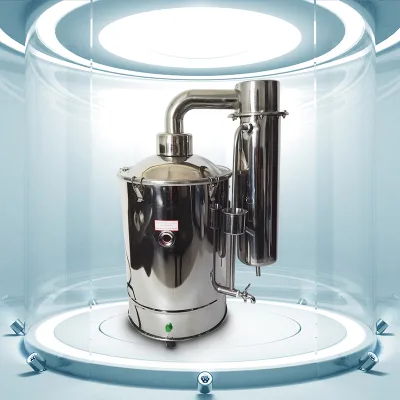
Laboao 20L Stainless Steel Water Distillation Machine Auto Control Electric Water Distiller
$464.753 - $495.8755
MOQ: 1 sets
Henan Beifan Equipment Co., Ltd.
- Trading Company
- Henan, China
- Lead time15 days
- Avg. response≤ 2h
Main productsLaboratory analytical instruments,reaction equipment,evaporation equipment,distillation equipment,Separation equipment
Main marketsSouthern Europe(15.00%), Eastern Europe(15.00%), Northern Europe(10.00%), Eastern Asia(8.00%), South America(8.00%), Africa(8.00%), Western Europe(8.00%), South Asia(5.00%), Mid East(5.00%), North America(5.00%), Central America(5.00%), Southeast Asia(5.00%), Domestic Market(3.00%)
Henan Chengyi Laboratory Equipment Co., Ltd.
- Manufacturer, Trading Company
- Henan, China
- Lead time15 days
- Avg. response≤ 3h
Main productsTube Furnace,Muffle Furnace,CVD system,Hydraulic press,Vacuum oven
Main marketsWestern Europe(15.00%), Eastern Europe(15.00%), South America(15.00%), North America(15.00%), Mid East(10.00%)
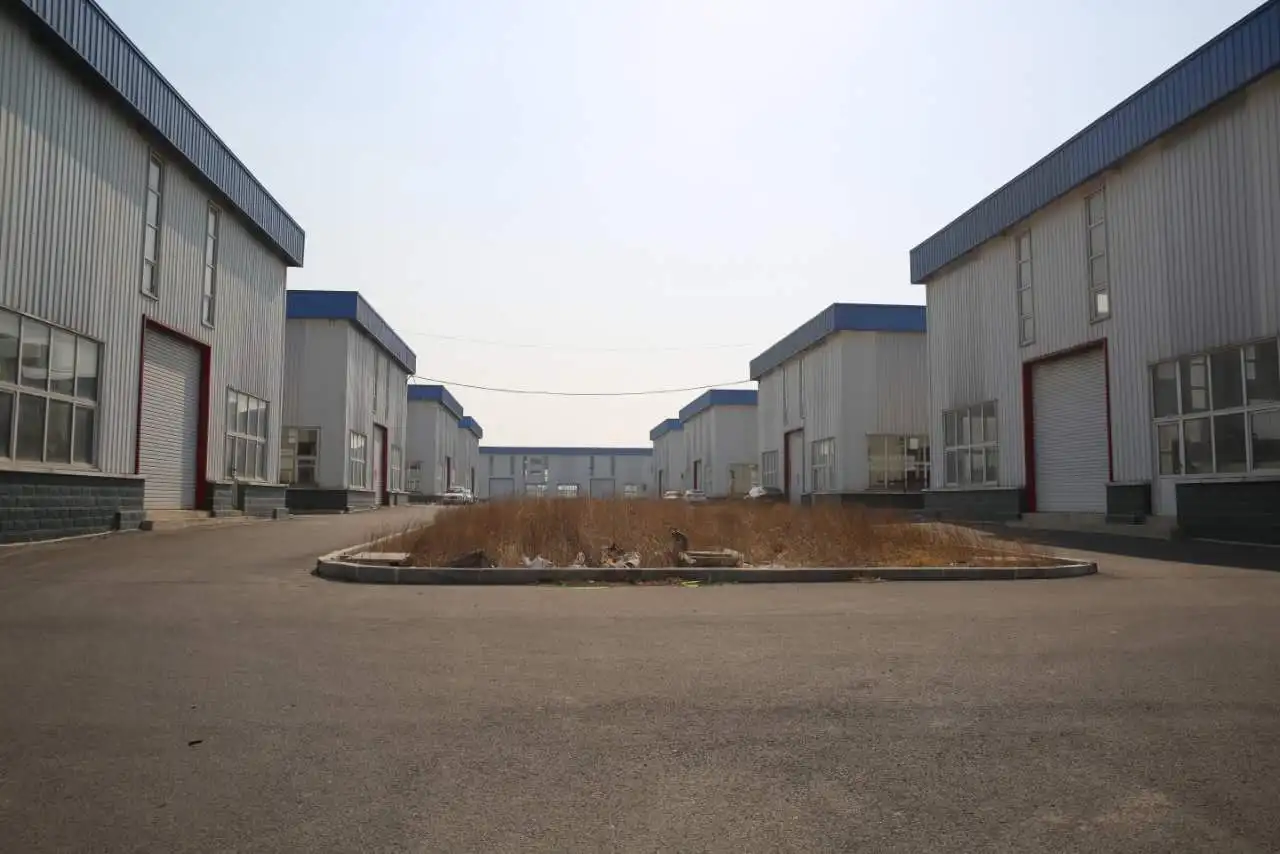
Hebei Cloud Import And Export Co., Ltd.
- Trading Company
- Hebei, China
- Lead time10 days
- Avg. response≤ 4h
Main productsAuto parts and maintenance equipment,construction machinery equipments,instrumetation,Ductile steel part,Manhole cover grating
Main marketsDomestic Market(30.00%), North America(15.00%), Northern Europe(10.00%), South America(10.00%), Southern Europe(5.00%), Western Europe(5.00%), Eastern Europe(5.00%), Mid East(5.00%), Africa(5.00%), South Asia(4.00%), Southeast Asia(3.00%), Central America(2.00%), Eastern Asia(1.00%)
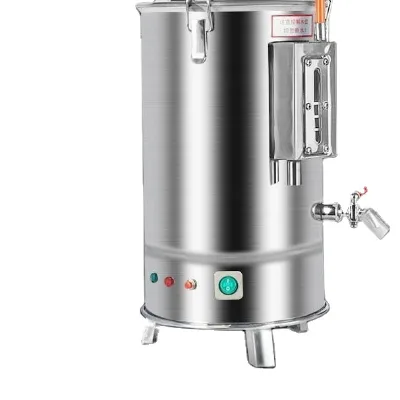
Stainless Steel Water Distillation System Lab Home Distilled Water Distiller Machine
$129.0497 - $516.1958
MOQ: 1 Minimum
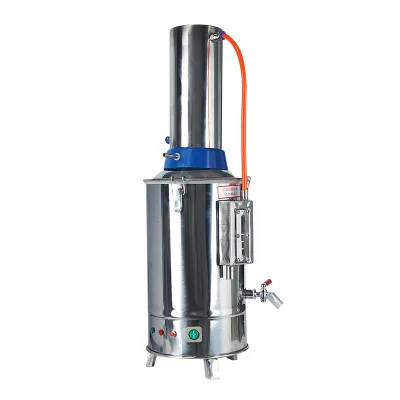
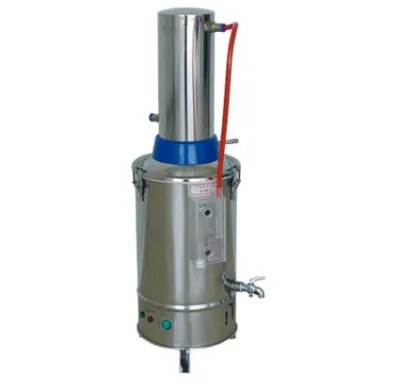
Heating Distilled Water Machine with Water Cut-off Laboratory Distilled Water Machine
$128.9613 - $515.8438
MOQ: 1 Minimum
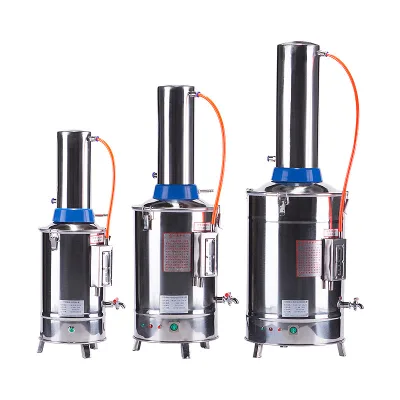
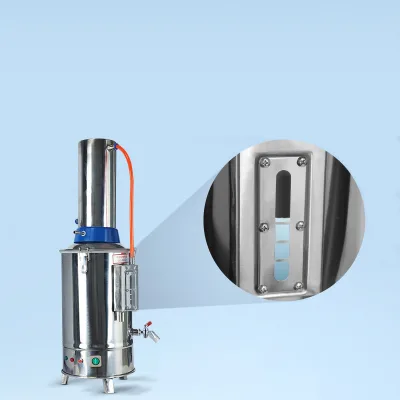
5L 10L 20L Water Distiller Stainless Steel Water Distiller With Strong Sealing Performance
$128.3412 - $513.3646
MOQ: 1 Minimum

Zhejiang Leadtop Pharmaceutical Machinery Co., Ltd.
- Verified by TUVRHEINLAND
- Combined
- China Zhejiang
- Lead time30 days
- Avg. response≤ 8h
Main productsCapsule Filling Machine, Empty Capsule, Cartoning Machine, Blister Packing Machine, Fluid Bed Dryer, Mixing Machine, Water Purification Machine, Extraction and Concentration Plant, Tablet Pressing Machine, Labeling Machine
Main marketsDomestic

Zhengzhou Laboao Instrument Equipment Co., Ltd.
- Verified by TUVRHEINLAND
- Trading Company
- China Henan
- Lead time15 days
- Avg. response≤ 3h
Main productsReactor, Rotary Evaporator, Bioreactor Fermenter, Freeze Dryer, Spray Dryer, Lab Drying Oven, Laboratory Equipment, Drug Testing Instrument, Chemical Analysis Instrument, Agriculture Testing Instrument
Main marketsSouth America,Southeast Asia/ Mideast,East Asia(Japan/ South Korea),Europe,Australia,North America

Laboao Dual Distilling Electric Heating Water Distillation Stainless Steel Water Distiller
$1420.00 - $2319.00
MOQ: 1 Pieces


5L 10L 20L Laboratory Water Distillation Apparatus Automatic Electric Water Distiller
$388.00 - $519.00
MOQ: 1 Pieces


- Verified by TüVRheinland
- Trading Company
- Lead time25 days
- Avg. response≤ 5h
Main productsCentrifuge, Microscope, Autoclave, Incubator, Spectrophotometer
Main marketsAfrica(50%), North America(20%), South America(20%)

Faithful lnstrument (Hebei) Co., Ltd.
- Verified by BV
- Combined
- China Hebei
- Lead time15 days
- Avg. response≤ 7h
Main productsIncubator, Magnetic Stirrer, Drying Oven, Heating Mantle, Water Bath, Laminar Flow Cabinet, Stainless Steel Water Still, Disintegrator, Furnace, Vortex Mixer
Main marketsSouth America,Africa,Southeast Asia/ Mideast,Europe,Australia,North America

Jiangsu Jinyi Instrument Technology Company Limited
- Manufacturer
- China Jiangsu
- Lead time0 days
- Avg. response≤ 15h
Main productsElectronic Spirometer, Laboratory Centrifuge, Thermostatic Incubator Drying Oven, Testtube Heater, Votex Mixer, Speed-Adjustable Shaker, Thermostatic Shaker, Water/Oil Bath, Electric Stirrer, Hot Plate

Hengshui Hanna Trading Co., Ltd
- Verified by TUVRHEINLAND
- Trading Company
- China Hebei
- Lead time15 days
- Avg. response≤ 6h
Main productsHome Pure Water Equipment, Sand Filter Equipment, FRP Water Tank, Stainless Steel Water Tank, Galvanized Sheet Water Tank, Di Filter, Industrial Pure Water Equipment, Resin Tank, Dosing Device
Main marketsDomestic

HENAN BAISTRA INDUSTRIES CORP.
- Verified by TUVRHEINLAND
- Trading Company
- China Henan
- Lead time15 days
- Avg. response≤ 3h
Main productsDental Equipment, Medical Equipment, Dental Uinit, Water Distiller, Dental Materials, Orthodontic Bracket, Dental Handpiece, LED Curing Light, Dental Resin, Dental Instrument
Main marketsSouth America,Eastern Europe,North America,Eastern Asia,Africa

Hot Sale Portable White Color Water Distillation Unit Electric Water Distiller Machine
$40.00 - $45.00
MOQ: 2 Sets

OEM 4L/6L Portable Electric Water Distiller Machine with Handle and LCD Screen
$60.00 - $70.00
MOQ: 2 Pieces

Hot Selling Home/Lab Use Electric Water Distiller Machine with Adjustable Temperature
$57.00 - $65.00
MOQ: 5 Sets

4L/6L Stainless Steel Water Distiller Machine with Double Screen Temperature Regulation
$57.00 - $65.00
MOQ: 4 Sets
ANHUI HOUYUAN MEDICAL TECHNOLOGY CO., LTD.
- Verified by TüVRheinland
- Trading Company
- Lead time15 days
- Avg. response≤ 3h
Main productsAutoclave, Distilled Water Machine, Ultrasonic Cleaning Machine, Incubator, Freeze-Drying Machine
Main marketsAfrica(26%), Northern Europe(25%), Domestic Market(24%)
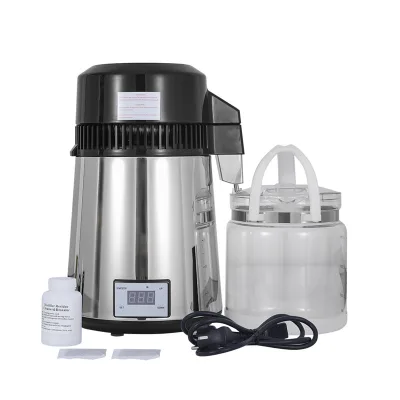
Water Distillation Equipment Hoseheld Distilled Water Machine with Stainless Steel
$78.00 - $85.00
MOQ: 1
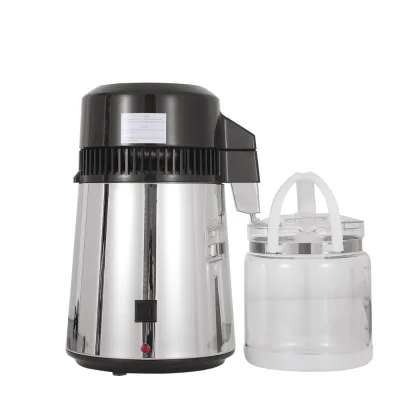
High Quality Water Distiller Steamed Water Distiller Machines for Autoclave Use
$60.00 - $63.00
MOQ: 1
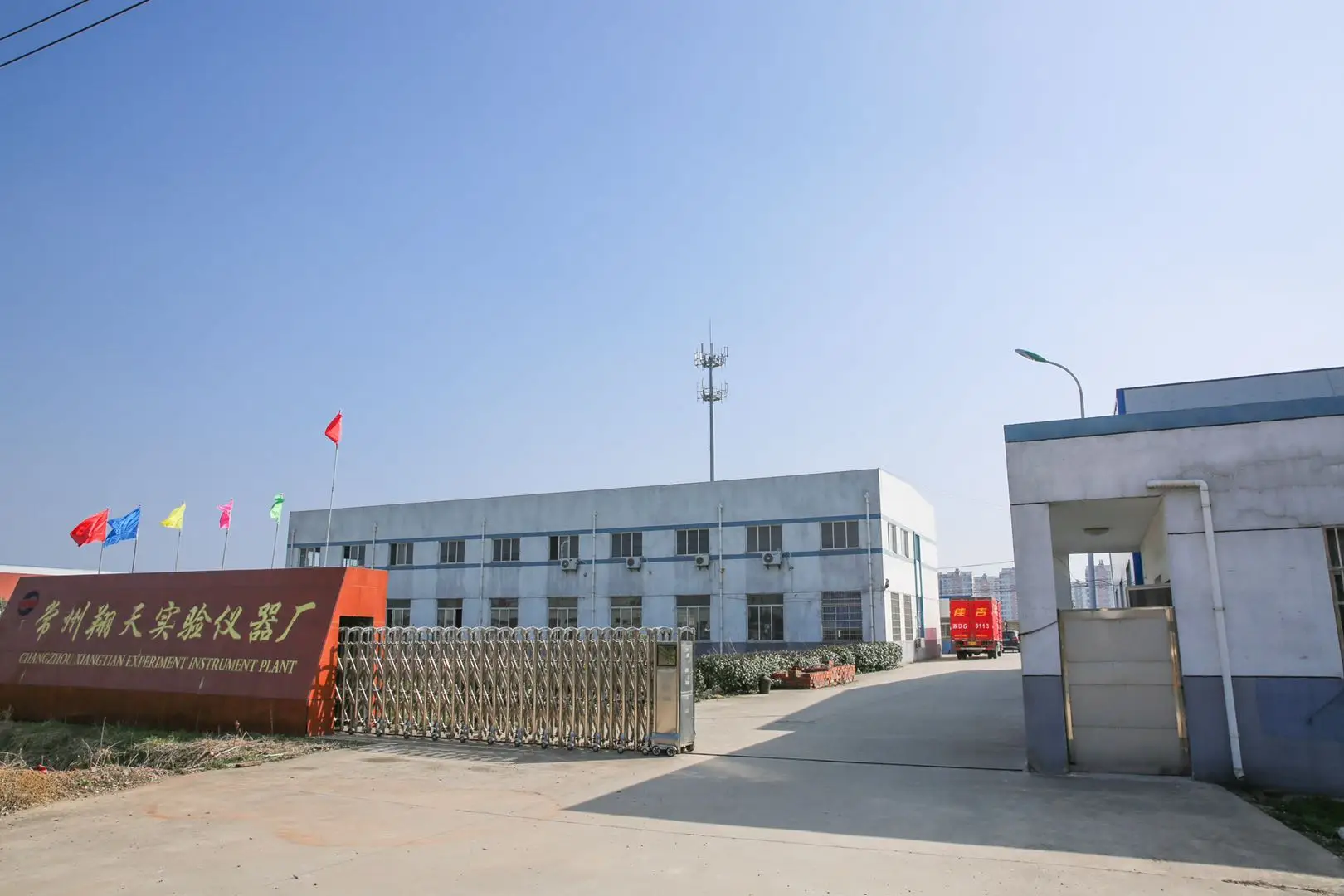
Changzhou Xiangtian Experimental Instrument Factory
- Manufacturer, Trading Company
- Jiangsu, China
- Lead time15 days
- Avg. response≤ 1h
Main productsCentrifuge,Magnetic stirrer,Digital water bath,incubator,dry oven
Main marketsAfrica(10.00%), South America(10.00%), Northern Europe(10.00%), Western Europe(8.00%), Central America(8.00%), Mid East(8.00%), Oceania(8.00%), Eastern Europe(8.00%), North America(8.00%), Southern Europe(6.00%), Eastern Asia(5.00%), Southeast Asia(5.00%), Domestic Market(3.00%), South Asia(3.00%)
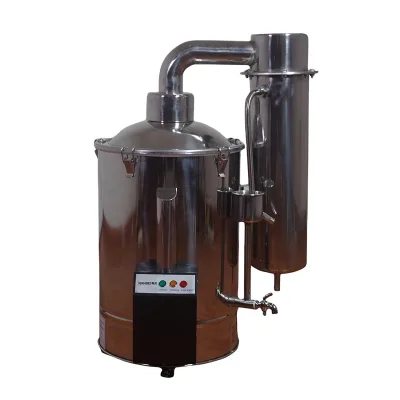
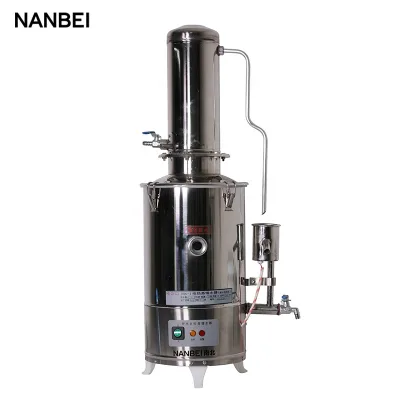






Comprehensive Sourcing Guide
Industrial Electric Water Distillation Machine Supplier Concentration and Factory Types
The current supplier landscape for industrial electric water distillation machines reveals a diverse mix of manufacturing capabilities and business models, primarily concentrated in specific Chinese provinces. Evidence indicates that manufacturers are located in Hunan, China, offering a range of core products that include freeze dryers, bioreactor fermenters, and thermal analyzers alongside water treatment equipment. These entities operate as direct manufacturers, which often implies a more integrated production process for the distillation units themselves. In contrast, other suppliers are identified as trading companies or combined entities based in China Shanghai. These Shanghai-based firms list main products that encompass filling machines, pharmaceutical machinery, and packing machines, suggesting that their water distillation offerings may be part of a broader portfolio of industrial and medical equipment solutions. This distinction between pure manufacturers and combined trading companies is critical for buyers, as it influences the depth of technical expertise, the flexibility of customization, and the directness of the supply chain.
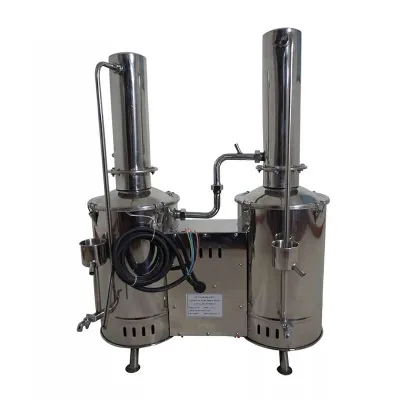
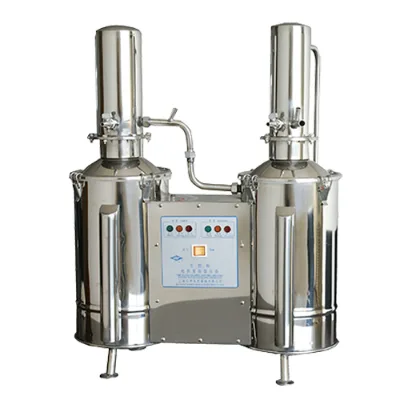
Understanding the company type is essential for evaluating the source of the equipment. Manufacturers in Hunan provide specific product lines such as the WD-BA series and WD-TS series, which are explicitly described as water distiller machines for laboratory and hospital use. These products often feature stainless steel construction and PLC core components, indicating a focus on automated and durable industrial-grade systems. On the other hand, the combined suppliers in Shanghai offer industrial stainless steel WFI water distillers and efficient electric distillation systems for industrial water treatment. These suppliers may leverage their broader network to source components or provide turn-key projects that integrate distillation with other water treatment technologies like reverse osmosis. The presence of both manufacturer and trading company types allows buyers to choose between direct factory engagement for potentially lower costs and customized support, or the broader service offerings and product variety that trading companies might provide. Buyers must carefully assess which model aligns with their specific operational needs, whether they prioritize direct technical support from the factory or the logistical and product diversity of a trading partner.
How to Verify Industrial Electric Water Distillation Machine Suppliers
Verifying the legitimacy and capability of suppliers requires a close examination of their certifications, verification badges, and response metrics. For instance, some suppliers hold system certifications such as 2006/42/EC, which is relevant for machinery safety in certain markets, while others display ISO9001:2015 certificates, indicating adherence to quality management standards. Additionally, specific product certifications like CE are listed for certain water distiller models, ensuring compliance with European safety and health requirements. Buyers should also look for verification badges such as SGS, which provides an independent assessment of the supplier’s capabilities and business legitimacy. These third-party verifications add a layer of trust that is crucial when sourcing heavy industrial machinery from overseas. The presence of these certifications and badges serves as a primary filter for identifying reliable partners who meet international regulatory standards for electrical and mechanical equipment.
Beyond static certifications, dynamic metrics such as response time and lead time offer insights into the supplier’s operational efficiency and customer service quality. Data shows that response times can vary significantly, with some suppliers responding within 2.25 hours, while others may take up to 5 hours or more. This speed of communication is vital for resolving technical queries and negotiating terms efficiently. Furthermore, lead times provide a realistic expectation for delivery; some suppliers indicate a lead time of 10 days, whereas others may require up to 60 days for production and shipping. Buyers should use these metrics to gauge the supplier’s responsiveness and production capacity. A supplier with a short lead time and rapid response rate is likely better equipped to handle urgent orders or provide timely after-sales support. It is also important to verify the authenticity of these claims by requesting recent test reports, such as machinery test reports, which are provided by some manufacturers to demonstrate product performance and safety before shipment.
What to Compare Across Industrial Electric Water Distillation Machine Suppliers
When comparing suppliers, buyers should focus on key product attributes such as material construction, capacity, and after-sales service provisions. Many industrial water distillers are constructed from stainless steel, ensuring durability and resistance to corrosion, which is critical for maintaining water purity in pharmaceutical and laboratory settings. Capacity varies widely, with some units offering processing capacities ranging from 100L/h to 1000L/h, while others are customized for specific industrial needs. Buyers must match these specifications to their daily water consumption requirements to avoid under- or over-provisioning. Additionally, the core components, such as PLC systems, play a significant role in the automation and reliability of the distillation process. Comparing the quality and brand of these components can help buyers assess the long-term performance and maintenance needs of the equipment. Suppliers that provide detailed specifications for their core components and materials demonstrate a higher level of transparency and product knowledge.
After-sales service and warranty terms are equally important factors in the comparison process. Some suppliers offer comprehensive support packages that include video technical support, field installation, commissioning, training, and maintenance services. Others may provide only online support or free spare parts. The warranty period is another critical differentiator, with some suppliers offering a one-year warranty while others may have different terms. Buyers should carefully review these service offerings to ensure they have adequate support for installation and ongoing maintenance. Additionally, the supply ability, such as 100 sets per month, indicates the supplier’s production capacity and reliability in fulfilling large orders. Comparing these service and capacity metrics allows buyers to select a supplier that not only provides high-quality equipment but also ensures long-term operational support and scalability. It is also worth noting the customization support offered, with some suppliers providing OEM, ODM, and OBM services, which can be beneficial for buyers seeking branded or uniquely specified equipment.
Common Industrial Electric Water Distillation Machine Sourcing Risks
One significant risk in sourcing industrial electric water distillation machines is the potential mismatch between advertised specifications and actual product performance. Buyers must be cautious of vague descriptions or missing technical details, such as the absence of machinery test reports or unclear voltage specifications. For example, some products list a voltage of 380V, which may not be compatible with all industrial power grids, leading to installation issues or equipment damage. Additionally, the material grade, such as 200 Series stainless steel, may not meet the high-purity requirements of pharmaceutical applications, which often demand 304 or 316L stainless steel. Buyers should verify these technical details through direct communication with the supplier and request detailed product datasheets or certification documents. Failing to do so can result in receiving equipment that does not meet regulatory or operational standards, leading to costly replacements or compliance violations.
Another risk is the variability in after-sales service and support quality, which can impact the long-term usability of the equipment. While some suppliers offer extensive field services, others may provide limited online support, leaving buyers without adequate assistance for complex installations or repairs. The absence of video outgoing-inspection data for some products also raises concerns about quality control during the manufacturing process. Buyers should inquire about the supplier’s quality assurance procedures and request evidence of pre-shipment inspections. Furthermore, the lead time variability, ranging from 10 to 60 days, can disrupt production schedules if not properly managed. Buyers should establish clear communication channels and set realistic expectations regarding delivery timelines. It is also important to verify the supplier’s ability to provide spare parts and technical support over the warranty period and beyond. By proactively addressing these risks, buyers can mitigate potential disruptions and ensure a smoother sourcing experience.
Industrial Electric Water Distillation Machine Regional Sourcing and Logistics
The regional concentration of suppliers in China, particularly in Hunan and Shanghai, offers logistical advantages for international buyers. Hunan-based manufacturers often specialize in laboratory and small-scale industrial equipment, while Shanghai-based suppliers focus on larger industrial and pharmaceutical systems. This geographic distribution allows buyers to select suppliers based on their specific product needs and logistical preferences. Shipping from these regions typically involves port dispatch from any port in China, providing flexibility in choosing the most cost-effective or convenient shipping route. Buyers should consider the distance to their destination port when calculating total landed costs, including freight, insurance, and customs duties. Additionally, the packaging details, such as wooden packages or export-suitable packaging, are crucial for protecting the equipment during transit. Buyers should verify the packaging standards with the supplier to ensure that the machinery arrives in pristine condition, minimizing the risk of damage during shipping.
Logistics planning also involves coordinating with freight forwarders to manage the complex documentation required for international trade. Suppliers may provide necessary documents such as commercial invoices, packing lists, and certificates of origin, but buyers must ensure that all regulatory requirements are met. For instance, products with CE certification may require additional documentation for entry into European markets, while ISO and GMP certifications may be needed for pharmaceutical applications in other regions. Buyers should work closely with their logistics partners to streamline the customs clearance process and avoid delays. Furthermore, the supply ability of the supplier, such as 100 sets per month, should be factored into the logistics plan to ensure that inventory levels are maintained without overstocking. By carefully planning the regional sourcing and logistics strategy, buyers can optimize costs and ensure timely delivery of their industrial electric water distillation machines.
Industrial Electric Water Distillation Machine Commercial Terms and Order Planning
Commercial terms and order planning are critical components of a successful sourcing strategy for industrial electric water distillation machines. Buyers should negotiate clear payment terms, such as escrow services or letters of credit, to protect their financial interests. The minimum order quantity (MOQ) is another key factor, with some suppliers offering an MOQ of just one unit, which is beneficial for small-scale purchases or testing purposes. However, larger orders may qualify for volume discounts, so buyers should assess their long-term water treatment needs to determine the optimal order size. Additionally, the price range for these machines can vary significantly, from a few hundred dollars for small laboratory units to hundreds of thousands of dollars for large industrial systems. Buyers should request detailed quotations that include all costs, such as shipping, insurance, and taxes, to avoid unexpected expenses.
Order planning also involves aligning the purchase timeline with the supplier’s lead time and production capacity. For suppliers with a lead time of 10 days, buyers can plan for quicker delivery, while those with a 60-day lead time require more advanced planning. Buyers should also consider the customization support offered, such as OEM or ODM services, which may extend the lead time but provide tailored solutions. It is essential to establish a clear communication schedule with the supplier to track production progress and address any issues promptly. Additionally, buyers should plan for the installation and commissioning phase, especially if the supplier offers field installation services. By carefully managing commercial terms and order planning, buyers can ensure a smooth transaction and successful implementation of their industrial electric water distillation machines.
FAQs
What is the price range for industrial water distillers?
Prices vary significantly based on capacity and configuration. Small laboratory units start around $205, while larger industrial systems can reach $450,000. Most mid-range models are priced near $5,576. Buyers should verify specific quotes for custom capacities or specialized pharmaceutical-grade requirements.
What certifications are available for these machines?
Common certifications include CE, ISO9001:2015, GMP, and 2006/42/EC. These ensure compliance with European and international safety and quality standards. Some suppliers provide machinery test reports and warranty documentation. Buyers should request specific certificates relevant to their local regulatory environment before purchasing.
What is the typical lead time for delivery?
Lead times generally range from 10 to 60 days depending on the supplier and order complexity. Some manufacturers offer faster turnaround for standard models, while custom pharmaceutical systems may require longer preparation. Buyers should confirm exact schedules with the supplier to align with project timelines.
What after-sales services are typically provided?
Suppliers often provide video technical support, online assistance, and field installation or commissioning services. Many offer free spare parts and warranty coverage for one year. Some manufacturers also provide field maintenance and repair services. Buyers should clarify the extent of support included in the purchase price.
Where are these manufacturers located?
Manufacturers are primarily located in Hunan and Shanghai, China, with some production in Guangdong. These regions are known for industrial machinery and pharmaceutical equipment. Buyers can verify specific factory locations to assess logistics costs and visit facilities if necessary for quality assurance purposes.
What is the minimum order quantity for these machines?
The minimum order quantity is typically one unit for most industrial water distiller models. This allows buyers to purchase single units for testing or small-scale operations. Bulk discounts may apply for larger orders. Buyers should confirm MOQ policies with the supplier to ensure flexibility.