Waterless Commercial Electric Aroma Diffuser Suppliers and Manufacturers
Explore 24 verified options for Waterless Commercial Electric Aroma Diffuser units with dimensions, pricing, and lead times. Compare ISO certifications, response speeds, and customization capabilities to select a suitable partner for your project; review the available evidence before requesting comparable quotations from suitable candidates.
Updated
Suppliers List

Guangdong Vinescents Fragrance Technology Co., LTD
- Verified by BV
- Combined
- China Guangdong
- Lead time23 days
- Avg. response≤ 6h
Main productsAroma Diffuser, Large Space Scent Diffuser Machine, Home Aroma Diffuser, Car Aroma Diffuser
Main marketsSouth America,Africa,Southeast Asia/ Mideast,East Asia(Japan/ South Korea),Europe,Australia,North America

Commercial Scent Diffuser Aroma Machine Electric Aroma Diffuser Waterless Aroma Diffuser
$88.00 - $112.00
MOQ: 2 Pieces


Electric Aromatherapy Humidifiers Diffusers Waterless Essential Oil Scent Aroma Diffuser
$50.00 - $65.00
MOQ: 2 Pieces


Aroma Diffuser Home Hotel Office Diffuser Fragrance Machine Electric Scent Diffuser
$18.00 - $22.00
MOQ: 2 Pieces
Guangzhou Xiangyun Flavor Technology Co., Ltd.
- Verified by SGS Group
- Manufacturer, Trading Company
- Lead time7 days
- Avg. response≤ 2h
Main productsHome Aroma Diffuser, Commerical Scent Diffuser, Essential Oil
Main marketsNorth America(60%), Southeast Asia(30%), Eastern Europe(10%)
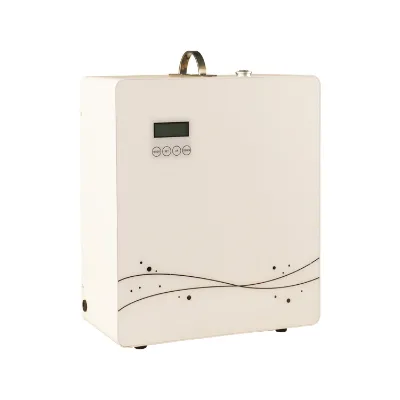
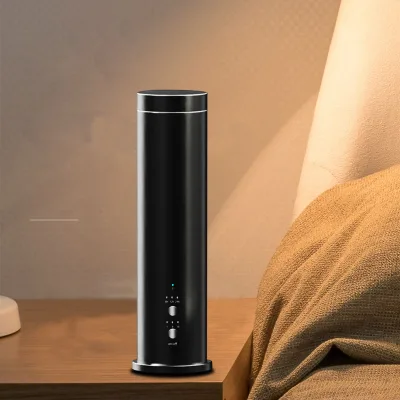
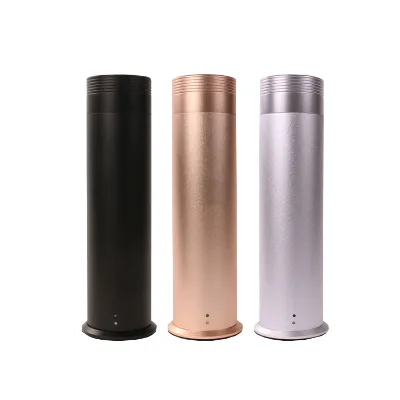
$48.713 - $48.9184
MOQ: 1 sets
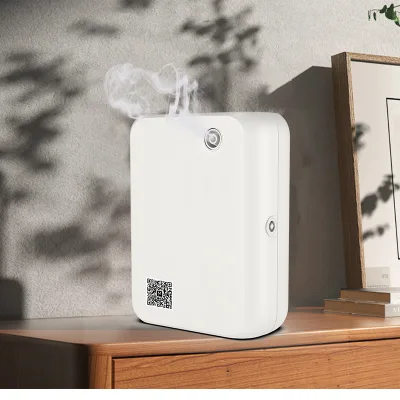
Ultra-Quiet ≤38dB A1500 Bluetooth WiFi Diffuser 1500m³ 500ml Commercial Aroma Oil Nebulizer
$14.90 - $16.90
MOQ: 2 Minimum
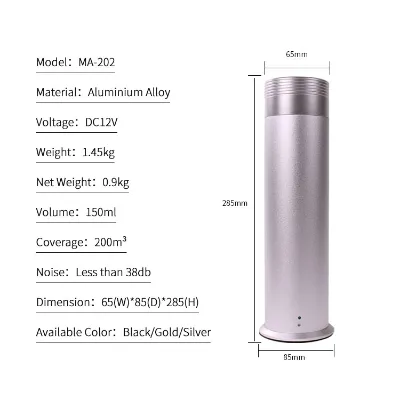

Shenzhen Maxwin Industrial Co., Ltd.
- Verified by BV
- Combined
- China Guangdong
- Lead time15 days
- Avg. response≤ 7h
Main productsScent Diffuser, Scent Air Machine, Aroma Machine, Aroma Diffuser, Fragrance Diffuser, Fragrance Machine, Scent Diffuser Machine, Scent Machine
Main marketsSouth America,Africa,Southeast Asia/ Mideast,East Asia(Japan/ South Korea),Europe,Australia,North America

Commercial Electric Scent Diffuser Home Air Fragrance Oil Waterless Aromatherapy Diffuser
$185.00 - $205.00
MOQ: 10 Pieces

Essential Oil Aroma Diffuser HVAC Fragrance Machine Hotel Home Air Purifier Waterless Aroma Diffuser
$100.00 - $118.00
MOQ: 1 Pieces

Suzhou Ramon Aroma Technology Co.,Ltd.
- Combined
- China Jiangsu
- Lead time30 days
- Avg. response≤ 2h
Main productsAroma Diffuser
Main marketsDomestic


Waterless Air Scent Machine Bluetooth APP Control Electric Aroma Diffuser
$19.83 - $21.64
MOQ: 2 Pieces

Hotel Commercial Aromatherapy Diffuser Essential Oil Diffuser Electric Aromatherapy Diffuser
$84.00 - $108.00
MOQ: 1 Pieces


Guangzhou Water Reflection Fountain Equipment Co., Ltd.
- Trading Company
- China Guangdong
- Lead time0 days
- Avg. response≤ 2h
Main productsFountain, Music Fountain, Watershow, Water Screen Projection, Water Curtain Projection, CNC Water Curtain, LED Stainless Steel Underwater Lamp, Nozzle, Aerosol Dispenser, Dry Fountain


Commercial Waterless 800ml Wall-Mounted Aroma Diffuser for Medium Spaces
$60.00 - $61.98
MOQ: 1 Pieces

Bluetooth APP-Controlled Wall Plug-in Commercial Aroma Diffuser with 100ml Waterless Capacity
$14.96 - $16.62
MOQ: 1 Pieces

Custom Logo OEM Wall-Mounted Smart Waterless Aroma Diffuser for Hotel Commercial Use
$16.62 - $18.28
MOQ: 1 Pieces


$16.00 - $17.71
MOQ: 1 Pieces

Cangnan Sindh Commodity Factory
- Verified by CTI
- Trading Company
- China Zhejiang
- Lead time15 days
- Avg. response≤ 8h
Main productsAroma Diffuser, Essential Oil, Cleaning Cloth, Shoe Cover, Luggage Cover, Blanket, Flannel Fleece Fabric, Mop Strips, Microfiber Mop Yarn
Main marketsDomestic,Europe,North America

$45.00 - $63.50
MOQ: 20 Pieces

$39.00 - $49.00
MOQ: 1 Pieces

180ml WiFi Aroma Diffuser with Waterless Scent Technology for HVAC Systems
$50.00 - $60.00
MOQ: 1 Pieces

$15.00 - $20.00
MOQ: 1 Pieces


guangzhou xichi Technology Co.,LTD
- Verified by SGS
- Trading Company,Manufacturer/Factory
- China Guangdong
- Lead time15 days
- Avg. response≤ 10h
Main productsScent Diffuser, Aroma Diffuser, Fragrance Oils, Scent Machine, Diffuser Machine, Electric Aroma Diffuser, Car Air Fresher, Car Diffuser, Car Clean
Main marketsSouth America,Eastern Europe,North America,Southeast Asia,Eastern Asia,Oceania,Western Europe,Africa


$19.00 - $25.00
MOQ: 50 pieces

Eco-Friendly Electric Waterless Aroma Diffuser Scent Neutralizer Home Fragrance Diffuser
$25.00 - $36.00
MOQ: 49 Pieces


Aroma Diffuser Electric Waterless Essential Oil Fragrance Diffuser HVAC
$25.00 - $36.00
MOQ: 49 Pieces

Aromatherapy Machine Manufacturer Car Waterless Diffuser Electronic Car Aroma Diffuser
$18.00 - $25.00
MOQ: 10 pieces
Shenzhen Crearoma Tech Limited
- Manufacturer, Trading Company
- Lead time旺季: "1 - 5":10,"6 - 100":25,"101 - 300":30,"> 300":"To be negotiated", 淡季: "1 - 5":10,"6 - 100":25,"101 - 300":30,"> 300":"To be negotiated"
- Avg. response≤ 2h
Main productsHousehold Aroma Difuser, Commercial Scent Diff User, Fragrance Oil, Car Aroma Diffuser, Advertising Scent Machine

Guangzhou Xiangyun Flavor Technology Co., Ltd.
- Verified by CTI
- Combined
- China Guangdong
- Lead time15 days
- Avg. response≤ 6h
Main productsAroma Diffuser
Main marketsSoutheast Asia/ Mideast,Europe,North America

Commercial 2000 Cbm Metal HVAC Hotel Waterless Scent Air Machine APP Control Electric Aroma Diffuser
$49.23 - $50.88
MOQ: 2 Sets


Guangxi Meimeiyugong Trading Co., Ltd.
- Trading Company
- Guangxi, China
- Lead time0 days
- Avg. response≤ 8h
Main productsFragrance Oil,Perfume Oil,Essential Oil,Air Freshener,Reed Diffuser
Main marketsMid East(30.00%), North America(25.00%), Western Europe(25.00%), Southeast Asia(20.00%)
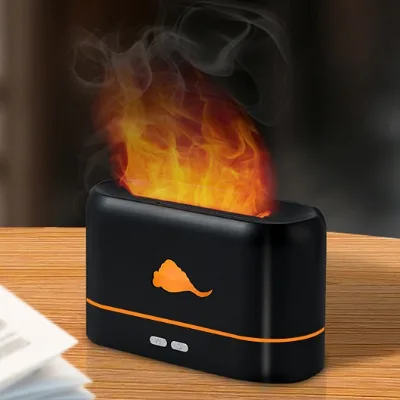
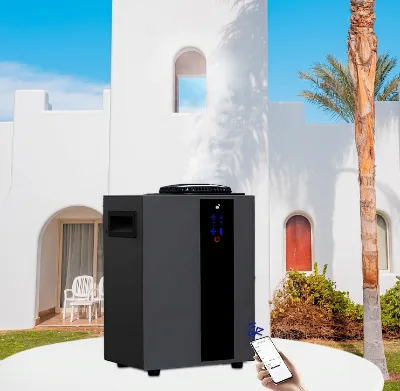
Custom Logo Whole House Scent Diffuser Industrial Aroma Diffuser for Hotel
$72.5831 - $81.3327
MOQ: 1 pieces
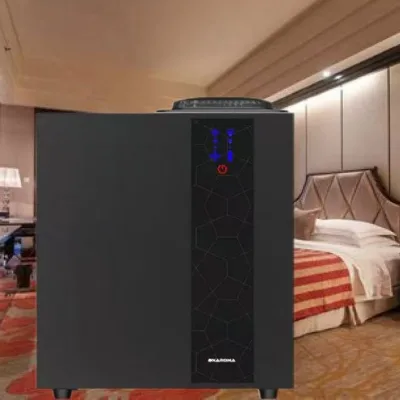
Hot Selling High Efficiency A1000 Commercial Defusers Electric Aroma air Diffuser Humidifier
$63.00 - $72.00
MOQ: 1 pieces
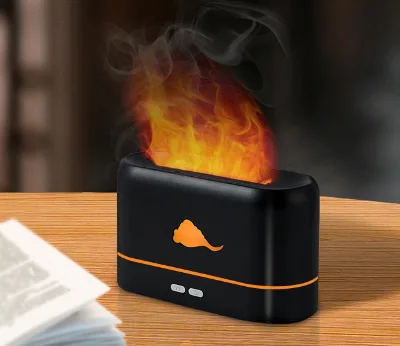
High-quality Fragrance Diffuser Home Electric Aroma Diffuser Room Diffuser for Home
$6.2598 - $6.786
MOQ: 100 pieces
Ningbo Glory King Import & Export Co., Ltd.
- Verified by Intertek
- Trading Company
- Lead time20 days
- Avg. response≤ 4h
Main productsDiffuser and Humidifer, Wax Oil Lamp and Burner, Essential Oil, Fan, Polyester Cotton Fabric
Main marketsNorth America(23%), South America(23%), Africa(23%)
Guangdong Grasse Environmental Technology Co., Ltd.
- Verified by SGS Group
- Manufacturer, Trading Company
- Lead time10 days
- Avg. response≤ 2h
Main productsScent Machine, Aroma Diffuser
Main marketsNorth America(26%), Mid East(20%), Western Europe(15%)
Shenzhen Dituo Electronic Co., Ltd.
- Verified by SGS Group
- Manufacturer, Trading Company
- Lead time15 days
- Avg. response≤ 4h
Main productsAroma Diffuser, Scent Diffuser, Humidifier, High Speed Hair Dryer, Vacuum Pump
Main marketsWestern Europe(27%), North America(18%), Domestic Market(15%)
Xiamen HIITII Fragrance Technology Co., Ltd.
- Manufacturer, Trading Company
- Fujian, China
- Lead time7 days
- Avg. response≤ 4h
Main productsEssential Oil Nebulizing Diffuser,Car Diffuser,Ultrasonic Aroma Diffuser
Main marketsSoutheast Asia(23.00%), North America(18.00%), Domestic Market(18.00%), Oceania(10.00%), Western Europe(6.00%), Eastern Asia(5.00%), Eastern Europe(4.00%), Mid East(4.00%), Southern Europe(3.00%), Northern Europe(3.00%), Central America(2.00%), South America(2.00%), Africa(1.00%), South Asia(1.00%)
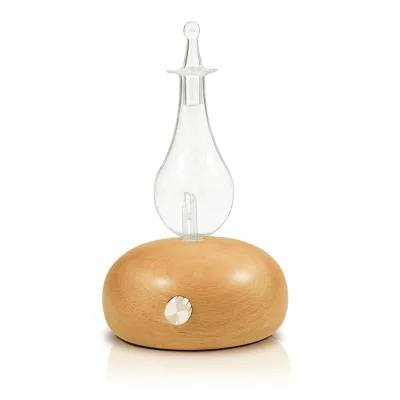
New Style Soundless Scent Home Aroma Diffuser
$12.6186 - $14.7951
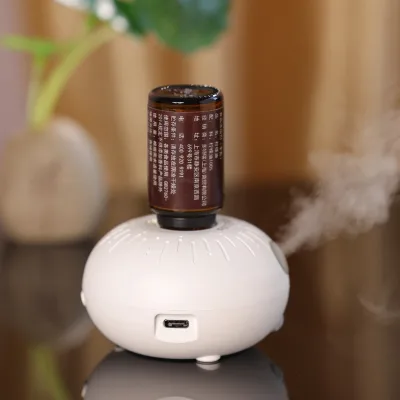
Guangzhou DanQ Environmental Technology Co., Ltd.
- Verified by SGS Group
- Manufacturer, Trading Company
- Lead time40 days
- Avg. response≤ 2h
Main productsScent Diffuser, Aroma Diffuser, Fragrance Oil
Main marketsMid East(25%), North America(20%), Southeast Asia(12%)
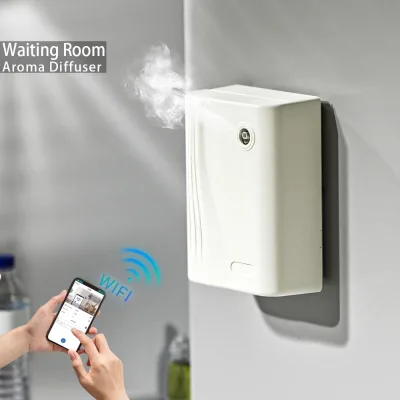
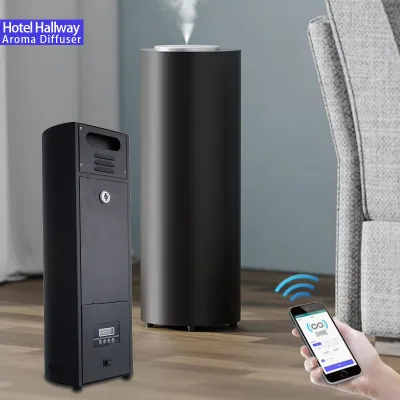
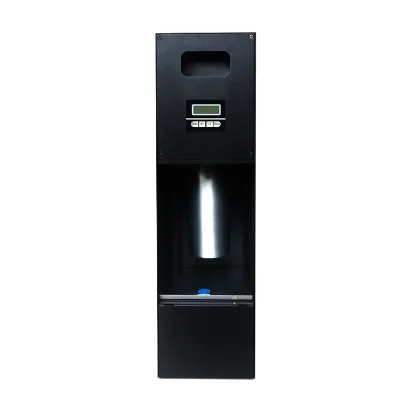
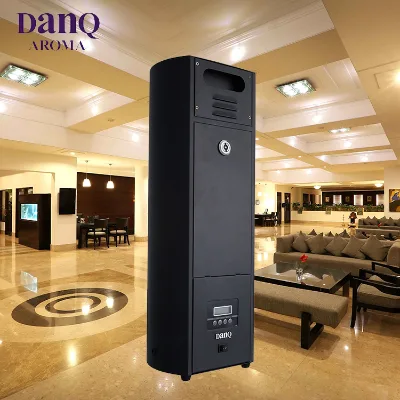
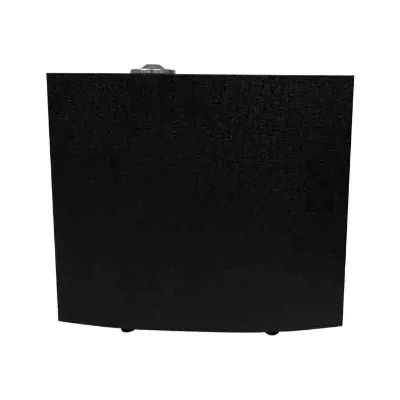
Home Use Aroma Diffuser,Scent Diffuser System for Commercial Use,scent Oil Equipment
$87.2718
MOQ: 8 Minimum
Ningxia Tianqing Technology Co., Ltd.
- Trading Company
- Ningxia, China
- Lead time15 days
- Avg. response≤ 23h
Main productsScent Diffuser Machine, Essential Oil, Car Aroma Diffuser
Main marketsNorth America(36.00%), Mid East(23.00%), Western Europe(16.00%), Eastern Europe(9.00%), Southeast Asia(9.00%), Oceania(3.00%), South America(2.00%), Africa(2.00%)
Suzhou Industrial Park Airsafer Environmental Technology Co., Ltd.
- Manufacturer, Trading Company
- Jiangsu, China
- Lead time0 days
- Avg. response≤ 11h
Main productsfragrance essential oil,diffuser,deodorant,Deodorizer
Main marketsNorth America(50.00%), Southeast Asia(30.00%), Eastern Europe(20.00%)
$232.8741 - $253.0777
MOQ: 1 pieces
Guangxi Jinxing Household Products Co., Ltd.
- Verified by TüVRheinland
- Manufacturer, Trading Company
- Lead time15 days
- Avg. response≤ 2h
Main productsReed Diffuser, Air Fresheners, Rattan Sticks, Fiber Diffuser Sticks, Scented Candles
Main marketsNorth America(25%), Western Europe(24%), Oceania(12%)
Shenzhen Chenghaoxing Fragrance Technology Co., Ltd.
- Verified by TüVRheinland
- Manufacturer, Trading Company
- Lead time14 days
- Avg. response≤ 1h
Main productsAroma Diffusers, Fragrance Diffuser, Essential Oil Diffuser, Scent Diffuser, Waterless Diffuser
Main marketsNorth America(50%), Mid East(20%), Western Europe(15%)
Shenzhen Dazhi Technology Co., Ltd.
- Verified by TüVRheinland
- Manufacturer, Trading Company
- Lead time10 days
- Avg. response≤ 2h
Main productsAroma Diffuser, Air Humidifier, Air Freshener Dispenser, Soap Dispenser
Main marketsNorth America(25%), Southeast Asia(15%), South America(10%)
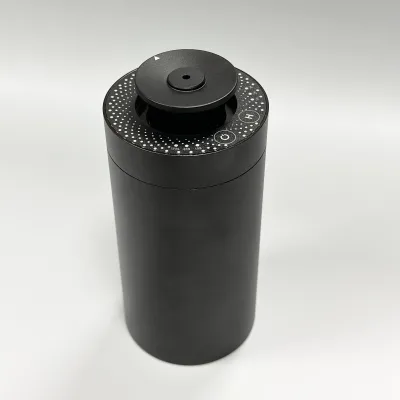
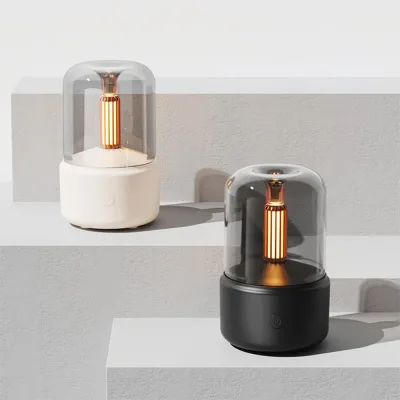
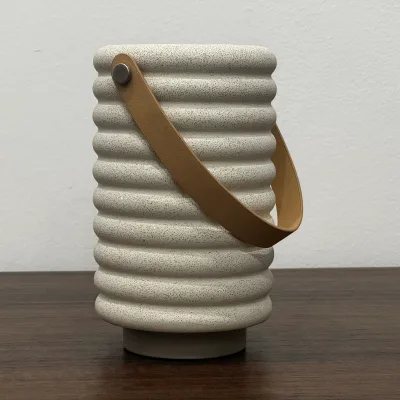
$18.4062 - $19.3266
MOQ: 6 pieces
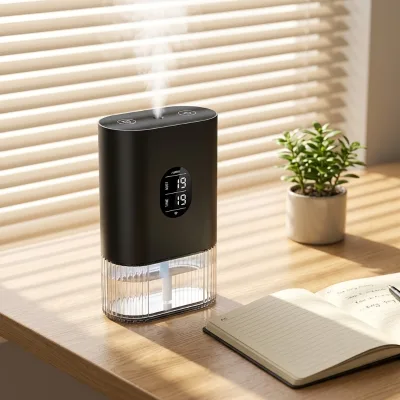
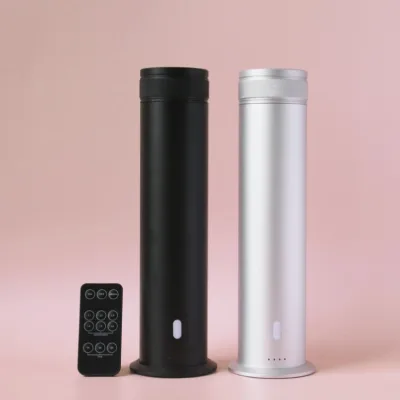

- Verified by SGS
- Trading Company
- China Zhejiang
- Lead time15 days
- Avg. response≤ 10h
Main productsFan, Heater Fan, Air Fryer, Toaster, Rice Cooker, Vacuum Cleaner, Coffee Machine, Hairdressing Appliance, Electric Toothbrush, Steam Iron
Main marketsEurope,Australia

Outstanding Design & Manufacture Co., Ltd.
- Verified by BV
- Combined
- China Shanghai
- Lead time30 days
- Avg. response≤ 14h
Main productsScented Candle, Reed Diffuser, Car Air Freshener, Aroma Diffuser, Incense Gift Set, Scented Sachet, Oil Burner, Fragrance Oil, Essential Oil, Fragrance Lamp
Main marketsEurope,Australia,North America


Outstanding White Air Fresher Essential Oil Diffuser Aroma Humidifier Electric Aroma Diffuser
$6.23 - $7.21
MOQ: 500 Pieces


Shenzhen HY Electronic Technology Co., Ltd.
- Verified by SGS
- Manufacturer/Factory
- China Guangdong
- Lead time23 days
- Avg. response≤ 4h
Main productsAroma Diffuser, Humidifier, Essential Oil Diffuser, Essential Oil, Flame Humidifier, Atomizing Diffuser, Scent Oil, Aromatherapy Oils, Fragrance Oils, Waterless Diffuser
Main marketsSouth America,Eastern Europe,Mid East,North America,Southeast Asia,Eastern Asia,Oceania,Western Europe,Africa


Luxury Electric Aromatic Air Aroma Diffuser Water Free Aroma Diffuser Aroma Diffuser
$97.00 - $108.00
MOQ: 10 Pieces

$55.00 - $60.00
MOQ: 10 Pieces


Zhongshan Auramor Smart Technology Co., Ltd.
- Manufacturer, Trading Company
- Guangdong, China
- Lead time30 days
- Avg. response≤ 5h
Main productsAroma Diffuser,Humidifier,Air Purifier,Essential oil,Air deodorizer
Main marketsNorth America(36.00%), Mid East(16.00%), South America(8.00%), Northern Europe(8.00%), Eastern Europe(7.00%), Western Europe(6.00%), Southern Europe(6.00%), South Asia(3.00%), Southeast Asia(3.00%), Eastern Asia(2.00%), Oceania(2.00%), Central America(2.00%), Africa(1.00%)
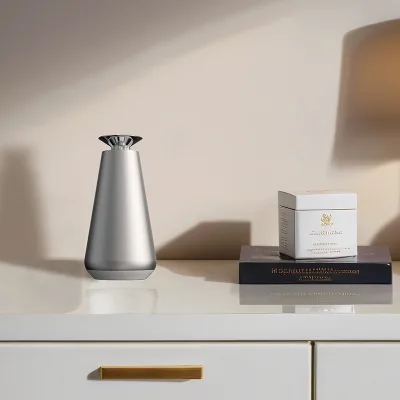
Top Sale Scent Diffuser Blue Tooth Small Portable Automatic Waterless Aroma Diffuser
$65.00 - $75.00
MOQ: 10 pieces
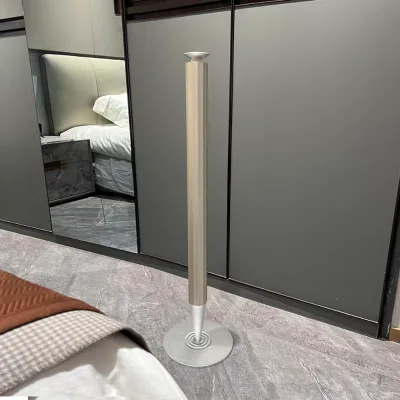
$100.00 - $110.00
MOQ: 100 pieces
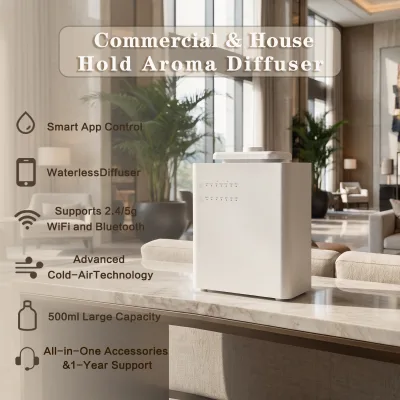



Comprehensive Sourcing Guide
Waterless Commercial Electric Aroma Diffuser Supplier Concentration and Factory Types
Suppliers of the Waterless Commercial Electric Aroma Diffuser segment on B2B platforms are heavily concentrated in China, with Guangdong province appearing as a listed location in current supplier results. Within this category, you will typically encounter three supplier types: combined companies that both manufacture and trade, pure manufacturers, and manufacturer-trading hybrids. The listed company types in this result set include "Combined" and "Manufacturer, Trading Company," which signals that many sellers in this niche control production while also handling export transactions directly. Understanding which type you are dealing with matters because it shapes who is accountable for tooling, quality control, and warranty support when a commercial installation fails.
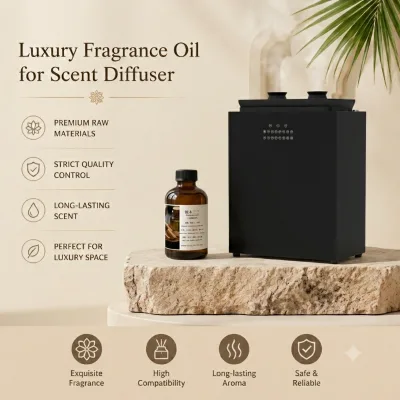
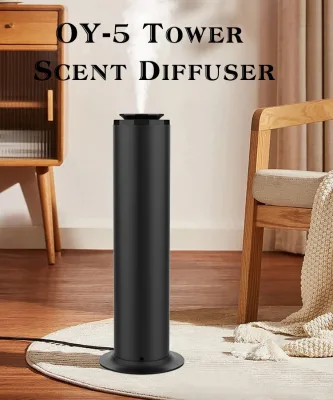
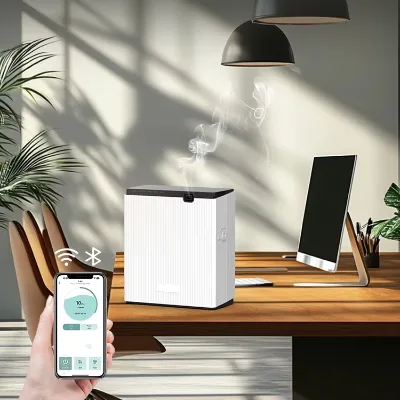
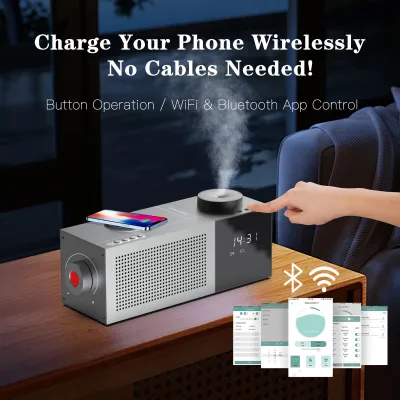
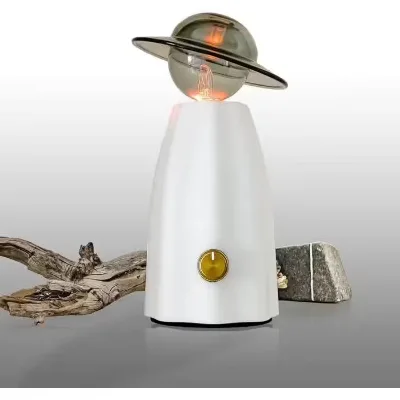
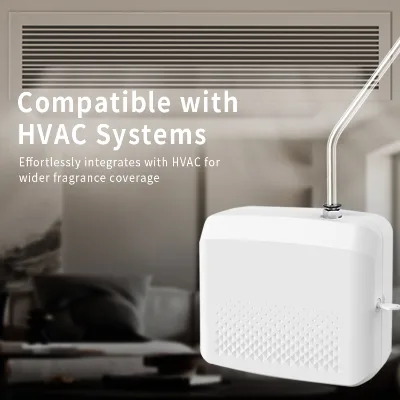
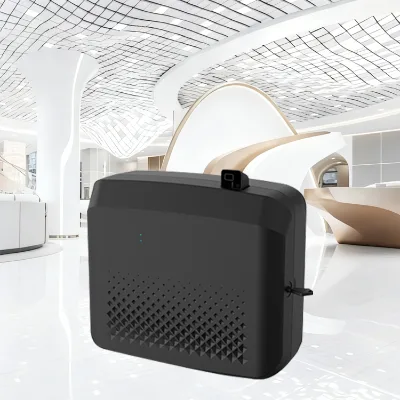
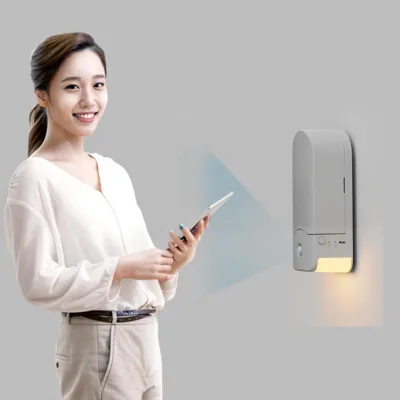
Product portfolios in this cluster cluster around waterless nebulizing technology rather than ultrasonic humidification: commercial scent diffuser machines, wall-mounted units, HVAC-connected systems, and smaller tabletop or portable models for home, hotel, and office use. Main product lines observed include aroma diffusers, large-space scent diffuser machines, home units, car diffusers, and essential oils, so many suppliers are fragrance-ecosystem vendors rather than single-SKU factories. This breadth can be an advantage for buyers building a full scenting program, but it also means some suppliers assemble certain models from partner lines. When evaluating factory type, ask which models are produced in-house and which are resold, because that distinction determines how quickly engineering changes and safety-lock or HVAC-integration features can be modified.
How to Verify Waterless Commercial Electric Aroma Diffuser Suppliers
Verification should start with third-party verification badges and system certifications displayed on the supplier profile. Current results show suppliers verified by BV and by SGS Group, two independent inspection bodies whose audits carry more weight than self-declared claims. System certifications in this result set include ISO9001:2015 on one profile and a combination of ISO14001, CE, FCC, and a Declaration of Conformity on another. Note that these are supplier-level attributes, not guarantees that every listed SKU has been tested, so always request the certificate number and confirm scope before relying on them for a commercial installation or regulated market.
Beyond documents, verify capability claims through targeted evidence requests. Results indicate R&D capacity labels such as ODM, OEM, and own brand on one supplier, and light customization, sample processing, graphic processing, and customized-on-demand on another. Ask for proof that the claimed customization level matches your need: if you require a custom logo, acrylic panel pattern, or private-label packaging, request photos of previous customized orders rather than catalog images. Product-level details are also verification material. For example, listed models specify DC 12V power, 8W consumption, 1000ml oil capacity, Bluetooth or WiFi control, and a safety lock design; confirm these specifications on a physical sample because keyword-stuffed listings sometimes combine attributes from multiple variants. Finally, check response behavior before ordering. Response times of roughly two hours and 5.4 hours appear in current data, and slow pre-sale replies usually predict slower after-sale support.
What to Compare Across Waterless Commercial Electric Aroma Diffuser Suppliers
Build a comparison table using the supplier-label dimensions that platforms actually display. Lead time is one of the most consequential: current results show lead times of 7 days and 23 days, a spread wide enough to determine whether a supplier can support a hotel opening or a seasonal retail commitment. Response time is another comparator, with listed figures of about 2 hours versus 5.4 hours; pair this metric with your own test inquiry, since displayed averages may not reflect how quickly a supplier answers technical questions. Location matters for logistics planning, and Guangdong is the listed origin in current results.
Commercial and product dimensions complete the comparison. MOQ varies dramatically in this category: one product lists an MOQ of 2 units at a price range of $88 to $112, while another lists an MOQ of 50 at $12 to $16, and additional models sit between at roughly $18–22 and $50–65. Match MOQ to your pilot size rather than chasing the lowest unit price. Compare main products to gauge specialization — a supplier whose main line is commercial scent diffusers will likely support HVAC connectivity and large-space coverage better than a home-appliance generalist. Establishment year, escrow availability, and verification body should also be recorded where displayed, but never assume every supplier shows every attribute; mark gaps as "verify" rather than inferring a value. Weigh combined scores across lead time, MOQ, response speed, and certification evidence instead of optimizing a single column.
Common Waterless Commercial Electric Aroma Diffuser Sourcing Risks
The most frequent risk in this category is specification drift between listing and delivered goods. Listings here carry dense attribute sets — max atomization amounts such as 4.5–5ml/h or 0.02–0.5ml/h, noise test results of 37dB, coverage up to 120–300m³, and materials described as metal, aluminum alloy, aluminum, or PP — and it is unrealistic to expect a mass-produced unit to match every figure. Request a golden sample, measure atomization rate and noise yourself, and treat published noise results as marketing until you replicate them. Another common risk is certification ambiguity: a supplier holding CE or FCC documentation for one product family may not hold it for the specific wall-mounted or HVAC-connected model you order, so tie certificates to model numbers.
Supply-chain and quality risks follow. Because many suppliers are combined or manufacturer-trading companies, some models in a catalog may be sourced from partner factories, creating hidden single points of failure on pumps, atomizing cores, or fans. Electric diffusers operating on DC 12V or 5V adapters also face plug, voltage, and electrical-safety compliance requirements in destination markets that the supplier's paperwork may not cover. Quality-control risk concentrates on oil-bottle sealing, timing-function accuracy, and WiFi or Bluetooth module reliability — failures that only appear after days of continuous commercial use, not in a bench test. Mitigate by specifying inspection checkpoints: pre-production sample approval, in-line checks on 2-3 critical attributes, and a final random inspection before shipment, with rework costs allocated in writing.
Waterless Commercial Electric Aroma Diffuser Regional Sourcing and Logistics
Current supplier results point to Guangdong, China as the listed sourcing location for this category, and buyers should treat that as an observed data point rather than a permanent industry constant. Guangdong's export infrastructure generally supports consolidated sea freight for heavy metal-body units and express air freight for samples, but you should confirm the specific port, Incoterms, and forwarder options with each supplier rather than assuming uniform practice. Because the region hosts many combined and manufacturer-trading companies, you can often source machines and compatible essential oils from the same origin, simplifying consolidation — though oil shipments may face separate transport restrictions that air carriers enforce strictly.
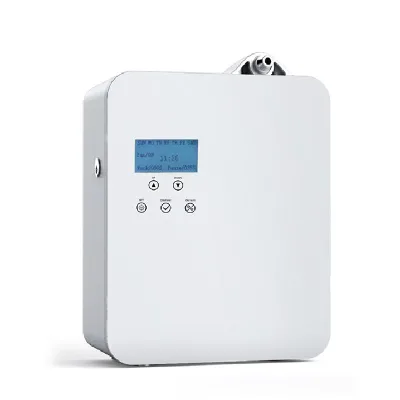
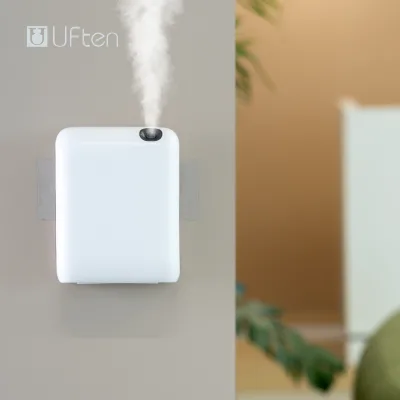
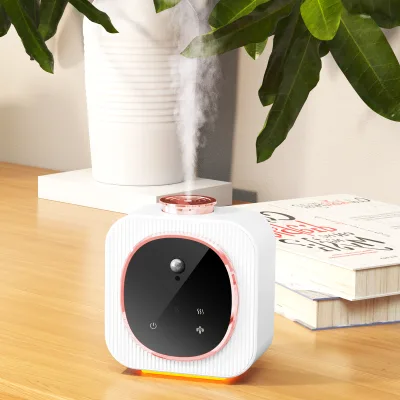
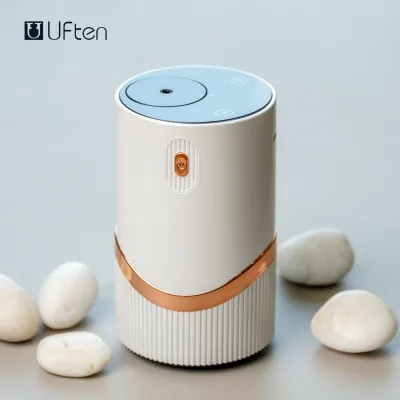
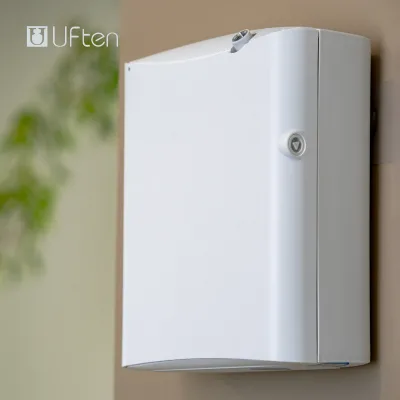
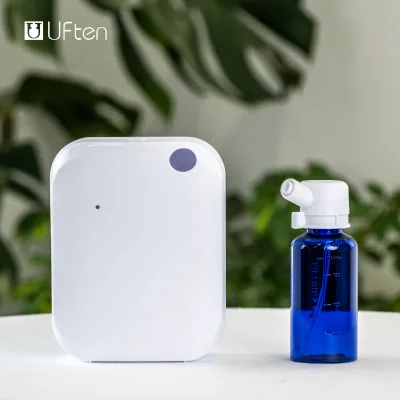
Logistics planning should account for the weight and dimensions of commercial units. One listed wall-mounted model measures 309×240×103.2mm and weighs 5kg, which drives carton weights and container fill rates differently from the 140×63×160mm tabletop units also listed. Calculate shipping cost per unit at real dimensions, not listing photos. Where a location is not displayed as a high-confidence fact, identify clusters yourself: run the category keyword plus "factory" or "manufacturer" in supplier searches, filter by location, and look for concentrations of main-product lines mentioning scent diffusers specifically rather than general humidifiers. Confirm each supplier's stated lead time — listed figures range from 7 to 23 days in current data — and add buffer for peak-season port congestion before committing delivery dates to your own customers.
Waterless Commercial Electric Aroma Diffuser Commercial Terms and Order Planning
Order planning starts by aligning MOQ with your deployment stage. Current listings show MOQs as low as 2 units for a commercial wall-mounted model priced at $88–112 and as high as 50 units for a compact home model at $12–16, so a two-phase approach works well: a small pilot order of the commercial unit to test installations, then volume orders of the configuration your sites confirm. Negotiate unit price against the pilot-to-volume trajectory rather than the initial MOQ, and lock pricing tiers in the proforma invoice. For payment, prefer structures tied to verified supplier status and, where a platform offers escrow, route the transaction through it; where escrow is not displayed, verify what protections actually exist before wiring a deposit.
Lead time and response behavior should be written into the order plan. With listed lead times of 7 and 23 days, build your purchase-order schedule around the longer figure unless the supplier confirms in writing that current capacity supports the shorter one, and add inspection time before shipment. Specify customization scope precisely: listings indicate customization is available with options including customized logos, acrylic panel patterns, ODM/OEM capability, and timing or HVAC-connected features, so define which of these you are paying for and at what price break. Confirm packaging dimensions, spare-parts availability for atomizing cores and adapters, and warranty handling for installed commercial units. Finally, plan reorders early — if response times in your trial period lengthen beyond the supplier's displayed average, qualify a second source before your first repeat order is due.
FAQs
What is the price range for waterless commercial electric aroma diffusers?
Prices typically range from $12 to $112 per unit depending on the model and customization options. Wall-mounted commercial units often cost between $88 and $112, while tabletop portable models are priced between $12 and $22. Higher-end electric diffusers with smart features may reach up to $65. Buyers should verify specific pricing based on order volume and required specifications.
What is the minimum order quantity for these diffusers?
Minimum order quantities vary by product type. Some commercial wall-mounted diffusers require a minimum of two units, making them suitable for small trials. Other tabletop or portable models may require a minimum order of fifty units. Buyers should check the specific MOQ for their chosen model to ensure it aligns with their procurement needs and budget constraints.
How long does production and delivery take?
Lead times generally range from seven to twenty-three days depending on the supplier and order complexity. Some manufacturers offer faster turnaround times of seven days for standard items. Others may require up to twenty-three days for customized or larger orders. Buyers should confirm the exact lead time with the supplier before placing an order to manage inventory effectively.
What certifications do these suppliers hold?
Suppliers often hold ISO9001:2015, ISO14001, CE, and FCC certifications. Some also provide a Declaration of Conformity. Verification services include BV and SGS Group audits. These certifications ensure quality management and product safety standards are met. Buyers should request valid certificates to verify compliance with international standards for commercial and home use applications.
What power specifications are common for these devices?
Most electric aroma diffusers operate on DC 12V or 5V power supplies. Power consumption typically ranges from 1.5W to 8W. Some models use DC adapters for stable operation. High-capacity commercial units may have higher power requirements. Buyers should ensure their installation sites provide compatible voltage and power sources for safe and efficient device operation.
Can these diffusers be customized for branding?
Customization is available for many models, including logo printing and acrylic panel pattern customization. Suppliers offer OEM and ODM services to meet specific branding needs. Buyers can request tailored designs for commercial spaces like hotels or offices. Customization options may affect lead times and minimum order quantities, so early discussion with the supplier is recommended.
Where are these suppliers located?
Suppliers are primarily located in Guangdong, China. This region is known for manufacturing home appliances and air quality devices. Buyers can expect efficient logistics and supply chain support from this location. Geographic proximity to manufacturing hubs often facilitates faster production and shipping. Buyers should verify specific supplier addresses for accurate shipping cost calculations.