Waterproof Leather Table Mat Suppliers and Manufacturers
Compare 18 verified suppliers offering waterproof leather table mats with varying lead times, MOQs, and certifications. Review response times and product specs like Oeko Tex 100 and LFGB standards before requesting samples; review the available evidence before requesting comparable quotations from suitable candidates.
Updated
Suppliers List
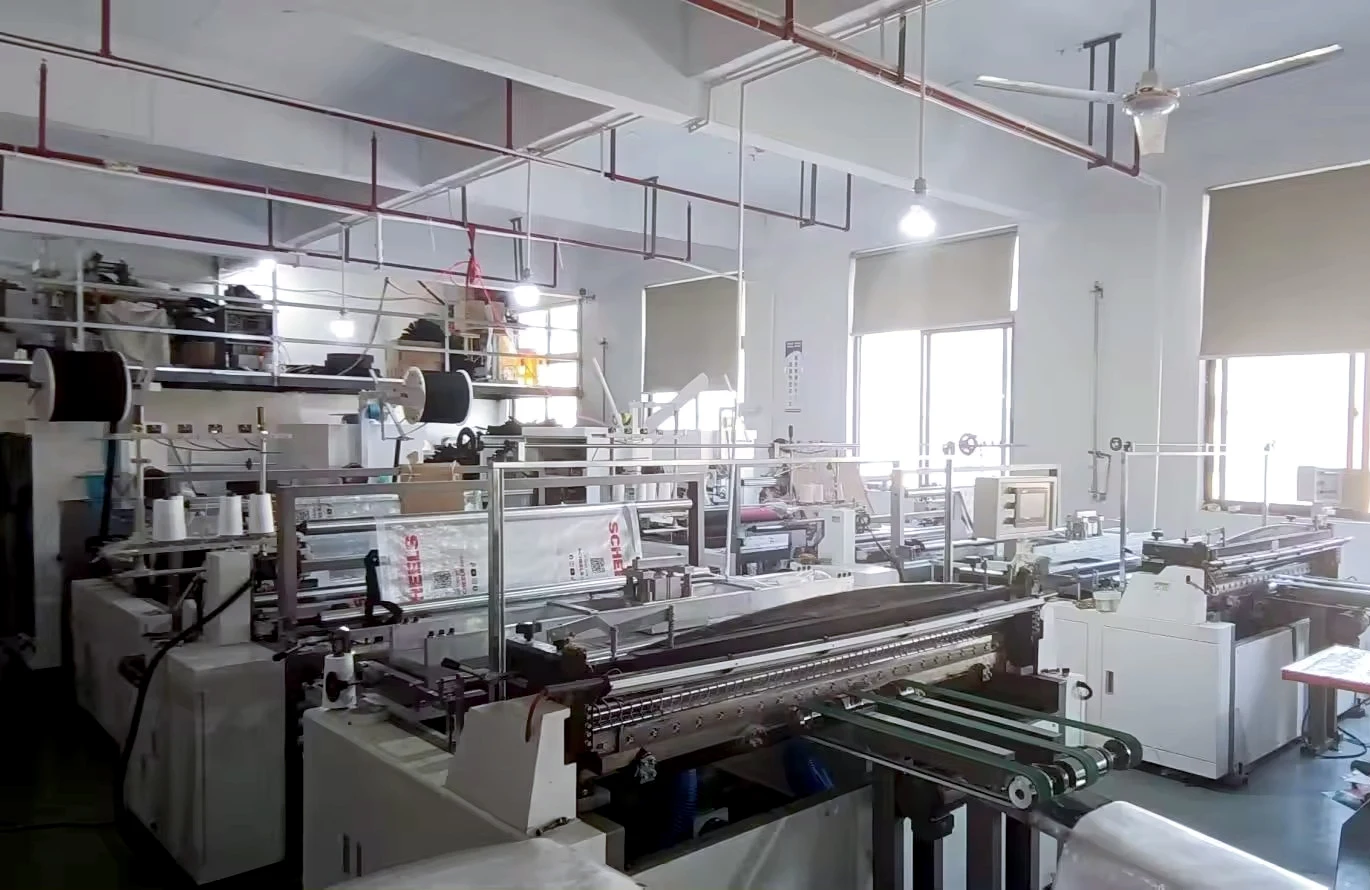
Guangzhou Huifeng Leather Co., Ltd.
- Manufacturer, Trading Company, Distributor/Wholesaler
- Guangdong, China
- Lead time15 days
- Avg. response≤ 7h
Main productsCosmetic bag,Cardholder,Passport holder,Jewelry box,handbag
Main marketsNorth America(30.00%), Mid East(15.00%), Northern Europe(15.00%), Eastern Europe(15.00%), Western Europe(15.00%), Africa(5.00%), South America(5.00%)
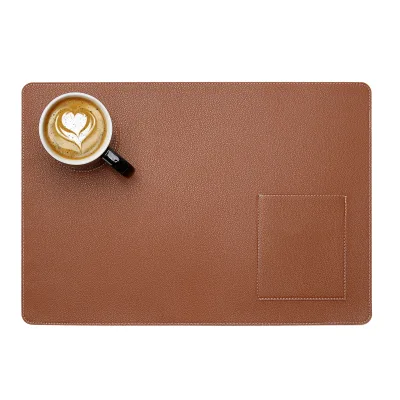
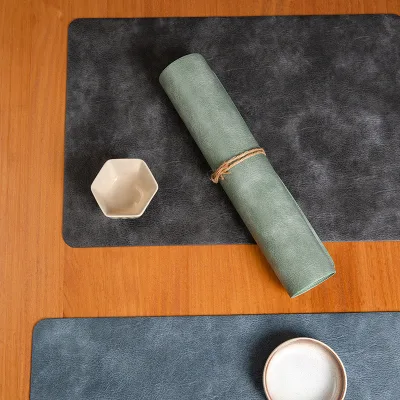
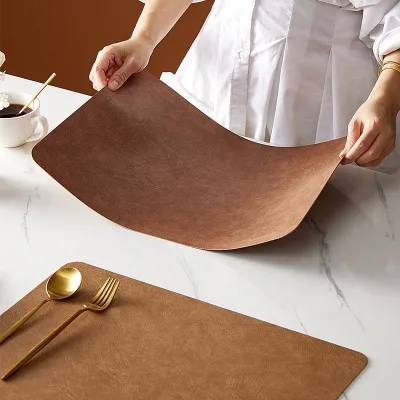
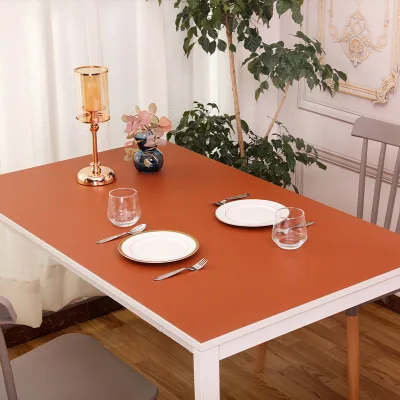
Customizable Shape Leather Table Mat Table Mat Pu Leather Leather Coffee Table Mat Waterproof
$2.50 - $4.00
MOQ: 50 pieces
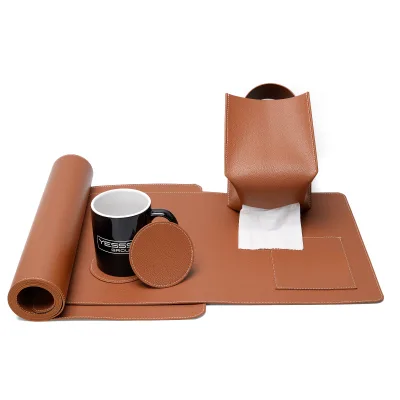
Wholesale High Quality Leather Table Mat Custom logo Computer Table Mat Leather
$3.50 - $4.00
MOQ: 50 pieces

Bei Mei Ti Home Supplies (Shenzhen) Co., Ltd
- Verified by BV
- Manufacturer/Factory
- China Guangdong
- Lead time38 days
- Avg. response≤ 7h
Main productsLeather Mat, Baby Play Mats, Dogs Mats, Home Mats, Placemats, Mouse Pads, Kitchen Mats
Main marketsSouth America,Eastern Europe,Mid East,North America,Southeast Asia,Eastern Asia,Oceania,Western Europe,Africa

Eco Friendly Waterproof Luxury Leather Tablecloth Kitchen and Dining Table Mat
$2.98 - $3.80
MOQ: 100 Pieces

Custom Leather Tablecloth Waterproof Soft PU Dining Table Runner Big Placemat
$2.98 - $3.80
MOQ: 100 Pieces

LFGB PU Leather Waterproof Tablecloth Square Soft Leather Table Cover Mats
$2.98 - $3.80
MOQ: 100 Pieces


2024 Promotion Christmas Gift Hot Sales Dining Table Leather Placemats Table Mat
$0.78 - $1.20
MOQ: 100 Pieces

Taizhou real houseware Co., Ltd
- Verified by CTI
- Combined
- China Zhejiang
- Lead time45 days
- Avg. response≤ 11h
Main productsPlacemat, Table Placemat, Table Mat
Main marketsSouth America,Southeast Asia/ Mideast,Europe,North America


Custom Washable Waterproof Rectangle Table Mat PVC Leather Placemat Elegant Luxury Table Mat
$0.60 - $0.80
MOQ: 5000 Pieces

Placemat Table Mat Tableware Pad PU Leather Waterproof Heat Insulation Non-Slip
$0.60 - $0.80
MOQ: 5000 Pieces

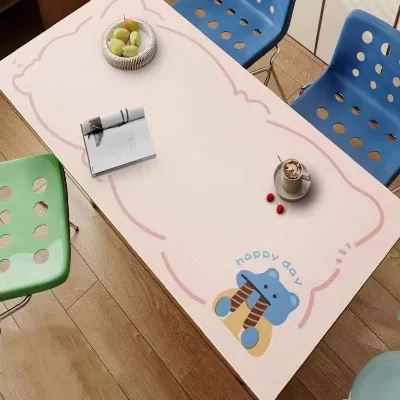
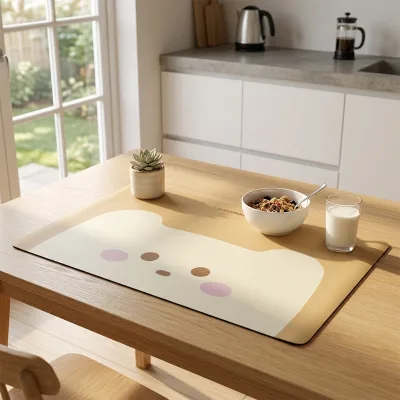
Bear Leather Placemat Insulation Pad Restaurant Hotel Table Mat Placemat Waterproof Dining Plate Mat
$0.60 - $0.80
MOQ: 5000 Pieces

PVC Synthetic Leather Table Mat Water-Resistant Dining Coaster and Place Mat
$0.60 - $0.80
MOQ: 5000 Pieces

Xiamen Le Young Imp. & Exp. Co., Ltd
- Verified by BV
- Trading Company,Manufacturer/Factory
- China Fujian
- Lead time23 days
- Avg. response≤ 4h
Main productsLeather Folder, Trave Wallet, Leather Notebook, Leather Compendium, Leather Portfolio, Leather Diary, Leather Journal, Hotel Supply, Leather Card Holder, Leather Wallet
Main marketsSouth America,Eastern Europe,Mid East,North America,Southeast Asia,Eastern Asia,Oceania,Western Europe,Africa


Waterproof PU Leather Placemat New Silicone Heat Resistant Dining Table Mat
$1.15 - $4.99
MOQ: 300 Pieces

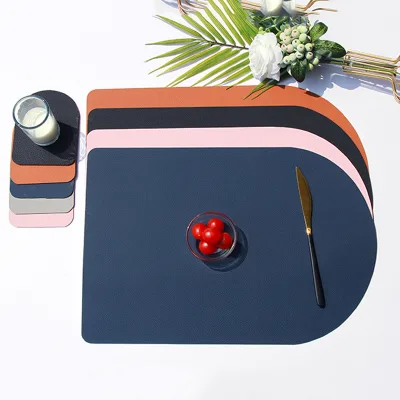
Eco-Leather Table Mats Oval/Round Placemat Waterproof Wipeable Kitchen Dining PU Place Mats
$2.25 - $2.98
MOQ: 300 Pieces

Popular PU Leather Placemats Heat Resistant Kitchen Table Mats Waterproof Wipeable for Holiday
$3.15 - $3.21
MOQ: 500 Pieces

Round Waterproof Table Pad Durable Mouse Pad Custom Placemat High Quality PU Leather Desk Mat
$1.63 - $2.98
MOQ: 300 Pieces

$3.15 - $3.21
MOQ: 500 Pieces

Shenzhen Gymtion Industrial Co., Ltd
- Verified by SGS
- Trading Company,Manufacturer/Factory
- China Guangdong
- Lead time23 days
- Avg. response≤ 5h
Main productsTote Bag, Shopping Bag, Clear Bag
Main marketsEastern Europe,Mid East,North America,Oceania,Western Europe

Dining Table Place Mats Thick PU Leather Soft and Water-Proof Custom Shape Leather Desk Place Mat
$1.23 - $1.89
MOQ: 500 Pieces

New Design PU Leather Elegant Placemat Pad Dining Table Mat Decor Mat Heat Insulation Placemats
$1.23 - $1.89
MOQ: 500 Pieces

Waterproof Office Table Mat PU PVC Large Mouse Pad Customized Logo XXL Leather Desk Mat
$1.23 - $1.89
MOQ: 500 Pieces

Chuzhou Jincheng Home Decoration Manufactory
- Verified by SGS Group
- Manufacturer, Trading Company
- Lead time45 days
- Avg. response≤ 5h
Main productsStorage Tray, Metal Trunk, Jewelry Box, Desktop Organizer, Decorative Mirror
Main marketsNorth America(40%), Eastern Europe(15%), Oceania(10%)
Hebei Lanyou Technology Co., Ltd.
- Verified by TüVRheinland
- Manufacturer, Trading Company
- Lead time45 days
- Avg. response≤ 3h
Main productsBedding Set, Table Cloth And Napkin, Pajamas, Blanket, Quilt
Main marketsOceania(53%), Southeast Asia(20%), North America(10%)
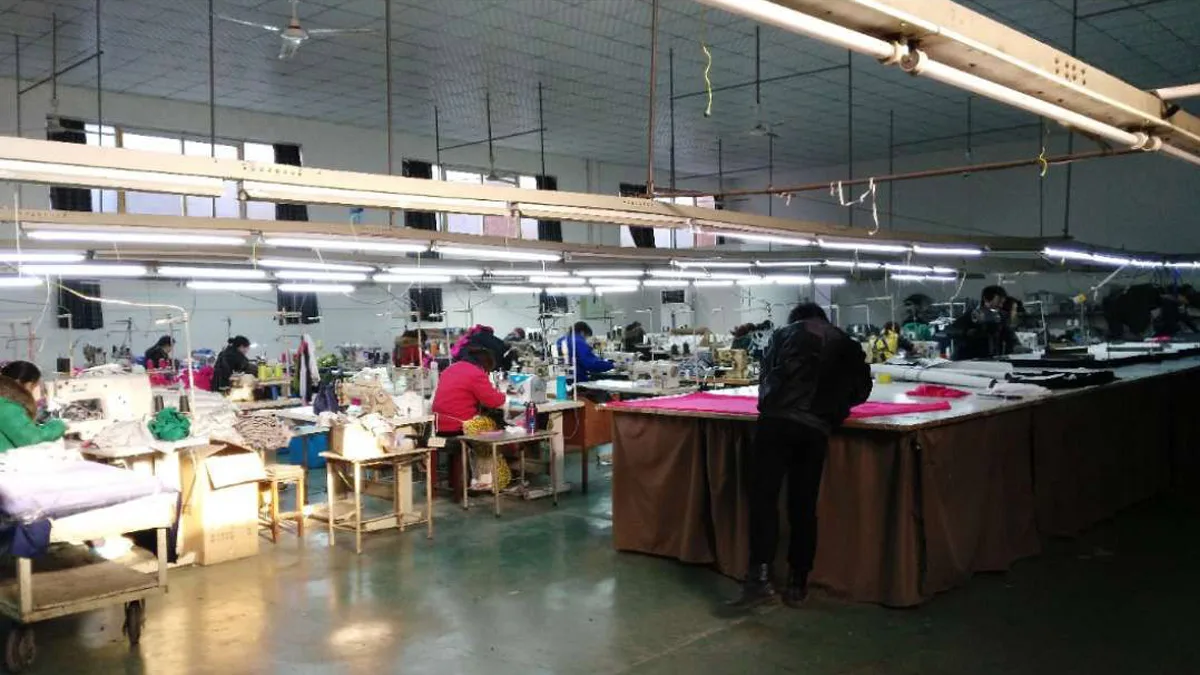
Jiangsu Litian Household Products Co., Ltd.
- Manufacturer, Trading Company
- Jiangsu, China
- Lead time20 days
- Avg. response≤ 3h
Main productsCustom Aprons,Custom Lunch bento Bags,Custom Travel Organiser,Custom Oven mitts,Kitchen & Home Products
Main marketsNorth America(25.00%), Northern Europe(20.00%), Domestic Market(13.00%), Eastern Asia(10.00%), Western Europe(5.00%), Southeast Asia(5.00%), Eastern Europe(5.00%), South America(5.00%), Southern Europe(5.00%), Oceania(3.00%), Mid East(2.00%), Africa(2.00%)
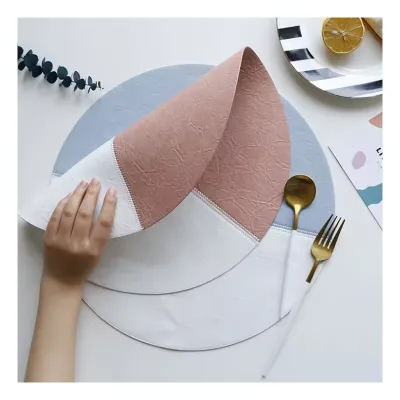
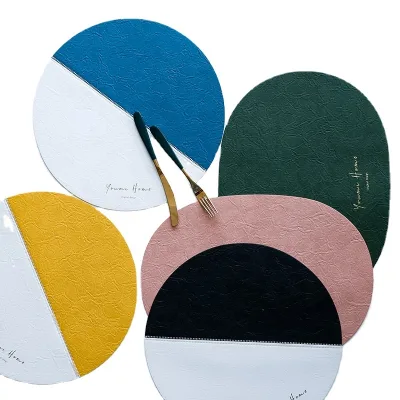

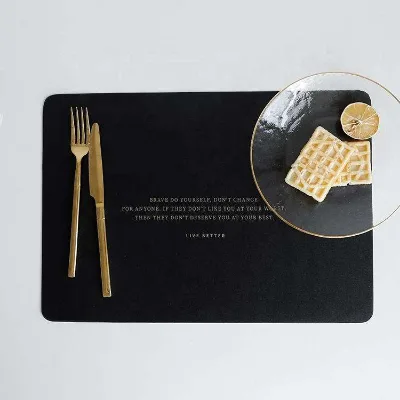
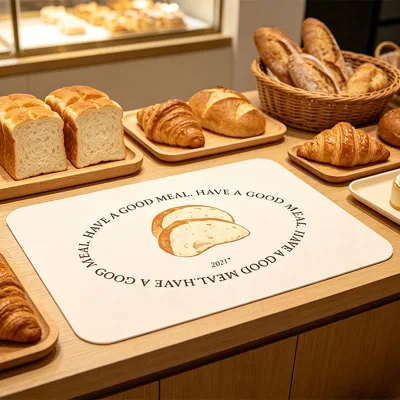
Hot Selling Soft and Durable High Temperature Resistant PU Leather Table Placemats
$0.99 - $1.59
MOQ: 50 Minimum
Dongguan Cici Leather Co., Ltd.
- Trading Company
- Guangdong, China
- Lead time0 days
- Avg. response≤ 2h
Main productsPlacemats,Floor Mats,Yoga Mats,Car Foot Mats,Table Cloths
Main marketsSouth America(70.00%), Eastern Asia(20.00%), Mid East(10.00%)
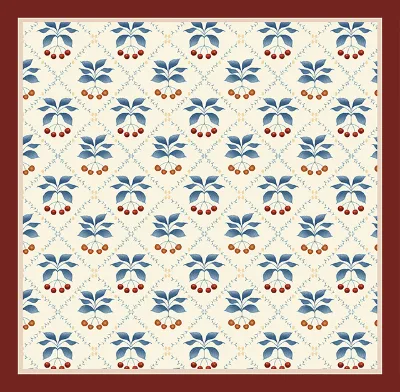
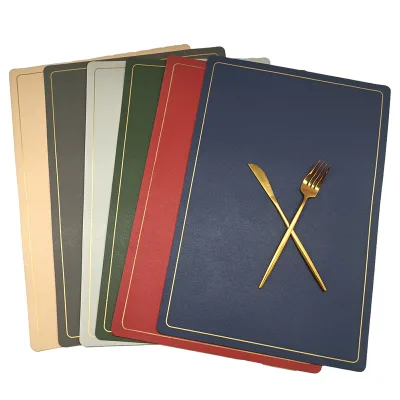
European Irregular PU Leather Placemat Solid Color Washable Erasable Heatproof Table Mat
$0.89 - $1.50
MOQ: 1 pieces


Shenzhen Lionstar Technology Co., Ltd.
- Verified by SGS
- Combined
- China Guangdong
- Lead time15 days
- Avg. response≤ 4h
Main productsFace Mask, KN95, 3ply Disposable Face Mask, Protective Face Cover, FFP2 KN95 CE FDA Face Mask, Protective Goggle, Face Shield, Gloves, Gowns, Thermometer
Main marketsAfrica,Europe,North America

Waterproof Leather Placemat Heat Insulation Stain-Resistant Dining Table Mats Pad
$0.35 - $0.50
MOQ: 100 Pieces


High Quality Matting Thickness 1.8mm/2mm/3mm/5mm PU Leather Antiskid Table Mat
$0.90 - $3.00
MOQ: 100 Pieces
Shenzhen Lindsay Technology Co., Ltd.
- Verified by TüVRheinland
- Trading Company
- Lead time0 days
- Avg. response≤ 8h
Main productsWedding Umbrella, Hand Fan, LED Stick, Wedding Gift
Main marketsNorth America(25%), Oceania(15%), Western Europe(15%)
Hangzhou Jiusi Import And Export Co., Ltd.
- Trading Company
- Lead time旺季: "1 - 500":10,"> 500":"To be negotiated", 淡季: "1 - 500":10,"> 500":"To be negotiated"
- Avg. response≤ 2h
Main productsLanyard, Coaster, Luggage Tag, Travel Accessories
Guangzhou Junshang Trading Co., Ltd.
- Verified by SGS Group
- Trading Company
- Lead time15 days
- Avg. response≤ 2h
Main productsPVC Leather, PU Leather, Semi PU Leather
Main marketsAfrica(25%), Southeast Asia(20%), Mid East(20%)
Suqian Jinyue Household Products Co., Ltd.
- Trading Company
- Jiangsu, China
- Lead time30 days
- Avg. response≤ 3h
Main productsapron,oven glove,storage basket,cellulose cloth,placemats
Main marketsNorth America(50.00%), Western Europe(20.00%), Northern Europe(10.00%), Oceania(10.00%), Eastern Asia(10.00%)
Zhejiang Tangwind Crafts Co., Ltd.
- Verified by SGS Group
- Manufacturer, Trading Company
- Lead time30 days
- Avg. response≤ 3h
Main productsCoaster, Placemat, Tazo, Puzzle, Bag
Main marketsWestern Europe(25%), Domestic Market(16%), Eastern Europe(10%)
Hebei Zhongrun Felt Products Co., Ltd.
- Verified by TüVRheinland
- Manufacturer, Trading Company
- Lead time15 days
- Avg. response≤ 4h
Main productsCoaster And Placemat, Diaper Caddy, Storage Basket, Felt Bag, Grow Bag
Main marketsNorth America(35%), Western Europe(20%), Oceania(10%)
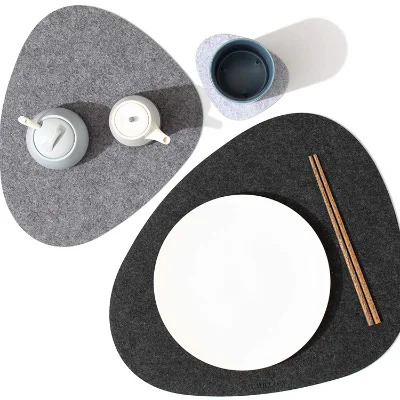
$1.5834 - $2.653
MOQ: 100 pieces

HEBEI FUSHENG DECORATION NEW MATERIAL CO.,LTD
- Trading Company,Manufacturer/Factory,Group Corporation
- China Hebei
- Lead time15 days
- Avg. response≤ 20h
Main productsLeather, PVC Leather, Little Leather, Leather Car Mats, Artificial Leather, High Quality Environmental Protection Automobile, Shoe Leather, Luggage Leather, Decorative Leather
Main marketsSouth America,Eastern Europe,Mid East,North America,Southeast Asia,Eastern Asia,Oceania,Western Europe,Africa
Shenzhen HRH Technology Co., Ltd.
- Manufacturer, Trading Company, Distributor/Wholesaler
- Guangdong, China
- Lead time3 days
- Avg. response≤ 3h
Main productsKeyboard Cover,Mouse Pad,Screen Protector,Laptop case,Cleaing kit
Main marketsDomestic Market(50.00%), North America(20.00%), Eastern Europe(10.00%), Western Europe(10.00%), Mid East(10.00%)




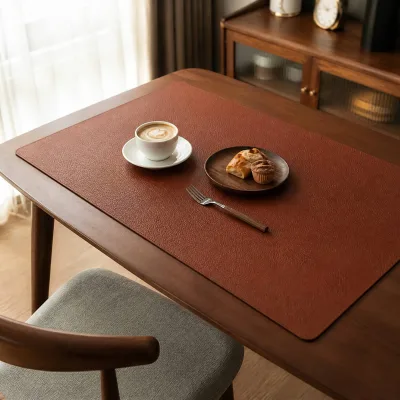


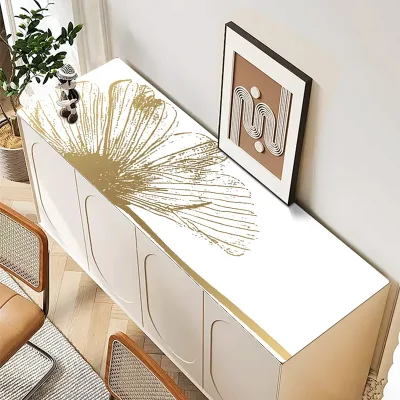
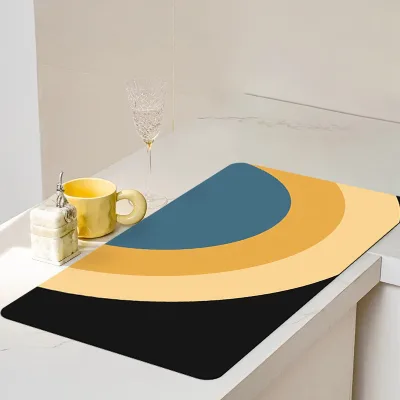
Comprehensive Sourcing Guide
Waterproof Leather Table Mat Supplier Concentration and Factory Types
The current supplier landscape for waterproof leather table mats reveals a distinct concentration of manufacturing and trading entities within Guangdong, China. This regional clustering is significant because it indicates a mature supply chain ecosystem where raw material sourcing, particularly for PU leather and PVC components, is streamlined. Buyers evaluating these results will notice that the majority of listed companies are based in this specific province, which serves as a major hub for home textile and leather goods production. This geographic concentration allows for efficient logistics and rapid prototyping, as suppliers can quickly access nearby factories for material testing and sample production. The presence of multiple manufacturers in this area suggests that competition is driven by both price and the ability to offer customized designs, such as specific sizes or eco-friendly certifications like Oeko-Tex 100 and LFGB.
When assessing the types of companies available, buyers will encounter a mix of manufacturers, trading companies, and distributors. The data indicates that some suppliers operate as pure manufacturers with their own factories, while others function as trading entities that aggregate products from various workshops. This distinction is crucial for procurement strategy, as manufacturers often provide better control over quality and lead times, whereas trading companies may offer a broader range of styles and lower minimum order quantities. For instance, some results show companies with main products including cosmetic bags and jewelry boxes, suggesting they may be generalist leather goods manufacturers who also produce table mats. Others specialize specifically in home textiles and mats, indicating a deeper expertise in this niche. Understanding this mix helps buyers decide whether they need a dedicated partner for large-scale production or a flexible source for smaller, diverse orders.
How to Verify Waterproof Leather Table Mat Suppliers
Verifying the credibility of suppliers requires a multi-layered approach that goes beyond simple profile reviews. One critical step is checking for third-party verification badges, such as BV (Bureau Veritas) certification, which provides an independent assessment of the supplier’s business legitimacy and operational capabilities. In the current results, at least one supplier displays this verification, offering a higher level of confidence in their corporate structure. Buyers should prioritize suppliers with such verified status, as it reduces the risk of engaging with fraudulent entities. Additionally, examining the company type is essential; distinguishing between a manufacturer and a trading company helps in understanding who controls the production process. If a supplier claims to be a factory, buyers should request evidence of their production lines, such as photos or videos of the manufacturing floor, to confirm their capacity and equipment.
Another vital verification step involves assessing the supplier’s responsiveness and communication efficiency. The data shows response times ranging from approximately 6.32 to 7 hours, which serves as a preliminary indicator of their operational readiness. A faster response time often correlates with better project management and quicker issue resolution during the sourcing process. Buyers should also look for clear indications of OEM/ODM capabilities, as this demonstrates the supplier’s flexibility in handling custom orders. Some results explicitly state that OEM/ODM is warmly welcomed or acceptable, which is a positive sign for buyers seeking branded products. Furthermore, checking for relevant certifications is non-negotiable for food-contact items. Suppliers claiming LFGB or Oeko-Tex 100 compliance must be able to provide valid certificates, as these standards are critical for ensuring the safety of materials used in dining environments. Without these verifications, the risk of non-compliance with international safety regulations increases significantly.
What to Compare Across Waterproof Leather Table Mat Suppliers
When comparing suppliers, buyers must evaluate a range of operational metrics to determine the best fit for their specific needs. One of the most critical factors is the Minimum Order Quantity (MOQ), which varies significantly across different suppliers. The observed data shows MOQs of 50 pieces for some items and 100 pieces for others, depending on the product complexity and customization level. Buyers with limited capital or those testing new markets may prefer suppliers with lower MOQs, while those planning large-scale distribution might negotiate better terms with higher-volume commitments. Alongside MOQ, the lead time is a key differentiator. Results indicate lead times ranging from 15 days to 38 days, which can impact inventory planning and market launch schedules. Suppliers with shorter lead times, such as those offering 15-day turnaround, are advantageous for businesses requiring rapid restocking or responding to seasonal trends.
Price and customization options are also central to the comparison process. The price range for these products typically falls between $2.50 and $4.00 per unit, depending on the material quality, size, and order volume. Buyers should analyze whether the price includes customization costs, such as logo printing or specific color matching. Some suppliers offer customized colors and logos, while others may have restrictions on logo printing. Additionally, the material composition, whether it is genuine leather, PU leather, or PVC, directly affects both the price and the product’s durability. Buyers should compare the specific attributes listed, such as water resistance, shock proofing, and eco-friendliness, to ensure the product meets their quality standards. It is also important to consider the sample time, which ranges from 5 to 7 working days, as this affects the speed of product approval. By systematically comparing these variables, buyers can identify suppliers that offer the best balance of cost, speed, and quality.
Common Waterproof Leather Table Mat Sourcing Risks
One of the primary risks in sourcing waterproof leather table mats is the discrepancy between sample quality and bulk production. Suppliers may provide high-quality samples that meet all specifications, but the mass-produced items might differ in material thickness, color consistency, or stitching quality. This risk is particularly prevalent when working with trading companies or factories with multiple production lines. To mitigate this, buyers should insist on pre-shipment inspections and request detailed production timelines to monitor progress. Another significant risk is the misrepresentation of certifications. While some suppliers claim to have LFGB or Oeko-Tex 100 certifications, these may not be valid or applicable to the specific products being ordered. Buyers must verify these certificates directly with the issuing bodies to ensure compliance with international safety standards, especially for products intended for food contact.
Logistical and communication risks also pose challenges in the sourcing process. Delays in shipping or poor communication can disrupt supply chains, leading to stockouts or missed market opportunities. The observed response times, while generally acceptable, can vary, and delays in communication may indicate underlying operational issues. Additionally, the risk of intellectual property infringement exists when working with suppliers who offer extensive customization options. Buyers must ensure that their designs and logos are protected through proper legal agreements and that the supplier does not share their designs with competitors. Furthermore, the variability in material sourcing, such as the use of different grades of PU leather or PVC, can affect the product’s longevity and appearance. Buyers should specify exact material grades in their contracts to avoid substitutions that could compromise product quality. Understanding these risks allows buyers to implement stricter quality control measures and contractual safeguards.
Waterproof Leather Table Mat Regional Sourcing and Logistics
Sourcing from Guangdong, China, offers distinct logistical advantages due to its status as a major manufacturing and export hub. The region’s well-developed infrastructure, including ports and logistics networks, facilitates efficient shipping to global markets. Buyers should consider the proximity of suppliers to major shipping ports, as this can reduce transit times and costs. The concentration of suppliers in this area also means that there is a wide availability of packaging materials and ancillary services, which can streamline the production process. However, buyers must also be aware of the potential for congestion during peak seasons, which can lead to delays in shipping. Planning orders well in advance and maintaining open communication with suppliers about production schedules can help mitigate these logistical challenges.
International shipping costs and lead times are influenced by the chosen shipping method, whether it is by sea, air, or express courier. For large orders, sea freight is often the most cost-effective option, but it requires longer lead times. Air freight and express courier services are faster but more expensive, making them suitable for urgent or smaller orders. Buyers should calculate the total landed cost, including shipping, insurance, and customs duties, to determine the true cost of the products. Additionally, the packaging specifications, such as the single package size and gross weight, play a crucial role in determining shipping costs. Suppliers providing detailed packaging information, like PE bags with carton boxes, help buyers estimate the volume and weight of the shipment accurately. Understanding these logistical factors allows buyers to optimize their supply chain and reduce overall procurement costs.
Waterproof Leather Table Mat Commercial Terms and Order Planning
Effective order planning requires a clear understanding of commercial terms, including payment methods, warranty policies, and after-sales support. Buyers should negotiate favorable payment terms, such as partial upfront payments and balance upon shipment, to manage cash flow and reduce financial risk. It is also important to clarify the warranty policy for defects or quality issues, ensuring that suppliers take responsibility for any non-conforming products. Some suppliers may offer replacement parts or refunds for defective items, which can save costs and maintain customer satisfaction. Additionally, buyers should establish clear communication channels for ongoing support, including technical assistance and order tracking. This ensures that any issues arising during production or shipping can be addressed promptly.
Long-term relationship building is another key aspect of commercial planning. Buyers who consistently place orders with reliable suppliers can often negotiate better prices, priority production slots, and exclusive design rights. Establishing a partnership based on mutual trust and clear expectations can lead to more flexible terms and improved service quality. Buyers should also consider the supplier’s capacity for scaling production, as this affects their ability to meet growing demand. Suppliers with established brands and OEM/ODM capabilities are often better equipped to handle large and complex orders. By focusing on these commercial aspects, buyers can create a sustainable sourcing strategy that supports business growth and minimizes operational disruptions. Regular reviews of supplier performance and market trends will help buyers adapt their strategies and maintain a competitive edge in the market.
FAQs
What is the typical MOQ for leather table mats?
Most suppliers require a minimum order quantity of 50 pieces for standard leather table mats. Some manufacturers set the threshold at 100 pieces for custom designs or specific material requests. Buyers should verify the exact MOQ with the supplier before placing an order to ensure it aligns with their inventory needs.
How long does production usually take?
Production lead times typically range from 15 to 38 days depending on the supplier and order volume. Some manufacturers offer faster turnaround times for smaller batches, while larger orders may require additional time for quality control and logistics. Buyers should confirm the specific lead time with the supplier before finalizing the purchase.
What certifications are available for these products?
Many suppliers offer products certified with Oeko Tex 100 and LFGB standards, ensuring safety for food contact and home use. Some manufacturers also hold ISO 9001 and ISO 14001 certifications for quality and environmental management. Buyers should request relevant certificates to verify compliance with their regional safety and quality requirements.
What is the price range for these mats?
Prices for leather table mats generally range from $2.50 to $4.00 per piece. The final cost depends on factors such as material type, customization options, and order quantity. Buyers should request a detailed quote from multiple suppliers to compare pricing and ensure they receive the best value for their specific requirements.
Can I customize the logo and size?
Yes, most suppliers accept customized logos and offer various size options for leather table mats. Buyers can choose from standard dimensions or request custom sizes to fit their specific needs. OEM and ODM services are widely available, allowing for personalized branding and design adjustments to meet unique market demands.
Where are these suppliers located?
The majority of suppliers for leather table mats are located in Guangdong, China. This region is known for its robust manufacturing capabilities and efficient supply chain infrastructure. Buyers can expect a wide variety of options and competitive pricing from manufacturers based in this area, facilitating easier logistics and communication.