Water Resistant Skiing Bag and Snowboard Backpack Set Suppliers
Source 25 verified suppliers for Water Resistant Skiing Bag and Snowboard Backpack Set options. Compare dimensions like MOQ, lead time, and certifications such as BSCI and ISO 9001. Filter by location and response time to find suitable manufacturers; review the available evidence before requesting comparable quotations from suitable candidates.
Updated
Suppliers List
- Manufacturer, Trading Company
- Fujian, China
- Lead time30 days
- Avg. response≤ 3h
Main productsBackpack,School Bag,Cooler Bag,Pencil Bag,Duffel Bag
Main marketsNorth America(60.00%), Western Europe(30.00%), Mid East(5.00%), Eastern Asia(5.00%)
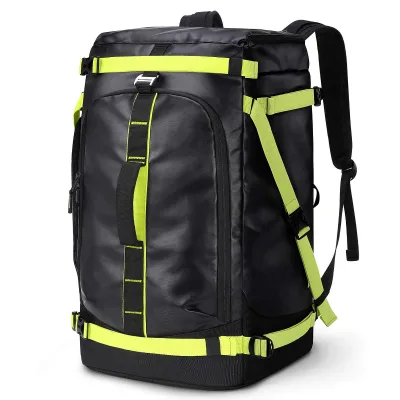
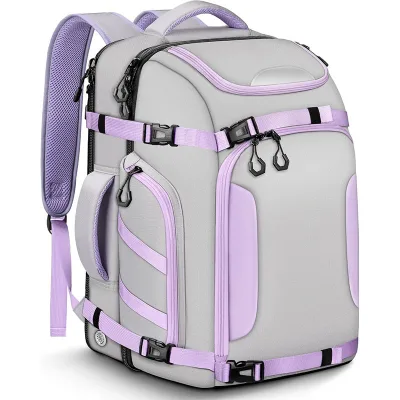
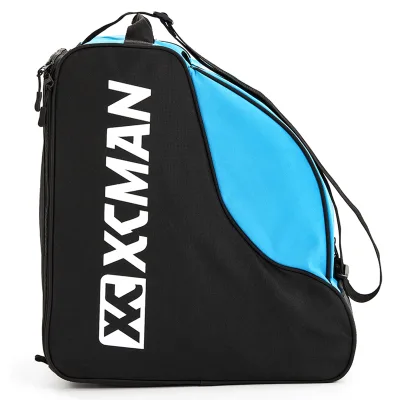
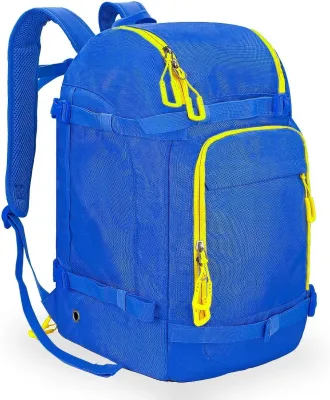
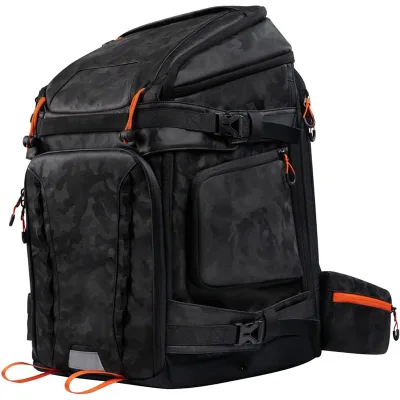
Ski Boot Backpack Lightweight and Durable Ski Bag
$4.49 - $5.99

- Verified by CTI
- Manufacturer/Factory
- China Fujian
- Lead time23 days
- Avg. response≤ 6h
Main productsTrolley Luggage, Travel Bags, School Bag, Cooler Bag, Special Backpack, Delivery Bag, Picnic Bag, Hunting Bag, Duffel Bag, Rolling Bag
Main marketsMid East,North America,Southeast Asia,Western Europe

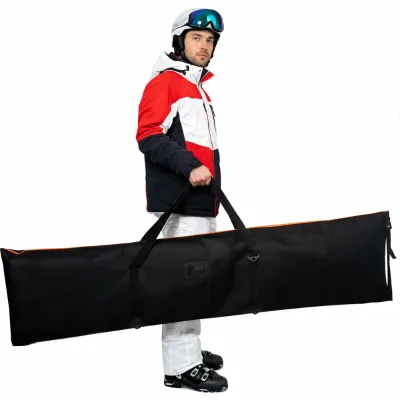
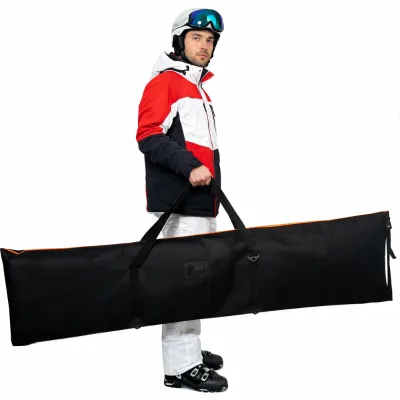
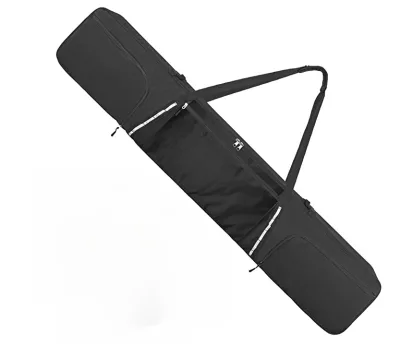
Skiing Travel Snowboard Equipment Bag Outdoor Camping Waterproof Padded Ski Board Bag
$12.50 - $16.50
MOQ: 500 Pieces


Snowboard Boot Bag Durable Waterproof Padded Snow Bag for Hold Ski Boots
$5.50 - $9.50
MOQ: 500 Pieces

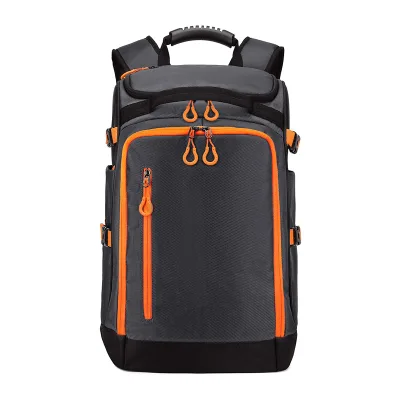
Portable Men Cheap Durable Outdoor Snow Sport Snowboard Ski Boot Bag Backpack
$8.96 - $13.98
MOQ: 1000 Pieces

OEM Multifunctional Waterproof Durable Outdoor Travel Snow Snowboard Boot Pole Ski Backpack
$9.96 - $13.98
MOQ: 1000 Pieces

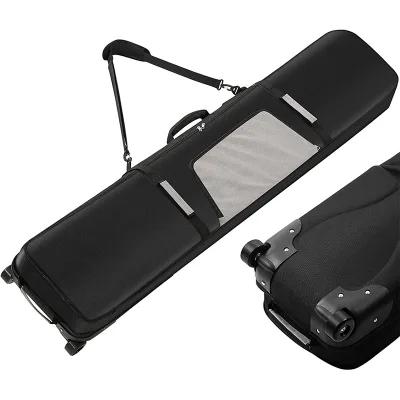
OEM Outdoor Waterproof Portable Snow Snowboard Ski Bag with Wheel Shoulder Strap
$11.96 - $23.98
MOQ: 1000 Pieces

Quanzhou Xiangshun Bags Co., Ltd
- Verified by CTI
- Trading Company,Manufacturer/Factory
- China Fujian
- Lead time60 days
- Avg. response≤ 7h
Main productsDisc Golf Bag, Bicycle Bag, Garment Bag, Sport Bag, Gym Bag, Team Bag, Waterproof Bag, Grill Cover
Main marketsMid East,North America

Ski Boot Bag, Water-Resistant Padded Ski Boot Backpack for Skis, Snowboard, Ski Helmet & Accessories
$19.60 - $20.60
MOQ: 500 Pieces

Ski Boot Bag and Snowboard Backpack, Premium Durable Waterproof Travel Ski Boot Bag Backpack
$17.90 - $18.80
MOQ: 500 Pieces

$15.90 - $16.50
MOQ: 500 Pieces

Ski Boot Bag Backpack, 50L Large Capacity Water-Resistant Padded Ski Travel Bag & Snowboard Boot Bag
$20.20 - $21.20
MOQ: 500 Pieces

Ski Boot Bag Backpack - 65L Waterproof Skiing Snowboarding Travel Luggage Backpack
$21.50 - $22.50
MOQ: 500 Pieces

Ski Boot Bag, 65L Durable Travel Backpack, Waterproof Snowboard Boot Bag
$20.90 - $21.80
MOQ: 500 Pieces

QUANZHOU DANKIN IMP AND EXP CO., LTD.
- Manufacturer/Factory
- China Fujian
- Lead time45 days
- Avg. response≤ 3h
Main productsBackpack, Cooler Bag, Tool Bag, Laptop Bag, Gun Bag, Travel Bag, Hiking Bag, Tennis Bag, Running Bag, Diaper Bag
Main marketsSouth America,Eastern Europe,Mid East,North America,Southeast Asia,Eastern Asia,Oceania,Western Europe,Africa

65L Waterproof Ski Boot Bag Backpack Skiing Snowboarding Travel Sports Bag Backpack
$8.99 - $14.99
MOQ: 500 Pieces

Custom Ski Boot Waterproof Ski and Snowboard Boots Bag Travel Backpack Bag
$9.99 - $12.89
MOQ: 500 Pieces

Weekend Ski Boot Bag - Snowboard Boot Bag - Skiing and Snowboarding Travel Luggage
$5.99 - $7.99
MOQ: 500 Pieces


Xiamen Ederbou Industry&Trade Co., Ltd.
- Verified by CTI
- Combined
- China Fujian
- Lead time30 days
- Avg. response≤ 5h
Main productsCooler Insulated Bags, Backpacks, Delivery Bags, Travel Bags, Sports Bags, Picnic Bags
Main marketsSouth America,Southeast Asia/ Mideast,East Asia(Japan/ South Korea),Europe,Australia,North America

Ski Hydration Backpack Snowboard Travel Bag Water-Resistant Backpack for Skiing
$7.00 - $8.89
MOQ: 300 Pieces

Ski Boot Bag Waterproof and Snowproof Skiing and Snowboarding Travel Luggage Bag
$7.50 - $9.00
MOQ: 300 Pieces

Waterproof Ski Gear Travel Bag Skateboard Equipment Backpack for Snowboard Cmping Hiking
$7.50 - $9.00
MOQ: 300 Pieces

Dongguan Changrong Handbag Co., Ltd.
- Verified by SGS
- Trading Company,Manufacturer/Factory
- China Guangdong
- Lead time30 days
- Avg. response≤ 3h
Main productsCanvas Bag, Leather Bag, Golf Bag, Custom Canvas Bag, Sports Golf Bag, Canvas Suit Bag, Canvas Tote Bag, Canvas Travel Bag, Canvas Backpack, Canvas Shoulder Bag
Main marketsSouth America,Eastern Europe,Mid East,North America,Southeast Asia,Eastern Asia,Oceania,Western Europe,Africa

$10.90 - $14.00
MOQ: 500 Pieces

$7.80 - $10.50
MOQ: 300 Pieces

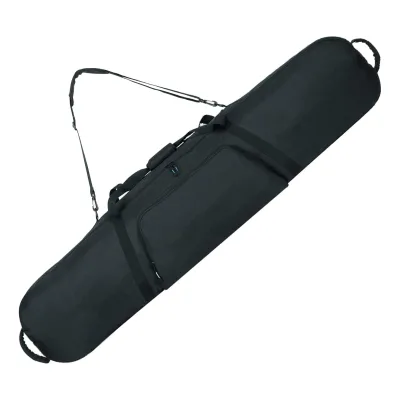
Water Resistant Snowboard Bag Ski Poles Rigid Bag 600d Waterproof Ski Bag
$14.00 - $19.00
MOQ: 100 Pieces

Custom Snowboard Bag with Wheels Single/Double-Board Fully Padded Ski Backpack Travel Bag
$31.50 - $35.00
MOQ: 100 Pieces

Custom Polyester Black Camping Traveling Bags Hiking Camping Snowboard Ski Trip Travel Backpack
$11.50 - $12.70
MOQ: 500 Pieces

Dongguan Sanying Luggage & Bags Co., Ltd.
- Verified by Intertek
- Manufacturer, Trading Company
- Lead time35 days
- Avg. response≤ 1h
Main productsGolf Travel Bag, Golf Stand/Cart Bag, Wheel Travel Bag, Tool Bag, Outdoor Bag
Main marketsNorth America(50%), Western Europe(33%), Southeast Asia(17%)

Chinapack Ningbo Import & Export Co., Ltd.
- Verified by SGS
- Trading Company,Manufacturer/Factory
- China Zhejiang
- Lead time23 days
- Avg. response≤ 17h
Main productsSnowboard, Water Bottle, Promotional Hats, Glass Bottle, Ski Set, Snowboot, Snowboard Binding, Home Sock, Hood, Scarf
Main marketsSouth America,Eastern Europe,North America,Southeast Asia,Eastern Asia,Oceania,Western Europe
Quanzhou Xiangxing Bags Co., Ltd.
- Manufacturer, Trading Company
- Fujian, China
- Lead time55 days
- Avg. response≤ 4h
Main productsBackpack,Travel Bags,Ski Bags,Diaper Bags,School Bags
Main marketsEastern Europe(15.00%), South America(15.00%), North America(15.00%), Southern Europe(12.00%), Western Europe(10.00%), Central America(10.00%), Northern Europe(10.00%), Eastern Asia(7.00%), Mid East(5.00%), Southeast Asia(1.00%)
Shenzhen Yu Chuang Wei Industrial Co., Ltd.
- Verified by TüVRheinland
- Manufacturer, Trading Company
- Lead time30 days
- Avg. response≤ 1h
Main productsCosmetic Bag, Cooler Bag, Diaper Backpack, Travel Bag, Storage Bag
Main marketsDomestic Market(37%), North America(20%), Western Europe(15%)

- Verified by CTI
- Manufacturer/Factory
- China Fujian
- Lead time45 days
- Avg. response≤ 7h
Main productsBackpack, Duffle Bag, Cooler Bag, Medical Bag, Canvas Bag, Pet Carrier, Tote Bag, Tool Bag, Makeup Bag, Drawstring Bag
Main marketsSouth America,Eastern Europe,Mid East,North America,Southeast Asia,Eastern Asia,Oceania,Western Europe,Africa


Manufacturer High Quality Wholesale Custom Waterproof Double Snowboard Ski Bag with Wheels
$5.45 - $8.99
MOQ: 1000 Pieces

- Manufacturer
- Fujian, China
- Lead time20 days
- Avg. response≤ 6h
Main productsBackpack,Hunting backpack,Binocular harness packs,Hydration backpack,Storage Bags
Main marketsNorth America(40.00%), Southern Europe(15.00%), Western Europe(15.00%), South America(10.00%), Domestic Market(5.00%), Oceania(5.00%), Eastern Asia(5.00%), Northern Europe(5.00%), Central America(4.00%), Mid East(4.00%), Eastern Europe(3.00%), South Asia(1.00%)
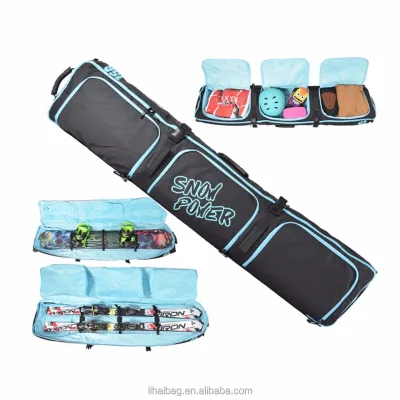
Dual-use Winter Ski Snowboard Backpack Wheeled Snowboard Bag
$20.00 - $21.90
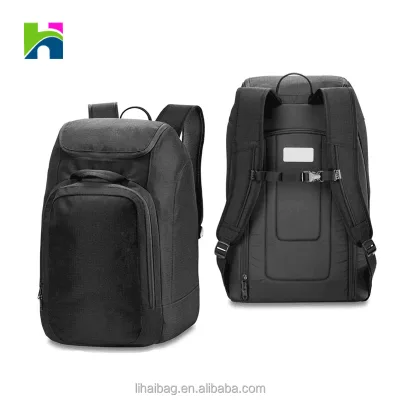
New Boot Bag Snowboard Ski Boot Bag Boot Travel Bag
$9.80 - $12.50
HUIAN MAOHUANG BAG & DRESS CO.,LTD.
- Manufacturer, Trading Company
- Fujian, China
- Lead time45 days
- Avg. response≤ 4h
Main productsBackpack,School Bag,Laptop Bag,Travel Bag,Trolley Bag
Main marketsNorth America(35.00%), South America(15.00%), Western Europe(10.00%), Oceania(10.00%), Domestic Market(10.00%), Southern Europe(10.00%), Southeast Asia(5.00%), Eastern Europe(5.00%)
Quanzhou Kaidaer Import And Export Co., Ltd.
- Trading Company
- Fujian, China
- Lead time30 days
- Avg. response≤ 4h
Main productsbackpacks,gym bags,diaper bags,travel bags,lifestyle bags
Main marketsNorth America(50.00%), Western Europe(20.00%), Oceania(15.00%), Eastern Europe(10.00%), South America(5.00%)
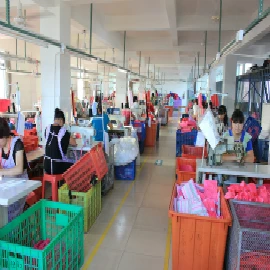
QUANZHOU DACINO BAGS CO., LTD.
- Trading Company
- Fujian, China
- Lead time40 days
- Avg. response≤ 5h
Main productsBackpack,Sport bag,Traval bag,Guitar bag,Pickleball bag
Main marketsNorth America(30.00%), Northern Europe(20.00%), Southern Europe(10.00%), South America(10.00%), Oceania(10.00%), Eastern Europe(10.00%), Western Europe(5.00%), Mid East(5.00%)
Shenzhen Fengda Hongding Gift Co., Ltd.
- Verified by TüVRheinland
- Manufacturer, Trading Company
- Lead time32 days
- Avg. response≤ 3h
Main productsBoard Game Bag, Golf Trunk Organizer, Canvas Tool Bag, Barber Bag, Stroller Travel Bag
Main marketsNorth America(50%), Eastern Europe(10%), Western Europe(10%)
Xiamen Beichenxi Supply Chain Management Co., Ltd.
- Manufacturer, Trading Company, Distributor/Wholesaler
- Fujian, China
- Lead time20 days
- Avg. response≤ 3h
Main productsHiking Backpacks,Waterproof Bags,Cooler Bags & Lunch Bags,Sports & Duffel Bags,Outdoor Gear Bags
Main marketsNorthern Europe(20.00%), Western Europe(20.00%), North America(20.00%), Southern Europe(10.00%), Mid East(10.00%), Central America(10.00%), Eastern Europe(10.00%)
Xiamen Daysun Industrial Co., Ltd.
- Verified by TüVRheinland
- Trading Company
- Lead time30 days
- Avg. response≤ 3h
Main productsOutdoor Duffel Bags, Gear Bags, Travel Bags, Sports Bags, Waterproof Bags
Main marketsNorth America(25%), Western Europe(15%), Northern Europe(15%)
- Verified by TüVRheinland
- Trading Company
- Lead time35 days
- Avg. response≤ 4h
Main productsBackpack, Roller Bag, Tennis Bag, Travel Sport Bag, Tool Bag
Main marketsNorth America(30%), South America(30%), Western Europe(20%)
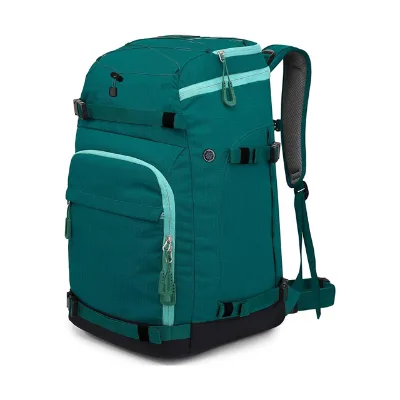
55L Waterproof Ski and Snowboard Boots Travel Backpack for Skis Snowboard Ski Helmet & Accessories
$14.20 - $17.20
MOQ: 200 pieces
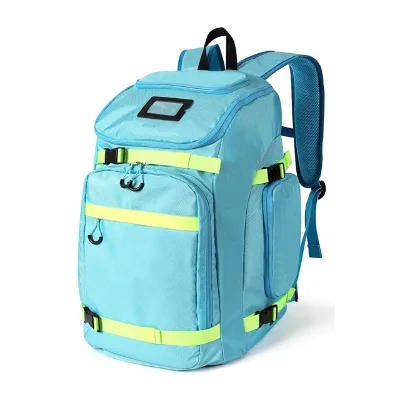
55L Waterproof Ski and Snowboard Boots Travel Backpack for Skis Snowboard Ski Helmet Accessories
$15.20 - $18.60
MOQ: 200 pieces
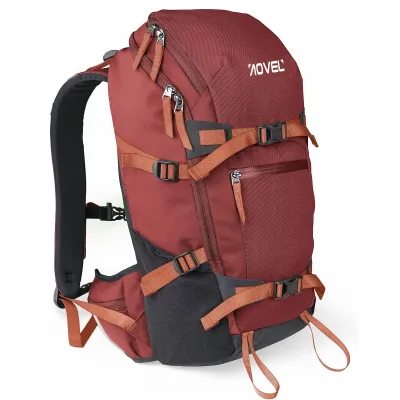
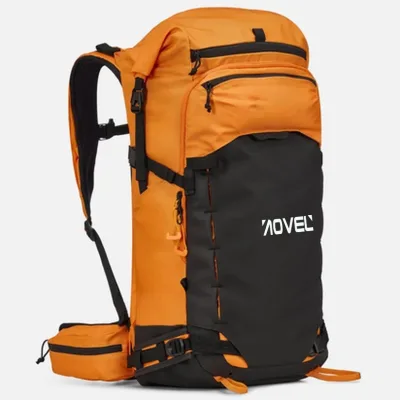
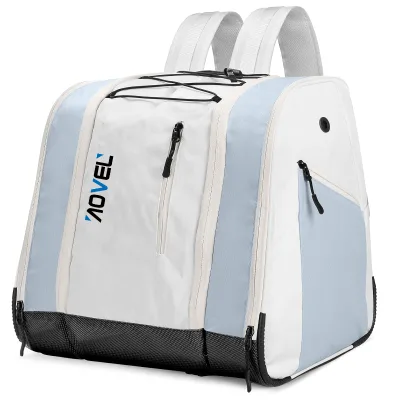
$12.2193 - $14.9914
MOQ: 200 pieces
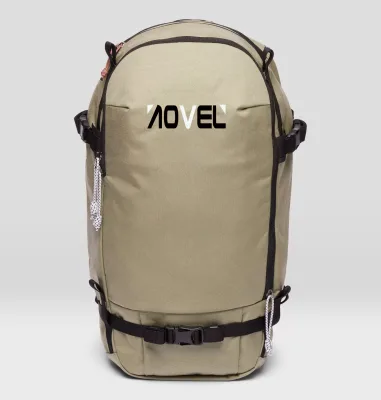
$15.50 - $18.90
MOQ: 200 pieces
- Verified by SGS Group
- Manufacturer, Trading Company
- Lead time0 days
- Avg. response≤ 2h
Main productsPickleball Bags, Outdoor Bags, Golf Bags, Equipment Bags, Other Casual Bags
Main marketsNorth America(85%), Western Europe(15%)
Xishui Jingcheng Sporting Goods Co., Ltd.
- Trading Company
- Guizhou Province, China
- Lead time25 days
- Avg. response≤ 1h
Main productssports bag,Tennis and Badminton Bag,Outdoor bags,travel bag,Fitness Series
Main marketsNorth America(15.00%), Northern Europe(10.00%), Central America(10.00%), Mid East(10.00%), Eastern Europe(10.00%), South America(10.00%), South Asia(5.00%), Southern Europe(5.00%), Oceania(5.00%), Africa(5.00%), Western Europe(5.00%), Eastern Asia(5.00%), Southeast Asia(5.00%)
Shenzhen Hongxiangwen Hook & Loop Co., Ltd.
- Manufacturer, Trading Company
- Guangdong, China
- Lead time10 days
- Avg. response≤ 5h
Main productsSki Strap,Hook Loop strap,Elastic Band,Adhesive Hook Loop,Neoprene protector
Main marketsEastern Europe(35.00%), Western Europe(16.00%), Northern Europe(16.00%), North America(15.00%), Domestic Market(7.00%), South America(5.00%), Southern Europe(2.00%), Oceania(1.00%), South Asia(1.00%), Eastern Asia(1.00%), Southeast Asia(1.00%)

Xiamen Daysun Industrial Co., Ltd.
- Verified by SGS
- Trading Company
- China Fujian
- Lead time30 days
- Avg. response≤ 5h
Main productsBackpack, Travel Bag, Sports Bag, Laptop Bag, Shopping Bag, Cosmetic Bag, Cooler Bag, RPET Bag, Clothing, Neoprene Case
Main marketsEurope,Australia,North America

Quanzhou Lingyuan Bags Co., Ltd.
- Verified by SGS
- Combined
- China Fujian
- Lead time45 days
- Avg. response≤ 3h
Main productsSchool Bag, Sports Bag, Trolley Bag, Promotional Bag, Ladies Bag, Backpack, Hiking Backpack, Ski Bag, Hockey Bag, Bike Bag
Main marketsEurope,North America


$12.50 - $13.00
MOQ: 500 Pieces

Multi Functional Professional Factory Boot Bag Snowboard Ski Boot Bagpack
$13.00 - $16.00
MOQ: 500 Pieces

Polyester Fiber Large Capacity Bag Ski Equipment Ski Backpack Can Be Customized High-End
$34.90 - $49.90
MOQ: 500 Pieces

Xiamen Heanoo Industry and Trade Co., Ltd
- Trading Company
- China Fujian
- Lead time45 days
- Avg. response≤ 3h
Main productsBackpack, School Bag, Travel Bag, Promotion Bag, Laptop Bag, Outdoor Backpack, Waterproof Dry Bag, Sports Backpack, Business Backpack, Tactical Backpack
Main marketsEurope,Australia

$17.70 - $21.00
MOQ: 300 Pieces


Ski Boot Bag 50L Outdoor Travel Backpack for Ski Helmet Goggles Gloves Skis Snowboard Accessories
$9.55 - $10.28
MOQ: 300 Pieces
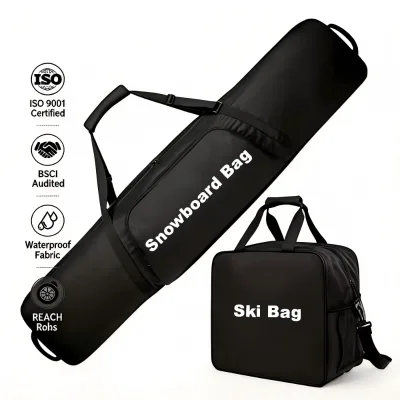
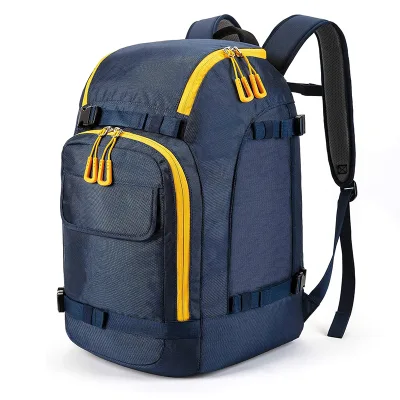


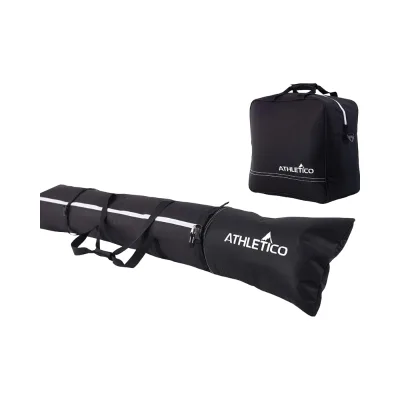
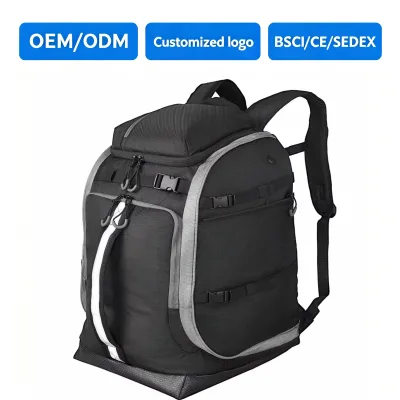
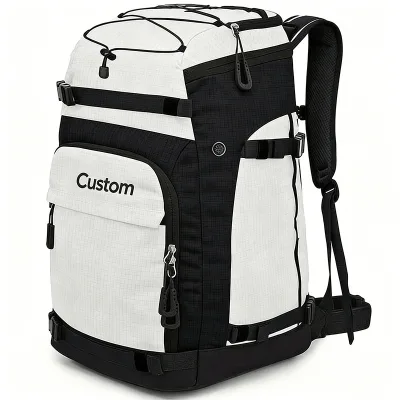
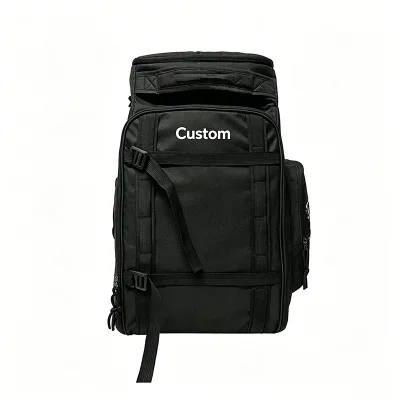
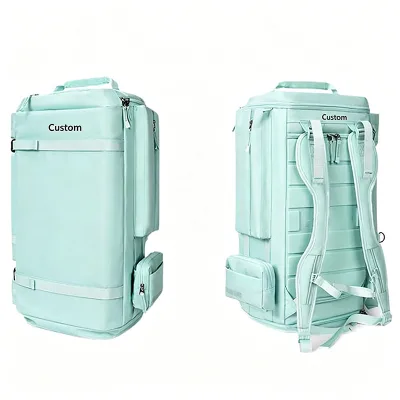
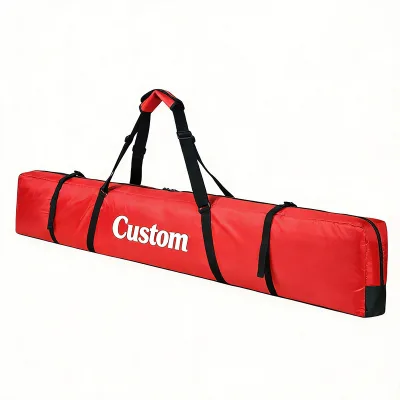
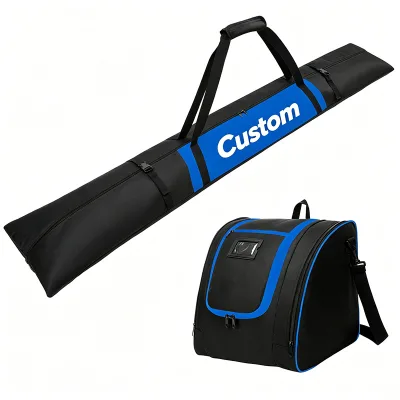
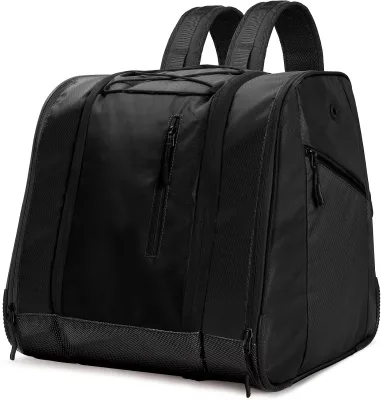
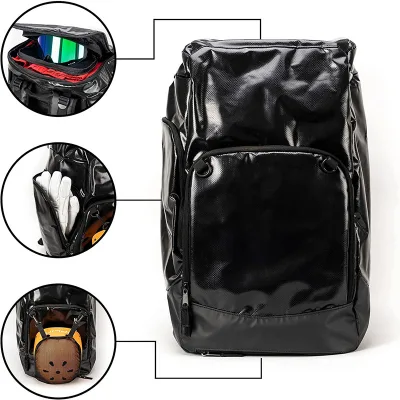
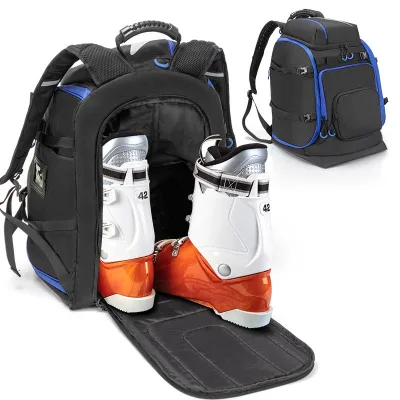
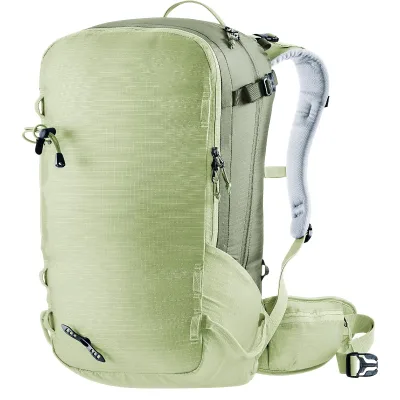
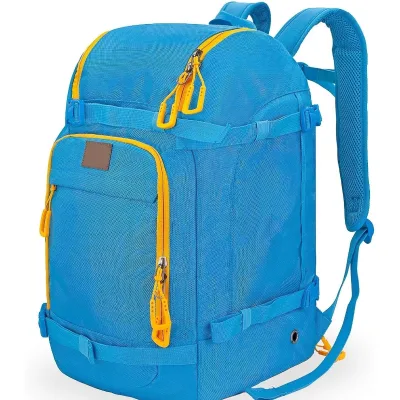
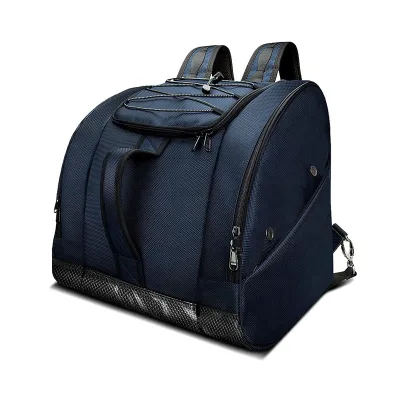
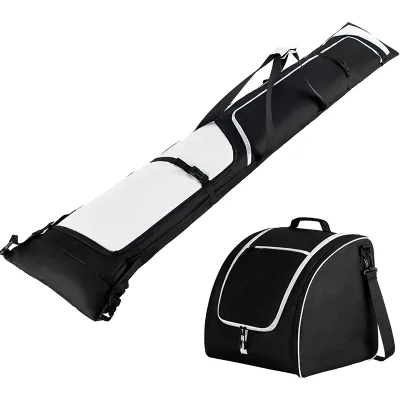


Comprehensive Sourcing Guide
Water Resistant Skiing Bag and Snowboard Backpack Set Supplier Concentration and Factory Types
The sourcing landscape for Water Resistant Skiing Bag and Snowboard Backpack Set products is heavily concentrated in specific manufacturing hubs within China, with Fujian emerging as a primary location for these specialized outdoor gear items. Suppliers operating in this region often present as either manufacturers or trading companies, offering a blend of direct production capabilities and flexible sourcing options for international buyers. This dual nature of supplier types allows purchasers to access a wider variety of product configurations, from standard polyester ski bags to more complex OEM designs. The presence of both factory and trading entities in Fujian indicates a mature supply chain ecosystem where raw materials like polyester and PVC are readily available, facilitating efficient production cycles for waterproof and low-temperature resistant bags. Buyers should recognize that while some suppliers may claim manufacturing status, others might function primarily as intermediaries, which can impact pricing structures and communication efficiency. Understanding this distinction is crucial for determining whether a supplier can handle custom design requests or if they are limited to catalog items. The concentration of these businesses in Fujian suggests a regional expertise in outdoor apparel and accessories, potentially leading to higher quality control standards and specialized knowledge in materials suitable for harsh winter conditions. This geographic clustering also implies that logistics infrastructure is likely optimized for exporting these goods, reducing potential delays in shipping. However, buyers must verify the actual operational capacity of each supplier, as the label of "manufacturer" does not always guarantee in-house production facilities for every component of the bag, such as zippers or padding. The diversity in company types means that some suppliers may offer faster turnaround times due to existing inventory, while others might provide better customization options through direct factory lines. This variation requires careful evaluation to align supplier capabilities with specific project needs, whether prioritizing speed, cost, or unique design features. The focus on Fujian as a hub highlights the importance of regional sourcing strategies when looking for reliable partners in the outdoor sports bag sector.
How to Verify Water Resistant Skiing Bag and Snowboard Backpack Set Suppliers
Verifying the legitimacy and capability of suppliers requires a multi-layered approach that goes beyond basic profile reviews, focusing on tangible evidence of production quality and business stability. Buyers should prioritize suppliers who display third-party verification badges, such as CTI verification, which indicates that an independent inspection agency has audited the company’s operations. This level of verification provides a higher degree of confidence in the supplier’s existence and operational integrity compared to self-reported information. Additionally, examining system certifications is critical for assessing compliance with international standards; certifications like BSCI, ISO 9001, and TS 16949 suggest that the supplier adheres to rigorous management and quality control protocols. BSCI certification, in particular, is relevant for ensuring ethical labor practices, which is increasingly important for global brands. Buyers should also look for product-specific attributes that demonstrate technical competence, such as waterproof features and material specifications like polyester construction. These details indicate that the supplier understands the functional requirements of ski and snowboard bags, which must withstand moisture and rough handling. It is essential to cross-reference these certifications with the supplier’s claimed main products to ensure consistency; a supplier listing trolley luggage and school bags as primary items may have different quality focuses than one specializing in outdoor sports gear. Furthermore, checking for OEM and ODM service availability can reveal the supplier’s flexibility and design capabilities, which are vital for custom branding. Buyers should request samples to physically verify the waterproof claims and material durability, as online descriptions can sometimes be misleading. The presence of detailed product attributes, such as specific model numbers and packing dimensions, also suggests a level of professionalism and attention to detail. By combining verification badges, certification checks, and product-specific evidence, buyers can build a comprehensive profile of a supplier’s reliability. This due diligence process helps mitigate risks associated with fraudulent or low-quality suppliers, ensuring that the chosen partner can deliver products that meet both functional and ethical standards.
What to Compare Across Water Resistant Skiing Bag and Snowboard Backpack Set Suppliers
When evaluating multiple suppliers, buyers must systematically compare key operational metrics to identify the most suitable partner for their specific requirements. Lead time is a critical factor, with some suppliers offering turnaround times as short as 23 days, while others may require up to 30 days. This variation can significantly impact inventory planning and market launch schedules, making it essential to align lead times with project deadlines. Response time is another vital metric, indicating the supplier’s efficiency in communication; a response time of 3 hours suggests high availability, whereas a longer response time might indicate potential delays in addressing queries or resolving issues. Minimum Order Quantity (MOQ) requirements also vary, with some suppliers setting thresholds at 500 pieces, which can influence the feasibility of small batch orders or trial runs. Buyers should compare these MOQs against their projected sales volumes to avoid overstocking or production bottlenecks. Pricing is a fundamental comparison point, with costs ranging from approximately $4.49 to $16.50 per unit depending on features, materials, and customization levels. Understanding the price range helps buyers budget accurately and negotiate effectively. Additionally, comparing main products and service offerings, such as OEM and ODM capabilities, can reveal which suppliers are better suited for custom branding versus standard product purchases. The availability of customization options, including logo printing and color choices, adds value for brands seeking unique market positioning. Buyers should also assess the supplier’s capacity for handling different bag types, from lightweight ski boot bags to large capacity snowboard backpacks, to ensure versatility. By systematically comparing these dimensions, buyers can create a weighted scorecard that balances cost, speed, quality, and flexibility. This structured approach reduces subjective decision-making and leads to more informed sourcing choices. It is important to note that not all suppliers will excel in every category, so prioritizing the most critical factors for the specific business need is key. This comparative analysis ensures that the selected supplier aligns with the buyer’s strategic goals and operational constraints.
Common Water Resistant Skiing Bag and Snowboard Backpack Set Sourcing Risks
Sourcing Water Resistant Skiing Bag and Snowboard Backpack Set products involves several inherent risks that buyers must proactively manage to ensure successful procurement outcomes. One significant risk is the discrepancy between claimed product features and actual performance, particularly regarding waterproofing and durability. While suppliers may advertise products as waterproof or low-temperature resistant, without independent testing or clear material specifications, these claims may not hold up under real-world conditions. Buyers should be cautious of suppliers who do not provide detailed material compositions or fail to offer samples for verification. Another risk is the variability in quality control across different suppliers, especially when dealing with trading companies that may source from multiple factories. This lack of direct oversight can lead to inconsistencies in product quality, such as uneven stitching or faulty zippers, which can damage brand reputation. Additionally, the risk of intellectual property infringement exists when working with suppliers offering OEM services, as designs may be replicated or sold to competitors. Buyers must ensure that confidentiality agreements are in place and that the supplier has a track record of respecting IP rights. Logistics risks are also prevalent, particularly when sourcing from distant manufacturing hubs like Fujian, where shipping delays or customs issues can disrupt supply chains. Buyers should consider the supplier’s experience with international shipping and their ability to handle documentation accurately. Furthermore, the risk of price fluctuations due to raw material costs, such as polyester, can impact final pricing, so buyers should seek stable pricing agreements or monitor market trends. Communication barriers can also pose a risk, leading to misunderstandings about specifications or delivery terms. To mitigate these risks, buyers should conduct thorough due diligence, request detailed contracts, and maintain open lines of communication. Regular quality inspections and clear specification sheets can also help prevent disputes. By anticipating these potential pitfalls, buyers can implement safeguards that protect their interests and ensure a smoother sourcing process.
Water Resistant Skiing Bag and Snowboard Backpack Set Regional Sourcing and Logistics
Regional sourcing from hubs like Fujian, China, offers distinct advantages and challenges for buyers of Water Resistant Skiing Bag and Snowboard Backpack Set products. The concentration of manufacturers in this region provides access to a robust supply chain ecosystem, including readily available raw materials and specialized labor, which can lead to competitive pricing and efficient production. However, buyers must navigate the logistical complexities associated with exporting from this area, including port congestion and shipping route availability. Understanding the local logistics infrastructure is crucial for planning effective transportation strategies. Suppliers in Fujian often have established relationships with freight forwarders, which can facilitate smoother export processes, but buyers should still verify the supplier’s experience with international shipping to avoid delays. The distance to major global markets can impact transit times, so buyers should factor in lead times for both production and shipping when planning inventory. Additionally, regional trade policies and tariffs can affect the final landed cost of goods, requiring buyers to stay informed about relevant regulations. The presence of multiple supplier types in the region, including both manufacturers and trading companies, offers flexibility in sourcing strategies, allowing buyers to choose partners based on their specific logistical needs. For instance, trading companies may offer consolidated shipping options, reducing costs for smaller orders. Buyers should also consider the environmental impact of their sourcing decisions, as some suppliers may have sustainability certifications that align with their brand values. By leveraging the regional strengths of Fujian while mitigating logistical risks, buyers can optimize their supply chain for efficiency and cost-effectiveness. This requires a balanced approach that combines local expertise with global logistics planning.
Water Resistant Skiing Bag and Snowboard Backpack Set Commercial Terms and Order Planning
Effective commercial terms and order planning are essential for managing the procurement of Water Resistant Skiing Bag and Snowboard Backpack Set products successfully. Buyers should negotiate clear payment terms that protect their interests, such as using escrow services or letter of credit arrangements, to ensure secure transactions. Understanding the supplier’s pricing structure is vital, as costs can vary based on order volume, customization requirements, and material choices. Buyers should aim for transparent pricing that includes all fees, such as packaging and shipping, to avoid hidden costs. Order planning must account for the supplier’s lead time and MOQ, ensuring that production schedules align with market demand. For suppliers with an MOQ of 500 pieces, buyers should assess whether this volume matches their sales projections to prevent excess inventory. Customization options, such as logo printing and color variations, should be clearly defined in the contract to avoid disputes. Buyers should also establish quality acceptance criteria, including specific tests for waterproofing and durability, to ensure the products meet their standards. Communication protocols should be set to facilitate regular updates on production progress and address any issues promptly. Additionally, buyers should plan for after-sales support, including warranty terms and return policies, to handle potential defects. By carefully structuring commercial terms and planning orders strategically, buyers can minimize risks and maximize the value of their sourcing investments. This proactive approach ensures a smooth transaction process and fosters a long-term partnership with reliable suppliers.
FAQs
What is the typical lead time for ski bag orders?
Manufacturers in Fujian, China, generally require 30 days to produce standard ski bags. Some suppliers offer faster turnaround times of 23 days for specific models. Buyers should confirm exact schedules with the supplier before placing bulk orders to ensure timely delivery for the season.
What is the minimum order quantity for these bags?
The standard minimum order quantity is 500 pieces for most ski and snowboard bags. This MOQ applies to various models including waterproof and padded options. Buyers seeking smaller quantities should verify if the supplier accepts lower volumes or if custom pricing applies to the order.
Are these ski bags waterproof and durable?
Yes, many ski bags are explicitly described as waterproof and low-temperature resistant. They are typically constructed from durable polyester materials with padded interiors. Features include water-proof zippers and robust closures designed to protect equipment during outdoor snow sports and travel applications effectively.
What certifications do these suppliers hold?
Suppliers often hold BSCI certification for social compliance. Some factories also possess ISO 9001 and TS 16949 system certifications. Buyers should verify specific credentials directly with the manufacturer to ensure the products meet required quality and ethical standards for their market.
What is the price range for ski bags?
Prices typically range from $4.49 to $16.50 per unit depending on the model and features. Basic polyester bags start around $4.49, while larger 65L capacity or specialized waterproof models cost between $12.50 and $16.50. Final pricing depends on order volume and customization requirements.
Can I customize the logo on these bags?
Yes, most suppliers offer OEM and ODM services with customized logo printing. Buyers can request specific branding on the polyester exterior. Customization is available for various models, allowing businesses to brand their ski and snowboard bags for retail or promotional purposes effectively.