Waterproof Retro LED Camping Lantern Suppliers and Manufacturers
Source 15 verified suppliers for waterproof retro led camping lanterns. Compare response times, lead times, certifications, and pricing to find the right partner. Review product specs and request quotes today; review the available evidence before requesting comparable quotations from suitable candidates.
Suppliers List

Fuzhou Colshine Electric Co., Ltd.
- Verified by SGS
- Trading Company,Manufacturer/Factory
- China Fujian
- Lead time23 days
- Avg. response≤ 14h
Main productsLED Corn Light, LED Street Light, LED Yard Light, LED Dusk to Dawn Light, Sauna Lamp, Pendant Light, Porcelain Lampholder, Metal Lampholder, Halogen Lampholder, Retro Switch & Socket
Main marketsSouth America,Eastern Europe,Mid East,North America,Southeast Asia,Eastern Asia,Oceania,Western Europe,Africa


Retro Camping Lantern Rechargeable Outdoor Waterproof Camping Lights Tent Lighting
$27.00 - $30.00
Moq: 1000

Portable Camping Lamp USB Rechargeable Bright Light Vintage Lantern with Bluetooth
$15.00 - $25.00
Moq: 1000


Ningbo Eto Outdoor Supplies Co., Ltd.
- Trading Company,Manufacturer/Factory
- China Zhejiang
- Lead time23 days
- Avg. response≤ 5h
Main productsTent, Hammock, Sleeping Bag, BBQ Grill, Camping Furniture, Garden Furniture, Camping Lantern, Beach Furniture, Travelling Accessories, Mattress
Main marketsSouth America,Eastern Europe,Mid East,North America,Southeast Asia,Eastern Asia,Oceania,Western Europe,Africa

NINGBO HAISHU HOPE-U INTERNATIONAL TRADING CO., LTD.
- Manufacturer/Factory
- China Zhejiang
- Lead time45 days
- Avg. response≤ 6h
Main productsGift, Beauty Device, Bluetooth Speaker, Skin Care, Cosmetics, Promotional Products, Camping Lamp, Fan, Keyboard and Mouse, Humidifier
Main marketsSouth America,Eastern Europe,North America,Southeast Asia,Western Europe

- Verified by CTI
- Combined
- China Fujian
- Lead time30 days
- Avg. response≤ 5h
Main productsRoof Top Tent, Outdoor Tent, Camping Lantern, Solar Light, Car Tent
Main marketsSouth America,Southeast Asia/ Mideast,East Asia(Japan/ South Korea),Domestic,Europe,Australia,North America


Mini Lanterns LED Light Rechargeable LED Lantern Decor Waterproof Camping Lantern
$23.50 - $27.00
Moq: 1000


Shenzhen HXY Industrial Co., Ltd.
- Verified by TUVRHEINLAND
- Trading Company
- China Guangdong
- Lead time30 days
- Avg. response≤ 5h
Main productsSolar Power Systems, Solar Home Systems, Solar Lanterns, Solar Fans, Pay as You Go Solar Home Systems, Solar Home Lighting Systems, Solar Freezer, Solar Refrigerator, Solar Flashlight, Solar System
Main marketsDomestic

Ningbo Brightenlux Electric Appliance Co., Ltd
- Combined
- China Zhejiang
- Lead time30 days
- Avg. response≤ 10h
Main productsLED Flashlight, LED Headlamp, Work Light, Camping Light, Solar Light, Bike Light, Ring Light, Night Light
Main marketsSouth America,Africa,Southeast Asia/ Mideast,East Asia(Japan/ South Korea),Domestic,Europe,Australia,North America

Ningbo Qingyang Import and Export Co., Ltd.
- Verified by SGS
- Trading Company
- China Zhejiang
- Lead time45 days
- Avg. response≤ 1h
Main productsLED Lights, Table Lamp, Night Light, Solar Garden Light, LED Sensor Light, LED String Light, Decorative Light, LED Work Light, Camping Lantern, LED Candle
Main marketsEast Asia(Japan/ South Korea),Europe,North America

Ningbo Weixin Houseware Co., Ltd.
- Trading Company
- China Zhejiang
- Lead time30 days
- Avg. response≤ 9h
Main productsLED Garlands, LED Flood Lights, LED Decoration Lights, LED Night Lights
Main marketsSouth America,Africa,Southeast Asia/ Mideast,Europe,North America

KAM SING STATIONERY & GIFT (YUYAO) CO., LTD.
- Verified by BV
- Combined
- China Zhejiang
- Lead time30 days
- Avg. response≤ 4h
Main productsCamping Light, Camping Lamp, Camping Lantern, LED Light, Torch, LED Lamp, Headlight, Tungsten LED Lantern, Outdoor Light, Rechargeable Light
Main marketsEast Asia(Japan/ South Korea),Domestic,Europe,Australia,North America

Ningbo Sunray Commodity Co., Ltd
- Verified by SGS
- Trading Company,Manufacturer/Factory
- China Zhejiang
- Lead time23 days
- Avg. response≤ 12h
Main productsLED Flashlight, LED Work Light, LED Headlamp, LED Lantern, LED Solar Light, LED Table Lamp, LED Sensor Light, LED Touch Light, LED Book Light
Main marketsSouth America,Eastern Europe,Mid East,North America,Southeast Asia,Eastern Asia,Oceania,Western Europe,Africa

Shijiazhuang Daya E-Commerce Co., Ltd.
- Trading Company
- Hebei, China
- Lead time7 days
- Avg. response≤ 3h
Main productsGlamping Tent,Inflatable Tent,Bell Tent,Dome Tent,Star awning
Main marketsWestern Europe(12.0%), Domestic Market(10.0%), North America(10.0%), South Asia(10.0%), Southeast Asia(10.0%), Eastern Europe(10.0%), South America(10.0%), Southern Europe(5.0%), Northern Europe(5.0%), Mid East(5.0%), Oceania(5.0%), Eastern Asia(5.0%), Africa(2.0%), Central America(1.0%)

Luya Outdoor Products (Yiwu) Co., Ltd
- Verified by SGS
- Trading Company
- China Zhejiang
- Lead time15 days
- Avg. response≤ 3h
Main productsRoof Top Tents, Vehicle Side Awnings, Car Shower Awnings, Motorcycle Aluminum Panniers, Aluminum Shell Roof Tent, Outdoor Camping Furniture, Clampshell Roof Top Tent, 270 Fox-Wing Awning, 180 Car Side Awning, Roof Top Tent Annex
Main marketsSouth America

Ningbo Soya Premium Home Products Co., Ltd.
- Verified by SGS
- Trading Company
- China Zhejiang
- Lead time15 days
- Avg. response≤ 1h
Main productsFolding Chair, Folding Table, Lounge Recliner, Furniture Set, Outdoor Shades, Outdoor Heater & Cooler, Awning, Camping Chair, Camping Van, Folding Bed
Main marketsEurope

Wuhan Youlaixin Electronic Technology Co., Ltd.
- Verified by SGS
- Combined
- China Hubei
- Lead time23 days
- Avg. response≤ 3h
Main productsLED Work Light, LED Car Light, Car Charger, Camping Light, Ambient Light, Car Light
Main marketsSoutheast Asia/ Mideast,Domestic

Zhejiang Sorbo Technology Co., Ltd.
- Verified by TUVRHEINLAND
- Combined
- China Zhejiang
- Lead time30 days
- Avg. response≤ 7h
Main productsCamping Lantern, Radio Flashlight, Wine Set, Household Product, Bidet
Main marketsNorth America


Vintage Rechargeable LED Camping Tent Lantern Bedroom Lignting Long Working Time
$5.40 - $5.70
Moq: 2000


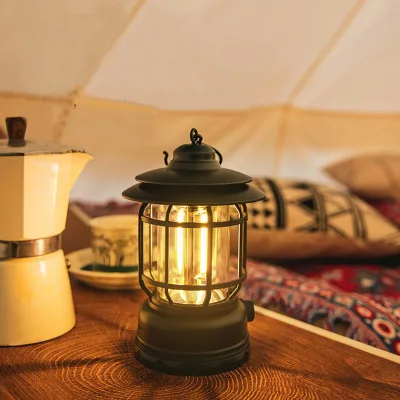
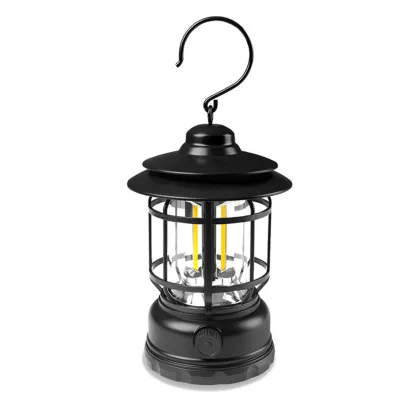


Comprehensive Sourcing Guide
Waterproof Retro LED Camping Lantern Supplier Concentration and Factory Types
Current data indicates a concentration of manufacturing and trading entities in China, specifically within the Fujian and Zhejiang provinces. These regions host a mix of trading companies and manufacturers capable of producing LED lighting solutions alongside camping gear. The Fujian cluster often supplies specialized lighting components such as LED corn lights and street lights, while the Zhejiang area frequently lists camping furniture, tents, and lanterns as core products. This geographic clustering suggests that buyers can find integrated supply chains where lighting and camping equipment are sourced from the same regional ecosystem, potentially simplifying logistics for complete camping kits.
When evaluating the company type, it is essential to distinguish between pure trading firms and factories with their own production lines. Some suppliers in the results list themselves as both trading companies and manufacturers, offering OEM and ODM services for their own brands or custom client designs. This dual status can provide flexibility in order volume and customization, but it requires verification of actual production capacity. Buyers should confirm whether the facility owns the machinery for LED assembly or if it acts as an intermediary sourcing from third-party factories. Understanding this distinction helps in assessing the depth of technical support and the reliability of the supply chain for specialized waterproof retro lanterns.
How to Verify Waterproof Retro LED Camping Lantern Suppliers
Verification of supplier credibility relies heavily on third-party audit reports and system certifications rather than self-declared claims. Several suppliers in the current dataset display verification from SGS, a recognized inspection body, which adds a layer of confidence regarding their operational status. Additionally, system certifications such as ISO 9001, ISO 14001, and BSCI are frequently listed, indicating adherence to quality management and social compliance standards. Buyers must treat these certifications as evidence of a structured management system but should request the specific audit reports to confirm the scope covers the specific manufacturing processes for waterproof lanterns.
Product-level verification is equally critical, as general company certifications do not guarantee specific product safety or performance. The available data shows product attributes including CE, RoHS, and Ukca certifications for specific lantern models, which are essential for international market access. Buyers should cross-reference these product certifications with the specific model numbers provided, such as CS999 or BM007, to ensure the exact unit being ordered meets the required standards. Furthermore, checking the response time, which varies from approximately five to thirteen hours in the current results, can serve as a proxy for operational responsiveness. A supplier with a slower response time may indicate a larger, less agile operation or potential communication bottlenecks that could delay critical order confirmations.
What to Compare Across Waterproof Retro LED Camping Lantern Suppliers
Comparing suppliers requires a detailed analysis of lead times, minimum order quantities, and response speeds to determine operational fit. The observed data reveals significant variance in lead times, with some suppliers indicating a 23-day production window while others suggest up to 45 days. Similarly, minimum order quantities (MOQ) range widely, with some listings requiring 300 units and others demanding 1000 units. These differences directly impact inventory planning and cash flow, making it necessary to align supplier capabilities with the buyer's specific volume requirements and delivery schedules. A supplier with a lower MOQ might be preferable for testing new designs, whereas a higher volume supplier may offer better economies of scale for established product lines.
Beyond logistics, comparing product specifications and customization options is vital for ensuring the final product meets market expectations. The current results show diverse attributes, including battery types ranging from rechargeable 18650 cells to generic rechargeable batteries, and varying runtime capabilities from under ten hours to over twenty-four hours. Some suppliers offer customization for color, housing material, and branding, while others provide fixed models. Buyers must evaluate whether the supplier's R&D capacity supports their specific design needs, such as the inclusion of Bluetooth speakers or specific light ranges. Additionally, comparing the main product focus helps identify specialists; a supplier listing camping furniture as a primary product may have different expertise than one focused solely on LED lighting components.
Common Waterproof Retro LED Camping Lantern Sourcing Risks
One significant risk involves the discrepancy between marketing claims and actual product performance, particularly regarding waterproof ratings and battery longevity. While some product attributes list specific waterproof features, others explicitly state "Non-Waterproof" or lack clear IP ratings in the provided data. This inconsistency can lead to product failures in outdoor environments if the buyer assumes a standard that the specific model does not possess. Buyers must rigorously verify the "Water Resistance" attribute for every model before placing an order, as the term "waterproof" is often used loosely in marketing without technical backing. Relying on general product descriptions without confirming specific test results for the exact model number poses a high risk of receiving substandard goods.
Another critical risk is the variability in supply chain transparency and the potential for hidden costs or delays. The data shows a mix of trading companies and manufacturers, which can sometimes obscure the true origin of the goods or the actual production timeline. If a supplier claims to be a factory but operates primarily as a trading entity, they may lack direct control over quality assurance and production scheduling. This can result in extended lead times beyond the quoted 23 to 45 days or inconsistent quality between batches. Furthermore, the reliance on third-party certifications without direct factory audits can leave buyers vulnerable to compliance issues if the supplier's status changes or if the certification scope does not cover the specific product line being sourced.
Waterproof Retro LED Camping Lantern Regional Sourcing and Logistics
Sourcing from the identified regions of Fujian and Zhejiang offers distinct logistical advantages due to their established infrastructure for lighting and camping goods. Fujian's concentration of LED manufacturers suggests a robust supply chain for electronic components, which can reduce lead times for the lighting aspects of the lanterns. Meanwhile, Zhejiang's focus on camping furniture and outdoor gear indicates a mature ecosystem for packaging and logistics specific to outdoor equipment. Buyers should leverage these regional strengths by selecting suppliers located in the province that best aligns with their primary product needs, whether that is advanced LED technology or durable camping gear integration. This regional alignment can streamline the sourcing process and reduce the complexity of managing multiple suppliers across different industrial clusters.
However, logistics planning must account for the specific shipping requirements of battery-powered products, which are classified as hazardous materials in many jurisdictions. The product data indicates various battery types, including rechargeable lithium batteries, which require special handling and documentation for international transport. Buyers must ensure that their chosen supplier has experience with the necessary export regulations for lithium batteries, as this can significantly impact shipping costs and delivery times. Additionally, the packaging standards listed, such as "Inner Boxing Packing" or "Carton," must be verified to ensure they meet the durability requirements for long-distance shipping. Proper packaging is essential to prevent damage during transit, especially for fragile components like the LED bulbs and rotary switches found in these retro lanterns.
Waterproof Retro LED Camping Lantern Commercial Terms and Order Planning
Commercial terms for these products vary significantly based on the supplier's capacity and the specific order volume. The observed price ranges, from approximately $6.20 to $40.00 per unit, reflect differences in features, materials, and customization levels. Buyers must carefully analyze the price-to-specification ratio, noting that higher prices often correlate with advanced features like Bluetooth connectivity, longer battery life, or specific certifications like Ukca. It is crucial to request detailed quotations that break down costs for tooling, unit price, and shipping, as the listed prices may not include all ancillary fees. Understanding the total landed cost is essential for accurate margin planning, especially when dealing with suppliers who have different MOQ thresholds and lead times.
Order planning should be synchronized with the supplier's production capacity and response time to avoid delays. With response times ranging from under five hours to over thirteen hours, communication efficiency can vary, potentially affecting the speed of order confirmation and issue resolution. Buyers should establish clear communication protocols and set realistic expectations for lead times, which can extend up to 45 days for complex orders. Additionally, the availability of OEM and ODM services should be confirmed early in the planning phase to ensure that design changes or branding requirements can be accommodated within the production schedule. Planning for buffer time in the supply chain is advisable to mitigate risks associated with potential delays or quality rework, ensuring that the final delivery aligns with market launch dates.
FAQs
What is the price range for retro camping lanterns?
Prices for these lanterns typically range from $6.20 to $40.00 per unit. The cost varies based on features like solar capability, Bluetooth connectivity, and material quality. Buyers should expect higher prices for models with advanced customization options or specific certifications like CE and RoHS.
What is the minimum order quantity for these lanterns?
Minimum order quantities generally range from 300 to 1000 units. Specific models may require a minimum of 300 pieces, while others demand 500 or 1000 units. Buyers should verify the exact MOQ for their chosen model, as it directly impacts initial procurement costs and inventory planning.
How long does production take for these lanterns?
Lead times for manufacturing these lanterns are approximately 23 days for some suppliers and up to 45 days for others. The duration depends on the supplier's current capacity and order volume. Buyers should confirm the specific lead time with the supplier before finalizing orders to ensure timely delivery.
Are these lanterns customizable for branding?
Yes, customization is available for many models, including OEM and ODM services. Suppliers offer options for custom branding, packaging, and specific design features. Buyers can request tailored solutions to match their brand identity, ensuring the final product aligns with their marketing and aesthetic requirements.
What certifications do these lanterns have?
These lanterns typically hold CE and RoHS certifications, ensuring compliance with safety and environmental standards. Some suppliers also possess ISO 9001, ISO 14001, and BSCI certifications. Buyers should verify specific product certifications to ensure they meet the regulatory requirements of their target markets.
Where are these lanterns manufactured?
These lanterns are primarily manufactured in China, specifically in regions like Fujian and Zhejiang. These areas are known for their robust manufacturing capabilities and supply chain efficiency. Buyers can expect high-quality production standards and competitive pricing due to the concentration of suppliers in these industrial hubs.