Wireless Barcode Scanner Suppliers and Manufacturers
Explore 16 verified options for Wireless Barcode Scanner suppliers and manufacturers in China Guangdong. Compare response times, lead times, certifications, and product specifications like scan speed and interface types. Contact suppliers directly to request quotes for models such as U9300 or T80s.
Suppliers List

Shenzhen Blovedream Technology Co., Ltd.
- Combined
- China Guangdong
- Lead time15 days
- Avg. response≤ 2h
Main productsPDA, Handheld Terminal, Industrial PDA, Handheld PDA, PDA Android, Android Mobile Computer, PDA Barcode Scanner Android, PDA Barcode Scanner, Android Barcode Scanner Terminal, Data Collector
Main marketsSouth America,Africa,Southeast Asia/ Mideast,East Asia(Japan/ South Korea),Europe,Australia,North America

- Verified by BV
- Trading Company,Manufacturer/Factory
- China Guangdong
- Lead time23 days
- Avg. response≤ 13h
Main productsPOS System, POS Terminal, POS Machine, Industrial Monitor, Touch Monitor, Kiosk, Cash Register, Kitchen Display Screen, Point of Sale, Touch Screen PC
Main marketsSouth America,Eastern Europe,Mid East,North America,Southeast Asia,Eastern Asia,Oceania,Western Europe,Africa

Shenzhen Dyscan Technology Co., Ltd
- Trading Company,Manufacturer/Factory
- China Guangdong
- Lead time0 days
- Avg. response≤ 4h
Main productsBarcode Scanner, 1d Barcode Scanner, 2D Barcode Scanner, Wireless Barcode Scanner, Portable Barcode Scanner, Barcode Scanner Engine, Barcode Scanner Module


Industrial Handheld High Performance 2D Wireless Barcode Scanner with Screen Barcode Scanner
Contact supplier
MOQ: 1 Pieces

High Speed Barcode Scanner Handheld Portable 1d 2D Wireless Barcode Scanner with Dock
Contact supplier
MOQ: 1 Pieces

Jumicro Intelligent Equipment (Jiangsu) Co., Ltd
- Verified by CTI
- Combined
- China Jiangsu
- Lead time23 days
- Avg. response≤ 6h
Main productsSmart Sensing Rack, Smart Sensing Mobile Cart, Smart Stencil Storage Cabinet, Smart Solder Paste Storage Cabinet, First Article Inspection (Fai) Station, Stencil Inspection Machine, X-ray Inspection System, Smart X-ray Component Counter, Dry Storage Cabinet, SMT Auto Splice Machine
Main marketsSoutheast Asia/ Mideast,Domestic


Versatile Wireless Scanner for Industrial Use with Efficient Barcode Technology
$10000.00
MOQ: 5 Pieces


- Verified by BV
- Trading Company,Manufacturer/Factory,Other
- China Guangdong
- Lead time15 days
- Avg. response≤ 4h
Main productsPOS System, POS Terminal, Thermal Printer, Label Printer, Barcode Scanner, Cash Drawer, PDA, Customer Display, Money Counter, Coin Sorter
Main marketsSouth America,Eastern Europe,Mid East,North America,Southeast Asia,Eastern Asia,Oceania,Western Europe,Africa


Barcode Scanner One-Dimensional Barcode Laser Wireless Scanner Bluetooth Scanner Barcode
$16.90 - $20.30
MOQ: 1 Pieces


Guangzhou Dafeng Machinery Co., Ltd.
- Verified by SGS
- Manufacturer/Factory
- China Guangdong
- Lead time15 days
- Avg. response≤ 2h
Main productsIndustrial Inkjet Printer, Handheld Inkjet Printer, Small Character Inkjet Printer, High Resolution Inkjet Printer, Printing Ink, Main Board, Printhead, Printer Spare Parts, Printer Ink, Pij Printer
Main marketsSouth America,Eastern Europe,Mid East,North America,Southeast Asia,Eastern Asia,Oceania,Western Europe,Africa


Industrial Bluetooth Wireless Handheld Barcode Scanner for Easy Scanning
$1000.00 - $1200.00
MOQ: 1 Pieces

Shenzhen rCloud Technology Co., Ltd
- Manufacturer
- China Guangdong
- Lead time15 days
- Avg. response≤ 8h
Main productsCard Reader, RFID Card Reader, Magnetic Card Reader, IC Card Reader, Hybrid Card Reader, DIP Card Reader, Bar Type LCD Display, Double Sided Monitor, LED Gaming Monitor, Curved Gaming Monitor
Main marketsSouth America,Southeast Asia/ Mideast,Europe,North America

Suzhou Qiji Electric Co., Ltd.
- Verified by BV
- Trading Company
- China Jiangsu
- Lead time15 days
- Avg. response≤ 1h
Main productsThermal Printer Mechanism, Thermal Printer Head, Kiosk Printer, Panel Printer, Embedded Printer, Label Printer, Portable Printer, Barcode Scanner, Barcode Reader, Handheld PDA
Main marketsSouth America,Southeast Asia/ Mideast,Domestic,Europe


New economic automatic 2D desktop barcode scanner barcode reader for small supermarket
$26.00 - $30.00
MOQ: 1 Pieces

Wireless 2.4G Bluetooth Portable Barcode Scanner QR Code Reader for Android/IOS /Micro
$19.00 - $23.00
MOQ: 1 Pieces

DI9130 Portable Barcode Scanner reader Handheld Mobile Barcode Reader for Android/IOS /Micro
$19.00 - $23.00
MOQ: 1 Pieces

Superlead barcode scanner usb fast scanning 1D 2D desktop QR barcode scanner
$38.00 - $42.00
MOQ: 1 Pieces

DI9130-2D Wireless 2.4G Bluetooth Portable Barcode Scanner Reader for Android/IOS /Micro
$19.00 - $23.00
MOQ: 1 Pieces

Guangzhou City GSAN Science & Technology Co., Ltd.
- Combined
- China Guangdong
- Lead time15 days
- Avg. response≤ 15h
Main productsPOS System, Thermal Printer, Barcode Scanner, Touch POS Terminal, Cash Drawer, Keyboard, POS Case, Monitor, Customer Display, Punto De Venta Integrado
Main marketsSoutheast Asia/ Mideast,Europe,North America


Wired USB Portable Handheld 1d 2D Barcode Scanner
Contact supplier

Handheld Qr Code Scanner 1d 2D USB Barcode Scanner
Contact supplier

Portable Handheld Barcode Scanner Support 1d&2D
Contact supplier

Portable Mini Scanner Handheld 1d 2D Scanner
Contact supplier

Jiangsu Wiicontrol Information Technology Co.,Ltd
- Verified by BV
- Trading Company
- China Jiangsu
- Lead time30 days
- Avg. response≤ 3h
Main productsParking Management Systems, Parking System Equipments, Parking Ticket Dispensers, Anpr Cameras, Parking Meters, Pay and Display Machines, Barrier Gate, Parking Pay Stations, Lpr Cameras, Street Parking Systems
Main marketsSouth America,Southeast Asia/ Mideast,Domestic,Europe,North America

Guangzhou Bide Iot Technology Co., Ltd.
- Manufacturer, Trading Company, Distributor/Wholesaler
- Guangdong, China
- Lead time7 days
- Avg. response≤ 2h
Main productsThermal printer,Barcode Scanner,POS cash register,PDA,Thermal Paper
Main marketsNorth America(40.00%), Mid East(20.00%), Eastern Europe(20.00%), South America(20.00%)

Shenzhen Tianrui Cloud Technology Co., Ltd.
- Verified by SGS
- Trading Company
- China Guangdong
- Lead time23 days
- Avg. response≤ 2h
Main productsTurnstile, Parking System(Lpr & Barrier Gate), Passport Reader, Industrial Motherboard, Qr Code Reader, Iris Recognition, RFID Device, ID Card Reader, PDA & Rugged Tablet
Main marketsDomestic

- Trading Company
- China Shandong
- Lead time15 days
- Avg. response≤ 3h
Main productsComplete Biobanking Solutions, General Laboratory Supplies, Laboratory Instruments, Pipet Tips, Celll Culture Products, PCR Products, Microbiology Products, Centrifuge Tube, Filter Tips, Petri Dishes
Main marketsSouth America,Africa,Southeast Asia/ Mideast,East Asia(Japan/ South Korea),Domestic,Europe,Australia,North America


Handheld Scanner, Can Read 1d and 2D Barcode
Contact supplier

Foshan Suntek Technology Co., Ltd.
- Verified by SGS
- Manufacturer/Factory
- China Guangdong
- Lead time15 days
- Avg. response≤ 2h
Main productsCash Register POS, Handheld Mobile POS Terminal, Self-Service Kiosk, Self Ordering Kiosk, Self Checkout Kiosk, Payment Kiosks, Facial Recognition, Biometric Access Control and Time Attendance, Edge Ai Comuputing Mini PC, Kds(Kitchen Display System)
Main marketsSouth America,Eastern Europe,Mid East,North America,Southeast Asia,Eastern Asia,Oceania,Western Europe,Africa

Yiwei Technology (Shenzhen) Co., Ltd.
- Verified by TUVRHEINLAND
- Trading Company
- China Guangdong
- Lead time15 days
- Avg. response≤ 1h
Main productsBarcode Printers, Card Printers, RFID Printers, Handheld Pdas, Barcode Scanner, RFID Reader, RFID Labels, Ribbons, RFID Warehouse Management Systems, Fixed Asset Management Solutions.
Main marketsDomestic


Mobile Barcode Scanner for Inventory Management UHF RFID Handheld Reader
$380.00 - $388.00
MOQ: 1 Pieces

Beijing Vacuum Electronic Technology Co., Ltd.
- Verified by BV
- Combined
- China Beijing
- Lead time30 days
- Avg. response≤ 7h
Main productsX-ray Baggage Scanner, Vehicle Inspection System, Container Scanner System, Walk-Through Metal Detector
Main marketsSoutheast Asia/ Mideast,East Asia(Japan/ South Korea),Domestic,North America




Comprehensive Sourcing Guide
Wireless Barcode Scanner Supplier Concentration and Factory Types
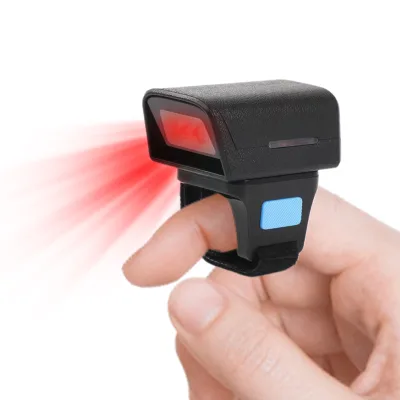
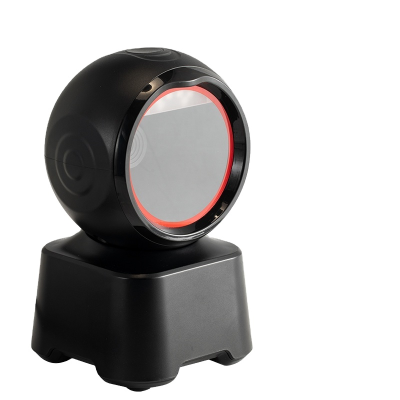
The current supplier landscape for wireless barcode scanners shows a distinct concentration in China Guangdong, where manufacturing clusters for handheld terminals and industrial PDAs are most active. This region hosts a mix of combined entities that function as both manufacturers and trading companies, offering a broad range of products from Android mobile computers to specialized laser scanners. Buyers observing this data should note that the primary output includes handheld PDA barcode scanners, wireless WiFi fingerprint scanners, and RFID collectors, indicating a strong focus on integrated data collection solutions rather than simple standalone devices. The presence of these combined company types suggests that some suppliers may manage their own production lines while others facilitate trade for multiple factories, requiring careful distinction during the vetting process.
When evaluating the factory types within this sector, it is essential to recognize that the supply base includes entities with varying degrees of vertical integration. Some suppliers list capabilities for OEM and ODM services alongside their own brands, which implies they can customize hardware specifications or software interfaces for specific industrial needs. Others may operate primarily as trading companies, aggregating products from different manufacturers to offer a wider catalog of POS systems and touch monitors. The distinction matters because a manufacturer with in-house R&D capacity might offer faster iteration on custom models, whereas a trading company might provide better access to diverse product lines. Buyers must verify the actual production capability of each supplier rather than assuming all combined entities possess the same manufacturing depth or quality control infrastructure.
How to Verify Wireless Barcode Scanner Suppliers
Verification of Wireless Barcode Scanner suppliers requires a rigorous check of their stated credentials and operational history against independent data points. The available evidence indicates that some suppliers hold ISO9001:2015 and ISO14001:2015 certifications, which are critical for ensuring consistent quality management and environmental compliance in the production of electronic devices. Additionally, verification badges such as BV (Bureau Veritas) provide an external layer of trust regarding the supplier's business legitimacy and financial stability. Buyers should not rely solely on self-reported claims but must cross-reference these certifications with the supplier's profile to confirm that the listed standards apply to the specific Wireless Barcode Scanner products being sourced.
Beyond certifications, the response time and lead time metrics serve as practical indicators of a supplier's operational efficiency and reliability. Data shows response times ranging from approximately 1.66 hours to over 12 hours, which can significantly impact the speed of negotiation and order processing. Similarly, lead times vary, with some suppliers indicating a 15-day turnaround while others suggest 23 days or more. These figures are not merely administrative details but reflect the supplier's current production load and logistical capabilities. A buyer should prioritize suppliers with faster response times and shorter lead times if the project timeline is tight, while also verifying that the quoted lead times are realistic for the specific customization level required, such as adding proprietary branding or modifying firmware for Android-based handheld terminals.
What to Compare Across Wireless Barcode Scanner Suppliers
Comparing suppliers requires a systematic analysis of key performance dimensions including lead time, minimum order quantity, and product customization capabilities. The market data reveals that minimum order quantities can be as low as one unit for certain models, which is advantageous for prototyping or small-batch testing, while other suppliers may have different thresholds. Lead times are a critical differentiator, with observed ranges from 15 to 23 days, directly affecting inventory planning and time-to-market for the buyer's end customers. Additionally, the ability to offer OEM and ODM services varies, with some suppliers explicitly stating they support custom branding and design modifications, whereas others may only offer standard off-the-shelf products.
Product specifications and pricing structures also demand close comparison to ensure value alignment with project requirements. The evidence shows price ranges for wireless barcode scanners spanning from approximately $35 to $504, depending on the complexity of the device, such as whether it includes fingerprint scanning, RFID capabilities, or ruggedized features. Buyers must evaluate whether the lower price points correspond to basic models or if they include essential features like network scanning support and USB interfaces. Furthermore, the scan speed of 200 scans per second appears consistent across several models, but the physical dimensions and weight, such as devices under 750g or specific length and width measurements, vary. A comprehensive comparison should weigh these technical attributes against the total cost of ownership, including potential shipping costs from the China Guangdong region and the reliability of the supply chain.
Common Wireless Barcode Scanner Sourcing Risks
One significant risk in sourcing wireless barcode scanners is the potential mismatch between advertised capabilities and actual product performance, particularly regarding network scanning and interface compatibility. While many product listings claim support for network scanning and USB interfaces, buyers must verify that these features function reliably in their specific operational environments, such as warehouses with complex Wi-Fi topologies or retail settings requiring specific POS integrations. The presence of diverse product keywords like "Android Hone Pdas" or "Wireless Baarcode Scanner" suggests a wide variety of models, some of which may have inconsistent quality control or software stability issues. Without rigorous pre-shipment testing, buyers risk receiving devices that fail to meet the required scan speed or connectivity standards, leading to operational disruptions.
Another critical risk involves the variability in lead times and the potential for supply chain delays, especially when dealing with combined entities that may not have direct control over all production stages. The observed lead times of 15 to 23 days indicate that production schedules can fluctuate based on order volume and component availability. If a supplier is acting as a trading company, they may face delays in coordinating with their upstream manufacturers, which can extend the delivery timeline beyond the initial quote. Additionally, the lack of standardized packaging descriptions, with some items listed as "Carto Box with Bubble" and others as "Paper-Box Packaging," highlights the need for clear communication regarding protective measures during transit. Buyers should mitigate these risks by establishing clear contractual terms for delivery dates and requesting detailed packaging specifications to ensure product integrity upon arrival.
Wireless Barcode Scanner Regional Sourcing and Logistics
Sourcing wireless barcode scanners from the China Guangdong region offers access to a mature manufacturing ecosystem but introduces specific logistical considerations that buyers must plan for. The concentration of suppliers in this area means that many factories are located in close proximity, facilitating efficient production and potential site visits, yet it also implies that shipping routes and customs procedures are standardized for this specific export corridor. Buyers should be aware that the origin of the products is consistently listed as China, which affects the calculation of import duties and shipping costs to their destination markets. Understanding the regional logistics network is essential for estimating the total landed cost, as freight rates and transit times can vary significantly depending on the destination country and the chosen shipping method.
Logistics planning must also account for the physical characteristics of the products, such as their dimensions and weight, which influence packaging and freight charges. The evidence indicates that handheld devices often have specific standard dimensions, such as 172mm in length, and weights under 750g, which are relatively compact but still require careful handling to prevent damage during transit. The use of bubble wrap and cardboard boxes is common, but buyers should verify if additional protective measures are necessary for international shipping, especially for high-value models like RFID collectors or fingerprint scanners. Furthermore, the response time of suppliers can impact the speed of resolving any logistical issues that arise, such as customs delays or damaged goods, making it crucial to select a supplier with a proven track record of efficient communication and problem-solving in cross-border transactions.
Wireless Barcode Scanner Commercial Terms and Order Planning
Commercial terms for wireless barcode scanners must be carefully negotiated to align with the buyer's financial and operational constraints, particularly regarding payment methods and pricing structures. The market data shows a wide price range, from $35 to $504, which suggests that buyers should seek detailed quotes that break down costs based on order volume and specific model configurations. Some suppliers may offer flexible payment terms, while others might require upfront payments or use escrow services to protect both parties. It is vital to clarify whether the quoted prices include shipping, insurance, and taxes, as these factors can significantly alter the final cost. Buyers should also inquire about the availability of volume discounts, especially if they plan to place large orders for industrial deployments or retail chains.
Order planning should be driven by the supplier's lead time and the buyer's inventory requirements to avoid stockouts or overstocking situations. With lead times ranging from 15 to 23 days, buyers need to factor in this production window when scheduling their procurement cycles, especially if they are launching new products or expanding their operations. The minimum order quantity of one unit allows for flexibility in testing and small-scale deployments, but larger orders may require more advanced planning to ensure consistent supply. Additionally, buyers should consider the customization options available, such as branding or firmware modifications, as these can extend the lead time and require additional coordination. Establishing a clear timeline for order placement, production, and delivery is essential for maintaining a smooth supply chain and meeting customer demand for wireless barcode scanners.
FAQs
What is a Wireless Barcode Scanner and how does it work?
A Wireless Barcode Scanner captures barcodes and transmits the data to a host system over a radio connection such as 2.4G or WiFi instead of a tethered cable. The scanner stores or streams scans to your POS terminal, computer, or Android handheld device, letting staff move freely around a warehouse, retail floor, or event while maintaining a reliable data link.
Which interface options should I check before ordering?
Most listings specify a USB interface, often with wireless 2.4G dongles or network support alongside it. Confirm whether your POS system, cash register, or handheld PDA accepts the connection type, and ask the supplier for pairing details before ordering. Many models are also available with customization, so integration requirements can often be discussed with the factory during quotation.
What scan speed is typical for these handheld scanners?
Listings for handheld laser and Android-based scanner models commonly cite 200 scans per second, which is fast enough for high-volume retail checkout and warehouse picking. Verify the stated scan speed applies to the specific model you intend to buy, since entry-level and rugged devices can differ. Also check supported symbologies, including 1D laser, 2D QR, and RFID variants where applicable.
How long does production and delivery usually take?
Lead times vary by supplier and order complexity. Supplier results on this page show quoted lead times ranging from about 15 days to around 23 days, so build your schedule around that window. For customized units, ODM or OEM branding, or larger volumes, expect additional time and confirm a written production schedule with the supplier before paying a deposit.
What certifications or quality standards should I look for?
Look for ISO9001:2015 quality management certification as a baseline for manufacturing consistency, with ISO14001:2015 indicating environmental management practices. Product-level marks such as CE and FCC appear on some POS and scanner hardware listings. Always request copies of current certificates directly from the supplier and verify certificate numbers, since listing claims should be confirmed before placing an order.
Can I buy a single unit as a sample first?
Yes, several listings on this page show a minimum order quantity of 1, which makes sampling practical before committing to volume. Order a sample to test scan accuracy, wireless range, and compatibility with your POS or Android system. Ask the supplier whether sample costs and shipping fees can be credited toward a subsequent bulk order, and confirm lead time separately for samples.
How much do wireless barcode scanners typically cost?
Prices span a wide range depending on technology. Basic 2.4G wireless laser scanner models on this page list from roughly 35 to 68 dollars per unit, while rugged Android handheld PDA scanners with touchscreens list from about 199 to 504 dollars. Treat listed prices as reference points, and request an updated quotation based on your configuration, quantity, and customization requirements.
What customization options are available from these suppliers?
Listings on this page mark customization as available, and supplier capabilities include OEM and ODM services, with some also offering their own brand. Typical requests include logo printing, housing color, packaging, firmware or SDK adjustments, and module choices such as laser, 2D, RFID, or fingerprint readers. Describe your application in detail and request a specification sheet before confirming a custom order.